Showing posts with label lifestyle. Show all posts

Friday, June 27, 2014

Brain Science Podcast - "Go Wild" with Dr. John Ratey

http://ecx.images-amazon.com/images/I/51WbdF4MsxL._SL500_AA300_PIaudible,BottomRight,13,73_AA300_.jpg

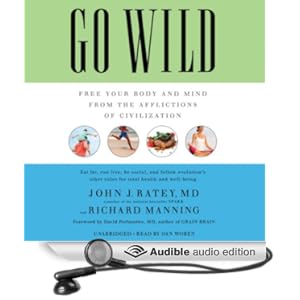
Dr. John Ratey is the co-author, along with Richard Manning, of Go Wild: Free Your Body and Mind from the Afflictions of Civilization. This podcast originally appeared on Dr. Ginger Campbell's Books and Ideas podcast, where Dr. Ratey has been a guest a couple of times.

Here is the publisher's blurb from Amazon:
The scientific evidence behind why maintaining a lifestyle more like that of our ancestors will restore our health and well-being.

In GO WILD, Harvard Medical School Professor John Ratey, MD, and journalist Richard Manning reveal that although civilization has rapidly evolved, our bodies have not kept pace. This mismatch affects every area of our lives, from our general physical health to our emotional wellbeing. Investigating the power of living according to our genes in the areas of diet, exercise, sleep, nature, mindfulness and more, GO WILD examines how tapping into our core DNA combats modern disease and psychological afflictions, from Autism and Depression to Diabetes and Heart Disease. By focusing on the ways of the past, it is possible to secure a healthier and happier future, and GO WILD will show you how.
Good podcast.

"Go Wild" with Dr. John Ratey (podcast)

Ginger Campbell, MD
Monday, June 23, 2014


Richard Manning and John Ratey (click photo to play mp3)

Episode 55 of Books and Ideas is an interview with Dr. John Ratey, co-author of Go Wild: Free Your Body and Mind from the Afflictions of Civilization. There is considerable evidence that our hunter-gatherer ancestors were generally suprisingly healthy, so the purpose of this book and our conversation was to explore the scientific evidence supporting a return to a healthier lifestyle. We touch on diet, exercise, the role of sleep and even meditation. We also explore the importance of our relationship with nature and each other.

Listen to Episode 55 of Books and Ideas

Episode Transcript (Download PDF)



Since I have previously interviewed Dr. Ratey about his books Spark: The Revolutionary New Science of Exercise and the Brain (BSP 33) and Driven To Distraction: Recognizing and Coping with Attention Deficit Disorder from Childhood Through Adulthood (BSP 45), I will be also be posting this episode in the Brain Science Podcast feed.

References:
Additional references are available in the Free Episode Transcript

Announcements:
  • This episode of Books and Ideas will appear in the Brain Science Podcast feed tomorrow. The next episode of the Brain Science Podcast will be posted in late July.
  • Since I am starting a Fellowship in Palliative Care Medicine next month I am not sure when I will publish another episode of Books and Ideas, but I do plan a future episode about Palliative Care.
  • I am speaking at The Amazing Meeting next month in Las Vegas. Check the schedule for the exact time and be sure to drop me an email if you are going to be there.
  • I also plan to attend Podcast Movement 2014 which is being held in Dallas in August.
Share Your Feedback:

Friday, April 11, 2014

Lifestyle Medicine for Depression


This is wonderful to see, finally - even if it is less than honest about the existing evidence for lifestyle interventions to affect depression levels. Drugs for depression are not treating the depression, they are creating an effect of feeling better through making people, for lack of a better word, stoned.

I have seen, firsthand, a client start walking 3-5 days a week (exercise and nature/environment), begin practicing contemplative prayer (meditation), spend more time with her dog (animal therapy - goes on the walk, then fetch in the park), and start spending less time at home by joining church activities and spending time with her kids and granddaughter (socializing). These synergy of these simple changes have been more effective than years of medications and various attempts at therapy.

Lifestyle medicine for depression

Jerome Sarris, Adrienne O'Neil, Carolyn E Coulson, Isaac Schweitzer, and Michael Berk
Author Affiliations | For all author emails, please log on.
Published: 10 April 2014

Abstract (provisional)

The prevalence of depression appears to have increased over the past three decades. While this may be an artefact of diagnostic practices, it is likely that there are factors about modernity that are contributing to this rise. There is now compelling evidence that a range of lifestyle factors are involved in the pathogenesis of depression. Many of these factors can potentially be modified, yet they receive little consideration in the contemporary treatment of depression, where medication and psychological intervention remain the first line treatments. "Lifestyle Medicine" provides a nexus between public health promotion and clinical treatments, involving the application of environmental, behavioural, and psychological principles to enhance physical and mental wellbeing. This may also provide opportunities for general health promotion and potential prevention of depression. In this paper we provide a narrative discussion of the major components of Lifestyle Medicine, consisting of the evidence-based adoption of physical activity or exercise, dietary modification, adequate relaxation/sleep and social interaction, use of mindfulness-based meditation techniques, and the reduction of recreational substances such as nicotine, drugs, and alcohol. We also discuss other potential lifestyle factors that have a more nascent evidence base, such as environmental issues (e.g. urbanisation, and exposure to air, water, noise, and chemical pollution), and the increasing human interface with technology. Clinical considerations are also outlined. While data supports that some of these individual elements are modifiers of overall mental health, and in many cases depression, rigorous research needs to address the long-term application of Lifestyle Medicine for depression prevention and management. Critically, studies exploring lifestyle modification involving multiple lifestyle elements are needed. While the judicious use of medication and psychological techniques are still advocated, due to the complexity of human illness/wellbeing, the emerging evidence encourages a more integrative approach for depression, and an acknowledgment that lifestyle modification should be a routine part of treatment and preventative efforts.

The complete article is available as a provisional PDF. The fully formatted PDF and HTML versions are in production.

Full Citation:

Sarris, J, O'Neil, A, Coulson, CE, Schweitzer, I, and Berk, M. (2014, Apr 10). Lifestyle medicine for depression. BMC Psychiatry, 14:107 doi:10.1186/1471-244X-14-107

Introduction

While modernity has provided multiple technological and medical advances including increased life-expectancy, it has come at a cost, in that a range of lifestyle issues are now negatively affecting our mental health [1]. As Hidaka [1] and Walsh [2] comment, in Western society people are increasingly becoming more sedentary and eating a poorer diet than previous generations. This, in combination with sleep/wake cycle pressures, substance misuse, and psychosocial factors such as more competition and time pressure, social isolation and less intimate engagement with the family unit, may exert a cost on mental health. Further, the combination of stress, fatigue, inactivity, and sleep deficiency in people who are “timepoor”, may advance obesity, and this in turn may promote a sedentary life with potential for resultant depression.

Due to the afore-mentioned challenges of modern urbanity, there is now the need to consider a “Lifestyle Medicine” approach for the potential prevention, promotion and management of depression. While medication and psychological interventions are first-line treatments for depression, Lifestyle Medicine offers a potentially safe and low-cost option for augmenting the management of the condition. While the evidence base remains patchy, many lifestyle or environmental factors are mutable and can provide the basis of practical interventions for the management of depression (summarised in Table 1). Lifestyle Medicine involves the application of environmental, behavioural, and psychological principles to enhance physical and mental wellbeing, adding a therapeutic and potentially preventative approach to illness [3]. This may involve modification of: diet; physical activity and exercise; relaxation and sleep-wake cycles; recreation and work-rest balance; and minimisation/avoidance of smoking, alcohol or illicit substances, in addition to the use of mindfulness-based meditation techniques [2]. Although the evidence base remains in its infancy, environmental issues are also considerations, such as reducing exposure to pollution (air, water, noise, and chemicals) and increasing time spent in nature, and are areas of current investigation. Activity scheduling such as encouraging engagement in meaningful activities and adequate social contact [1] is additionally of value. Further, Lifestyle Medicine may involve the application of clinical psychological techniques, insofar as motivational and behavioural factors are intrinsic to people trying to embrace lifestyle changes [3].


Table 1 Lifestyle Medicine for Depression

Lifestyle element................Evidence level....................Cost
Diet............................................CS, LO.................Moderate expense 

PA/Exercise..........................CS*, LO*, CTs ...............Inexpensive 
Recreation.................................OB, CTs..................Variable expense 
Relaxation/Meditation.................CTs..........................Inexpensive
Sleep......................................CS, LO, CTs...................No expense 

Environment..........................CS, LO, CTs...........Potentially not adjustable 
Socialization..............................CS, LO.........................No expense 
Animal/Pet therapy....................CS, CTs.....................Moderate expense 
Vices (smoking/alcohol)............CS, LO.................Potential to save money

CS = Cross-sectional, OB = Observational Study, LO = Longitudinal, CTs - Clinical Trials, NAT = Nature-Assisted Therapy, PA = Physical Activity. 
*Data assessing the relationship between exercise and depression has revealed mixed outcomes.

Comments on each Lifestyle Element:

Diet - Relationship found between dietary quality and depression; RCTs now required to validate
PA/Exercise - Strong evidence of efficacy for improving mood
Recreation - No studies exploring recreational activities for depression (aside from music therapy)
Relaxation & Meditation - Evidence supports relaxation techniques (especially with a mindfulness component) in improving mood
Sleep - Strong causal link between sleep amount and quality, and depression risk
Environment - Association between reduction of pollution and mood; CTs showing NAT improves mood
Socialization - Strong association between social support/networks and mental health
Animal/Pet therapy - Studies support the psychological benefits of animals and pets
Vices (smoking, alcohol) - Association between smoking and alcohol, and depressed mood


While lifestyle modification has been recognised by practitioners for centuries as a means by which to improve health outcomes, the field of “Lifestyle Medicine,” particularly in the context of mental health, is a relatively new field. While papers have discussed its broader application on health and in particular prevention of chronic disease and cardiovascular/metabolic conditions, little attention has been given to its application for mental health, and in particular depression, which is predicted to be the predominant cause of disability in the developed world [4], and is being argued as one of the prevalent noncommunicable disorders [5]. Some studies show that patients with sub-threshold depression rate lifestyle or psychosocial approaches as strategies that are most helpful in improving their mood [6], while patients with clinical depression have rated exercise as the most effective intervention [7].


There is a heuristic theoretical framework explaining why the modern lifestyle may be impacting mental health. Obesity [8], poor diet [9], poor/decreased sleep [10], exposure to chemicals and pollutants [11], and high stress levels [12], may potentially disrupt the hypothalamic pituitary adrenal axis, increase cortisol and increase low-grade systemic inflammation and oxidative stress. Both neuroendocrine disruption and inflammation have been linked to the aetiology of depression [13,14]. Specifically, increased levels of proinflammatory cytokines, interferon gamma and neopterin, reactive oxygen and nitrogen species and damage by oxidative and nitrosative stress, in combination with lowered levels of antioxidants, may potentially damage mitochondria and mitochondrial DNA; this may result in neurodegeneration and reduced neurogenesis [14].


This opinion paper aims to provide a context for Lifestyle Medicine by providing an overview of the lifestyle factors that are linked with depression risk before exploring the evidence and clinical application of modifying these elements. The paper firstly explores data for which there is sound evidentiary support (diet, physical activity and exercise, mindfulness meditation, management of recreational substance misuse, sleep, and social interaction), and then touches on lifestyle and environmental elements that have nascent data and are subject to confirmatory investigation (greenspace and pollutant exposure, hobbies and relaxation, and animal/pet therapy).

Read the whole article.

Monday, November 18, 2013

What Grain Is Doing To Your Brain (from Forbes)


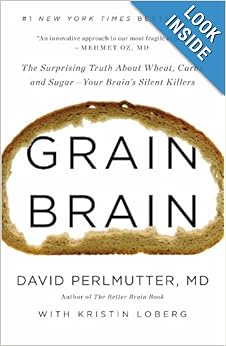
I agree completely. I am 99% grain free - and when I do eat grains (especially wheat), I feel like hell. Almost like a hangover. The article discusses the work of neurologist David Perlmutter, author of Grain Brain: The Surprising Truth About Wheat, Carbs, and Sugar – Your Brain’s Silent Killers (2013).

Here is the publisher's summary of the book:
The devastating truth about the effects of wheat, sugar, and carbs on the brain, with a 30-day plan to achieve optimum health.

Renowned neurologist David Perlmutter, MD, blows the lid off a topic that's been buried in medical literature for far too long: carbs are destroying your brain. And not just unhealthy carbs, but even healthy ones like whole grains can cause dementia, ADHD, anxiety, chronic headaches, depression, and much more. Dr. Perlmutter explains what happens when the brain encounters common ingredients in your daily bread and fruit bowls, why your brain thrives on fat and cholesterol, and how you can spur the growth of new brain cells at any age. He offers an in-depth look at how we can take control of our "smart genes" through specific dietary choices and lifestyle habits, demonstrating how to remedy our most feared maladies without drugs. With a revolutionary 30-day plan, GRAIN BRAIN teaches us how we can reprogram our genetic destiny for the better.
Dementia, chronic headaches, depression, epilepsy and other contemporary scourges are not in our genes, Perlmutter claims. “It’s in the food you eat,”

What Grain Is Doing To Your Brain


  Gary Drevitch, Forbes Contributor

It’s tempting to call David Perlmutter’s dietary advice radical. The neurologist and president of the Perlmutter Health Center in Naples, Fla., believes all carbs, including highly touted whole grains, are devastating to our brains. He claims we must make major changes in our eating habits as a society to ward off terrifying increases in Alzheimer’s disease and dementia rates.

And yet Perlmutter argues that his recommendations are not radical at all. In fact, he says, his suggested menu adheres more closely to the way mankind has eaten for most of human history.

What’s deviant, he insists, is our modern diet. Dementia, chronic headaches, depression, epilepsy and other contemporary scourges are not in our genes, he claims. “It’s in the food you eat,” Perlmutter writes in his bestselling new book, Grain Brain: The Surprising Truth About Wheat, Carbs, and Sugar – Your Brain’s Silent Killers. “The origin of brain disease is in many cases predominantly dietary.”

 
Ten Health Benefits of a High Fiber Diet

The FDA recommends between 20 and 30 grams of fiber per day, but most Americans aren't eating half of that. With benefits that range from weight management to cardiovascular health, is it any wonder we're an overweight nation? Here, 10 health benefits of increasing your fiber intake.

How We Got Here


Perlmutter’s book is propelled by a growing body of research indicating that Alzheimer’s disease may really be a third type of diabetes, a discovery that highlights the close relationship between lifestyle and dementia. It also reveals a potential opening to successfully warding off debilitating brain disease through dietary changes.

(MORE: Is Alzheimer’s Really a Type of Diabetes?)

Perlmutter says we need to return to the eating habits of early man, a diet generally thought to be about 75% fat and 5% carbs. The average U.S. diet today features about 60% carbs and 20% fat. (A 20% share of dietary protein has remained fairly consistent, experts believe.)

Some in the nutrition and medical communities take issue with Perlmutter’s premise and prescription. Several critics, while not questioning the neurological risks of a high-carb diet, have pointed out that readers may interpret his book as a green light to load up on meat and dairy instead, a choice that has its own well-documented cardiovascular heart risks.

“Perlmutter uses bits and pieces of the effects of diet on cognitive outcomes — that obese people have a higher risk of cognitive impairment, for example — to construct an ultimately misleading picture of what people should eat for optimal cognitive and overall health,” St. Catherine University professor emerita Julie Miller Jones, Ph. D., told the website FoodNavigator-USA.

Grain Brain does delve deeply into the negative neurological effects of dietary sugar. “The food we eat goes beyond its macronutrients of carbohydrates, fat and protein,” Perlmutter said in a recent interview with Next Avenue. “It’s information. It interacts with and instructs our genome with every mouthful, changing genetic expression.”

Human genes, he says, have evolved over thousands of years to accommodate a high-fat, low-carb diet. But today we feed our bodies almost the opposite, with seemingly major effects on our brains. A Mayo Clinic study published earlier this year in the Journal of Alzheimer’s Disease found that people 70 and older with a high-carbohydrate diet face a risk of developing mild cognitive impairment 3.6 times higher than those who follow low-carb regimens. Those with the diets highest in sugar did not fare much better. However, subjects with the diets highest in fat were 42% less likely to face cognitive impairment than the participants whose diets were lowest in fat.

Further research published in the New England Journal of Medicine in August showed that people with even mildly elevated levels of blood sugar — too low to register as a Type 2 diabetes risk — still had a significantly higher risk of developing dementia.

(MORE: Fifty-something Diet: Boosting Your Longevity Odds)

“This low-fat idea that’s been drummed into our heads and bellies,” Perlmutter says, “is completely off-base and deeply responsible for most of our modern ills.”

Turning to Nutrition, Not Pills


This fall, the federal government committed $33.2 million to testing a drug designed to prevent Alzheimer’s in healthy people with elevated risk factors for the disease, but “the idea of lifestyle modification for Alzheimer’s has been with us for years,” Perlmutter says, and it’s cost-free.

The author hopes his book and other related media on the diet-dementia connection will inspire more people to change the way they eat. “Dementia is our most-feared illness, more than heart disease or cancer,” Perlmutter says. “When you let Type 2 diabetics know they’re doubling their risk for Alzheimer’s disease, they suddenly open their eyes and take notice.

“People are getting to this place of understanding that their lifestyle choices actually do matter a whole lot,” he says, “as opposed to this notion that you live your life come what may and hope for a pill.”

As we learn more about the brain’s ability to maintain or even gain strength as we age, Perlmutter believes, diet overhauls could become all the more valuable.

“Lifestyle changes can have profound effects later in life,” he says. “I’m watching people who’d already started to forget why they walked into a room change and reverse this. We have this incredible ability to grow back new brain cells. The brain can regenerate itself, if we give it what it needs.”

What it needs most of all, Perlmutter says, is “wonderful fat.” There’s no room in anyone’s diet for modified fats or trans fats, he says, but a diet rich in extra-virgin olive oil, grass-fed beef and wild fish provides “life-sustaining fat that modern American diets are so desperate for.”

Too few of us understand there’s “a big difference between eating fat and being fat,” he says. People who eat more fat tend to consume fewer carbs. As a result, they produce less insulin and store less fat in their bodies.

Change We Ought to Believe In


Changing minds, however, is an uphill climb. “The idea that grains are good for you seems to get so much play,” he says. “But grains are categorically not good for you,” not even whole grains.

“We like to think a whole-grain bagel and orange juice makes for the perfect breakfast,” Perlmutter continues. “But that bagel has 400 calories, almost completely carbohydrates with gluten. And the hidden source of carbs in this picture is that 12-ounce glass of fresh-squeezed orange juice. It has nine full teaspoons of pure sugar, the same as a can of Coke. It’s doing a service with Vitamin C, but you’ve already gotten 72 grams of carbs.

“It’s time to relearn,” he says. “You can have vegetables at breakfast – the world won’t come to an end. You can have smoked salmon, free-range eggs with olive oil and organic goat cheese and you’re ready for the day. And you’re not having a high-carb breakfast that can cause you to bang on a vending machine at 10 a.m. because your blood sugar is plummeting and your brain isn’t working.”

Changing one’s diet is a challenge, he acknowledges. Giving up the gluten found in most carbs makes it even tougher. “The exact parts of the brain that allow people to become addicted to narcotics are stimulated by gluten,” Perlmutter points out. “People absolutely go through withdrawal from gluten. It takes a couple of weeks.”

But the change is worth making, he says, at any age.

“Nutrition matters,” Perlmutter says. “The brain is more responsive to diet and lifestyle than any other part of the body and until now it’s been virtually ignored. We load up on medications when our mood is off, we hope for an Alzheimer’s disease pill when we get older. I submit that we need to take a step back and ask, ‘Is this really how we want to treat ourselves?’”

~ Gary Drevitch is senior Web editor for Next Avenue’s Caregiving and Health & Well-Being channels. Follow Gary on Twitter @GaryDrevitch.

Monday, May 20, 2013

Psychopaths Among Us . . .


This video comes with no description or explanation, but it's an excellent look at psychopaths (anti-social personality disorder in the U.S., although the ASPD diagnosis covers 2 or 3 times as many people as the criteria for psychopathy) - not the serial killer types, but the ones who exist below the radar of most people who do not interact with them personally.

This self-test will ballpark your tendencies toward psychopathy (it's based on psychologist Robert Hare's widely used psychopath diagnostic tool, the Psychopathy Checklist-Revised (PCL-R)).

There are a lot of psychopaths and sociopaths in corporate executives, lawyers, and even government. They are also highly represented among long-term sexual abusers, those who are manipulative and focused on power, and those who lack emotional authenticity, have poor affect regulation, and either play the victim role or refuse to take responsibility for their actions.

Here is a brief outline of essential traits for psychopaths:

Psychopathy Checklist-Revised: Factors, Facets, and Items


FACTOR 1 - involves interpersonal or affective (emotion) personality traits and higher values are associated with narcissism and low empathy as well as social dominance and less fear or depression

Facet 1: Interpersonal
  • Glibness/superficial charm
  • Grandiose sense of self-worth
  • Pathological lying
  • Cunning/manipulative

Facet 2: Affective
  • Lack of remorse or guilt
  • Emotionally shallow
  • Callous/lack of empathy
  • Failure to accept responsibility for own actions

FACTOR 2 - involves either impulsive-irresponsible behaviors or antisocial behaviors and is associated with a maladaptive lifestyle including criminality. The two factors correlate with each other to some extent.

Facet 3: Lifestyle
  • Need for stimulation/proneness to boredom
  • Parasitic lifestyle
  • Lack of realistic, long-term goals
  • Impulsiveness
  • Irresponsibility

Facet 4: Antisocial
  • Poor behavioral controls
  • Early behavioral problems
  • Juvenile delinquency
  • Revocation of conditional release
  • Criminal versatility

OTHER Factors:
  • Many short-term marital relationships
  • Promiscuous sexual behavior
Here is more on the distinction between Factor 1 and Factor 2 individuals:
The unique features of Factor 1 capture the unemotional-predator concept of psychopathy, widely thought to reflect a low-fear temperament as a core risk factor for this pattern of behavior. However, a low-fear temperament does not inevitably lead to adult predation (multifinality). Fearlessness in a prosocial personality represents a positive outcome, not unlike the fictional character of James Bond (or the “hero” as described in the article). A second trait (in addition to fearlessness) of what the authors call “feckless disregard” toward others is a critical minimal component of Cleckleyan psychopathy, and many authors would require a more severe callous predation. This feckless disregard may totally reflect a failure of socialization, in which the low-fear temperament represents a challenge to socializing agents, who are unable to produce a positive developmental trajectory. Alternatively, it is quite possible that another temperament dimension of affiliation (closeness to others) may be important, such that the combination of low fear and low affiliation constitutes a major challenge to socializing agents. Additionally, peer groups may influence whether a criminal trajectory is involved. Thus, we have three possible contributors (fearless temperament, low-affiliation temperament, the results of socializing agents) that come as continuous variables and interact to produce a developmental outcome involving behavior that we call psychopathic. 
The unique features of Factor 2 reflect a dimension of lifelong disinhibition or impulsivity combined with high negative affect (anxiety, depression, fear, anger, alienation) and antisocial behavior. Theories about these processes focus on a failure of a regulatory system that normally inhibits maladaptive behavior and emotional responses. The strength of reward-seeking and emotionally reactive temperaments that are regulated by this system are also important—for example, unregulated strong reward seeking will cause more problems than unregulated weak reward seeking. Socialization processes also are important. Again, we have multiple, continuously variable conditions that can, in nonoptimal combinations, result in antisocial behavior that will be labeled as psychopathy by the PCL-R. 
In neither developmental model is psychopathy an entity or single thing that is powerfully different from those who do not quite meet the criteria. Also, the two models indicate heterogeneity of the etiology of those diagnosed as psychopaths by the PCL-R (equifinality). The monograph’s discussion of whether the antisocial outcomes of Factor 2 processes represent a “true” psychopath makes clear that deciding who is a psychopath is a matter of theoretical preference.
[Fowles, DC. (2011, Dec). Current Scientific Views of Psychopathy. Psychological Science in the Public Interest, vol. 12 no. 393-94. doi: 10.1177/1529100611429679]

Here, then, are the two videos that are the point of this post.


Part 1:
 
a Video from fishead on Vimeo.

Part 2:
 
a Video from fishead on Vimeo.

Monday, November 26, 2012

Dan Buettner: "Blue Zones: Second Edition"


From NPR's The Diane Rehm Show, this is a very cool discussion about "blue zones," the five places on the Earth where people tend to live significantly longer than the rest of us. Her (actually Susan Page is sitting in for Diane) guest is Dan Buettner, author of The Blue Zones, Second Edition: 9 Lessons for Living Longer From the People Who've Lived the Longest.  

One of the very cool stories is of a Greek immigrant to the U.S. who is diagnosed with terminal lung cancer at age 60 and decides to return to his home island of Ikaria to die among his people, except that he didn't. He went home, spent time with friends and family, returned to his church, consumed the local diet heavy on vegetables, fish, and red wine, and even began growing his own grapes and making his own wine - he is now 97 years old. Here is his story from the New York Times Magazine:
Moraitis [in the picture above] considered staying in America and seeking aggressive cancer treatment at a local hospital. That way, he could also be close to his adult children. But he decided instead to return to Ikaria, where he could be buried with his ancestors in a cemetery shaded by oak trees that overlooked the Aegean Sea. He figured a funeral in the United States would cost thousands, a traditional Ikarian one only $200, leaving more of his retirement savings for his wife, Elpiniki. Moraitis and Elpiniki moved in with his elderly parents, into a tiny, whitewashed house on two acres of stepped vineyards near Evdilos, on the north side of Ikaria. At first, he spent his days in bed, as his mother and wife tended to him. He reconnected with his faith. On Sunday mornings, he hobbled up the hill to a tiny Greek Orthodox chapel where his grandfather once served as a priest. When his childhood friends discovered that he had moved back, they started showing up every afternoon. They’d talk for hours, an activity that invariably involved a bottle or two of locally produced wine. I might as well die happy, he thought.

In the ensuing months, something strange happened. He says he started to feel stronger. One day, feeling ambitious, he planted some vegetables in the garden. He didn’t expect to live to harvest them, but he enjoyed being in the sunshine, breathing the ocean air. Elpiniki could enjoy the fresh vegetables after he was gone.

Six months came and went. Moraitis didn’t die. Instead, he reaped his garden and, feeling emboldened, cleaned up the family vineyard as well. Easing himself into the island routine, he woke up when he felt like it, worked in the vineyards until midafternoon, made himself lunch and then took a long nap. In the evenings, he often walked to the local tavern, where he played dominoes past midnight. The years passed. His health continued to improve. He added a couple of rooms to his parents’ home so his children could visit. He built up the vineyard until it produced 400 gallons of wine a year. Today, three and a half decades later, he’s 97 years old — according to an official document he disputes; he says he’s 102 — and cancer-free. He never went through chemotherapy, took drugs or sought therapy of any sort. All he did was move home to Ikaria.
 Read the whole article - it's a great story.


Dan Buettner: "Blue Zones: Second Edition"

Guest Host: Susan Page


Wednesday, November 21, 2012 


Okinawans maintain strong social connections through regular gatherings of a moai.
 - Photo credit: Blue Zones
Okinawans maintain strong social connections through regular gatherings of a moai.
Photo credit: Blue Zones
Researcher, explorer and author Dan Buettner on the latest research about so-called "Blue Zones" locales, where residents live longer than anywhere else on earth.


Human longevity is thought to be explained by a combination of genetic and environmental factors. But recent studies show that as much as 90 percent of life expectancy may be determined by habits. Several years ago, a team of National Geographic scientists identified four regions in the world where people live the longest. In these so-called “Blue Zones,” residents experience far lower rates of chronic disease than Americans do. And people who live in these zones share common habits: they eat mostly plants, are spiritual and have strong ties with family and friends. Now, researchers have identified a fifth Blue Zone: the island of Ikaria, Greece. Author and explorer Dan Buettner on lessons for a long life from the world’s oldest people.


Guests


Dan Buettner: author, explorer, fellow, National Geographic Society.


Related Video

Dan Buettner presented "How to live to be 100+" at TED in September 2009. To find the path to long life and health, Buettner studies the world's "Blue Zones," communities whose elders live with vim and vigor to record-setting age. In his talk, he shares the nine common diet and lifestyle habits that keep them spry past age 100.


Read An Excerpt

Excerpt from "The Blue Zones, Second Edition: 9 Lessons for Living Longer From the People Who've Lived the Longest" by Dan Buettner. Copyright 2012 by Dan Buettner. Reprinted here by permission of National Geographic. All rights reserved.

BlueZones2E_for Diane Rehm

Wednesday, September 21, 2011

Improving Lifestyle Factors for those with Severe Mental Health Issues


As goes the body, so goes the brain. Or something like that.

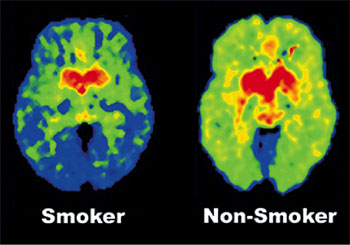
The image above is from a study looking at the brains of adolescent smokers. Clearly, smoking is bad for the brain - and the brain is already malfunctioning, adding smoking just makes it worse (imo).

This article looks at the high incidence of poor lifestyle choices in the severely mentally ill (smoking, drinking, drug use, obesity, etc.). The paper suggests "the benefits of lifestyle interventions based on diet and exercise designed to minimize and reduce the negative impact of these risk factors on the physical health of patients with severe mental illnesses."

I would add that a healthier body can contribute to a healthier brain - it's time to end the body/brain split (mind = body/brain and a whole lot more), and this is a small step in the right direction.


Efficacy of lifestyle interventions in physical health management of patients with severe mental illness

Fernando ChaconFernando MoraAlicia Gervas-Rios and Inmaculada Gilaberte


Annals of General Psychiatry 2011, 10:22. doi:10.1186/1744-859X-10-22
Published: 19 September 2011

Abstract (provisional)

Awareness of the importance of maintaining physical health for patients with severe mental illnesses has recently been on the increase. Although there are several elements contributing to poor physical health among these patients as compared with the general population, risk factors for cardiovascular disease such as smoking, diabetes mellitus, hypertension, dyslipidemia, metabolic syndrome, and obesity are of particular significance due to their relationship with mortality and morbidity. These patients present higher vulnerability to cardiovascular risk factors based on several issues, such as genetic predisposition to certain pathologies, poor eating habits and sedentary lifestyles, high proportions of smokers and drug abusers, less access to regular health care services, and potential adverse events during pharmacological treatment. Nevertheless, there is ample scientific evidence supporting the benefits of lifestyle interventions based on diet and exercise designed to minimize and reduce the negative impact of these risk factors on the physical health of patients with severe mental illnesses.

The complete article is available as a provisional PDF. The fully formatted PDF and HTML versions are in production.

Monday, August 22, 2011

Duane Elgin - 8 Expressions of Simplicity for Healthy Living


Another good post from Duane Elgin at Huffington Post - here he offers some simple ways to bring simplicity into our practices for healthy living.
8 Expressions of Simplicity for Healthy Living


Duane Elgin, Speaker, Author, Non-Partisan Media Activist

To portray the richness of simplicity as a theme for healthy living, here are eight different flowerings that I see growing consciously in the "garden of simplicity." Although there is overlap among them, each expression of simplicity seems sufficiently distinct to warrant a separate category. These are presented in no particular order, as all are important.

1. Uncluttered Simplicity. Simplicity means taking charge of lives that are too busy, too stressed and too fragmented. Simplicity means cutting back on clutter, complications and trivial distractions, both material and non-material, and focusing on the essentials -- whatever those may be for each of our unique lives. As Thoreau said, "Our life is frittered away by detail ... Simplify, simplify." Or, as Plato wrote, "In order to seek one's own direction, one must simplify the mechanics of ordinary, everyday life."


2. Ecological Simplicity. Simplicity means choosing ways of living that touch the Earth more lightly and reduce our ecological impact on the web of life. This life-path remembers our deep roots with the soil, air and water. It encourages us to connect with nature, the seasons and the cosmos. An ecological simplicity feels a deep reverence for the community of life on Earth and accepts that the non-human realms of plants and animals have their dignity and rights as well as the human.


3. Family Simplicity. Simplicity means to place the well-being of one's family ahead of materialism and the acquisition of things. This expression of green living puts an emphasis on giving children healthy role models of a balanced life that are not distorted by consumerism. Family simplicity affirms that what matters most in life is often invisible -- the quality and integrity of our relationships with one another and the rest of life. Family simplicity is also intergenerational -- it looks ahead and seeks to live with restraint so as to leave a healthy earth for future generations.


4. Compassionate Simplicity. Simplicity means to feel such a strong sense of kinship with others that, as Gandhi said, we "choose to live simply so that others may simply live." A compassionate simplicity means feeling a bond with the community of life and being drawn toward a path of cooperation and fairness that seeks a future of mutually assured development in all areas of life for everyone.

5. Soulful Simplicity. Simplicity means to approach life as a meditation and to cultivate our experience of direct connection with all that exists. By living simply, we can more easily awaken to the living universe that surrounds and sustains us, moment by moment. Soulful simplicity consciously tastes life in its unadorned richness rather than being concerned with a particular standard or manner of material living. In cultivating a soulful connection with life, we tend to look beyond surface appearances and bring our interior aliveness into relationships of all kinds.


6. Business Simplicity. Simplicity means a new kind of economy is growing in the world, with healthy and sustainable products and services of all kinds (such as home-building materials, energy systems, food production and transportation systems). As the need for a sustainable infrastructure in developing nations is combined with the need to retrofit and redesign the homes, cities, workplaces and transportation systems of developed nations, it is generating an enormous wave of green business innovation and employment.


7. Civic Simplicity. Simplicity means living more lightly and sustainably on the earth, and this requires, in turn, changes in many areas of public life -- from public transportation and education to the design of our cities and workplaces. To develop policies of civic simplicity involves giving close and sustained attention to media politics, as the mass media are the primary vehicle for reinforcing -- or transforming -- the social norms of consumerism. To realize the magnitude of changes required in such a brief time requires new approaches to communicating with ourselves as different communities of citizens. 


8. Frugal Simplicity. Simplicity means that, by cutting back on spending that is not truly serving our lives, and by practicing skillful management of our personal finances we can achieve greater financial independence. Frugality and careful financial management bring increased financial freedom and the opportunity to more consciously choose our path through life. Living with less also decreases the impact of our consumption upon the earth and frees resources for others.


As these eight approaches illustrate, the growing culture of simplicity contains a flourishing garden of expressions whose great diversity -- and intertwined unity -- are creating a resilient and hardy ecology of learning about how to live more sustainable and meaningful lives. As with other ecosystems, it is the diversity of expressions that fosters flexibility, adaptability and resilience. Because there are so many pathways into the garden of simplicity, this self-organizing movement has enormous potential to grow. 


~ Duane Elgin is a speaker, author and non-partisan activist for media accountability. He is the author of "Voluntary Simplicity," "The Living Universe," "Promise Ahead," and other books. Please visit his website, www.DuaneElgin.com for free articles and videos on thriving in these challenging times. Your comments and suggestions are much appreciated. 

Sunday, October 24, 2010

NPR - Lifestyle Factors May Alter Genetic Traits

Nice though brief segment on epigenetics from NPR's All Things Considered.

A new scientific study appearing in this week's issue of the journal Nature is challenging familiar ideas about genetic inheritance.

We can't change the genes we received from our parents. But our genes are controlled by a kind of instruction manual made up of billions of chemical markers on our DNA, and those instructions can be rewritten by our circumstances — for instance, by obesity. According to the new research, they can even be passed along to children.

In a way it's saying the metabolic sins of the father can be visited on the daughters, even if the daughters haven't been conceived yet.

The study was directed by Margaret Morris, an obesity researcher at the University of New South Wales in Sydney. Morris had previously explored the reasons why the children of obese mothers often become overweight themselves. But her attention shifted when a new graduate student from Malaysia arrived in her laboratory.

"She noted, in a clinic, that when a child arrived for weight management, usually both parents were obese, not just the mother," says Morris.

This wasn't too surprising. It makes sense that if a father is genetically predisposed to obesity, his daughter might be, too. But Morris wondered whether she might be seeing more than genes at work.

The Consequences Of Overeating

Morris set up an experiment with lab rats to see if the biological consequences of a father overeating could somehow get passed on to his daughters. "This is a study that I did for love," she says. "I didn't really have much funding for it. I had to crib money from all over to do it."

Morris took a group of genetically identical male rats, and put half of them on a high-fat diet. Predictably, those rats got fat and suffered symptoms of diabetes.

Then all the rats mated with normal females and had children. Morris looked specifically at the daughters. All of them had a similar genetic makeup, but those with overweight fathers had some of the same problems that their dads did. They weren't overweight, but their production of insulin was impaired.

Related NPR Stories

This finding is fascinating, says Andy Feinberg, at the Johns Hopkins School of Medicine in Baltimore. "In a way it's saying the metabolic sins of the father can be visited on the daughters, even if the daughters haven't been conceived yet," he says.

The Grammar Of DNA

Feinberg thinks he knows how this may be happening. It's an example of an "epigenetic" effect, which is his specialty.

This field — epigenetics — is getting a lot of attention these days. It refers to things in and around our DNA, such as billions of chemical markers that attach to it. Those markers are signals that turn genes on and off. They tell the genes of a liver cell to behave differently from genes in a blood cell, for instance.

The sequence of our DNA — the human genome — has been called the book of life. Feinberg has his own metaphor for the billions of added signals that he studies. If the genetic sequence is the words of the book, the epigenome is the grammar, he says. "It helps to tell what the genes are actually supposed to do, and puts them in context."

Our genes don't change, or if they do, it's a rare and random event. But the grammar of the epigenome is changing all the time. It can also be disrupted by chemicals we eat or breathe.

Apparently it can also be disrupted by obesity, because Feinberg thinks those fat dad rats in Australia created sperm cells with a different pattern of epigenetic marks on their DNA; that's how the effect showed up in their children.

Michael Skinner at Washington State University in Pullman says epigenetic effects are swinging the pendulum of scientific attention from the genetic code back toward the impact of environment.

"I think that we're eventually going to have sort of a merger of this," he says. "I think that we're going to have an appreciation of the fact that there is an environmental influence on biology that probably through more epigenetic mechanisms. There's also a baseline genetic element of biology. And the two combined will actually give us more information about how things work."

Much of epigenetics is still a mystery. Scientists would like to know, for instance, how often epigenetic signals are passed on from parent to child, or even grandchild. So Morris, in Australia, is hoping to repeat her experiment and see if the effect persists over multiple generations.