Showing posts with label pets. Show all posts

Friday, April 11, 2014

Lifestyle Medicine for Depression


This is wonderful to see, finally - even if it is less than honest about the existing evidence for lifestyle interventions to affect depression levels. Drugs for depression are not treating the depression, they are creating an effect of feeling better through making people, for lack of a better word, stoned.

I have seen, firsthand, a client start walking 3-5 days a week (exercise and nature/environment), begin practicing contemplative prayer (meditation), spend more time with her dog (animal therapy - goes on the walk, then fetch in the park), and start spending less time at home by joining church activities and spending time with her kids and granddaughter (socializing). These synergy of these simple changes have been more effective than years of medications and various attempts at therapy.

Lifestyle medicine for depression

Jerome Sarris, Adrienne O'Neil, Carolyn E Coulson, Isaac Schweitzer, and Michael Berk
Author Affiliations | For all author emails, please log on.
Published: 10 April 2014

Abstract (provisional)

The prevalence of depression appears to have increased over the past three decades. While this may be an artefact of diagnostic practices, it is likely that there are factors about modernity that are contributing to this rise. There is now compelling evidence that a range of lifestyle factors are involved in the pathogenesis of depression. Many of these factors can potentially be modified, yet they receive little consideration in the contemporary treatment of depression, where medication and psychological intervention remain the first line treatments. "Lifestyle Medicine" provides a nexus between public health promotion and clinical treatments, involving the application of environmental, behavioural, and psychological principles to enhance physical and mental wellbeing. This may also provide opportunities for general health promotion and potential prevention of depression. In this paper we provide a narrative discussion of the major components of Lifestyle Medicine, consisting of the evidence-based adoption of physical activity or exercise, dietary modification, adequate relaxation/sleep and social interaction, use of mindfulness-based meditation techniques, and the reduction of recreational substances such as nicotine, drugs, and alcohol. We also discuss other potential lifestyle factors that have a more nascent evidence base, such as environmental issues (e.g. urbanisation, and exposure to air, water, noise, and chemical pollution), and the increasing human interface with technology. Clinical considerations are also outlined. While data supports that some of these individual elements are modifiers of overall mental health, and in many cases depression, rigorous research needs to address the long-term application of Lifestyle Medicine for depression prevention and management. Critically, studies exploring lifestyle modification involving multiple lifestyle elements are needed. While the judicious use of medication and psychological techniques are still advocated, due to the complexity of human illness/wellbeing, the emerging evidence encourages a more integrative approach for depression, and an acknowledgment that lifestyle modification should be a routine part of treatment and preventative efforts.

The complete article is available as a provisional PDF. The fully formatted PDF and HTML versions are in production.

Full Citation:

Sarris, J, O'Neil, A, Coulson, CE, Schweitzer, I, and Berk, M. (2014, Apr 10). Lifestyle medicine for depression. BMC Psychiatry, 14:107 doi:10.1186/1471-244X-14-107

Introduction

While modernity has provided multiple technological and medical advances including increased life-expectancy, it has come at a cost, in that a range of lifestyle issues are now negatively affecting our mental health [1]. As Hidaka [1] and Walsh [2] comment, in Western society people are increasingly becoming more sedentary and eating a poorer diet than previous generations. This, in combination with sleep/wake cycle pressures, substance misuse, and psychosocial factors such as more competition and time pressure, social isolation and less intimate engagement with the family unit, may exert a cost on mental health. Further, the combination of stress, fatigue, inactivity, and sleep deficiency in people who are “timepoor”, may advance obesity, and this in turn may promote a sedentary life with potential for resultant depression.

Due to the afore-mentioned challenges of modern urbanity, there is now the need to consider a “Lifestyle Medicine” approach for the potential prevention, promotion and management of depression. While medication and psychological interventions are first-line treatments for depression, Lifestyle Medicine offers a potentially safe and low-cost option for augmenting the management of the condition. While the evidence base remains patchy, many lifestyle or environmental factors are mutable and can provide the basis of practical interventions for the management of depression (summarised in Table 1). Lifestyle Medicine involves the application of environmental, behavioural, and psychological principles to enhance physical and mental wellbeing, adding a therapeutic and potentially preventative approach to illness [3]. This may involve modification of: diet; physical activity and exercise; relaxation and sleep-wake cycles; recreation and work-rest balance; and minimisation/avoidance of smoking, alcohol or illicit substances, in addition to the use of mindfulness-based meditation techniques [2]. Although the evidence base remains in its infancy, environmental issues are also considerations, such as reducing exposure to pollution (air, water, noise, and chemicals) and increasing time spent in nature, and are areas of current investigation. Activity scheduling such as encouraging engagement in meaningful activities and adequate social contact [1] is additionally of value. Further, Lifestyle Medicine may involve the application of clinical psychological techniques, insofar as motivational and behavioural factors are intrinsic to people trying to embrace lifestyle changes [3].


Table 1 Lifestyle Medicine for Depression

Lifestyle element................Evidence level....................Cost
Diet............................................CS, LO.................Moderate expense 

PA/Exercise..........................CS*, LO*, CTs ...............Inexpensive 
Recreation.................................OB, CTs..................Variable expense 
Relaxation/Meditation.................CTs..........................Inexpensive
Sleep......................................CS, LO, CTs...................No expense 

Environment..........................CS, LO, CTs...........Potentially not adjustable 
Socialization..............................CS, LO.........................No expense 
Animal/Pet therapy....................CS, CTs.....................Moderate expense 
Vices (smoking/alcohol)............CS, LO.................Potential to save money

CS = Cross-sectional, OB = Observational Study, LO = Longitudinal, CTs - Clinical Trials, NAT = Nature-Assisted Therapy, PA = Physical Activity. 
*Data assessing the relationship between exercise and depression has revealed mixed outcomes.

Comments on each Lifestyle Element:

Diet - Relationship found between dietary quality and depression; RCTs now required to validate
PA/Exercise - Strong evidence of efficacy for improving mood
Recreation - No studies exploring recreational activities for depression (aside from music therapy)
Relaxation & Meditation - Evidence supports relaxation techniques (especially with a mindfulness component) in improving mood
Sleep - Strong causal link between sleep amount and quality, and depression risk
Environment - Association between reduction of pollution and mood; CTs showing NAT improves mood
Socialization - Strong association between social support/networks and mental health
Animal/Pet therapy - Studies support the psychological benefits of animals and pets
Vices (smoking, alcohol) - Association between smoking and alcohol, and depressed mood


While lifestyle modification has been recognised by practitioners for centuries as a means by which to improve health outcomes, the field of “Lifestyle Medicine,” particularly in the context of mental health, is a relatively new field. While papers have discussed its broader application on health and in particular prevention of chronic disease and cardiovascular/metabolic conditions, little attention has been given to its application for mental health, and in particular depression, which is predicted to be the predominant cause of disability in the developed world [4], and is being argued as one of the prevalent noncommunicable disorders [5]. Some studies show that patients with sub-threshold depression rate lifestyle or psychosocial approaches as strategies that are most helpful in improving their mood [6], while patients with clinical depression have rated exercise as the most effective intervention [7].


There is a heuristic theoretical framework explaining why the modern lifestyle may be impacting mental health. Obesity [8], poor diet [9], poor/decreased sleep [10], exposure to chemicals and pollutants [11], and high stress levels [12], may potentially disrupt the hypothalamic pituitary adrenal axis, increase cortisol and increase low-grade systemic inflammation and oxidative stress. Both neuroendocrine disruption and inflammation have been linked to the aetiology of depression [13,14]. Specifically, increased levels of proinflammatory cytokines, interferon gamma and neopterin, reactive oxygen and nitrogen species and damage by oxidative and nitrosative stress, in combination with lowered levels of antioxidants, may potentially damage mitochondria and mitochondrial DNA; this may result in neurodegeneration and reduced neurogenesis [14].


This opinion paper aims to provide a context for Lifestyle Medicine by providing an overview of the lifestyle factors that are linked with depression risk before exploring the evidence and clinical application of modifying these elements. The paper firstly explores data for which there is sound evidentiary support (diet, physical activity and exercise, mindfulness meditation, management of recreational substance misuse, sleep, and social interaction), and then touches on lifestyle and environmental elements that have nascent data and are subject to confirmatory investigation (greenspace and pollutant exposure, hobbies and relaxation, and animal/pet therapy).

Read the whole article.

Wednesday, March 05, 2014

The Tragedy of America’s Dog - A Brief History of the Vilification of the Pit Bull


This is for all the pit bull lovers out there. I have had the pleasure of having two different Pit Bulls as canine buddies in my life, and both of them have been the most gentle, loving, loyal, affectionate dogs I have known. The picture above is Mogli, a Pit Bull and Dalmatian mix - the sweetest dog I have ever known (he's not so skinny now).

The Tragedy of America’s Dog

A brief history of the vilification of the pit bull.

By Jake Flanagin • February 28, 2014

pit-bull
(Photo: dogboxstudio/Shutterstock)

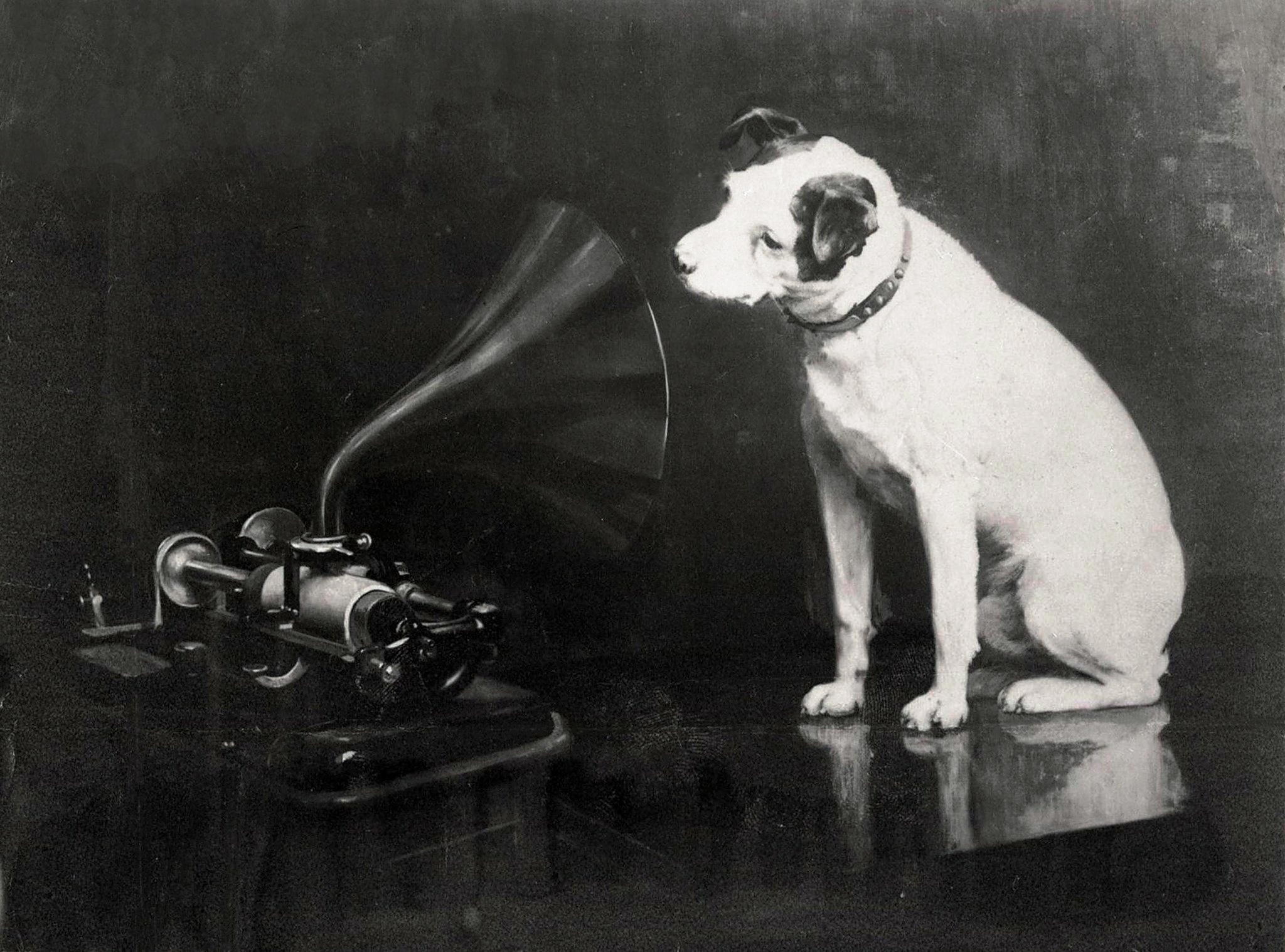
In decades past, the American pit bull was a canine icon. Nicknamed “America’s dog,” and favored for its remarkable loyalty and affability, images of the breed were everywhere. A pit bull named Sergeant Stubby won 13 decorations for his service in the trenches of the First World War. Nipper, the dog from the classic RCA Victor advertisements, was a pit bull. So was Pete the Pup, canine companion to The Little Rascals. Their affinity and gentleness toward children was so widely known and appreciated it inspired a second nickname: “the nanny dog.”

That perception profoundly changed in the 1980s. Dogfighting enjoyed a major resurgence in America in that decade, says John Goodwin, director of animal cruelty policy at the Humane Society of the United States. “In that time there were people who took an interest in romanticizing the horrors of dogfighting … living through the accomplishments of the dog.”

The pit bull’s trademark loyalty combined with its muscular physique made it a prime candidate for exploitation. The breed quickly came to represent aggression and a perverse idea of machismo, thus becoming the preferred guard dog cum status symbol for drug dealers and gangsters.

Popularity for the breed in low-income, urban areas exploded. Consequently, there were (and still are) a large number of un-spayed and un-neutered pit bulls living in extremely close proximity to one another. It was the perfect recipe for an epic puppy-boom. According to Mid-American Bully Breed Rescue, a non-profit that takes pit bull breeds out of high-kill animal shelters around the Midwest, there are approximately five million registered pit bulls in the United States today: a combination of breeds which includes Staffordshire bull terriers, American pit bull terriers, American Staffordshire terriers, or any mix thereof. This figure does not include the substantial number of pit bulls circulating the shelter system and living on the streets. The ASPCA reports that 35 percent of American shelters receive at least one pit bull a day. And in Detroit, where the stray problem borders on epidemical, pit bulls and pit mixes compose 90 percent of the homeless dog population.

Where pit bulls were once ubiquitous in American pop culture, they are now ubiquitous in actuality. And because the overpopulation centers predominantly on low-income areas, the pit bull is arguably one of the least-responsibly cared for breeds in the country.

THE RESULT IS A documented number of pit bull attacks that, upon superficial inspection, appears quite sizable. MABBR reports that, between 1965 and 2001, there have been 60 lethal dog-attacks in the United States involving a pit bull. Compared to most breeds, that figure is indeed quite high. There were only 14 lethal attacks involving Dobermans, for instance. But taking into account the overall populations of each breed measured, the rate of aggression among pit bulls is comparatively quite normal. Even low. During that 36-year period, only 0.0012 percent of the estimated pit bull population was involved in a fatal attack. Compare that to the purebred Chow Chow, which has a fatal-attack rate of 0.005 percent, and consistently ranks as the least child-friendly dog breed on the market. Why don’t media reports of attacks involving Chows eclipse those involving pit bulls? Because there are only 240,000 registered Chow Chows currently residing in the United States. And frankly, the broad-skulled, wide-mouthed pit bull makes for a more convincing monster than the comically puffy Chow.

Also worth noting is the pit’s comparatively large and potentially intimidating physiology. “I don’t think pits bite more than other breeds,” says Dr. Sandi Sawchuk, a small-animal veterinarian and clinical instructor at the University of Wisconsin Veterinary Medical Teaching Center in Madison. “It’s just that when they do, they cause more damage. If someone did the same research on Chihuahuas, they would probably find that there are more bites, but they’re less reported due to insignificant damage.”

A study carried out by veterinary researchers at the University of Pennsylvania confirms as much. Dr. James Serpell and his colleagues found that smaller breeds, such as Chihuahuas, Dachshunds, and Jack Russell terriers, generally exhibit higher tendencies for indiscriminate aggression (toward humans and other dogs). They also found that breeds often vilified in the media as being “inherently aggressive,” such as pit bulls and Akitas, are generally more aggressive toward other dogs, but don’t necessarily exhibit abnormally high aggression toward humans.

This widespread mischaracterization of pit bulls, coupled with the understandably strong emotions of bite victims and their loved ones, has resulted in a number of local ordinances categorized as “breed-specific legislation.” BSL is the banning or restricting of ownership of certain breeds deemed especially dangerous or unpredictable. And it almost always targets pits.

As a strategy for decreasing dog attacks, BSL has been largely debunked. The Journal of the American Veterinary Medical Association released a special report in September of 2000, republished by the CDC, which read, “Breed-specific legislation does not address the fact that a dog of any breed can become dangerous when bred or trained to be aggressive. … An alternative to breed-specific legislation is to regulate individual dogs and owners on the basis of their behavior.” The National Canine Research Council claims, “There is no scientific evidence that one kind of dog is more likely than any other to injure a human being. In fact, there is evidence to the contrary.” They point to a 2008 study by animal behaviorists at the University of Veterinary Medicine in Hanover, Germany. It compares the general temperament of golden retrievers (frequently cited as a behaviorally ideal breed) to that of breeds typically targeted by BSL (read: pit bulls). It concludes: “No significant difference was found.”

“BSL is not the panacea that communities hope it will be,” says KC Theisen, director of pet care issues at HSUS. “It fails to address the root causes of dog bites: spay-neutering, whether a dog is chained up or properly contained.”

In 1989, Denver was one of the first major metropolitan areas to enact BSL specifically banning the ownership of pit bulls. The NCRC reported that, following the law’s passage, Denver County hospital workers indeed saw a decrease in admitted injuries caused by the breed. Yet, to this day, as the law still stands, Denver “continues to have significantly higher dog bite-related hospitalization rates than other counties.”


Further problematic is BSL’s dependence on sight identification. Dogs that simply “look” like a pit bull can be detained or euthanized based on little more than a law enforcement officer’s perception of “pit bullishness.” A 2012 article in JAVMA indicated that a heretofore unprecedented 44 percent of American dogs are of mixed-breed ancestry, and there are few surefire ways of determining exact pedigree, even with advanced DNA testing techniques. “The discrepancy between breed identifications based on opinion and DNA analysis, as well as concerns about the reliability of data collected based on media reports, draws into question the validity and enforcement of public and private policies pertaining to dog breeds,” writes Dr. Victoria Lea Voith, a professor of animal behavior at Western University of Health Sciences’ College of Veterinary Medicine.

Evidently, the pit bull problem isn’t really a pit bull problem. It’s a human problem—like most “animal problems” upon closer inspection. And BSL is a cop-out. It shifts culpability from the truly responsible parties—irresponsible owners—and unfairly manipulates the image of an already exploited breed. The Dodo’s Jenny Kutner reports that 93 percent of sheltered pit bulls are euthanized before being put up for adoption. These dogs, which experts have proven to be essentially no different than any other breed, are in dire need of caring, stable homes. BSL stands in the way of that.

THANKFULLY, IT APPEARS THE tide against pit bulls may be turning. Seventeen states now prohibit BSL in any form. Six more (Maryland, Vermont, South Dakota, Missouri, Utah, and Washington) may be heading in the same direction. Even the White House has come out in opposition to BSL. An official response to an anti-BSL petition posted to WhiteHouse.gov reads:
We don’t support breed-specific legislation—research shows that bans on certain types of dogs are largely ineffective and often a waste of public resources…. As an alternative to breed-specific policies, the CDC recommends a community approach to prevent dog bites. And ultimately, we think it’s a much more promising way to build stronger communities of pets and pet owners.
The Obamas have it right: the solution to curtailing dog attacks, and simultaneously controlling the pit bull population, is a combination of community and owner education. Spreading awareness about the importance and wide accessibility of spaying and neutering is especially necessary. (The ASPCA offers special, low-cost surgical packages at facilities across the country.)

Besides the surgery’s obvious necessity to population control, it can actually have a distinct effect on the disposition of individual dogs. According to the American Humane Association, 94 percent of reported pit bull attacks involve an un-neutered male canine. It’s simple biology. High testosterone levels in mammals produce heightened aggression (evidence: bar fights, the NHL). Fix your pit bull, and the benefits are dual: decreased aggression in individual dogs, and a smaller, healthier overall population. Other benefits? An eliminated risk of testicular cancer (duh), less territorial “urine-marking,” and, ahem, a decreased libido. (No more “inappropriate mounting.”)


At this point, I should probably admit some journalistic bias. My family rescued a dog we believe to be a pit bull, at least partially, in the spring of 2012. No doubt, in the eyes of BSL proponents, this disqualifies me from writing anything of substance on the condition and temperament of the breed—but I maintain what the facts support: Pit bulls are no different than any other dog. Other than having the deck stacked overwhelmingly against them.

In any case, does this look like the face of a monster?


To comment on this post, or anything else on Pacific Standard, visit our Facebook or Google+ page, or send a message to us on Twitter.

****

Jake Flanagin is a researcher at The Atlantic. Follow him on Twitter @jakeflanagin.

More From Jake Flanagin

Monday, February 18, 2013

Dr. Ginger Campbell - Why Animal Emotions Matter (podcast)

In a follow-up to her recent podcast with Dr. Jaak Panksepp, Dr. Ginger Campbell continues the conversation with Dr. Panksepp with a discussion of Why Animal Emotions Matter.

Why Animal Emotions Matter (podcast)

GINGER CAMPBELL, MD
Friday, February 8, 2013


Dr. Jaak Panksepp (click for audio) Episode 51 of Books and Ideas is actually a followup of Dr. Jaak Panksepp's recent interview on the Brain Science Podcast. There we talked in depth about the scientific evidence that humans share basic emotional circuitry with other mammals. In this interview we talk about the implications of this discovery, focusing on how it should impact the treatment of laboratory animals. We also consider our relationships with pets and other domestic species.

Listen to Episode 51 of Books and Ideas


Episode Transcript (Download Free PDF)

Subscribe to Books and Ideas

Related Podcasts:
Announcements:
  • Books and Ideas has its own Facebook Fan Page.
  • You can also post your feedback about Books and Ideas within the BSP Group on Goodreads.
  • A new version of the Books and Ideas website will be launching soon. The URL will not change.

Friday, June 08, 2012

Canine Empathy: Your Dog Really Does Care If You Are Unhappy


From Psychology Today . . . was there ever any doubt? Anyone who has lived a dog for any length of time knows that they can feel when we are don't doing well. often, they will stay close and be extra affectionate.

Canine Empathy: Your Dog Really Does Care if You Are Unhappy


New research shows that dogs respond to their owner's unhappiness. Published onJune 7, 2012 by Stanley Coren, Ph.D., F.R.S.C. in Canine Corner

People often report that it seems as if their dogs are reading their emotional state and responding in much the same way that a human would, providing sympathy and comfort, or joining in their joy. For example an acquaintance named Deborah told me that she had just gotten off of the phone after learning that her sister's husband had died and was sitting on the sofa wiping tears from her eyes and trying to deal with her sadness. She said, "At that moment Angus [her Golden retriever] came over to me and laid his head on my knee and began to whimper. A moment later he quietly walked away, and then returned with one of his favorite toys and gently put it in my lap, and gently licked my hand. I knew he was trying to comfort me. I believe that he was feeling my pain and hoping that the toy which made him happy might also help me to feel better.."

Such incidents involving pet dogs appear to be quite common and at face value they seem to show that dogs are showing empathy for their owners. Generally speaking empathy can be defined as the ability to put oneself into the mental shoes of another person to understand and even share their emotions and feelings. Although dog owners seem to be quite sure that their dogs have empathy for their feelings, if you make that suggestion to a group of psychologists are behavioral biologists it is more apt to start an argument rather than to bring out nods of agreement.

Read the whole post.

Monday, October 18, 2010

New Poem: Sitting Shiva


I borrowed the title of this poem from the Jewish tradition of a seven-day mourning period following a loved one's death.

We lost Maggie, our beautiful Great Dane, this weekend (I wrote about it at The Masculine Heart). More so than even the deaths of immediate family members, I feel a need to observe a mourning, to hold her loss in my awareness and feel it with as much embodiment as I can muster.

As is generally the case with these things, it is not a good poem, but it is one I need to write, maybe one of many.


Sitting Shiva

we stumble through this silence -
autumn wind howling through the hole
of her sudden absence

we've collected her toys,
keeping only her favorite -
the squeaky sheep

mornings are the worst,
the daily ritual disrupted -
no wet kisses and bad breath
waking us to the sunrise,
never again the wagging tail
nor the "woooo" of her joy
in having all of us awake

now there is only the silence,
the empty space where was her bed,
useless food and water bowls

and it's the silence
piercing our hearts
binding our tongues
leaving us gasping
wondering who
we are without her

and how to take
the next breath
and the next
the next