Showing posts with label mental illness. Show all posts

Monday, December 22, 2014

Two Views on Global Mental Health - Evidence-Based vs. Cultural Sensitivity


The two articles cited below were referenced in one of the weekly "best of" lists that I read, sorry that I can't remember which one. But these two articles offer very different takes on the topic of mental health as a global health concern.

In 2010, a team of scholars from the Harvard School of Public Health and the World Economic Forum issued a report on the current and future global economic burden of disease.
In 2010, the report’s authors found, noncommunicable diseases caused 63 percent of all deaths around the world, and 80 percent of those fatalities occurred in countries that the World Bank characterizes as low income or middle income. Noncommunicable diseases are partly rooted in lifestyle and diet, and their emergence as a major risk, especially in the developing world, represents the dark side of the economic advances that have also spurred increased longevity, urbanization, and population growth. The scale of the problem is only going to grow: between 2010 and 2030, the report estimated, chronic noncommunicable diseases will reduce global GDP by $46.7 trillion.
One surprise was that the report predicted that the largest source of future financial costs would be mental disorders, which the report suggested would account for at least a third of the global economic burden of "noncommunicable diseases" by 2030.
Taken together, the direct economic effects of mental illness (such as spending on care) and the indirect effects (such as lost productivity) already cost the global economy around $2.5 trillion a year. By 2030, the team projected, that amount will increase to around $6 trillion, in constant dollars—more than heart disease and more than cancer, diabetes, and respiratory diseases combined. 

The above quotes are taken from a very recent article in the Jan/Feb 2015 issue of Foreign Affairs, "Darkness Invisible: The Hidden Global Costs of Mental Illness." The article is written by Thomas R. Insel (Director of the National Institutes of Mental Health), Pamela Y. Collins (Director, Office for Research on Disparities & Global Mental Health National Institute of Mental Health), and Steven E. Hyman (Director of the Stanley Center for Psychiatric Research and a core member at the Broad Institute of MIT and Harvard).

All three of these authors have skin in the game, so to speak - their jobs are based on the existence of mental disorders on a wide scale that must be treated. That makes me suspect of their opinions. 

Still, their article is worth a read.  

In the post that referenced that article, the author also mentioned an alternative view presented by and at a collaborative website called Somatosphere, "Global Mental Health and its Discontents." Their article was spurred by a then-recent series of articles and conferences on the topic of Global Mental Health.
Recently, an article in Nature entitled “Grand Challenges in Global Mental Health” (2011) identified mental health priorities for research in the next 10 years, sparking controversy and debate about the appropriate methods for establishing priorities, research themes, and interventions in GMH. This year’s annual Advanced Study Institute (ASI) and Conference, hosted by McGill’s Division of Social & Transcultural Psychiatry (July 5-7 2012) in Montreal, Canada, sought to address these concerns and focused on ways to generate critique of the GMH movement to ensure that its goals and methods are responsive to diverse cultural contexts.
Here is the rest of the introductory paragraph from their article:
The ASI workshop and conference entitled “Global Mental Health: Bridging the Perspectives of Cultural Psychiatry and Public Health.”, was chaired by Laurence Kirmayer and Duncan Pedersen, and was animated with intense discussions about various themes related to the GMH endeavour. The three-day ASI series sought to address ongoing controversies and tensions between a public health approach to mental health (grounded in current evidence-based practices largely produced by high-income countries and exported and adapted to local situations) and a culturally-based approach (which emphasizes local priorities and community-based resources and solutions). The first two days took the form of a workshop bringing together experts in cultural psychiatry, public health and medical anthropology for a consideration of ways to bridge various perspectives on GMH.
The authors present their coverage of the conference discussion "in the form of a debate, giving voice to those in attendance." It's definitely worth the time to read.

Broader Topic

This topic points out one of the many issues with the standard position taken on tackling mental health issues, locally or globally - the opposition between one-size-fits-all, "evidence-based" models approach and an individually and culturally sensitive approach that may not fit the "evidence-based" standards of the NIMH.

Living and working in Tucson has provided me with an opportunity to see this conflict in my daily work. A large percentage of our clients are Hispanic, many of whom are Catholic, but others hold beliefs tied to their indigenous heritage (pre-Spanish influence). Even within our Anglo clients there are wide differences in cultural beliefs, religious beliefs, and socioeconomic status, all of which affects their understanding of themselves and of their place in the world.

The treatments favored by the authors of the first article are very often psychopharmacological, i.e., medications, many (if not most) of which create more problems than they solve. For example, antipsychotic drugs used to treat schizophrenia (the costliest of the mental health issues faced in any nation) actually perpetuate the problems they are meant to treat.
During the mid 1990s, MRI studies found that antipsychotics can cause basal ganglion structures and the thalamus to swell, and the frontal lobes to shrink. Then, in 1998, Raquel Gur at the University of Pennsylvania reported that the swelling of the basal ganglia and thalamus was "associated with greater severity of both negative and positive symptoms." In other words, this research showed that the drugs cause morphological changes in the brain that are associated with a worsening of the very symptoms the drugs are supposed to treat. (Robert Whitaker, Psychology Today, May 18, 2010)
The effects of long-term pharmacological interventions are often cited to explain the apparent disparity between outcomes for psychosis between developing nations (better outcomes) and developed nations (poorer outcomes). The research cited by Whitaker supports that belief.

In a longitudinal study of schizophrenia outcomes by Harrow, Jobe, and Faull (2012), it was found that "SZ patients not on antipsychotics for prolonged periods were significantly less likely to be psychotic and experienced more periods of recovery; they also had more favorable risk and protective factors. SZ patients off antipsychotics for prolonged periods did not relapse more frequently."

In his Psychology Today article, Whitake cited another study, in Lapland, Finland, which treated first-time psychosis with a very conservative degree of pharmacological interventions- and the results are striking.
Since 1992, the medical community in the western Lapland region of northern Finland has been using antipsychotics in a selective, cautious manner. At the end of five years, only about one-third of their first-episode psychotic patients have been exposed to antipsychotics, and only about 20% are regularly maintained on the drugs. This is a "continual use" rate similar to the rate for schizophrenia patients from developing countries in the second WHO study, and here are the long-term outcomes for western Lapland's first-episode psychotic patients: Eighty-six percent are working or back in school at the end of five years, and only fourteen percent are on long-term disability. These outcomes are far better than the norm in Western Europe and the rest of the developed world.
Because Finland is a developed nation, this research supports the belief that the deciding factor in why people in developing nations have better outcomes in psychosis is not necessarily due to cultural factors (such as wider family support or better social support), but may largely be due to the pharmacological interventions that are the primary line of treatment in developed nations.

In fact, Parmanand Kulhara (2009), whose research suggests that the difference in outcomes between developed and developing nations is real, notes in his review that “culture should not be used as a synonym for unexplained variance” (Asian Journal of Psychiatry, 2(2); 55-62) - further, "exact factors and the mechanisms subsumed under “culture” that influence outcome and course are still hidden; thus, the “black box” still remains unopened."

It is unlikely that treatment methods in the U.S. are going to change any time soon - pharmacological interventions are considered the primary method, and the only beneficial treatment, for schizophrenia and psychosis.

If you develop symptoms and are lucky enough to find a therapist who understands that psychosis is "a natural though very risky and haphazard process initiated by their psyche in an attempt to cope and/or heal from a way of being in the world that was simply no longer sustainable for them" (Full Recovery from Schizophrenia?,

Tuesday, November 11, 2014

TED Talk Playlist: All Kinds of Minds (9 Talks)

This is a cool collection of TED Talks entitled, "All kinds of minds." These nine talks "shatter" common beliefs and stereotypes about mental illness, or more accurately, neurodiversity.


These powerful stories shatter preconceived notions about mental illness, and pose the provocative question: What can the world learn from different kinds of minds? 

Playlist (9 talks)


14:52 -
Elyn Saks A tale of mental illness -- from the inside
"Is it okay if I totally trash your office?" It's a question Elyn Saks once asked her doctor, and it wasn't a joke. A legal scholar, in 2007 Saks came forward with her own story of schizophrenia, controlled by drugs and therapy but ever-present. In this powerful talk, she asks us to see people with mental illness clearly, honestly and compassionately.


19:43 -
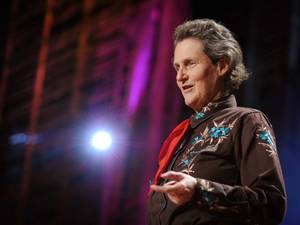
Temple Grandin The world needs all kinds of minds
Temple Grandin, diagnosed with autism as a child, talks about how her mind works — sharing her ability to "think in pictures," which helps her solve problems that neurotypical brains might miss. She makes the case that the world needs people on the autism spectrum: visual thinkers, pattern thinkers, verbal thinkers, and all kinds of smart geeky kids.


14:17 -
Eleanor Longden The voices in my head
To all appearances, Eleanor Longden was just like every other student, heading to college full of promise and without a care in the world. That was until the voices in her head started talking. Initially innocuous, these internal narrators became increasingly antagonistic and dictatorial, turning her life into a living nightmare. Diagnosed with schizophrenia, hospitalized, drugged, Longden was discarded by a system that didn't know how to help her. Longden tells the moving tale of her years-long journey back to mental health, and makes the case that it was through learning to listen to her voices that she was able to survive.


8:44 -
Ruby Wax What's so funny about mental illness?
Diseases of the body garner sympathy, says comedian Ruby Wax — except those of the brain. Why is that? With dazzling energy and humor, Wax, diagnosed a decade ago with clinical depression, urges us to put an end to the stigma of mental illness.


22:18 -
Sherwin Nuland How electroshock therapy changed me
Surgeon and author Sherwin Nuland discusses the development of electroshock therapy as a cure for severe, life-threatening depression — including his own. It’s a moving and heartfelt talk about relief, redemption and second chances.


5:51 -
Joshua Walters On being just crazy enough
At TED's Full Spectrum Auditions, comedian Joshua Walters, who's bipolar, walks the line between mental illness and mental "skillness." In this funny, thought-provoking talk, he asks: What's the right balance between medicating craziness away and riding the manic edge of creativity and drive?


18:01 -
Jon Ronson Strange answers to the psychopath test
Is there a definitive line that divides crazy from sane? With a hair-raising delivery, Jon Ronson, author of The Psychopath Test, illuminates the gray areas between the two. (With live-mixed sound by Julian Treasure and animation by Evan Grant.)


18:48 -
Oliver Sacks What hallucination reveals about our minds
Neurologist and author Oliver Sacks brings our attention to Charles Bonnet syndrome — when visually impaired people experience lucid hallucinations. He describes the experiences of his patients in heartwarming detail and walks us through the biology of this under-reported phenomenon.


9:26 -
Robert Gupta Music is medicine, music is sanity
Robert Gupta, violinist with the LA Philharmonic, talks about a violin lesson he once gave to a brilliant, schizophrenic musician — and what he learned. Called back onstage later, Gupta plays his own transcription of the prelude from Bach's Cello Suite No. 1.

Wednesday, October 22, 2014

Halting Schizophrenia Before It Starts (NPR Morning Edition)

This is an interesting and hopeful story that aired on NPR's Morning Edition on Monday. If we can learn how to head off the dreadful decline into schizophrenia when the very first indicators show up (the prodromal stage), while there is still insight, we might be able to prevent the suffering that comes with this diagnosis.

Halting Schizophrenia Before It Starts


by Amy Standen
October 20, 2014

Meghan, 23, began experiencing hallucinations at 19. "Driving home, cars' headlights turned into eyes. The grills on the cars turned into mouths and none of them looked happy. It would scare the crap out of me," Meghan says.

Marvi Lacar for NPR


The important thing is that Meghan knew something was wrong.

When I met her, she was 23, a smart, wry young woman living with her mother and stepdad in Simi Valley, about an hour north of Los Angeles.

Meghan had just started a training program to become a respiratory therapist. Concerned about future job prospects, she asked NPR not to use her full name.

Five years ago, Meghan's prospects weren't nearly so bright. At 19, she had been severely depressed, on and off, for years. During the bad times, she'd hide out in her room making thin, neat cuts with a razor on her upper arm.

Meghan had been depressed off and on for years, but the hallucinations signaled a subtle shift in her symptoms. Marvi Lacar for NPR

"I didn't do much of anything," Meghan recalls. "It required too much brain power."

"Her depression just sucked the life out of you," Kathy, Meghan's mother, recalls. "I had no idea what to do or where to go with it."

One night in 2010, Meghan's mental state took an ominous turn. Driving home from her job at McDonald's, she found herself fascinated by the headlights of an oncoming car.

"I had the weird thought of, you know, I've never noticed this, but their headlights really look like eyes."

To Meghan, the car seemed malicious. It wanted to hurt her.

Kathy tried to reason with her.

"Honey, you know it's a car, right? You know those are headlights," she recalls pressing her daughter. "You understand that this makes no sense, right?"

"I know," Meghan answered. "But this is what I see, and it's scaring me."

In other words, Meghan had insight, defined in psychiatry as the ability to understand that one's unusual experiences are attributable to a mental illness.

What Meghan saw did not fit with what she believed. She knew she was hallucinating.

Meghan keeps a photo of her cat, Boo, on the wall in her bedroom. "She would stay in her room and keep to herself," Kathy, Meghan's mother, says. "Sometimes that was a good thing because her depression just sucked the life out of you." Marvi Lacar for NPR

It's the loss of insight that signals a psychotic break. This can lead to several different diagnoses, but in people ultimately diagnosed with schizophrenia, the break signals the formal onset of the disease. Typically, a first psychotic break occurs in a person's late teens or early 20s. In men, the range is 15 to 24; in women, 25 to 34.

That first psychotic break can lead to a series of disasters: social isolation, hospitalization, medications with sometimes disabling side effects, and future psychotic episodes.

So, what if you could intervene earlier, before any of that? Could you stop the process from snowballing?

At 19, Meghan hadn't had a psychotic break. She still had insight. That made her eligible for a new type of program taking shape in California that aims to prevent schizophrenia before it officially begins.

The program draws on research suggesting that schizophrenia unfolds much more slowly than might be obvious, even to families.

"You start to see a decline in their functioning," says Dr. Daniel Mathalon, who studies brain development in the early stages of psychosis at the University of California, San Francisco.

"They were doing better in school, now they're doing worse," he says. "Maybe they had friends but they're starting to be more isolated."

Eventually, these subtle behavioral shifts may take on a surreal quality. A young person may hear faint whispers or hissing, or see flashes of light or shadows on the periphery.

"They lack delusional conviction," explains Mathalon. "They're experiencing these things; maybe they're suspicious. But they're not sure."

"I valued my ability to think and learn," Meghan says. "To know that the one thing I valued so highly was dissolving away, that I was losing chunks of my sanity with every hallucination. ... That was more terrifying than the monsters that I saw could ever be." Marvi Lacar for NPR

Psychiatrists have a word for this early stage: prodromal.

Meghan took a screening test developed at Yale University Medical School that identified her as possibly within the prodromal stage of psychosis. That is, her symptoms could be indicative of early psychosis, but weren't predictive.

She was referred to a clinic in an office park about an hour from her house called Ventura Early Intervention Prevention Services, or VIPS, operated by Alameda-based Telecare Corp.

VIPS is one of a handful of programs that have sprung up in California in recent years, based on a model developed in Maine by psychiatrist Dr. Bill McFarlane.

McFarlane believes that psychosis can be prevented with a range of surprisingly low-tech interventions, almost all of which are designed to reduce stress in the family of the young person who is starting to show symptoms.

McFarlane cites research done at UCLA suggesting that certain kinds of family dynamics — families that don't communicate well, or are overly critical — can make things worse for a young person at risk of schizophrenia.

Meghan's family credits the VIPS program for her transformation. "She's not the broken little girl that she was three years ago," Meghan's stepfather, Charlie, says. Marvi Lacar for NPR

"Our theory," says McFarlane, "was that if you could identify these young people early enough, you could alter some of those family patterns. Then you could work with the family to start behaving not just normally, but in a way that was smarter."

McFarlane's programs bring families in for twice-monthly multifamily group therapy sessions, where participants take a nuts-and-bolts approach to resolving disputes at home and softening their responses to what the young person is going through.

"We assume parents can't figure this out alone," says McFarlane.

In some cases, participants are also prescribed antipsychotic drugs, especially one called Abilify, which McFarlane and others believe can stem hallucinations.

McFarlane himself is careful about recommending antipsychotic medications.

The drugs, he says, should be used cautiously, at lower doses than would be prescribed for full psychosis, and even then only in young people who aren't responding to other treatments.

But in programs inspired by his model, the drugs appear to be widely prescribed, including in clients as young as 10 or 13. This fact has become a flashpoint in the conversation around schizophrenia prevention.

"No one is harder to diagnose than a child or a teenager," says Dr. Allen Frances, a former chair of the psychiatry department at Duke University and chair of the task force that produced the fourth revision of the Diagnostic and Statistical Manual, or DSM-IV, the standard reference for psychiatric diagnoses.

"There are rapid developmental changes from visit to visit," he says. "The tendency to overdiagnose is particularly problematic in teenagers."

Frances points to studies showing that if you take three kids, all experiencing those surreal early symptoms, only one will get schizophrenia.

So what about the other two?

Frances says these kids are wrongly labeled and stigmatized. Their parents are terrified. And in many cases, they will be prescribed antipsychotic drugs, which can have serious side effects and haven't been studied well in children.

"We have to be careful of any new fad in psychiatry," says Frances. "The field has been filled with fads in the past, and often we learn in retrospect that they've done much more harm than good."

But what Frances calls a fad is to others a model for mental health care.

To see these programs in action, the best place to go is California, where over the past few years a handful of programs have sprung up based on McFarlane's PIER model.

One, in San Diego, is called Kickstart. Like the others, it's paid for by a state tax on millionaires, passed by voters in 2004, that funds mental health. Services — everything from homework help to family therapy and outings such as kite-flying expeditions — are offered for free.

Joseph Edwards, Kickstart's assistant program director, says for teenagers who might be developing schizophrenia, just being outside, with friends, is a kind of therapy.

"They'll want to isolate," says Edwards. "There's sensitivity to a lot of stimulation. And a lot times we'll see what we call day/night reversal, where they'll stay up all night and go to sleep in the daytime."

Edwards says if a teenager is really isolating, a Kickstart worker will drive to his or her house and cajole the person out. Anything, he says, to keep them engaged, with friends in school or at work.

Tony, 13, spends an afternoon at an arcade with Ashley Wood, his occupational therapist in the Kickstart program in San Diego. Marvi Lacar for NPR

At an arcade in a strip mall, we meet Ashley Wood, one of Kickstart's occupational therapists. Wood brought her client, 13-year-old Tony, here as a reward for being cooperative in therapy.

We aren't using Tony's full name because he's a minor, at the request of his parents.

Wood has an easy laugh and teases Tony gently to pull him out of his shell.

"When we first met, he was so quiet," she says, laughing. "He's like, 'Who is this chick?' "

"Nah," says Tony, smiling shyly. "I was being a jerk."

Tony had been getting in fights. He was angry at his mom, angry in school. And there was something else.

"I used to see stuff and hear [stuff]," he tells me.

"Like what?" I ask him. "Like ... weird objects," he responds. When I press him for more details, he shakes his head.

Are Tony's symptoms the beginning of schizophrenia? Or just the routine weirdness of a teenage brain taking shape?

No one — not Wood, not his therapists — can say for sure.

Wood says what she's teaching him will be helpful either way: "When he's frustrated at school or at home, instead of immediately responding, kind of finding a way to communicate. So we're trying to work on the impulse control as well."

Impulsive, unruly, prone to angry outbursts, Tony sounds like a lot of 13-year-old kids.

That's one reason that last year, the American Psychiatric Association opted to exclude the idea of "psychosis risk syndrome" from the DSM-5, the latest version of the manual of mental disorders. The screening test is generally considered to be only 30 percent accurate.

In 2011, a review of prodrome intervention programs called the idea of intervention in pre-schizophrenia "inconclusive."

"This is an experiment far before its time," says Allen Frances.

McFarlane believes the benefits of these programs are borne out in the work done at his clinic and others based on his model. In July, he published the results of a two-year study of two groups of young people at risk for, or in the early stage of, schizophrenia, which showed better functional outcomes for those who went through treatment.

He and other proponents say schizophrenia's early window may be too precious to miss.

"We're running up against the limits of what we can do for patients who develop schizophrenia, once it goes to chronic stages," UCSF's Mathalon says. "I think this is a direction we have to go in, but we have to do it carefully."

When you talk to people who have been through these programs and ask them what helped them, it is not the drugs, not the diagnosis. It's the lasting, one-on-one relationships with adults who listen, like Ashley Wood.

Tiffany Martinez, an early client of Bill McFarlane's in Maine, chokes up when asked to describe what she thinks helped her climb out of an incipient mental health crisis that began when she was in college.

"To share such personal intimate details, you know? To have these people working so hard on it and so devoted and invested in the work," Martinez, now age 26, says, "it's like getting a chance. Just the program, what the program stands for alone, is hope."

That same relief is palpable when you talk to Meghan's mom, Kathy, and stepfather, Charlie.

"I thought we were going to have to take care of her for the rest of her life," says Kathy. "I thought she'd forever be marginal, forever be medicated. I thought we'd just have to get used to it."

Today Meghan is off all her medications. She's animated, playing board games with her family, excited about being back in school.

Her family credits the VIPS program.

"We were blessed to have this for her," Charlie says. "We really were. It saved her life."

Related Stories


Tuesday, October 14, 2014

Mysterious Resting State Networks Might Be What Allow Different Brain Therapies to Work

From Pacific Standard, this is a brief review of new research around the efficacy of deep brain stimulation and transcranial magnetic stimulation for the treatment of various types of psychological distress (depression, bipolar, and so on). Their results suggest that brain networks might be used to understand why brain stimulation works and to improve this form of therapy by identifying the best places to stimulate the brain.

First up is the summary from PS, followed by the full abstract (article is paywalled).

Mysterious Resting State Networks Might Be What Allow Different Brain Therapies to Work


By Nathan Collins • October 01, 2014

FMRI scans from another study. (Photo: Public Domain)

Deep brain stimulation and similar treatments target the hubs of larger resting-state networks in the brain, researchers find.
•

More and more, doctors and patients dealing with severe depression, obsessive compulsive disorder, or even Parkinson’s disease turn to techniques such as deep brain stimulation and transcranial magnetic stimulation. While those treatments have proven effective in some cases, it has been unclear why the hodgepodge of stimulation sites and techniques all seem to work. A new study suggests one possibility: the different methods each activate parts of the brain common to one of its resting state networks.

For a few decades now, neuroscientists who specialize in functional magnetic resonance imaging, or fMRI, have focused on what our brains do when we do math problems, play games, choose between politicians, and much more. But as early as the mid-1990s, researchers realized they’d been missing something: What happens when we’re not doing anything at all? With that question, they began to explore what’s called the default mode network and other resting state networks (RSNs), collections of brain regions that are active and working together specifically as we let our minds and senses wander. But no one is quite sure what exactly these networks do.

Around the same time as some were exploring RSNs, others were pioneering the next generation of brain stimulation techniques, methods somewhat less crude than early forms of electroconvulsive therapy. Some new methods are invasive—deep brain stimulation, for example, requires an electrical implant in the brain—and some aren’t. Transcranial magnetic stimulation involves a targeted magnetic pulse originating outside the brain. They have one thing in common, though: Different techniques applied in different parts of the brain often achieve the same goals.

It works that way, Michael Fox and five others argue, because of resting state networks. To figure that out, the team reviewed clinical studies that had used deep brain stimulation (DBS), transcranial magnetic stimulation (TMS), and a third method, transcranial direct current stimulation, or tDCS, to treat 14 disorders, including anorexia, depression, and Tourette syndrome. Across all 14 diseases except for one, epilepsy, they found correlations between resting-state activity in sites where DBS was effective and in others where TMS and tDCS were effective, indicating that such sites were all part of the same resting-state network. Backing that conclusion up was the observation that there seemed to be little, if any, connection between DBS regions that worked and regions where other kinds of stimulation had failed.

“Sites effective for the same disease tend to fall within the same brain network [and] ineffective sites fall outside this network,” the authors write in Proceedings of the National Academy of Science. Researchers who study psychiatric disorders had already started thinking in network terms, and now they have an even better reason to.


Nathan Collins studied astrophysics and political science before realizing he wanted to learn about all of the science without worrying about tenure. In his second life as a freelance science writer, he’s written for Scientific American, New Scientist, and others.

More From Nathan Collins
* * * * *

Resting-state networks link invasive and noninvasive brain stimulation across diverse psychiatric and neurological diseases


Michael D. Fox, Randy L. Buckner, Hesheng Liu, M. Mallar Chakravarty, Andres M. Lozano, and Alvaro Pascual-Leone

Edited by Michael S. Gazzaniga, University of California, Santa Barbara, CA, and approved August 28, 2014 (received for review March 17, 2014)

Significance

Brain stimulation is a powerful treatment for an increasing number of psychiatric and neurological diseases, but it is unclear why certain stimulation sites work or where in the brain is the best place to stimulate to treat a given patient or disease. We found that although different types of brain stimulation are applied in different locations, targets used to treat the same disease most often are nodes in the same brain network. These results suggest that brain networks might be used to understand why brain stimulation works and to improve therapy by identifying the best places to stimulate the brain.

Abstract

Brain stimulation, a therapy increasingly used for neurological and psychiatric disease, traditionally is divided into invasive approaches, such as deep brain stimulation (DBS), and noninvasive approaches, such as transcranial magnetic stimulation. The relationship between these approaches is unknown, therapeutic mechanisms remain unclear, and the ideal stimulation site for a given technique is often ambiguous, limiting optimization of the stimulation and its application in further disorders. In this article, we identify diseases treated with both types of stimulation, list the stimulation sites thought to be most effective in each disease, and test the hypothesis that these sites are different nodes within the same brain network as defined by resting-state functional-connectivity MRI. Sites where DBS was effective were functionally connected to sites where noninvasive brain stimulation was effective across diseases including depression, Parkinson's disease, obsessive-compulsive disorder, essential tremor, addiction, pain, minimally conscious states, and Alzheimer’s disease. A lack of functional connectivity identified sites where stimulation was ineffective, and the sign of the correlation related to whether excitatory or inhibitory noninvasive stimulation was found clinically effective. These results suggest that resting-state functional connectivity may be useful for translating therapy between stimulation modalities, optimizing treatment, and identifying new stimulation targets. More broadly, this work supports a network perspective toward understanding and treating neuropsychiatric disease, highlighting the therapeutic potential of targeted brain network modulation.

Monday, October 13, 2014

Inflammation, the Immune System, and the Brain - New Models of Disease

http://333oee3bik6e1t8q4y139009mcg.wpengine.netdna-cdn.com/wp-content/uploads/2013/09/Disease-or-illness-caused-by-inflammation.jpg

In recent years, science is finally beginning to grasp the obvious fact that the human body is a system, so that when something goes wrong in one part of the organism, it has effects in other parts of the organism as well. The most obvious example of this is the new focus on the microbiome (the enteric nervous system and the flora that inhabit it) and its relation to physical and mental health.

The microbiome is also where the heart of the immune system resides. When the "gut" is not healthy, the immune system is not healthy, which leads to higher levels of inflammation.

One of the key issues researchers are focusing on is inflammation - a normal and healthy response to a wound or exposure to a pathogen, but not so healthy when levels of inflammation remain elevated for long periods of time (which can happen when we are under chronic stress conditions).

Inflammation has been linked to Alzheimer's Disease, diabetes, depression, damaged memory retrieval, schizophrenia, and many other physical and psychological issues.

Here are some recent articles on the intersection of the immune system and mental health and the role of inflammation, and specifically neuroinflammation, on the brain and the mind. These are arranged from easiest to read to the more technical research at the bottom of the post.

Mind and body: Scientists identify immune system link to mental illness

Date: August 13, 2014
Source: University of Cambridge

Summary:
Children with high everyday levels of a protein released into the blood in response to infection are at greater risk of developing depression and psychosis in adulthood, according to new research that suggests a role for the immune system in mental illness. The study indicates that mental illness and chronic physical illness such as coronary heart disease and type 2 diabetes may share common biological mechanisms.

___

A team of scientists led by the University of Cambridge studied a sample of 4,500 individuals from the Avon Longitudinal Study of Parents and Children -- also known as Children of the 90s -- taking blood samples at age 9 and following up at age 18 to see if they had experienced episodes of depression or psychosis. The team divided the individuals into three groups, depending on whether their everyday levels of IL-6 were low, medium or high. They found that those children in the 'high' group were nearly two times more likely to have experienced depression or psychosis than those in the 'low' group.
* * * * *

Inflammation in Pregnancy Strongly Linked to Schizophrenia


Caroline Cassels | Science Codex
September 04, 2014

Elevated levels of C-reactive protein in pregnant women are strongly linked to an increased risk for schizophrenia in offspring, new research shows.

A nested case-control study showed that increasing maternal levels of C-reactive protein, a well-established and reliable marker of inflammation, were associated with a nearly 60% increased risk for schizophrenia in children. The finding remained significant after adjusting for a wide range of potential confounders, including parental history of mental illness.

"This finding provides the most robust evidence to date that maternal inflammation may play a significant role in schizophrenia, with possible implication for identifying preventive strategies and pathogenic mechanisms in schizophrenia and other neurodevelopmental disorders," the authors, led by Sarah Cannetta, PhD, Columbia University and New York State Psychiatric Institute in New York City, write.

The study is published in the September issue of the American Journal of Psychiatry.
* * * * *

Inflammation in Pregnancy Strongly Linked to Schizophrenia


Caroline Cassels | Medscape
September 04, 2014

Elevated levels of C-reactive protein in pregnant women are strongly linked to an increased risk for schizophrenia in offspring, new research shows.

A nested case-control study showed that increasing maternal levels of C-reactive protein, a well-established and reliable marker of inflammation, were associated with a nearly 60% increased risk for schizophrenia in children. The finding remained significant after adjusting for a wide range of potential confounders, including parental history of mental illness.

"This finding provides the most robust evidence to date that maternal inflammation may play a significant role in schizophrenia, with possible implication for identifying preventive strategies and pathogenic mechanisms in schizophrenia and other neurodevelopmental disorders," the authors, led by Sarah Cannetta, PhD, Columbia University and New York State Psychiatric Institute in New York City, write.

The study is published in the September issue of the American Journal of Psychiatry.
* * * * *

The common inflammatory etiology of depression and cognitive impairment: a therapeutic target


David J Allison and David S Ditor

Journal of Neuroinflammation (2014, Sep 2); 11:151 

doi:10.1186/s12974-014-0151-1 

Abstract

Chronic inflammation has been shown to contribute to the development of a wide variety of disorders by means of a number of proposed mechanisms. Depression and cognitive impairment are two such disorders which may share a closely linked inflammatory etiology. The ability of inflammatory mediators to alter the activity of enzymes, from key metabolic pathways, may help explain the connection between these disorders. The chronic up-regulation of the kynurenine pathway results in an imbalance in critical neuroactive compounds involving the reduction of tryptophan and elevation of tryptophan metabolites. Such imbalances have established implications in both depression and cognitive impairment. This may implicate the immune system as a potential therapeutic target in the treatment of these disorders. The most common treatment modalities currently utilized, involve drug interventions which act on downstream targets. Such treatments help to reestablish protein balances, but fail to treat the inflammatory basis of the disorder. The use of anti-inflammatory interventions, such as regular exercise, may therefore, contribute to the effectiveness of current drug interventions in the treatment of both depression and cognitive impairment.
* * * * *

Calcineurin and glial signaling: neuroinflammation and beyond


Jennifer L Furman and Christopher M Norris


Journal of Neuroinflammation (2014, Sep 10); 11:158 

doi:10.1186/s12974-014-0158-7
 

Abstract

Similar to peripheral immune/inflammatory cells, neuroglial cells appear to rely on calcineurin (CN) signaling pathways to regulate cytokine production and cellular activation. Several studies suggest that harmful immune/inflammatory responses may be the most impactful consequence of aberrant CN activity in glial cells. However, newly identified roles for CN in glutamate uptake, gap junction regulation, Ca2+ dyshomeostasis, and amyloid production suggest that CN’s influence in glia may extend well beyond neuroinflammation. The following review will discuss the various actions of CN in glial cells, with particular emphasis on astrocytes, and consider the implications for neurologic dysfunction arising with aging, injury, and/or neurodegenerative disease.
* * * * *

Up-regulation of miRNA-146a in progressive, age-related inflammatory neurodegenerative disorders of the human CNS


Peter N. Alexandrov, Prerna Dua and Walter J. Lukiw
Frontiers in Neurology: Neurogenomics; (2014, Sep 29)
doi: 10.3389/fneur.2014.00181
Overview

The human brain- and retinal-resident microRNA-146a (miRNA-146a) is an inducible, NF-kB-regulated small non-coding RNA (sncRNA) whose increased expression is associated with pro-inflammatory neurodegeneration in Alzheimer’s disease (AD), age-related macular degeneration (AMD), and prion disease (PrD). In AD, AMD, and PrD miRNA-146a modulates the innate-immune response, inflammation, and the microglial activation state. This short paper will review and comment on the role of miRNA-146a signaling and how it underlies common molecular-pathogenetic mechanisms in each of these progressive, age-related neurological disorders for which there are currently no effective treatment or cure.

Monday, August 18, 2014

George Atwood - Lectures on Abnormal Psychology

http://www.georgeatwood.com/uploads/7/3/4/6/7346190/8218012_orig.jpg

George Atwood is one of the co-founders (with Robert Stolorow and others) of the intersubjective systems theory model of post-Freudian, relational psychoanalysis. He is professor emeritus in Clinical Psychology at Rutgers University.

He also is the author of The Abyss of Madness (2011), one of the best books I have ever read about working with clients who are experiencing psychotic symptoms. You can read the first four chapters for free online.

He is co-author of Psychoanalytic Treatment: An Intersubjective Approach (with Robert Stolorow and Bernard Brandchaft), Contexts of Being: The Intersubjective Foundations of Psychological Life (with Stolorow), and Working Intersubjectively: Contextualism in Psychoanalytic Practice (with Donna Orange and Stolorow), among many others. Working Intersubjectively is also one of the best books I have read in this field, and I have read most of them.

The playlist below contains 36 videos (19 lectures - all but 2 are two parts) and 19 hours of education.


George Atwood, Ph.D - Professor of Psychology at Rutgers University - New Brunswick
Course: Abnormal Psychology
Recorded in Spring 2012

Monday, August 11, 2014

M. J. Friedrich - Research on Psychiatric Disorders Targets Inflammation


This is an interesting overview of the current research on how inflammation can play a role in depression, schizophrenia, and autism. I suspect there is much more research to be done in this realm, but I believe they need to stop using pharmacological interventions targeted at a specific molecule or hormone in the immune response (such as the tumor necrosis factor [TNF] antagonist infliximab, which only showed limited efficacy in treatment resistant depression, and then only for those who had high levels of inflammation before the trial).

Rather, the use of a general anti-inflammatory agent, such as curcumin or omega-3 fats, among many others, might offer greater benefits in that they target several different immune system products. Further, improving the health of the microbiome can be the most effective method to reduce inflammation, which is as simple as a healthy diet.

Full Citation:
Friedrich, MJ. (2014, Aug 6). Research on Psychiatric Disorders Targets Inflammation. JAMA; 312(5): 474-476. doi:10.1001/jama.2014.8276.

Research on Psychiatric Disorders Targets Inflammation

M. J. Friedrich

New York—Activation of the immune system is the body’s natural reaction to infection or tissue damage, but when this protective response is prolonged or excessive, it can play a role in many chronic illnesses, not only of the body, but also of the brain.

“Psychiatric and neurodevelopmental disorders are being thought of more and more as systemic illnesses in which inflammation is involved,” noted Eric Hollander, MD, of Montefiore Medical Center and Albert Einstein College of Medicine, New York City. The cause of increased inflammation in these conditions isn’t always clear, but it has become a hot topic of investigation.

Hollander, who spoke at the annual meeting of the American Psychiatric Association held here in May, was among several investigators who discussed how immune-inflammatory mechanisms can go awry and contribute to the development of depression, schizophrenia, and autism, insights that are leading to novel experimental approaches for these and other disorders.

CYTOKINES IN DEPRESSION

“The notion that inflammation plays a role in neuropsychiatric disorders really caught fire in the context of depression,” said Andrew Miller, MD, of Emory University School of Medicine, Atlanta.

This idea came from early studies showing that patients with depression, regardless of their physical health status, exhibited cardinal features of inflammation, including increases in inflammatory cytokines in the blood and cerebral spinal fluid. The inflammatory cytokines interleukin-6 and tumor necrosis factor (TNF), as well as the acute-phase reactant c-reactive protein (CRP), are the most reliable biomarkers of increased inflammation in patients with depression, said Miller.


Studies suggest that proinflammatory processes may be activated in people with autism spectrum disorders. A medicalized parasite, the eggs of porcine whipworms, tamps down the body’s proinflammatory response and is being studied as a possible treatment for reducing symptoms of autism.  CNRI/www.sciencesource.com

Interestingly, there seems to be a special relationship between inflammation and treatment-resistant depression (TRD), which occurs in about one-third of all depressed patients, said Miller. Patients who don’t respond to antidepressant therapy tend to show an increase in inflammatory markers. Data indicate that these inflammatory molecules can sabotage and circumvent the mechanisms of action of conventional antidepressant therapy.

Given the association of inflammatory cytokines with TRD, researchers set out to test the therapeutic potential of inhibiting inflammatory cytokines in this subset of patients. Administration of a TNF antagonist has been shown to improve depressed mood in patients with other disorders, such as psoriasis and Crohn disease, suggesting that this approach might help reverse depressive symptoms in otherwise healthy patients with TRD.

In a recent proof-of-concept study, Miller and his colleagues gave infusions of the monoclonal antibody infliximab, a TNF antagonist, to 60 adults with major depression that was at least moderately resistant to medication (Raison CL et al. JAMA Psychiatry. 2013;70[1]:31-41). Based on the hypothesis that an anticytokine strategy might be effective only in patients with high inflammation before treatment, the researchers also measured CRP and other inflammatory biomarkers at baseline and throughout the study.

Infliximab did not prove to be more effective than placebo in treating TRD in the study. In fact, overall, those treated with placebo did better than those who received infliximab, said Miller. However, when patients were stratified on the basis of inflammatory biomarkers, those patients with high baseline measurements (plasma CRP concentrations >5 mg/L) had the best response to infliximab.

These results indicate that a simple test for a peripheral blood biomarker of inflammation like CRP might predict which patients would respond to immune-targeted therapy for depression, said Miller. “It’s one of the first studies in psychiatry connecting a biomarker to treatment response,” he noted.

In a subsequent study, Miller’s team compared gene expression profiles of the participants who responded to infliximab with those who did not respond. Within 6 hours after the first infusion of infliximab, the researchers were able to distinguish responders from nonresponders (Mehta D et al. Brain Behav Immun. 2013;31:205-215).

Miller’s group has also been working to identify the brain regions and pathways that are targeted by inflammatory cytokines, such as interferon-alpha—work that may lead to more personalized treatment options for patients with depression, he said (Capuron L et al. Arch Gen Psychiatry. 2012;69[10]:1044-1053).

ANTI-INFLAMMATORY TREATMENT IN SCHIZOPHRENIA

A role for the inflammatory process is also being explored in schizophrenia, noted Norbert Müller, MD, PhD, of Ludwig Maximilian University of Munich, Germany.

The influence of infectious agents on the pathogenesis of schizophrenia, as well as on other psychiatric disorders, has been discussed for decades, and prenatal and postnatal infections are considered risk factors for schizophrenia. Research in prenatal infections indicates that the culprit is not a specific infectious agent, but rather the maternal immune response (Krause D et al. World J Biol Psychiatry. 2010;11[5]:739-743).

Data from a 30-year population-based register study indicate that inflammation coming from either infection or autoimmunity is a risk factor for schizophrenia, not only during development but also later in life (Benros ME et al. Am J Psychiatry. 2011; 168[12]: 1303-1310). The risk seems to increase in a dose-dependent manner, with the risk increasing along with the number of infections, for example, said Müller.

Because of the apparent involvement of inflammatory processes in schizophrenia, the use of anti-inflammatory compounds for the disorder has received increasing attention. A number of studies carried out in the past decade using cyclooxygenase-2 (COX-2) inhibitors in addition to antipsychotic medication have shown a therapeutic effect for the disorder.

Müller noted that timing seems to influence response to this anti-inflammatory therapy because no benefit was seen in a study involving patients who had a long duration of disease (Rapaport MH et al. Biol Psychiatry. 2005;57:1594-1596). Rather, the most compelling data was for anti-inflammatory therapies carried out in the early phase of the disorder: a recent meta-analysis showed an advantage of COX-2 inhibitors only among patients who had a short duration of the disorder (Nitta M et al. Schizophr Bull. 2013;39[6]:1230-1241).

“From an immunologic point of view, this fits very well,” said Müller. “If you have chronic inflammation, it’s more or less impossible to treat effectively with a short-term anti-inflammatory therapy,” he said.

Müller’s group is also beginning to use interferon γ to activate the cellular arm of immunity (type 1 response), which appears to be blunted in most patients with schizophrenia. The work is only in early stages but so far has shown some promise.

INFLAMMATORY MECHANISMS IN AUTISM

A hyperactive immune system is also postulated to play a role in people with autism spectrum disorder (ASD). Increases in proinflammatory cytokines have been found both in the cerebrospinal fluid of patients with ASD and in postmortem brain tissue from deceased patients with autism, said Montefiore’s Hollander.

The association between immune dysfunction and ASD has led researchers to test several novel treatments that target inflammatory mechanisms to alleviate some symptoms of ASD.

One of these mechanisms involves the gut microbiome. “We can think about certain bacteria and parasites in the gut as helping to dampen the chronic inflammatory response, and that a lack of favorable gut parasites allows proinflammatory cytokines to prevail,” said Hollander.

When the microbiome is deprived, as the “hygiene hypothesis” contends has happened in developed countries, it may lead to a lack of control of the immune system. This could help explain why developed countries have higher rates of autoimmune conditions, although other factors—such as underdiagnosis—could also contribute to the lower rates in low- and middle-income countries.

Hollander and his colleagues have focused on trying to beef up the microbiome in people with ASD by introducing a medicalized parasite, Trichuris suis ova (TSO), the eggs of a porcine whipworm. Trichuris suis ova is safe in humans, does not multiply in the host, is not transmittable by contact, and is cleared from the system spontaneously.

Trichuris suis ova works by tamping down the proinflammatory response to increase its survival within the host. It has been studied with some success in autoimmune diseases such as Crohn disease and inflammatory bowel disease and appears to achieve its effects by shifting the balance of T-regulator and T-helper cells and their respective cytokines, said Hollander.

Hollander’s group has been carrying out a small preliminary study of TSO in 10 high-functioning adults with ASD who were able to give informed consent. All participants had a family or personal history of some kind of a seasonal or food allergy or a family history of autoimmune problems.

The aim of identifying this subset of people with ASD was to stratify the study population according to signs of immune dysfunction. In this way, researchers can study a more homogeneous group of people within what is considered a very heterogeneous illness, said Hollander.

In a 28-week, double-blind, randomized, crossover study, the patients received TSO for 3 months (2500 eggs every 2 weeks) followed 4 weeks later by placebo treatment for 3 months. After the first 12-week phase of TSO or placebo, the patients entered a 4-week washout before beginning the second 12-week phase.

The researchers used several measurements to assess symptoms, including stereotypy (self-stimulatory behavior), repetitive behavior, and rigidity or craving for sameness. In their interim analysis of this pilot study, they demonstrated the feasibility and safety of using TSO in an adult population with autism and have found a potential benefit from treatment in all these domains.

Hollander’s team is in the process of launching a new study of this same approach in a pediatric population with ASD, based on the idea that early intervention in developmental disorders is optimal.

In a different therapeutic approach, Hollander and his colleagues studied 10 children with ASD who had a history of symptom improvement when they had fevers. All the children spent alternate days soaking in a hot tub at 102°F (to mimic fever) or at 98°F (control condition).

The children showed improvements on the days when their body temperature was raised to 102°F, compared with the days they were bathed at 98°F. Benefits were seen particularly in restricted and repetitive behavior as well as social behavior, said Hollander.

The mechanism of action is under investigation, but researchers conjecture that raising the body’s temperature either through fever or a hot tub bath releases anti-inflammatory signals that can bring about the observed behavioral effects.

Future studies need to be done to replicate many of these findings. But researchers suggest the data represent a step toward personalizing therapies for psychiatric and neurodevelopmental disorders and provide promise for the development of inflammatory biomarkers and treatment approaches for patients who are responsive to immune-targeted therapies.

Saturday, July 26, 2014

A $650 Million Dollar Donation for Psychiatric Research - Misguided?

http://upload.wikimedia.org/wikipedia/commons/8/8a/MIT_Broad_Center.jpg 
The Broad Institute of MIT and Harvard

This was big news last week, when late on Monday, the Broad Institute, a biomedical research center, announced a $650 million donation for psychiatric research from the Stanley Family Foundation — one of the largest private gifts ever for scientific research.

This news broke the same day as a new article in the journal Nature - Biological insights from 108 schizophrenia-associated genetic loci - revealed research that identified an additional 83 genes linked to schizophrenia, as well as confirming 25 previously identified genes - now a total of 108 genes are linked to schizophrenia.

With 108 possible genes linked to schizophrenia, we know little about the specific combinations of genes, their epigenetic triggers, their environmental factors (both physiological and relational) that may turn off or on specific genes, and a lot of other variables.

For example, we know that physical and emotional neglect is more linked to psychosis and schizophrenia than is physical and sexual abuse. For more background on a relational view, see A relational view of causality in normal and abnormal development (2002).

Anyway, this article is about the generous donation given to the Broad Institute. It's wonderful that they gave such a huge sum in support of research, however, by giving it to an organization that focuses on psychiatric research (psychopharmacology and genetics) rather than a wider bio-psycho-social model.

Spark for a Stagnant Research

A $650 Million Dollar Donation for Psychiatric Research

By Carl Zimmer and Benedict Carey
July 21, 2014

“You’re talking to a guy who went from psychotic to normal with some pills,” said Jonathan Stanley, who was found to have bipolar disorder in the 1980s. The donation of a foundation started by his father is one of the largest private gifts ever for scientific research. Credit Max Reed for The New York Times
ONE DAY IN 1988, a college dropout named Jonathan Stanley was visiting New York City when he became convinced that government agents were closing in on him.

He bolted, and for three days and nights raced through the city streets and subway tunnels. His flight ended in a deli, where he climbed a plastic crate and stripped off his clothes. The police took him to a hospital, and he finally received effective treatment two years after getting a diagnosis of bipolar disorder.

“My son’s life was saved,” his father, Ted Stanley, said recently. When he himself was in college, he added, “those drugs didn’t exist; I would have had a nonfunctioning brain all the rest of my life.”

The older Mr. Stanley, 84, who earned a fortune selling collectibles, created a foundation to support psychiatric research. “I would like to purchase that happy ending for other people,” he said.

Late on Monday, the Broad Institute, a biomedical research center, announced a $650 million donation for psychiatric research from the Stanley Family Foundation — one of the largest private gifts ever for scientific research. Audio

It comes at a time when basic research into mental illness is sputtering, and many drug makers have all but abandoned the search for new treatments.

Despite decades of costly research, experts have learned virtually nothing about the causes of psychiatric disorders and have developed no truly novel drug treatments in more than a quarter century.

Broad Institute officials hope that Mr. Stanley’s donation will change that, and they timed their announcement to coincide with the publication of the largest analysis to date on the genetics of schizophrenia.

The analysis, reported by the journal Nature on Monday, identified more than 100 regions of DNA associated with the disease. Many of them contain genes involved in just a few biological functions, like pumping calcium into neurons, that could help guide the search for treatments.

“For the first time, there’s a clear path forward,” said Eric Lander, the president of the Broad Institute.

Experts not affiliated with the institute or the new paper agreed that the news on both fronts was good, but characterized the research as a first step in a long process. “The signals they found are real signals, period, and that is encouraging,” said David B. Goldstein, a Duke University geneticist who has been critical of previous large-scale projects. “But at the same time, they give us no mechanistic insight, no targets for drug development. That will take a lot more work.”

Jonathan Stanley, now 48, cannot explain why he suddenly developed bipolar disorder at 19. All he knows is that his brain responded well to lithium. He was eventually able to return to college, complete law school and become a lawyer. “You’re talking to a guy who went from psychotic to normal with some pills,” he said.

When scientists began to discover psychiatric drugs like lithium in the mid-20th century, they did so mostly by accident, not out of an understanding of the biology of the diseases they hoped to cure. For many years, they worked backward, hoping that by figuring out the action of the drugs, they could understand the causes of the diseases. But they came up empty.

Some researchers argued that a better strategy would be to find the genes involved in psychiatric disorders. This approach would give them new molecular targets for drugs they could test.

Yet the staggering complexity of the brain has yielded few secrets. More than 80 percent of the roughly 20,000 genes in human DNA are active in the brain.

In the 1990s, many scientists argued that the best approach to find “mood genes” was top-down. They would identify promising genes based on their biological properties and then survey their variants in people with and without a diagnosis.

But this approach was something like trying to find a thief in a crowd, based on a hunch of what he or she might look like. The research was “pretty much completely useless,” Dr. Lander said. “It turns out we are terrible guessers.”

By the early 2000s, the ability to decode human DNA had vastly improved, and scientists could look across our complete complement of genetic material, known as the genome, comparing samples from ever-larger groups of people. Ted Stanley’s first donation to the Broad Institute — $100 million in 2007, to found the Stanley Center for Psychiatric Research — went to support precisely such research.

Yet these studies were disappointing, too, and many researchers thought they were a dead end. “We were saying, ‘Maybe it isn’t the right way to go,’ ” Dr. Lander said.

Soon, the Broad Institute joined forces with scores of other research groups to form a consortium that could pool tens of thousands of subjects for analysis. In 2011, the consortium reported five genetic markers associated with schizophrenia. The group added more people to its studies and found even more genetic links.

The new paper in Nature is a culmination of the effort to date. The consortium analyzed 37,000 people who had schizophrenia and 114,000 who did not. It found 83 regions of the genome linked to the disorder that had not been previously flagged, and confirmed 25 previously identified ones, bringing the total to 108.

Dr. Lander cautioned that each variant accounts for only a tiny portion of the risk of developing schizophrenia. “It shouldn’t be used for a risk predictor,” he said.

Still, Dr. Samuel Barondes, a professor of neurobiology and psychiatry at the University of California, San Francisco, who was not involved in the study, called the findings encouraging. Even though schizophrenia is a “diverse disorder, with a horribly complicated genetic basis,” he said, “it is possible to pick up a reliable genetic signal if you have enough people.”

Other research teams are making progress on other conditions, such as bipolar disorder and autism, and finding that some mutations are rare while others are common variants.

On Sunday, an international team of scientists reported a study in Nature Genetics in which they compared 466 autistic people to 2,580 others. They found that most of the genetic risk of autism involved common mutations.

But these studies of brain disorders are also revealing a deep complexity that could pose an obstacle to rapid progress to effective drugs.

For example, recent research has found that mutations in the very same gene can cause a wide range of brain disorders, including autism, schizophrenia and epilepsy. “We are implicating the exact same genes across really different neuropsychiatric disorders,” Dr. Goldstein said. “We have no idea at all about why that is, and the only way to find out is to do some hard biology — to find out not only which genes matter, but what about them matters.”

That will take time and will probably produce plenty of reversals and spurious predictions. “Expect no grand-slam home runs,” said Dr. Allen Frances, professor emeritus of psychiatry at Duke and author of “Saving Normal,” a critique of psychiatric diagnosis. “There will be lots of strikeouts and only occasional singles.” The new study in Nature found that many risk variants clustered around specific body functions, like the immune system and calcium transmission in brain cells.

To understand their underlying biology, Broad researchers plan to grow neurons with mutations in the genes they have discovered, to see how they differ from normal cells. They will engineer mice with some of the mutations to see how their brains are affected. The scientists hope these experiments will lead them to hypotheses about the biology underlying psychiatric disorders — which they will test by giving mice drugs that target specific molecules in the brain.

These studies will be expensive, which is where the Stanley foundation comes in. Last year, after the death of his wife, Vada, Mr. Stanley, the founder of MBI, began considering what he would do with his fortune. He decided that his first gift to Broad Institute was not enough.

“After I’m gone,” he said, “I just want the money to flow to them as it would if I was still alive.”