Showing posts with label deep brain stimulation. Show all posts

Monday, November 10, 2014

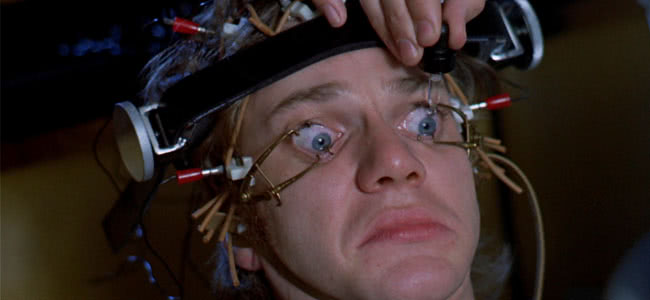
When Does “Altering Brain Function” Become “Mind Control”?

http://www.tonedeaf.com.au/wp-content/uploads/MindControl.jpg

From Frontiers in System Neuroscience, this article looks at the resurgent interest in functional neurosurgery for "psychiatric illness." The preferred approach is deep brain stimulation (DBS) technology, "because it allows clinicians to directly alter the functions of targeted brain regions, in a reversible manner, with the intent of correcting diseases of the mind, such as depression, addiction, anorexia nervosa, dementia, and obsessive compulsive disorder." However, the question must be asked: At what point does altering brain function become a form of mind control?

Full Citation: 
Koivuniemi A and Otto K. (2014, Oct 14). When “altering brain function” becomes “mind control”. Frontiers in System Neuroscience; 8:202. doi: 10.3389/fnsys.2014.00202

When “altering brain function” becomes “mind control”


Andrew Koivuniemi [1] and Kevin Otto [2,3]
1. Indiana University School of Medicine, Indianapolis, IN, USA
2. Weldon School of Biomedical Engineering, Purdue University, West Lafayette, IN, USA
3. J. Crayton Pruitt Family Department of Biomedical Engineering, University of Florida, Gainesville, FL, USA
Functional neurosurgery has seen a resurgence of interest in surgical treatments for psychiatric illness. Deep brain stimulation (DBS) technology is the preferred tool in the current wave of clinical experiments because it allows clinicians to directly alter the functions of targeted brain regions, in a reversible manner, with the intent of correcting diseases of the mind, such as depression, addiction, anorexia nervosa, dementia, and obsessive compulsive disorder. These promising treatments raise a critical philosophical and humanitarian question. “Under what conditions does ‘altering brain function’ qualify as ‘mind control’?” In order to answer this question one needs a definition of mind control. To this end, we reviewed the relevant philosophical, ethical, and neurosurgical literature in order to create a set of criteria for what constitutes mind control in the context of DBS. We also outline clinical implications of these criteria. Finally, we demonstrate the relevance of the proposed criteria by focusing especially on serendipitous treatments involving DBS, i.e., cases in which an unintended therapeutic benefit occurred. These cases highlight the importance of gaining the consent of the subject for the new therapy in order to avoid committing an act of mind control.


Introduction


The use of deep brain stimulation (DBS) technology for the treatment of psychiatric disorders is one of the most promising and rapidly evolving areas of neurosurgical research (Abelson et al., 2005; Mayberg et al., 2005; Lozano and Lipsman, 2013). Nonetheless, in treating diseases of the mind by directly altering the brain’s functioning, neurosurgeons, neurologists, psychiatrists, and neuro-engineers run the risk of having this effort interpreted as “mind control”. The purpose of this paper is to address that specific concern in the context of DBS as it is currently practiced and studied by providing a definition of “mind control” that applies to DBS. That is, it is not intended to account for the neurosurgeons staffing the wards of philosophical thought experiments, whose powers to monitor and manipulate the brain and their patients’ actions know no limits (Frankfurt, 1969). Therefore, this paper seeks to cover adult patients who have given informed consent for the treatment of their psychiatric or neurologic illness.

By narrowing the scope of the article, we hope to maximize its relevance while minimizing distracting (though philosophically interesting) cases. It is important to point out that the conditions under discussion (adults, undergoing treatment, who are capable of informed consent—including patients in states such as locked-in syndrome) describe nearly all individuals currently receiving DBS with the exception of those treated for persistent vegetative state who lack the capacity to do anything, including the ability to provide consent (Yamamoto et al., 2010).

While the phrase “mind control” appears in the contemporary literature discussing advances in DBS, it is often brought up dismissively (Fins et al., 2009) or to catch the reader’s attention (Horgan, 2004) but never with an accompanying formal definition. This is surprising, especially given a sophisticated and robust ethics literature on DBS and psychiatry that deals with related topics such as autonomy and informed consent (Bell et al., 2009; Clausen, 2010), authenticity (Kraemer, 2013), enhancement (Earp et al., 2014), and paternalism (Sjöstrand and Juth, 2014) as well as unintended side effects of stimulation which alter personality (Synofzik and Schlaepfer, 2008) and the way in which DBS can influence patients’ perceptions of their identity (Lipsman et al., 2009). Common features in this literature are an agreement that autonomy is one of the key features that must be preserved in the ethical practice of DBS and that this can been accomplished in psychiatric patients through the practice of informed consent (Dunn et al., 2011).

Beyond the contemporary neuro-ethics literature, mind control has been the subject of numerous books and articles. One of the most thorough accounts of mind control in the context of electrical stimulation of the human mind appears in Elliot Valenstein’s aptly titled Brain Control (Valenstein, 1973). While Valenstein never supplies a formal definition of mind control, his primary argument focuses on discrediting the notion that a subject’s thoughts, choices or actions could be manipulated through electrical stimulation of the brain by giving a detailed account of its known capabilities and limitations. Other discussions of mind control tend to have focused on psychopharmacologic methods or behavioral methods of altering brain function, such as those employed in the Central Intelligence Agency’s MKULTRA program (Senate, 1977).

Possibly the richest source of accounts of mind control is not in the formal academic literature but in the online accounts of individuals who claim to have witnessed acts of mind control or who claim to be the target of mind control. In 2006 Bell et al. provided a formal textual analysis of 10 characteristic examples. Though the authors make it clear that they take these narratives as signs of a delusional disorder and their analysis focused primarily on the social network of the reports, they managed to highlight several themes which the accounts shared. These shared features help to establish an intuitive basis for what people believe qualifies as mind control. The accounts often focused on: (1) an authoritarian organization, such as “the police,” “the Dutch government,” or “freemasonic intelligence agencies;” (2) employing some tool to augment brain function, such as a “frequency weapon,” “brain implant” or “network of transmitters,” in order to; (3) alter the subject’s thoughts or actions; (4) without the subjects consent.

In proposing our criteria for mind control we retained and formalized all of the common themes of the internet accounts with the exception of the authoritarian organization. The authoritarian element was dropped because the authors saw no reason to exclude individuals acting alone from being capable of committing an act of mind control. This is especially true in the context of DBS where typically only one person or a few people are responsible for the management of the treatment. Therefore, we are proposing the phrase “mind control” be used to describe instances when researchers or clinicians using DBS intentionally alter patients’ behavior without consent and define those instances using the criteria below.

After stating our formal criteria, we explain why the criteria are limited to the subject’s behavior and neutral with regards to the subject’s mental events during the act of mind control. Then we provide test cases, which we argue intuitively do and do not qualify as mind control and are correctly included and excluded by the proposed criteria respectively. Next, we apply the criteria to a non-obvious case of mind control. Finally, we conclude with a discussion of mind control in the context of serendipitous therapy, i.e., cases where an individual sees a therapeutic effect for a psychiatric illness for which he or she did not give consent to have treated, such as in a patient treated with DBS for anxiety who saw a remission of his alcoholism. We argue that in such cases one should gain the individual’s explicit consent for the treatment of the serendipitously improved co-morbid illness or else one would qualify as committing an act of mind control.


Criteria of Mind Control


Alteration of the brain’s functioning through direct stimulation (either activation or suppression of action potentials) within the subject’s brain qualifies as mind control when it meets all of the following three criteria:
Result Criterion: Direct alteration of the brain’s function must result in a behavioral change in the subject.

Consent Criterion: The behavioral change does not need to be against the expressed will of the patient. The change must simply have taken place without the subject’s consent.

Intent Criterion: The behavioral change must have been the goal or the purpose of the person or the group controlling the DBS. It cannot be an accident or an unintended consequence, including side effects, of the stimulation.
In summary, mind control must alter the patient’s behavior in an observable way without the subject’s consent and must be enacted for that purpose.


Limiting Mind to Behavior


The above criteria rest on an assumption that the ultimate purpose of “mind control” is to modify the behavior of an individual, and the word “mind” is used in a folk psychology manner to describe the intuitive mechanism of the control (Dennett, 1982). It is important to spell out the definition of “mind control” in the context of behavior because that is the relevant way DBS is currently employed. This is because neurosurgeons and neurologists cannot make perfectly reliable a priori guesses about what effect a given instance of DBS will have on a given patient. They must therefore rely entirely on their observations of the patients’ behaviors, which include their patients’ reports.

To understand this point, consider that neurosurgeons have a great deal of information about what parts of the brain are associated with certain faculties, such as the formation and comprehension of speech, sensation of touch over the body, execution of intended movement, and sight. Further, they know that the destruction of these regions will leave the patient with a deficit so protecting them during surgery is one of the surgeon’s highest priorities. However, the surgeons cannot predict exactly where these regions are located in specific patients based on previous studies alone (Penfield and Perot, 1963; Kim et al., 2009). Therefore, some neurosurgical cases are performed with the patient awake so that he or she can report the sensations he or she experiences when the neurosurgeon applies electric current to the brain region of interest. Based on the patient’s reports, the surgeon will individualize his approach in order to resect the pathological tissue while sparing the functionally important, so called eloquent, cortex. If the procedure were performed without the patient’s behavioral feedback there would be a very high probability that an important cortical region would be damaged leaving the patient with a neurological deficit (Penfield and Boldrey, 1937).

The same type of procedure is also essential to the practice of DBS. For example patients must be closely observed intra-operatively for behavioral signs, such as a reflexive smile, in order for the surgical team to determine the effect of stimulation (Okun et al., 2004; Haq et al., 2011). Once the electrode and stimulator are implanted, specially trained neurologists adjust the stimulation parameters and closely observe the effect on the patient’s symptoms (Volkmann et al., 2006). Finally, patients must be closely followed during treatment for signs of cognitive decline (Parsons et al., 2006), mood disorders (Bejjani et al., 1999; Kulisevsky et al., 2002), or other, sometimes serendipitous, behavioral changes (Kuhn et al., 2007). In summary, the use of DBS relies entirely on the patient’s behavior as the sole feedback mechanism for targeting the electrode as well for modifying the stimulation parameters in order to achieve the desired effect. Because the person or persons controlling the DBS rely on observation of behavior, any instance of mind control using DBS would necessarily rely entirely on the subject’s behavior. Therefore, a practical definition of mind control can be limited solely to behavior without directly addressing metaphysical questions related to the mind itself.


Obvious Test Cases


Having proposed the criteria for mind control, it is important to test them. This is best done by asking whether the criteria account for cases of obvious mind control while excluding cases that are obviously not mind control.

For a clear example of mind control, we must (fortunately) look beyond the current practice of DBS into its murkier past. One such case was published in 1963 in the journal Science by a psychosurgery group working under Dr. Robert Heath at Tulane University (Bishop et al., 1963). This article detailed a “self-stimulation” experiment in which a 35 year old man was implanted with electrodes in eight different brain structures, including in the head of the caudate, the septal area, and the amygdala. These electrodes were labeled by researchers as either “rewarding” or “aversive” and the subject was given a lever and a button which, when operated, would activate one of the electrodes. As the experiment proceeded, the researchers varied the electrodes which the lever and button activated and also varied the stimulation parameters delivered through the electrodes.

This experiment was based on studies previously done in rats, cats, dogs, goats, monkeys, and bottle nosed dolphins (Olds, 1962) which had shown that the animals’ behavior could be predictably controlled by placing stimulating electrodes into “rewarding” and “aversive” regions of the brain and then correlating stimulation through the electrodes to elements of the animals’ environment. Therefore, the researchers had good reason to anticipate specific behavioral responses in the human subject. Further, at no point do the authors say that the subject, who was referred to as “clearly nonnormal,” gave consent for the experiment or understood why the experiment was conducted.
Looking back to the proposed criteria for mind control, we see that this case satisfies all three. First, electrical stimulation of the brain was employed in a manner that clearly influenced the subject’s behavior, satisfying the Result Criterion. Second, at no point did the authors state that the patient gave consent to have his behavior manipulated in this manner, satisfying the Consent Criterion. Finally, the behavior change was anticipated by the researchers controlling the stimulation of the subject’s brain, satisfying the Intent Criterion.

Next, we must ask is there an example of altering brain function which obviously is not mind control and, also, is correctly excluded by the Result, Consent, and Intent Criteria? Consider the treatment of essential tremor with DBS. It is safe, effective, and has been approved by the FDA (Koller et al., 2001). It is believed to work through altering the function of the brain (more specifically by causing a reversible, functional lesion (Grill et al., 2004) in a malfunctioning part of the brain), ultimately permitting the patient to accomplish routine daily activities free from the violent hand tremors that are the hallmark of the disease. This relief of symptoms is the direct result of the electrical pulses in the brain, which alter its standard pattern of firing; however, it is not an instance of mind control.

Why is DBS for the treatment of essential tremor not an example of mind control? After all, it could be argued that one is altering the behavior of the patient’s hands, from a tremulous grasp to a stable grip, and that this was explicitly the purpose of the individual programing the DBS device. However, while this example meets the requirements of the Result Criterion as well as the Intent Criterion, it fails to meet the Consent Criterion because in all cases of DBS for essential tremor, all patients give consent for stimulation with the explicit desire to see this behavioral change. Interestingly, DBS for essential tremor could be thought of as “mind freedom,” as opposed to “mind control” because, instead of preventing the patient from carrying out a desired behavior or forcing an undesired behavior, it allows the patient to act on his choices with less difficulty.

The same argument also holds for DBS treatments of psychiatric diseases like depression (Lozano et al., 2008). One might make the argument that being a psychiatric disease, depression is classically described as a disease of the mind. Therefore, if one can control the patient’s disease one must be controlling the patient’s mind, i.e., committing an act of mind control. The proposed criteria would exclude this case of mind control because, as in the case of DBS for the treatment of essential tremor, the effect on the patient was with the patient’s consent, and, thus, it fails the Consent Criterion.


Non-Obvious Test Case


While it is important that the criteria capture one’s intuition, they should also go beyond and clarify murkier territory. The criteria should be able to help one examine non-obvious cases and arrive at a reasoned judgment about their status as mind control or as non-mind control. Thus, the criteria above are especially useful when attempting to identify borderline instances of mind control.

Turning again to the past, consider the following case of an experiment conducted by Jose Delgado and his collaborators Drs. Obrador and Martin-Rodriguez into the stimulation of the caudate nucleus of an epileptic patient:
As shown by direct observation and by analysis of the record, within 30 s after application of caudate stimulation there was a significant change in the patient’s mood. During controls, he was reserved, his conversation was limited and he was concerned about his illness. After caudate stimulation, his spontaneous verbalization increased more than twofold and contained expressions of friendliness and euphoric behavior which culminated in jokes and loud singing in a gay cante jondo style, accompanied by tapping with his right hand, which lasted for about 2 min. The euphoria continued for about 10 min and then the patient gradually reverted to his usual, more reserved attitude. This increase in friendliness was observed following three different stimulation sessions of the caudate, and did not appear when other areas were tested (Valenstein, 1973).
In the above description, the researchers are attempting to correct the patient’s epilepsy with the use of electrical current. In testing one of their hypothesized targets, they managed to elicit a strong behavioral effect. The patient’s attitude changed from quiet reserve to expressive joviality, i.e., the researchers significantly altered the patient’s behavior and in doing so satisfied the Result Criterion, as well as the Consent Criterion because they did not have the patient’s consent to alter his behavior in this manner. At this point one could argue, correctly, that this was an accident. The experimenters had no a priori knowledge that the patient would respond to stimulation in this fashion so it could not have been their intention to do so; thus, they failed to satisfy the Intent Criterion.

The essential issue arose when the stimulation was repeated, three different times, without any documentation that the patient wanted to have his personality manipulated in this manner. While this might, at first, seem like nit picking, it is important to appreciate that the experimenters now had reason to believe that the behavior of the individual would be affected in a specific way. When they activated the stimulation and produced the anticipated effect, it was purposeful. In this way, the experimenters fulfilled the Intent Criterion. As in the case of a schizophrenic patient subjected to the self-stimulation experiment above, it seems clear that the researchers’ motivation was intellectual curiosity and not malice. Nevertheless, both of these cases demonstrate that malice is not necessary for mind control.


Serendipity and Mind Control


The above case raises a critical question with regard to several recently published studies in which subjects received DBS in an effort to treat one illness, but instead saw serendipitous improvement in a comorbid psychiatric illness. One serendipitous discovery was reported by Kuhn et al. (2007) who attempted to treat a man with anxiety disorder by placing DBS electrodes into his nucleus accumbens, a major component in the reward circuit of the mammalian brain. While the patient’s anxiety did not improve, he did see significant remission in his alcohol dependency, leading the group to propose the target as a potential treatment for alcoholism and addiction.

A second example comes from Hamani et al. (2008) who used DBS of the hypothalamus in an effort to help control a patient with morbid obesity. Although the patient continued to gain weight (a fact left out of the primary article and only included in the online supplemental materials) he did experience a flashback while receiving intra-operative test stimulation. This led the researchers to do a battery of studies to determine if stimulation to the same area at a lower level, which did not cause a flashback, could improve memory. To the surprise of the researchers, they found a significant increase in the subject’s verbal memory. Based on this finding the authors proposed the anterior fornix (a structure adjacent to the hypothalamus) as a target for the treatment of dementia and began enrolling patients to study it further.

Finally, Israël et al. (2010) describes a case in which a woman was receiving DBS of the subgenual cingulate gyrus (Cg25) for treatment of depression. The authors noted that, although the patient continued to have relapses of major depression, she stopped experiencing symptoms related to a significant comorbid anorexia nervosa. Based on the remarkable improvement the patient experienced, despite her less remarkable improvement for her depression, the authors proposed Cg25 as a target for the treatment of anorexia nervosa.

There are several curious similarities among the cases above. First, the intended effect of DBS was either not seen or was not particularly robust. Second, the serendipitous effect on the comorbid illness (or enhancement of normal faculties in the case of anterior fornix stimulation for memory) was remarkable. Third, based on these cases all authors proposed that the stimulated sites be tested as targets for monotherapy for the responding illness. A final common feature was that at no point did the authors describe the patient receiving informed consent for the managing of the comorbid illness or for enhancing the patient’s faculties (Earp et al., 2014), with DBS. The only paper that commented on informed consent was Hamani et al. which stated:
The procedure was approved by the University Health Network Research Ethics Board, and written informed consent was obtained under the guidance of a hospital ethicist, who served as a consent monitor. The basis of the approval for this man was the refractory nature of the obesity, the exhaustion of reasonable therapeutic alternatives, and the possibility of reducing the health risks of chronic obesity should the intervention prove successful (Hamani et al., 2008).
In the passage above, the authors clearly stated a reasonable approach for obtaining informed consent for the treatment of the patient’s obesity. However, they did not describe receiving the patient’s consent for the use of DBS in order to enhance his verbal memory. Despite not reporting the patient’s informed consent to have his memory augmented, they proceeded to run a battery of tests on the patient’s memory function and, furthermore, did not mention discontinuing the treatment once it became apparent that DBS was not effective for the treatment of obesity.

The above cases raises a critical question: were these examples of “mind control”? The patients had unexpected alterations in their behavior and it appears, based on the descriptions of the cases, that the DBS was continued primarily because of these unexpected results. Further, the authors did not report that they repeated the informed consent process for the serendipitous alteration in the patient’s behavior. The authors of this paper could conjecture that, once the researchers realized the unexpected effect DBS was having on their patient they consulted with him or her and received his or her blessing to continue therapy. Nonetheless, if they (or others) had not secured the consent of their patients for these new treatment indications, then they would be satisfying the Result (behavior change) Consent (happening without patient’s consent) and Intent (behavioral change was the goal of DBS) criteria of mind control. Therefore, it is critical for clinicians and researchers to secure additional consent in the case of serendipitous therapeutic benefit in order to avoid the charge that they are committing an act of mind control.


Conclusion


We have argued that DBS is not synonymous with mind control; however, if not appropriately safeguarded, patients can be victims of mind control even without malice on the part of those controlling the stimulation, especially in the case of serendipitous treatment of co-morbid psychiatric illnesses. While many instances of mind control are easily identified, there are certain instances where the distinction is more ambiguous. This paper outlines a clear set of criteria to help more effectively and reliably clarify those ambiguous cases. For an act to be considered mind control it must alter the individual’s behavior (Result Criterion) without his consent (Consent Criterion) and this alteration to the behavior of the individual must be the goal of the person or group controlling the alteration (Intent Criterion). Relying on the researchers’ or clinicians’ intuitions alone is not sufficient because those intuitions might easily become clouded such as in the serendipitous discovery of an effect of DBS. It is, therefore, important to note that in cases of serendipitous treatments of psychiatric illness patients also require the explicit consent for the treatment of the co-morbid illness, or else the case would qualify as mind control. It is the intention of the authors to minimize the risk of such accidents by clarifying the underlying concepts.

Conflict of Interest Statement


The authors declare that the research was conducted in the absence of any commercial or financial relationships that could be construed as a potential conflict of interest.


References at the Frontiers site

Tuesday, October 14, 2014

Mysterious Resting State Networks Might Be What Allow Different Brain Therapies to Work

From Pacific Standard, this is a brief review of new research around the efficacy of deep brain stimulation and transcranial magnetic stimulation for the treatment of various types of psychological distress (depression, bipolar, and so on). Their results suggest that brain networks might be used to understand why brain stimulation works and to improve this form of therapy by identifying the best places to stimulate the brain.

First up is the summary from PS, followed by the full abstract (article is paywalled).

Mysterious Resting State Networks Might Be What Allow Different Brain Therapies to Work


By Nathan Collins • October 01, 2014

FMRI scans from another study. (Photo: Public Domain)

Deep brain stimulation and similar treatments target the hubs of larger resting-state networks in the brain, researchers find.
•

More and more, doctors and patients dealing with severe depression, obsessive compulsive disorder, or even Parkinson’s disease turn to techniques such as deep brain stimulation and transcranial magnetic stimulation. While those treatments have proven effective in some cases, it has been unclear why the hodgepodge of stimulation sites and techniques all seem to work. A new study suggests one possibility: the different methods each activate parts of the brain common to one of its resting state networks.

For a few decades now, neuroscientists who specialize in functional magnetic resonance imaging, or fMRI, have focused on what our brains do when we do math problems, play games, choose between politicians, and much more. But as early as the mid-1990s, researchers realized they’d been missing something: What happens when we’re not doing anything at all? With that question, they began to explore what’s called the default mode network and other resting state networks (RSNs), collections of brain regions that are active and working together specifically as we let our minds and senses wander. But no one is quite sure what exactly these networks do.

Around the same time as some were exploring RSNs, others were pioneering the next generation of brain stimulation techniques, methods somewhat less crude than early forms of electroconvulsive therapy. Some new methods are invasive—deep brain stimulation, for example, requires an electrical implant in the brain—and some aren’t. Transcranial magnetic stimulation involves a targeted magnetic pulse originating outside the brain. They have one thing in common, though: Different techniques applied in different parts of the brain often achieve the same goals.

It works that way, Michael Fox and five others argue, because of resting state networks. To figure that out, the team reviewed clinical studies that had used deep brain stimulation (DBS), transcranial magnetic stimulation (TMS), and a third method, transcranial direct current stimulation, or tDCS, to treat 14 disorders, including anorexia, depression, and Tourette syndrome. Across all 14 diseases except for one, epilepsy, they found correlations between resting-state activity in sites where DBS was effective and in others where TMS and tDCS were effective, indicating that such sites were all part of the same resting-state network. Backing that conclusion up was the observation that there seemed to be little, if any, connection between DBS regions that worked and regions where other kinds of stimulation had failed.

“Sites effective for the same disease tend to fall within the same brain network [and] ineffective sites fall outside this network,” the authors write in Proceedings of the National Academy of Science. Researchers who study psychiatric disorders had already started thinking in network terms, and now they have an even better reason to.


Nathan Collins studied astrophysics and political science before realizing he wanted to learn about all of the science without worrying about tenure. In his second life as a freelance science writer, he’s written for Scientific American, New Scientist, and others.

More From Nathan Collins
* * * * *

Resting-state networks link invasive and noninvasive brain stimulation across diverse psychiatric and neurological diseases


Michael D. Fox, Randy L. Buckner, Hesheng Liu, M. Mallar Chakravarty, Andres M. Lozano, and Alvaro Pascual-Leone

Edited by Michael S. Gazzaniga, University of California, Santa Barbara, CA, and approved August 28, 2014 (received for review March 17, 2014)

Significance

Brain stimulation is a powerful treatment for an increasing number of psychiatric and neurological diseases, but it is unclear why certain stimulation sites work or where in the brain is the best place to stimulate to treat a given patient or disease. We found that although different types of brain stimulation are applied in different locations, targets used to treat the same disease most often are nodes in the same brain network. These results suggest that brain networks might be used to understand why brain stimulation works and to improve therapy by identifying the best places to stimulate the brain.

Abstract

Brain stimulation, a therapy increasingly used for neurological and psychiatric disease, traditionally is divided into invasive approaches, such as deep brain stimulation (DBS), and noninvasive approaches, such as transcranial magnetic stimulation. The relationship between these approaches is unknown, therapeutic mechanisms remain unclear, and the ideal stimulation site for a given technique is often ambiguous, limiting optimization of the stimulation and its application in further disorders. In this article, we identify diseases treated with both types of stimulation, list the stimulation sites thought to be most effective in each disease, and test the hypothesis that these sites are different nodes within the same brain network as defined by resting-state functional-connectivity MRI. Sites where DBS was effective were functionally connected to sites where noninvasive brain stimulation was effective across diseases including depression, Parkinson's disease, obsessive-compulsive disorder, essential tremor, addiction, pain, minimally conscious states, and Alzheimer’s disease. A lack of functional connectivity identified sites where stimulation was ineffective, and the sign of the correlation related to whether excitatory or inhibitory noninvasive stimulation was found clinically effective. These results suggest that resting-state functional connectivity may be useful for translating therapy between stimulation modalities, optimizing treatment, and identifying new stimulation targets. More broadly, this work supports a network perspective toward understanding and treating neuropsychiatric disease, highlighting the therapeutic potential of targeted brain network modulation.

Thursday, March 20, 2014

The Future of Brain Implants - Gary Marcus and Christof Koch

From the Wall Street Journal, this is an interesting article on the state and future of brain implants. As I joked on Facebook, "I would like an implant that accesses the Library of Congress . . . oh, and please make it so that I can search the entire library and sift results subconsciously."

Is this the first step toward a Borg-like future?

The Future of Brain Implants

How soon can we expect to see brain implants for perfect memory, enhanced vision, hypernormal focus or an expert golf swing?


By Gary Marcus and Christof Koch
March 14, 2014

Brain implants today are where laser eye surgery was several decades ago, fraught with risk, applicable only to a narrowly defined set of patients – but a sign of things to come. NYU Professor of Psychology Gary Marcus discusses on Lunch Break. Photo: Getty.

What would you give for a retinal chip that let you see in the dark or for a next-generation cochlear implant that let you hear any conversation in a noisy restaurant, no matter how loud? Or for a memory chip, wired directly into your brain's hippocampus, that gave you perfect recall of everything you read? Or for an implanted interface with the Internet that automatically translated a clearly articulated silent thought ("the French sun king") into an online search that digested the relevant Wikipedia page and projected a summary directly into your brain?

Science fiction? Perhaps not for very much longer. Brain implants today are where laser eye surgery was several decades ago. They are not risk-free and make sense only for a narrowly defined set of patients—but they are a sign of things to come.

Unlike pacemakers, dental crowns or implantable insulin pumps, neuroprosthetics—devices that restore or supplement the mind's capacities with electronics inserted directly into the nervous system—change how we perceive the world and move through it. For better or worse, these devices become part of who we are.

Neuroprosthetics aren't new. They have been around commercially for three decades, in the form of the cochlear implants used in the ears (the outer reaches of the nervous system) of more than 300,000 hearing-impaired people around the world. Last year, the Food and Drug Administration approved the first retinal implant, made by the company Second Sight.

Both technologies exploit the same principle: An external device, either a microphone or a video camera, captures sounds or images and processes them, using the results to drive a set of electrodes that stimulate either the auditory or the optic nerve, approximating the naturally occurring output from the ear or the eye.


Another type of now-common implant, used by thousands of Parkinson's patients around the world, sends electrical pulses deep into the brain proper, activating some of the pathways involved in motor control. A thin electrode is inserted into the brain through a small opening in the skull; it is connected by a wire that runs to a battery pack underneath the skin. The effect is to reduce or even eliminate the tremors and rigid movement that are such prominent symptoms of Parkinson's (though, unfortunately, the device doesn't halt the progression of the disease itself). Experimental trials are now under way to test the efficacy of such "deep brain stimulation" for treating other disorders as well.

Electrical stimulation can also improve some forms of memory, as the neurosurgeon Itzhak Fried and his colleagues at the University of California, Los Angeles, showed in a 2012 article in the New England Journal of Medicine. Using a setup akin to a videogame, seven patients were taught to navigate a virtual city environment with a joystick, picking up passengers and delivering them to specific stores. Appropriate electrical stimulation to the brain during the game increased their speed and accuracy in accomplishing the task.

But not all brain implants work by directly stimulating the brain. Some work instead by reading the brain's signals—to interpret, for example, the intentions of a paralyzed user. Eventually, neuroprosthetic systems might try to do both, reading a user's desires, performing an action like a Web search and then sending the results directly back to the brain.

How close are we to having such wondrous devices? To begin with, scientists, doctors and engineers need to figure out safer and more reliable ways of inserting probes into people's brains. For now, the only option is to drill small burr-holes through the skull and to insert long, thin electrodes—like pencil leads—until they reach their destinations deep inside the brain. This risks infection, since the wires extend through the skin, and bleeding inside the brain, which could be devastating or even fatal.

External devices, like the brainwave-reading skull cap made by the company NeuroSky (marketed to the public as "having applications for wellness, education and entertainment"), have none of these risks. But because their sensors are so far removed from individual neurons, they are also far less effective. They are like Keystone Kops trying to eavesdrop on a single conversation from outside a giant football stadium.


A boy wearing a cochlear implant for the hearing-impaired. A second portion is surgically implanted under the skin. Barcroft Media/Getty Images
Today, effective brain-machine interfaces have to be wired directly into the brain to pick up the signals emanating from small groups of nerve cells. But nobody yet knows how to make devices that listen to the same nerve cells that long. Part of the problem is mechanical: The brain sloshes around inside the skull every time you move, and an implant that slips by a millimeter may become ineffective.

Another part of the problem is biological: The implant must be nontoxic and biocompatible so as not to provoke an immune reaction. It also must be small enough to be totally enclosed within the skull and energy-efficient enough that it can be recharged through induction coils placed on the scalp at night (as with the recharging stands now used for some electric toothbrushes).

These obstacles may seem daunting, but many of them look suspiciously like the ones that cellphone manufacturers faced two decades ago, when cellphones were still the size of shoeboxes. Neural implants will require even greater advances since there is no easy way to upgrade them once they are implanted and the skull is sealed back up.

But plenty of clever young neuro-engineers are trying to surmount these problems, like Michel Maharbiz and Jose Carmena and their colleagues at the University of California, Berkeley. They are developing a wireless brain interface that they call "neural dust." Thousands of biologically neutral microsensors, on the order of one-tenth of a millimeter (approximately the thickness of a human hair), would convert electrical signals into ultrasound that could be read outside the brain.

The real question isn't so much whether something like this can be done but how and when. How many advances in material science, battery chemistry, molecular biology, tissue engineering and neuroscience will we need? Will those advances take one decade, two decades, three or more? As Dr. Maharbiz said in an email, once implants "can be made 'lifetime stable' for healthy adults, many severe disabilities…will likely be chronically treatable." For millions of patients, neural implants could be absolutely transformative.

Assuming that we're able to clear these bioengineering barriers, the next challenge will be to interpret the complex information from the 100 billion tiny nerve cells that make up the brain. We are already able to do this in limited ways.

Based on decades of prior research in nonhuman primates, John Donoghue of Brown University and his colleagues created a system called BrainGate that allows fully paralyzed patients to control devices with their thoughts. BrainGate works by inserting a small chip, studded with about 100 needlelike wires—a high-tech brush—into the part of the neocortex controlling movement. These motor signals are fed to an external computer that decodes them and passes them along to external robotic devices.

Almost a decade ago, this system was used by a tetraplegic to control an artificial hand. More recently, in a demonstration of the technology's possibilities that is posted on YouTube, Cathy Hutchinson, paralyzed years earlier by a brainstem stroke, managed to take a drink from a bottle of coffee by manipulating a robot arm with only her brain and a neural implant that literally read (part of) her mind.

For now, guiding a robot arm this way is cumbersome and laborious, like steering a massive barge or an out-of-alignment car. Given the current state of neuroscience, even our best neuroscientists can read the activity of a brain only as if through a glass darkly; we get the gist of what is going on, but we are still far from understanding the details.

In truth, we have no idea at present how the human brain does some of its most basic feats, like translating a vague desire to return that tennis ball into the torrent of tightly choreographed commands that smoothly execute the action. No serious neuroscientist could claim to have a commercially ready brain-reading device with a fraction of the precision or responsiveness of a computer keyboard.

In understanding the neural code, we have a long way to go. That's why the federally funded BRAIN Initiative, announced last year by President Barack Obama, is so important. We need better tools to listen to the brain and more precise tools for sending information back to the brain, along with a far more detailed understanding of different kinds of nerve cells and how they fit together in complex circuits.

The coarse-grained functional MRI brain images that have become so popular in recent years won't be enough. For one thing, they are indirect; they measure changes not in electrical activity but in local blood flow, which is at best an imperfect stand-in. Images from fMRIs also lack sufficient resolution to give us true mastery of the neural code. Each three-dimensional pixel (or "voxel") in a brain scan contains a half-million to one million neurons. What we really need is to be able to zero in on individual neurons.

Zooming in further is crucial because the atoms of perception, memory and consciousness aren't brain regions but neurons and even finer-grained elements. Chemists turned chemistry into a quantitative science once they realized that chemical reactions are (almost) all about electrons making and breaking bonds among atoms. Neuroscientists are trying to do the same thing for the brain. Until we do, brain implants will be working only on the logic of forests, without sufficient understanding of the individual trees.

One of the most promising tools in this regard is a recently developed technique called optogenetics, which hijacks the molecular machinery of the genes found inside every neuron to directly manipulate the brain's circuitry. In this way, any group of neurons with a unique genetic ZIP Code can be switched on or off, with unparalleled precision, by brief pulses of different colored light—effectively turning the brain into a piano that can be played. This fantastic marriage of molecular biology with optics and electronics is already being deployed to build advanced retinal prosthetics for adult-onset blindness. It is revolutionizing the whole field of neuroscience.

Advances in molecular biology, neuroscience and material science are almost certainly going to lead, in time, to implants that are smaller, smarter, more stable and more energy-efficient. These devices will be able to interpret directly the blizzard of electrical activity inside the brain. For now, they are an abstraction, something that people read about but are unlikely to experience for themselves. But someday that will change.

Consider the developmental arc of medical technologies such as breast surgery. Though they were pioneered for post-mastectomy reconstruction and for correcting congenital defects, breast augmentation and other cosmetic procedures such as face-lifts and tummy tucks have become routine. The procedures are reliable, effective and inexpensive enough to be attractive to broad segments of society, not just to the rich and famous.

Eventually neural implants will make the transition from being used exclusively for severe problems such as paralysis, blindness or amnesia. They will be adopted by people with less traumatic disabilities. When the technology has advanced enough, implants will graduate from being strictly repair-oriented to enhancing the performance of healthy or "normal" people. They will be used to improve memory, mental focus (Ritalin without the side effects), perception and mood (bye, bye Prozac).

Many people will resist the first generation of elective implants. There will be failures and, as with many advances in medicine, there will be deaths. But anybody who thinks that the products won't sell is naive. Even now, some parents are willing to let their children take Adderall before a big exam. The chance to make a "superchild" (or at least one guaranteed to stay calm and attentive for hours on end during a big exam) will be too tempting for many.

Even if parents don't invest in brain implants, the military will. A continuing program at Darpa, a Pentagon agency that invests in cutting-edge technology, is already supporting work on brain implants that improve memory to help soldiers injured in war. Who could blame a general for wanting a soldier with hypernormal focus, a perfect memory for maps and no need to sleep for days on end? (Of course, spies might well also try to eavesdrop on such a soldier's brain, and hackers might want to hijack it. Security will be paramount, encryption de rigueur.)

An early generation of enhancement implants might help elite golfers improve their swing by automating their mental practice. A later generation might allow weekend golfers to skip practice altogether. Once neuroscientists figure out how to reverse-engineer the end results of practice, "neurocompilers" might be able to install the results of a year's worth of training directly into the brain, all in one go.

That won't happen in the next decade or maybe even in the one after that. But before the end of the century, our computer keyboards and trackpads will seem like a joke; even Google Glass 3.0 will seem primitive. Why would you project information onto your eyes (partly occluding your view) when you could write information into your brain so your mind can directly interpret it? Why should a computer wait for you to say or type what you mean rather than anticipating your needs before you can even articulate them?

By the end of this century, and quite possibly much sooner, every input device that has ever been sold will be obsolete. Forget the "heads-up" displays that the high-end car manufactures are about to roll out, allowing drivers to see data without looking away from the road. By the end of the century, many of us will be wired directly into the cloud, from brain to toe.

Will these devices make our society as a whole happier, more peaceful and more productive? What kind of world might they create?

It's impossible to predict. But, then again, it is not the business of the future to be predictable or sugarcoated. As President Ronald Reagan once put it, "The future doesn't belong to the fainthearted; it belongs to the brave."

The augmented among us—those who are willing to avail themselves of the benefits of brain prosthetics and to live with the attendant risks—will outperform others in the everyday contest for jobs and mates, in science, on the athletic field and in armed conflict. These differences will challenge society in new ways—and open up possibilities that we can scarcely imagine.

Dr. Marcus is professor of psychology at New York University and often blogs about science and technology for the New Yorker. Dr. Koch is the chief scientific officer of the Allen Institute for Brain Science in Seattle.

Sunday, February 16, 2014

Michael Okun, MD - Lessons Learned in the Electric Brain


From The Brain Channel on UCTV, a production of the UC San Diego Department of Neurosciences. This episode looks at the use of deep bran stimulation (DBS) in the treatment of various brain disorders, including Parkinson's Disease.

There is considerable research suggesting that DBS is a much more targeted and effective way of treating depression and bipolar disorder. Below the video there is some overview of the use of DBS from the American Association of Neurological Surgeons.

Michael Okun, MD - Lessons Learned in the Electric Brain


Published on Feb 13, 2014 
(Visit: http://www.uctv.tv/) Michael Okun, MD discusses the processes and prospects for deep bran stimulation (DBS). Learn about why we apply electricity to the brain, how DBS works, and how we can use DBS to treat conditions such as Parkinson's Disease. Series: "The Brain Channel"
 * * * * *

Deep Brain Stimulation

April, 2007 

Deep Brain Stimulation (DBS) has been used to treat intractable pain for several decades. More recently, use of this technology has proven to be a safe and effective treatment for essential tremor, as well as tremor and involuntary movements associated with Parkinson’s disease, dystonia and multiple sclerosis, with more than 35,000 DBS implants worldwide. The applications for DBS therapy are expanding rapidly.

The procedure is comparable to that of a cardiac pacemaker in which the pacemaker helps maintain an appropriate cardiac rhythm. DBS is presumed to help modulate dysfunctional circuits in the brain so that the brain can function more effectively. This is accomplished by sending continuous electrical signals to specific target areas of the brain, which block the impulses that cause neurological dysfunctions. These targets are the ventralis intermediate nucleus of the thalamus (Vim), the globus pallidus pars interna (GPi), and the subthalamic nucleus (STN).

The DBS system consists of three components:
  • The lead (also called an electrode) is a thin, insulated wire inserted through a small opening in the skull and implanted in the brain.
  • The extension is an insulated wire that is passed under the skin of the head, neck, and shoulder, connecting the lead to the internal pulse generator (IPG).
  • The IPG or neurostimulator is the third component and is usually implanted under the skin near the collarbone. In some cases it may be implanted in the chest or under the skin over the abdomen.
A small opening is made in the skull under a local anesthetic. The patient is awake during the DBS surgery to allow the surgical team to assess his or her brain functions. While the lead (electrode) is being advanced through the brain, the patient does not feel pain because of the human brain’s unique inability to generate pain signals. Computerized brain-mapping technology is utilized to pinpoint the precise location in the brain where nerve signals generate the tremors and other symptoms. Highly sophisticated imaging and recording equipment are used to map both the physical structure and the functioning of the brain. The electrodes are connected via wires to an internal pulse generator (IPG) that is placed in the chest wall. 

A magnet is used with the IPG to adjust the stimulation parameters so that the appropriate level of stimulation is applied at the electrode tip. The patient is provided with an access control device or handheld magnet to turn the IPG on and off at home. Depending on the application, the battery can last three to five years. When the battery needs to be replaced, the IPG is also replaced, usually under local anesthesia as an outpatient procedure.

DBS Surgery Advantages
  • Surgery can be performed on both sides of the brain for control of symptoms affecting both sides of the body.
  • The effects are reversible and can be tailored to a patient’s clinical status.
  • Stimulation parameters can be adjusted to minimize potential side effects and improve efficacy over time.
  • The device can provide continuous symptom control 24 hours a day.
  • Patients who have undergone DBS are still candidates for other treatment options such as stem cell or gene therapy when they become available.
DBS Surgery Risks

In properly selected patients, DBS is quite safe and effective, but there are some risks. There are also potential side effects, although they are generally mild and reversible. There is an estimated 2-3 percent risk of brain hemorrhage that may either be of no significance, or may cause paralysis, stroke, speech impairment or other major problems. There is a small risk of leakage of cerebrospinal fluid, which can lead to headaches or meningitis. There is a 15 percent risk of a minor or temporary problem associated with implantation, including infection. While treatment of infection may require removal of the electrodes, the infection itself does not cause lasting damage.

Side effects may include the following:
  • Temporary tingling in the face or limbs
  • Temporary pain/swelling at implantation site
  • Allergic reaction to the implant
  • Slight paralysis
  • Speech or vision problems
  • Jolting or shocking sensation
  • Loss of balance
  • Dizziness
  • Reduced coordination
  • Concentration difficulties
The electrodes and electrical systems that provide stimulation are generally very well tolerated with no significant changes in surrounding brain tissue. Migration of the electrode from the original implantation site may occur. There also may be temporary rebound worsening of the tremor when stimulation is stopped. Surgery risks increase in people age 70 and older, and in those with other health conditions such as cerebrovascular disease and high blood pressure. The benefits of surgery should always be weighed carefully against its risks. Although a large percentage of patients report significant improvement after DBS surgery, there is no guarantee that surgery will help every individual.

Parkinson’s Disease

Early in Parkinson’s disease (PD), there is a loss of brain cells that produce the chemical dopamine. Normally, dopamine operates in a delicate balance with other neurotransmitters to help coordinate the millions of nerve and muscle cells involved in movement. Without enough dopamine, this balance is disrupted, resulting in tremor (trembling in the hands, arms, legs and jaw); rigidity (stiffness of the limbs); slowness of movement; and impaired balance and coordination – the hallmark symptoms of PD.

DBS of the STN has increasingly been recognized as an effective treatment for patients with medically intractable PD because of its demonstrated safety and efficacy. It provides consistent clinical benefit and can reduce dopamine replacement therapy requirements by 50 to 70 percent. While DBS provides symptomatic relief, it does not slow or reverse the underlying neurodegenerative process of PD.

Appropriate candidates for DBS should have moderate to severe medically intractable Idiopathic PD, as diagnosed by a neurologist experienced in movement disorders. The disease should be present for at least three years with two or more of the four hallmark symptoms mentioned above before DBS is considered. Other indicators for DBS are when there are motor response complications or medication side effects from multiple medical therapy options including levodopa, and medication adjustments have not alleviated the complications/side effects.

Other Conditions
 
Dystonia

Current research demonstrates that DBS at the GPi significantly improves symptoms of torsion dystonia in the majority of patients treated. DBS appears to be more effective in patients with primary dystonia than secondary dystonia, most likely due to the absence of structural brain abnormalities. Unlike PD, which responds soon after the onset of stimulation, dystonia may require weeks of stimulation before an improvement is evident. Moreover, the full benefit of stimulation may not be realized for 12-18 months after the onset of therapy. Complications thus far have been minor and few.
 
Multiple Sclerosis

The main goal of performing DBS in multiple sclerosis (MS) patients is to control arm tremor. While tremor of the head and body may be helped, the decision to perform DBS should be aimed at decreasing arm tremor. Other MS symptoms such as loss of vision, sensation or strength are not helped by DBS, nor will this cure, reverse or slow the progression of the disease.

Severe Psychiatric Disorders

Preliminary research has demonstrated that DBS results in significant improvement in mood, memory recall, as well as reductions in anxiety, obsessions and compulsions in select patients with both OCD and treatment resistant depression (TRD).To date, this treatment has been undertaken on a small number of patients in clinical trials and is not widely available. However, findings are promising enough to indicate the need for more extensive studies to further understand how DBS enables these improvements.