Thursday, January 02, 2014

Art Reaches Within: Aesthetic Experience, the Self, and the Default Mode Network


From the open access Frontiers in Neuroscience, this is an intriguing study that asked subjects to rate images of artworks while in an fMRI scanner. The researchers found that regions in the medial prefrontal cortex that are known to be part of the default mode network (DMN) were positively activated on the highest-rated trials (presumably, these same regions were not activated during the lowest-rated trials).

Typically, at least in our current understanding, the DMN is somewhat off-line when we are engaged in externally oriented activity; conversely, it is more active when we are not engaged in a mental activity, for example, when we are daydreaming. However, the DMN is activated when the activities involve self-referential tasks or if tasks involve self-relevant information.

It seems that rating an artwork as a 4 (1-4 scale) required subjects to be somewhat self-referential, perhaps requiring them to determine why they felt moved by that particular work of art. If this is true, then the study adds to the data around the DMN being active in self-referential tasks. The authors reach the same conclusion:
This account is consistent with the modern notion that individuals' taste in art is linked with their sense of identity, and suggests that DMN activity may serve to signal “self-relevance” in a broader sense than has been thought so far.
It's an interesting article - give it a read.

Full Citation: 
Vessel EA, Starr GG, and Rubin N. (2013, Dec 30). Art reaches within: aesthetic experience, the self and the default mode network. Frontiers in Neuroscience; 7:258. doi: 10.3389/fnins.2013.00258

Art reaches within: aesthetic experience, the self and the default mode network
 
Edward A. Vessel [1], G. Gabrielle Starr [2], and Nava Rubin [3,4]
1. Center for Brain Imaging, New York University, New York, NY, USA
2. Department of English, New York University, New York, NY, USA
3. Center for Neural Science, New York University, New York, NY, USA
4. ICREA and DTIC, Universitat Pompeu Fabra, Barcelona, Spain

Abstract


In a task of rating images of artworks in an fMRI scanner, regions in the medial prefrontal cortex that are known to be part of the default mode network (DMN) were positively activated on the highest-rated trials. This is surprising given the DMN's original characterization as the set of brain regions that show greater fMRI activity during rest periods than during performance of tasks requiring focus on external stimuli. But further research showed that DMN regions could be positively activated also in structured tasks, if those tasks involved self-referential thought or self-relevant information. How may our findings be understood in this context? Although our task had no explicit self-referential aspect and the stimuli had no a priori self-relevance to the observers, the experimental design we employed emphasized the personal aspects of aesthetic experience. Observers were told that we were interested in their individual tastes, and asked to base their ratings on how much each artwork “moved” them. Moreover, we used little-known artworks that covered a wide range of styles, which led to high individual variability: each artwork was rated highly by some observers and poorly by others. This means that rating-specific neural responses cannot be attributed to the features of any particular artworks, but rather to the aesthetic experience itself. The DMN activity therefore suggests that certain artworks, albeit unfamiliar, may be so well-matched to an individual's unique makeup that they obtain access to the neural substrates concerned with the self—access which other external stimuli normally do not get. This mediates a sense of being “moved,” or “touched from within.” This account is consistent with the modern notion that individuals' taste in art is linked with their sense of identity, and suggests that DMN activity may serve to signal “self-relevance” in a broader sense than has been thought so far.


Introduction


The burgeoning field of neuroaesthetics attempts to address the mysteries of the human preoccupation with art by studying the underlying brain mechanisms. And, while understanding the artistic creative process itself is certainly a formidable challenge, many of the open questions concern the response to works of art by their viewers, listeners, and readers. What makes us so drawn to certain artistic creations, so influenced and moved by them? In recent years, we have learned a considerable amount from brain imaging studies about the neural correlates of aesthetic experience and how they relate to sensory, reward, and emotion neural processes (for reviews see Di Dio and Gallese, 2009; Brown et al., 2011; Chatterjee, 2011; Nadal and Pearce, 2011). One aspect that has so far received little investigation is that of individual differences: although it is widely recognized that individuals can differ markedly in their aesthetic response, previous research in neuroaesthetics tended to utilize art pieces that were manipulated in a manner intended to have a consistent effect on observers' preferences or that were generally highly regarded and often, widely known (e.g., the Mona Lisa). It seems reasonable to expect that studying widely admired artwork can help uncover the universal aspects of aesthetic experience. But studying artworks that generate a diversity of responses can also be valuable. Brain imaging can, in principle, be used to probe the neural correlates of an experience in a manner dissociable from the external stimuli that gave rise to this experience. In particular, it is possible to capitalize on the differences in individual's responses to artworks to search for commonalities in brain activity associated with the aesthetic experience itself, irrespective of the stimulus properties of specific works of art that gave rise to it. We have used this strategy in a recent study (Vessel et al., 2012) and the results underscore its power and promise, by confirming known results while at the same time revealing new and hitherto unsuspected findings.

KEY CONCEPT 1. Neuroaesthetics
A multi-disciplinary field aimed at understanding the neural basis of aesthetic experience and behavior. This includes interactions with art-objects as well as aesthetic modes of interaction with non-art objects, such as faces, natural objects, and scenes.

KEY CONCEPT 2. Aesthetic experience
Aesthetics is a discipline concerned with the perception, appreciation, and production of art. Aesthetic experiences, such as looking at paintings, listening to music or reading poems, are linked to the perception of external objects, but not to any apparent functional use the objects might have. Aesthetic experience involves more than preference, encompassing a variety of emotional responses ranging from beauty to awe, sublimity, and a variety of other (often knowledge-based) emotions.

Highly Individualized Responses to Visual Art


As in much previous work in neuroaesthetics, we wished to compare fMRI brain activity during observation of visual art that elicited a high level of aesthetic appreciation with responses to unappreciated artworks. But there was an important difference: a primary goal of our study was to move away from the scenario whereby different observers tend to respond similarly to the art presented to them. (The rationale for this goal is explained below, section Neural Correlates of Aesthetic Appreciation: Two Distinct Activity Patterns). To achieve this, we collated a set of images of two-dimensional visual artwork spanning a wide variety of periods, regions, styles and genres (fifteenth to twentieth century, Western and Eastern works, including a range of representational and abstract genres). Importantly, although the images were taken from museum collections, the artworks were not commonly reproduced and were therefore novel to our observers. Moreover, the instructions to the participants emphasized that we were interested in their own, individual response (rather than in what may be the “normative” assessment of each artwork), and that aesthetic experiences may come in a variety of forms: “The paintings may cover the entire range from ‘beautiful’ to ‘strange’ or even ‘ugly.’ Respond on the basis of how much this image moves you.” Each observer (N = 16) was shown the same series of 109 color artworks (in randomized order) while being scanned using fMRI, and was asked to rate each artwork on a 4-point scale according to these instructions. For a list of artworks and other experimental details, see Vessel et al. (2012), Materials and Methods and List of Artworks.

Analysis of the behavioral responses revealed that responses were indeed highly individual: there was little agreement between observers regarding how moving each painting was (0.13 average correlation between the ratings of pairs of observers, computed over the entire set of images; SD = 0.17). This means that, on average, each image was rated as highly moving by one subset of observers and rated poorly by another subset of observers (Figure 1). These results stand in contrast with the rather high agreement obtained when observers make preference judgments for real-world scenes [e.g., 0.46 between-observer correlation in Vessel and Rubin (2010)] or attractiveness judgments for faces [0.41 correlation between pairs of strangers in Bronstad and Russell (2007); 0.40 in Honeköpp (2006)]. As we shall see below, the low agreement between individuals in terms of their aesthetic response is what allowed us to disentangle the external attributes of specific stimuli from the internal (neural) states to which they gave rise.

FIGURE 1

http://c431376.r76.cf2.rackcdn.com/52124/fnins-07-00258-HTML/image_m/fnins-07-00258-g001.jpg

Figure 1. Aesthetic appreciation of visual art is highly individual. (A) Two sample images from the set observers were shown. Images were reproductions of museum artworks that are not commonly reproduced (see Acknowledgments for image credits). Observers rated each image for how much the artwork “moved” them on a scale of 1 (lowest) to 4 (highest). (B) Ratings of all 16 observers for the two images in (A). As was typical for the artworks used in the experiment, observers differed widely in their response to the pair of images. In particular, some observers rated the top image (blue bars) to be highly moving, while others rated the bottom image (red bars) to be highly moving. (For this bar plot, observers were first sorted by their rating to the top image, then by their rating to the bottom image).
Another finding from the behavioral data that will play a role in interpreting the brain imaging results is that, on average, observers used the highest (“4”) rating significantly less than 25% of the time (mean: 16.7%; SD = 11.6%; 4 of 16 observers gave more than 25% “4” responses). This is interesting given that there was no special mention of the highest rating in our instructions, and that in rating sensory/perceptual attributes (e.g., perceived brightness) observers tend to distribute their responses across all available options. That the observers in our experiments behaved differently, and did not calibrate their responses so as to give a rating of “4” to roughly a quarter of the stimuli, suggests that they reserved this response for images which met a certain internal (and generally high) criterion.
 

Neural Correlates of Aesthetic Appreciation: Two Distinct Activity Patterns


The fMRI data were analyzed to compare responses during trials in which the artworks were highly-rated with trials of low-rated artwork. Contrasting brain activity between conditions that differ by the observers' own responses, or performance, has been used successfully in many domains of cognitive neuroscience (e.g., studying neural correlates of memory encoding by contrasting activity in subsequently-remembered and forgotten trials; Brewer et al., 1998; Wagner et al., 1998). But in the context of neuroaesthetics, extra care must be taken to dissociate neural correlates of the aesthetic experience itself from other aspects of brain activity elicited by the stimuli. As a simple example, suppose observers are presented with a set of paintings comprised mainly of portraits and landscapes, and suppose further that most of them happen to appreciate portraiture more than landscapes. Face-selective brain regions would then likely show up in a contrast between highly-rated and low-rated trials, but is it warranted to interpret their activity as pertaining to aesthetic experience? In this case, the (conjured) agreement in aesthetic preference is simple enough, and our knowledge of face-selectivity in the brain sound enough, to easily discern that the activity can be explained by other aspects of the stimuli (the types of objects depicted). But in fact, such potential confounds are present whenever there is high agreement between observers about the art: the highly-rated and low-rated trials in such cases correspond to different sets of (artwork) stimuli, which may well result in some differential activation unrelated to the aesthetic experience they produce. Conversely, high variability between different observers' aesthetic judgments alleviates the potential confound: in the limit of completely uncorrelated ratings, the highly-rated trials and the low-rated trials contain identical sets of stimuli (each contributed by a different observer to each set). This was therefore our motivation in creating a stimulus set that generated highly individualized responses: rating-specific neural responses would then not be attributable to the features of any particular artworks, thus allowing us to isolate neural correlates of the aesthetic experience itself.

We performed several different analyses, using both statistical activation maps and regions of interest (ROIs) generated from the same data set or from separate “localizer” runs. We first created whole-brain activation maps by contrasting the group-level brain response to the most moving trials (rated as “4”) with the responses to the least moving trials (rated as “1”). This “4-vs.-1” analysis revealed a network of regions distributed across posterior, anterior, and subcortical structures (Figure 2A; note that, in addition, extensive portions of visual sensory cortex were strongly activated by all stimuli, but the magnitude of response did not differ by rating; Figure 2B). This is consistent with conclusions from previous research using a variety of stimuli that multiple brain regions are engaged during aesthetic appreciation (Aharon et al., 2001; Blood and Zatorre, 2001; Cela-Conde et al., 2004; Kawabata and Zeki, 2004; Vartanian and Goel, 2004; Jacobsen et al., 2006; Koelsch et al., 2006; Di Dio et al., 2007; Kim et al., 2007; Yue et al., 2007; Calvo-Merino et al., 2008; Fairhall and Ishai, 2008; Cupchik et al., 2009; Ishizu and Zeki, 2011; Lacey et al., 2011; Salimpoor et al., 2011; Jacobs et al., 2012; Kuhn and Gallinat, 2012). Note that the large inter-observer variability in behavioral responses to our stimulus set means that the common (group-level) activation in the 4-vs.-1 contrast must reflect effects of the aesthetic experience itself, i.e., it could not be due to any attributes of particular art stimuli that gave rise to this experience. This is because, at the group level, the set of highly rated trials consisted mostly of the same images as the poorly rated trials (recall that for every image rated as high by one observer there was, on average, another observer that rated it as low). This also means, however, that our approach is more restrictive than that in some other studies, which could give rise to differences in the activations observed. We will not go here into details of comparing and contrasting the loci of activation with those previously reported in the literature (see Vessel et al., 2012). Instead, we focus below on those aspects most relevant for a novel and intriguing finding: the activation by highly moving stimuli of the default mode network (DMN).

FIGURE 2

http://c431376.r76.cf2.rackcdn.com/52124/fnins-07-00258-HTML/image_m/fnins-07-00258-g002.jpg

Figure 2. Distinct patterns of response to artworks as a function of their ratings in a distributed network of brain regions. (A) Center panel: a whole-brain analysis contrasting trials on which observers rated artworks as highly moving (4) vs. trials where artworks were given the lowest rating (1), showing a lateral (top) and ventral (middle) view of an inflated left hemisphere, and a coronal section (bottom) through the striatum (data thresholded at a False Discovery Rate of q < 0.05 in volumetric space and projected on a hemisphere of a single observer for visualization). Right-side panels: a linear increase with rating was observed for the activation loci in occipitotemporal cortex and some subcortical loci (shown here: left inferior temporal sulcus, lITS; left parahippocampal cortex, lPHC; left striatum, lSTR; see (Vessel et al., 2012) for additional ROIs and further detail). Left-side panels: a nonlinear, “step”-like response pattern was observed in the anterior activation loci; responses did not differ for images rated 1, 2, or 3, but were significantly elevated for images rated 4 (shown here: left inferior frontal gyrus par triangularis, lIFGt; left lateral orbitofrontal cortex, lLOFC). (B) Extensive portions of early visual cortex were strongly activated by all paintings, but the magnitude of fMRI response did not differ by rating.
The bar graphs surrounding the activation map in Figure 2A show fMRI response magnitude as a function of observers' ratings for select ROIs, revealing that different ROIs exhibited distinct response patterns. Moreover, ROIs could be grouped in two main categories: for one set of ROIs, response magnitudes varied linearly with rating (right-side panels: lITS, lPHC, and lSTR). The linear response pattern was observed in different variations in terms of its relation to the baseline (“rest”) level: in occipitotemporal cortex, higher ratings were accompanied by linearly changing BOLD signals that either increased well above a resting baseline (lITS, and lPHC) or, in one case, decreased well below it (rSTG, not shown). In subcortical regions, fMRI activity was suppressed below its resting level for low-rated stimuli and rose progressively to above-rest for highly rated stimuli [lSTR, bottom right panel; PRF, not shown; see Vessel et al. (2012) for ROIs not shown here and further details]. Since the 4-vs.-1 contrast selects for regions that responded differently to trials rated “4” compared with trials rated “1,” the pattern of response for the intermediate ratings of 2 or 3 in these regions is a priori unknown. It is therefore noteworthy that responses in these ROIs followed a linear trend so closely. Moreover, regions whose response patterns were significantly non-linear all showed the same distinct pattern, as follows.

A second category of regions revealed by the 4-vs.-1 contrast were characterized by a distinct “step” pattern: fMRI responses in those regions did not differ significantly for images rated 1, 2, or 3; only for the highest (4) rating was there a significant difference in response magnitude, and it was marked and dramatic (Figure 2A, left-side panels; see Vessel et al., 2012 for other examples; see also below, Figure 3). We performed several additional analyses in order to examine more closely the nature and spatial distribution of these nonlinear “step” responses. A whole-brain analysis contrasting the highest-rated trials with an average of all other trials (4-vs.-321; Vessel et al., 2012) gave us more power to detect regions that may not have reached the significance threshold in the 4-vs.-1 contrast due to the lower number of trials. A conjunction was subsequently computed to specifically capture the regions that, while showing a differential response to the highest-rated stimuli (“4”), showed no significant differences in responses within the lower ratings (1, 2, and 3). The resulting statistical map contained large swaths of highly significant differences in several regions known to be part of the DMN, and further examination indicated that the pattern of responses in those regions consisted of a strong deactivation in trials rated 1, 2, or 3 (with no significant differences in magnitude), which was greatly alleviated or even eliminated in the highest-rated trials [“4”; see Vessel et al. (2012), Figure 6]. To better underscore the commonalities and differences from what is currently known about the DMN, below we represent our results in a different format than before, which is modeled after that used in the DMN literature.

FIGURE 3

http://c431376.r76.cf2.rackcdn.com/52124/fnins-07-00258-HTML/image_m/fnins-07-00258-g003.jpg

Figure 3. The default mode network (DMN) deactivation during task performance is alleviated when viewing highly moving artworks. (A) Lateral (left) and medial (right) views of an inflated cortical surface are overlaid with statistical maps comparing fMRI responses during task (viewing and rating of artworks) vs. “rest” periods. Maps were computed separately for trials from each of the four possible ratings, 1 (top) to 4 (bottom). The warm colors indicate greater fMRI response during task; the cool colors indicate greater response during rest (“deactivation”; data were thresholded at a False Discovery Rate of q < 0.05 before projection onto one observer's inflated cortex). In trials rated 1, 2, or 3 (top three panels) there were deactivations in medial prefrontal cortex (MPFC), posterior cingulate cortex (PCC), lateral temporal cortex (LTC), temporoparietal junction (TPJ), and superior frontal gyrus (SFG). The suppression was greatly reduced for the highest-rated trials (4; bottom panel). (B) The spatial pattern of deactivation during the lower-rated trials (1–3) closely resembles that of the default mode network [DMN; image adapted with permission from Fox et al. (2005) Copyright 2005 National Academy of Sciences, U.S.A.]. (C) Average fMRI response in the MPFC region of interest (ROI) was markedly and uniformly below rest for trials rated 1, 2, or 3, but was not different from rest for the highest-rated trials (4). (D) fMRI signal timecourse in the MPFC for the lower-rated trials (cyan) and the highest-rated trials (magenta). Note that activity initially fell below its level during rest also for the highest rated trials, yet it rapidly recovered and then proceeded to increase above rest level. The fMRI response used for both C and D was estimated from an ROI defined via a contrast of the response on “4” trials vs. the other trials (4-vs.-321), conjoined with a map of regions showing no difference in the low-rated trials. The timecourses for each rating level were extracted by modeling the average timecourse from this ROI as a set of four finite impulse response functions (Dale and Buckner, 1997).
Figure 3A shows statistical activation maps contrasting the task-induced fMRI responses with “Rest”—intervals interspersed between the trials when only a blank screen was shown—overlaid on the inflated surface of the left hemisphere. The maps were generated separately for each of the four sets of trials corresponding to the four possible ratings (from top to bottom: 1-vs.-Rest to 4-vs.-Rest). Large regions in occipital cortex, as well as portions of parietal and frontal cortex, showed activation above rest for all four rating levels (warm colors, red-yellow). The cool colors (blue–green) denote regions that showed a reduced fMRI signal during viewing and rating of the artworks, compared to during rest. For the sets of trials rated 1, 2, or 3 (top three panels), extensive regions of reduced activity can be seen; their anatomical loci and spatial distribution closely resembles that observed in studies that contrasted activity during a wide range of cognitive and perceptual tasks with periods of rest (Shulman et al., 1997; Simpson et al., 2001), shown in Figure 3B (adapted from Fox et al., 2005). Specifically, reduced activity was observed in the medial prefrontal cortex (MPFC), posterior cingulate cortex (PCC), precuneus (PCu), temporo-parietal junction (TPJ), lateral temporal cortex (LTC) and superior frontal gyrus (SFG). Studies of blood flow and oxygen utilization indicate that the baseline level of these regions—that measured during rest—corresponds not to a lack of activity, but rather to activity associated with an ongoing, organized “default mode” of brain processing, which is suspended during performance of tasks that require externally directed attention (Gusnard and Raichle, 2001; Raichle et al., 2001). The reduced fMRI response in regions of this default mode network (DMN) during task performance is therefore widely referred to as deactivation (although the mechanisms giving rise to it are not fully understood).

KEY CONCEPT 3. Default mode network
A network of brain regions typically found to be suppressed when observers engage in externally oriented tasks, which includes the medial prefrontal cortex (MPFC), posterior cingulate cortex (PCC), temporo-parietal junction (TPJ), lateral temporal cortex (LTC), superior frontal gyrus (SFG) and the hippocampus. Patterns of spatial correlation measured in the absence of directed tasks (resting state fMRI) support this network structure and suggest that the DMN is composed of midline hub regions (MPFC, PCC) and two subsystems.
In contrast with the pattern observed for trials rated 1, 2, and 3, DMN regions showed markedly less deactivation during the highest-rated trials (“4”; bottom panel in Figure 3A). Indeed, in some portions of the DMN—most notably, in the MPFC—the deactivation seems all but gone. ROI analysis confirmed that the MPFC was strongly and uniformly deactivated for lower-rated trials (1–3), but not at all during those trials when the artworks were given the highest rating (4), resulting in a step-like response pattern [Figure 3C; for plots of several other DMN components, see Vessel et al. (2012)].
 

The Default Mode Network and Self-Referential Mental Processing


A defining characteristic of the DMN—indeed, how it was discovered—is that it is suppressed when observers are engaged in demanding tasks that require them to focus on external stimuli, compared with its level of activity during passive viewing or periods of rest between the tasks (Shulman et al., 1997; Buckner et al., 2008). The ubiquity of DMN deactivation during many different cognitive tasks with a variety of stimuli and response demands, along with studies of functional connectivity during rest, have led to the view that the DMN represents a “task-negative” network of brain regions that normally functions in an anti-correlated manner from “task-positive” networks such as sensory-semantic pathways and the dorsal attention network (Ingvar, 1979; Corbetta and Shulman, 2002; Fox et al., 2005; Buckner and Carroll, 2007). The finding that, in our own task, the cortical regions that overlap with previously identified components of the DMN (MPFC, PCC, TPJ, LTC) showed significant deactivation below their baseline (rest) level during a majority of the trials, those rated 1–3 (Figure 3A, top three panels) is therefore consistent with what is known about the DMN. From this same perspective, the dramatic reduction of deactivation in the trials rated “4” (Figure 3A, bottom panel) and its complete absence in the MPFC (Figure 3C) therefore seems puzzling. But consideration of additional findings about the DMN offers a potential explanation.

Following its initial identification, further research showed that the DMN regions can maintain their baseline activity not only during periods of (waking) rest, but that they can escape deactivation, or even become activated above baseline, also during the performance of structured tasks. Ventral portions of the MPFC are involved in affective decision making processes, including (but not restricted to) encoding the subjective value of future rewards and assessing the emotional salience of stimuli (Bechara et al., 1999; Knutson et al., 2005; Kringelbach, 2005; Kable and Glimcher, 2007; Schmitz and Johnson, 2007; Levy and Glimcher, 2011). The anterior and dorsal portions of MPFC are active in tasks involving self-knowledge such as making judgments about oneself as well as about close others (family and friends), self-relevant moral decision-making (Reniers et al., 2012) and in “theory of mind” tasks that require gauging others' perspectives (Zysset et al., 2002; Ochsner et al., 2004, 2005; Amodio and Frith, 2006; Mitchell et al., 2006; Enzi et al., 2009; Andrews-Hanna et al., 2010; Whitfield-Gabrieli et al., 2011). The PCC and medial temporal lobe regions are active during tasks that involve retrieving autobiographical memories as well as planning or simulating the future (Buckner and Carroll, 2007; Buckner et al., 2008; Andrews-Hanna et al., 2010).

The DMN is thus emerging as a highly interconnected network of brain regions that support self-referential mental processing (Northoff et al., 2006). Such processing is, of course, ubiquitous in everyday life and is undoubtedly important for normal functioning. In experimental settings it can occur spontaneously (e.g., as “mind wandering” during periods of rest) but it can also be triggered in structured tasks, by external stimuli that cause observers to draw on self-referential information (intentionally or automatically), or to engage in inwardly focused attention. Could this have been the case with the images that our observers rated as “highly moving”? We propose that the answer is yes, as detailed in the account provided below.

KEY CONCEPT 4. DMN and self-referential mental processing
Structured tasks can activate the DMN if they require some self-referential processing (e.g., introspection, autobiographical memory recall). Similarly, it is presumed that the DMN is metabolically active during baseline non-task periods (e.g., fixation or “rest” conditions) because observers engage in such processes spontaneously.

Intense Aesthetic Experience: A (Non-Personal) External Stimulus Reaches the Self


Taste in art is highly individual and can be hard to predict by even the most well-informed bystander (e.g., Bell and Koren, 2007), yet it is strongly felt. Indeed, many individuals consider their artistic taste to be an important part of their identity, their sense of who they are. This is not limited to connoisseurs of “high art”: from teenagers whose tumultuous struggles for self-determination are conducted to the soundtrack of meticulously compiled music collections, to adults of all ages who repeatedly turn to their favorite genres of fiction or film to escape the tedium of their daily lives, our taste in art is intertwined with the choices we make about how to spend our time and with whom to spend it, and as such it is part of who we are. How does this come about? What gives certain artworks their mysterious “pull”? Our data say nothing about this in terms of the attributes of the artwork itself. (Whether this will remain a mystery forever or may yield to future research is an interesting question that will not be discussed here). But our results suggest that the strong effect of certain artworks can be understood in terms of the physiological state they generate and how this state is experienced, or interpreted, by the observer.

We propose that certain artworks can “resonate” with an individual's sense of self in a manner that has well-defined physiological correlates and consequences: the neural representations of those external stimuli obtain access to the neural substrates and processes concerned with the self—namely to regions of the DMN. This access, which other external stimuli normally do not obtain, allows the representation of the artwork to interact with the neural processes related to the self, affect them, and possibly even be incorporated into them (i.e., into the future, evolving representation of self). This hypothesis gains considerable support from the way that the fMRI responses evolved over time in the MPFC, the region most associated with evaluations of self-relevance. As can be seen from the time course plots in Figure 3D, immediately following stimulus presentation the fMRI signal in the MPFC fell below baseline for all images, i.e., also for those images that were (later) rated by the observer as highly moving (4). Thus, the initial predisposition of this DMN region was, for all external stimuli, to deactivate. But in contrast with the MPFC response to the artworks rated 1, 2, or 3, which was suppressed during image presentation and remained below baseline throughout the subsequent recovery (Figure 3D, cyan line), in the 4-rated trials activity started recovering soon after stimulus presentation and then continued to rise above baseline (magenta line). This is reminiscent of the MPFC recovery from deactivation observed when a highly self-relevant stimulus such as one's own name is presented in a stream of self-irrelevant stimulation, as in the “cocktail party effect” (e.g., Cherry, 1953; Bargh, 1982; Wood and Cowan, 1995; Perrin et al., 2005). But why should a hitherto unseen artwork, that has no a priori personal relevance for the observer, have this effect of engaging the DMN system? Again, we cannot say what attributes make specific artworks so exquisitely attuned to an individual's unique makeup. And yet this hypothesis provides a coherent explanation of our data in that it is consistent not only with what we know about the DMN, but also with what we know about art.

Great art is, almost by definition, universal: the wide appeal it commands comes from a connection with fundamental aspects of human nature and human cognition (Kant, 1790/1987). Yet, at its best, art in any of its forms—visual art, music, literature, etc.—can feel strikingly personal. Intense aesthetic experience often carries with it a sense of intimacy, “belonging,” and closeness with the artwork. It may be hard to imagine that the experiences of our observers, lying in an MRI scanner watching images of little-known artworks selected by an experimenter who knew nothing about them, reached the profound levels that give art its intense power. And yet the data are compellingly in line with the phenomenology of aesthetic experience: in the small subset of the trials that observers rated as “highly moving,” DMN regions and in particular the MPFC were released from deactivation and even activated above baseline, a hallmark of self-relevant neural processing. Perhaps the key to this was in our experimental design, which relied on a stimulus set that maximized individual differences in behavioral response. As already mentioned, the original motivation for this design was to measure neural correlates of aesthetic experience in the absence of potential confounds with effects of stimulus attributes. But the emphasis on a diversity of artistic styles and topics may have, serendipitously, also increased the chances that a few of the artworks resonate with each observer in a particularly powerful way.

Note that the “resonance” between certain artworks and observers' sense of self that, we propose, occurs during intense aesthetic experience, is different from explicitly self-referential emotions such as pride, shame, guilt and embarrassment, as these involve an appraisal of self-responsibility for an event (Silvia, 2012). It is also interesting to note in this context that intense aesthetic experience can sometimes be thrillingly bidirectional: not only does the perceiver feel as if they understand the artwork, but there is a sense that the artwork “understands” the perceiver, expressing one's own innermost thoughts, feelings, or values. The latter sense points to the possibility that it is the artist, not the artwork, who has understood something deep about the perceiver's experience; hence the intensely personal connection felt by many people toward favorite artists who are, after all, strangers to them. In some cases, this bidirectionality is accompanied by a perceived or real congruence with the intentions of the artist (Jucker and Barrett, 2011; Tinio, 2013). Thus, unlike in self-referential emotions, in aesthetic experience the relation to others is not focused on appraisal but on a sense of understanding, gained insight and meaning. The extraction of meaning has been suggested previously as a primary factor of aesthetic experience (Martindale, 1984; Leder et al., 2004). But, while those authors suggest that an appeal to self-related information is but one way in which viewers extract meaning from artwork, the release of the DMN from suppression on only the trials rated “4” suggests that, in fact, self-relevance is an integral aspect of intensely moving aesthetic experience.

What internal signal did the observers use to provide their responses? It is tempting to think that they were able to detect the unusual release from deactivation in the DMN when viewing artworks which they (later) rated “highly moving,” and that they based their responses on this internal signal. Indeed, the MPFC and PCC respond to self-relevant information even when there is no explicit requirement to evaluate self-relevance, and such information is in fact task-irrelevant (Moran et al., 2009; Reniers et al., 2012). Perhaps observers conferred the highest rating on those artworks that invoked in them a sense of self-relevance, even though they were not instructed to do so, and may well be unable to explicitly state this as their strategy. Yet given the poor temporal information provided by fMRI, it is too early to rule out the possibility that responses on the “4” trials arose from posterior regions whose activity grew linearly with rating or from other frontal regions that showed positive activation for only the “4” trials, and that the release from suppression in the DMN for highly moving artworks occurred subsequent to the evaluation. A recent MEG study of aesthetic appreciation reported coherence between frontal midline, posterior and temporal regions that was detectable 1 s after onset of images deemed “beautiful” (1000–1500 ms analysis window) but not in an earlier epoch (250–750 ms; Cela-Conde et al., 2013). This finding is consistent with our proposal that the release of the DMN from suppression for intensely moving artworks occurs subsequent to an initial perceptual and semantic analysis, and early enough to be a potential basis for response selection; however, it leaves open the question of how, in time, explicit evaluation relates to these dynamics.

A coactivation of the DMN and stimulus-driven sensory system as we have observed for strongly moving aesthetic experiences has so far not been reported in other contexts. Yet, if our self identity is to be influenced by the world we inhabit, it may be that similar moments should occur with greater frequency than would be expected based on the current conceptualization of the DMN as a network that is invariably suppressed during mental activity which is directed at the external world. It may be that our findings are just the “tip of the iceberg”—i.e., that instances of resonance between external stimuli and internal, self-related processing are more commonplace in daily life than what has so far been captured in fMRI experiments in the laboratory. By that view, much of our existence may be well-served by switching between periods of dominance of externally-directed (“task-positive”) brain networks over the DMN and vice versa, but those periods are punctuated by significant moments when our brains detect a certain “harmony” between the external world and our internal representation of the self—allowing the two systems to co-activate, interact, influence and reshape each other.


Conflict of Interest Statement


The authors declare that the research was conducted in the absence of any commercial or financial relationships that could be construed as a potential conflict of interest.
 

Acknowledgments


This project was supported by an ADVANCE Research Challenge Grant funded by the NSF ADVANCE-PAID award # HRD-0820202 and by the Andrew W. Mellon Foundation (as a New Directions Fellowship). Cloud Study, c. 1822. John Constable. Oil on paper, 29.21 × 48.26 cm. The Frick Collection, Bequest of Henrietta E.S. Lockwood in memory of her father and mother, Ellery Sedgwick and Mabel Cabot Sedgewick, 2001.3.134. An Ecclesiastic, c. 1874. Mariano José Maria Bernardo Fortuny y Carbo. Oil on panel, 19 × 13 cm. The Walters Art Museum, Bequest of William T. Walters. 37.150.

References available at the Frontiers site.


Wednesday, January 01, 2014

The Science of Willpower: 15 Tips for Making Your New Year’s Resolutions Last from Dr. Kelly McGonigal

http://www.amazon.com/gp/product/1583334386/ref=as_li_ss_tl?ie=UTF8&camp=1789&creative=390957&creativeASIN=1583334386&linkCode=as2&tag=integraloptio-20 

Via Open Culture, here is a little assistance from Dr. Kelly McGonigal on how to use your willpower to make your New Year's revolutions into a way of life. McGonigal is the author of The Willpower Instinct: How Self-Control Works, Why It Matters, and What You Can Do to Get More of It, so she knows a little about how to maintain changes in our lives.

As a side note, a lot of what she says in the 15 bullet points below is good advice for anyone seeking a little more physical and psychological resilience.

The Science of Willpower: 15 Tips for Making Your New Year’s Resolutions Last from Dr. Kelly McGonigal

January 1st, 2014


At the stroke of midnight, millions of New Year’s resolutions went into effect, with the most common ones being lose weight, get fit, quit drinking and smoking, save money, and learn something new. Unfortunately, 33% of these resolutions will be abandoned by January’s end. And upwards of 80% will eventually fall by the wayside. Making resolutions stick is tricky business. But it’s possible, and Stanford psychologist Kelly McGonigal has a few scientifically-proven suggestions for you.

For years, McGonigal has taught a very popular course called The Science of Willpower in Stanford’s Continuing Studies program, where she introduces students to the idea that willpower is not an innate trait. Rather it’s a “complex mind-body response that can be compromised by stress, sleep deprivation and nutrition and that can be strengthened through certain practices.” For those of you who don’t live in the San Francisco Bay Area, you can also find McGonigal’s ideas presented in a recent book, The Willpower Instinct: How Self-Control Works, Why It Matters, and What You Can Do to Get More of It, which just came out in paperback yesterday. Below, we have highlighted 15 of Dr. McGonigal’s strategies for increasing your willpower reserves and making your New Year’s resolution endure.
  1. Will power is like a muscle. The more you work on developing it, the more you can incorporate it into your life. It helps, McGonigal says in this podcast, to start with small feats of willpower before trying to tackle more difficult feats. Ideally, find the smallest change that’s consistent with your larger goal, and start there.
  2. Choose a goal or resolution that you really want, not a goal that someone else desires for you, or a goal that you think you should want. Choose a positive goal that truly comes from within and that contributes to something important in life.
  3. Willpower is contagious. Find a willpower role model — someone who has accomplished what you want to do. Also try to surround yourself with family members, friends or groups who can support you. Change is often not made alone.
  4. Know that people have more willpower when they wake up, and then willpower steadily declines throughout the day as people fatigue. So try to accomplish what you need to — for example, exercise — earlier in the day. Then watch out for the evenings, when bad habits can return.
  5. Understand that stress and willpower are incompatible. Any time we’re under stress it’s harder to find our willpower. According to McGonigal, “the fight-or-flight response floods the body with energy to act instinctively and steals it from the areas of the brain needed for wise decision-making. Stress also encourages you to focus on immediate, short-term goals and outcomes, but self-control requires keeping the big picture in mind.” The upshot? “Learning how to better manage your stress is one of the most important things you can do to improve your willpower.” When you get stressed out, go for a walk. Even a five minute walk outside can reduce your stress levels, boost your mood, and help you replenish your willpower reserves.
  6. Sleep deprivation (less than six hours a night) makes it so that the prefrontal cortex loses control over the regions of the brain that create cravings. Science shows that getting just one more hour of sleep each night (eight hours is ideal) helps recovering drug addicts avoid a relapse. So it can certainly help you resist a doughnut or a cigarette.
  7. Also remember that nutrition plays a key role. “Eating a more plant-based, less-processed diet makes energy more available to the brain and can improve every aspect of willpower from overcoming procrastination to sticking to a New Year’s resolution,” McGonigal says.
  8. Don’t think it will be different tomorrow. McGonigal notes that we have a tendency to think that we will have more willpower, energy, time, and motivation tomorrow. The problem is that “if we think we have the opportunity to make a different choice tomorrow, we almost always ‘give in’ to temptation or habit today.”
  9. Acknowledge and understand your cravings rather than denying them. That will take you further in the end. The video above has more on that.
  10. Imagine the things that could get in the way of achieving your goal. Understand the tendencies you have that could lead you to break your resolution. Don’t be overly optimistic and assume the road will be easy.
  11. Know your limits, and plan for them. Says McGonigal, “People who think they have the most self-control are the most likely to fail at their resolutions; they put themselves in tempting situations, don’t get help, give up at setbacks. You need to know how you fail; how you are tempted; how you procrastinate.”
  12. Pay attention to small choices that add up. “One study found that the average person thinks they make 14 food choices a day; they actually make over 200. When you aren’t aware that you’re making a choice, you’ll almost always default to habit/temptation.” It’s important to figure out when you have opportunities to make a choice consistent with your goals.
  13. Be specific but flexible. It’s good to know your goal and how you’ll get there. But, she cautions, “you should leave room to revise these steps if they turn out to be unsustainable or don’t lead to the benefits you expected.”
  14. Give yourself small, healthy rewards along the way. Research shows that the mind responds well to it. (If you’re trying to quite smoking, the reward shouldn’t be a cigarette, by the way.)
  15. Finally, if you experience a setback, don’t be hard on yourself. Although it seems counter-intuitive, studies show that people who experience shame/guilt are much more likely to break their resolutions than ones who cut themselves some slack. In a nutshell, you should “Give up guilt.”
To put all of these tips into a bigger framework, you can get a copy of Kelly McGonigal’s book, The Willpower Instinct: How Self-Control Works, Why It Matters, and What You Can Do to Get More of It. Or you can get The Willpower Instinct, as a free audio book, if you care to try out Audible.com’s free trial program.

If you live in the SF Bay Area, you can take Kelly’s The Science of Willpower course that begins on January 13. (Anyone can enroll, and yes, I know that because I help run the Continuing Studies program at Stanford.)

Finally you might also want to peruse How to Think Like a Psychologist (iTunes Video), a free online course led by Kelly McGonigal. It appears in our collection of 800 Free Courses Online.

Related Content:

Awakening the Dreamer: Changing the Dream


This is kind of cool - a little inspiration to begin the new year. There is about 90 minutes total in the two parts of the video - the creators designed the series (actually 6 modules) to be viewed all at once.


Awakening the Dreamer: Changing the Dream

Part 1

Part 2

The Awakening the Dreamer Symposium awakens future game changers to the need for, and opportunity of, bringing forth a new future for everyone. The half-day program with skilled facilitators takes place in-person around the United States and in 77 other countries, and is also available via video that can be watched at your convenience. In this workshop, you will have the opportunity to take a stand for the sustainable, just, and fulfilling future you want to see.


Wake up to your own role in creating a new future. This new perspective of the current state of our planet features top scientific, indigenous and activist minds from around the world. Now available for the first-time ever on video, The Awakening the Dreamer, Changing the Dream Symposium empowers participants to respond to the urgency and the opportunity of our times with action and informed, grounded optimism. Taped live, the Symposium features leading-edge information, inspiring multimedia and transformative exercises for an experience like none other. Together, we can change the world.

Worksheets: Personal Plan for Getting Into Action / Declaration Card

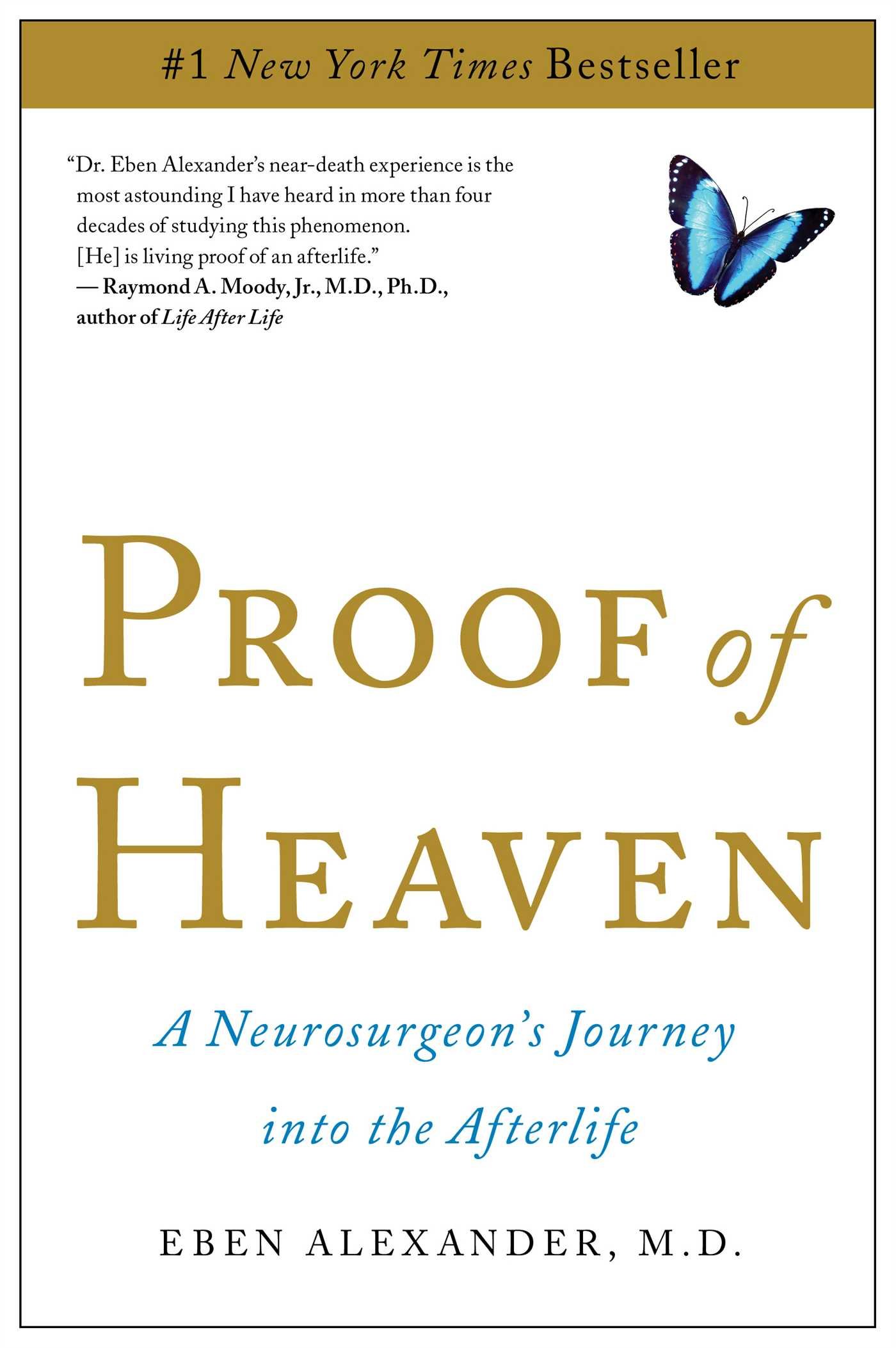
Before "Proof of Heaven" Made Dr. Eben Alexander Rich and Famous, He Was Something Else Entirely . . . . An Expose


Eban Alexander's Proof of Heaven: A Neurosurgeon's Journey into the Afterlife generated a lot of dismay and consternation in the neuroscience and consciousness worlds. General readers, however, suffered little exposure to all the commentaries on how little Alexander understands of how the brain functions, and they made Alexander wealthy and the book a best-seller.

But now Esquire has done a bit of research into the veracity of the story Alexander weaves in Proof of Heaven - the facts are largely contradictory. For example:

Book: His coma was induced by an e. coli infection causing bacterial meningitis.
Reality: His coma was induced by the doctors to, essentially, put him on pause while they figured out how to reduce his agitation and screaming.

Book: He claims of his days in the coma, "if you don't have a working brain, you can't be conscious." This is important, "he claims that his memories could not have been hallucinations, since he didn't possess a brain capable of creating even a hallucinatory conscious experience."
Reality: Dr. Laura Potter, who was on duty the morning he was brought in and who oversaw the efforts to reduce his sedation and bring him out of the coma, does not believe he was in any way brain dead.
I ask Potter whether the manic, agitated state that Alexander exhibited whenever they weaned him off his anesthetics during his first days of coma would meet her definition of conscious.

"Yes," she says. "Conscious but delirious."
These are two of the more crucial facts that were lost in the use of "artistic license." He told Dr. Potter that aspects of his book were "dramatized, so it may not be exactly how it went, but it's supposed to be interesting for readers."

Anyway. I knew this was a questionable book at best, but now it's clear that this may have been a calculated reinvention for a man no longer practicing medicine.

The Prophet

Before Proof of Heaven made Dr. Eben Alexander rich and famous as a "man of science" who'd experienced the afterlife, he was something else: a neurosurgeon with a troubled history and a man in need of reinvention

BY LUKE DITTRICH
PHOTOS BY BRIAN FINKE


On December 18, 2012, the set of Fox & Friends was both festive and somber. Festive because it was the Christmas season. The three hosts, two men in dark suits flanking a woman in a blue dress, sat on a mustard-colored couch in front of a cheery seasonal backdrop: a lit-up tree, silver-painted twigs, mounds of tinsel, blue and red swatches of fabric, and, here and there, multicolored towers of blown glass with tapering points that made them look surprisingly like minarets. Somber because a terrible thing had happened just four days earlier, in an elementary school in Newtown, Connecticut. All three hosts looked sad, but the woman, Gretchen Carlson, looked the saddest.


When Alexander got sick in late 2008, he hadn't practiced surgery in a year and faced a $3 million malpractice lawsuit. He now has a best-selling book and a movie deal.

The shot of the three hosts occupied most of the right three quarters of the screen. A guest was joining them by satellite from another location, and a shot of his head and shoulders occupied most of the rest of the screen. This was his third appearance on the program in the last few months. He wore a dark blazer and a button-down shirt with blue stripes. He was middle-aged and handsome in an old-fashioned way, with tanned skin and thick hair parted on the right. The banner below the video feeds read, HOPE IS NOT LOST: NEUROSURGEON SAYS HEAVEN IS REAL.

"Dr. Alexander," Carlson said, "if people don't know your story, you, you were ill, you were in a coma, you left this earth for a week, you were in heaven, and then you wrote about your experiences there, and you were told that you were supposed to come back to the earth."

She paused. She looked into the camera and then looked up toward the studio ceiling and rocked slightly forward.

"As people are grappling with the horrible nature of this tragedy," she said, her voice cracking, her lower lip trembling, "will these children forget, when they are in heaven, what happened to them?"

It was, let's be clear, an unusual question. One imagines the host of a national news program would feel comfortable posing this question to only a very few guests. A priest? A bishop? The pope? But let's be clear about something else: Dr. Eben Alexander was presented as more qualified to answer this question than all of them. His authority on heaven hadn't come from prayer or contemplation or a vote taken at some conclave. He had been there. And although a lot of people might make similar claims concerning visits to heaven and the receipt of personal revelations from God and be roundly dismissed, Dr. Alexander was different. He was, as the Fox News Web site declared, a "renowned neurosurgeon." A man of science at the summit of the secular world. And when he answered the unusual question, he did so without hesitation, without hedging, and with the same fluency and authority he might exhibit when comforting a patient about an upcoming operation.

"Well, they will know what happened," Alexander said, and a hint of sadness swirled in his own eyes for a moment. "But they will not feel the pain." His voice was southern and smooth, soft and warm. The shots of the studio and of the satellite feed faded away, and a heartbreaking tableau faded in, a grid of photographs. Fourteen children, each just six or seven years old, each smiling, each now, the viewer knew, dead. Alexander's voice, soothing, heartfelt, poured on. "They will feel the love and cherishing of their being back there. And they will know that they have changed this world."

Now the views of the studio and of Dr. Alexander faded back in, and the host to the left of Carlson, Brian Kilmeade, a compact and gruff guy with a sheaf of papers stacked on the table in front of him like a prosecuting attorney, asked a question. It was another unusual question and perhaps that's why Kilmeade prefaced it with a reiteration of what made their guest uniquely qualified to answer it.

"So Dr. Alexander," he said, "your book, your book—and you're a neurosurgeon, you never believed in this until it happened to you, and you were brain-dead for a week, and your friends who work in your business say that there's no way you could have possibly come back, there was no activity there. Where is the shooter?"

Alexander nodded along as the man posed the question and again answered without pausing. "The shooter is in a place of reviewing his own life," he said while the camera showed Gretchen Carlson wiping the tears from her eyes. "It's a very real phenomenon, of reliving all of the events of one's life and reliving the pain and suffering that we've handed out to others. But from their point of view."

This is a story about points of view.

He meets me at the door of his home and invites me in. He and his wife purchased the house in 2006, and it sits on a half acre of land in Lynchburg, Virginia, near a hospital where he used to work. Its exterior is red brick, and there are eleven windows along the front, each with white trim and black shutters, making the house look sort of Jeffersonian, sort of Monticelloesque, though it's actually only forty-nine years old, which makes it ten years younger than Alexander himself. He's wearing jeans and a button-down shirt and a sweater vest, and he leads me through a wood-paneled study to the kitchen, where he asks if I'd like a cup of coffee. While the coffee brews, he explains how caffeine works. "It kind of affects the second transmitter system, part of the fight-or-flight mode.


UNC yearbook, 1976.

And it gets you more into kind of an active state. It bypasses some of the primary transmitters there, kind of activates the whole system, so it revs you up. It works very effectively. So, you do not take sugar?" Once the coffee's ready, we return to the study. The room is homey and filled with family pictures and some paintings by friends of his wife, Holley, who's an artist and art teacher. Alexander met her in college when she was dating his roommate, and now they have two sons. She comes into the study and sets a plate of cookies and apple slices down on a coffee table for us to pick at.

"I'm starting to get a little more practice with these interviews," Alexander says. "It might not show, but I should be learning from it all. It's been quite a journey."

We talk for hours. We talk about his past life and his present one, and about the strange voyage that divided the two. We talk about some of the stories he tells in Proof of Heaven, which has sold nearly two million copies and remains near the top of the New York Times best-seller list nearly a year after its release. We also talk about some of the stories you won't find in the book, stories I've heard from current and former friends and colleagues, and stories I've pulled from court documents and medical-board complaints, stories that in some cases give an entirely new context to the stories in the book, and in other cases simply contradict them.

From one point of view, the point of view that Fox & Friends and Newsweek and Oprah and Dr. Oz and Larry King and all of his other gentle interrogators have helped perpetuate, Dr. Eben Alexander is a living miracle, literally heaven sent, a man capable of finally bridging the chasm between the world of spirituality and the world of science. From this point of view, he is, let's not mince words, a prophet, because after all, what else do you call a man who comes bearing fresh revelations from God? This point of view has been massively profitable for Dr. Eben Alexander, has spawned not just a book sold in thirty-five countries around the globe but a whole cascade of ancillary products, including a forthcoming major motion picture from Universal.

But there is another point of view. And from this point of view, Dr. Eben Alexander looks less like a messenger from heaven and more like a true son of America, a country where men have always found ways to escape the rubble of their old lives through audacious acts of reinvention.

By the end of our interview, there's a note of unease in Alexander's voice. He pulls out his iPhone and puts on the voice recorder. He tells me he is concerned that some of the stories I've brought up could be taken the wrong way by readers.

"People could definitely go way off the deep end about irrelevant stuff as opposed to focusing on what matters," he says.

Before he was Eben, he was, briefly, Richard.

His biological parents, young, unready, created him, named him, and then gave him away. The Alexander family of Winston-Salem, North Carolina, adopted him and gifted him with a new name, one with an illustrious pedigree. The first Eben Alexander, his great-grandfather, was the U. S. ambassador to Greece in the 1890s, helped create the modern Olympic Games, carried on an occasional correspondence with Mark Twain. His father, Eben Alexander Jr., a great neurosurgeon, was permanent president of his class at Harvard Medical School.

Eben Alexander III attended Phillips Exeter Academy, where he read lots of science fiction, grew a shaggy mop of hair, learned how to pole-vault—he loved the feeling of propelling himself skyward with physics and muscle. While his high school classmates saved up for cars, he bought himself sailplane lessons.

He went to college at the University of North Carolina at Chapel Hill. He studied chemistry. He contemplated astrophysics. He joined the Sport Parachute Club and spent his weekends flying to great heights in perfectly good Cessna 185's and jumping out of them. He felt drawn to medicine but worried that if he became a doctor, he'd never escape his father's shadow. He agonized.

He graduated from UNC in 1975 and enrolled in Duke medical school. He was still worried about not living up to the standards set by his father. Even after he began his neurosurgery residency, he almost jumped ship, changed careers. He sent in a job application to NASA. He dreamt of flying on the space shuttle, of helping to build the International Space Station. But when he told his father, his father convinced him to withdraw the application. Wait till you've finished your residency, he told him. Then, if you're still interested in the whole NASA thing, by all means. By the time he'd finished his residency, the Challenger had exploded and the shuttle program was on hold. He chose not to reapply.

His path seemed set.

A headache. November 10, 2008.

He has a headache. Not a bad one at first, but it gets steadily, rapidly worse. He tells Holley that he just needs to rest, that he'll be fine.

Escherichia coli bacteria have insinuated themselves into the lining of his central nervous system, the membranes that protect his brain and spinal cord, he writes in Proof of Heaven. It is unclear how they got there. Spontaneous cases of bacterial meningitis are rare but not unheard of, and the transmission vectors are the same as those of other common infectious diseases: tainted water supplies, poor hygiene, dirty cooking conditions. Regardless of where these particular E. coli came from, now that they're here, they proliferate. E. coli populations are incredibly fertile, and under ideal circumstances will grow exponentially, doubling in size every twenty minutes. Theoretically, given limitless food and zero resistance, a single 0.000000000000665-gram E. coli bacterium could in nineteen hours spawn a megacolony weighing as much as a man. But our bodies are not defenseless. Alexander's immune response kicks in immediately, deploying fleets of white blood cells to kill the invaders. His cerebrospinal fluid, the fluid that supports his brain in every sense, buoying it and nourishing it, becomes a terrifying battlefield. While the invaders consume his CSF's brain-sustaining sugars, the defensive onslaught of white blood cells causes the volume of fluid to swell, raising the pressure inside his skull.

By the time the EMTs wheel him into the ER at Lynchburg General Hospital, his besieged brain, choked and starving, is severely dysfunctional. He is raving, thrashing, incoherent.

Then he slips into a coma.

His path seemed set.

He finished his neurosurgical residency and, in 1988, was hired at one of the most prestigious hospitals in the country, Brigham and Women's, in Boston. While practicing there, he taught at his father's alma mater, Harvard Medical School. The prestige of these institutions gave him access to some of the most remarkable new medical technology in the world. He became an expert at something called stereotactic radiosurgery, a type of treatment that burned away the problems inside a patient's brain, cauterizing aneurysms, cooking tumors, without the skull even needing to be opened.

He was on the rise. His father's shadow no longer seemed so long. And he was charming. Larger than life, that's how his residents viewed him. A charismatic barrel of energy, with an endearing habit of always wearing a bow tie. He would play rock music in the operating room: classics like Jimi Hendrix, Led Zeppelin, and the Doors, newer stuff like Massive Attack, Five for Fighting, Goo Goo Dolls. And no, he'd never quite gotten over his obsession with space, with flight. Sometimes, when he wasn't around, the residents would even crack that he would have made a better astronaut than a brain surgeon. They'd noticed that some of the attending surgeons could completely lose themselves in an operation, standing there for hours, peering into a tiny little hole and meticulously extracting bits of tumor. But Dr. Alexander wasn't like that. He'd come rushing into the OR, talking to the nurses and the residents and anyone else who'd listen, rambling about near-earth asteroids or dark matter or whatever other topic in astrophysics he'd been reading about in his spare time. It would take him a while to get down to business, to focus on the matter at hand.

It wasn't that he wasn't smart. Four different former residents of Alexander's use the word brilliant to describe him.

But he often just seemed to be somewhere else.

He is somewhere else.

Where, he doesn't know. He doesn't know, really, anything. Not where he is, not even who or what he is. He is pure awareness, pure present, no past, no future. Just this little speck of consciousness adrift in a vast and mysterious place. It is an unpleasant place, brown and rank and suffocating, but he doesn't even know enough to define a term as advanced as "unpleasant."

And then he sees the light.

A bright light, swirling above him, accompanied by the most beautiful music. He is rising up toward it. Up through it. The unpleasant place is gone, somewhere below him, and now he is in a place that even if he had the power of vocabulary, of words, he would find almost indescribably beautiful. It is a green and verdant place. A green, idyllic place filled but not crowded with men and women in peasant garb. Here and there a dog cavorts among them. And he, he is flying! He is on the wing of a butterfly. Perhaps it is an enormous butterfly or perhaps he is really tiny, but size and scale don't really mean anything. There are other butterflies all around him, millions of them, perhaps an infinite number of them, colorful and iridescent, all flying in loose formation over this impossibly beautiful place.

And he is not alone. Beside him on the butterfly, a beautiful girl!

Like the green countryside, her beauty is so intense, so overpowering, that the word beauty itself seems insufficient. He becomes aware that she is speaking to him, saying something, though she doesn't even need to move her lips to speak.

You are loved and cherished, she tells him.

You have nothing to fear.

There is nothing you can do wrong.


He didn't do anything wrong.

He destroyed the woman's acoustic neuroma, a benign brain tumor, burned it to oblivion with focused beams of radiation. That's what he set out to do, and that's what he did. And yes, there had been postoperative inflammation, and yes, the surgery had left the woman with permanent paralysis on the left side of her face, but remember we're talking about brain surgery here, not splinter removal. Bad things can happen that are completely out of your control.

The woman's lawsuit, however, didn't accuse him of doing something he shouldn't have done. It accused him instead of not doing something he should have done. Specifically, it accused him of not informing the woman that permanent facial paralysis might result from the operation.

And so, because exactly what he had told her prior to the operation was at the heart of the case, that's what the lawyers asked her about during the deposition a few years later. She was an elderly woman from Arizona. She had initially consulted with Dr. Alexander by telephone after seeing an episode of a PBS television program called Scientific American Frontiers that was narrated by Alan Alda and had highlighted Dr. Alexander and his remarkable stereotactic radiosurgery operations.


While in heaven, Alexander rode a butterfly with a beautiful girl. He realized later that she was the biological sister he'd never met.
She sent him her medical records, scheduled a time for the operation, and then flew with her husband and her son to Boston.
Patient: I was in a wheelchair, and we went down to this room and waited. At 8:30, approximately four or five men came into the room, and they didn't say not one word to me. They just came over and started sticking me with a needle for anesthesia. And then they started screwing this thing in my head. And I was bleeding and I was scared and I was shaking. I went into shock, and nobody said one word....

Lawyer: What happened next?

A: Then they put that bell on my—they tried to, and it was—they had to get a different one, because the one they had went clear down on my shoulder. I have a very short neck and they—maybe they had it with them. I don't know. I don't remember that. All I remember is the excruciating pain when they started screwing that into my head. I had four screws, two in the back and two in the front.

Q: Okay.

A: And I suppose it was an aide came in, and she knew that I was in shock, evidently, because she got a blanket and wrapped it around me, and she kind of held me. I was still in the wheelchair....

Q: During that whole time, none of these four or five men said anything to you, is that right?

A: Yes. When they started putting the novocaine or whatever it was in my head, I said, "Is one of you Dr. Alexander?" and this voice in back of me said, "Yes, I am." And I said, "Please come around so I can see you. I would like to see what you look like." And so he did. And we might have shaken hands. I don't remember that. And then he went back to doing whatever they were doing, screwing this thing into my head.
But none of this, again, is an indication of wrongdoing. A cold or distracted bedside manner is not criminal. The question was whether he had ever warned her about the possible complications. When the woman's lawyer asked to see the two-page informed-consent form that laid out the risks, Alexander could find only the first page, the page without the woman's signature. And that page, as the lawyer noted, had "multiple punch holes and fray marks, indicating that it had been filed in [the patient's] chart, extracted from the file, and later refiled." Further, he said, additional documents also had gone missing, including a letter that the patient's primary neurosurgeon had sent to Alexander, notifying him of her postoperative facial paralysis. The woman's attorney argued that "it is reasonable to infer that this pattern of disappearance of probative evidence was not coincidental, but was in fact deliberate." The attorney was arguing, in other words, that when Alexander found things that didn't fit the story he wanted to tell, he changed them, or made them disappear altogether.

Alexander settled.

He soars on the butterfly's wing for who knows how long.

Time is different. Space, time, self, everything: different. Above the butterflies, sentient orbs of light float. Angels? Who knows.

But eventually he rises, even higher. Or deeper. Further.

He enters a new realm, one of infinite depth and infinite blackness. And at the center of it all, a light. Bright, pulsating, warm, loving, wise. The embodiment, the definition, the source of all of those things and everything else.

The all-knowing and all-loving creator at the center of all existence.

He approaches God. God approaches him. God is everywhere. Above. Below. Beside. Inside.

He and God are One.

And although he still doesn't know who he is or where he is, though he still has no concept of language itself, of present, of past, none of that matters.

He knows. He knows...everything.

He knows the unknowable, the great mysteries, the answers to the ultimate whys and wheres and whats.

Why are we here? Where did we come from? What do we do now?

He knows it all.

And then he falls away. Down through the valley of swirling butterflies. Back into the ageless muck where his journey began.

So he settled that suit.

But these things happen. You're trying to fix people who would otherwise be hopelessly broken, and sometimes you don't succeed, or things just go a little awry. And too often there are lawyers waiting in the wings.

It didn't really affect him. He was still teaching at Harvard, still practicing at the Brigham. He was still on the rise. There were some tensions at work, though. He and the man he worked for, Dr. Peter Black, the Brigham's chair of neurosurgery, weren't getting along. Why that is depends on whom you ask. Alexander thinks it's because Black had assigned him to head up the hospital's stereotactic-radiosurgery program, and initially that technology was used only to treat aneurysms. The technology had developed quickly, though, and soon Alexander was using it on tumors, too. He'd also begun using the hospital's new intraoperative MRI machine to do tumor work. Problem was, Black was known worldwide as the tumor guy. For instance, when Ringo Starr's daughter was diagnosed with a brain tumor, her doctors sent her across the Atlantic, because only Black would do. Alexander thought Black was maybe worried that Alexander was encroaching on his turf, and this was straining their relationship. Black, for his part, has no comment.

But all in all, more than a decade into his career at the Brigham, things were looking great. He coauthored a lot of journal articles and two academic textbooks, one about stereotactic radiosurgery and the other focusing on the intraoperative MRI machine. And then, in 2000, he served as the inspiration for a best-selling novel.

His friend wrote it. The Patient, by Michael Palmer. A medical thriller, the kind travelers snatch up in airports and devour on airplanes. A French terrorist dying from a brain tumor takes a prestigious Boston hospital hostage in order to force the staff to save his life. Initially, the terrorist wants the operation performed by the chief of the neurosurgery department, Carl Gilbride, but Gilbride soon reveals himself to be a venal and incompetent blowhard whose "true forte was self-promotion." The real star of the neurosurgery department, the terrorist deduces, is a young firebrand named Jessie Copeland, who is everything a patient could hope for: brilliant, selfless, compassionate, fiercely devoted to her charges, and a wizard with a scalpel. When the terrorist chooses Copeland to perform his operation, it rankles Gilbride so much that he begins trying to thwart and sabotage her at every turn.
THE DALAI LAMA WAGS A FINGER AT ALEXANDER. WHEN A MAN MAKES EXTRAORDINARY CLAIMS, HE SAYS, A "THOROUGH INVESTIGATION" IS REQUIRED, TO ENSURE THAT PERSON IS "RELIABLE," HAS "NO REASON TO LIE."
Palmer had learned everything he could about neurosurgery from Alexander and channeled it into the book, into Copeland. Alexander had even passed along to Palmer the idea for ARTIE, the robotic assistant that could crawl straight up someone's nose and into their brain and, when combined with an intraoperative MRI machine, resect even the most stubbornly embedded tumors. When folks at the Brigham read The Patient, it took them about a half second to realize that Copeland was a stand-in for Eben Alexander (albeit under the diaphanous disguise of a sex change). And it didn't take much longer than that for them to realize that the vile, venal chief of neurosurgery, the fictional Carl Gilbride, was supposed to be the Brigham's real-life chair of neurosurgery, Eben Alexander's boss, Peter Black. As one former resident of Alexander's puts it, the "animosity and dynamic is eerily identical." Alexander, he says, "poured all his frustration in there through Palmer," though he cautions the resulting portraits of Alexander and Black are "open to interpretation and tinted with jealousy."

In the fictional world of the book, Carl Gilbride gets what's coming to him. He is pistol-whipped and roundly humiliated, and by the end is so entirely emasculated and subservient to Copeland that he seeks praise from her "like a four-year-old announcing he had picked up all his toys."

In the real world, things turned out differently.

On April 13, 2001, almost exactly a year after the publication of The Patient, Dr. Eben Alexander's employment as a surgeon at the Brigham was terminated. Rumors flooded the hospital hallways and break areas—a problem with a patient? simply too much ego in one place?—but none were ever substantiated. The administrators, as is their bureaucratic wont, stayed silent. Only one fact was indisputable: Dr. Eben Alexander III was moving on.

He falls and rises and falls and rises.

Back in the muck and murk of the realm below the verdant place, below God, he eventually, after seconds or hours or days or years or millennia, discovers that he is in control. That he can ascend again. All he needs to do is summon the melody, the one that accompanied the initial portal, and then he'll float up and through it and be back on the butterfly again, with the beautiful girl, ready for another encounter with God. He repeats the pattern, falling down, rising up, countless times.

But eventually the melody stops working. Eventually the melody no longer summons the glowing gateway. It doesn't bother him, really. Even there, in the writhing brown and grime, he knows that he is loved, eternally, that he can do nothing wrong, that nothing truly bad can ever happen to him.

Secure in this knowledge, and in all his other newfound wisdom as well, he slowly becomes aware of another realm. Faces emerge from the murk and present themselves to him, and although he doesn't recognize them, although he doesn't know who they are, he senses their concern for him. Their love. They come from where he comes from.

He begins to wake up.

It's time to go back.

It was time to go back, to head back home to the South. New England hadn't quite worked out. After the Brigham, he'd taken a job at the UMass Memorial Medical Center, in Worcester, thirty-five miles west of Boston. He'd run its deep-brain-stimulation program, implanting electrodes into patients, helping alleviate their Parkinsonian tremors by means of corrective shocks. But there had been more lawsuits—in one case, a bit of plastic was left behind in a woman's neck—and there had been another boss he didn't get along with.

In August 2003, UMass Memorial suspended Alexander's surgical privileges "on the basis or allegation of improper performance of surgery." (The specifics of the case leading to the suspension are confidential, though Alexander claims it resulted from "a very complex repeat operation I did around the brain stem of a patient in which the patient had more difficulty recovering after the operation I would say than I anticipated and than I led them to believe.") His suspension technically ended in November of that same year, but he never went back to work at UMass Memorial. He resigned. The following year he did a little freelance consulting for the Gerson Lehrman Group, a company that matches corporations with experts in various fields, and also filed an unsuccessful lawsuit against the Brigham and Women's Hospital, claiming it improperly withheld more than $400,000 of his retirement and deferred-compensation plans. He had been more or less out of work for fifteen months when, in March 2005, he received a letter from the Massachusetts Board of Registration in Medicine asking him to respond to a complaint form they'd received from a former patient who was upset that Alexander had stopped responding to phone calls. Alexander wrote a letter back, explaining that the complaint was invalid because he was no longer practicing and that, furthermore, he would soon be leaving the state altogether.
"I wanted to stay in Massachusetts, but [the UMass chair of surgery's] campaign against me has made that impossible," he wrote. He added that he was a very good neurosurgeon, and that "Massachusetts would be most fortunate to have the benefit of my skills as a physician and surgeon over the next fifteen years, but they won't have it, because I am leaving this state for a more hospitable and welcoming environment. It will be nice to be appreciated for all that I have to offer."
The board ultimately took no disciplinary action. Still, one year later, he moved his family back south, into a big redbrick colonial house in Lynchburg, Virginia, not far from where he grew up, and Lynchburg General Hospital hired him as a staff neurosurgeon. He got back to work.

When he comes back, when he opens his eyes, when the new-old realm with all its fresh-familiar sensations comes washing over him, he is at first very confused. For the better part of the next week, he experiences what is known as ICU psychosis. He hallucinates. Some of the hallucinations are very strange. At one point he believes he is running through a cancer clinic in south Florida, being pursued by his wife, a pair of policemen, and two Asian ninja photographers. His vocabulary is incomplete. Parts of his brain are still dysfunctional.

But slowly his brain comes back online. Reality imposes itself. He becomes aware of who the people around him are. His family, his friends. He becomes aware of exactly where he is. He remembers this place.

The sorts of operations Alexander performed at Lynchburg General Hospital were old-fashioned, as far as neurosurgery goes. But that doesn't mean they were unimportant.

For example, on March 1, 2007, a fifty-four-year-old tobacco farmer from a small town outside of Lynchburg visited Dr. Alexander, complaining of pain in his neck and trapezius and upper arm. Alexander conducted a physical examination and inspected some MRI imagery and told the patient that he recommended a spinal decompression surgery that would involve fusing his fifth and sixth vertebrae. The patient agreed to the surgery, and several months later, on June 27, 2007, Alexander performed it.

He did something wrong. Instead of fusing the farmer's fifth and sixth vertebrae, he fused his fourth and fifth. He did not realize his mistake at first. When he dictated the operative report, he recorded that the "MRI scan showed significant disk bulge and disk osteophyte complex compression at C5-6 mainly the left side," and then described an operation on those vertebrae, instead of the vertebrae he had actually operated on.

On July 12, he had his first follow-up appointment with the farmer. He reviewed the postoperative X-rays. He noticed his mistake. He didn't tell his patient. Instead, after his patient went home, he pulled the operative report up on his computer and edited it. Now the report read that the MRI scan had showed disk bulge at both C4-5 and C5-6, and that "we had discussed possible C5-6 as well as C4-5 decompression, finally deciding on C4-5 decompression." Then he simply found every subsequent reference in the report to C5-6 and changed it to C4-5.

After he finished editing the report, it read as though he hadn't done anything wrong at all.

During a third follow-up meeting, in October, Alexander finally confessed, and told the patient that if he wanted another operation he could have it for free. It is unclear exactly when Lynchburg General Hospital learned of Alexander's mistake, but by the end of October he no longer had surgical privileges at the hospital.

On August 6, 2008, the patient filed a $3 million lawsuit against Alexander, accusing him of negligence, battery, spoliation, and fraud. The purported cover-up, the changes Alexander had made to the surgical report, was a major aspect of the suit. Once again, a lawyer was accusing Alexander of altering the historical record when the historical record didn't fit the story he wanted to tell.

By the time the lawsuit was filed, Alexander had found another job, with a nonprofit called the Focused Ultrasound Foundation in Charlottesville, Virginia, an hour-and-a-half drive from Lynchburg. His new job did not involve the practice of neurosurgery. His boss, the neurosurgeon Dr. Neal Kassell, who was also a professor of neurosurgery at the University of Virginia medical school, had known Alexander for many years. He had high respect for Alexander's intelligence—like Alexander's former residents, he described Alexander as brilliant. He had less esteem for Alexander's surgical abilities. "Neurosurgery requires the ability to intensely concentrate on one thing for a long period of time," he says. "And that's not Eben's MO."

The tobacco farmer's lawsuit was still in its preliminary stages, hanging over Alexander's head like a $3 million hammer, when the E. coli started their terrible multiplication.

He goes home from the hospital just before Thanksgiving.

He is sixteen pounds lighter and still foggy, but getting stronger and sharper every day. He had been scheduled to give a deposition in the case of the tobacco farmer in December, but the court allows it to be pushed back. He keeps himself busy. He writes thank-you postcards to some of the medical staff that took care of him. He takes notes about his memories of his strange comatose journey, the murky place and the butterflies and the countryside and the dazzling epiphanic light at the center of it all. He imagines there is probably a neurological explanation for what he experienced. Eventually he starts going back to work at the Focused Ultrasound Foundation.

On March 18, 2009, Alexander gives his deposition in the tobacco-farmer case. He testifies that when he learned of his error, he "felt like [he'd] been hit by a truck," but that he refrained from telling the patient because he was intrigued by postoperative improvements he claims the patient had made despite the botched operation.

"I thought that I would end up telling him about it," he says, "and I think my overwhelming curiosity about why he had gotten better—I wanted to see if his symptoms came back quickly because people sometimes will have a placebo effect to surgery."

Soon after his deposition, Alexander's lawyers urge him to settle, and he does. They also urge him to settle another case, stemming from an operation he performed only two weeks after the farmer's, when he again operated on the wrong vertebra of a patient. He settles that case, too. The Virginia Board of Medicine allows him to keep his license, but levies a modest fine and orders him to take continuing education classes in ethics and professionalism. By the time all his pending cases are resolved, Alexander will have settled five malpractice cases in the last ten years. Only one other Virginia-licensed neurosurgeon has settled as many cases in that time period, and none have settled more.

But really, in the wake of his coma, his perspective on his legal troubles has shifted. He's just lucky to be alive. The mere fact of it, the mere fact that his brain survived that vicious bacterial assault, well...some might even call it a miracle. He starts reading a lot about near-death experiences, books like Life After Death, by Dinesh D'Souza; Embraced by the Light, by Betty J. Eadie; and Evidence of the Afterlife, by Jeffrey Long. These books all argue that experiences such as the one he had were not hallucinatory quirks of a brain under siege. They were real. One morning, maybe four months after his coma, he's in his bedroom reading one of these books, called On Life After Death, by Elisabeth Kübler-Ross. He comes to a story about a little girl who has a near-death experience during which she meets a deceased brother she had never known.

Alexander, who had recently received a photo of a deceased daughter of his birth parents, a sister he had never known, puts the book down and lets his eyes wander to the photo. And then, suddenly, he recognizes her.

The girl on the butterfly wing.

He can't sleep.

For days and weeks and months in a row, he wakes at two in the morning and can't fall back asleep, so he goes to the den long before he needs to start his long commute to work, and he writes and reads and thinks.

He knows he has a story to tell, but the question is how to tell it.

He eventually decides to start with the story of his first near-death experience.

It's a story from his skydiving days back in college. He logged more than three hundred jumps during his college career, and most of them were thrilling but otherwise uneventful. On one autumn day in 1975, however, something went wrong. On that particular day, he was the last of a group of six jumpers to exit the airplane. The group had intended to form a six-man star formation, but one flew in too fast and knocked the formation apart before Alexander could come in to complete it. After recovering their bearings, the briefly discombobulated jumpers tracked away from one another, preparing to deploy their chutes. Alexander did the same, rocketing off to stake out his own untrammeled patch of sky. He was about to pull his rip cord when he noticed with a start that a jumper named Chuck had tracked to a spot directly below him. He describes the moment:
He must not see me. The thought barely had time to go through my head before Chuck's colorful pilot chute blossomed out of his backpack. His pilot chute caught the 120-mph breeze coming around him and shot straight toward me, pulling his main parachute in its sleeve right behind it.

From the instant I saw Chuck's pilot chute emerge, I had a fraction of a second to react. For it would take less than a second to tumble through his deploying main parachute, and—quite likely—right into Chuck himself. At that speed, if I hit his arm or his leg I would take it right off, dealing myself a fatal blow in the process. If I hit him directly, both our bodies would essentially explode.
Instead, Alexander managed to react in the most perfect way possible to the scenario, instantaneously and without conscious effort angling his body so that it rocketed away from Chuck, avoiding disaster by microseconds. At the time, he marveled at what he believed must have been his brain's untapped capacity for preternaturally quick thinking. Now he interprets this incident differently.
This book is about the events that changed my mind on the matter. They convinced me that, as marvelous a mechanism as the brain is, it was not my brain that saved my life that day at all. What sprang into action the second Chuck's chute started to open was another, much deeper part of me. A part that could move so fast because it was not stuck in time at all, the way the brain and body are.
He has his beginning.

There was a man named Chuck in the University of North Carolina at Chapel Hill Sport Parachute Club. He won't return phone calls. But his sister-in-law does.

She's read Proof of Heaven. She immediately thought to herself that the Chuck in the book must have been her brother-in-law. She sends Chuck a few e-mails. Finally he responds. He remembers Alexander. He says he doesn't remember anything like the incident Alexander describes.

Alexander can understand the confusion.

"It's not Chuck," he says today. "I probably should have put a disclaimer in the front of the book saying that Chuck is not Chuck. It is actually somebody not named Chuck. Because I cannot give the name of the person it was. Because the attorneys at Simon & Schuster would be mad at me. Because potentially they did something wrong. Potentially they were liable for causing trouble, etc., etc. So I am under very strict advice from the Simon & Schuster attorneys not to divulge who that was."

But if the man who'd opened the chute below him had done something wrong, it was something wrong that hadn't caused any personal injury. There wouldn't have been any legal liability there, right?

"Right," he says. "Well, that was my argument, but these attorneys, it was kind of surprising to me, that was one of the few things they focused on. They said, 'Do not, under any circumstances, divulge who that was!' "

So he had changed the character's name to Chuck, which happened to be the real name of someone he did skydive with?

"It's not Chuck," he repeats. "It's not Chuck."

Is he still in touch with Chuck?

"No."

And fake Chuck?

"No, I don't know what happened to fake Chuck."

Is there anyone else who was part of the jump that day who might be able to verify his story?

"You know, there's not. Because I can't tell you exactly which day it was. And my logbook—those pages in my logbook I don't have right now."

The book progresses. He starts to hone his argument and to shape its presentation.

He is, he writes, "a practicing neurosurgeon" and is familiar with "the most advanced concepts in brain science and consciousness studies." His "decades of research and hands-on work in the operating room" put him "in a better-than-average position to judge not only the reality but also the implications of what happened to me."

He introduces his central thesis.

"During my coma," he writes, "my brain wasn't working improperly—it wasn't working at all." This is the key. His brain wasn't working, and yet he had these vivid memories of voyaging through these other realms: the murky dark, the butterflies, the vast darkness, and the luminous, all-knowing creator. How could he have memories from a time when his brain wasn't working at all? From a time when, as he writes, "my mind, my spirit—whatever you may choose to call the central, human part of me—was gone."

The answer is simple and logical. It is also, he writes, "of stunning importance. Not just to me, but to all of us."

Alexander writes, "The place I went was real, real in a way that makes the life we're living here and now completely dreamlike by comparison."

As he nears the end of his tale, every part of his story seems to be connected to every other part in mysterious ways. For instance, his coma began on Monday, November 10, and by Saturday, "it had been raining for five days straight, ever since the afternoon of my entrance into the ICU." Then, on Sunday, after six days of torrents, just before he woke up, the rain stopped:
To the east, the sun was shooting its rays through a chink in the cloud cover, lighting up the lovely ancient mountains to the west and the layer of cloud above as well, giving the gray clouds a golden tinge.

Then, looking toward the distant peaks, opposite to where the mid-November sun was starting its ascent, there it was.

A perfect rainbow.
It was as though heaven itself was cheering Alexander's return.

Dave Wert, meteorologist in charge at the National Oceanic and Atmospheric Administration office that encompasses Lynchburg, reviews the weather records for the week of November 10 through 16. "There was nothing on the tenth," he says. "Nothing on the eleventh...two hundredths of an inch on the twelfth." The next three days, he says, were rainy and miserable. Then the storm appeared to break on the evening of the fifteenth. The sixteenth was another clear day.

Could there have been a rainbow on the morning of the sixteenth?

"No," he says.

Unlike weather records, Alexander's medical records are all confidential. Alexander does not plan to make them public, though he did offer to allow three of the doctors who treated him to speak about his case. Two of them declined the opportunity. The other, Dr. Laura Potter, was on duty in the ER of Lynchburg General Hospital on the morning of November 10, 2008, when the EMTs brought him in.

Both Alexander in his book and Potter in her recollections describe Alexander arriving in the ER groaning and flailing and raving and having to be physically restrained. In Proof of Heaven, Alexander describes Dr. Potter then administering him "sedatives" to calm him down.

Here's how Dr. Potter remembers it:
"We couldn't work with Eben at all, we couldn't get vital signs, he just was not able to comply. So I had to make the decision to just place him in a chemically induced coma. Really for his own safety, until we could treat him. And so I did.... I put him to sleep, if you will, and put him on life support."
After Alexander was taken from the ER to the ICU, Potter says, the doctors there administered anesthetics that kept him in the coma. The next day, she went to visit him.

"And of course he was still in an induced coma," she says. "On ventilator support. They tried to let him wake up and see what he would do, but he was in exactly the same agitated state. Even if they tried to ease up, a little bit even, on the sedation. In fact, for days, every time they would try to wean his sedation—just thrashing, trying to scream, and grabbing at his tube."

In Proof of Heaven, Alexander writes that he spent seven days in "a coma caused by a rare case of E. coli bacterial meningitis." There is no indication in the book that it was Laura Potter, and not bacterial meningitis, that induced his coma, or that the physicians in the ICU maintained his coma in the days that followed through the use of anesthetics. Alexander also writes that during his week in the ICU he was present "in body alone," that the bacterial assault had left him with an "all-but-destroyed brain." He notes that by conventional scientific understanding, "if you don't have a working brain, you can't be conscious," and a key point of his argument for the reality of the realms he claims to have visited is that his memories could not have been hallucinations, since he didn't possess a brain capable of creating even a hallucinatory conscious experience.

I ask Potter whether the manic, agitated state that Alexander exhibited whenever they weaned him off his anesthetics during his first days of coma would meet her definition of conscious.

"Yes," she says. "Conscious but delirious."

Potter hasn't read Proof of Heaven, although she did get an advance look at a few passages. About a year after his recovery, Alexander approached Potter at a track meet that both of their sons were competing in and told her that he'd started writing a book, and that he wanted her to take a look at some parts in which he described her thought processes in the emergency room. He wanted, he said, to "make sure that you're okay with what I've done." He later e-mailed the passages to her, and when she read them, she found that they were "sort of what a doctor would think, but not exactly what was going through my head." She told him so, and according to Potter he responded that it was a matter of "artistic license," and that aspects of his book were "dramatized, so it may not be exactly how it went, but it's supposed to be interesting for readers."

One of the book's most dramatic scenes takes place just before she sends him from the ER to the ICU:
In the final moments before leaving the emergency room, and after two straight hours of guttural animal wails and groaning, I became quiet. Then, out of nowhere, I shouted three words. They were crystal clear, and heard by all the doctors and nurses present, as well as by Holley, who stood a few paces away, just on the other side of the curtain.

"God, help me!"

Everyone rushed over to the stretcher. By the time they got to me, I was completely unresponsive.
Potter has no recollection of this incident, or of that shouted plea. What she does remember is that she had intubated Alexander more than an hour prior to his departure from the emergency room, snaking a plastic tube down his throat, through his vocal cords, and into his trachea. Could she imagine her intubated patient being able to speak at all, let alone in a crystal-clear way?

"No," she says.

He finds an agent, and the agent shops his book proposal around, and soon Simon & Schuster offers him a book deal. They put it on the fast track for publishing, want to get it out that same year. A writer named Ptolemy Tompkins, who has written other books about near-death experiences, is brought in to help chop down the manuscript by more than half. Alexander meets in New York with the publishers and his editor, but once the deal is struck, the gears of the publishing world grind on even when he's back down south.

The title of the book, according to Alexander, is generated during a meeting he doesn't attend, a meeting between executives at Simon & Schuster and, according to him, executives at various ABC television programs, including Good Morning America, 20/20, and Nightline. During the meeting, the Simon & Schuster executives, who are trying to line up coverage for the book, are making their pitch—this renowned neurosurgeon visits the afterlife, comes back with wondrous stories to tell—and toward the end of the meeting an ABC executive asks if the Simon & Schuster execs can summarize what makes the book important.

"It's proof of heaven!" someone blurts.

In his study, toward the end of our conversation, Alexander distances himself from the title.

"When they first came to me with that title I didn't like it at all," he says. "Because I knew from my journey that it was very clear to me that no human brain or mind, no kind of scientific philosophical entity will ever be able to know enough to say yes or no to the existence of that realm or deity, because it's so far beyond our human understanding."

It is, he says, "laughable" and "the highest form of folly, of hubris" to think that anyone could ever "prove" heaven. "I knew," he says, "that proof in a scientific sense was ridiculous. I mean, no one could have that."

We talk five weeks later by Skype. He's in a hotel in Vancouver, at the beginning of a one-and-a-half-week stint of speaking engagements and book signings. He looks relaxed, serene, wearing another button-down shirt, smiling into the Internet. He's excited to be on the road, he says, eager to spread his message of hope. He hasn't had surgical privileges since October 2007, but he still views himself as a healer.

I remind him of what he said about his book's title during our previous meeting, and ask whether there were any parts of the book's contents he would concede are similarly hyperbolic. He says no, there are not. And he now says that not even the title is, strictly speaking, inaccurate. It just doesn't go far enough. "This is so much more than a proof of heaven," he says. "Proof of heaven is kind of a minuscule little claim compared to what is really there."

We talk about rainstorms and intubations and chemically induced comas, and I can see it in his face, the moment he knows for sure that the story I've been working on is not the one he wanted me to tell.

"What I'm worried about," he says, "is that you're going to be so busy trying to smash out these little tiny fires that you're going to miss the big point of the book."

I ask whether an account of his professional struggles should have been included in a book that rests its authority on his professional credentials.

He says no, because medical boards in various states investigated the malpractice allegations and concluded he could retain his license. And besides, that's all in the past. "The fact of the matter," he says of the suits, "is they don't matter at all to me.... You cannot imagine how minuscule they appear in comparison to what I saw, where I went, and the message that I bring back."

His survival is a miracle, he says. His doctors told him that he is alive when he should be dead, and he believes intensely that he is alive for a reason, to spread the word about the love awaiting us all in heaven. To heal.

By focusing on the inconsistencies in his story, on recollections that don't seem to add up, on a court-documented history of revising facts, on the distinctions between natural and medically induced comas, he says, is to miss the forest for the trees. That's all misleading stuff, irrelevant to his journey and story.

Toward the end, there's a note of pleading in his voice.

"I just think that you're doing a grave disservice to your readers to lead them down a pathway of thinking that any of that is, is relevant. And I just, I really ask, as a friend, don't..."

The walls are light blue at the bottom and darker blue toward the top, like the May sky. There are flowers everywhere, purple and pink and white, sprouting from pots and floating in clear glass bowls. On a bright orange altar at the rear of the room, multiple swatches of cloth, yellow and red and green, hang from a life-sized golden statue of Buddha. The Dalai Lama reclines in a cushioned throne in front of the altar, under the Buddha. He's wearing a red robe with a yellow shoulder band that loops around and drapes over one of his arms, leaving the other arm, which is as smooth and hairless as a child's, exposed. Alexander is wearing a robe, too, but it's a standard black convocation robe. He's sitting a few feet to the left of the Dalai Lama, in a smaller chair. Both are here to speak at the graduation ceremony of Maitripa College, a Buddhist college in Portland, Oregon. Alexander is slated to speak first, and when he begins, the Dalai Lama cocks his head in a quizzical way and peers at him through his thick glasses.

Alexander tells his story like he's told it so many times before, in his soft, southern, confident burr. He tells the audience about the wondrous realm he visited, about the all-powerful and all-loving God he encountered there, and about some of the lessons he's brought back to earth. He says that among those lessons is the fact that reincarnation is real, and that knowing death is only ever temporary has helped him understand how a loving God can permit so many "tragedies and hardships and hurdles in the physical realm." As he did a few months ago, when Gretchen Carlson asked him whether the dead schoolchildren from Newtown remembered their slaughter, he offers comfort and hope. "I came to see all of those hardships as gifts," he says, "as beautiful opportunities for growth."

The Dalai Lama is not a native English speaker, and when it's his turn to speak, he does so much less smoothly than Alexander, sometimes stopping and snapping his fingers when a word escapes him, or turning to his interpreter for help when he's really stuck. He is not using notes, and the impression he gives is that of a man speaking off the cuff. He opens with a brief discourse about the parallels between the Buddhist and Shinto conceptions of the afterlife, and then, after glancing over at Alexander, changes the subject. He explains that Buddhists categorize phenomena in three ways. The first category are "evident phenomena," which can be observed and measured empirically and directly. The second category are "hidden phenomena," such as gravity, phenomena that can't be seen or touched but can be inferred to exist on the basis of the first category of phenomena. The third category, he says, are "extremely hidden phenomena," which cannot be measured at all, directly or indirectly. The only access we can ever have to that third category of phenomena is through our own first-person experience, or through the first-person testimony of others.

"Now, for example," the Dalai Lama says, "his sort of experience."

He points at Alexander.

"For him, it's something reality. Real. But those people who never sort of experienced that, still, his mind is a little bit sort of..." He taps his fingers against the side of his head. "Different!" he says, and laughs a belly laugh, his robes shaking. The audience laughs with him. Alexander smiles a tight smile.

"For that also, we must investigate," the Dalai Lama says. "Through investigation we must get sure that person is truly reliable." He wags a finger in Alexander's direction. When a man makes extraordinary claims, a "thorough investigation" is required, to ensure "that person reliable, never telling lie," and has "no reason to lie."

Then he changes the subject, starts talking about a massive project to translate ancient Tibetan texts.

Alexander listens quietly, occasionally fidgeting with the program in his hands. He's a long way from home, and even further from the man he once was. It's been a dizzying journey, but his path forward seems set. He's told people that God granted him so much knowledge, so much wisdom, so many secrets, that he will have to spend his entire life unpacking it all, doling it out bit by bit. He's already working on the follow-up to Proof of Heaven. In the meantime, anyone can pay sixty dollars to access his webinar guided-meditation series, "Discover Your Own Proof of Heaven," and he's been consulting with a pair of experts in "archaeoacoustics" to re-create some of the music that he heard while on his journey. You can even pay to join him on a "healing journey" through Greece.

In his past life, Alexander went through some hard times, but those hard times are far behind him now.

He is in a better place.

~ Luke Dittrich has been a contributing editor at Esquire since 2008. His work has appeared in numerous anthologies, including The Best American Crime Writing, The Best American Travel Writing, and The Best American Science and Nature Writing, and his article about a group of strangers who sheltered together during a devastating tornado won the 2012 National Magazine Award for Feature Writing. He is currently writing a book for Random House about his neurosurgeon grandfather's most famous patient, Henry Molaison, an amnesiac from whom medical science learned most of what it knows about how memory works.