Showing posts with label hallucinations. Show all posts

Monday, October 27, 2014

Ann Reitan - Psychotherapy for Paranoid Schizophrenia

http://www.psychologynoteshq.com/wp-content/uploads/2012/09/paranoidschizophrenia-550x380.jpg

Interesting that this was posted today. A friend on Facebook who is in school to become a psychotherapist asked about the difference between how schizophrenia is viewed in France (where he is) and in America, and whether or not it can be cured. In France schizophrenia is an issue that can be treated successfully with psychotherapy; in America it is a chronic illness likely to last for the remainder of one's life.

I left this comment (edited for privacy and for clarity, because, you know, Facebook):
A BIG pile of research has shown that schizophrenia is a chronic illness in the U.S., but it often lasts less than 10-15 years in other parts of the world, meaning it can be cured.

I think there are two reasons for this: (1) the medications we administer here don't allow the person to go through the experience and heal, (2) U.S. culture defines schizophrenia as a chronic disease, which shapes how it is experienced, while other parts of the world see it much differently, sometimes as a calling to be a healer (Mircea Eliade noted this among various shamanic cultures).
Research suggests that 70-80% of those with schizophrenia have clear trauma histories (for schizophrenia, neglect and/or emotional abandonment are the most common antecedent traumas). There are other factors as well, including failed attachment, exposure to toxins in utero, hormonal irregularities, and so on.
In my opinion, the majority of psychoses are more clearly conceptualized as extreme dissociation - not dissociating from thoughts, or feelings, or ego states, or memories, but dissociating from one's life in whole. In this model, life becomes so intolerable for the individual that s/he dissociates from their actual life and into an unconsciously generated reality where they might have a different identity, a different family, where they might become so important (compensating for feeling entirely worthless) that their thoughts and actions are being monitored and recorded.

The key to healing this split, in my opinion, is getting the client to feel the feelings of pain and loss that made life so unbearable. In psychoses, the affect of the individual is flat or blunted and there is no expression of affective states (in general, not always).

The article below suggests some other strategies based in cognitive-relational psychotherapy, in other words, CBT with the therapist showing empathy and communicating his or her subjective experience.

Psychotherapy for Paranoid Schizophrenia


shutterstock_129044909

Often psychotherapy is not considered to be effective with individuals dealing with schizophrenia spectrum disorders. But a cognitive-relational psychotherapy approach helps form a warm, trusting and detached relationship, conveys an understanding and concern for one’s client, and involves the therapist telling that individual their own empathic views about what that individual is dealing with.

Often clinicians assume that psychotherapy does not work well with persons manifesting what are called “thought disorders” – conceived to be irrational, unrealistic and factually inaccurate. Again, clinicians fail to understand, empathically, the circumstances of the psychotic individual. It should be noted that schizophrenics deal with non-normative experience that, in terms of hallucinations, is visceral in nature. This experience entrenches them in delusions based on hallucinations that are highly convincing.

One idea that may help schizophrenics is reflected in this line from a poem I wrote: “May you walk beyond the empty sudden blindness of existence.” To schizophrenics in crisis and even those not in crisis, the future may seem to be extremely uncertain and perhaps treacherous. They may perceive both the mental and the material worlds as incredibly dangerous. And in many ways, they are dangerous, due to the amount of suffering experienced by the paranoid schizophrenic that seems to her to be inflicted on her by these worlds.

No knowledge about knowledge
A non-epistemological stance regarding no knowledge about knowledge may help a schizophrenic replace her delusions. Essentially, the non-epistemological view represents deconstruction of knowledge with an assertion that relies on the fact that all “knowledge” is subjective. While schizophrenics have subjective views regarding their own knowledge, and although this may be communicated to them, they may be able to understand, in a similar sense, that nobody really has any kind of certain knowledge.

In terms of non-epistemology, it may not be possible to live in the world on these terms. Moreover, it may not be possible to tolerate an awareness that anything may happen to us at any time that will catapult us into crisis. The sudden death of a loved one may be an example of this.

Typically, we reside in faith that things will go normally and as planned, and they generally do so. However, the schizophrenic lacks such faith. If the therapist can communicate to the schizophrenic that she should try to get as comfortable as possible with simply “not knowing,” this may help the schizophrenic. There is a basis for “not knowing” that corresponds to everyone’s subjective experiences of the world, and this is reflected in all individuals’ perspectives on the mental and the material worlds. Realistically, it might be more threatening to the schizophrenic to “not know”, as opposed to clasping her delusional beliefs.

In terms of addressing the idea of “not knowing” with the paranoid schizophrenic, the psychotherapist may say the following: “Nobody knows what the future may bring. If you buy a lottery ticket, even if the chances are small, you may win the lottery. If you have sex, even with birth control, you may become a parent. Most events in are life happen by chance. You don’t really know what will happen, even if you fear with certainty that bad things will happen to you. Your condition of schizophrenia really causes you to suffer mostly because of your fear of bad things happening to you, rather than these things actually happening to you. Maybe the thing you should fear in your life is the fear itself. By realizing that you do not know what the future will bring, you may feel safer.”

Context matters?

Another aspect of dealing with schizophrenia is encompassed in the idea, stated by Ralph Ellison in The Invisible Man: “If you don’t know where you are, you don’t know who you are.”

This statement implies that one needs to know her context in order to know her self and her identity. Often schizophrenics fail to know their contexts. They have confused and distorted ideas about context, based on the fact that their contexts, in their minds as well as in the material world, may reflect delusions and hallucinations. This leads to ambiguity as perceived by the schizophrenic in her mental and material environments as threatening, simply because the schizophrenic may be dealing with non-normative experience.

The clinician may convey to the schizophrenic the idea of not knowing her context by stating: “It’s hard to know what you think of yourself when you don’t really know what you are dealing with in the world. This may be what causes you to be afraid of the world. And this means that you are afraid of both your voices in your mind, (for example), and the people outside in the world.”

The schizophrenic may adhere to her delusional beliefs due to the fact that she, as well as virtually everyone else in the world, thinks that knowing one’s context allows them to be safer than they would be if they did not “know what they know”, even when “knowing what they know” may be delusional. Again, the assertion that the client does not really know what her worlds signify can replace delusional ideas.

One way of communicating this idea to a paranoid schizophrenic would be constituted by saying: “You might think that being a schizophrenic makes people prejudiced towards you, and it may, but also the world we live in makes you into a schizophrenic. Your context in the world – and how the world views you – may be determined by the situation that you are in. You may believe that this is false, that you really know more than other people about the world, but you still do not know what you are in the world, perhaps because believing you are schizophrenic may be unacceptable and may not make sense to you. Nevertheless, you do not know for certain what the world is. That is why it is scary. And you don’t know who and what you really are, because you may believe one thing and others believe differently.”

Treating life as normal

Another idea for dealing with hallucinations and delusions stems from a novel by Carrie Fisher, Postcards from the Edge, which states the idea that: “Perhaps if we treat life as normal, a sense of normalcy will follow.”

This idea is highly salient to dealing with one’s hallucinations and delusions. The schizophrenic may be perhaps traumatized by her experience, but treating life as normal may lead to a gradually acquired feeling of safety.

The idea embedded in this statement from Fisher reflects the advantages of the act of challenging the delusions of a schizophrenic by the schizophrenic. Living one’s life normally in terms of habits and faith in the normative view of reality may allow the schizophrenic to experience the decay of her fears, her paranoia and her delusions. Not obsessing about one’s hallucinations and delusions, by trusting life to proceed normally, combats the punitive experience of schizophrenia and paranoid schizophrenia, in particular.

It should be noted that the ideas contained within this article represent an intellectualized framework of how the clinician or the psychotherapist may approach therapy with a paranoid schizophrenic. They may also be applicable to those who are high functioning, but may be suffering to an extreme extent.

A belief in the scientific bases for the effectiveness of psychiatric medications may be a belief that can be cultivated or even spontaneously adhered to by the schizophrenic. Nevertheless, non-normative experience may lead to non-normative thought, and the deep communication by an empathic therapist who is able to accurately imagine and recapitulate to the schizophrenic what she is dealing with may be in some sense curative.

I have applied these ideas to psychotherapy with paranoid schizophrenics with some success. One client, a paranoid schizophrenic, was struck by the idea that “if you don’t know where you are, you don’t know who you are.” She asked for a restatement of that idea based upon the connection she had established with it. Another schizophrenic stated humorously that he wanted to write a book entitled, The Fallacy of Truth.” He was able to understand a non-epistemological stance. Lastly, one client tried diligently to treat her life as normal and routine even though she was hyper-vigilant and paranoid. The trauma that she experienced precluded her from entirely benefiting from this perspective, but she became extremely high functioning.

Overall, these ideas for psychotherapy, from a cognitive relational perspective, may be of some help to some people, especially paranoid schizophrenics. However, it should be noted that the different types of schizophrenia may correspond with different interventions and treatment.

Image via Diez Artwork / Shutterstock.

Friday, October 24, 2014

What Schizophrenia Can Teach Us About Ourselves

This is a pretty good article on schizophrenia from PBS's Nova Next blog. However, they adhere to the standard "biological disease" model of schizophrenia, which is a partial truth, and one that prevents many researchers from looking into the interpersonal antecedents of schizophrenia.

I especially appreciate, however, the take on hearing voices presented in the article. They mention Intervoice, a mostly European organization that holds voice hallucinations to be a natural and non-frightening phenomenon.

I feel it's important to make another point here - a lot of people with PTSD hear voices and how we, as therapists, deal with that is much different (in my opinion) than how we handle the voices in schizophrenia, or even dissociative identity disorder. The voices are qualitatively different in PTSD.

What Schizophrenia Can Teach Us About Ourselves

By Allison Eck on Wed, 22 Oct 2014

“I don’t believe in anything. That’s my cardinal rule. I do it for my mental health. If I believe in God, then I start talking to God and God starts talking to me. As soon as I start believing in something, then it talks to me. So, I don’t believe in anything.”

Sara, whose name we changed to protect her identity, was diagnosed with schizophrenia at age 19 during her senior year at New York University. She had not experienced any trauma as a child—no abuse, no bouts of depression, nothing that would raise any red flags. She led a more or less happy life. But in high school she experimented with drugs, and upon travelling abroad around the same time, she experienced intense culture shock.

This series of events may have been Sara’s personalized recipe for mental illness, cooked up with all the flavors of her unique position in life, her temperament, and her family’s history. Her mind became a prison; she felt as though people were constantly laughing at her. She could no longer distinguish fantasy from reality. She assumed she wouldn’t go back to school.

“I thought that my life was over, that I would never be able to do anything,” she says. “Because that’s what the doctors told me.”

Then she began to hear voices.

The Schizophrenic Brain

Schizophrenia is a disease that afflicts almost all walks of life. Because it can be so debilitating, scientists have been feverishly searching for its genetic basis. In July, researchers affiliated with the Psychiatric Genomics Consortium compared the genomes of nearly 37,000 people with schizophrenia to the genomes of more than 113,000 people without the disease. In the end, they identified 108 locations where the DNA sequence in schizophrenic people tends to differ. The finding was a major advance in the field of psychiatric genomics, one that could ultimately help scientists understand who is susceptible and why.

Still, the biological markers aren’t always clear—often, a patient’s genes for schizophrenia can lay dormant until certain circumstances trigger their expression, making a diagnosis based on DNA alone less than clear-cut. And with no blood test or brain scan available to detect schizophrenia’s symptoms elsewhere in the body, diagnosis is based almost entirely on what the patient reports.

Treatment of mental illness is nested in confusion, too. Many therapists approach their practice from a different medical perspective than a cognitive psychologist or a geneticist. And while a geneticist might have access to the most current research, she isn’t going to have direct daily contact with a patient’s behavioral nuances like a psychiatrist. What’s going on in the lab, in other words, is often divorced from what’s being implemented “on the couch.”

But it doesn’t have to be that way.

Some scientists are arguing that our new understanding of a particular network in the brain is allowing neuroscientists, psychologists, and psychiatrists—even artists and writers—to understand each other in ways that wouldn’t have made sense ten years ago. Called the default mode network, or DMN, it’s a set of brain regions that are typically suppressed when a person is engaged in an external task (playing a sport, working on a budget), but activated during a so-called “resting state” (sitting quietly, day-dreaming).

“It’s an extremely important platform for any kind of thought that is disengaged from the ‘here-and-now,’" says Mary Helen Immordino-Yang, assistant professor of psychology at the University of Southern California’s Brain and Creativity Institute. That includes processing other people’s stories, reflecting on our own lives, planning for the future, or making important decisions. Immordino-Yang says the default mode network is “metabolically expensive.” In other words, when your head is lost in the clouds, your brain is hard at work.


The default mode network, which is hyperactive in schizophrenic people, plays an important role in self-reflection, identity, and mind-wandering.

Though not the only “resting state” network that’s active when we’re staring off into space, the DMN is unusual in that it is reliable and identifiable, making it easy for scientists to study. Like a web of taut ropes overlaying and intersecting one another, the regions of the DMN—which include the medial prefrontal cortex and the posterior cingulate, both of which are involved in self-awareness, self-reflection, and so on—light up in concert, despite any distance separating them.

When neurologist Marcus Raichle and his colleagues discovered the DMN in 2001, it took the scientific community by surprise. How could rest and self-reflection excite the same brain regions in us all? Why are those regions so intimately correlated? Wouldn’t a brain scan vary more from person to person depending on the content of an individual’s thoughts? It turned out that the DMN has nothing to do with content and everything to do with context. This network is functioning all the time—focusing on a task merely tempers and subdues it.

“This is first time we’ve found a neural system that actually reveals your inner self,” says Susan Whitfield-Gabrieli, a research scientist at MIT. In 2009, she and her colleagues found that in schizophrenic people, the DMN operates on overdrive. When clinically diagnosed patients enter an fMRI scanner and are asked to perform various tasks, the dial on their DMN doesn’t turn down like it should. And when the patients are at rest, their DMN is hyper-connected, buzzing with surplus energy. What’s more, they lack the ability to toggle out of the DMN, this highly self-referential state of being. “They’re actually stuck in their default mode network,” Whitfield-Gabrieli says.

So how does a schizophrenic person get unstuck? That’s a question hundreds of experts from diverse backgrounds are trying to answer.

Coping with Voices

One lens through which experts are studying schizophrenia is anthropology. If the default mode network is related to identity and self-reflection—and if schizophrenia, in turn, is associated with the default mode network—then considering culture may help us understand how psychosis manifests itself globally. After all, how you experience your inner world depends partly on where you live and how you’ve grown up. The same is true of mental illness. “When immigrant groups move to a new cultural group, they take on the mental illness liabilities of the culture where they are,” Immordino-Yang says. Because 60 to 80% of people diagnosed with schizophrenia hear voices, a good indicator of how a given culture views the disease might be how its people cope with its most well known but most misunderstood facets: auditory verbal hallucinations.

“Americans hate their voices. Their voices mean schizophrenia to them,” says Tanya Luhrmann, an anthropologist at Stanford University. By contrast, people in India and Africa don’t typically label their illnesses or their voices, she revealed in a study published in the British Journal of Psychiatry. “It’s not that they don’t recognize that they’re struggling,” she says. “But they talk about their experience as having much more of a natural role.” For example, they may think of their auditory hallucinations as benevolent or spiritual—like a friend or even the voice of God.

People not diagnosed with a mental illness, too, hear voices. In some cases, what they experience may be something that would be classified as a hallucination if reported by a clinically psychotic person. “If you ask someone, ‘have you ever heard a voice when you’re alone?’ the rate is somewhere between 15 to 80% depending on how you ask the question,” Luhrmann says. If you couple it with an example of what might be considered an auditory verbal hallucination, the percentage of people who say “yes” goes up.

Testimonies from people who experience varying kinds of auditory hallucinations support the idea that voice-hearing is complex and culturally-dependent. Their range of experiences is vast. Some say they hear audible, crystalline voices that emanate from inside their heads. Others report cacophonous screeches and bangs coming from outside their bodies. Still others sense murmurs and whispers that crawl over from the next room. Finally, some people describe a phenomenon similar to what cognitive psychologists call “inner speech,” the wordless soup of dialogue that you “hear” when deep in thought. For some, inner speech is acoustically more intense than it is for others. For example, they might say their mental landscape is made up of “loud thoughts” or “soundless voices.”

For Sara, the voices she heard began as disembodied, made-up personalities. Then, after about a year of taking a handful of different medications to varying degrees of success, her voices became solely associated with real people and their private thoughts. Sara is now 33—and though she’s been well enough to go without medication for 11 years, she still hears this latter type of voice.

“If I hear somebody psychically communicating with me—which I don’t believe in; I’m a complete atheist—then the sound will come from above their head or behind their hair…even from inside their stomach. It’s somewhere besides their actual mouth,” she says. “It’s not as loud as their real voice. It’s softer, but I don’t think the tone and quality of the voice is compromised.”

The reason why Sara can talk about her voices so intelligently is because she’s cultivated a relationship with them, in a sense. Though she tries not to engage too much with them, she’s learned to understand her voices and even use them to her advantage. If she’s bored, they’re sometimes entertaining. Occasionally she even asks them questions.

“Sometimes I’m worried about what people think of me,” she says. “And so I ask them [what they think of me] in the air above their head, and I hear their voice say it.”

Sara enjoys and even values some of her auditory hallucinations now, which is atypical of most American psychotic and post-psychotic patients. But that’s not the case everywhere. A simple internet search in her early 20s led Sara to Intervoice, a network established in the U.K. and now widely recognized in 29 (mostly European) countries. The organization’s central tenet is that hearing voices is a meaningful human experience and not necessarily a sign of mental illness. Members set up support groups where people can meet and talk about their experiences without fear of stigma.

Still, Intervoice has not caught on in the U.S. like it has in the U.K. and elsewhere. “There are real differences in the way Americans and Europeans think about voices,” Luhrmann says. In Europe, people are generally more comfortable with the ambiguity between psychosis and religion, and there’s more interest in applying humanities research to medicine.

For Sara, the idea that people could handle and live with their voices made the difference. “I decided I was going to be one of those people,” she says. “Just a small glimmer of hope was all I needed.”

Angela Woods, a medical humanities researcher at Durham University in the U.K., is leading a team of experts in a project called “Hearing the Voice,” which works closely with the broader Intervoice network. It aims to dispel some of the myths about voice-hearing and to see how cognitive neuroscientists can work with writers, artists, clinicians, theologians, and even philosophers to grasp the full spectrum of schizophrenia itself.


A "Voice Walk" in a U.K. cemetery earlier this year encouraged voice-hearers to tell their stories.

“We wanted to call for a more nuanced, richer account of what it is like to hear voices,” Woods says. An initial step in their research involved sending surveys to 158 people from around the world in an attempt to better understand what the experience is like. The team has hosted a number of different events to raise public awareness of schizophrenia and its many shades, including a “VoiceWalk” in a U.K. cemetery to bring people’s voice-hearing stories to the fore and an event at the Durham Book Festival to promote a better understanding of how writers cope with disparate inner voices—their characters, their muse, their narrators, and so on.

Another way people can learn to cope with their voices is by bringing them into the lab. Whitfield-Gabrieli, in collaboration with Margaret Niznikiewicz of Harvard University, is training patients to regulate their auditory hallucinations by consciously controlling activation in their auditory cortex. Participants attempt to push their cortex activation levels up and down, without receiving any auditory stimuli other than the background noise of the fMRI scanner. Meanwhile, they receive visual feedback from the fMRI on their progress. Whitfield-Gabrieli says the hope is that patients can learn to mitigate their voices by focusing on what’s going on in their own brain.

“Teaching people with psychosis to use their imagination to handle their voices is a promising tool,” Luhrmann says. As a society, we can encourage positive relationships with auditory hallucinations by helping patients—schizophrenic or not—better understand them. That means allowing people to tag their voices as “me” or “not me,” give the voices names, recognize what they’re saying and why, and discover what personal significance, if any, a particular voice might have.

Whatever the auditory input may be, Luhrmann says people can have positive or negative experiences depending on the attitude they adopt. “People attend to different pieces of that good-bad spectrum depending on the way their culture invites them to attend,” she says.

While there’s no evidence yet that a learning-based method will work, Whitfield-Gabrieli has reason to believe it’s possible. Research has linked increased DMN activity to the phenomenon of voice-hearing. While scientists still aren’t entirely certain how or why people hear voices, they think that auditory hallucinations may be a misattributed form of inner speech. A hyperactive DMN agitates the auditory cortex, resulting in what could be a fundamental confusion between what the brain “hears” inside itself and what it actually hears as a result of real, external stimuli. Many factors, though—including social isolation—contribute to the health of a person’s brain. Imagination can help with the healing process and reclaim a functioning relationship between the self, the auditory cortex, and inner speech.

Woods’ and Luhrmann’s work—as well as their colleagues’—dovetails with a study published about a month ago in the American Journal of Psychiatry, which concluded that the term “schizophrenia” actually encompasses eight genetically distinct disorders, not just one. The assertion, whether or not it holds up, suggests that mental well being comes in a variety of different “packages” depending on your genetic makeup. That goes for clinically diagnosed patients as well as healthy individuals.

“We should be wary of seeing a schizophrenic person as someone with a kind of deficiency,” Woods says. Rather, it may be just another part of what it means to be human. A person might simply process language differently or ruminate on social interactions for too long. His or her inner speech might be more fragmented or circuitous. Individual differences in DMN activity account for the diverse ways the human mind freely wanders.

Searching for Answers

The default mode network may sound like a gold mine to psychiatrists and neuroscientists alike. The reality, though, is somewhat more complicated. Brain imaging, while promising, has yet to definitively solve major mental health issues like schizophrenia, depression, anxiety, and bipolar disorder.

Daniel Margulies of the Max Planck Institute for Human Cognitive and Brain Sciences argues that even if our scientific understanding of the DMN evolves, its weight in the science world has “opened up a way of talking about the relationship between the self and these disorders.” The default mode network (and its relationship to voice-hearing), he says, can provide a gateway to understanding the full range of how people comprehend themselves—even if anomalies in the network aren’t proven to be a direct cause of schizophrenia.

That may be what matters most, since schizophrenia is not necessarily about neurons or synapses. It’s about the people it affects.

“Technology is giving us important information, but not the final answers,” says David Farb, professor and chair of the Department of Pharmacology and Experimental Therapeutics at the Boston University School of Medicine. He advocates an approach that views diseases and disorders as “vast and complex chimeras of symptoms that can be mixed and matched.” For example, depression may share symptoms with other disorders, like severe anxiety. It’s also possible, he says, that a person may develop an anxiety disorder as they grow increasingly self-conscious of their schizophrenia, for example. In that case, Farb says that schizophrenia may be made even more complex by “an expression of learned helplessness.”

By acquiring as much genetic and neurological information about a patient as possible, we may be able to intervene at an earlier stage and prevent schizophrenia before it develops. Whitfield-Gabrieli and Larry Seidman of Harvard University are studying at-risk people in Shanghai to find brain markers that predict whether or not someone will become schizophrenic. Interestingly, they’ve noticed a skew toward more female than male schizophrenic patients in China; in the U.S, schizophrenia is a predominantly male disorder, again pointing to the cultural element.

And that is what’s so striking to the U.K. researchers associated with Hearing the Voice. We shouldn’t assume that nature (rather than nurture) is the primary culprit when it comes to schizophrenia, they say. “If the default mode network is somehow connected with mind-wandering, self-referential cognition, you can’t simply use objective measures,” says Felicity Callard, another Durham University researcher involved in the project. “You have to get at what people think is going on in their own heads.” In other words, to find a cure, we might have to put ourselves in other peoples’ shoes.

“We should direct energy and funding and resources into exploring people’s lives—not just their chemistry, their neuroanatomy, or their genes,” Woods says. PSTD, for example, is a legitimate response to a traumatic event. Likewise, schizophrenia is a legitimate response to a lifetime of accumulated events, thoughts, interactions, and engrained beliefs. “We need to be able to ask, ‘What happened to you?’ That’s not ruling genetics out, but it’s taking things from another angle.”

Farb suspects the answer might be simpler than that. Drugs that target genes regulating DMN connectivity or surgery that modifies key points of DMN activity, for example, could resolve schizophrenic symptoms. He acknowledges, though, that there may be other factors at play. Schizophrenia—like PTSD or chronic pain—may have a cumulative effect on the brain that’s hard to anticipate. “While we may be able to correct the original deficit, we may still be left with others because they are a consequence of all of those years spent living with the disorder,” he says. “It’s really complicated to get a cure.”

As a patient, Sara believes that the process needs to be individualized. Doctors should ask patients questions about their experiences and how they want to go about getting better. Woods agrees. “The more we treat schizophrenia as a mysterious entity that we’re going to pin down in a piece of DNA,” she says, “the more we’ll miss the complicated, multifaceted aspects of existence that go into making someone have an experience of psychosis.”

“And if people don’t feel as though they’re able to tell stories about their experiences, then it’s hard to see that a cure would be particularly welcome, rich, or meaningful.”

Tell us what you think on Twitter #novanext, Facebook, or email.

Photo Credits: © Frederic Cirou/PhotoAlto/Corbis, Angela Woods


Allison Eck
Google+
Twitter

Allison Eck is a production assistant for NOVA Online.

Other posts from this contributor

Saturday, August 30, 2014

Alan Lightman - My Own Personal Nothingness

Physicist and novelist Alan Lightman is one of my favorite science authors and has been ever since I read his novel, Einstein's Dreams back in 1993. His most recent book (Jan, 2014) is The Accidental Universe: The World You Thought You Knew. [He is also the author of A Sense of the Mysterious: Science and the Human Spirit (2005).]

This cool essay comes from Nautilus magazine, Issue 16, Chapter 4, on the topic of Nothingness.


My Own Personal Nothingness


From a childhood hallucination to the halls of theoretical physics.


By Alan Lightman | Illustration By Gérard DuBois
August 28, 2014
“Nothing will come of nothing.”
(William Shakespeare, King Lear)

“Man is equally incapable of seeing the nothingness from which he emerges and the infinity in which he is engulfed.”
(Blaise Pascal, Pensées, The Misery of Man Without God)

“The… ‘lumniferous ether’ will prove to be superfluous as the view to be developed here will eliminate [the condition of] absolute rest in space.”
(Albert Einstein, On the Electrodynamics of Moving Bodies)
MY MOST VIVID encounter with Nothingness occurred in a remarkable experience I had as a child of 9 years old. It was a Sunday afternoon. I was standing alone in a bedroom of my home in Memphis Tennessee, gazing out the window at the empty street, listening to the faint sound of a train passing a great distance away, and suddenly I felt that I was looking at myself from outside my body. I was somewhere in the cosmos. For a brief few moments, I had the sensation of seeing my entire life, and indeed the life of the entire planet, as a brief flicker in a vast chasm of time, with an infinite span of time before my existence and an infinite span of time afterward. My fleeting sensation included infinite space. Without body or mind, I was somehow floating in the gargantuan stretch of space, far beyond the solar system and even the galaxy, space that stretched on and on and on. I felt myself to be a tiny speck, insignificant in a vast universe that cared nothing about me or any living beings and their little dots of existence, a universe that simply was. And I felt that everything I had experienced in my young life, the joy and the sadness, and everything that I would later experience, meant absolutely nothing in the grand scheme of things. It was a realization both liberating and terrifying at once. Then, the moment was over, and I was back in my body.

The strange hallucination lasted only a minute or so. I have never experienced it since. Although Nothingness would seem to exclude awareness along with the exclusion of everything else, awareness was part of that childhood experience, but not the usual awareness I would locate within the three pounds of gray matter in my head. It was a different kind of awareness. I am not religious, and I do not believe in the supernatural. I do not think for a minute that my mind actually left my body. But for a few moments I did experience a profound absence of the familiar surroundings and thoughts we create to anchor our lives. It was a kind of Nothingness.

TO UNDERSTAND anything, as Aristotle argued, we must understand what it is not, and Nothingness is the ultimate opposition to any thing. To understand matter, said the ancient Greeks, we must understand the “void,” or the absence of matter. Indeed, in the fifth century B.C., Leucippus argued that without the void there could be no motion because there would be no empty spaces for matter to move into. According to Buddhism, to understand our ego we must understand the ego-free state of “emptiness,” called śūnyatā. To understand the civilizing effects of society, we must understand the behavior of human beings removed from society, as William Golding so powerfully explored in his novel Lord of the Flies.

Following Aristotle, let me say what Nothingness is not. It is not a unique and absolute condition. Nothingness means different things in different contexts. From the perspective of life, Nothingness might mean death. To a physicist, it might mean the complete absence of matter and energy (an impossibility, as we will see), or even the absence of time and space. To a lover, Nothingness might mean the absence of the beloved. To a parent, it might mean the absence of children. To a painter, the absence of color. To a reader, a world without books. To a person impassioned with empathy, emotional numbness. To a theologian or philosopher like Pascal, Nothingness meant the timeless and spaceless infinity known only by God. When King Lear says to his daughter Cordelia, “Nothing will come of nothing,” he means that she will receive far less of his kingdom than her two fawning sisters unless she can express her boundless love for him. The second “nothing” refers to Cordelia’s silence contrasted with her sisters’ gushing adoration, while the first is her impending one-room shack compared to their opulent palaces.

Although Nothingness may have different meanings in different circumstances, I want to emphasize what is perhaps obvious: All of its meanings involve a comparison to a material thing or condition we know. That is, Nothingness is a relative concept. We cannot conceive of anything that has no relation to the material things, thoughts, and conditions of our existence. Sadness, by itself, has no meaning without reference to joy. Poverty is defined in terms of a minimum income and standard of living. The sensation of a full stomach exists in comparison to that of an empty one. The sensation of Nothingness I experienced as a child was a contrast to feeling centered in my body and in time.


The Commute: Alan Lightman en route to his summer home off the coast of Maine. Michael Segal

MY FIRST experience with Nothingness in the material world of science occurred when I was a graduate student in theoretical physics at the California Institute of Technology. In my second year, I took a formidable course with the title of Quantum Field Theory, which explained how all of space is filled up with “energy fields,” usually called just “fields” by physicists. There is a field for gravity and a field for electricity and magnetism, and so on. What we regard as physical “matter” is the excitation of the underlying fields. A key point is that according to the laws of quantum physics, all of these fields are constantly jittering a bit—it is an impossibility for a field to be completely dormant—and the jittering causes subatomic particles like electrons and their antiparticles, called positrons, to appear for a brief moment and then disappear again, even when there is no persistent matter. Physicists call a region of space with the lowest possible amount of energy in it the “vacuum.” But the vacuum cannot be free of fields. The fields necessarily permeate all space. And because they are constantly jittering, they are constantly producing matter and energy, at least for brief periods of time. Thus the “vacuum” in modern physics is not the void of the ancient Greeks. The void does not exist. Every cubic centimeter of space in the universe, no matter how empty it seems, is actually a chaotic circus of fluctuating fields and particles flickering in and out of existence on the subatomic scale. Thus, at the material level, there is no such thing as Nothingness.

Remarkably, the active nature of the “vacuum” has been observed in the lab. The principal example lies in the energies of electrons in hydrogen atoms, which can be measured to high accuracy by the light they emit. According to quantum mechanics, the electric and magnetic field of the vacuum is constantly producing short-lived pairs of electrons and positrons. These ghostlike particles pop out of the vacuum into being, enjoy their lives for about one-billionth of one-billionth of a second, and then disappear again.

In an isolated hydrogen atom, surrounded by seemingly empty space, the proton at the center of the atom draws the fleeting vacuum electrons toward it and repulses the vacuum positrons, causing its electrical charge to be slightly reduced. This reduction of the proton’s charge, in turn, slightly modifies the energy of the orbiting (non vacuum) electrons in a process called the Lamb shift, named after physicist Willis Lamb and first measured in 1947. The measured shift in energy is quite small, only three parts in 100 million. But it agrees very closely with the complex equations of the theory—a fantastic validation of the quantum theory of the vacuum. It is a triumph of the human mind to understand so much about empty space.

The concept of empty space—and Nothingness—played a major role in modern physics even before our understanding of the quantum vacuum. According to findings in the mid 19th century, light is a traveling wave of electromagnetic energy, and it was conventional wisdom that all waves, such as sound waves and water waves, required a material medium to carry them along. Take the air out of a room, and you will not hear someone speaking. Take the water out of a lake, and you cannot make waves. The material medium hypothesized to convey light was a gossamer substance called the “ether.” Because we can see light from distant stars, the ether had to fill up all space. Thus, there was no such thing as empty space. Space was filled with the ether.

In 1887, in one of the most famous experiments in all of physics, two American physicists at what is now Case Western Reserve University in Cleveland, Ohio attempted to measure the motion of the earth through the ether. Their experiment failed. Or rather, they could not detect any effects of the ether. Then, in 1905, the 26-year-old Albert Einstein proposed that the ether did not exist. Instead, he hypothesized that light, unlike all other waves, could propagate through completely empty space. All this was before quantum physics.

That denial of the ether, and hence embrace of a true emptiness, followed from a deeper hypothesis of the young Einstein: There is no condition of absolute rest in the cosmos. Without absolute rest, there cannot be absolute motion. You cannot say that a train is moving at a speed of 50 miles per hour in any absolute sense. You can say only that the train is moving at 50 miles per hour relative to another object, like a train station. Only the relative motion between two objects has any meaning. The reason Einstein did away with the ether is because it would have established a reference frame of absolute rest in the cosmos. With a material ether filling up all space, you could say whether an object is at rest or not, just as you can say whether a boat in a lake is at rest or in motion with respect to the water. So, through the work of Einstein, the idea of material emptiness, or Nothingness, was connected to the rejection of absolute rest in the cosmos. In sum, first there was the ether filling up all space. Then Einstein removed the ether, leaving truly empty space. Then other physicists filled space again with quantum fields. But quantum fields do not restore a reference frame of absolute rest because they are not a static material in space. Einstein’s principle of relativity remained.

One of the pioneers of quantum field theory was the legendary physicist Richard Feynman, a professor at Caltech and a member of my thesis committee. In the late 1940s, Feynman and others developed the theory of how electrons interact with the ghostly particles of the vacuum. Earlier in that decade, as a cocky young scientist, he had worked on the Manhattan Project. By the time I knew him at Caltech, in the early 1970s, Feynman had mellowed a bit but was still ready to overturn received wisdom at the drop of a hat. Every day, he wore white shirts, exclusively white shirts, because he said they were easier to match with different colored pants, and he hated to spend time fussing about his clothes. Feynman also had a strong distaste for philosophy. Although he had quite a wit, he viewed the material world in a highly straightforward manner, without caring to speculate on the purely hypothetical or subjective. He could and did talk for hours about the behavior of the quantum vacuum, but he would not waste a minute on philosophical or theological considerations of Nothingness. My experience with Feynman taught me that a person can be a great scientist without concerning him or herself with questions of “Why,” which fall beyond the scientifically provable.

However, Feynman did understand that the mind can create its own reality. That understanding was revealed in the Commencement address he gave at my graduation from Caltech in 1974. It was a boiling day in late May, outdoors of course, and we graduates were all sweating heavily in our caps and gowns. In his talk, Feynman made the point that before publishing any scientific results, we should think of all the possible ways that we could be wrong. “The first principle” he said, “is that you must not fool yourself—and you are the easiest person to fool.”


IN THE Wachowski Brothers’ landmark film The Matrix (1999), we are well into the drama before we realize that all the reality experienced by the characters—the pedestrians walking the streets, the buildings and restaurants and night clubs, the entire cityscape—is an illusion, a fake movie played in the brains of human beings by a master computer. Actual reality is a devastated and desolate planet, in which human beings are imprisoned, comatose, in leaf-like pods and drained of their life energy to power the machines. I would argue that much of what we call reality in our lives is also an illusion, and that we are much closer to dissolution, and Nothingness, than we usually acknowledge.

Let me explain. A highly unpleasant idea, but one that has been accepted by scientists over the last couple of centuries, is that we human beings, and all living beings, are completely material. That is, we are made of material atoms, and only material atoms. To be precise, the average human being consists of about 7 x 1027 atoms (7,000 trillion trillion atoms)—65 percent oxygen, 18 percent carbon, 10 percent hydrogen, 3 percent nitrogen, 1.4 percent calcium, 1.1 percent phosphorous, and traces of 54 other chemical elements. The totality of our tissues and muscles and organs and brain cells is composed of these atoms. And there is nothing else. To a vast cosmic being, each of us would appear to be an assemblage of atoms. To be sure, it is a special assemblage. A rock does not behave like a person. But the mental sensations we experience as consciousness and thought are purely material consequences of the purely material electrical and chemical interactions between neurons, which in turn are simply assemblages of atoms. And when we die, this special assemblage disassembles. The total number of atoms in our body at our last breath remains constant. Each atom could be tagged and tracked as it subsequently mingled with air and water and soil. The material would remain, scattered about. Each of us is a temporary assemblage of atoms, not more and not less. We are all on the verge of material disassemblage and dissolution.

All that having been said, the sensation of consciousness is so powerful and compelling that we endow other human beings—i.e. certain other assemblages of atoms—with a transcendent quality, some nonmaterial and magnificent essence. And as the assemblage of atoms most important to each of us is our own self, we endow ourselves with a transcendent quality—a self, an ego, an “I-ness”—that blooms far larger and more significant than merely a collection of atoms.

Likewise, our human-made institutions. We endow our art and our cultures and our codes of ethics and our laws with a grand and everlasting existence. We give these institutions an authority that extends far beyond ourselves. But in fact, all of these are constructions of our minds. That is, these institutions and codes and their imputed meanings are all consequences of exchanges between neurons, which in turn are simply material atoms. They are all mental constructions. They have no reality other than that which we give them, individually and collectively.

The Buddhists have understood this notion for centuries. It is part of the Buddhist concepts of emptiness and impermanence. The transcendent, nonmaterial, long-lasting qualities that we impart to other human beings and to human institutions are an illusion, like the computer-generated world in The Matrix. It is certainly true that we human beings have achieved what, to our minds, is extraordinary accomplishment. We have scientific theories that can make accurate predictions about the world. We have created paintings and music and literature that we consider beautiful and meaningful. We have entire systems of laws and social codes. But these things have no intrinsic value outside of our minds. And our minds are a collection of atoms, fated to disassemble and dissolve. And in that sense, we and our institutions are always approaching Nothingness.

So where do such sobering thoughts leave us? Given our temporary and self-constructed reality, how should we then live our lives, as individuals and as a society? As I have been approaching my own personal Nothingness, I have mulled these questions over quite a bit, and I have come to some tentative conclusions to guide my own life. Each person must think through these profound questions for him or herself—there are no right answers. I believe that as a society we need to realize we have great power to make our laws and other institutions whatever we wish to make them. There is no external authority. There are no external limitations. The only limitation is our own imagination. So, we should take the time to think expansively about who we are and what we want to be.

As for each of us as individuals, until the day when we can upload our minds to computers, we are confined to our physical body and brain. And, for better or for worse, we are stuck with our personal mental state, which includes our personal pleasures and pains. Whatever concept we have of reality, without a doubt we experience personal pleasure and pain. We feel. Descartes famously said, “I think, therefore I am.” We might also say, “I feel, therefore I am.” And when I talk about feeling pleasure and pain, I do not mean merely physical pleasure and pain. Like the ancient Epicureans, I mean all forms of pleasure and pain: intellectual, artistic, moral, philosophical, and so on. All of these forms of pleasure and pain we experience, and we cannot avoid experiencing them. They are the reality of our bodies and minds, our internal reality. And here is the point I have reached: I might as well live in such a way as to maximize my pleasure and minimize my pain. Accordingly, I try to eat delicious food, to support my family, to create beautiful things, and to help those less fortunate than myself because those activities bring me pleasure. Likewise, I try to avoid leading a dull life, to avoid personal anarchy, and to avoid hurting others because those activities bring me pain. That is how I should live. A number of thinkers far deeper than I, most notably the British philosopher Jeremy Bentham, have come to these same conclusions via very different routes.

What I feel and I know is that I am here now, at this moment in the grand sweep of time. I am not part of the void. I am not a fluctuation in the quantum vacuum. Even though I understand that someday my atoms will be scattered in soil and in air, that I will no longer exist, that I will join some kind of Nothingness, I am alive now. I am feeling this moment. I can see my hand on my writing desk. I can feel the warmth of the sun through the window. And looking out, I can see the pine-needled path that goes down to the sea. Now.

~ Alan Lightman is a physicist, novelist, and professor of the practice of the humanities at the Massachusetts Institute of Technology. His latest book is The Accidental Universe: The World You Thought You Knew.

Tuesday, August 12, 2014

Hallucinating in the Deep Waters of Consciousness

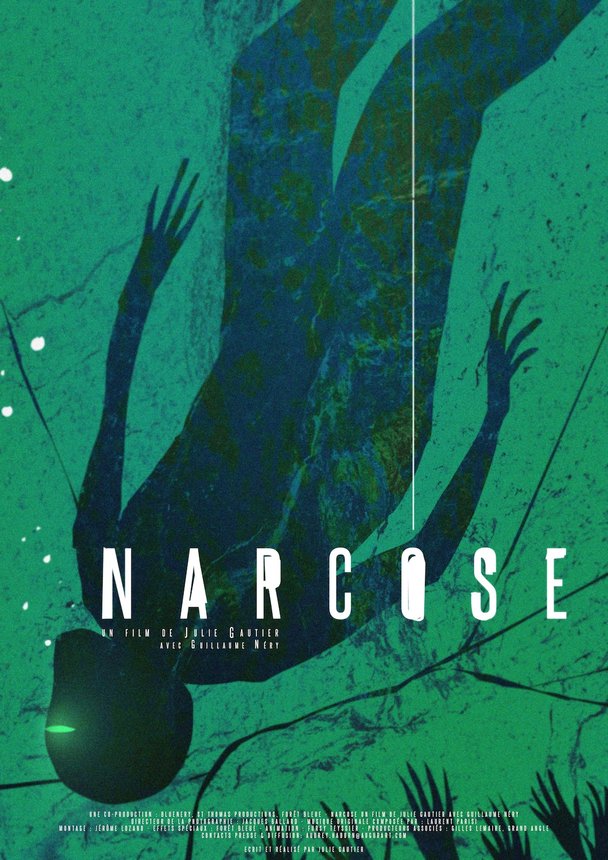
http://ulule.me/presales/2/8/5/6582/poster_narcse02_md-2_jpg_640x860_q85.jpg

Cool video, posted at Mind Hacks (Creative Commons Attribution-NonCommercial-ShareAlike 3.0 Unported License). About the film:
Info: facebook.com/narcosebluenery
Deep water freediving exposes its practitioners to a form of narcosis, which induces several symptoms, among which a feeling of euphoria and levity that earned this phenomenon its nickname of “raptures of the deep”. The short film relates the interior journey of Guillaume Néry, the apnea world champion, during one of his deep water dives. It draws its inspiration from his physical experience and the narrative of his hallucinations.
Beautiful imagery.

Hallucinating in the Deep Waters of Consciousness

Posted by Vaughan Bell | August 4, 2014

On Saturday I curated a series of short films about other inner worlds, altered states and the extremes of mental health at London’s Shuffle Festival. I discovered one of the films literally a couple of days before the event, and it completely blew me away.

Narcose is a French documentary about a dive by world champion free diver Guillaume Néry. It documents, in real time, a five minute dive from a single breath and the hallucinations he experiences due to carbon dioxide narcosis.


Firstly, the film is visually stunning. A masterpiece of composition, light and framing.

Secondly, it’s technically brilliant. The director presumably thought ‘what can we do when we have access to a community of free divers, who can hold their breath under water for minutes at a time?’ It turns out, you can create stunning underwater scenes with a cast of apparently water-dwelling humans.

But most importantly it is a sublime depiction of Néry’s enchanted world where the boundaries between inner and outer perception become entirely porous. It is perhaps the greatest depiction of hallucinations I’ve seen on film.

Darken the room, watch it on as big a screen as possible and immerse yourself.

~ Link to Narcose on Vimeo.

Monday, June 09, 2014

Michael Bond - How Extreme Isolation Warps the Mind


Michael Bond is the author of The Power of Others: Peer Pressure, Groupthink, and How the People Around Us Shape Everything We Do (2014). This article from the BBC is adapted from his book.

If you have ever tried a sensory deprivation tank, you have a glimpse of what isolation (from everything, including vision, sound, scent, taste, and touch) can do to the mind. In my first college stint, one of my housemates in Ashland (OR) had a sensory deprivation tank she used with massage clients. I spent as much time as possible in that tank, up to 3-4 hours, and once on a low-dose of LSD (about 100 mcgs). As much as anything else I have done in my life, including meditation and therapy, getting to know my own mind without any outside input began a process of change (and curisoity) in me that continues today. If it were feasible, I'd buy a tank.

This article looks at isolation in a bigger sense, however, including prisoners in solitary confinement and those who have participated in research that removes them from circadian rhythms of light and dark.

This is a fascinating article, so take a few minutes to check it out, then go see the other cool stuff that the BBC Future has made available (finally) to web users in the States.

How Extreme Isolation Warps the Mind

When people are isolated from human contact, their mind can do some truly bizarre things, says Michael Bond. Why does this happen?

Michael Bond | 14 May 2014

(Getty Images)

Sarah Shourd’s mind began to slip after about two months into her incarceration. She heard phantom footsteps and flashing lights, and spent most of her day crouched on all fours, listening through a gap in the door.

That summer, the 32-year-old had been hiking with two friends in the mountains of Iraqi Kurdistan when they were arrested by Iranian troops after straying onto the border with Iran. Accused of spying, they were kept in solitary confinement in Evin prison in Tehran, each in their own tiny cell. She endured almost 10,000 hours with little human contact before she was freed. One of the most disturbing effects was the hallucinations.

“In the periphery of my vision, I began to see flashing lights, only to jerk my head around to find that nothing was there,” she wrote in the New York Times in 2011. “At one point, I heard someone screaming, and it wasn’t until I felt the hands of one of the friendlier guards on my face, trying to revive me, that I realised the screams were my own.”

We all want to be alone from time to time, to escape the demands of our colleagues or the hassle of crowds. But not alone alone. For most people, prolonged social isolation is all bad, particularly mentally. We know this not only from reports by people like Shourd who have experienced it first-hand, but also from psychological experiments on the effects of isolation and sensory deprivation, some of which had to be called off due to the extreme and bizarre reactions of those involved. Why does the mind unravel so spectacularly when we’re truly on our own, and is there any way to stop it?


Inside prison walls, solitude can play disturbing tricks on the mind (Flickr/Cyri)

We’ve known for a while that isolation is physically bad for us. Chronically lonely people have higher blood pressure, are more vulnerable to infection, and are also more likely to develop Alzheimer’s disease and dementia. Loneliness also interferes with a whole range of everyday functioning, such as sleep patterns, attention and logical and verbal reasoning. The mechanisms behind these effects are still unclear, though what is known is that social isolation unleashes an extreme immune response – a cascade of stress hormones and inflammation. This may have been appropriate in our early ancestors, when being isolated from the group carried big physical risks, but for us the outcome is mostly harmful.

Yet some of the most profound effects of loneliness are on the mind. For starters, isolation messes with our sense of time. One of the strangest effects is the ‘time-shifting’ reported by those who have spent long periods living underground without daylight. In 1961, French geologist Michel Siffre led a two-week expedition to study an underground glacier beneath the French Alps and ended up staying two months, fascinated by how the darkness affected human biology. He decided to abandon his watch and “live like an animal”. While conducting tests with his team on the surface, they discovered it took him five minutes to count to what he thought was 120 seconds.

A similar pattern of ‘slowing time’ was reported by Maurizio Montalbini, a sociologist and caving enthusiast. In 1993, Montalbini spent 366 days in an underground cavern near Pesaro in Italy that had been designed with Nasa to simulate space missions, breaking his own world record for time spent underground. When he emerged, he was convinced only 219 days had passed. His sleep-wake cycles had almost doubled in length. Since then, researchers have found that in darkness most people eventually adjust to a 48-hour cycle: 36 hours of activity followed by 12 hours of sleep. The reasons are still unclear.


After emerging from a nine week stint in underground darkness, Michel Siffre needed to wear a blindfold to protect his eyes (Getty Images)

As well as their time-shifts, Siffre and Montalbini reported periods of mental instability too. But these experiences were nothing compared with the extreme reactions seen in notorious sensory deprivation experiments in the mid-20th Century.

In the 1950s and 1960s, China was rumoured to be using solitary confinement to “brainwash” American prisoners captured during the Korean War, and the US and Canadian governments were all too keen to try it out. Their defence departments funded a series of research programmes that might be considered ethically dubious today.

The most extensive took place at McGill University Medical Center in Montreal, led by the psychologist Donald Hebb. The McGill researchers invited paid volunteers – mainly college students – to spend days or weeks by themselves in sound-proof cubicles, deprived of meaningful human contact. Their aim was to reduce perceptual stimulation to a minimum, to see how their subjects would behave when almost nothing was happening. They minimised what they could feel, see, hear and touch, fitting them with translucent visors, cotton gloves and cardboard cuffs extending beyond the fingertips. As Scientific American magazine reported at the time, they had them lie on U-shaped foam pillows to restrict noise, and set up a continuous hum of air-conditioning units to mask small sounds.

After only a few hours, the students became acutely restless. They started to crave stimulation, talking, singing or reciting poetry to themselves to break the monotony. Later, many of them became anxious or highly emotional. Their mental performance suffered too, struggling with arithmetic and word association tests.

Sensory deprivation can cause hallucinations - sometimes starting with geometric shapes or points of light, and then getting stranger... (Akuei/Flickr)

But the most alarming effects were the hallucinations. They would start with points of light, lines or shapes, eventually evolving into bizarre scenes, such as squirrels marching with sacks over their shoulders or processions of eyeglasses filing down a street. They had no control over what they saw: one man saw only dogs; another, babies.

Some of them experienced sound hallucinations as well: a music box or a choir, for instance. Others imagined sensations of touch: one man had the sense he had been hit in the arm by pellets fired from guns. Another, reaching out to touch a doorknob, felt an electric shock.

When they emerged from the experiment they found it hard to shake this altered sense of reality, convinced that the whole room was in motion, or that objects were constantly changing shape and size.

Distressing end

The researchers had hoped to observe their subjects over several weeks, but the trial was cut short because they became too distressed to carry on. Few lasted beyond two days, and none as long as a week. Afterwards, Hebb wrote in the journal American Psychologist that the results were “very unsettling to us… It is one thing to hear that the Chinese are brainwashing their prisoners on the other side of the world; it is another to find, in your own laboratory, that merely taking away the usual sights, sounds, and bodily contacts from a healthy university student for a few days can shake him, right down to the base.”

In 2008, clinical psychologist Ian Robbins recreated Hebb’s experiment in collaboration with the BBC, isolating six volunteers for 48 hours in sound-proofed rooms in a former nuclear bunker. The results were similar. The volunteers suffered anxiety, extreme emotions, paranoia and significant deterioration in their mental functioning. They also hallucinated: a heap of 5,000 empty oyster shells; a snake; zebras; tiny cars; the room taking off; mosquitoes; fighter planes buzzing around.


A clip from BBC Horizon’s Total Isolation experiment – read more information about the programme here.

Why does the perceptually deprived brain play such tricks? Cognitive psychologists believe that the part of the brain that deals with ongoing tasks, such as sensory perception, is accustomed to dealing with a large quantity of information, such as visual, auditory and other environmental cues. But when there is a dearth of information, says Robbins, “the various nerve systems feeding in to the brain’s central processor are still firing off, but in a way that doesn’t make sense. So after a while the brain starts to make sense of them, to make them into a pattern.” It creates whole images out of partial ones. In other words, it tries to construct a reality from the scant signals available to it, yet it ends up building a fantasy world.

Such mental failures should perhaps not surprise us. For one thing, we know that other primates do not fare well in isolation. One of the most graphic examples is psychologist Harry Harlow’s experiments on rhesus macaque monkeys at the University of Wisconsin-Madison during the 1960s, in which he deprived them of social contact after birth for months or years. They became, he observed, “enormously disturbed” even after 30 days, and after a year were “obliterated” socially, incapable of interaction of any kind. (A comparable social fracturing has been observed in humans: consider the children rescued from Romanian orphanages in the early 1990s, who after being almost entirely deprived of close social contact since birth grew up with serious behavioural and attachment issues.)


We may crave solitude occasionally, but in the long term it's not good for us physically or mentally (Getty Images)

Secondly, we derive meaning from our emotional states largely through contact with others. Biologists believe that human emotions evolved because they aided co-operation among our early ancestors who benefited from living in groups. Their primary function is social. With no one to mediate our feelings of fear, anger, anxiety and sadness and help us determine their appropriateness, before long they deliver us a distorted sense of self, a perceptual fracturing or a profound irrationality. It seems that left too much to ourselves, the very system that regulates our social living can overwhelm us.

Take the 25,000 inmates held in “super-maximum security” prisons in the US today. Without social interaction, supermax prisoners have no way to test the appropriateness of their emotions or their fantastical thinking, says Terry Kupers, a forensic psychiatrist at the Wright Institute in Berkeley, California, who has interviewed thousands of supermax prisoners. This is one of the reasons many suffer anxiety, paranoia and obsessive thoughts. Craig Haney, a psychologist at the University of California, Santa Cruz, and a leading authority on the mental health of inmates in the US, believes that some of them purposefully initiate brutal confrontations with prison staff just to reaffirm their own existence – to remember who they are.

Coping strategy

Social isolation is not always debilitating, however. Are some better than others at coping? And can you train yourself to resist the worst effects? Here scientists have fewer hard answers, but we can at least look to the lessons of individuals who thrived – or floundered – under isolation.

When Shourd was imprisoned in Iran, she was arguably among the least-equipped people to cope, because her incarceration came out of the blue. People in her circumstances have their world suddenly inverted, and there is nothing in the manner of their taking – no narrative of sacrifice, or enduring for a greater good – to help them derive meaning from it. They must somehow find meaning in their predicament – or mentally detach themselves from their day-to-day reality, which is a monumental task when alone.

Hussain Al-Shahristani managed it. He was Saddam Hussein’s chief nuclear adviser before he was tortured and shut away in Abu Ghraib prison near Baghdad after refusing on moral grounds to cooperate on the development of an atomic weapon. He kept his sanity during 10 years of solitary confinement by taking refuge in a world of abstractions, making up mathematical problems which he then tried to solve. He is now deputy energy minister of Iraq. Edith Bone, a medical academic and translator, followed a similar strategy during the seven years she spent imprisoned by the Hungarian communist government after World War Two, constructing an abacus out of stale bread and counting out an inventory of her vocabulary in the six languages she spoke fluently.


Some believe a military background may help prevent the worst effects of isolation (Thinkstock)

Such experiences may be easier to take if you belong to a military organisation. Keron Fletcher, a consultant psychiatrist who has helped debrief and treat hostages, says mock detention and interrogation exercises of the kind he himself underwent while serving with the Royal Air Force are a good preparation for the shock of capture. “They teach you the basics of coping,” he says. “Also, you know your buddies will be busting a gut to get you back in one piece. I think the military are less likely to feel helpless or hopeless. Hopelessness and helplessness are horrible things to live with and they erode morale and coping ability.”

US senator John McCain is a good example of how a military mindset bestows psychological advantages. His five-and-a-half years as a prisoner of war in Vietnam, during which he refused to yield to his interrogators, actually seemed to strengthen him. Though note what he had to say about the two years he spent in isolation: “It’s an awful thing, solitary. It crushes your spirit and weakens your resistance more effectively than any other form of mistreatment… The onset of despair is immediate, and it is a formidable foe.”

Extreme reality


Psychologists who study how people cope with isolation have learnt much from solo explorers and mountaineers. For many adventurers deprived of human company – albeit voluntarily – the landscape itself can serve as an effective surrogate, drawing them out of themselves into the beauty or grandeur of their surroundings. Norwegian psychologist Gro Sandal at the University of Bergen in Norway, who has interviewed many adventurers about how they cope in extreme environments, says that transcending the reality of their situation in this way is a common coping mechanism. “It makes them feel safer. It makes them feel less alone.”

A similar psychological mechanism could explain why shipwrecked mariners marooned on islands have been known to anthropomorphise inanimate objects, in some cases creating a cabal of imaginary companions with whom to share the solitude. It sounds like madness but is likely a foil against it. Take the way sailor Ellen MacArthur nicknamed her trimaran “Mobi”, during her record-breaking solo circumnavigation of the globe in 2005. During the voyage she signed emails to her support team “love e and mobi”, and in her published account uses “we” rather than “I”.


Sailors have been known to combat the loneliness of the ocean by anthropomorphising inanimate objects (Thinkstock)

There is no more poignant illustration of the power of solitude to sink one person while lifting up another than the stories of Bernard Moitessier and Donald Crowhurst, two of the competitors in the 1968 Sunday Times Golden Globe round-the-world yacht race. The trophy, offered to the first sailor to complete a solo non-stop circumnavigation of the globe, was won in 313 days by Robin Knox-Johnston, the only one out of nine starters to finish. He seemed to relish being alone with his boat, but not as much as Moitessier, an ascetic Frenchman who practised yoga on deck and fed cheese to the shearwater birds that shadowed him. Moitessier found the experience so fulfilling, and the idea of returning to civilisation so distasteful, that he abandoned the race despite a good chance of victory and just kept on sailing, eventually landing in Tahiti after travelling more than halfway round the world again. “I continue non-stop because I am happy at sea,” he declared, “and perhaps because I want to save my soul.”

Crowhurst, meanwhile, was in trouble from the start. He left England ill-prepared and sent fake reports about his supposed progress through the southern seas while never actually leaving the Atlantic. Drifting aimlessly for months off the coast of South America, he became increasingly depressed and lonely, eventually retreating to his cabin and consolidating his fantasies in a rambling 25,000-word philosophical treatise before jumping overboard. His body was never found.

What message can we take from these stories of endurance and despair? The obvious one is that we are, as a rule, considerably diminished when disengaged from others. Isolation may very often be the “sum total of wretchedness”, as the writer Thomas Carlyle put it. However, a more upbeat assessment seems equally valid: it is possible to connect, to find solace beyond ourselves, even when we are alone. It helps to be prepared, and to be mentally resilient. But we shouldn’t underestimate the power of our imagination to knock over prison walls, penetrate icy caves or provide make-believe companions to walk with us.

This article is based on the book The Power of Others by Michael Bond (Oneworld Publications).