Gee, ya think?
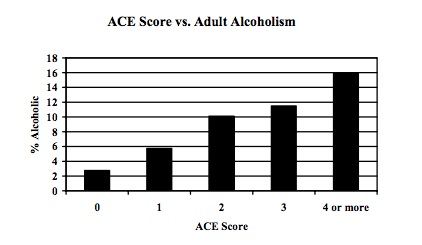
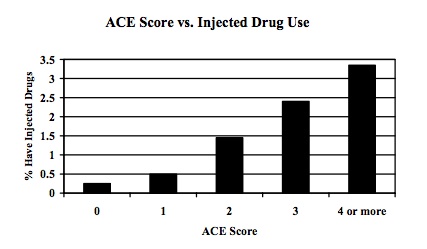
In my experience, almost all addictions begin as attempts to self-medicate pain, sometimes physical but often emotional. This is why I don't buy into the "disease model" of addiction.
However, what these researchers are suggesting is a little different. After the first high, which if you ask most addicts was the best high, they are no longer seeking a high as much as trying to avoid the pain of not being high. What they don't mention here is that over time it takes more and more drug to get near the desired original high, but it's nearly impossible to ever reach that state again because the brain is forever altered with the first administration of the drug.
Anyway, this is still interesting research.
Full Citation:
Peraile, I, Granado, N, Torres, E, Gutiérrez-López, MD, Moratalla, R, Colado, MI, O’Shea, E. (2013, Nov). Cocaine potentiates MDMA-induced oxidative stress but not dopaminergic neurotoxicity in mice: implications for the pathogenesis of free radical-induced neurodegenerative disorders. Psychopharmacology, 230 (1): 125 DOI: 10.1007/s00213-013-3142-5
Addicts May Be Seeking Relief from Emotional Lows More Than Euphoric Highs
Nov. 6, 2013 — Cocaine addicts may become trapped in drug binges -- not because of the euphoric highs they are chasing but rather the unbearable emotional lows they desperately want to avoid.
In a study published today online in Psychopharmacology, Rutgers University Behavioral and Systems Neuroscience Professor Mark West, and doctoral student David Barker in the Department of Psychology, in the School of Arts and Sciences, challenge the commonly held view that drug addiction occurs because users are always going after the high. Based on new animal studies, they discovered that the initial positive feelings of intoxication are short lived -- quickly replaced by negative emotional responses whenever drug levels begin to fall.
If these animal models are a mirror into human addiction, Rutgers researchers say that addicts who learned to use drugs to either achieve a positive emotional state or to relieve a negative one are vulnerable to situations that trigger either behavior.
"Our results suggest that once the animals started a binge, they may have felt trapped and didn't like it," said West. "This showed us that negative emotions play an equal, if not more important role in regulating cocaine abuse."
In their study, Rutgers researchers detected high-pitched calls made by laboratory rats when they had the opportunity at the beginning of the six-hour drug binge to self-administer cocaine and rapidly raise their internal drug levels. After that, positive and negative emotions collided and the high-pitched euphoric calls emitted in the beginning of the experiment were absent even though the cocaine usage continued at the same level for several hours. The only time during the rest of the binge that researchers detected any calls was when drug level fell below the level animals wanted, which triggered lower-pitched calls associated with negative feelings.
"We see all the positive, high-pitched calls in the first 35-40 minutes," said Barker. "Then if the animals are kept at their desired level you don't observe either positive or negative calls. But as soon as the drug level starts to fall off, they make these negative calls."
The Rutgers researchers say this animal study may lead to a better understanding of human addiction -- alcohol, tobacco and food -- as well as substance abuse. The reason animal studies are critical in addiction research, they say, is that human responses are not always reliable. Individuals may be too embarrassed to answer truthfully or may just tell the scientist what they think he or she wants to hear.
"It's not that human studies aren't important, they certainly are," said West. "But with these animal studies it is clear that we should be placing just as much importance on the negative as being a trigger for drug abuse and deal with that as well."
Here is the full abstract of the article (which seems to not have been at all about way addiction occurs - the findings discussed above are provenance):
Abstract
Rationale
The drugs of abuse 3,4-methylenedioxymethamphetamine (MDMA; “ecstasy”) and cocaine both increase the generation of free radicals, and in the case of MDMA, this increase in oxidative stress is involved in the dopaminergic neurotoxicity produced by the drug in mice. Oxidative stress processes are also involved in the pathogenesis of several neurodegenerative diseases.Objectives
We aimed to determine the consequences of the combined administration of MDMA and cocaine on oxidative stress and dopaminergic neurotoxicity.Methods
Mice received MDMA (20 mg/kg, i.p.; two doses separated by 3 h) followed by cocaine 1, 3, 6, or 24 h after the second MDMA dose. Mice were killed between 1 h and 7 days after cocaine injection.Results
MDMA decreased dopamine transporter density and dopamine concentration 7 days later. Cocaine did not alter this neurotoxicity. MDMA produced an increase in the concentration of 2,3-dihydroxybenzoic acid in striatal microdialysis samples and an increase in lipid peroxidation in the striatum which were potentiated by cocaine. MDMA and cocaine given together also increased nitrate and 3-nitrotyrosine levels compared with either drug given alone. On the other hand, MDMA increased superoxide dismutase activity and decreased catalase activity, changes which were prevented by cocaine administration. In addition, cocaine administration produced an increase in glutathione peroxidase (GPx) activity in both saline-treated and MDMA-treated mice.Conclusions
Cocaine potentiates MDMA-induced oxidative stress but does not produce an increase in the neurotoxicity produced by MDMA, and this lack of potentiation may involve an increase in GPx activity.