Showing posts with label near-death-experience. Show all posts

Saturday, October 11, 2014

Does Awareness Continue After Clinical Death?

http://www.supernaturalufo.com/wp-content/uploads/2013/02/nde.jpg

A new study claims to demonstrate that it can and does continue for up to three minutes after the brain stops functioning. George Dvorsky believes that the 2% of study participants who had something similar to a traditional NDE are the interesting piece of this study. But not so much.

Only 140 people (of 330) reported some form of awareness after their brains stopped. Of these, only 39% underwent structured interviews. The majority of the 140 (57.6%) had no post-death experience. Further:
Of those interviewed, 46% experienced a broad range of mental recollections that were incompatible with what we consider to be true NDEs, including fearful and persecutory experiences. Only 9% had experiences compatible with NDEs and a scant 2% exhibited full awareness compatible with OBE's with explicit recall of seeing and hearing events.
I'm curious about the 46% who had negative experiences. Why are these automatically discounted as not being NDEs? Perhaps the 46% is a more accurate experience than the 2%.


Awareness Can Continue For Several Minutes After Clinical Death


George Dvorsky
Wednesday, October 8, 2014 

Awareness Can Continue For Several Minutes After Clinical Death

The biggest ever scientific study of near-death experiences shows that awareness can continue for a surprisingly long duration after the brain has shut down completely. The finding suggests that these experiences are more than just hallucinations — and that our definition of clinical death should probably be revised.

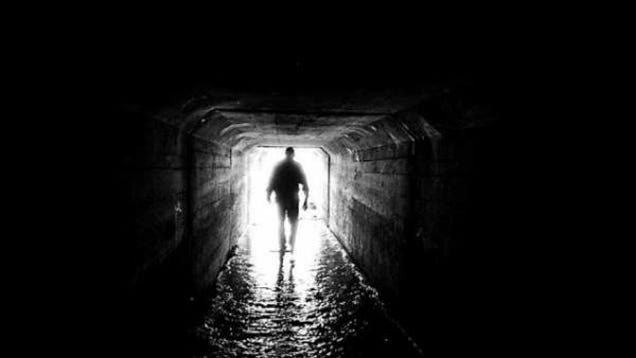
Near-death experiences (NDEs) and out-of-body experiences (OBEs) have long been documented. They're particularly common among people who have suffered a cardiac arrest (CA). First responders or physicians are told to make a declaration of death when, after a variable length of time, there's no cardiac output, no respirations, and the pupils have become fixed and dilated. But in those very early stages after a CA, when cerebral blood flow and electrical brain activity are impaired or null, some people experience a wide range of subjective phenomenon. Survivors talk about "seeing a tunnel," a "mystical being," "feelings of peace," a feeling of separation from their bodies, and awareness of things during the episode or event.

Life After 'Death'


Normally, these accounts are cast aside as being hallucinations or illusions, and that they're not really indicative of true conscious awareness. But to date, objective and scientific studies have been extremely limited. In an effort to correct this, the University of Southampton's Sam Parnia examined the broad range of mental experiences as they occurred around death-like states. And fascinatingly, he also tested the validity of conscious experiences by using objective markers to see if claims of awareness with OBEs actually meshed with real or hallucinatory events.


His findings show that these experiences are real and that they should be taken much more seriously, especially by scientists. And remarkably, he showed that a fraction of patients can experience real events for up to three minutes after brain activity has stopped — which was thought impossible — and that they could recall them accurately once they had been resuscitated. 

Parnia and his team studied 2,060 CA patients as part of the international AWARE (AWAreness during REsuscitation) study. Of them, 330 survived — of which 140 (or 42.4%) said they had experienced some kind of awareness while being resuscitated. Of the survivors, 39% were able to undergo structured interviews. Interestingly, most of them did not have any explicit recall of events, suggesting that more people have mental activity but then lose their memories after recovery (i.e. due to the effects of brain injury or sedatives). 

Of those interviewed, 46% experienced a broad range of mental recollections that were incompatible with what we consider to be true NDEs, including fearful and persecutory experiences. Only 9% had experiences compatible with NDEs and a scant 2% exhibited full awareness compatible with OBE's with explicit recall of seeing and hearing events. 

But that 2% is a very interesting 2% indeed. One case was validated and timed using auditory stimuli during CA. A release from the University of Southampton elaborates:
Dr Parnia concluded: "This is significant, since it has often been assumed that experiences in relation to death are likely hallucinations or illusions, occurring either before the heart stops or after the heart has been successfully restarted, but not an experience corresponding with 'real' events when the heart isn't beating. In this case, consciousness and awareness appeared to occur during a three-minute period when there was no heartbeat. This is paradoxical, since the brain typically ceases functioning within 20-30 seconds of the heart stopping and doesn't resume again until the heart has been restarted. Furthermore, the detailed recollections of visual awareness in this case were consistent with verified events.
So, while it wasn't possible to absolutely prove the reality or meaning of these experiences, it was not possible to discredit them. More work is clearly needed. Here's what Parnia concluded from the study:
  • The themes relating to the experience of death appear far broader than what has been understood so far, or what has been described as so called near-death experiences.
  • In some cases of cardiac arrest, memories of visual awareness compatible with so called out-of-body experiences may correspond with actual events.
  • A higher proportion of people may have vivid death experiences, but do not recall them due to the effects of brain injury or sedative drugs on memory circuits.
  • Widely used yet scientifically imprecise terms such as near-death and out-of-body experiences may not be sufficient to describe the actual experience of death. Future studies should focus on cardiac arrest, which is biologically synonymous with death, rather than ill-defined medical states sometimes referred to as 'near-death'.
  • The recalled experience surrounding death merits a genuine investigation without prejudice.

Rethinking Death


As noted, this study strongly suggests that we need to re-think conventional notions and definitions of death.


As Parnia himself notes:
Contrary to perception, death is not a specific moment but a potentially reversible process that occurs after any severe illness or accident causes the heart, lungs and brain to cease functioning. If attempts are made to reverse this process, it is referred to as 'cardiac arrest'; however, if these attempts do not succeed it is called 'death'. In this study we wanted to go beyond the emotionally charged yet poorly defined term of NDEs to explore objectively what happens when we die.
The phrase "a potentially reversible process" jibes well with burgeoning definitions of death — definitions that consider factors other than a heartbeat and electrical brain activity. Cryonicists, for example, refer to "information theoretic brain death" — the notion that death does not occur until all the information in your brain that's required to resuscitate you (or reanimate you) is irrevocably destroyed. 

Less conceptually, Parnia's paper suggests that we should push the boundary as it pertains to the declaration of death in consideration of novel interventions, like cold stasis, that may bring people back in the precious moments following a cardiac arrest. 

Read the entire study at Resuscitation: "AWAREness during CPR: Be careful with what you say!".

Related


What causes out-of-body experiences?
Few sensations are weirder than the bizarre feeling that you are floating outside your own body.…Read more

 
The Meaning of Death: How do we know someone is no longer alive?


Tuesday, August 13, 2013

Surge of Neurophysiological Coherence and Connectivity in the Dying Brain

This study is probably the first step in explaining the elusive nature of the near-death-experience (NDE). For years, many neuroscientists have believed that these NDEs were the result of brain activity at the moment of and in the moments following cardiac arrest.
The researchers analyzed the recordings of brain activity called electroencephalograms (EEGs) from nine anesthetized rats undergoing experimentally induced cardiac arrest. Within the first 30 seconds after cardiac arrest, all of the rats displayed a widespread, transient surge of highly synchronized brain activity that had features associated with a highly aroused brain. 
Furthermore, the authors observed nearly identical patterns in the dying brains of rats undergoing asphyxiation.
Interesting and important research . . . but only that. More research and better models are needed.

Near-Death Experiences Verified? Dying Brains Show Electrical Signatures Of Consciousness

By News Staff | August 12th 2013

Near-death experiences may have found a new grounding in science.

Whether and how the dying brain is capable of generating conscious activity has been vigorously debated but the near-death experiences reported by cardiac arrest survivors worldwide may be verifiable, according to a new paper.

Approximately 20 percent of cardiac arrest survivors report having had a near-death experience during clinical death. These visions and perceptions have been called "realer than real" but it remains unclear whether the brain is capable of such activity after cardiac arrest.

A new paper found that shortly after clinical death, in which the heart stops beating and blood stops flowing to the brain, rats display brain activity patterns characteristic of conscious perception.

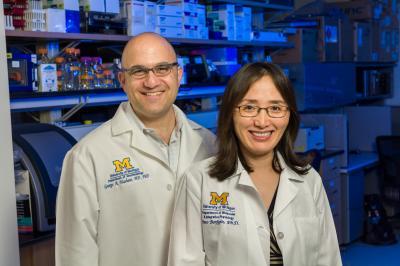
"This study, performed in animals, is the first dealing with what happens to the neurophysiological state of the dying brain," says lead study author Jimo Borjigin, Ph.D., associate professor of molecular and integrative physiology and associate professor of neurology at the University of Michigan Medical School. "It will form the foundation for future human studies investigating mental experiences occurring in the dying brain, including seeing light during cardiac arrest.

"We reasoned that if near-death experience stems from brain activity, neural correlates of consciousness should be identifiable in humans or animals even after the cessation of cerebral blood flow."

University of Michigan researchers George Mashour, M.D., Ph.D., and Jimo Borjigin, Ph.D., form the foundation for investigating mental experiences occurring in the dying brain, including seeing the light during cardiac arrest. Credit: University of Michigan Health System

The researchers analyzed the recordings of brain activity called electroencephalograms (EEGs) from nine anesthetized rats undergoing experimentally induced cardiac arrest. Within the first 30 seconds after cardiac arrest, all of the rats displayed a widespread, transient surge of highly synchronized brain activity that had features associated with a highly aroused brain.

Furthermore, the authors observed nearly identical patterns in the dying brains of rats undergoing asphyxiation.

"The prediction that we would find some signs of conscious activity in the brain during cardiac arrest was confirmed with the data," says Borjigin, who conceived the project in 2007 with study co-author neurologist Michael M. Wang, M.D., Ph.D., associate professor of neurology and associate professor of molecular and integrative physiology at the University of Michigan.

"But, we were surprised by the high levels of activity," adds study senior author anesthesiologist George Mashour, M.D., Ph.D., assistant professor of anesthesiology and neurosurgery. " In fact, at near-death, many known electrical signatures of consciousness exceeded levels found in the waking state, suggesting that the brain is capable of well-organized electrical activity during the early stage of clinical death."

The brain is assumed to be inactive during cardiac arrest. However the neurophysiological state of the brain immediately following cardiac arrest had not been systemically investigated until now.

"This study tells us that reduction of oxygen or both oxygen and glucose during cardiac arrest can stimulate brain activity that is characteristic of conscious processing," says Borjigin. "It also provides the first scientific framework for the near-death experiences reported by many cardiac arrest survivors."

Full Citation: 
Jimo Borjigin, UnCheol Lee, Tiecheng Liu, Dinesh Pal, Sean Huff, Daniel Klarr, Jennifer Sloboda, Jason Hernandez, Michael M. Wang, and George A. Mashour, (2013, Aug 12). Surge of neurophysiological coherence and connectivity in the dying brain. PNAS, doi:10.1073/pnas.1308285110
Abstract
The brain is assumed to be hypoactive during cardiac arrest. However, the neurophysiological state of the brain immediately following cardiac arrest has not been systematically investigated. In this study, we performed continuous electroencephalography in rats undergoing experimental cardiac arrest and analyzed changes in power density, coherence, directed connectivity, and cross-frequency coupling. We identified a transient surge of synchronous gamma oscillations that occurred within the first 30 s after cardiac arrest and preceded isoelectric electroencephalogram. Gamma oscillations during cardiac arrest were global and highly coherent; moreover, this frequency band exhibited a striking increase in anterior–posterior-directed connectivity and tight phase-coupling to both theta and alpha waves. High-frequency neurophysiological activity in the near-death state exceeded levels found during the conscious waking state. These data demonstrate that the mammalian brain can, albeit paradoxically, generate neural correlates of heightened conscious processing at near-death.

Thursday, November 08, 2012

Proof of Heaven? . . . Heaven Help Us

Eben Alexander III is a neurosurgeon (which has little to do with understanding how the brain functions, the later being the domain of neuroscience) who fell into a coma as a result of bacterial meningitis, during which time his "entire cortex" was "shut down." During this presumed (by him, though not by people who understand how the brain actually works) brain death, he saw and met God, and apparently it was pretty damn cool. He tells all about it in his book, Proof of Heaven: A Neurosurgeon's Journey into the Afterlife.

Let's be clear - he was already a Christian looking for faith when this happened, so although he claims to be a scientific skeptic, yeah, not so much. And, this is crucial, the cortex can go offline and the rest of the brain can function quite well. What this means is that the limbic system (emotions, memories) is still active, the brain stem is still active (source of dreams, by the way), and other regions of the reptilian and mammalian brain are still active.

The simplest answer is generally the best - and most accurate - answer. And there are dozens, maybe hundreds, of answers more simple and plausible than I died and met God in heaven.

This excellent review from Slate takes the hot air out of his sails, and does so with a biting sense of humor.

Heaven Help Us: Another “Harvard brain scientist” finds faith and tells the world


Depiction of heaven at the State Hall of the Austrian National Library, finished in 1730 
 
By Alex Eben Meyer

Newsweek is dead. The 80-year-old magazine will cease publication at the end of the year, a teary-eyed Tina Brown said last Thursday. Before we sink too deeply into grief, let's all remember what lies beyond these earthly, stapled pages. Newsweek may have passed away, its paper turned to dust, but the Newsweek spirit carries on, not as matter or material, but in a state of pure electron flux, a ghostly form that rides the WiFi waves around us. Its words will rise off the printing press and be transformed into an energy that's everywhere at once, but also nowhere. The magazine will become an online angel—a Web-based publication that penetrates our minds with truth and light. In death, it will be reborn and find everlasting life. …

Sorry, I'm getting all mixed up. I've been having a little trouble focusing since I read Newsweek's cover story from Oct. 15—the one with a picture of a hand reaching up into the clouds and a headline promising that "Heaven Is Real." It's a personal account of meeting God, excerpted from a memoir published this week, called Proof of Heaven: A Neurosurgeon's Journey Into the Afterlife. A neurosurgeon? More than that! The author, Eben Alexander III, makes a point of saying that he's a skeptic and a scientist, a skeptical scientist who happens to have spent some time (did he mention?) at a little school in Boston called Harvard University. This science-minded Harvard skeptic never thought he'd find the truth of Jesus Christ. But the facts are just the facts: Alexander has been graced with the divine, and he'll share that grace with us. He's become a neuro-prophet.

This experiment in out-of-body consciousness began in fall of 2008, when a case of bacterial meningitis put Alexander in a coma and "shut down" his “entire cortex.” What he means by that is never clear—you might think this state would be synonymous with death, which is sort of what Alexander claims, even though he's now alive and writing books. But it's a waste of time to quibble over details, since according to the author, the fact of his brain's inactivation is the only thing that could possibly explain what happened next. While Alexander was in the coma, and his brain was “totally off-line” he drifted from this world of Harvard neuroscience into a land of pink and puffy clouds, and chanting flocks of angels, and a glowing orb that speaks telepathically, and a blue-eyed lady-friend, and lots and lots of butterflies. You would not believe how many butterflies there are in Heaven.

"I've spent decades as a neurosurgeon at some of the most prestigious medical institutions in our country," Alexander writes, reminding us that he's no sap. "I sympathized deeply with those who wanted to believe that there was a God somewhere out there who loved us unconditionally. In fact, I envied such people the security that those beliefs no doubt provided. But as a scientist, I simply knew better than to believe them myself." He was just like you and me, you see, at least until he fell into a coma—and flew into the sky, and entered the mind of an earthworm, was forced to reconsider all his Harvard science skepticism about the loving Lord above.

Is it even worth rebutting this interpretation? Even before it was published, Proof of Heaven: A Neurosurgeons Journey Into the Afterlife has reached the Top 10 of the Amazon best-seller list, so we may as well prepare ourselves for the out-of-mind publicity that's sure to follow. For starters, Alexander says it took him "months to come to terms with what happened," as if he'd had to reconstruct the ultra-real experience after his recovery. One might timidly suggest that the story is confabulated—that is to say, his wounded brain filled in the gaps in time with a holy flight of fancy. (Perhaps his experience of "flying" came from memories of skydiving while a student at University of North Carolina?) It also seems at least half-plausible that Alexander's dreamy chit-chat with Jehovah happened in his head, as he was emerging from his coma, and during a time in which the author says he suffered from what's called "ICU psychosis." In the book—which I've had the great displeasure of perusing—he describes waking up to "a strange and exhausting paranoid universe" in which "Internet messages" showed up wherever he looked, and a "grinding, monotonous, anti-melodious chanting" filled his head. "Some of the dreams I had during this period were stunningly and frighteningly vivid," he says.

It was only later on that he worked out the fine points of his astral projection, in part by using a commercial meditation aid called "Hemi-Sync"—a $12 music CD that purports to mimic psychedelics and expand the mind with alternating beats. "Hemi-Sync potentially offered a means of inactivating the filtering function of the physical brain by globally synchronizing my neocortical electrical activity, just as my meningitis might have done, to liberate my out-of-body consciousness," he explains, as only a Harvard neurosurgeon can. Scientists who are a bit more skeptical have described these claims as silly.

Alexander claims to have been waffling on the matter of his faith before the meningitis. But the book reveals that he's always been a devout or at least a searching Christian. Long before he found himself in the "God-soaked and love-filled darkness" of his coma, Alexander took his family to church and made his children pray every night before they went to bed. His story of enlightenment is suffused with the most conventional evangelism: He was lost and now is found; he has "good news" to share with all. According to the memoir, Alexander was abandoned as a baby, spent Christmas as an orphan, and later on became a depressive alcoholic. Then he goes to a meeting in Jerusalem and finds the spot where Jesus ate his final meal, and while he's there (through some celestial stroke of luck), he contracts the deadly bug that will restore his faith and change his life and put him in a coma for a very biblical duration of seven days and seven nights.

Now, by grace of God, he's scheduled to appear on Nightline, Good Morning America, World News Tonight, and Fox & Friends. His book is almost guaranteed to be a huge success, a work of neuro-prophecy that hauls in massive neuro-profits. There's no doubt that Alexander's publisher is looking back with greedy eyes at another publishing sensation from three years ago, by the neuroanatomist Jill Bolte Taylor. That one, called My Stroke of Insight: A Brain Scientist's Personal Journey, was also based on the rather dubious idea that we might draw a deeper understanding of the universe from debilitating brain damage. Bolte Taylor's rise to fame and neuro-guru-status began not with meningitis but with a cerebral hemorrhage, one that taught her how to find nirvana by allowing her "life-force power" to "flow like a great whale gliding through a sea of silent euphoria."


There are some minor differences between Alexander and Bolte Taylor. For one thing, he's the better stylist. (Perhaps he availed himself of a holy-ghost writer?) For another, his spirituality is tilted more toward Christianity. Though he likes to use a generic, oriental name (Om) for the God he finds inside his head, his story ends at the altar of a church, tears running down his cheeks as he takes communion. Bolte Taylor, for her part, started doing neuroscience to understand why her schizophrenic brother thought that he could talk to Jesus Christ. (Presumably it wasn't because he had meningitis.) Her own sense of the beyond leans away from Western monotheism, and relies instead on a pseudo-secular, tech-inflected mysticism. At the end of her famous TED talk, which has now been viewed almost 10 million times, she breaks down in what must be crocodile tears while promising a universe of connected consciousness, one of compassion and of peace.

But the similarities between their stories, and their public presentations, are far more striking. Like Alexander, Bolte Taylor makes a point of credentialing herself as a Harvard scientist, and a brain specialist to boot. It's this priestly status that makes their nutty stories of enlightenment seem like something more profound—brain-based facts. Bolte Taylor frames her insight in the witless mumbo-jumbo of left-brain/right-brain pseudoscience; Alexander needs the magic of his "inactivated" cortex. Either way, a fuzzy bit of neuroscience is brandished as a notary seal to authenticate some metaphors about quantum physics or other science-y illumination.

If only insight were so easy! As it happens, Bolte Taylor isn't quite a "brain scientist," in the sense of being someone who is actively engaged in research. She has a Ph.D., and did complete a post-doc in a Harvard lab, but she stopped writing research papers early in her career and never took a tenure-track position. She's more a performer and an educator than a scientist, giving public lectures and singing songs about biology with her guitar. That's not to say that public education is not a splendid and important task, but only that it might be wise to study the credentials of those who claim their membership in the holy neuro-priesthood.

The same goes for Alexander, whose long list of scientific publications is almost exclusively devoted to the technique of neurosurgery. In other words, he hasn't spent much time in formal research on the function of the brain, let alone the deeper questions of cognition or higher consciousness. And while he did spent many years working at Harvard hospitals, I'm not sure what that says about his status as a "brain scientist," or if that designation would mean anything at all.

Even if these two were on the faculty of Harvard, or if they'd won the Nobel Prize in physiology or medicine, what platform would they have for expounding on the secrets of the universe? We've now grown so enamored of the brain that the mere mention of the thing eliminates the need for further clarity. The blinding power of neuroscience has been invoked in recent years by marketers and pollsters, by trial lawyers and self-help authors, and now our faith- in brain-based explanation has reached its logical conclusion. It's become its own religion. In the middle of her TED talk, Bolte Taylor hoisted up a hunk of pickled neural tissue and waited for the audience to respond with oohs and aahs. She worked it in her hands like a charismatic preacher would, while the spinal cord dangled like a snake.

Monday, February 20, 2012

Awareness Is a Perceptual Reconstruction of Attentional State - And a Response


The first article here was published in Cognitive Neuroscience a while back - but in January, 2012, a response was published in Frontiers in Consciousness Research, and the first article was made available online NIH/PubMed public access at that time. This is a bit geeky, but it's some interesting reading.

Citation: Michael S. A. Graziano and Sabine Kastner (2011, Jan 1). Human consciousness and its relationship to social neuroscience: A novel hypothesis. Cognitive Neuroscience, 2(2): 98–113.
doi: 10.1080/17588928.2011.565121

Human consciousness and its relationship to social neuroscience: A novel hypothesis


Michael S. A. Graziano and Sabine Kastner
Princeton University, Department of Psychology, Green Hall, Princeton NJ 08544


Abstract


A common modern view of consciousness is that it is an emergent property of the brain, perhaps caused by neuronal complexity, and perhaps with no adaptive value. Exactly what emerges, how it emerges, and from what specific neuronal process, is in debate. One possible explanation of consciousness, proposed here, is that it is a construct of the social perceptual machinery. Humans have specialized neuronal machinery that allows us to be socially intelligent. The primary role for this machinery is to construct models of other people’s minds thereby gaining some ability to predict the behavior of other individuals. In the present hypothesis, awareness is a perceptual reconstruction of attentional state; and the machinery that computes information about other people’s awareness is the same machinery that computes information about our own awareness. The present article brings together a variety of lines of evidence including experiments on the neural basis of social perception, on hemispatial neglect, on the out-of-body experience, on mirror neurons, and on the mechanisms of decision-making, to explore the possibility that awareness is a construct of the social machinery in the brain.

“Men ought to know that from the brain, and from the brain only, arise our pleasures, joys, laughter and jests, as well as our sorrows, pains, griefs and tears. Through it, in particular, we think, see, hear, and distinguish the ugly from the beautiful, the bad from the good, the pleasant from the unpleasant…”

~ Hippocrates, Fifth Century, BC.

Introduction


A common neuroscientific assumption about human consciousness is that it is an emergent property of information processing in the brain. Information is passed through neuronal networks, and by an unknown process consciousness of that information ensues. In such a view, a distinction is drawn between the information represented in the brain, that can be studied physiologically, and the as-yet unexplained property of being conscious of that information. In the present article a novel hypothesis is proposed that differs from these common intuitive notions. The hypothesis is summarized in the following five points.

First, when a person asserts “I am conscious of X,” whatever X may be, whether a color, a tactile sensation, a thought, or an emotion, the assertion depends on some system in the brain that must have computed the information, otherwise the information would be unavailable for report. Not only the information represented by X, visual information or auditory information for example, but also the essence of consciousness itself, the inner feeling attached to X, must be information or we would be unable to say that we have it. In this hypothesis, consciousness is not an emergent property, or a metaphysical emanation, but is itself information computed by an expert system. This first point raises the question of why the brain would contain an expert system that computes consciousness. The question is addressed in the following points.

Second, people routinely compute the state of awareness of other people. A fundamental part of social intelligence is the ability to compute information of the type, “Bill is aware of X.” In the present proposal, the awareness we attribute to another person is our reconstruction of that person’s attention. This social capability to reconstruct other people’s attentional state is probably dependent on a specific network of brain areas that evolved to process social information, though the exact neural instantiation of social intelligence is still in debate.

Third, in the present hypothesis, the same machinery that computes socially relevant information of the type, “Bill is aware of X,” also computes information of the type, “I am aware of X.” When we introspect about our own awareness, or make decisions about the presence or absence of our own awareness of this or that item, we rely on the same circuitry whose expertise is to compute information about other people’s awareness.

Fourth, awareness is best described as a perceptual model. It is not merely a cognitive or semantic proposition about ourselves that we can verbalize. Instead it is a rich informational model that includes, among other computed properties, a spatial structure. A commonly overlooked or entirely ignored component of social perception is spatial localization. Social perception is not merely about constructing a model of the thoughts and emotions of another person, but also about binding those mental attributes to a location. We do not merely reconstruct that Bill believes this, feels that, and is aware of the other, but we perceive those mental attributes as localized within and emanating from Bill. In the present hypothesis, through the use of the social perceptual machinery, we assign the property of awareness to a location within ourselves.

Fifth, because we have more complete and more continuous data on ourselves, the perceptual model of our own awareness is more detailed and closer to detection threshold than our perceptual models of other people’s awareness.

The purpose of the present article is to elaborate on the hypothesis summarized above and to review some existing evidence that is consistent with the hypothesis. None of the evidence discussed in this article is conclusive. Arguably, little conclusive evidence yet exists in the study of consciousness. Yet the evidence suggests some plausibility to the present hypothesis that consciousness is a perception and that the perceptual model is constructed by social circuitry.


The article is organized in the following manner. First the hypothesis is outlined in greater detail (Awareness as a product of social perception). Second, a summary of recent work on the neuronal basis of social perception is provided (Machinery for social perception and cognition). A series of sections then describes results from a variety of areas of study, including hemispatial neglect, cortical attentional processing, aspects of self perception including the out-of-body illusion, mirror neurons as a possible mechanism of social perception, and decision-making as a means of answering questions about one’s own awareness. In each case the evidence is interpreted in light of the present hypothesis. One possible advantage of the present hypothesis is that it may provide a general theoretical basis on which to understand and fit together a great range of otherwise disparate and incompatible data sets.
Read the whole article - free from PubMed.

In a recent article from Frontiers in Consciousness Research, Christian Agrillo and Davide Agrillo offered a response to the above article in terms of near-death-experiences serving as a tool for understanding the link between consciousness and social perception.

Citation: Agrillo, C. and Agrillo, D. (2012, Jan). Near-death experiences as a tool for forming a broader comprehension of the link between consciousness and social perception: commentary on Graziano and Kastner (2011).  Frontiers in Consciousness Research, 3:6. doi: 10.3389/fpsyg.2012.00006
Near-death experiences as a tool for forming a broader comprehension of the link between consciousness and social perception: commentary on Graziano and Kastner (2011)


Christian Agrillo(1) and Davide Agrillo(2)
1 Department of General Psychology, University of Padova, Padova, Italy
2 Faculty of Medicine and Surgery, University of Padova, Padova, Italy

A commentary on Human consciousness and its relationship to social neuroscience: a novel hypothesis by Graziano, M. S. A., and Kastner, S. (2011). Cogn. Neurosci. 2, 98–113.


The nature of human consciousness and its neuroanatomical correlates is one of the most profound issues in the field of neuroscience today. Recently, Graziano and Kastner (2011) put forward the intriguing idea that consciousness is a perception, processed by the same neural network which is involved in social perception. The authors provided a number of interesting lines of evidence to support their view, including experiments on the neural correlates of social perception, on neglect, on mirror neurons, and on the mechanisms of decision-making. They also pointed to the involvement of the temporo-parietal junction (TPJ) in “out-of-body” experiences. In their words: “given that the right TPJ has been implicated so strongly in the social perception of others, this evidence appears to support the hypothesis that the machinery for social perception also builds a perceptual model of one’s own mental experience” (p. 106).


Out-of-body experiences are only one of the recurring features commonly reported within the wider phenomenon known as “near-death experiences” (NDEs). NDEs have been defined as an altered state of consciousness which occurs during an episode of unconsciousness, as a result of a life-threatening condition (Greyson and Stevenson, 1980). Under these circumstances, patients sometimes report perceiving a tunnel, a bright light, deceased relatives, a review of their lives, and out-of-body experiences, in which they describe a feeling of separation from their bodies and the ability to watch themselves from above. Most patients have described NDEs as very pleasant. Extensive changes in personality are often found to occur after an NDE, such as decrease in the fear of death (Greyson, 1983) and decrease of neurotic anxieties (Noyes and Kletti, 1977). However, some reports of unpleasant experiences similar to nightmares have been also described. Although people have wondered whether “good” people have pleasurable experiences and “bad” people have distressing ones, a lack of correlation between apparent life deeds and type of NDE has been reported (Greyson and Bush, 1992). Interestingly the content of NDEs seems similar worldwide, across cultures and all times: NDEs occur about equally to people of both genders and of all ages, educational and socioeconomic levels, spiritual beliefs, religious affiliations, and life experiences (Bush, 2002). The exact incidence of this phenomenon is not known. However, during the last decade, NDEs are likely to occur with increasing frequency because of the improved techniques of resuscitation (van Lommel, 2011).


According to some authors, NDEs are a transcendental state of consciousness, in which the mind and the self-function work independently from the unconscious body (Greyson, 2000; van Lommel et al., 2001). Both biological and psychological interpretations have been suggested, according to which NDEs would be explained by specific altered mental states related to critical healthy conditions (for recent reviews see Facco, 2010; Agrillo, 2011; Mobbs and Watt, 2011; van Lommel, 2011). For instance, it is known that endorphins are released under stress and are known to block pain and to induce feelings of well-being and even intense pleasure. This might be responsible for the positive emotional tone of most NDEs. In addition, cortical disinhibition associated with anoxia has been considered responsible for the perception of a tunnel (Blackmore, 1996). Regardless of the exact reasons underlying these visions, it is undeniable that NDEs may play an important role in the comprehension of human consciousness.


A large body of evidence has indicated that the temporal lobe is involved in mystical and religious experiences, and a recent study has also found altered temporal lobe functioning in patients who have reported NDEs (Britton and Bootzin, 2004). Temporolimbic epilepsy seems to activate elements of NDEs (Durwen and Linke, 1987), with the involvement of the same neuroanatomical regions which Graziano and Kastner (2011) have suggested form an important neural network for consciousness and social perception.


In addition to neuroanatomical correlates, there is another important aspect that should be mentioned. Many studies have shown that patients sometimes report meeting deceased relatives, friends, or unknown human beings during the time in which they seem to be dying. This has been commonly attributed to the person’s expectations or wishes to be reunited with their deceased loved ones at the time of their death. However, if this expectation alone was driving the process, people would presumably recognize the human figures; conversely, most of them are unrecognizable. Several authors have tried to provide an explanation for this incongruence (Agrillo, 2011). It is worth noting that both kinds of vision (familiar and unfamiliar figures) belong to the same category: social stimuli, conspecifics. The deep alteration of consciousness reported in NDEs therefore involves the perception/hallucination of social stimuli, suggesting a potential link between consciousness and social perception.


Interestingly, many people are emotionally close to their pets and hope to be reunited with them after death. Therefore, in accordance with the expectation hypothesis, it would also be reasonable to find a large number of hallucinations of deceased pets (non-social stimuli from an evolutionary perspective). However, Kelly (2001) reported that, among almost 300 cases of NDEs, only two people (∼0.7%) reported seeing their pets. Again, this is theoretically compatible with the idea of common cognitive–neural systems between our consciousness and the perception of social stimuli.


We believe that Graziano and Kastner (2011) have raised an interesting point, and that the machinery that computes information about other people may be the same machinery that computes information about our own awareness: this would explain why the altered state of consciousness which occurs during NDEs may lead to hallucinations of social stimuli, regardless of people’s expectations or wishes.

References (links to most articles available at the site) 

  • Agrillo, C. (2011). Near-death experience: out-of-body and out-of-brain? Rev. Gen. Psychol. 15, 1–10. 
  • Blackmore, S. J. (1996). Near-death experiences. J. R. Soc. Med. 89, 73–76. 
  • Britton, W. B., and Bootzin, R. R. (2004). Near-death experiences and the temporal lobe. Psychol. Sci. 15, 254–258. 
  • Bush, N. E. (2002). Afterward: making meaning after a frightening near-death experience. J. Near Death Stud. 21, 99–133. 
  • Durwen, H. F., and Linke, D. B. (1987). Neuropsychological evaluation of patients with temporolimbic epilepsy. Adv. Neurosurg. 15, 152–157. 
  • Facco, E. (2010). Esperienze di premorte. Scienza e coscienza ai confini tra fisica e metafisica. Lungavilla: Edizioni Altravista. 
  • Graziano, M. S. A., and Kastner, S. (2011). Human consciousness and its relationship to social neuroscience: a novel hypothesis. Cogn. Neurosci. 2, 98–113. 
  • Greyson, B. (1983). Near-death experiences and personal values. Am. J. Psychol. 140, 618–620.
  • Greyson, B. (2000). Dissociation in people who have near-death experiences: out of their bodies or out of their minds? Lancet 355, 460–463. 
  • Greyson, B., and Bush, N. E. (1992). Distressing near-death experiences. Psychiatry 55, 95–110. 
  • Greyson, B., and Stevenson, I. (1980). The phenomenology of near death experiences. Am. J. Psychol. 137, 1193–1196.
  • Kelly, E. W. (2001). Near-death experiences with reports of meeting deceased people. Death Stud. 25, 229–249. 
  • Mobbs, D., and Watt, C. (2011). There is nothing paranormal about near-death experiences: how neuroscience can explain seeing bright lights, meeting the dead, or being convinced you are one of them. Trends Cogn. Sci. (Regul. Ed.) 15, 447–449. 
  • Noyes, R., and Kletti, R. (1977). Panoramic memory: a response to the threat of death. Omega (Westport) 8, 181–194. 
  • van Lommel, P. (2011). Near-death experiences: the experience of the self as real and not as an illusion. Ann. N. Y. Acad. Sci. 1234, 19–28. 
  • van Lommel, P., van Wees, R., Meyers, V., and Elfferich, I. (2001). Near-death experience in survivors of cardiac arrest. Lancet 358, 2039–2045.