Showing posts with label diagnosis. Show all posts

Friday, September 05, 2014

"Schizophrenia Is a Dirty Word" - OnBeing Labeled Schizophrenic

http://www.yalescientific.org/wp-content/uploads/2010/12/Schizophrenia_William-Zhang_JZ.png

In a new open access paper from The Psychiatric Bulletin, three researchers investigated the schizophrenia diagnosis from those who have received it. All of the subjects had received a major depression diagnosis previous to the schizophrenia diagnosis because they tried to hide the symptoms from the doctors, mostly out of fear of the stigma attached to the diagnosis.

These subjects also experienced a sense that neither family nor physicians really know what schizophrenia is, other than the standard "chemical imbalance in the brain" response.

The situation is sad - these people are acutely aware that their diagnosis scares people due to the misconception that schizophrenia = violence.

‘Schizophrenia is a dirty word’: service users’ experiences of receiving a diagnosis of schizophrenia


Lorna Howe, Anna Tickle, and Ian Brown
  • Dr Lorna Howe is a clinical psychologist, Cambian Group, and Trent Doctorate in Clinical Psychology, the University of Nottingham. 
  • Dr Anna Tickle is an academic psychologist, Nottinghamshire Healthcare NHS Trust, and clinical tutor, Institute of Work, Health & Organisations, the University of Nottingham. 
  • Dr Ian Brown is principal clinical psychologist, Nottinghamshire Healthcare NHS Trust.
Declaration of interest: None.

Abstract


Aims and method To explore service users’ experiences of receiving a diagnosis of schizophrenia and the stigma associated with the diagnostic label. Seven participants were interviewed about their perceptions of these experiences. Interviews were analysed using interpretative phenomenological analysis.

Results Five superordinate themes resulted from the analysis: (1) avoidance of the diagnosis of schizophrenia; (2) stigma and diagnostic labels; (3) lack of understanding of schizophrenia; (4) managing stigma to maintain normality; (5) being ‘schizophrenic’. These, together with their subthemes, highlighted avoidance of the term schizophrenia by participants and use of alternative terms by professionals, which limited opportunities for understanding the label and challenging associated stigma. Participants strived to maintain normality despite potential stigma.

Clinical implications There is a need to address the process of giving a diagnosis as a phenomenon of consequence within its own terms. Implications relate to how professionals deliver and discuss the diagnosis of schizophrenia.

The diagnosis of schizophrenia may be contradictory: as a means of access and explanation v. a source of labelling and social exclusion.1,2 Evidence suggests it is an extremely powerful diagnosis that can have a devastating impact on a person’s self-identity.3 Stigma can lead individuals to internalise negative attitudes, resulting in low self-esteem and social isolation.4 Alternatively, individuals may resist stigma and have a strong sense of group identity and empowerment.5 Incorporating the ‘schizophrenic’ identity into a new self-concept may be part of the recovery process.6 However, the importance of this experience remains largely silent within psychiatry and mental health services.7

Research has neglected perceptions of diagnosed individuals about the experience, thus failing to substantiate diagnosis as a phenomenon of consequence.8 The current research aimed to contribute to existing literature and inform the practice of giving the diagnosis of schizophrenia by exploring individuals’ subjective experiences of receiving a diagnosis of schizophrenia and stigma relating to the diagnostic label.

Method

Participants


Seven participants diagnosed with schizophrenia were recruited from a community mental health team. Three were male, four female. All were White British and aged 29-60 years (mean 44 years). All had received a diagnosis of schizophrenia between 6 and 17 years earlier (mean 12 years). 

Procedure


Ethical approval was received from a National Health Service (NHS) research ethics committee and an NHS trust. Participants gave informed consent prior to an audio-recorded semi-structured interview lasting between 40 and 90 min, conducted by one of the authors (L.H.). The interview schedule was developed in consultation with colleagues familiar with interpretative phenomenological analysis (IPA) and working with individuals experiencing psychosis. 

Analysis

Data were analysed using IPA procedures,9 which explore how people make sense of experiences. All interviews were transcribed verbatim: each transcript was read and re-read with initial notes made regarding meanings and interpretations. Emergent themes were developed to emphasise patterns and connections across exploratory comments. The themes were then connected to develop ‘clustered themes’. Patterns across participants were explored to develop ‘superordinate’ and ‘subordinate’ themes for the entire data-set. Constant re-examination of data ensured the themes remained related to the primary source. Themes were not chosen purely on their prevalence, but also on the depth of data and how they illuminated other themes. Researcher self-reflection was used to maintain awareness of assumptions and their potential impact on analysis, in line with a critical realist epistemological stance.

Results


Five interconnected superordinate themes, with two or three subordinate themes each, were drawn from the analysis (Fig. 1). The terms reflect those used by participants (e.g. ‘schizophrenic’), while acknowledging potential difficulties associated with such expressions. Pseudonyms are used with the consent of the participants. 
http://pb.rcpsych.org/content/38/4/154/F1.large.jpg
Fig 1. Illustration of the interconnections between themes. [View full-size]

Theme one: avoidance of the diagnosis of schizophrenia


Participants described avoidance of being diagnosed with schizophrenia and of the term ‘schizophrenia’, which had a significant impact on help-seeking behaviour. Three participants self-identified their symptoms as schizophrenia but avoided seeking help to evade being diagnosed due to fearing the label itself. They talked about not wanting to be ‘ill’, wanting to avoid stigma attached to the label, and concerns that others would not understand: 
 ‘I’d read about it and I knew I had it... but I was too scared to tell the doctors what my real symptoms were so they could treat me’ (Carol).
There appeared to be serious clinical implications of this avoidance of the diagnosis of schizophrenia, including unnecessary distress, misdiagnosis and preventing early intervention. All participants reported being misdiagnosed with depression due to actively avoiding being labelled with schizophrenia. 

Once diagnosed, participants furthered avoidance of the term schizophrenia by keeping their diagnosis secret from others, including close family, for fear of being treated differently: 
 ‘I’ve got two step-sons... they think I’m a bit weird but they don’t know I’ve got schizophrenia... we get on okay and I don’t think I want to jeopardise or spoil that’ (David).
In contrast, participants’ eagerness to talk about their diagnosis during the interviews seemed indicative of their desire to talk about it within a safe context. This need seemed largely unmet by professionals and members of participants’ social networks.

Theme two: stigma and diagnostic labels


Participants described avoidance of telling people about their diagnosis because of its ‘unique’ stigma, which seemed more shameful and hurtful than stigma relating to ‘mental illness’ and other diagnoses:
 ‘You can tell anybody you’ve got bipolar [disorder], it used to be called manic depression, they just say “oh you’re just depressed”... I think schizophrenia is a unique thing on its own, because it’s always associated with violence, which breaks my heart. It’s always associated with violence’ (Carol).
Participants raised the role played by the media in reinforcing such stigmatisation:
 ‘It’s really bad information... because everything you watch on television, if there’s [a murder] and that the person has always suffered from [schizophrenia] for a number of years, they always seem to say that’ (Janet).
Participants were specifically asked to describe the experience of receiving a diagnosis of schizophrenia. Responses to this were mostly unclear and reflected uncertainty about the time of diagnosis:
 ‘I don’t know if I was diagnosed with depression before schizophrenia or not... God I don’t know... I don’t know how they diagnosed me’ (Paul).
Professionals appeared to use alternative, seemingly more acceptable terms such as ‘psychosis’, leading one of the participants to discover his diagnosis in an unexpected way: 
 ‘Nobody really explained to me properly that I’d got schizophrenia... I had one of those [care programme approach reviews] and with the paperwork that got mailed through... I noticed it on there... for years I’ve been told that it was psychosis’ (Ben).
When talking about whether there is a difference between psychosis and schizophrenia, he said:
 ‘I think I’ve dealt quite well with the fact that I’m mentally ill and I sometimes tell people that I suffer from illness. But I think if I was to say to them that I suffer from schizophrenia I don’t think I’d particularly like that. I think there is a kind of stigma attached to it’, later adding ‘It just seems like a word that makes you seem more unwell’ (Ben).
One person noticed that, even after diagnosis, professionals tended to use alternative terms to schizophrenia: 
 ‘People are always afraid of saying that word to me and they’re always saying something else... My [community psychiatric nurse] was too afraid to say it... because it is a dirty word to even say that word schizophrenia. It’s like saying f*off or something’ (Carol).
The description of the word ‘schizophrenia’ as distinct from the experience was deemed indicative of stigma being attached specifically to the diagnostic label, suggesting that alternative labels may be perceived to reduce stigma. 

Theme three: lack of understanding of schizophrenia


Participants described how avoidance of the term schizophrenia inhibited understanding more about it. Most perceived a lack of knowledge and understanding from both professionals and family members. A stark contrast was indicated between professionals’ biological understanding and alternative views potentially held by others:
 ‘I feel doctors sit back and they don’t know... they might give you a diagnosis of schizophrenia... they think it’s some kind of chemical imbalance in the brain... but they can’t explain it’ (David).
‘My mother... all she said was “I told you, it’s because you’re psychic, nothing to do with you being schizophrenic... you’re just psychic” ‘ (Janet).
Professionals’ focus on biological causes led most participants to liken schizophrenia to an inherent physical illness, requiring long-term medical treatment. This conceptualisation seemed to limit hope for recovery and encourage individuals to become passive recipients of care, concluding schizophrenia would always be part of their lives: 
 ‘I think this illness is ongoing for me, I don’t think that I’m going to... miraculously get well from it, so I just go for an injection once a fortnight’ (Helen).
Most participants wanted to develop their understanding of schizophrenia and indicated this could aid acceptance of the diagnosis:
 ‘Maybe if I’d have had it explained better to me in the beginning I might have accepted it better, and I think that would have helped me... a great deal’ (Janet).
In the absence of discussion of schizophrenia by professionals, one person turned to others with the same diagnosis for information. He highlighted the importance of shared experiences and peer support, but also the potential for services to better support individuals develop their understanding: 
 ‘I’ve been to some seminars... where people who have got schizophrenia have got up on stage and talked about it... I’ve related to some of those things more so than [to] what doctors have said to me’ (David).
Theme four: managing stigma to maintain normality

All participants reported seeing themselves as ‘normal’ and resisted internalising stigma. This was perceived as difficult in light of experienced and anticipated stigma, which seemed to have an impact on participants’ semblance of normality. Most described personal experiences of stigmatisation from family members and professionals.
‘I’ve had police... not that I’ve done anything wrong, but when it’s someone I’ve been associated with, and they’ve said “You’re not going to bring an axe out to me are you?”. Police! Even police’ (Carol).
Subtle experiences of others’ benevolent ‘over-concern’ and judgements of incompetence and unintelligence also appeared to be common experiences: 
 ‘When the doctor comes here, she always turns to my social worker to ask him. They’re treating me like I’m subnormal because I think they saw me as not being able to understand’ (Janet).
All participants conveyed constant awareness of potential stigma if others learned of their diagnosis. They described trying to maintain normality and protect themselves from stigma by keeping their diagnosis secret and managing others’ perceptions of them.
‘I overcompensate by being extra kind I think... trying to ring people up you know, have a chat... just to feel like they think I’m normal’ (Carol).
These strategies reflected a desire to maintain relationships, but paradoxically prevented relational closeness; most participants described being ‘isolated’ and lacking ‘close friends’.
‘I’ve isolated myself. I have been invited to different things but I decline offers; I don’t want to be in a position where people get to know me. Nobody likes rejection, so I just don’t put myself in that position’ (Janet).
Most participants appeared to condemn stigma associated with schizophrenia and perceived themselves as ‘normal’: 
 ‘It does bother me because I am pretty normal in most ways... to have people treat me like that, you want to say “Look, I’m not that bad” ‘ (Ben).
This was interpreted as explicit attempts to delineate others’ expectations from their own expectations and resist internalising stigma. However, this strategy had not been successful for one person, who highlighted a conflict in managing her self-identity:
‘I was frightened of my own self because I’d only associated schizophrenia with people who hurt other people. I kept thinking, oh my God, I’m going to end up like that, I’m going to end up a killer, so I was terrified of going out. I personally put the stigma on myself’ (Janet).
Theme five: being ‘schizophrenic’

Participants described coming to terms with their diagnosis and accepting or rejecting schizophrenia as part of their identity. Most talked about diagnosis as enabling access to treatment, which paved the way to a greater sense of acceptance: 
 ‘It’s nice to get [the diagnosis] because then you get help. I bet there’s people not getting any help because they don’t believe they’ve got [schizophrenia]’ (Paul).
For some, being diagnosed confirmed what they already ‘knew’; this indicated acceptance of the label as a description of their difficulties: 
 ‘It was like a relief in a way that at least they knew now what I already knew, that I’d got this schizophrenia’ (David).
Such acceptance also required disconfirmation of the stigma surrounding schizophrenia, and a sense of group identity and self-identity as being ‘schizophrenic’:
 ‘If you’d took me when I thought I was alright and put me in the middle of a class full of schizophrenics I’d have been worried. I’d have thought “these could be violent”. But actually having [schizophrenia] myself and knowing it doesn’t really make you violent I can cope... they’re all nice people’ (Paul).
In contrast to other participants, one person rejected the label of schizophrenia and described a lack of group identity:
 ‘I went to [the mental health charity] Mind and there was supposed to be people there who were schizophrenics, but they were so different from me and their symptoms were different from mine. I didn’t fit into their category at all’ (Janet).
However, this did not mean that the person lacked ‘insight’ or refused the need for treatment: 
‘I knew I was quite ill... I did want them to give me something to make me feel a bit better... I know you’ve got to... put a name to a certain condition. I can accept that I’ve got mental health problems, but I will not accept that I’m schizophrenic’ (Janet)
This seemed linked to her fears of the image of schizophrenia, leaving her in the difficult position of needing a diagnosis to access treatment, but wanting to avoid diagnosis due to self-stigma.


Discussion


Participants were seen to describe constant social and psychological processes involved in avoiding schizophrenia, trying to understand it, managing the stigma surrounding it, and becoming it (i.e. ‘schizophrenic’).

The findings reflect and expand on the literature. Participants described the contradictory nature of being diagnosed with schizophrenia as a means of access v. a source of stigma and social exclusion,1,2 and reported being subject especially to perceptions of dangerousness and incompetence.10,11 The findings also reflect those found elsewhere that the diagnostic label of schizophrenia, in part reflected in media reporting, is associated with greater stigma than other psychiatric diagnoses.12 Participants also appeared to experience ‘benevolent stigma’, a reportedly common attitude towards people with other mental health problems but not specifically schizophrenia.13 There was an indication that professionals withheld detailed diagnostic information from participants,7,14 contributing to their anticipation of negative reactions, which resulted in diagnostic secrecy and decreased social relationships.12,15,16

Interestingly, there was a distinct lack of self-stigma in participants’ statements; all but one set concealment in the context of anticipating stigmatising reactions from others, rather than believing themselves to be in some way defective. This contradicts long-standing theories that represent self-stigma as inherent for individuals labelled as ‘mentally ill’.4 This finding draws on more recent literature on the apparent paradox of stigma as potentially resulting in a significant loss of self-esteem for some, whereas others may be energised or righteously angry about stigma and resist or denounce it.17

An important finding was that avoidance preceded diagnosis; participants hid their experiences to avoid being labelled with schizophrenia, consequently receiving inappropriate treatments. This highlights participants’ determination to evade the specific diagnosis of schizophrenia to protect themselves from stigma at the price of receiving more appropriate treatment. Previous research suggests individuals with longer duration of untreated psychosis have worse clinical outcomes regarding symptom severity and social disadvantage.18 Therefore, avoidance must be overcome to promote better outcomes for individuals.

Following diagnosis, professionals may have used alternative labels such as ‘psychosis’ to limit the impact of the unique stigma associated with schizophrenia. However, this led to some participants not knowing their diagnosis and appeared to maintain a lack of understanding of schizophrenia, both stemming from and perpetuating stigma related to the diagnosis.19 Consistent with existing literature, participants mostly understood schizophrenia as a biological illness, which reduced hope for change and increased reliance on medication as well as a sense of passivity.20 Professionals may need to take the lead and break their ‘conspiracy of silence’ surrounding schizophrenia to allow the public and those with the diagnosis to follow.7

Participants’ group identity appeared generally to relate to acceptance of diagnosis and even self-labelling as ‘schizophrenic’, in line with the ‘I am’ nature of the diagnosis.21 The present research suggests a dilemma whereby individuals required their diagnosis to access support and gain acknowledgement of their experiences, but struggled with their sense of self and prospect of being ‘schizophrenic’ permanently. As a result, a compromised identity incorporating the old self and the new ‘schizophrenic’ self was needed to manage stigma and maintain normality, while also accepting their diagnosis.

Limitations


This study relied on retrospective accounts at different time periods following diagnosis, possibly representing different stages of coming to terms with it. Those who received their diagnosis more recently may have had a different experience to those who were diagnosed many years ago, although this was not evident in the results.

Implications

The saliency of stigma in participants’ lives despite the alleviation of symptoms related to their diagnosis signifies the personal and social burden of being labelled with schizophrenia. It would appear that one response by professionals is to resort to alternative terms; however, this may lead to confusion. Professionals have an important role in addressing stigma associated with schizophrenia beyond psychoeducation and focusing on symptomatology and medication. Clinical practice and anti-stigma campaigns may benefit from focusing on the psychosocial causes of a person’s difficulties, and contextualising and making sense of people’s experiences rather than focusing on a biological approach. Due to the nature of stigma, it is unlikely that service users will bring it directly to the attention of professionals. Therefore, professionals should specifically ask about experiences of stigma, the extent of social networks, self-image and ‘new’ identity post-diagnosis.22

Further investigations focusing on the issues raised in the present study may greatly benefit clinical practice with individuals deemed to meet the diagnostic criteria for schizophrenia, including the use and communication of the diagnosis and the associated stigma which may have an impact on service users’ lives.


This is an open-access article published by the Royal College of Psychiatrists and distributed under the terms of the Creative Commons Attribution License (http://creativecommons.org/licenses/by/3.0), which permits unrestricted use, distribution, and reproduction in any medium, provided the original work is properly cited.


References

1. Hayne YM. Experiencing psychiatric diagnosis: client perspectives on being named mentally ill. J Psychiatr Ment Health Nurs 2003; 10: 722–9. CrossRefMedlineGoogle Scholar

2. Pitt L, Kilbride M, Welford M, Nothard S, Morrison AP. Impact of a diagnosis of psychosis: user-led qualitative study. Psychiatr Bull 2009; 33: 419–23. Abstract/FREE Full Text

3. Deegan P. Recovery, Rehabilitation and the Conspiracy of Hope; 1987 (https://www.patdeegan.com/pat-deegan/lectures/conspiracy-of-hope). Google Scholar

4. Link BG, Cullen F, Struening E, Shrout P, Dohrenwend B. A modified labelling theory approach to mental disorders: an empirical assessment. Am Sociol Rev 1989; 54: 400–23. CrossRefGoogle Scholar

5. Watson AC, Corrigan P, Larson JE, Sells M. Self-stigma in people with mental illness. Schizophr Bull 2007; 33: 1312–8. Abstract/FREE Full Text

6. Shea JM. Coming back normal: the process of self-recovery in those with schizophrenia. J Am Psychiatr Nurses Assoc 2010; 16: 43–51. Abstract/FREE Full Text

7. Clafferty RA, McCabe E, Brown KW. Conspiracy of silence? Telling patients with schizophrenia their diagnosis. Psychiatr Bull 2001; 25: 336–9. Abstract/FREE Full Text

8. Harrison J, Gill A. The experience of people with mental health problems, the impact upon people with schizophrenia: a way forward. J Psychiatr Ment Health Nurs 2010; 17: 242–50. CrossRefMedlineGoogle Scholar

9. Smith JA, Flowers M, Larkin P. Interpretative Phenomenological Analysis: Theory, Method and Research. Sage, 2009. Google Scholar

10. Corrigan PW,  Markowitz FE, Watson A. Structural levels of mental illness stigma and discrimination. Schizophr Bull 2004; 30: 481–91. Abstract/FREE Full Text

11. Link BG, Phelan JC, Bresnahan M, Stueve A, Pescosolido BA. Public conceptions of mental illness: labels, causes, dangerousness, and social distance. Am J Public Health 1999; 89: 1328–33.
CrossRefMedlineGoogle Scholar

12. Dinos S, Stevens S, Serfaty M, Weich S, King M. Stigma: the feelings and experiences of 46 people with mental illness. Qualitative study. Br J Psychiatry 2004: 184: 176–81. Abstract/FREE Full Text

13. Brockington IF, Hall P, Levings J, Murphy C. The community’s tolerance of the mentally ill. Br J Psychiatry 1993; 162: 93–9. Abstract/FREE Full Text

14. Leavey G, King M, Cole E, Hoar A, Johnson-Sabine E. First-onset psychotic illness: patients’ and relatives’ satisfaction with services. Br J Psychiatry 1997; 170: 53–7. Abstract/FREE Full Text

15. Link BG, Mirotznik J, Cullen FT. The effectiveness of stigma coping orientations: can negative consequences of mental illness labeling be avoided? J Health Soc Behav 1991; 32: 302–20.
CrossRefMedlineGoogle Scholar

16. Corrigan PW, Larson JE, Rusch N. Self-stigma and the ‘why try’ effect: impact on life goals and evidence-based practices. World Psychiatry 2009; 8: 75–81. CrossRefMedlineGoogle Scholar

17. Corrigan PW, Watson AC. The paradox of self-stigma and mental illness. Clin Psychol: Sci Pr 2002; 9: 35–53. Google Scholar

18. Black K, Peters L, Rui Q, Milliken H, Whitehorn D, Kopala LC. Duration of untreated psychosis predicts treatment outcome in an early psychosis program. Schizophr Res 2001; 47: 215–22. CrossRefMedlineGoogle Scholar  

19. Putman S. Mental illness: diagnostic title or derogatory term? (Attitudes towards mental illness) Developing a learning resource for use within a clinical call centre. A systematic literature review on attitudes towards mental illness. J Psychiatr Ment Health Nurs 2008; 15: 684–93. CrossRefMedlineGoogle Scholar

20. Walker I, Read J. The differential effectiveness of psychosocial and biogenetic causal explanations in reducing negative attitudes towards ‘mental illness’. Psychiatry 2002; 65: 313–25. MedlineGoogle Scholar

21. Estroff S. Self, identity and subjective experiences of schizophrenia: in search of the subject. Schizophr Bull 1989; 15: 189–97. Abstract/FREE Full Text

22. Byrne P. Stigma of mental illness and ways of diminishing it. Adv Psychiatr Treat 2000; 6: 65–72.  FREE Full Text

Thursday, January 16, 2014

Dr. Maulik Shah - Neurologic Mysteries


This is an interesting talk from Dr. Maulik Shah (UC San Francisco) on the diagnostic mysteries of neurology - presented by UCTV.

Dr. Maulik Shah - Neurologic Mysteries


Published on Jan 13, 2014
(Visit: http://www.uctv.tv/) Dr. Maulik Shah, UCSF Department of Neurology, explores how neurologists solve diagnostic dilemmas, including the evaluation of patients who are referred to them from the community for their expert opinion. Hear about the pitfalls as well as the eureka moments. Learn the importance of thinking broadly about cases and deciphering which pieces of data are the most likely to lead to a diagnosis -- versus those that might be a red herring or irrelevant to the current problem.
Series: "UCSF Osher Center for Integrative Medicine presents Mini Medical School for the Public" [1/2014]

Wednesday, June 19, 2013

Julian Ford, Ph.D. - PTSD Becomes (More) Complex in the DSM-5


Julian Ford is one of the experts in the field of complex PTSD (an as yet un-approved diagnosis in the DSM, and not for a lack of effort). Over at his Psychology Today blog, Hijacked by Your Brain, he has posted a two-part examination of the changes to the PTSD diagnosis in the DSM-5.

I like the addition of the dissociative subtype for PTSD. The research suggests that 15-30% of those who have PTSD have persistent dissociation as a key feature. This sub-type is very strongly coorelated with childhood abuse and neglect, which is where the notion of complex PTSD comes from - research has shown that of those who develop PTSD following an adult experience of trauma (war, rape, other violent crime, natural disasters, and so on), there is also a strong correlation to childhood abuse and neglect.

When we are abused, neglected, belittled, and shamed as children, we do not develop the resilience necessary to get through traumatic events without serious complications. This is not a perfect cause and effect, but the link is clear and there are piles of research in support of this thesis.

Dr. Ford, along with Jon Wortmann, is the author of Hijacked by Your Brain: How to Free Yourself When Stress Takes Over (2013), after which the blog is named.

About the Author:
Julian Ford is a Professor of Psychiatry at the University of Connecticut School of Medicine and Director of the University of Connecticut Health Center Child Trauma Clinic and Center for Trauma Response Recovery and Preparedness (www.ctrp.org), the creator of the TARGET© treatment model for adult, adolescent, and child traumatic stress disorders, and CEO of Advanced Trauma Solutions, Inc., the exclusive licensed provider of the TARGET© treatment model.
Ford is also co-author of Treatment of Complex Trauma: A Sequenced, Relationship-Based Approach (2012, with Christine A. Courtois) and co-editor (along with Courtois) of Treating Complex Traumatic Stress Disorders (Adults): An Evidence-Based Guide (2009).

PTSD Becomes (More) Complex in the DSM-5: Part 1

Heading in the right direction, but still not as complex as the brain

Published on June 11, 2013 by Julian Ford, Ph.D. in Hijacked by Your Brain


The diagnosis of posttraumatic stress disorder (PTSD) has undergone much more than a minor tweaking or superficial facelift in the American Psychiatric Association's DSM-5. This guidebook to psychiatric diagnoses, released in May, now defines PTSD as a trauma and stressor-related disorder, not a disorder primarily of anxiety alone. Like our understanding of the brain and behavior, PTSD has become much more complex—and for millions of trauma survivors who have experienced difficulties that go well beyond the symptoms included in PTSD up to now, and the tens of thousands of clinicians who provide treatment to affected trauma survivors, the change is long overdue, but extremely welcome.

Bottom line, PTSD is now described as a disorder of persistent reactivity in all of the domains of self-regulation, and not just troubling memories and chronic anxiety[1]. Distressing memories of past traumatic events and intense stress reactions to reminders that occur in current life continue to serve as the cornerstone of PTSD.

Now, however, these forms of "intrusive re-experiencing" of traumatization are understood as playing out across the full range of ways in which we regulate ourselves: emotions, body functions and health, thinking, motivation, behavior, relationships, and ultimately our sense of self or identity.

Trauma doesn't just terrify or horrify us—it also forces us to make profound biological adaptations in how our brain operates. Basically, the brain is a control system that keeps our body functioning properly. In other words, the brain regulates how our body functions to keep us alive, and when our body is safe and working well, the brain extends its efforts to the "higher" functions that enable us to not only survive but also to become a conscious individual—a self or an identity that makes each of us and our lives unique and not only pleasurable (or tolerably painful) but meaningful.

When the brain detects serious threats to our bodily survival, traumatic stressors such as severe accidents, disasters, violence, abuse, or betrayals, the alarm system in the brain is activated and literally hijacks the rest of the brain's operations in order to put all systems in emergency mode until the threat is escaped or overcome.

This might seem like a simple shift in brain functions that leads to a temporary fight-flight reaction or adrenaline rush that is intense but quickly passes. And in many cases, both with ordinary stressors that are not traumatic threats to our lives as well as with traumatic survival threats, the alarm reaction in the brain does rapidly subside. We’re left somewhat shaken or jangly, but no worse for the wear with a brain that re-sets automatically to its normal modes.

However, as we've described in Hijacked by Your Brain, PTSD is what happens when the brain's alarm system doesn't automatically or rapidly re-set itself. When the brain's alarm continues to signal danger even though safety has been restored, the brain's overall functioning remains in an altered state that is the chronic stress response. Survival trumps self-regulation in this case: staying alert and ready to react in fight-flight mode to the next assault or betrayal takes precedence over sorting out our emotions and thoughts, taking care of our body's health, considering our core values and who we aspire to be.

In service of a commendable goal, survival, the brain's alarm system has hijacked the "higher" operations of the brain itself, keeping us alert and ready for action, and therefore alive. In this state, however, life becomes a constant struggle that involves unbearable tension and ultimately emotional as well as physical exhaustion (hence the depression and physical health problems that so often occur with PTSD).

People living with PTSD, therefore, are not just troubled by terrible memories, worries, and anxieties. More fundamentally they have high functioning brains that have become trapped in survival mode. That's why PTSD is complex, because it's about a fundamental change in how the brain (and body, and mind) are operating. It is not a disease, and not an injury to the brain (although when this has happened as well, such as when the survival threat is a blast explosion or another severe physical injury to the head, the combination of PTSD and traumatic brain injury creates additional major challenges).

How can someone re-set a brain's alarm that's stuck in PTSD (survival mode), so that self-regulation can be restored? That is the $64,000 question, which I'll tackle in Part II of this series on the implications of PTSD becoming defined in a way that is appropriately more complex in the DSM-5.

Hijacked by Your Brain blogs are co-authored with Jon Wortmann. Visit our website at www.hijackedbyyourbrain.com. You can follow us onfacebook or join us on twitter @hijackedbook.

[1] http://www.tandfonline.com/doi/abs/10.1080/15299732.2013.769398#.UaZbsuCb8Rk


* * * * *

PTSD Becomes (More) Complex in the DSM-5: Part II

Recovering from (Complex) PTSD by Regaining Self-Regulation

Published on June 16, 2013 by Julian Ford, Ph.D. in Hijacked by Your Brain

In the DSM-5 released in May, PTSD just got more complex. It added a new symptom domain of "negative alterations in cognitions or mood," and expanded the hyperarousal domain to include aggressive, reckless, or self-destructive behavior. It also added a sub-type characterized by dissociation (drastic reductions in physical arousal and conscious emotion and thought). These changes reflect advances in science and clinical practice, which echo what trauma survivors have been saying for decades (if not centuries): PTSD is a radical shift from normal self-regulation to being trapped in a constant state of alarm.


To understand, and recover from, PTSD, it's essential to understand what the brain and body do to "self-regulate" under ordinary circumstances—because this is what's lost in PTSD and must be regained in recovery. Self-regulation is a delicate and complicated balancing act in which the brain and body constantly adjust to maintain a balance between mobilizing (being highly activated) and re-grouping (down shifting into less activated states).

Mobilization is essential to experiencing pleasurable excitement, enthusiasm, and achievement. But too much mobilization for too long leads to tension, frustration, recklessness, and even self-harm. Similarly, when the body and brain re-group, this can produce pleasurable and healthy states of relaxation, calm, and mindful acceptance. However, when re-grouping becomes extreme and persistent, the result can be emotional shut-down and exhaustion, depression, despair, or dissociation. Self-regulation is the constant balancing act between mobilization and re-grouping that enables us to be optimally effective and to feel true satisfaction.

Trauma is a threat or injury that requires self-protective stress reactions—essentially fight or flight—which hijack the brain and body in order to achieve the one goal that is a higher priority than being effective and satisfied: survival. Post-traumatic stress disorder derives its name from this key fact: PTSD is a disorder because the the brain and body have become trapped on a roller coaster of dysregulation. PTSD involves rocketing into extreme states of stress reactivity (mobilization in the form of terror, rage, and uncontrollable impulses) and plunging into equally extreme states of being shut-down (exhaustion, emotional numbing, despair, and dissociation). From this vantage point, PTSD clearly is about much more than fear and anxiety, involving the full range of emotions and undermining our body's health, our ability to think clearly, to set and achieve goals, and to fully participate in and benefit from relationships.

A particularly important new symptom of PTSD highlights an important aspect of the loss of self-regulation: "Persistent and exaggerated negative expectations about one’s self, others, or the world (e.g., “I am bad,” “no one can be trusted,” “I’ve lost my soul forever,” “my whole nervous system is permanently ruined,” "the world is completely dangerous")." PTSD thus is inherently complex, and all about the loss of self-regulation that occurs when survival dominates how a person thinks, feels, and behaves in every area of his or her life. PTSD replaces the "me" who was growing, learning, and becoming a unique person before the trauma(s), leaving only a desperate survivor who may have no clear sense of identity and who may even hate or loathe herself or himself.

Although the dilemma of post-traumatic self-dysregulation is indeed complex, as is the array of therapies that have shown promise in treating (complex) PTSD , the key to recovery is not rocket science. Survival threats can cause the brain to be hijacked by its own alarm system, so the key is to re-set that alarm system so it's no longer in survival mode.

Re-setting the brain's alarm requires seven steps, which are at the heart of every effective treatment for (complex) PTSD despite their many differences:

Focus mentally on a single thought that you choose because it is what's most important and positive in your life at this moment—not what's most urgent or problematic, nor what's a lifetime away, but what you value most and what represents the very best part of your life right now.

Recognize the triggers that signal problems or danger: don't ignore them, but don't obsess or ruminate about them, just make a mental note to be alert.

Experience the emotions that are signals from your brain's alarm, but also the sustaining emotions that seem to get lost in the midst of stress reactions but actually are always present if you just look carefully for them; emotions like joy, hope, love, pride, security, enthusiasm, determination.

Evaluate your thoughts not to judge or alter or eliminate them, but to distinguish between the defensive (or offensive) thoughts that are generated by your brain's alarm from the sustaining beliefs that also can get lost in alarm reactions (but actually are always available when you focus on your core values).

Define your goals so that you can tell the difference between defensive (or offensive) goals that are potentially useful warnings from your brain's alarm and the sustaining goals that are based on your core values.

[Choose] Options that enable you to achieve your sustaining goals and to live according to your core values, while being aware of and open to using other options that are more defensive (or offensive) if you are faced with a genuine threat to your, or others', survival.

Make a contribution by doing the one thing that each of us can do to make everyone safer, healthier, and more effective: continue to practice these simple steps in your own individual ways, and in so doing become a role model for responsible self-regulation.

These seven steps spell FREEDOM. They are not a pre-packaged set of techniques for self-improvement. They have to be done by each person in their own individual way. They enable you to use your mind to shift out of survival mode and your body to resume the natural state of self-regulation that is lost whenever anyone becomes trapped in the alarm state that the DSM-5 calls PTSD.

Hijacked by Your Brain blogs are co-authored with Jon Wortmann. Visit our website at www.hijackedbyyourbrain.com. You can follow us onfacebook or join us on twitter @hijackedbook.

Tuesday, June 18, 2013

Ethan Watters - The Problem With Psychiatry, the ‘DSM,’ and the Way We Study Mental Illness

From Pacific Standard magazine, Ethan Watters takes a look at the DSM and the history of diagnosis in psychiatry. Watters explains how the diagnostic manual determines which mental illnesses are "legitimate," which have legal standing, which get reimbursed by insurance, and how all of this has the subtext of defining our people and our culture.

The Problem With Psychiatry, the ‘DSM,’ and the Way We Study Mental Illness


Psychiatry is under attack for not being scientific enough, but the real problem is its blindness to culture. When it comes to mental illness, we wear the disorders that come off the rack.


June 3, 2013 • By Ethan Watters

In the 1880s, women by the tens of thousands displayed the distinctive signs of hysteria: convulsive fits, facial tics, spinal irritation, sensitivity to touch, leg paralysis. 
(ILLUSTRATION: MICHELLE THOMPSON)

Imagine for a moment that the American Psychiatric Association was about to compile a new edition of its Diagnostic and Statistical Manual of Mental Disorders. But instead of 2013, imagine, just for fun, that the year is 1880.

Transported to the world of the late 19th century, the psychiatric body would have virtually no choice but to include hysteria in the pages of its new volume. Women by the tens of thousands, after all, displayed the distinctive signs: convulsive fits, facial tics, spinal irritation, sensitivity to touch, and leg paralysis. Not a doctor in the Western world at the time would have failed to recognize the presentation. “The illness of our age is hysteria,” a French journalist wrote. “Everywhere one rubs elbows with it.”

Hysteria would have had to be included in our hypothetical 1880 DSM for the exact same reasons that attention deficit hyperactivity disorder is included in the just-released DSM-5. The disorder clearly existed in a population and could be reliably distinguished, by experts and clinicians, from other constellations of symptoms. There were no reliable medical tests to distinguish hysteria from other illnesses then; the same is true of the disorders listed in the DSM-5 today. Practically speaking, the criteria by which something is declared a mental illness are virtually the same now as they were over a hundred years ago.

The DSM determines which mental disorders are worthy of insurance reimbursement, legal standing, and serious discussion in American life. That its diagnoses are not more scientific is, according to several prominent critics, a scandal. In a major blow to the APA’s dominance over mental-health diagnoses, Thomas R. Insel, director of the National Institute of Mental Health, recently declared that his organization would no longer rely on the DSM as a guide to funding research. “The weakness is its lack of validity,” he wrote. “Unlike our definitions of ischemic heart disease, lymphoma, or AIDS, the DSM diagnoses are based on a consensus about clusters of clinical symptoms, not any objective laboratory measure. In the rest of medicine, this would be equivalent to creating diagnostic systems based on the nature of chest pain or the quality of fever.” As an alternative, Insel called for the creation of a new, rival classification system based on genetics, brain imaging, and cognitive science.

This idea—that we might be able to strip away all subjectivity from the diagnosis of mental illness and render psychiatry truly scientific—is intuitively appealing. But there are a couple of problems with it. The first is that the science simply isn’t there yet. A functional neuroscientific understanding of mental suffering is years, perhaps generations, away from our grasp. What are clinicians and patients to do until then? But the second, more telling problem with Insel’s approach lies in its assumption that it is even possible to strip culture from the study of mental illness. Indeed, from where I sit, the trouble with the DSM— both this one and previous editions—is not so much that it is insufficiently grounded in biology, but that it ignores the inescapable relationship between social cues and the shifting manifestations of mental illness.
It is true that the DSM has a great deal of influence in modern America, but it may be more of a scapegoat than a villain.

PSYCHIATRY TENDS NOT TO learn from its past. With each new generation, psychiatric healers dismiss the enthusiasms of their predecessors by pointing out the unscientific biases and cultural trends on which their theories were based. Looking back at hysteria, we can see now that 19th-century doctors were operating amidst fanciful beliefs about female anatomy, an assumption of feminine weakness, and the Victorian-era weirdness surrounding female sexuality. And good riddance to bad old ideas. But the more important point to take away is this: There is little doubt that the symptoms expressed by those thousands of women were real.

The resounding lesson of the history of mental illness is that psychiatric theories and diagnostic categories shape the symptoms of patients. “As doctors’ own ideas about what constitutes ‘real’ dis-ease change from time to time,” writes the medical historian Edward Shorter, “the symptoms that patients present will change as well.”

This is not to say that psychiatry wantonly creates sick people where there are none, as many critics fear the new DSM-5 will do. Allen Frances—a psychiatrist who, as it happens, was in charge of compiling the previous DSM, the DSM-IV—predicts in his new book, Saving Normal, that the DSM-5 will “mislabel normal people, promote diagnostic inflation, and encourage inappropriate medication use.” Big Pharma, he says, is intent on ironing out all psychological diversity to create a “human monoculture,” and the DSM-5 will facilitate that mission. In Frances’ dystopian post-DSM-5 future, there will be a psychoactive pill for every occasion, a diagnosis for every inconvenient feeling: “Disruptive mood dysregulation disorder” will turn temper tantrums into a mental illness and encourage a broadened use of antipsychotic drugs; new language describing attention deficit disorder that expands the diagnostic focus to adults will prompt a dramatic rise in the prescription of stimulants like Adderall and Ritalin; the removal of the bereavement exclusion from the diagnosis of major depressive disorder will stigmatize the human process of grieving. The list goes on.

In 2005, a large study suggested that 46 percent of Americans will receive a mental-health diagnosis at some point in their lifetimes. Critics like Frances suggest that, with the new categories and loosened criteria in the DSM-5, the percentage of Americans thinking of themselves as mentally ill will rise far above that mark.

But recent history doesn’t support these fears. In 1994 the DSM-IV—the edition Frances oversaw—launched several new diagnostic categories that became hugely popular among clinicians and the public (bipolar II, attention deficit hyperactivity disorder, and social phobia, to name a few), but the number of people receiving a mental-health diagnosis did not go up between 1994 and 2005. In fact, as psychologist Gary Greenberg, author of The Book of Woe, recently pointed out to me, the prevalence of mental health diagnoses actually went down slightly. This suggests that the declarations of the APA don’t have the power to create legions of mentally ill people by fiat, but rather that the number of people who struggle with their own minds stays somewhat constant.

What changes, it seems, is that they get categorized differently depending on the cultural landscape of the moment. Those walking worried who would have accepted the ubiquitous label of “anxiety” in the 1970s would accept the label of depression that rose to prominence in the late 1980s and the 1990s, and many in the same group might today think of themselves as having social anxiety disorder or ADHD.

Viewed over history, mental health symptoms begin to look less like immutable biological facts and more like a kind of language. Someone in need of communicating his or her inchoate psychological pain has a limited vocabulary of symptoms to choose from. From a distance, we can see how the flawed certainties of Victorian-era healers created a sense of inevitability around the symptoms of hysteria. There is no reason to believe that the same isn’t happening today. Healers have theories about how the mind functions and then discover the symptoms that conform to those theories. Because patients usually seek help when they are in need of guidance about the workings of their minds, they are uniquely susceptible to being influenced by the psychiatric certainties of the moment. There is really no getting around this dynamic. Even Insel’s supposedly objective laboratory scientists would, no doubt, inadvertently define which symptoms our troubled minds gravitate toward. The human unconscious is adept at speaking the language of distress that will be understood.


WHY DO PSYCHIATRIC DIAGNOSES fade away only to be replaced by something new? The demise of hysteria may hold a clue. In the early part of the 20th century, the distinctive presentation of the disorder began to blur and then disappear. The symptoms began to lose their punch. In France this was called la petite hysterie. One doctor described patients who would “content themselves with a few gesticulatory movements, with a few spasms.” Hysteria had begun to suffer from a kind of diagnostic overload. By 1930s or so, the dramatic and unmistakable symptoms of hysteria were vanishing from the cultural landscape because they were no longer recognized as a clear communication of psychological suffering by a new generation of women and their healers.

It is true that the DSM has a great deal of influence in modern America, but it may be more of a scapegoat than a villain. It is certainly not the only force at play in determining which symptoms become culturally salient. As Frances suggests, the marketing efforts of Big Pharma on TV and elsewhere have a huge influence over which diagnoses become fashionable. Some commentators have noted that shifts in diagnostic trends seem uncannily timed to coincide with the term lengths of the patents that pharmaceutical companies hold on drugs. Is it a coincidence that the diagnosis of anxiety diminished as the patents on tranquilizers ran out? Or that the diagnosis of depression rose as drug companies landed new exclusive rights to sell various antidepressants? Consider for a moment that the diagnosis of depression didn’t become popular in Japan until Glaxo-Smith-Klein got approval to market Paxil in the country.

Journalists play a role as well: We love to broadcast new mental-health epidemics. The dramatic rise of bulimia in the United Kingdom neatly coincided with the media frenzy surrounding the rumors and subsequent revelation that Princess Di suffered from the condition. Similarly, an American form of anorexia hit Hong Kong in the mid-1990s just after a wave of local media coverage brought attention to the disorder.

The trick is not to scrub culture from the study of mental illness but to understand how the unconscious takes cues from its social settings. This knowledge won’t make mental illnesses vanish (Americans, for some reason, find it particularly difficult to grasp that mental illnesses are absolutely real and culturally shaped at the same time). But it might discourage healers from leaping from one trendy diagnosis to the next. As things stand, we have little defense against such enthusiasms. “We are always just one blockbuster movie and some weekend therapist’s workshops away from a new fad,” Frances writes. “Look for another epidemic beginning in a decade or two as a new generation of therapists forgets the lessons of the past.” Given all the players stirring these cultural currents, I’d make a sizable bet that we won’t have to wait nearly that long.

Saturday, December 01, 2012

Psychiatrists Approve the New DSM-5 Revisions


After several years of wrangling, arguing, and ignoring most of the serious criticisms, the APA (American Psychiatric Association) has voted to approve the controversial revisions that have been drafted for the industry standard psychiatric diagnosis manual.

Say goodbye to dyslexia, Asperger's Syndrome, several of the personality disorders, and grief as a natural response to loss - and say hello to bratty children (often the result of poor parenting skills) as mentally ill, only six personality disorders (antisocial, avoidant, borderline, narcissistic, obsessive/compulsive and schizotypal) down from ten, and grief lasting more than two weeks as a major depressive disorder ("having just 2 weeks of sadness and loss of interest along with reduced appetite, sleep, and energy").

You can find out more at the DSM-5 website or Dr. Allen Frances' Psychology Today blog, DSM-5 in Distress (Frances oversaw the DSM-IV revision process but was not even invited to participate in the 5th revision - this points to a possible bias in his criticisms [which I reject] and to the short-sightedness of the APA).


One last thought - the DSM is created by and for psychiatrists, not counselors, social workers, or psychologists (collectively, psychotherapists). We should leave them to their book and work together to create a new manual reflecting what we actually worth when we see clients (most psychiatrists no longer do therapy, they prescribe drugs). Failing that, we should switch (for now) to the Psychodynamic Diagnostic Manual, which is more suited to therapy than the DSM ever was or will be in the future.

DSM-5: Psychiatrists OK Vast Changes To Diagnosis Manual 
By LINDSEY TANNER 12/01/12 
CHICAGO -- For the first time in almost two decades the nation's psychiatrists are changing the guidebook they use to diagnose mental disorders. Among the most controversial proposed changes: Dropping certain familiar terms like Asperger's disorder and dyslexia and calling frequent, severe temper tantrums a mental illness 
The board of trustees for the American Psychiatric Association voted Saturday in suburban Washington, D.C., on scores of revisions that have been in the works for several years. Details will come next May when the group's fifth diagnostic manual is published. 
The trustees made the final decision on what proposals made the cut; recommendations came from experts in several task force groups assigned to evaluate different mental illnesses. 
Board members were tightlipped about the update, but its impact will be huge, affecting millions of children and adults worldwide. 
The manual "defines what constellations of symptoms health care professionals recognize as mental disorders and more importantly ... shapes who will receive what treatment. Even seemingly subtle changes to the criteria can have substantial effects on patterns of care," said Dr. Mark Olfson, a Columbia University psychiatry professor who was not involved in the revision process. 
The manual also is important for the insurance industry in deciding what treatment to pay for, and it helps schools decide how to allot special education. 
The guidebook's official title is the Diagnostic and Statistical Manual of Mental Disorders. The new one is the fifth edition, known as the DSM-5. A 2000 edition made minor changes but the last major edition was published in 1994. 
The manual "seeks to capture the current state of knowledge of psychiatric disorders. Since 2000 ... there have been important advances in our understanding of the nature of psychiatric disorders," Olfson said. 
Expected changes include formally adopting a term for children and adults with autism – "autism spectrum disorder," encompassing those with severe autism, who often don't talk or interact, and those with mild forms including Asperger's. Asperger's patients often have high intelligence and vast knowledge on quirky subjects but lack social skills.

Tuesday, August 21, 2012

The PDM - An Alternative to the DSM


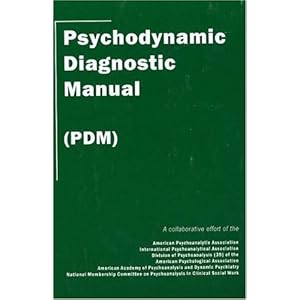
The PDM is the the Psychodynamic Diagnostic Manual (2006, $21.93 at Amazon), a collaborative effort of the American Psychoanalytic Association, International Psychoanalytical Association, Division of Psychoanalysis (39) of the American Psychological Association, American Academy of Psychoanalysis and Dynamic Psychiatry, and the National Membership Committee on Psychoanalysis in Clinical Social Work.

I am including the introduction (below), but also check out the Table of Contents. The Task Force that created the Manual is a who's who of mainstream psychoanalytic therapists, but there are no real representatives of the intersubjective systems, relational, or Self Psychology branches of psychoanalysis, which is where the real innovation is occurring.

While this volume is a step in the direction I recently advocated for, it still comes up quite short of being intersubjective, relational, and attachment-based in its conception of mental distress.

Introduction to the PDM

The Psychodynamic Diagnostic Manual (PDM) is a diagnostic framework that attempts to characterize the whole person--the depth as well as the surface of emotional, cognitive, and social functioning. It emphasizes individual variations as well as commonalities. We hope that this framework will bring about improvements in the diagnosis and treatment of mental disorders and will permit a fuller understanding of the functioning of the mind and brain and their development. The goal of the PDM is to complement the DSM and ICD efforts of the past 30 years in cataloguing symptoms by explicating the full range of mental functioning.

The PDM is based on current neuroscience, treatment outcome research, and other empirical investigations. Research on brain development and the maturation of mental processes suggests that patterns of emotional, social, and behavioral functioning involve many areas working together rather than in isolation.

Outcome studies point to the importance of dealing with the full complexity of emotional and social patterns. Numerous researchers (e.g., Blatt, this volume; Norcross 2002; Wampold 2001) have concluded that the nature of the psychotherapeutic relationship, reflecting interconnected aspects of mind and brain operating together in an interpersonal context, predicts outcome more robustly than any specific treatment approach per se . Westen, Novotny, and Thompson-Brenner (2004 and this volume) have presented evidence that treatments that focus on isolated symptoms or behaviors (rather than personality, emotional, and interpersonal patterns ) are not effective in sustaining even narrowly defined changes. Shedler and Westen, Dahlbender and colleagues, Blatt, and others (this volume) have developed reliable ways to measure complex patterns of personality, emotion, and interpersonal processes that constitute the active ingredients of the psychotherapeutic relationship. A number of recent reviews (e.g., Fonagy's and Leichsenring's in this volume) demonstrate that in addition to alleviating symptoms, psychodynamically based therapeutic approaches improve overall emotional and social functioning.

The PDM was created though a collaborative effort of the major organizations representing psychoanalytically oriented mental health professionals; namely, the American Psychoanalytic Association, the International Psychoanalytical Association, the Division of Psychoanalysis (39) of the American Psychological Association, the American Academy of Psychoanalysis, and the National Membership Committee on Psychoanalysis in Clinical Social Work. Their presidents formed a steering committee and recommended members to serve on work groups to construct this classification system.

The diagnostic framework formulated by the PDM work groups systematically describes:
  • Healthy and disordered personality functioning ;
  • Individual profiles of mental functioning, including patterns of relating, comprehending and expressing feelings, coping with stress and anxiety, observing one's own emotions and behaviors , and forming moral judgments ;
  • Symptom patterns, including differences in each individual's personal, subjective experience of symptoms.
The Psychodynamic Diagnostic Manual adds a needed perspective to existing diagnostic systems. In addition to considering symptom patterns described in existing taxonomies, it enables clinicians to describe and categorize personality patterns, related social and emotional capacities, unique mental profiles, and personal experiences of symptoms. It provides a framework for improving comprehensive treatment approaches and understanding both the biological and psychological origins of mental health and illness.

Rationale for the PDM

A clinically useful classification of mental health disorders must begin with an understanding of healthy mental processes. Mental health comprises more than simply the absence of symptoms. It involves a person's overall mental functioning, including relationships; emotional depth, range, and regulation; coping capacities; and self-observing abilities. Just as healthy cardiac functioning cannot be defined simply as an absence of chest pain, healthy mental functioning is more than the absence of observable symptoms of psycho pathology. It involves the full range of human cognitive, emotional, and behavioral capacities.

Any attempt to describe and classify deficiencies in mental health must therefore take into account limitations or deficits in many different mental capacities, including ones that are not necessarily overt sources of pain. For example, as frightening as anxiety attacks can be, an inability to perceive and respond accurately to the emotional cues of others-a far more subtle and diffuse problem-may constitute a more fundamental difficulty than periodic episodes of unexplained panic. A deficit in reading emotional cues may pervasively compromise relationships and thinking and may itself be a source of anxiety.

That a comprehensive conceptualization of health is the foundation for describing disorder may seem self-evident, and yet the mental health field has not developed its diagnostic procedures accordingly. In the last two decades, there has been an increasing tendency to define mental problems primarily on the basis of observable symptoms, behaviors, and traits, with overall personality functioning and levels of adaptation noted only secondarily. There is increasing evidence, however, that both mental health and psychopathology involve many subtle features of human functioning, including affect tolerance, regulation, and expression; coping strategies and defenses; capacities for understanding self and others; and quality of relationships. Mounting evidence from neuroscience and developmental studies supports the position that mental functioning, whether optimal or compromised, is highly complex. To ignore mental complexity is to ignore the very phenomena of concern. After all, our mental complexity defines our most human qualities.

Over the past 30 years or so, in the hope of developing an adequate empirical basis for diagnosis and treatment, the mental health field has progressively narrowed its perspective, focusing more and more on isolated symptoms. The whole person has been less visible than the various disorder constructs on which researchers can find agreement. Recent reviews of this effort have raised the possibility that such a strategy was misguided. Ironically, emerging evidence suggests that oversimplifying mental health phenomena in the service of attaining consistency of description (reliability) and capacity to evaluate treatment empirically (validity) may have compromised the laudable goal of a more scientifically sound understanding of mental health and psychopathology. Most problematically, reliability and validity data for many disorders are not as strong as the mental health community had hoped they would be. Allen Frances, Chair of the DSM-IV American Psychiatric Association Task Force , recently acknowledged (Spiegel 2005) that the desired reliability has not been obtained.

In a recent commentary in the Journal of the American Medical Association , Paul McHugh (2005) pointed out that medicine has moved beyond simply describing symptoms to categorizing disorders according to the nature of the functional impairment and etiological factors (if known). Contending that the classification of mental health disorders may have gone too far in a purely descriptive direction (overlapping categories, excessive co-morbidities, etc.), thereby compromising efforts to improve our understanding and treatment of psychopathology, he recommended that the classification of mental disorders also reflect the quality and degree of functional impairment and, where possible, etiology.

The mental health field has a long history of describing symptom patterns. As in the development of many fields, this effort began with pioneers who made meticulous observations and discovered common clusters of patient complaints, symptoms, and behaviors. In attempting to make progress in describing naturally occurring patterns, however, much recent research has been a mixed blessing. On the one hand, carefully constructed questionnaires and structured interviews have led to more reliable judgments about symptom patterns and have facilitated research into what belongs in a pattern, including its antecedents and course. On the other hand, fixed definitions (often made by clinical consensus) and incomplete data have impeded the improvement of descriptions of naturally occurring patterns.

A patient may experience a number of symptom patterns. Many such patterns have long been observed to overlap. In the DSM and ICD systems, the use of fixed definitions and strict criteria (e.g., four out of six, not three out of six, items on a diagnostic checklist) forces an artificial separation of conditions that are frequently related. Symptoms that may be etiologically, phenomenologically, or contextually interconnected are described as co-morbid conditions, as if these discrete problems coexist more or less accidentally in the same person, much as a sinus infection and a broken toe might coexist. Assumptions about discrete, unrelated, co-morbid conditions are rarely justified by compelling data such as clear genetic, biochemical, and neurophysiological distinctions between syndromes. The cut-off criteria for diagnosis are often arbitrary decisions of committees rather than conclusions drawn from the best scientific evidence.

The development of the PDM reflects our concern that mental health professionals may have uncritically and prematurely adopted methods from other sciences instead of developing empirical procedures appropriate to the complexity of the data in our field. The intent of those who moved the DSM and ICD classifications in the direction of specifying discrete, externally observable disorders was to build a stronger foundation for the diagnosis and treatment of psychopathology. This was a worthy project. Now, however, it is time to take a hard look at the phenomena with which mental health professionals regularly deal and adapt the methods to the phenomena rather than vice versa (see Part III, review essays by Blatt, Shedler, Westen).

The PDM attempts to do this. Because the current terminology for symptoms and their groupings comes from a long and intellectually serious tradition, we employ the descriptions of symptoms and patterns of symptoms used in the currently prevailing taxonomies, the DSM-IV-TR and ICD-10, systems that represent a valuable history of careful observation and description. In the most recent versions of the DSM and ICD systems, however, some of the more subtle features of many basic symptom patterns have been lost. Most notably, despite the fact that it is usually the patient's subjective suffering that brings him or her to treatment, a full description of the patient's internal experience of the symptoms is often absent.

All approaches to assessment and treatment rely at least in part on patients' reports of their thoughts, feelings, and behaviors. (Does the patient feel depressed? Anxious? Does the patient hear voices? Think about suicide?). Therefore, despite the fact that mental health professionals are always inevitably dealing with the elusive world of subjectivity, we require a fuller description of the patient's internal life to do justice to understanding his or her distinctive experience. We are hoping that with more elaborated depictions, we can make more progress on understanding naturally occurring patterns. The rapidly advancing neuroscience field, including genetic studies, can only be as useful as our understanding of the naturally occurring basic patterns of mental health and pathology. We cannot expect our colleagues in genetics to separate the apples and oranges for us. If we do not properly separate them, we will continue to frustrate the search for underlying biological pathways and common experiential etiologies.

Even in general medicine, instances in which etiological factors are fully understood are rare. Most commonly, we are at the level of functional rather than etiological explanation. Neoplastic disorders, for example, are often thought to be understood etiologically, but we are still searching for the causes of many malignancies, as we attempt to comprehend the relationship between genetic, environmental, and, in some instances, viral and other infectious processes. We are nonetheless able to describe various malignancies in detail in terms of their functional characteristics. Both in general medicine and in mental health, progress in understanding the functional nature of disorders should eventually facilitate a greater understanding of etiological factors. Functional and etiological understanding together provide the fullest basis for diagnosis and treatment.

In general, there is a healthy tension between the goals of capturing the complexity of clinical phenomena (functional understanding) and developing criteria that can be reliably judged and employed in research (descriptive understanding). It is vital to embrace this tension by pursuing a step-wise approach in which complexity and clinical usefulness influence operational definitions and inform research. A scientifically based system begins with accurate recognition and description of complex clinical phenomena and builds gradually toward empirical validation. Relying on oversimplification and favoring what is measurable over what is meaningful do not operate in the service of good science.

In addition , we are learning that when therapists apply manualized treatments to selected symptom clusters without addressing the complex person who experiences the symptoms and without attending to the therapeutic relationship that supports the treatment, therapeutic results are short-lived and rates of remission are high (Westen, Novotny, et al. 2004; Hilsenroth, Ackerman, et al. 2003; Baumann, Hilsenroth, et al. 2001; Stiles, Agnew-Davies, et al. 1998). A recent meta-analysis of outcomes of manualized treatments for targeted symptoms found that symptomatic improvement often did not persist and that fundamental psychological capacities involving the depth and range of relationships, feelings, and coping strategies did not show evidence of long-term change. In a number of studies these critical areas were not even measured (Westen, Novotny, et al. 2004).

At the same time, process-oriented research has demonstrated that essential characteristics of the psychotherapeutic relationship as conceptualized by psychodynamic models (the working alliance, transference phenomena , and stable characteristics of patient and therapist) are more predictive of outcome than any designated treatment approach per se . Most dynamically oriented clinicians pay careful attention to the therapeutic relationship, noting interpersonal patterns, feelings, coping strategies, and other indicators of mental processes. Although under-researched for decades, several recent meta-analyses and reviews reveal evidence of the efficacy of psychodynamically based treatments (see Part III review essays by Fonagy and Leichsenring, as well as Hilsenroth, Ackerman, et al. 2003; Leichsenring & Leibing 2003).

Although the psychoanalytic tradition, or depth psychology, has a long history of examining overall human functioning in a searching and comprehensive way, the diagnostic precision and usefulness of psychodynamic approaches have been compromised by at least two problems. First, until fairly recently, in attempts to capture the range and subtlety of human experience, psychoanalytic accounts of mental processes have been expressed in competing theories and metaphors that have, at times, inspired more disagreement and controversy than consensus. Second, there has been difficulty distinguishing between speculative constructs on the one hand, and phenomena that can be observed or reasonably inferred on the other. Where the tradition of descriptive psychiatry has had a tendency to reify "disorder" categories, the psychoanalytic tradition has tended to reify theoretical constructs.

In recent years, however, having developed empirical methods to quantify and analyze complex mental phenomena, depth psychology has been able to offer clear operational criteria for a more comprehensive range of human social and emotional conditions (see (Lingiardi, Shedler, et al. 2005, and Part III review essays by Blatt, Dahlbender, Westen, Shedler). The current challenge is to systematize these advances with a growing body of rich clinical experience in order to provide a widely usable framework for understanding and specifying complex and subtle mental phenomena.

A psychodynamically based system highlights the processes that contribute to emotional and social functioning. Early in its history, psychodynamic theories speculated about etiological factors. As in all fields of medicine, however, clinicians and researchers quickly learned that the etiologies of psychological disorders are more complex than initial observations and theory had suggested. Consequently, psychodynamic models have moved toward functional understanding of psychopathologies, with the expectation that such understanding will guide the identification of etiological patterns.

In light of all this, the PDM addresses the full range of mental functioning. Its approach to personality disorders identifies patterns that capture the quality and degree of impairment in such basic capacities as forming and sustaining relationships; regulating affects, moods, and impulses; and carrying out essential human functions in family, educational, and work settings. Its profile of mental functioning specifies components of these functional patterns. Its approach to symptom patterns is to add to the DSM descriptions an understanding of the patient's unique internal experience of his or her problems.

The PDM uses a multi dimensional approach to describe the intricacies of the patient's overall functioning and ways of engaging in the therapeutic process. It begins with a classification of the spectrum of personality patterns and disorders, then offer s a "profile of mental functioning" covering in more detail the patient's capacities, and finally considers symptom patterns, with emphasis on the patient's subjective experience.

Dimension I: Personality Patterns and Disorders

The PDM classification of personality patterns takes into account two areas: the person's general location on a continuum from healthier to more disordered functioning, and the nature of the characteristic ways the individual organize s mental functioning and engage s the world.

This dimension has been placed first in the PDM system because of the accumulating evidence that symptoms or problems cannot be understood, assessed, or treated in the absence of an understanding of the mental life of the person who has the symptoms. For example, a depressed mood may be manifested in markedly different ways in a person who fears relationships and avoids experiencing and expressing most feelings and in an individual who is fully engaged in all of life's relationships and emotions. There is not just one clinical presentation of the artificially isolated phenomenon known as depression.

Dimension II: Mental Functioning

The second PDM dimension offers a more detailed description of emotional functioning-the capacities that contribute to an individual's personality and overall level of psychological health or pathology. It takes a more microscopic look at mental life, systematizing such capacities as information processing and self-regulation; the forming and maintaining of relationships; experiencing, organizing, and expressing different levels of affects or emotions; representing, differentiating, and integrating experience; using coping strategies and defenses; observing self and others; and forming internal standards.

Dimension III: Manifest Symptoms and Concerns

Dimension III begins with the DSM-IV-TR categories and goes on to describe the affective states, cognitive processes, somatic experiences, and relational patterns most often associated clinically with each one. We approach symptom clusters as useful descriptors . Unless there is compelling evidence in a particular case for such an assumption, we do not regard them as highly demarcated biopsychosocial phenomena. In other words, we are taking care not to overstep our knowledge base. Thus, Dimension III presents symptom patterns in terms of the patient's personal experience of his or her prevailing difficulties. The patient may evidence a few or many patterns, which may or may not be related, and which should be seen in the context of the person's personality and mental functioning. The multi dimensional approach depicted in the following sections provides a systematic way to describe patients that is faithful to their complexity and helpful in planning appropriate treatments.

Reference List

Baumann, B. D., Hilsenroth, M. J., Ackerman, S. J., Baity, M. R., Smith, C. L., Smith, S. R. et al. (2001). The capacity for dynamic process scale: An examination of reliability, validity, and relation to therapeutic alliance. Psychotherapy Research, 11, 275-294.

Hilsenroth, M. J., Ackerman, S. J., Blagys, M. D., Baity, M. R., & Mooney, M. A. (2003). Short-term psychodynamic psychotherapy for depression: An examination of statistical, clinically significant, and technique-specific change. The Journal of Nervous and Mental Disease, 191, 349-357.

Leichsenring, F. & Leibing, E. (2003). The effectiveness of psychodynamic therapy and cognitive behavior therapy in the treatment of personality disorders: A meta-analysis. American Journal of Psychiatry, 1610, 1223-1232.

Lingiardi, V., Shedler, J., & Gazzillo, F. (2005). Assessing personality change in psychotherapy with the SWAP-200: A case study. under review.

McHugh, P. (2005). Commentary : Striving for Coherence: Psychiatry's Efforts Over Classification . Journal of the American Medical Association, 293, 2526-2528.

Norcross, J. C. (2002). Empirically supported therapy relationships. In J.C.Norcross (Ed.), Psychotherapy Relationships that Work: Therapist Contributions and Responsiveness to Patients (pp. 3-16). London : Oxford.

Spiegel, A. (2005). The dictionary of disorder: How one man revolutionized psychiatry. The New Yorker, 56-63.

Stiles, W., Agnew-Davies, R., Hardy, G. E., Barkham, M., & Shapiro, D. (1998). Relations of the alliance with psychotherapy outcome: Findings in the second Sheffield Psychotherapy Project. Journal of Consulting and Clinical Psychology, 66 , 791-802.

Wampold, B. E. (2001). The great psychotherapy debate - Models, methods and findings. Mahwah , NJ : Erlbaum.

Westen, D., Novotny, C. M., & Thompson-Brenner, H. (2004). The empirical status of empirically supported psychotherapies: Assumptions, findings, and reporting in controlled clinical trials. Psychological Bulletin, 130, 631-663.