Showing posts with label analytical psychology. Show all posts

Monday, January 27, 2014

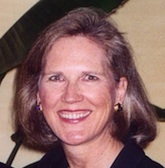
Polly Young-Eisendrath - Embracing Our Imperfect Life

Polly Young-Eisendrath is a Buddhist and a Jungian analyst, as well as authoring many excellent books, including The Resilient Spirit: Transforming Suffering Into Insight And Renewal (1997), The Psychology of Mature Spirituality: Integrity, Wisdom, Transcendence (2000), Subject to Change: Jung, Gender and Subjectivity in Psychoanalysis (2004), and The Self-Esteem Trap: Raising Confident and Compassionate Kids in an Age of Self-Importance (2009).

This is from a group blog she is part of at Psychology Today - it was one of the "Best of the Blogs" selections for this past week.


Embracing Our Imperfect Life

Listening to Leonard Cohen and learning to relish defeat.

Published on January 19, 2014 by The Contemporary Psychoanalysis Group in Contemporary Psychoanalysis in Action
By Polly Young-Eisendrath, Ph.D.


In my car on a sunny Vermont winter morning, I am listening to Leonard Cohen sing his view of reality: a Zen teaching on how to relish defeat. He says you can’t be a hero in your own life and, more important, you can’t be happy until you know how thoroughly broken life itself is, everyone’s life, not just yours. He sounds sexy and ironic and wise. There really is no one else quite like Leonard.

I am also thinking about what a therapy patient said to me yesterday: that he’s spent hundreds of thousands of dollars on four different psychotherapies, which have extended over most of his adult years. He is a minister and he’s in psychoanalytic psychotherapy with me. ALL this therapy, he said, was “a f***ing hopeless cause.” He’s never had the relationship he’s really wanted or a job that expresses his creativity or the self-confidence he should have. I work hard to understand his feelings and I delight in this man as a human being (flaws and all) and admire his dedication to his work. I praise his strengths and am interested in his weaknesses. I don’t have a “fix it” attitude towards him or his life.

As I think about my patient, I recall a teaching I heard from a Tibetan Buddhist monk. He noted that North Americans rarely appreciate the enormous privileges they enjoy every day: that we are free to talk and write about our ideas, feelings, and opinions. We are educated and encouraged to have our own points of view. By contrast, Rinpoche says, 80 percent of Tibetans are illiterate. Those who live in China are not free to speak their native language or to express their feelings and opinions about many things, including their own Tibetan culture and religion. I found Rinpoche’s reflections on American culture fresh and interesting. He did not criticize American materialism or our “fast” style, but he noticed how much we take our individual rights for granted.

Just as I am having warm thoughts about Rinpoche, Leonard is singing:

I fought against the bottle,
But I had to do it drunk –
Took my diamond to the pawnshop –
But that don’t make it junk.

I know that I’m forgiven,
But I don’t know how I know
I don’t trust my inner feelings –
Inner feelings come and go.
Of course, as a Zen practitioner myself, I know about Leonard’s distrust of inner feelings and of the Buddha’s cautionary teachings on the importance of watching our feelings arise and pass away instead of becoming invested in a narrative about them. This skill of “simply experiencing” our feelings – instead of discharging or suppressing them – is something I have incorporated into my psychotherapeutic work. I sit with people as they watch their shame, envy, joy, sadness or anger arise and pass away. This leads to a new kind of freedom. But there is something more in what Leonard is singing. He’s not ashamed that he fought against the bottle while he was drunk.

Admittedly, Leonard is a scoundrel and a hard man to pin down. After I read his biography, I stopped romanticizing him as my perfect soul mate! More than a handful of beautiful, kind, talented women have tried and failed to have a long-term love relationship with him. He has fought against commitment. His struggle with depression is legendary. And yet, his conviction that there is no ideal way to live conveys a remarkable grace, strength and freedom. This perspective--no ideal way to live--is often absent in my patients and in my psychoanalytic colleagues, as well.

We psychoanalysts can still sound as though there is an ideal way to live. Look closely into the lives of many great masters of art, literature, and spiritual practice and you will find abundant tribulation. Human beings who are challenged, even at a young age, to make sense of a world that is deeply disappointing and frustrating can become resilient and insightful in a way that supports a lifetime of transformation. The importance of anxiety, suffering, and difficulty cannot be overestimated in helping us appreciate how little is under our control.

My therapy patient is relentlessly and bitterly disappointed, even though he has meaningful creative work, a grown daughter who is doing well, and lots of friends. He often explains his bitterness in terms of his parents’ self-absorption, a narrative he developed as a result of years of psychotherapy. Instead of observing his inner feelings just coming and going, he relies on a particular story about his life: he has low self-esteem and lacks confidence due to his parents’ shortcomings. He ignores the richness he has developed in his inner life as a result of his freedom to examine his thoughts, feelings, and life story – freedom he has engaged over years of psychotherapy.

What I adore in Leonard Cohen is he is NOT advising us to grieve our losses and our flaws. He wants us to celebrate them. He wants us to develop a sense of humor about them and to see how they link us to one another. We are not gods. When you have to pawn your diamond because you run out of money, your diamond is not “a f***ing hopeless cause.”

What is most appealing about Leonard is not his accomplishments or perfections, but his poetic account of his peculiar failures and weaknesses. He teaches us, too, that our peculiarities can become our cherished particularities when we embrace our selves with lightness and friendship.

Polly Young-Eisendrath, Ph.D., is a psychologist, speaker, writer, mindfulness teacher and Jungian analyst who maintains a clinical and consulting practice in central Vermont. A practicing Buddhist since 1971, she is also chairperson of the non-profit "Enlightening Conversations: Buddhism and Psychoanalysis Meeting in Person" that hosts conferences in cities around the USA.

Dr. Young-Eisendrath will speak at The William Alanson White Institute in New York City on Wednesday, February 5, 8 PM. To register, click here.

Thursday, October 24, 2013

Evidence for the Effectiveness of Jungian Psychotherapy: A Review of Empirical Studies


This article comes from a Special Issue of Behavioral Sciences: Analytical Psychology: Theory and Practice. This is the first article I have seen that examines the efficacy of Jungian psychodynamic psychotherapy, which Jung had named Analytical Psychotherapy.

Just for clarification, these are some of the characteristics of Psychodynamic therapy models, which can be quite diverse, although all of them believe to some extent in early attachment issues as a foundation for later mental health issues. To be clear, I disagree with some of the items in the list below, which comes from Wikipedia:
Although psychodynamic psychotherapy can take many forms, commonalities include:[3]
  • An emphasis on the centrality of intrapsychic and unconscious conflicts, and their relation to development. [The conflict model has fallen out of favor since Kohut developed his Self Psychology model in the 1970s, which looks more toward the interpersonal or relational dysfunctions as the source of psychological issues.]
  • Seeing defenses as developing in internal psychic structures in order to avoid unpleasant consequences of conflict. [Defense mechanisms are now seen more as coping strategies to navigate psychologically painful traumas.]
  • A belief that psychopathology develops especially from early childhood experiences.
  • A view that internal representations of experiences are organized around interpersonal relations.
  • A conviction that life issues and dynamics will re-emerge in the context of the client-therapist relationship as transference and counter-transference.
  • Use of free association as a major method for exploration of internal conflicts and problems. [This is more a part of the psychoanalytic tradition.]
  • Focusing on interpretations of transference, defense mechanisms, and current symptoms and the working through of these present problems.
  • Trust in insight as critically important for success in therapy.

Typically when one sees the term "empirically-based therapy" or "evidence-based practice," what is being referred to is some form of cognitive therapy, often Cognitive Behavioral Therapy (CBT) or Dialectical Behavioral Therapy (DBT). However, as Jonathan Shedler demonstrated in his 2010 article, The Efficacy of Psychodynamic Therapy, psychodynamic therapies are as effective as CBT in the short term and more effective than CBT in the long-term.

Here is the abstract to the Shedler article, originally published in Scientific American Mind:
Empirical evidence supports the efficacy of psychodynamic therapy. Effect sizes for psychodynamic therapy are as large as those reported for other therapies that have been actively promoted as “empirically supported” and “evidence based.” In addition, patients who receive psychodynamic therapy maintain therapeutic gains and appear to continue to improve after treatment ends. Finally, nonpsychodynamic therapies may be effective in part because the more skilled practitioners utilize techniques that have long been central to psychodynamic theory and practice. The perception that psychodynamic approaches lack empirical support does not accord with available scientific evidence and may reflect selective dissemination of research findings.

Si it's good to see another model of psychodynamic therapy has proven itself to be "evidence-based" and beneficial for clients.

Full Citation:
Roesler, C. (2013, Oct 24). Evidence for the Effectiveness of Jungian Psychotherapy: A Review of Empirical Studies. Behavioral Sciences; 3(4): 562-575. doi:10.3390/bs3040562


Evidence for the Effectiveness of Jungian Psychotherapy: A Review of Empirical Studies

Christian Roesler 1,2
1. Clinical Psychology, Catholic University of Applied Sciences, Karlsstraße 63, 79104 Freiburg, Germany 
2. Faculty of Psychology, University Basel, Switzerland

Abstract


Since the 1990s several research projects and empirical studies (process and outcome) on Jungian Psychotherapy have been conducted mainly in Germany and Switzerland. Prospective, naturalistic outcome studies and retrospective studies using standardized instruments and health insurance data as well as several qualitative studies of aspects of the psychotherapeutic process will be summarized. The studies are diligently designed and the results are well applicable to the conditions of outpatient practice. All the studies show significant improvements not only on the level of symptoms and interpersonal problems, but also on the level of personality structure and in every day life conduct. These improvements remain stable after completion of therapy over a period of up to six years. Several studies show further improvements after the end of therapy, an effect which psychoanalysis has always claimed. Health insurance data show that, after Jungian therapy, patients reduce health care utilization to a level even below the average of the total population. Results of several studies show that Jungian treatment moves patients from a level of severe symptoms to a level where one can speak of psychological health. These significant changes are reached by Jungian therapy with an average of 90 sessions, which makes Jungian psychotherapy an effective and cost-effective method. Process studies support Jungian theories on psychodynamics and elements of change in the therapeutic process. So finally, Jungian psychotherapy has reached the point where it can be called an empirically proven, effective method.

Download PDF Full-Text [230 KB, uploaded 24 October 2013]

Thursday, October 10, 2013

Is Jung's Archetypal Memory Real? If So, Can We Identify it in the Brain?


For anyone interested in Jungian studies, this is an interesting new entry into the neuroscience literature, where Jung and his ideas have essentially been ignored. Of the three best known off-shoots from the original Freudian group (Freud and psychoanalysis, Jung and Analytical Psychology, and Alfred Adler and Individual Psychology), only the psychoanalytic model has continued to evolve in any serious way. With the emergence of Self Psychology in the 1970s and 1980s, then the growth of both relational psychoanalysis and intersubjective systems theory (both of which includes elements of attachment theory and neuroscience [interpersonal neurobiology, or affective neuroscience]), the modern psychoanalytic school is thriving.

Not so true for Jung and the post-Jungians. There has been very little research into Jungian ideas and constructs - and those that have been developed, for example his typology model that has become widely known as the Myers-Briggs model, have been dismissed. Ideas of the unconscious (though now more accepted by some neuroscientists), or archetypes, or synchronicity have all been laughed at and dismissed as worthy of investigation.

Slowly, that is changing.

The study presented below (introduction only) attempts to ascertain if there is any validity to the idea of collective archetypes or a collective unconscious.

Full Citation:
Sotirova-Kohli, M; Opwis, K; Roesler, C; Smith, SM; Rosen, DH; Vaid, J; Djonov, V. (2013, Oct 9). "Symbol/Meaning Paired-Associate Recall: An “Archetypal Memory” Advantage?" Behavioral Sciences; 3(4): 541-561. doi:10.3390/bs3040541

Symbol/Meaning Paired-Associate Recall: An “Archetypal Memory” Advantage?

Milena Sotirova-Kohli [1],, Klaus Opwis [1], Christian Roesler [1], Steven M. Smith [2],
David H. Rosen [3], Jyotsna Vaid [2], and Valentin Djonov [4]
1. Department of Psychology, University of Basel, Missionstrasse60/62, Basel 4055, Switzerland;
E-Mails: klaus.opwis@unibas.ch (K.O.); christian.roesler@kh-freiburg.de (C.R.)
2. Department of Psychology, Texas A&M University, College Station, TX 77843, USA;
E-Mails: stevesmith@tamu.edu (S.M.S.); jvaid@tamu.edu (J.V.)
3. School of Medicine, Oregon Health and Science University, Portland, OR 97239, USA;
E-Mail: drdavidhrosen@gmail.com
4. Institute of Anatomy, University of Bern, Balzerstrasse 2, Bern 3000, Switzerland
 

Abstract


The theory of the archetypes and the hypothesis of the collective unconscious are two of the central characteristics of analytical psychology. These provoke, however, varying reactions among academic psychologists. Empirical studies which test these hypotheses are rare. Rosen, Smith, Huston and Gonzales proposed a cognitive psychological experimental paradigm to investigate the nature of archetypes and the collective unconscious as archetypal (evolutionary) memory. In this article we report the results of a cross-cultural replication of Rosen et al. conducted in the German-speaking part of Switzerland. In short, this experiment corroborated previous findings by Rosen et al., based on English speakers, and demonstrated a recall advantage for archetypal symbol meaning pairs vs. other symbol/meaning pairings. The fact that the same pattern of results was observed across two different cultures and languages makes it less likely that they are attributable to a specific cultural or linguistic context.


1. Introduction


The notions of archetypes and the collective unconscious, which are central to analytical psychology, have generally remained outside the domain of inquiry of mainstream academic psychology. Nevertheless, there are emerging efforts to integrate ideas from analytical psychology and those drawn from cognitive psychology, neuroscience and even physics, e.g., [1–9], etc. To date, these efforts have largely aimed at a theoretical or conceptual integration. Attempts to operationalize or empirically test ideas from analytical psychology are still fairly uncommon.

Two studies that did seek to provide an empirical test of the notion of archetypes are therefore noteworthy, see [2,10]. Rosen et al. [2] found that participants could not reliably identify the proposed associated meaning of symbols deemed to be archetypal when they relied only on resources available to consciousness. However, when participants were presented with pairs of symbols and meanings to learn in a paired-associate recall procedure, they showed significantly better recall of those pairs in which the archetypal symbols were matched with their associated archetypal meanings than those in which the associated meaning did not correspond to the archetypal meaning. In interpreting their results, the authors theorized that the presentation of the symbol and the associated meaning mobilized prior, implicit associations encoded in memory which under normal conditions are not available to conscious recall. The results of this initial study were subsequently replicated by Huston [11] and Bradshaw and Storm [12].

Although these results may be viewed as lending empirical support to the notion of the existence of collective unconscious (archetypal) memory, they may also reflect linguistic or cultural characteristics of the population tested (native speakers of English in the United States and Australia). To determine whether the obtained effect is not unique to this population it is important to conduct studies with native speakers of other languages, and in other cultural contexts. This was the aim of the present study. In this study we developed a German language adaptation of the materials used by Rosen et al. and tested participants residing in the German-speaking part of Switzerland. It was hypothesized that if certain symbols truly have underlying, perhaps universal, “archetypal” meanings, then they should be significantly better recalled if they are paired in a memory task with those meanings than if they are paired with other meanings unrelated to the archetypal ones.

Before proceeding with a description of our study a brief background discussion of archetypes as developed by Jung is in order.

1.1. Archetypes

Unlike Freud, Jung believed that the dynamic unconscious was not just the seat of sexual and aggressive instincts and repressed wishes. Through his work with the word association test, the study of myths and fairy tales, and of fantasy products of psychotic patients, Jung reached the conclusion that there was a layer of the unconscious which contains images, patterns of behavior and modes of perception accessible to the whole of the human race (and to the animal world, as well). He named these specific patterns of perception and behavior which crystallize in consciousness in the form of symbols archetypes (the word archetypos was used by Plato for his ideas and Jung knew this as was pointed out by Barnes [13]). Jung and suggested that archetypes were “empty and purely formal” ([14], p. 79, par. 155) “a possibility of representation given a priori” ([14], p. 79, par. 155). Further on, Jung stressed that “the representations themselves are not inherited” ([14], p. 79, par. 155). In this sense, Jung believed that the archetype-as-such is unknowable and “irrepresentable” ([15], p. 213, par. 417); rather, it affects consciousness mainly from its “ability to organize images and ideas” ([15], p. 231, par. 440). In Jung’s view, the archetype “can be named and has an invariable nucleus of meaning—but always only in principle” ([14], p. 80, par. 155). Anything we say about the archetype remains a visualization which is made possible by the current state of consciousness at a given moment. Archetypes for Jung are numinous (that is, highly emotionally charged) and are associated with strong affective responses. Furthermore, the archetype was thought by Jung to have a “psychoid nature” ([15], p. 215, par. 419), which he described as follows: ”the archetype describes a field which exhibits none of the peculiarities of the physiological and yet, in the last analysis, can no longer be regarded as psychic, although it manifests itself psychically” ([15], p. 215, par. 420). In other words, as conceptualized by Jung, archetypes-as-such while being universal are unknowable or unconscious, but can have a profound impact on consciousness and the life of the individual. They do not belong just to the psychic sphere and seem to be given a priori as a possibility or as a form without content.

It has been noted that Jung’s account of archetypes is multifaceted. For example, Roesler [9] pointed out that we can speak of at least four different definitions of the archetype in Jung’s writing. The first is a biological definition, according to which the archetype was considered as an inborn pattern of perception and behavior. The second definition is an empirical-statistical one based on Jung’s work with the word association test, according to which the archetype is the nucleus of the categories of complexes noted by him in different individuals. A third definition views archetypes as transcending any particular time, place or individual and whose real nature can never become conscious. Finally, there is a cultural-psychological understanding of the archetype which differentiates between the archetype-as-such and its concrete manifestations which are culturally determined [9]. Although depending on the theoretical orientation there can be significant overlap between these definitions, the research reported here investigates primarily the first, biological, definition of the archetype but it is also compatible with the third definition.

Contemporary researchers have tried to reformulate the theory of the archetype to make it more compatible with notions in modern science. Among one of the most well formulated approaches is a model which theorizes that what Jung might have meant with the archetype is similar to the contemporary cognitive semanticists’ notion of image schemas [3–5,16–18], that is, a structure of sensorimotor experience that captures a “dynamic, recurring pattern of organism-environment interactions” ([19], p. 136), that can be—“recruited for abstract conceptualization and reasoning” ([19], p. 141). Image schemas are thought to be “preverbal and mostly nonconscious” ([19], p. 144). Jean Knox [3] first proposed a connection between the notion of an image schema and the archetype-as-such. In this sense the archetype is looked at as an early achievement of development resulting from the qualities of the brain as a dynamic system and the interactions between the individual (biological and psychological) and the environment (social, cultural and physical). This understanding of the archetype uses a dynamic systems approach to the development of cognition and action. This approach to cognition and action relates to the process of formation of preverbal image schematic representations in the infant’s brain which are largely determined by the history of the brain as a system, i.e., are based on the experience the system has in the physical world and the ability of the brain as a dynamic system to self-organize [20]. Later on, this pre-verbal neuronal activation pattern serves as a foundation for the development of conceptual thought—categories and concepts. In themselves these neuronal activation patterns constitute attractor states for the dynamic system of the brain.

The idea of the image schema also finds support in contemporary research on embodiment where embodiment is defined as the meaning of symbols to an agent and the reasoning about meaning and sentence understanding which “depends on activity in systems also used for perception, action and emotion” ([21], p. 4). Neuroimaging studies support the idea that sensory and motor systems are involved in concept understanding and retrieval [22]. Thus, image schemas can be understood as neuronal activation patterns which encode embodied experience in the world. They function automatically, i.e. unconsciously, and underlie concepts, narrative and ritual [23], all qualities which can be attributed also to archetypes.

Varela, Thomson and Rosch [24] propose a slightly different approach to cognition and action, namely, an enacted cognition approach to the study of mental processes and representations. According to this approach, cognition is “enaction: a history of structural coupling that brings forth a world” ([24], p. 172); this view seems consistent with most of the above mentioned ideas. Varela et al. go a step further to suggest that “the cognitive system projects its own world, and the apparent reality of this world is merely a reflection of internal laws of the system” ([24], p. 172).

Among Jungian scholars, George Hogenson [25] looked into the connection between archetypes and mirror neurons and proposed understanding the archetype as an “elementary action pattern” ([25], p. 325), which sounds similar to some of the ideas of the enacted cognition approach of Varela, Thomson and Rosch. Other Jungian scholars stress in their re-interpretation of the nature of the archetype non-linear dynamics which underlie both the functioning of the brain as a system and some aspects of the archetype related to, for example, synchronicity, enantiodromia, or the therapeutic relationship looked at as a dynamic open system. Hogenson proposed that the archetype could be understood as an “iterative moment in the self-organization of the symbolic world” ([26], p. 279). Saunders and Skar have suggested that the archetype is an emergent structure which derives from the self-organizing properties of the brain (a notion very similar to the theory of the image schema) [27]. McDowell stressed that the archetype was a pre-existing principle of the organization of personality [28], while van Eewynk [29,30] looked at archetypes as strange attractors of the dynamic system of the psyche whose non-linear dynamics underlie individuation and the therapeutic relationship.

Perhaps one of the most controversial aspects of the notion of archetypes is that of innateness. How do we understand innateness and what was actually meant by Jung when he stated that archetypes are a priori given to us? Furthermore, how do we understand the innateness of archetypes in an age in which the meanings of symbols are not likely to be transmitted genetically?

While there are still proponents of the idea that archetypes are transmitted genetically (see for further information the review by Roesler [1]), many consider discussions of nature versus nurture to be obsolete and stress the interactionist nature of human development [1,4,9,17,25,31] or point out psychological factors in evolution in the argumentation against a purely genetically transmitted innateness [32]. The innate aspect of the archetype can also be looked at as predisposition to a genetic condition which needs certain environmental cues to find expression in the sense of epigenetics as described by Roesler [1,9] and Rosen [31,33]. In the light of new discoveries it might well be the case that this epigenetic process which provides the link between environment and genome and determines which genes are being active and which are deactivated might even be more important than the genes themselves and may provide the link between biological substrates—genome and cultural heritage—behavior, habits etc. [34]. The Jungian scholar Pietikanen [35] suggested a radical departure from the discussion about innateness and proposed that with the help of a Cassirerian approach archetypes could be understood as “culturally determined functionary forms organizing and structuring certain aspects of man’s cultural activity” ([35], p. 325).

Regarding inborn behavior and archetypes there appears to be empirical support for innateness in experimental psychology for a range of phenomena including the deep structure of language [36], early attachment patterns [37], the idea of “basic emotions”, language acquisition mechanisms, and a face recognition program [1,9]. Roesler [1] points out Seligman’s concept of “preparedness to learn” as a further example of innateness that can be applied to archetypal theory. Similarly, Erik Goodwyn [8,38] uses in defense of innateness findings from evolutionary psychology and neuroanatomy.

We can also say that controversies concerning innateness and the archetype reflect broader controversies in psychology at large. While approaches such as the dynamic systems approach, cognitive semantics, embodiment and enacted cognition as approaches in the study of cognitive processes enjoy widespread popularity, there are also many scholars who conduct experimental work in connection with innate mechanisms. The experimental work of developmental psychologists such as Spelke provides data which supports the hypothesis of multiple innate mechanisms with which infants are equipped at birth. Spelke suggests that “perception, thought, value and action depend on domain-specific cognitive systems” and “each system has its own innate foundations and evolutionary history” ([39], p. 204). For example, in a recent study Izard, Sann, Spelke and Steri [40] report findings that support the assertion that infants at birth are equipped with abstract, numerical representations. Yet other cognitive scientists do not readily accept the notion that there are innate foundations for cognitive capacities, particularly for certain capacities, such as language. It, thus, seems that cognitive science at large is still grappling with questions concerning innateness.

The debate around the nature of the archetype is further enriched by archetypal psychology which sees the place of the archetype in imagination and stresses the transcendental nature of the archetype [1,9]. Although this approach to the archetype might not resonate with many mainstream psychologists, there are tendencies in contemporary studies of consciousness which are compatible with the ideas of archetypal psychology. The Hameroff and Penrose quantum theory of consciousness [41], the idea that consciousness “emerges as natural processes” that involve quantum phenomena “unfold[ing]” [42], and the hypothesis that the brain does not produce consciousness but serves the purpose of receiving and transmitting information which exists from beyond it [43] can all be seen to resonate with some of the basic ideas of archetypal psychology concerning the archetype. Furthermore, the notion of synchronicity—meaningful coincidences—based on an acausal connection principle, which Jung developed in exchange with Wolfgang Pauli and Albert Einstein, and which can be seen as an expression of a constellated archetypal field at work [6,44], finds in recent days, support through discoveries in complexity theory and the dynamics of complex adaptive systems [7].

Given all these ideas how are we to understand the archetype? Are archetypes transmitted biologically or are they transmitted by culture as Roesler [1] asks? Can we understand the collective unconscious in terms of subliminal transmission and inter-individual neuronal format as Roesler [1] proposed or is it a form of archetypal memory as Rosen et al. [2] suggested? However we reformulate the theory of the archetype and the collective unconscious most Jungian scholars would agree that the basis of the archetype and the collective unconscious is both innate and environmental. The differences are more in terms of degree and the role of each of the two factors.

While the above developments in psychology provide much food for thought, finding a way to test notions about archetypes, however this notion is formulated, would be instructive. We thus turn to two previous empirical studies which attempted such a test and found empirical support in favor of the existence of something akin to archetypes, henceforth termed the archetype hypothesis.

1.2. Previous Research

Apart from the above mentioned theoretical discussions concerning the nature of the archetype a few scholars have sought to empirically test the hypothesis of archetypes and archetypal memory.

As mentioned above, Rosen et al. [2], as well as Huston, Rosen and Smith [45], Bradshaw and Storm [12] and Maloney [10] examined this in the domains of memory and preferences.

Maloney [10] asked a community sample of 151 participants to rate their preferences to images containing archetypal themes and factor analyzed the responses. The images included the archetypal themes of the mother and the hero in both anthropomorphic (e.g., woman gazing lovingly at a child  for the positive mother, Hercules for the positive hero) and non-anthropomorphic (e.g., the cave as a symbol of the Great Mother, the heraldic lion as a symbol of the hero) form. Both positive and negative aspects of these themes were examined. The study used an unconstrained Q-sort method. Participants were presented with sets of six images and asked to rate their responses to three questions in respect to the images using a limited set of possible answers. The analysis demonstrated a stable three-factor structure underlying responses to the question “If I were to keep this image with me forever, I would be”. Factor 1 contained images related to a quest theme—the positive hero, the non-anthropomorphic hero, the non-anthropomorphic mother, according to the author. Factor 2 was reported to contain images related to an attachment theme—positive mother. Factor 3 was interpreted as being related to a conflict theme. The author thus concluded that “archetypal structure underlies adult affective responses” ([10], p. 110). Furthermore, Maloney concluded that the images alone were not enough to evoke an archetypal structure, they had to be viewed in a certain way so that the structure was triggered which in the design of his study was achieved through the question that the subjects had to answer. Only the question which required most active participation on the part of the participants in assessing the images yielded significant results.

A different experimental paradigm was developed by Rosen, Smith, Huston and Gonzales [2]. Rosen and colleagues argued that a natural extension of Jung’s own early studies with the Word Association Test would be the study of associations on the basis of symbols. They developed an inventory of forty symbols and forty associated words which were intended to correspond to the symbol’s archetypal meanings—The Archetypal Symbol Inventory (ASI). Furthermore, they designed a cognitive psychological experimental paradigm to test the hypothesis that archetypal symbols were strongly associated to these proposed underlying meanings and that the association lies beyond conscious retrieval under ordinary conditions. Rosen et al. conducted a series of three experiments with undergraduate students in psychology at a large university in southwestern U.S. The first two experiments tested participants’ conscious knowledge of the symbols and their meanings. When they were shown each of the ASI symbols, and asked to guess the meaning of each symbol, American participants could not come up with the designated meaning of the symbols. Even more surprisingly, when they were given the 40 ASI symbols with a randomly ordered list of the meanings, participants were unable to match symbols to their correct meanings above the level of chance. These results show that participants were not consciously aware of the meanings of the symbols. The third experiment was a paired-associate learning task in which students (divided into two groups) were first shown all forty symbols. Each group was given half of the symbols matched with the proposed associated meanings and the other half with symbols and meanings mismatched (the particular pairings were counterbalanced across the two groups). After a one minute rest participants were shown only the symbols and were asked to remember and write down the word they initially saw paired with the symbol. It was found that students learned and recalled significantly better the words whose meanings corresponded to the proposed meanings of the archetypal symbols than those that were unrelated to the purported meaning of the symbols. From the list-learning research literature (e.g., [46,47]) it is known that pairs of strongly associated words are learned better than less associated pairs. This gave ground to the authors of the study to conclude that archetypal symbols are strongly associated to the proposed related meanings and that the association is unconscious.

Huston, Rosen and Smith [45] proposed a mechanism to explain the observed effects in the original Rosen et al. study and a second variation of the research [11]. They suggested that when a symbol  was presented paired with its associated “archetypal” meaning priming occurs which facilitates later recall. The correctly paired symbol with its proposed related meaning also triggers an emotional response which contributes to the “activation and constellation of an archetypal image” ([45], p. 147). The constellated archetypal image and the associated meaning presented to participants together led to priming of memory for the association and facilitated later recall. The mechanism proposed by the above authors is still in the realm of hypothesis and needs to be experimentally tested.

In a recent study Bradshaw and Storm [12] conducted three experiments based on the Rosen and Smith paradigm using 30 out of the original 40 symbols from the ASI in a sample of 237 students and members of the general public in the state of Victoria, Australia. The sample consisted of predominantly Australian/New Zealander citizens (81%) and was predominantly English native speaking (around 86%). The other countries/regions represented were respectively, Britain (3%), Europe (4%), Asia (7%), America (North and South 2%) and Other 3%. The authors replicated the results of Rosen and Smith in the free association task (Experiment 1) and detected in the forced association task (Experiment 2) seven out of 30 symbols which could be consciously known by the participants. For the rest of the symbols there was no statistical evidence in the forced association task for conscious knowledge. The authors modified the paired-associate learning task used in the third experiment of the paradigm. To additionally control for intermediate effects they presented four randomized versions of symbol-word sets, i.e. instead of two counterbalancing conditions they had four. Furthermore they modified the timing in the list learning task giving participants 8 seconds in  the learning phase as opposed to 5 seconds in the original paradigm and 20 seconds in the recall phase as opposed to 8 seconds in the original paradigm. As stimuli the authors used a set of pictures and drawings of the symbols predominantly downloaded from Internet instead of the original images from the ASI. There was no explanation given for the above modifications. The results replicated the findings of Rosen et al. [2] and Huston [11]. Matching words with the symbol that they are associated with, benefitted learning and subsequent recall of the words. The authors reported a statistically significant difference between the different versions of the main experiment. There was a statistically higher recall rate for both matched and mismatched recall in one of the versions. This was partially explained by the age difference between the participants in this version (M = 23 years) and one of the other versions (M = 30 years). No information is available about the mean age in the other groups, as well as the means and standard deviations for matched and mismatched recall in the different groups. Furthermore, the authors detected increased difficulty in learning and recall of mismatched pairs with increased age in their sample (mean age 27, SD = 11 years). No significant interaction between country and ethnicity and performance was found on any of the tasks in all three experiments. This is not surprising since as noted above the sample consisted of predominantly Australian/New Zealander citizens (81%). The number of participants from other countries of origin was very small. As such it could be argued that the sample size of the individual ethnic groups (distributed across the 6 different conditions) was too small to detect any meaningful difference. There is also no information available about how the different ethnic groups or counties of origin were represented across the different experimental conditions. Furthermore, the experiment was carried out in English. All participants, even those who were not native English speakers (14% or less since the authors did not control for language which the participants consider to be their native language) used English as the experimental language. In this sense, it cannot be ruled out that the effect which the authors report (no difference in performance between the different ethnic groups, as well as the significant effect of  matching on learning and recall) can be explained by characteristics specific to the English language.

Following its publication the Rosen et al. study led others to wonder how robust or generalizable the findings were. Jill Gordon [48] posed the question whether the images used by the team could be considered to be archetypal before additional, cross-cultural, research is conducted using the same paradigm. Similarly, Gordon stressed the importance of conducting cross-cultural studies to determine whether the images used really had the qualities of archetypal images, namely, whether these were “forms that provoke more or less similar or even identical associations from a majority of people” ([48], p. 229). Raya Jones argued in a similar fashion that the results observed by Rosen et al. could be explained either in terms of “cultural convention” or as “artifacts of the statistical procedure” ([49], p. 707).
Read the whole paper.

Tuesday, September 17, 2013

Carl Jung: The Wisdom of the Dream - A Three-Part Documentary on the Psychologist’s Life & Ideas

File:Jung 1910-crop.jpg

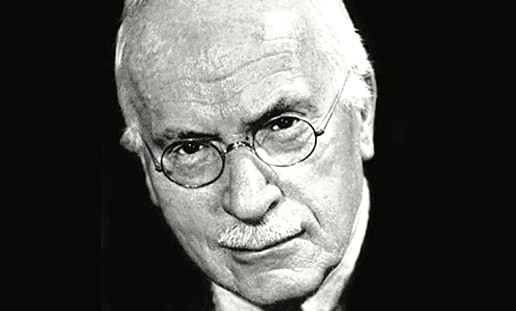
These videos comprise a three-part series, produced by PBS, on the life and works of the great thinker and psychiatrist Carl Gustav Jung (born July 26, 1875, Switzerland). Jung became interested in psychiatry during his medical studies and soon joined the group around Sigmund Freud (a relationship that lasted six tumultuous years).

Jung believed that the minds of mentally ill persons all had similar contents, much of which he recognized from his own interior life, described in his autobiography Memories, Dreams, Reflections and in The Red Book (cheaper reader's version). He spent his life trying to understand the workings of the psyche, a project that led him to develop the methods of analytical psychiatry. Jung's model looked at the role in his patients' lives of what he termed the personal and collective unconscious, as expressed through dreams, myths, and outer events (synchronicity).

Jung created some of the best known psychological concepts including the archetype, the collective unconscious, the complex, and synchronicity. The Myers-Briggs Type Indicator (MBTI), a popular psychometric instrument, was developed from Jung's theory of personality typology.


Watch Carl Jung: The Wisdom of the Dream: A Three-Part Documentary on the Psychologist’s Life & Ideas


September 16th, 2013

Volume 1, ‘A Life of Dreams:


“The interpretation of dreams,” Sigmund Freud famously said, “is the royal road to a knowledge of the unconscious activities of the mind.” Freud’s younger colleague Carl Gustav Jung agreed with him, but with important differences.

Whereas Freud saw dreams as manifestations of repressed sexual wishes disguised in a form drawn exclusively from the residue of the memories of events from the previous day and from childhood, Jung believed dreams deal with a much wider range of human concerns and are drawn not just from personal memory but from a range of universal psychological archetypes he called the “collective unconscious.”

In this fascinating three-hour documentary series from 1989, The Wisdom of the Dream, we learn about Jung’s life and ideas. Produced and directed by Stephen Segaller, the films draw on rare interviews and footage of Jung, as well as interviews by prominent psychologists, including some who knew Jung personally. Advocates of Jung’s theories explain the basis of his ideas and their continuing influence. The films are narrated by writer Sarah Dunant. Passages from Jung’s writings are read by actor Max Von Sydow.

Volume 2, ‘Inheritance of Dreams’:


Volume 3, ‘A World of Dreams’:


via Partially Examined Life

Related content:

Saturday, August 31, 2013

Shrink Rap Radio #366 – The Dream and Its Amplification with Jungian Analyst Nancy Furlotti


For anyone interested in dream interpretation, and especially the Jungian approach, this episode of Shrink Rap Radio is a cool conversation with Jungian analyst Nancy Furlotti.

Shrink Rap Radio #366 – The Dream and Its Amplification with Jungian Analyst Nancy Furlotti

Posted on August 29, 2013
Copyright 2013: David Van Nuys, Ph.D.

A psychology podcast by David Van Nuys, Ph.D.

Nancy Furlotti

Nancy Swift Furlotti, M. A., Ph. D. candidate, is a Jungian Analyst in private practice in Los Angeles and Santa Barbara, California. She is a past President of the C.G. Jung Institute of Los Angeles. Nancy did her analytical training at the Los Angeles Institute while also participating in the Research and Training Centre for Depth Psychology According to C.G. Jung and Marie-Louise von Franz in Switzerland. She is, also, an active faculty member of the Inter-Regional Society of Jungian Analysts, the C. G. Jung Institute of Colorado, and an associate member of JPA. Beyond these, Nancy teaches and lectures in the US and Switzerland, and has a number of publications: The Archetypal drama in Puccini’s Madam Butterfly; Angels and Idols: Los Angeles, a chapter in the book, Psyche and the City: A Soul’s Guide to the Modern Metropolis. Her article, Tracing a Red Thread: Synchronicity and Jung’s Red Book, was published in Psychological Perspectives. Most recently her co-authored book, The Dream and Its Amplification [The Fisher King Review Volume 2], has just been released.

Nancy has a deep interest in exploring the manifestations of the psyche through dreams and myths with a specific focus on the dark emanations from the psyche. A current focus of research is on Mesoamerican mythology, ritual, dreaming, and healing the split between science and nature. Her interest in exploring symbols and deepening her understanding of Jung, have landed her on two foundations: The Philemon Foundation, where she was a founding board member and served as Vice-President, Treasurer, and Co-President of the Board of Directors. She has been a board member of ARAS (Archive for Research in Archetypal Symbolism) for more than 15 years. She is, also, chair of the Film Archive Committee that oversees the Remembering Jung Video Series, 30 interviews with Jungian analysts, and the films, A Matter of Heart and The World Within. Nancy is in the process of organizing a Jung Endowment at UCLA in collaboration with the department of Psychiatry and Neuroscience at the Semel Institute, which will bring Jungian theory and training back into a major university.


Check out the following Psychology CE Courses based on listening to Shrink Rap Radio interviews:

Tuesday, May 14, 2013

Carl Gustav Jung Explains His Groundbreaking Theories About Psychology in Rare Interview (1957)

Via Open Culture, one of the coolest and most edutaining sites on the internets.


Carl Gustav Jung Explains His Groundbreaking Theories About Psychology in Rare Interview (1957)


May 13th, 2013


Here’s an extraordinary film of the great Swiss psychologist Carl Gustav Jung speaking at length about some of his key contributions to psychology. Jung on Film (above) is a 77-minute collection of highlights from four one-hour interviews Jung gave to psychologist Richard I. Evans of the University of Houston in August of 1957. In “Sitting Across From Carl Jung,” an article for the Association of Psychological Science, Evans explains how the interviews came about:
I was teaching a graduate seminar called Approaches to Personality when it seemed like an interesting idea to have the graduate students in the seminar role-play in front of the class and pretend to interview the various personality theorists that I was presenting. Carl Jung was one of those theorists, and during the seminar, I learned that he had never agreed to an extensive recorded interview except for a brief exchange on the BBC. I wrote a letter to Dr. Jung to request an interview because I believed that filmed interviews of eminent psychologists would encourage students to read their work.
Jung, who was 82 years old at the time, agreed to the interview and set aside an hour a day over a four-day period. Evans met with Jung in Zurich at the Federal Institute of Technology, or ETH. In the excerpts above, Jung talks about his early association with Sigmund Freud and how he came to disagree with Freud’s fixation on the sex drive as the primary influence in mental life. He talks about his theory of personality types and about universal archetypes, including the anima and animus. He talks about the interplay between instinct and environment, and about dreams as a manifestation of the unconscious. At one point he stresses the urgency of understanding psychology in a world where man-made threats, like the threat of the hydrogen bomb, are greater than those posed by natural disasters. “The world hangs on a thin thread,” says Jung, “and that is the psyche of man.”

Related content:

Saturday, January 05, 2013

Jung on Film [Full 1957 Interview]


Enjoy.


Jung on Film [Full 1957 Interview]

This compelling film represents a rare record of an original genius. In Jung on Film, the pioneering psychologist tells us about his collaboration with Sigmund Freud, about the insights he gained from listening to his patients' dreams, and about the fascinating turns his own life has taken. Dr. Richard I. Evans, a Presidential Medal of Freedom nominee, interviews Jung, giving us a unique understanding of Jung's many complex theories, while depicting Jung as a sensitive and highly personable human being.

Friday, December 14, 2012

Carl Jung and Active Imagination

Rishidev Chaudhuri - at 3 Quarks Daily - wrote this interesting look at the legacy of Carl Gustav Jung in light of his contribution in the field of active imagination, a technique used by many therapists who likely do not know it comes from the Analytical Psychology of Jung (although many of the world's religions contain practices that employ the imagination). Anyway, this is a bit of a tribute in that it values the hope for transformation inherent in Jung's somewhat idealized conception of human being.

ACTIVE IMAGINATION 
by Rishidev Chaudhuri 
 
In many ways, Jung has aged worse than Papa Freud. His world now seems quaint and naïve in its lack of suspicion and irony, in its insistence on treating symbols as universal, in its belief that all peoples are telling the same stories and meaning much the same things, albeit with slightly different flourishes. And his view of the self (part romantic, part enthusiastic humanist) as the mediator between the everyday world and a trans-personal inner world of archetypes is foreign to us, with our unstable selves that are constantly emerging from, being reproduced by and disappearing into the particular contextual forces that surround us. And even the ultimate benevolence of the collective unconscious (so that in the last instance the archetypes are leading us towards meaning and a more complete self) can seem excessively optimistic to us, used to uncaring worlds and unconsciousnesses that are actively trying to strangle us. 
And yet there is much grandeur and richness in his world. Few thinkers have given such a central place to creativity and the imaginative life. And his pantheon of symbols, at their best, allow us a polytheism of the world and of the self, allowing us to honor ambiguity, allowing a personality to speak through a multitude of voices and in a multitude of ways, and permitting a playful approach to symbols that enriches the world. His is a worldview extraordinarily sympathetic to meaning-making and narrative-construction, to framing the world in terms of journey and discovery and the reenchantment of life, which is a useful contrast for us, who so often seem to oscillate between attempting to master a world of ever better understood and yet more indifferent matter and the paralysis that comes with the recognition of the contingency of meaning and of the opacity of the selves we cobble together. And Jungian thought has a friendliness and openness to chance and coincidence and the possibilities they allow, made palatable to the rational mind by telling us that it is simply the unconscious expressing itself; that when we flip over a tarot card or open the I Ching to plan for the future we are expanding the space of possibility and that what we find is not random but is allowing a space for the unconscious to speak. And in doing so it allows for the irrational and the differently rational to sweep through and enchant us in their passing. 
Active Imagination is a Jungian practice that embodies this richness and openness to symbolic possibility. It's a form of imaginative storytelling used to enter into a dialogue with the unconscious. You center a session around an initial image or figure (often from a dream or myth) and then leave yourself open to how it evolves, and to the related images and figures that drift into consciousness. A session might start with you shutting your eyes (or not), and waiting for a mental image to appear. Perhaps you see yourself walking in a forest. And then you let it unfold, so that perhaps you follow a winding path between the trees, and in the distance you see a hunched figure, and you follow and you try to get closer but the figure keep shuffling away, and you see it turn off the path and enter a house, and you follow it into the house, and it turns out to be an old woman who has laid out a plate of bread and cheese for you. And you start to talk to her. And so on and so forth. It's a meditative process, one where you bracket out the discursive mind and try to simply let yourself be lead along by your imaginings. It's a bit like an interactive process of free association, but you don't just let yourself jump from subject to subject; for example, if you suddenly get distracted by what you plan to have for breakfast, you'd let that go and bring yourself back to the fantasy. As a practice it's actively creative and not just a “quiet-watching” meditative practice. 
Another possible way of letting this process unfold is to find a figure or an object that has been in your mind (from a dream, from real life, from a painting, from a tarot card), and start a conversation with it. You say your piece, let the figure says its piece (which you imaginatively fill in without really thinking about it) and so on, back and forth. This can be done in writing (rather like automatic writing), or as an imagined mental conversation. It takes a few tries to get the hang of, but it's a fascinating process. And, of course, you can have dialogues between any number of symbols and figures. 
A third approach, not quite Active Imagination but similar, is to consult some semi-random oracle for insight (like tarot cards, or the I Ching, or randomly open up a book at some page and treat what is on that page as guidance), and then try to implement that advice in your life. Again, the idea is that what you find is not random, but is read through your unconscious and semi-conscious preoccupations and needs, and that, at the very least, it will lead you in new and creative directions. 
Active imagination is easily ported to other spheres and to artistic practice; for example, you could have these dialogues and tell these stories in paint. It seems to work especially well in movement, as in the odd but compelling body of practice called Authentic Movement, which is halfway between a detached movement meditation and a choreography exercise. In a typical setting, it's performed by a group of people who break up into two. Half the group sits in a circle around the other half and silently witnesses what they do, attempting to be present and non-judgmental. The other half sit, lie and stand inside the circle and then wait until they feel the need to move. And then they move, in the ways that seem natural, but trying to bracket out planning and scripts and just to follow urges, either physical or imaginative. It's a surprisingly productive way of tapping into creative movement possibilities. The initial fear, of course, is that you'll have no interesting ways to move (much like worrying that, if you do Active Imagination, you'll have nothing interesting to imagine), and this fear is enhanced by the presence of the audience. But wait through this fear and permit yourself to move in boring ways and then you start to move in interesting ways: you find interesting movement textures that seem natural; you find interesting imaginative journeys that you lead yourself on. Like Active Imagination, Authentic Movement aims to not be goal directed. I remember a series of sessions where I lay down and took a nap for a half hour or so. Afterwards, I felt like a fraud and in some ways I was, but this was irrelevant. In the following session, I remember waking and stumbling to my feet, my body feeling like that of a wobbly child, and I remember stepping and feeling my weight and relearning how to balance and to walk. It was a simple set of movements, but I find that I often think of that particular texture, both tentative and trusting, when I'm walking about the everyday world and it always subtly shifts the way I experience walking. 
Of course it would be foolish for me to prescribe a general approach to these practices or a general way that we should understand the symbols and stories that emerge. At one point in my life, I believed that they represented deep universal truths and that I was excavating my true and authentic inner self. For the usual variety of reasons, I don't think this any more and I'm broadly suspicious of true and authentic selves, and of interiority and excavation as guiding metaphors. But a self that is not pre-given is a self that can be created, even if most of the productive forces are obscure and perhaps sinister, and I still find these practices very compelling in their creative potential and their playfulness. The symbols and archetypes and the movements and the stories all allow for a more expansive and creative self, and seem to open up new possibilities, and the meanings they allow are still valuable even if they are no longer unconditioned or universal. And still, sometimes, when I'm feeling romantic or naively optimistic, they allow me to think that maybe after all there is some transcendent self-discovery awaiting and maybe the universe is conspiring on our behalf and maybe we stumble upon that conspiracy in the midst of creative play.

Friday, December 07, 2012

Shrink Rap Radio #325 – Reflections on The Animus Mundi with Jungian Analyst Monika Wikman PhD

This podcast from Dr, David Van Nuys features Monica Wikman, Ph.D., a Jungian Analyst and author of Pregnant Darkness: Alchemy and the Rebirth of Consciousness. Nice discussion.

Shrink Rap Radio #325 – Reflections on The Animus Mundi with Jungian Analyst Monika Wikman PhD


Monica Wikman, Ph.D. is a Jungian Analyst and author of Pregnant Darkness: Alchemy and the Rebirth of Consciousness (2005) and various articles in Jungian psychology journals. Monika obtained her BA from UC San Diego and her doctorate from the California School of Professional Psychology in San Diego, where her research took her deep into the study of dreams of people with terminal cancer. After teaching graduate students at California State University, Los Angeles, she graduated as a diplomat from the Jung-Von Franz Center for Depth Psychology in Zurich. She lectures internationally on mythology and symbolism, dreams and wellness, alchemy and creativity. In private practice as a Jungian Analyst and astrologer, she lives along a creek and under starry skies in Tesuque, New Mexico with horses, dogs, and friends. 
Check out the following Psychology CE Courses based on listening to Shrink Rap Radio interviews:
A psychology podcast by David Van Nuys, Ph.D.
copyright 2012: David Van Nuys, Ph.D.


Friday, July 27, 2012

Face to Face with Carl Jung: ‘Man Cannot Stand a Meaningless Life’

This is an excellent video of Carl Jung talking about our human need for a meaningful life (among many other things). I found this at Open Culture - yesterday was Jung's birthday and posting this video was their tribute. This is one of the best interviews I have seen with Jung, and he was 84 at the time this was recorded.

Face to Face with Carl Jung: ‘Man Cannot Stand a Meaningless Life’

in Psychology | July 26th, 2012


Today is the birthday of Carl Gustav Jung, founder of analytic psychology and explorer of the collective unconscious. He was born on July 26, 1875 in the village of Kesswil, in the Thurgau canton of Switzerland. To observe the day we present a fascinating 39-minute interview of Jung by John Freeman for the BBC program Face to Face. It was filmed at Jung’s home at Küsnacht, on the shore of Lake Zürich, and broadcast on October 22, 1959, when Jung was 84 years old. He speaks on a range of subjects, from his childhood and education to his association with Sigmund Freud and his views on death, religion and the future of the human race. At one point when Freeman asks Jung whether he believes in God, Jung seems to hesitate. “It’s difficult to answer,” he says. “I know. I don’t need to believe. I know.”

Wednesday, May 16, 2012

Shrink Rap Radio #303 Exploring Synchronicity with Jungian Analyst, Dr. Jeffrey Raff

Nice discussion of synchronicity from David Van Nuys at Shrink Rap Radio.

#303 Exploring Synchronicity with Jungian Analyst, Dr. Jeffrey Raff


Listeners will remember Dr. Jeffrey Raff from SRR #290 on Ally Work. Jeffrey Raff, Ph.D. is co-founder of the C.G. Jung Institute of Denver and a senior Jungian Analyst who has been in private practice in Denver since 1976. Trained in Zurich in the early 1970′s Dr. Raff is the author of four books, including Jung and the Alchemical Imagination, The Wedding of Sophia, and The Practice of Ally Work. He has written many articles on alchemy, the Kabbalah, and the nature of evil. Currently President of the C.G. Jung Institute of Denver Dr. Raff is also an adjunct professor at Pacifica Graduate Institute and a Training Analyst in the Interregional Society of Jungian analysts. and has taught numerous workshops and classes all over the country.

Check out the following Psychology CE Courses based on listening to Shrink Rap Radio interviews:

Jungian Psychotherapy Part 1 (6 CEUs)
Jungian Psychotherapy Part 2 (7 CEUs)
Jungian Psychotherapy Part 3 (7 CEUs)
Jungian Psychotherapy Part 4 (6 CEUs)
Jungian Psychotherapy Package of the Four Above (26 CEUs)
Wisdom of The Dream (4 CEUs)
Positive Psychology (6 CEUs)

A psychology podcast by David Van Nuys, Ph.D.

Sunday, April 15, 2012

Philosopher's Zone - A Dangerous Method


This week's episode of the Philosopher's Zone looks at the relationship of Sigmund Freud and Carl Jung, two men not generally thought of as philosophers who nonetheless shaped a great deal of philosophical thinking in the 20th century.

Host Alan Saunders speaks with Michael Robertson about the film. I wish they had talked more about the reality of the Freud / Jung relationship and not just how the film depicted it.

A Dangerous Method

Broadcast: Sunday 15 April 2012

This week on the Philosopher’s Zone, we’re looking at a couple of people you might not think of as philosophers at all. One of them aspired to be a scientist of the mind.  The other, though, was something of a philosopher, something of a mystic and something of a shaman.  His name was Carl Gustav Jung and his relationship with an older man, Sigmund Freud, is the subject of A Dangerous Method, a new film directed by David Cronenberg, written by Christopher Hampton  and starring Michael Fassbender as Freud, Viggo Mortensen as Jung and Keira Knightley as the woman who presence proves to be something of a catalyst in their relationship.