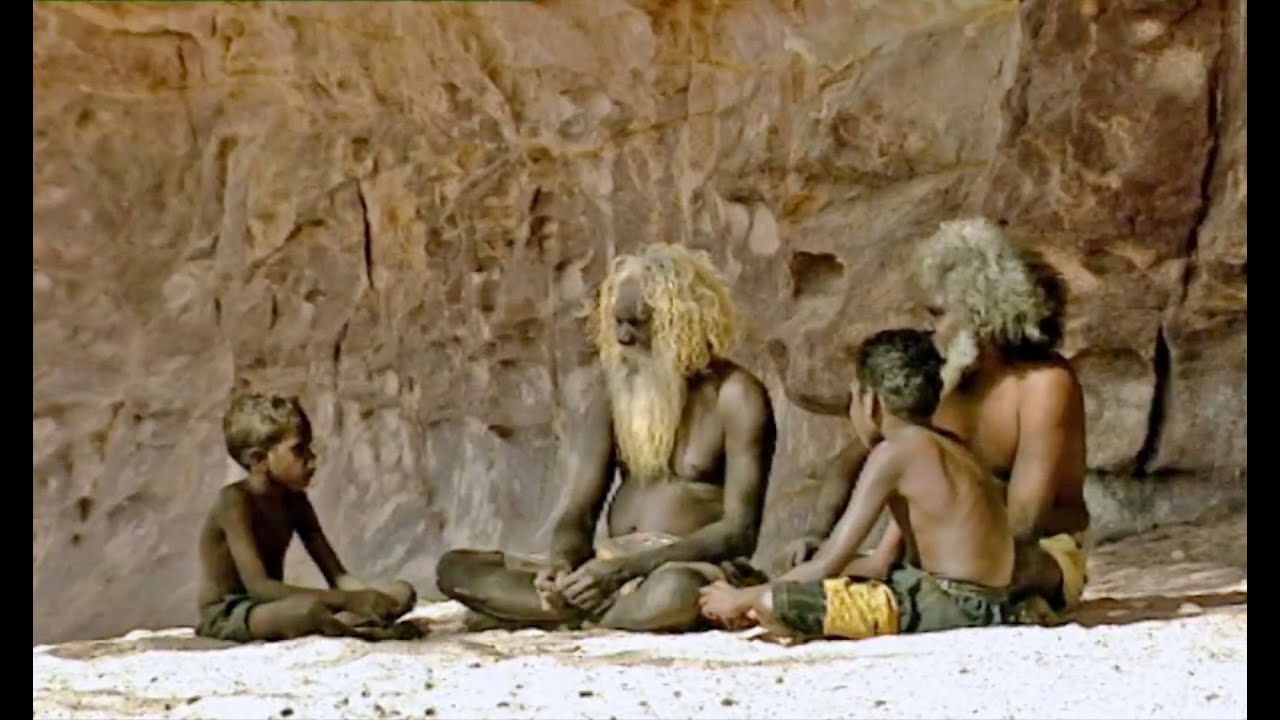
Cool article here from Nautilus on meaning of light in aboriginal cultures, and on the role of light as the inspiration of ritual.
Why Light Inspires Ritual
For Aboriginal cultures, light is a physical and spiritual guide.
By Caspar Henderson
Illustration by Francesco Izzo March 27, 2014
SOME YEARS AGO, cultural anthropologist Veronica Strang was fishing on a trip to the Orinoco River in South America. When the fish didn’t bite, she settled for a walk along the riverbank. “The light filtering through the rainforest canopy threw a shimmering green lacework onto the water, and suddenly there were bright yellow butterflies everywhere—thousands of them,” she recently recalled. “Their wings were a gorgeous egg-yolk yellow and, fluttering in the sun, they filled the air with magical, dancing light. It was like walking into a spell.”
Strang, a dynamic and compact woman in her early 50s, has taken home numerous accolades for her work, including UNESCO’s International Water Prize for two decades of studying the cultural meanings of water around the world. And from South America she took home a deep curiosity about that wondrous moment by the Orinoco River, which she has since channeled into research.
This year Strang has turned her focus to explore whether the mesmerizing effect of light and water can drive cultural ritual and belief. How do these practices vary by culture, and how can they stimulate people’s engagement with nature?
Does it matter that in the largely urban and industrial West we largely rely on artificial light, which seldom evokes the same feelings of wonder in individuals or fosters a connection to the natural world? Can we learn from the Aboriginal people of Australia who still rely on natural light for everyday use and center many of their religious rites around it?
She spoke to Nautilus from her office at Durham University, next door to the hulking, nearly 1,000-year-old Durham Cathedral.
Tell me about how light creates “wonder.”
Wonder comes from all sorts of light. People tend to appreciate unusual light phenomena such as sunrises and sunsets, rays from behind clouds, exciting color contrasts, and rainbows. And while cultures vary, our shared sensory avenues for engaging with the world explain why we’re similarly affected by light. The Aboriginal people in Queensland, Australia, where I have worked for many years, may not have the same conversations that we do about the beauty of light and water, but they do sit and gaze at water bodies. And they generate ideas about what water and light mean.
What are some of these ideas?
The notion of visibility and invisibility is central to Aboriginal thinking. There is the invisible and immaterial world that is held within the land where ancestral beings reside. From there, they generate life and emanate power upward into the visible material world. The notion that it’s the ray of light that rouses the spirit is all around their mythology. Even the words they use to describe the spiritual movement from the ancestor to a human being can be translated roughly into English as “becoming visible” or “becoming material.”
So light makes the Aboriginal ancestral beings visible?
Yes, and it’s usually done through the interplay with water. Aboriginal Australia’s major ancestral being, the Rainbow Serpent is, in a sense, composed of water and its power is emitted by light or shine. Many other ancestral powers are contained in sacred water spots that are brought into the visible world through the shimmering water surface. A similar idea applies to rock and body art: The dots and patterns painted on the landscape or on the body represent the emanation of ancestral forces—their shimmer makes them manifest. In songs and stories too, “things that shine” are quite literally powerful and alive. The process of retelling the myths is meant to evoke the ancestors.
Are there specific rituals relating to how light interplays with water?
The most common and important ritual in Aboriginal Australia is that of baptism (that has the same name as the Christian ritual in English but isn’t related to it) which involves the splashing of water from sacred places onto people from other clan groups. The ancestral beings of that place will now know them and grant them safe passage through the area. There is also the “passing through the Rainbow” ritual, where people are immersed in places where the Rainbow Serpent resides so the person gains sacred knowledge, and is thus considerably empowered.
How do the Aboriginals make use of light in their everyday lives?
Even in a time when GPS devices are widely available, many Aboriginal Australians situate themselves in the land through an acute awareness of the characteristics of natural light in different times and places. Many of the parts of Australia where they tend to live are quite flat and covered with thin open forest, and there may be few landmarks or distinct features. Traditionally, clans have known every part of their estates intimately, but part of how they would read the environment would entail following the light of the sun and stars. There is an entire Aboriginal cosmology in which star patterns are described in their indigenous terms: instead of “Orion’s Belt” or “The Plough,” there are constellations known as “The Emu,” “The Snake,” and suchlike. The Milky Way appears in ancestral stories as a Sky River.
Many Aboriginal communities also depend heavily on fishing. People spend hours beside waterholes and estuaries scrutinizing light on water, where shifting patterns may indicate the flicker of fish or the presence of turtles—a favorite food. Or they may be keeping a lookout for the big and dangerous crocodiles, known as “salties,” that often find their way upstream during the wet season. So the need for light comes up over and over in daily life.
In addition to your research on Aboriginal culture, you also study Western individuals’ relationship to land and resources. What role does light play in establishing how we feel about, let’s say, the local park?
There is good evidence that people who are affected by nature tend to be better environmentalists. Places shimmering with water and light are known to attract attention. If you can get more people to connect with places viscerally you will likely raise their levels of concern. Many environmental organizations capitalize on this: They enable closer connections between people and lakes and rivers, and encourage local communities to care about and protect them.
Is there a reason why people are riveted by light and water?
In many cultures, but especially in the West, we tend to privilege our sense of sight above the other senses. Water’s capacity to reflect light is a particularly powerful sensory stimulus. So if you add together the fact that we prize visual experience, and that water and light in combination can produce large-scale, intricate, rapidly-moving patterns and effects with elements of both order and disorder, it seems reasonable to speculate that this is particularly stimulating and engaging to the brain, evoking something for which we can use the term wonder. There is, at least, a good research question here.
Is there a way to measure people’s emotional response to light and water?
A fruitful line of research, I think, would be comparing ethnographic accounts of watching the play of light on water with neuroscientific research on how light affects the eye, the brain, and the body. I suspect that the shimmer of light on water echoes what is going on inside our heads. This constant neurological “fizz” or “shimmering” of thoughts might remind us of the mesmerizing effect of sitting beside a glittering body of water, watching the light sparkle on the surface. This remains rather speculative, but when I interview people in cultures such as ours about their experiences with water, they very often talk about its powerful mesmerizing or hypnotic effects. The nascent science of how light and water affect the mind makes me understand better why indigenous peoples, such as the Aboriginal Australians, would have practices that involve it.
~ Caspar Henderson is the author of The Book of Barely Imagined Beings: A 21st Century Bestiary.