Showing posts with label dopamine. Show all posts

Wednesday, July 30, 2014

Epigenetic Tie to Neuropsychiatric Disorders Found


Scientists are beginning to identify some of the environmental influences on genes (epigenetics) that can lead to neuropsychiatric disorders. It's long been clear (to some of us) that this is a better explanatory factor for these disorders than pure heredity.

Epigenetic tie to neuropsychiatric disorders found

Date: July 21, 2014
Source: University of California - Irvine
Summary:
Dysfunction in dopamine signaling profoundly changes the activity level of about 2,000 genes in the brain's prefrontal cortex and may be an underlying cause of certain complex neuropsychiatric disorders, such as schizophrenia, according to scientists. This epigenetic alteration of gene activity in brain cells that receive this neurotransmitter showed for the first time that dopamine deficiencies can affect a variety of behavioral and physiological functions regulated in the prefrontal cortex.
DYSFUNCTION in dopamine signaling profoundly changes the activity level of about 2,000 genes in the brain's prefrontal cortex and may be an underlying cause of certain complex neuropsychiatric disorders, such as schizophrenia, according to UC Irvine scientists.

This epigenetic alteration of gene activity in brain cells that receive this neurotransmitter showed for the first time that dopamine deficiencies can affect a variety of behavioral and physiological functions regulated in the prefrontal cortex.

The study, led by Emiliana Borrelli, a UCI professor of microbiology & molecular genetics, appears online in the journal Molecular Psychiatry.

"Our work presents new leads to understanding neuropsychiatric disorders," Borrelli said. "Genes previously linked to schizophrenia seem to be dependent on the controlled release of dopamine at specific locations in the brain. Interestingly, this study shows that altered dopamine levels can modify gene activity through epigenetic mechanisms despite the absence of genetic mutations of the DNA."

Dopamine is a neurotransmitter that acts within certain brain circuitries to help manage functions ranging from movement to emotion. Changes in the dopaminergic system are correlated with cognitive, motor, hormonal and emotional impairment. Excesses in dopamine signaling, for example, have been identified as a trigger for neuropsychiatric disorder symptoms.

Borrelli and her team wanted to understand what would happen if dopamine signaling was hindered. To do this, they used mice that lacked dopamine receptors in midbrain neurons, which radically affected regulated dopamine synthesis and release.

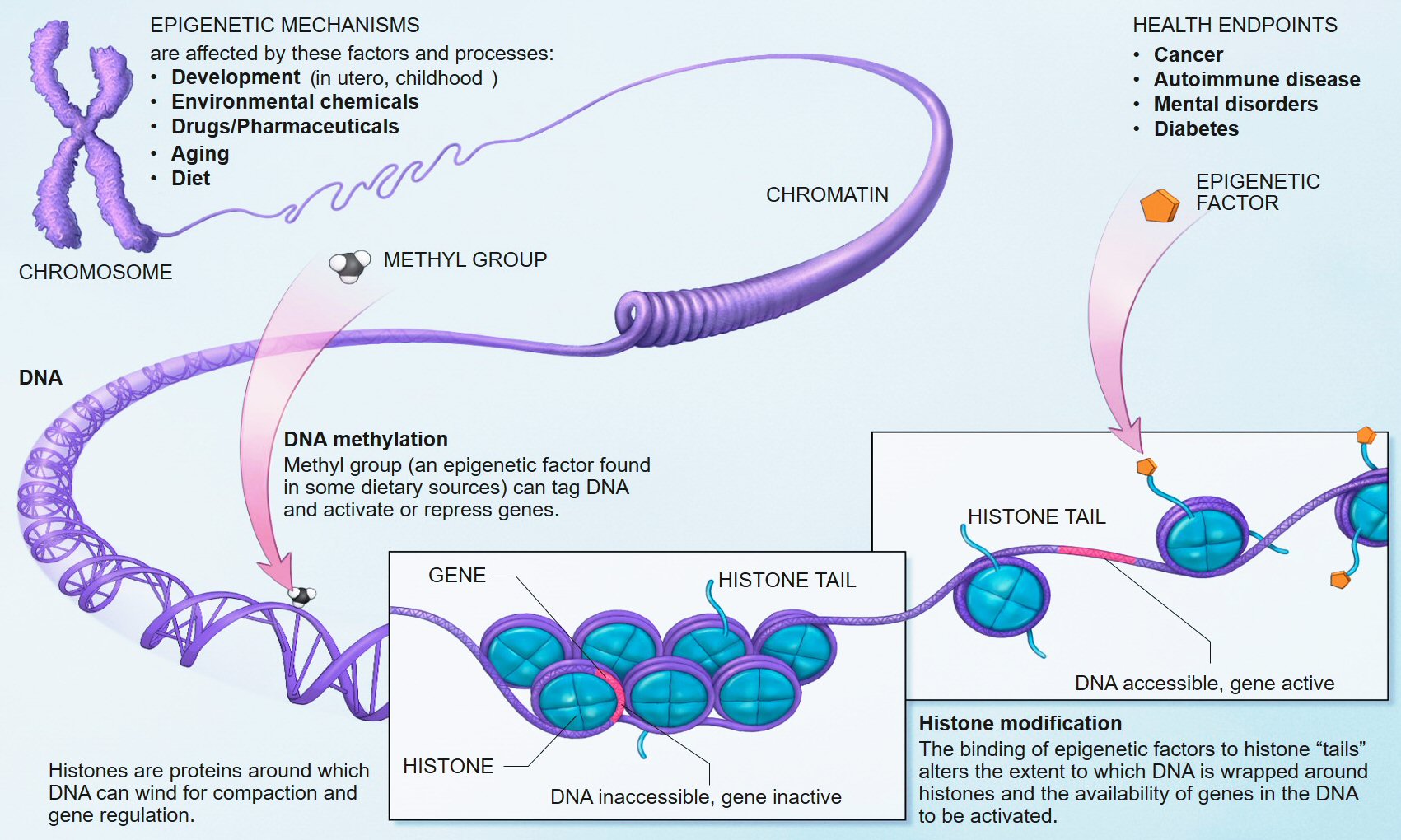
The researchers discovered that this receptor mutation profoundly altered gene expression in neurons receiving dopamine at distal sites in the brain, specifically in the prefrontal cortex. Borrelli said they observed a remarkable decrease in expression levels of some 2,000 genes in this area, coupled with a widespread increase in modifications of basic DNA proteins called histones -- particularly those associated with reduced gene activity.

Borrelli further noted that the dopamine receptor-induced reprogramming led to psychotic-like behaviors in the mutant mice and that prolonged treatment with a dopamine activator restored regular signaling, pointing to one possible therapeutic approach.

The researchers are continuing their work to gain more insights into the genes altered by this dysfunctional dopamine signaling.


Story Source:

The above story is based on materials provided by University of California - Irvine. Note: Materials may be edited for content and length.


Journal Reference:
Brami-Cherrier, K, Anzalone, A, Ramos, M, Forne, I, Macciardi, F, Imhof, A, Borrelli, E. (2014, Jul 15).  Epigenetic reprogramming of cortical neurons through alteration of dopaminergic circuits. Molecular Psychiatry; DOI: 10.1038/mp.2014.67

* * * *


Here is the original abstract of the article.


Epigenetic reprogramming of cortical neurons through alteration of dopaminergic circuits

K Brami-Cherrier, A Anzalone, M Ramos, I Forne, F Macciardi, A Imhof and E Borrelli

Abstract

Alterations of the dopaminergic system are associated with the cognitive and functional dysfunctions that characterize complex neuropsychiatric disorders. We modeled a dysfunctional dopaminergic system using mice with targeted ablation of dopamine (DA) D2 autoreceptors in mesencephalic dopaminergic neurons. Loss of D2 autoreceptors abolishes D2-mediated control of DA synthesis and release. Here, we show that this mutation leads to a profound alteration of the genomic landscape of neurons receiving dopaminergic afferents at distal sites, specifically in the prefrontal cortex. Indeed, we observed a remarkable downregulation of gene expression in this area of ~2000 genes, which involves a widespread increase in the histone repressive mark H3K9me2/3. This reprogramming process is coupled to psychotic-like behaviors in the mutant mice. Importantly, chronic treatment with a DA agonist can revert the genomic phenotype. Thus, cortical neurons undergo a profound epigenetic reprogramming in response to dysfunctional D2 autoreceptor signaling leading to altered DA levels, a process that may underlie a number of neuropsychiatric disorders.

Sunday, January 19, 2014

Why Sugar Makes Us Feel So Good (NPR)


Dr. Nicole M. Avena is the author of Why Diets Fail (Because You're Addicted to Sugar): Science Explains How to End Cravings, Lose Weight, and Get Healthy and the subject of this NPR story.

This revolutionary eating plan reveals definitive proof that sugar is addictive, and presents the first science-based program to cut out the sugar, stop the cravings that cause most diets to eventually fail, and lose weight--permanently.
If you’re like most people, you’ve tried a few (or maybe many) different diets without success. The truth is, most diets work for a while, but there’s usually a point at which the dietary restrictions become too difficult to maintain. Why? Because whether you’re following a low-carb, paleo, gluten-free, or even an all-liquid green juice diet, the addictive nature of sugar causes cravings to take over and sabotage your diet-of-the-moment.

In Why Diets Fail, Dr. Nicole M. Avena and John R. Talbott reveal definitive proof that sugar is addictive and present the first science-based program to stop the cravings and lose weight—permanently. A neuroscientist and food addiction expert, Dr. Avena has conducted groundbreaking research showing that sugar triggers the same responses in the brain as addictive drugs like cocaine, nicotine, and alcohol. And like those other substances, the more sugar you eat, the more you need to get the same pleasurable feelings. (No wonder your last diet didn’t stick.)

Avena and Talbott’s eight-step plan walks you through the process of going sugar-free and surviving the make-or-break withdrawal period—those first few weeks when your body feels the absence of its favorite sweetener most acutely. An easy-to-use Sugar Equivalency Table developed by Talbott lists the amount of sugar in hundreds of common foods so you know precisely what to eat and what to avoid. And when it comes to what you can eat, you have a lot to choose from. In fact, you’ll probably eat more on this diet than you normally do—while continuing to lose weight.

This science-based program is the diet to end all diets. It will help you break the yo-yo dieting cycle, end those maddening sugar cravings, and develop a new longing for the good food that will keep you fit, healthy, and happy.
Sugar (as well as gluten) is one of the most destructive substances in the human diet. Sugar acts much like heroin in the brain - a lot of dopamine gets released. The dopamine flood is not as great as with heroin, but it has many of the same addictive properties.

Why Sugar Makes Us Feel So Good

by Eliza Barclay
January 16, 2014


Last week, I reported that scientists are working their way toward a consensus that sugar is addictive. While some researchers are still hesitant to liken sweet stuff to drugs or alcohol, the evidence is accumulating to explain why some of us really struggle to resist or moderate our sugar intake. (I count myself among them.)

I mentioned a new book called Why Diets Fail (Because You're Addicted to Sugar): Science Explains How to End Cravings, Lose Weight, and Get Healthy by Nicole Avena, a neuroscientist and research psychologist at Columbia University who has done a lot of work in this area. She's particularly interested in the neurotransmitters and brain receptors involved in eating. In lab experiments with rats, she's shown how overeating tasty foods (like sugar) can produce changes in the brain and behavior that resemble addiction.

Avena has also just put out a clever TED-Ed video with colorful visuals to help explain the details of just why sugar makes our brains go bonkers.

As the video shows, the key player in the reward system of our brain — where we get that feeling of pleasure — is dopamine. Dopamine receptors are all over our brain. And doing a drug like heroin brings on a deluge of dopamine.

Guess what happens when we eat sugar? Yes, those dopamine levels also surge — though not nearly as much as they do with heroin.

Still, too much sugar too often can steer the brain into overdrive, the video says. And that kickstarts a series of "unfortunate events" — loss of control, cravings and increased tolerance to sugar. All of those effects can be physically and psychologically taxing over time, leading to weight gain and dependence.

The takeaway is pretty clear: If you're sensitive to sugar and inclined to indulge in a supersugary treat, do it rarely and cautiously. Otherwise, there's a pretty good chance that your brain is going to start demanding sugar loudly and often. And we're probably better off without that extra voice in our head.

Friday, July 19, 2013

Bethany Brookshire - Dopamine Is _________ Is it Love? Gambling? Reward? Addiction?

This article by Bethany Brookshire, which appeared recently at Slate, takes a look at all of the proclamations being made in the press about what dopamine (one of the primary neurotransmitters) does in the brain and how it affects our personalities.

As the article points out at the front:
Dopamine is love. Dopamine is lust. Dopamine is adultery. Dopamine is motivation. Dopamine is attention. Dopamine is feminism. Dopamine is addiction.
WOW. Who knew dopamine was so central to all of these functions or behaviors? Well, actually, it's not - but the media discussion of neuroscience research is often ignorant at best and flat wrong at worst.

The reality, as Brookshire points out, is that dopamine has to do with addiction, lust and love, movement, motivation, attention, and psychosis. Dopamine does play a role in each of these brain functions, BUT it is not any of them. We cannot reduce any of these qualities or functions to a single brain chemical - and we shouldn't allow the media to misrepresent the science.

Dopamine Is _________

Is it love? Gambling? Reward? Addiction?


By Bethany Brookshire | Posted Wednesday, July 3, 2013 

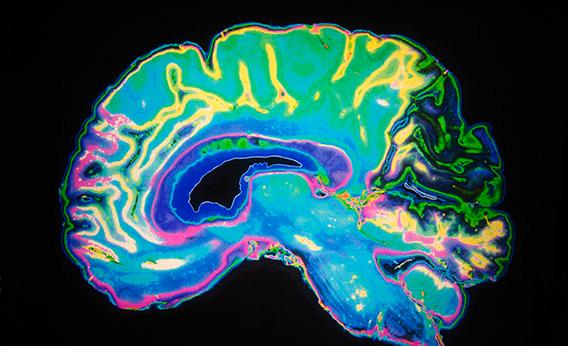
An MRI scan of the human brain - Photo by Katie Nesling/Thinkstock

In a brain that people love to describe as “awash with chemicals,” one chemical always seems to stand out. Dopamine: the molecule behind all our most sinful behaviors and secret cravings. Dopamine is love. Dopamine is lust. Dopamine is adultery. Dopamine is motivation. Dopamine is attention. Dopamine is feminism. Dopamine is addiction.

My, dopamine’s been busy.

Dopamine is the one neurotransmitter that everyone seems to know about. Vaughn Bell once called it the Kim Kardashian of molecules, but I don’t think that’s fair to dopamine. Suffice it to say, dopamine’s big. And every week or so, you’ll see a new article come out all about dopamine.

So is dopamine your cupcake addiction? Your gambling? Your alcoholism? Your sex life? The reality is dopamine has something to do with all of these. But it is none of them. Dopamine is a chemical in your body. That’s all. But that doesn’t make it simple.

What is dopamine? Dopamine is one of the chemical signals that pass information from one neuron to the next in the tiny spaces between them. When it is released from the first neuron, it floats into the space (the synapse) between the two neurons, and it bumps against receptors for it on the other side that then send a signal down the receiving neuron. That sounds very simple, but when you scale it up from a single pair of neurons to the vast networks in your brain, it quickly becomes complex. The effects of dopamine release depend on where it’s coming from, where the receiving neurons are going and what type of neurons they are, what receptors are binding the dopamine (there are five known types), and what role both the releasing and receiving neurons are playing.

And dopamine is busy! It’s involved in many different important pathways. But when most people talk about dopamine, particularly when they talk about motivation, addiction, attention, or lust, they are talking about the dopamine pathway known as the mesolimbic pathway, which starts with cells in the ventral tegmental area, buried deep in the middle of the brain, which send their projections out to places like the nucleus accumbens and the cortex. Increases in dopamine release in the nucleus accumbens occur in response to sex, drugs, and rock and roll. And dopamine signaling in this area is changed during the course of drug addiction. All abused drugs, from alcohol to cocaine to heroin, increase dopamine in this area in one way or another, and many people like to describe a spike in dopamine as “motivation” or “pleasure.” But that’s not quite it. Really, dopamine is signaling feedback for predicted rewards. If you, say, have learned to associate a cue (like a crack pipe) with a hit of crack, you will start getting increases in dopamine in the nucleus accumbens in response to the sight of the pipe, as your brain predicts the reward. But if you then don’t get your hit, well, then dopamine can decrease, and that’s not a good feeling. So you’d think that maybe dopamine predicts reward. But again, it gets more complex. For example, dopamine can increase in the nucleus accumbens in people with post-traumatic stress disorder when they are experiencing heightened vigilance and paranoia. So you might say, in this brain area at least, dopamine isn’t addiction or reward or fear. Instead, it’s what we call salience. Salience is more than attention: It’s a sign of something that needs to be paid attention to, something that stands out. This may be part of the mesolimbic role in attention deficit hyperactivity disorder and also a part of its role in addiction.

But dopamine itself? It’s not salience. It has far more roles in the brain to play. For example, dopamine plays a big role in starting movement, and the destruction of dopamine neurons in an area of the brain called the substantia nigra is what produces the symptoms of Parkinson’s disease. Dopamine also plays an important role as a hormone, inhibiting prolactin to stop the release of breast milk. Back in the mesolimbic pathway, dopamine can play a role in psychosis, and many antipsychotics for treatment of schizophrenia target dopamine. Dopamine is involved in the frontal cortex in executive functions like attention. In the rest of the body, dopamine is involved in nausea, in kidney function, and in heart function.

With all of these wonderful, interesting things that dopamine does, it gets my goat to see dopamine simplified to things like “attention” or “addiction.” After all, it’s so easy to say “dopamine is X” and call it a day. It’s comforting. You feel like you know the truth at some fundamental biological level, and that’s that. And there are always enough studies out there showing the role of dopamine in X to leave you convinced. But simplifying dopamine, or any chemical in the brain, down to a single action or result gives people a false picture of what it is and what it does. If you think that dopamine is motivation, then more must be better, right? Not necessarily! Because if dopamine is also “pleasure” or “high,” then too much is far too much of a good thing. If you think of dopamine as only being about pleasure or only being about attention, you’ll end up with a false idea of some of the problems involving dopamine, like drug addiction or attention deficit hyperactivity disorder, and you’ll end up with false ideas of how to fix them.

The other reason I don’t like the “dopamine is” craze is because the simplification takes away the wonder of dopamine. If you believe “dopamine is,” then you’d think that we’ve got it all figured out. You begin to wonder why we haven’t solved this addiction problem yet. Complexity means that the diseases associated with dopamine (or with any other chemical or part of the brain, for that matter) are often difficult to understand and even more difficult to treat.

By emphasizing dopamine’s complexity, it might feel like I’m taking away some of the glamour, the sexiness, of dopamine. But I don’t think so. The complexity of how a neurotransmitter behaves is what makes it wonderful. The simplicity of a single molecule and its receptors is what makes dopamine so flexible and what allows the resulting systems to be so complex. And it’s not just dopamine. While dopamine has just five receptor type, another neurotransmitter, serotonin, has 14 currently known and even more that are thought to exist. Other neurotransmitters have receptors with different subtypes, all expressed in different places, and where each combination can produce a different result. There are many types of neurons, and they make billions and billions of connections. And all of this so you can walk, talk, eat, fall in love, get married, get divorced, get addicted to cocaine, and come out on top of your addiction some day. When you think of the sheer number of connections required simply for you to read and understand this sentence—from eyes to brain, to processing, to understanding, to movement as your fingers scroll down the page—you begin to feel a sense of awe. Our brain does all this, even while it makes us think about pepperoni pizza and what that text your crush sent really means. Complexity makes the brain the fascinating and mind-boggling thing that it is.

So dopamine has to do with addiction, whether to cupcakes or cocaine. It has to do with lust and love. It has to do with milk. It has to do with movement, motivation, attention, psychosis. Dopamine plays a role in all of these. But it is none of them, and we shouldn’t want it to be. Its complexity is what makes it great. It shows us what, with a single molecule, the brain can do.