Showing posts with label healing. Show all posts

Tuesday, July 29, 2014

PsyBlog - 10 Remarkable Ways Nature Can Heal Your Mind


It seems to have taken a while to discover the obvious, but science is finally beginning to recognize how important it is for human beings to stay connected to nature, even in small ways, to maintain our physical and mental health. Until a few hundred years ago, most of humanity lived with an intimate connection to nature and the Earth - as it should be.

Here are a few previous news articles/studies on this topic.
The brief article below summarizes 10 specific ways that spending time in nature can improve mental and physical health.

10 Remarkable Ways Nature Can Heal Your Mind

Post image for 10 Remarkable Ways Nature Can Heal Your Mind


People now spend up to 25% less time enjoying nature than they did 20 years ago. What is that doing to our minds?

People are spending less and less time enjoying the outdoors and nature with every passing year.
 
The recent shift away from nature has been incredible: some studies estimate people now spend 25% less time in nature than they did 20 years ago (Pergams & Zaradic, 2007).

Instead, recreational time is often spent surfing the internet, playing video games and watching movies.

This is a pity not merely because of the physical benefits of being outside, but also because of the psychological benefits.

Here are 10 of the most remarkable ways in which being outside, in nature, can heal the mind.

1. Feel more alive

Being inside all the time gives you a dead, flat feeling.

Being in nature, though, makes people feel more alive, which several studies have confirmed (Ryan et al., 2010).

It’s not just about the extra amount of exercise people get when they’re in nature, it has its own special effect.

Nature itself genuinely makes people feel happier, more healthy and more energetic.

Professor Richard Ryan, who has studied how nature benefits the mind, said:
“Nature is fuel for the soul.
Often when we feel depleted we reach for a cup of coffee, but research suggests a better way to get energized is to connect with nature.”
And this extra vitality has all sorts of knock-on benefits:
“Research has shown that people with a greater sense of vitality don’t just have more energy for things they want to do, they are also more resilient to physical illnesses.
One of the pathways to health may be to spend more time in natural settings.”

2. 50% more creative

Going into nature for an extended period can have remarkable effects on creativity.

A recent study had participants take a four- or six-day trip into the wilderness.

Their study showed that…
“…four days of immersion in nature, and the corresponding disconnection from multimedia and technology, increases performance on a creativity, problem-solving task by a full 50 percent,” (Atchley et al., 2012)
Why does it work? The psychologists explained:
“Our modern society is filled with sudden events (sirens, horns, ringing phones, alarms, television, etc.) that hijack attention.
By contrast, natural environments are associated with gentle, soft fascination, allowing the executive attentional system to replenish.” (Atchley et al., 2012)

3. Reduce acute stress

The Japanese are big fans of walking in the forest to promote their mental health.

The practice is called shinrin-yoku, which literally means ‘forest bathing’.

One study conducted by Japanese researchers has found that the practice is particularly useful for those suffering acute stress (Morita et al., 2006).

Their study of 498 people found that shinrin-yoku reduced hostility and depression as well as increasing people’s liveliness compared to comparable control groups.

nature3

4. Ease dementia symptoms

Gardens in care homes may have therapeutic benefits for those suffering from dementia, according to a review of 17 separate studies (Whear et al., 2014).

Researchers at the University of Exeter Medical School found that gardens reduced patients’ agitation, encouraged activity and promoted relaxation.

The study’s lead author, Rebecca Whear, said:
“There is an increasing interest in improving dementia symptoms without the use of drugs.
We think that gardens could be benefiting dementia sufferers by providing them with sensory stimulation and an environment that triggers memories.
They not only present an opportunity to relax in a calming setting, but also to remember skills and habits that have brought enjoyment in the past.”

5. Improve memory

Short-term memory can be improved 20% by walking in nature, or even just by looking at an image of a natural scene.

Marc G. Berman and colleagues at the University of Michigan wanted to test the effect of natural scenery on cognitive function (Berman, Jonides & Kaplan, 2008).
In the first of two studies participants were given a 35 minute task involving repeating loads of random numbers back to the experimenter, but in reverse order.

After this they were sent out for a walk – one group around an arboretum and the other down a busy city street – both while being tracked with GPS devices.

They each repeated the memory test when they got back.

The results showed that people’s performance on the test improved by almost 20% after wandering amongst the trees. By comparison those subjected to a busy street did not improve.

6. Greater sense of belonging

A small study of 10 children from a mostly Christian background found that those who spent more time outside felt more humbled by nature’s power as well as feeling a sense of belonging in the world.

Being outdoors more also enhanced the children’s appreciation of beauty.

These children took greater notice of colour, symmetry and balance in nature as well as displaying greater imagination and curiosity themselves.

The study’s lead author, Gretel Van Wieren, commented:
“This is the first generation that’s significantly plugged in to a different extent and so what does this mean?
Modern life has created a distance between humans and nature that now we’re realizing isn’t good in a whole host of ways.
So it’s a scary question: How will this affect our children and how are we going to respond?”
bryant_park

7. Urban mental health boost

There is hope for those who live in cities.

The benefits from nature to people’s mental health aren’t restricted those who live in the countryside.

Moving to a greener urban area boosts mental health for at least three years.

The lead author Ian Alcock said:
“We’ve shown that individuals who move to greener areas have significant and long-lasting improvements in mental health.
These findings are important for urban planners thinking about introducing new green spaces to our towns and cities, suggesting they could provide long term and sustained benefits for local communities.”

8. Increase self-esteem

All kinds of exercise in nature can boost your self-esteem. And it’s surprising how little you have to do to get the boost.

One review analysed data from 1,252 people who took part in 10 different studies (Barton & Pretty, 2010).

People’s activities varied considerably, including things like gardening, walking, cycling, boating, fishing and horse-riding.

The study found that just 5 minutes ‘green exercise’ gave the largest boost to self-esteem.

9. Improve ADHD symptoms

Children with Attention Deficit Hyperactivity Disorder who play more outside have less severe symptoms, according to research.

Talylor and Kuo (2011) found that amongst 400 children diagnosed with ADHD, those that routinely played outside in green settings had better concentration.

Not only that but they were usually calmer, relaxed and happier.

The study even found that children who sat indoors looking out at a green space did better than those who were outside, but in a man-made environment without trees or grass.

That’s the power of the green spaces.

10. Help your brain work in sync

Tranquil natural scenes, like a seascape, cause vital areas of the brain to work in sync, according to researchers at the University of Sheffield (Hunter et al., 2010).

By contrast, man-made environments like roads disrupt connections within the brain.
Dr Michael Hunter, who lead the research, said:
“People experience tranquillity as a state of calmness and reflection, which is restorative compared with the stressful effects of sustained attention in day-to-day life.
It is well known that natural environments induce feelings of tranquillity whereas man-made, urban environments are experienced as non-tranquil."

Into the light…

As William Wordsworth put it:
“Come forth into the light of things, let nature be your teacher.”
Image credit: Ruben Alexander & Cedric Lange & Trey Ratcliff

Thursday, July 03, 2014

Your Sense of Humor Can Improve Your Health, Get You Pregnant, and Even Save Your Life

http://followthiscoach.files.wordpress.com/2012/07/laugh.jpg

I'm good with all of that except the pregnant part - that's not funny. This short article comes from The Atlantic and basically serves as a primer on the health benefits of humor and laughter - including a list of the studies Julie Beck used to write this article.

I am a firm believer in humor's healing power - the only "homework" I give to ALL of my clients is to laugh, somehow, some way, find something that makes you laugh, and laugh a lot.

Funny or Die

How your sense of humor can improve your health, get you pregnant, and even save your life

Julie Beck | May 21 2014

Rami Niemi

Laughter is the best medicine, or so the cliché goes. Actually, given the choice between laughter and, say, penicillin or chemotherapy, you’re probably better off choosing one of the latter. Still, a great deal of research shows that humor is extraordinarily therapeutic, mentally and physically.

Laughing in the face of tragedy seems to shield a person from its effects. A 2013 review of studies found that among elderly patients, laughter significantly alleviated the symptoms of depression [1]. Another study, published early this year, found that firefighters who used humor as a coping strategy were somewhat protected from PTSD [2]. Laughing also seems to ease more-quotidian anxieties. One group of researchers found that watching an episode of Friends (specifically, Season Five’s “The One Where Everybody Finds Out”) was as effective at improving a person’s mood as listening to music or exercising, and more effective than resting [3].

Laughter even seems to have a buffering effect against physical pain. A 2012 study found that subjects who were shown a funny video displayed higher pain thresholds than those who saw a serious documentary [4]. In another study, postsurgical patients requested less pain medication after watching a funny movie of their choosing [5].

Other literature identifies even more specific health benefits: laughing reduced arterial-wall stiffness (which is associated with cardiovascular disease) [6]. Women undergoing in vitro fertilization were 16 percent more likely to get pregnant when entertained by a clown dressed as a chef [7]. And a regular old clown improved lung function in patients with chronic obstructive pulmonary disease [8]. More generally, a mirthful life is likely to be a long one. A study of Norwegians found that having a sense of humor correlated with a high probability of surviving into retirement [9].

Unfortunately, there’s a not-so-funny footnote to all this: the people who are best at telling jokes tend to have more health problems than the people laughing at them. A study of Finnish police officers found that those who were seen as funniest smoked more, weighed more, and were at greater risk of cardiovascular disease than their peers [10]. Entertainers typically die earlier than other famous people [11], and comedians exhibit more “psychotic traits” than others [12]. So just as there’s research to back up the conventional wisdom on laughter’s curative powers, there also seems to be truth to the stereotype that funny people aren’t always having much fun. It might feel good to crack others up now and then, but apparently the audience gets the last laugh.


The Studies:

[1] Shaw, “Does Laughter Therapy Improve Symptoms of Depression Among the Elderly Population?” (PCOM Physician Assistant Studies dissertation, 2013)
[2] Sliter et al., “Is Humor the Best Medicine?” (Journal of Organizational Behavior, Feb. 2014)
[3] Szabo et al., “Experimental Comparison of the Psychological Benefits of Aerobic Exercise, Humor, and Music” (Humor, Sept. 2005)
[4] Dunbar et al., “Social Laughter Is Correlated With an Elevated Pain Threshold” (Proceedings of the Royal Society B, March 2012)
[5] Rotton and Shats, “Effects of State Humor, Expectancies, and Choice on Postsurgical Mood and Self-Medication” (Journal of Applied Social Psychology, Oct. 1996)
[6] Vlachopoulos et al., “Divergent Effects of Laughter and Mental Stress on Arterial Stiffness and Central Hemodynamics” (Psychosomatic Medicine, May 2009)
[7] Friedler et al., “The Effect of Medical Clowning on Pregnancy Rates After In Vitro Fertilization and Embryo Transfer” (Fertility and Sterility, May 2011)
[8] Brutsche et al., “Impact of Laughter on Air Trapping in Severe Chronic Obstructive Lung Disease” (International Journal of Chronic Obstructive Pulmonary Disease, March 2008)
[9] Svebak et al., “A 7-Year Prospective Study of Sense of Humor and Mortality in an Adult County Population” (The International Journal of Psychiatry in Medicine, June 2010)
[10] Kerkkänen et al., “Sense of Humor, Physical Health, and Well-Being at Work” (Humor, March 2004)
[11] Rotton, “Trait Humor and Longevity” (Health Psychology, July 1992)
[12] Ando et al., “Psychotic Traits in Comedians” (The British Journal of Psychiatry, May 2014)

Monday, April 14, 2014

Sacred Psychiatry in Ancient Greece - Georgios Tzeferakos & Douzenis Athanasios


This open access article from the Annals of General Psychiatry offers an interesting glimpse into the role of the psychological healer in ancient Greece, and to surprise, the role that shamanism played in their healing model. Cool stuff.

Full Citation:
Tzeferakos, G, and Athanasios, D. (2014, Apr 12). 'Sacred psychiatry in ancient Greece. Annals of General Psychiatry; 13:11. doi:10.1186/1744-859X-13-11

'Sacred psychiatry in ancient Greece'

Georgios Tzeferakos and Douzenis Athanasios
Author Affiliations
Published: 12 April 2014


Abstract (provisional)


From the ancient times, there are three basic approaches for the interpretation of the different psychic phenomena: the organic, the psychological, and the sacred approach. The sacred approach forms the primordial foundation for any psychopathological development, innate to the prelogical human mind. Until the second millennium B.C., the Great Mother ruled the Universe and shamans cured the different mental disorders. But, around 1500 B.C., the predominance of the Hellenic civilization over the Pelasgic brought great changes in the theological and psychopathological fields. The Hellenes eliminated the cult of the Great Mother and worshiped Dias, a male deity, the father of gods and humans. With the Father's help and divinatory powers, the warrior-hero made diagnoses and found the right therapies for mental illness; in this way, sacerdotal psychiatry was born.

The complete article is available as a provisional PDF. The fully formatted PDF and HTML versions are in production. 

Introduction


Three basic trends in psychiatric thought can be traced back to earliest times: (a) organic approach, the attempt to explain diseases of the mind in physical terms; (b) psychological approach, the attempt to find a psychological explanation for mental disturbances; and (c) sacred or magical approach, which can be further divided into the animistic, mythological and demonological models [1]. The origin of the word ‘magic’ leads us back to the Persian religion. The prophet Zoroaster (sixth century B.C.) helped man in his struggle against evil. Aiding Zoroaster in his proselytization of the right road were the priests known as Mah (pronounced Mag), which meant ‘the greatest ones’. In subsequent years, the great Magi lost their high reputation and became known as charlatans and tricksters, hence, the connotation to the word ‘magic’ [2].
 

The magical sacred approach forms the primordial foundation for any psychopathological development because it reflects a modality of interpretation of reality that is innate to the prelogical human mind. The animistic model is based on prelogical, emotional reasoning, originating from certain historical conditions. Primitive man lived in deep communion with nature and perceived all phenomena to be connected by mysterious forces. Chance does not exist, and everything that happens has a precise meaning because the world is inhabited by animated entities that support every single event. Different feelings and emotions, psychosensorial disturbances, and delusions are the work of obscure and ineffable forces that people the world of nature and can act on a man's mind and soul [3].
 

Greek thought in the middle of the second millennium B.C. transformed the animistic conception into a naturalistic, anthropomorphic theology, in which indistinct and fluid forces were materialized in myths. Every symptom was thought to be caused by a certain deity, which could, if implored, benevolently cure it. The human passions, the emotional suffering from endopsychic conflicts, and the different psychiatric symptoms were projected and concentrated in a divine symbol. The myth was a form of knowledge that took place by symbolizing in concrete divine shapes the phenomena of nature and the complex life of the soul and mind. The ‘anthropomorphism’ of the Greek mythology, where even gods have feelings and emotions, is a historical breakthrough [4].
 

The genesis and the evolvement of the more elaborate mythological comprehension of the man and the universe are in a direct relationship with the historical dynamic process of an increasing complexity of the social structure. During the pre-Homeric era, in the Minoan and the Mycenaean societies, citizens were divided according to their financial status, to their position in the administrative hierarchy, and to their relationship with the kings. The king in these primitive societies was the sole judicial, legislative, and administrative authority. Another important criterion for the social position and integration in the different groups and ‘fratrias’, in the pre-Homeric and Homeric societies, was the genealogical lineage. Noble families claiming to have descended from mythological heroes gained social power and prestige.
 

The extensive colonization of the Mediterranean coast by the Greeks led to the emergence of new social groups. The merchants gained wealth and power and also became the bearers of new cultural, scientific, and political ideas taken from the neighboring nations. Gradually and through turbulent strife, the mainstay of the social structure in the ancient Greek world, the city-state (‘polis’) became the cradle of democracy. In the classical era, although the old noble families still held much of their power, the new wealthy aristocracy and the middle social clashes gained access to legislative, administrative, and judicial institutions. This social ‘democratization’ allowed and supported the great scientific and cultural changes that took place in this historical period.
 

Shamanism


Primitive man cured his minor troubles through various intuitive, empirical techniques. The first attempts to explain illness were equally intuitive: sometimes simple phenomena having a cause-and-effect relationship were easily understood (overeating and drinking may cause discomfort and thus purgatives will cure it); but that was not always the case. When the causes of an ailment were not obvious, primitive man ascribed them to the malignant influences of either other humans or divine beings and dealt with the former by magic or sorcery and the latter through magico-religious practices.
 

In these primitive societies, the typical witch, doctor, or shaman was a person capable of transcending into an ecstatic state, with the help of aromatic herbs, alcohol, seeds, and music. While being in ecstasy, he was able to communicate with the pathogenic spirits, drive them away, and thus cure the patient. In hunting societies, shamans acquire their healing powers from animal spirits [5]. A shaman was able to communicate with the beasts, travel through time and space, sink deep into the world of the spirits, and change his psychic and physical form.
 

When the Greeks colonized the Black Sea, during the seventh century B.C., they came in contact with shamanic rituals and beliefs. A key figure of shamanism was Pythagoras (sixth century B.C.). He was, in today's terms, a mathematician, astronomer, psychologist, psychiatrist, physician, musicologist, mystic, and philosopher. He gathered excessive wisdom by living through 10 or 20 human generations [6], and he believed in reincarnation (‘metempsychosis’). Through an indefinite cycle of psychic reincarnations, one could achieve immortality, a privilege seized only by the gods. Pythagoras could be considered the ‘father’ of Psychology since, as Porphyrios says, ‘He was the first one to define with precision the anthropocentric science, which teaches us the nature of an individual’ [7]. He was the founder of the encephalocentric doctrine which considered the brain as the seat of human consciousness, sensation, and knowledge and claimed that the psychic organ has a tripartite division, closely resembling the structural theory of Freud: (1) reason, which was the innate category of truth, (2) intelligence, which carried out the synthesis of sensory sensations, and (3) impulse, which derived from the soma. The rational part had its seat in the brain and the irrational one in the heart. Pythagoras considered the mental life to be a harmony supported by the relationship between antithetical forms: love-hate, good-bad, etc. Life itself was regulated according to this theory by opposite rhythmic movements, e.g., sleep-wakefulness, and mental symptoms originated from a disequilibrium of this basic harmony. The work of Pythagoras and Empedocles, originator of the cosmogenic theory of the four classical elements (fire, earth, air, and water), formed the basis for the humoral theory of Hippocrates [8]. Pythagoras stressed the value of group psychotherapy, medical herbs (opium for anxiety, cauliflower and scilla against depression, anis against epilepsy), and music for the treatment of emotionally ill patients [9]. On the other hand, the Pythagoreans avoided cauterizations and incisions [10]. According to Edebstein [11], the ‘Hippocratic oath’ is of Pythagorean origin because some of its main principles are the rejection of assisted suicide and abortion, the prohibition of surgical procedures, and public disclosure of medical cases. Hippocrates and his followers performed surgeries, administered drugs for abortion, and publicly discussed case reports, with direct reference to the patients' names [12].
 

The psychic immortality was a common belief between the Pythagoreans and the Orphic religious cult, which, according to Herodotus, originated from the Egyptian religion [13]. Fundamental feature of Orphism was the psychic ‘catharsis’ or cleansing, from somatic impulses and passions, through shamanic-like rituals, music, strict dietary practices, and exorcisms [14]. Psychically depressed patients were stimulated with Phrygian music, while the excited ones were sedated with the Doric tonalities. Orphic mysteries mainly practiced in Thrace descended to the Hellenic world from Northern Europe and Siberia [15].
 

Between legend and history: Melampus and Asclepius


Ancient Greek medicine was a complex practice perceived as something between myth and reality, as an expression of a magical divinatory, hieratic, and empirical technical practice. Examples of such interrelationship are the myths of Melampus, a priest-psychiatrist who allegedly lived in Argos 200 years before the Trojan War [16], and Asclepius who was considered to be the ‘god of medicine’ by the ancient Greeks [17].

Until the second millennium B.C., a female deity governed the Universe, according to the archaic Pelasgic religion. She was the Great Mother Earth, named Cybele or Selene or Hecate, who dominated man and predated other deities. She gave birth to all things, fertilized not by any male opposite but by symbolic seeds in the form of the wind, beans, or insects [18]. The Great Mother regulated the sexual and affective life and if angered could unleash malevolent influences that brought about zoopathic psychoses. The place of origin of her following is uncertain, but it is thought that she had popular followings in Thrace. Her most important sanctuary was Lagina, a theocratic city-state in which the goddess was served by eunuchs, called Dactyls [19].
 

The predominance of the Hellenic civilization, in the second millennium B.C., over the Pelasgic, modified the psychopathological interpretation. This fundamental change almost led to a civil war, with lots of killings, especially in the Delphi temple. The Hellenes eliminated the cult of Hecate and worshiped Dias, a male deity, the father of gods and humans. The warrior cult of the hero replaced that of the Mother earth. It was the hero who set himself up as a physician and priest against the forces of evil. With the Father's help and divinatory powers, he made diagnoses and found the right therapies for mental illness; in this way, sacerdotal psychiatry was born around 1500 B.C. [1].

Read the whole article by downloading the PDF from the link above.

Monday, February 10, 2014

Posttraumatic Growth - When Trauma Leads to Transformation


Post-traumatic growth refers to positive psychological change experienced as a result of the struggle with highly challenging life circumstances. These sets of circumstances represent significant challenges to the adaptive resources of the individual and pose significant challenges to individuals' way of understanding the world and their place in it. Posttraumatic growth is not simply a return to baseline from a period of suffering; instead it is an experience of improvement that for some persons is deeply meaningful. [Wikipedia]

This article from Stephen Joseph's Psychology Today blog, What Doesn't Kill Us, offers a brief overview of posttraumatic growth. I have also included a list of books and papers by the original researchers of this phenomenon, Richard Tedeshi and Lawrence Calhoun.

Posttraumatic Growth

The subversion of suffering

Published on February 8, 2014 by Stephen Joseph, Ph.D. in What Doesn't Kill Us

‘Suffering is universal: you attempt to subvert it so that it does not have a destructive, negative effect. You turn it around so that it becomes a creative, positive force.’ Those are the words of Terry Waite who survived four years in solitary confinement, chained, beaten and subject to mock execution.

Interest in how trauma can be a catalyst for positive changes began to take hold during the mid 1990’s when the term posttraumatic growth was introduced by two pioneering scholars Richard Tedeschi and Lawrence Calhoun.

The term posttraumatic growth proved to be popular and has since developed into one of the flagship topics for positive psychology.
In my book What Doesn't Kill Us: The New Psychology of Posttraumatic Growth (2013), I describe how after experiencing a traumatic event, people often report three ways in which their psychological functioning increases:
1. Relationships are enhanced in some way. For example, people describe that they come to value their friends and family more, feel an increased sense of compassion for others and a longing for more intimate relationships.

2. People change their views of themselves in some way. For example, developing in wisdom, personal strength and gratitude, perhaps coupled with a greater acceptance of their vulnerabilities and limitations.

3. People describe changes in their life philosophy. For example, finding a fresh appreciation for each new day and re-evaluating their understanding of what really matters in life, becoming less materialistic and more able to live in the present.
Importantly, and this just can’t be emphasized enough, this does not mean that trauma is not also destructive and distressing. No one welcomes adversity. But the research evidence shows us that over time people can find benefits in their struggle with adversity. Indeed, across a large number of studies of people who have experienced a wide range of negative events, estimates are that between 30 and 70% typically report some form of positive change

We can all use this knowledge to help us cope when adversity does strike, be it bereavement, accident or illness. We can seek to live more wisely in the aftermath of adversity and as the opening quote says, subvert suffering.

To find out more about my book on posttraumatic growth: http://www.profstephenjoseph.com

For even more information on postttraumatic growth, go to the source,
Richard G. Tedeschi, Ph.D., is professor of psychology at UNC Charlotte and a licensed psychologist. He received his B.A. in psychology from Syracuse University, his Ph.D. in clinical psychology from Ohio University, and completed his clinical psychology internship at the UNC School of Medicine. He is consultant to the American Psychological Association on trauma and resilience, and is a fellow of the division of trauma psychology. He is past president of the North Carolina Psychological Association.

Lawrence G. Calhoun, Ph.D., is professor of psychology at UNC Charlotte and a licensed clinical psychologist. Although his parents were North American, he was born and raised in Brazil. He is one of the pioneers in the study of posttraumatic growth and is author of several books. His most recent book, with Richard Tedeschi, is Posttraumatic Growth in Clinical Practice.

Books:

Papers:

Friday, February 07, 2014

End the Ban on Psychoactive Drug Research - The Editors of Scientific American

Hell yeah!

It's long-past time that we rework the "schedule" of controlled substances. LSD, ecstasy (MDMA), psilocybin (mushrooms), peyote (cactus), and marijuana, all of which have a history of use in healing, are listed in Schedule I, drugs have “no currently accepted medical use.” More specifically:
Substances in this schedule have no currently accepted medical use in the United States, a lack of accepted safety for use under medical supervision, and a high potential for abuse.
Of the drugs listed above, the only that has a potential for abuse is marijuana. If you take LSD, MDMA, psilocybin, or peyote two days in a row, the second day will be a sad disappointment. Hallucinogens have NO potential for addiction and DO have documented medical uses.

This is a real issue, not only for health and healing, but to limit these particular drugs (with no known toxicity in standard doses) is to legislate states of consciousness. Why are we allowing the government to dictate to us how we can experience this particular slice of reality?

End the Ban on Psychoactive Drug Research

It's time to let scientists study whether LSD, marijuana and ecstasy can ease psychiatric disorders

Feb 1, 2014 | By The Editors | Scientific American


Discovery of new psychiatric medication, whether for the treatment of depression, autism or schizophrenia, is at a virtual standstill. As just one example, the antidepressants on the market today are no more effective at reversing the mood disorder than those that first became available in the 1950s.

New thinking is desperately needed to aid the estimated 14 million American adults who suffer from severe mental illness. Innovation would likely accelerate if pharmacologists did not have to confront an antiquated legal framework that, in effect, declares off-limits a set of familiar compounds that could potentially serve as the chemical basis for entire new classes of drugs.

LSD, ecstasy (MDMA), psilocybin and marijuana have, for decades, been designated as drugs of abuse. But they had their origins in the medical pharmacopeia. Through the mid-1960s, more than 1,000 scientific publications chronicled the ways that LSD could be used as an aid to make psychotherapy more effective. Similarly, MDMA began to be used as a complement to talk therapy in the 1970s. Marijuana has logged thousands of years as a medicament for diseases and conditions ranging from malaria to rheumatism.

National laws and international conventions put a stop to all that. The Controlled Substances Act of 1970 declared that these drugs have “no currently accepted medical use” and classified them in the most stringently regulated category of controlled substances: Schedule I. The resulting restrictions create a de facto ban on their use in both laboratories and clinical trials, setting up a catch-22: these drugs are banned because they have no accepted medical use, but researchers cannot explore their therapeutic potential because they are banned. Three United Nations treaties extend similar restrictions to much of the rest of the world.

The decades-long research hiatus has taken its toll. Psychologists would like to know whether MDMA can help with intractable post-traumatic stress disorder, whether LSD or psilocybin can provide relief for cluster headaches or obsessive-compulsive disorder, and whether the particular docking receptors on brain cells that many psychedelics latch onto are critical sites for regulating conscious states that go awry in schizophrenia and depression.

In many states, doctors can now recommend medical marijuana, but researchers cannot study its effects. The uneasy status quo leaves unanswered the question of whether the drug might help treat attention-deficit hyperactivity disorder, nausea, sleep apnea, multiple sclerosis and a host of other conditions.

A few privately funded studies of these compounds have yielded tantalizing hints that some of these ideas merit consideration. Yet doing this research through standard channels, as psychopharmacologist David J. Nutt of Imperial College London and his co-authors noted in a recent article in Nature Reviews Neuroscience, requires traversing a daunting bureaucratic labyrinth that can dissuade even the most committed investigator. (Scientific American is part of Nature Publishing Group.) It can take years to receive approval for a clinical trial from both regulators and hospital ethics committees, even while tallying thousands of dollars in licensing fees and tens of thousands to obtain drugs that are, of course, unavailable from a chemical supply catalogue.

The endless obstructions have resulted in an almost complete halt in research on Schedule I drugs. This is a shame. The U.S. government should move these drugs to the less strict Schedule II classification. Such a move would not lead to decriminalization of these potentially dangerous drugs—Schedule II also includes cocaine, opium and methamphetamine, after all—but it would make it much easier for clinical researchers to study their effects.

If some of the obstacles to research can be overcome, it may be possible to finally detach research on psychoactive chemicals from the hyperbolic rhetoric that is a legacy of the war on drugs. Only then will it be possible to judge whether LSD, ecstasy, marijuana and other highly regulated compounds—subjected to the gauntlet of clinical testing for safety and efficacy—can actually yield effective new treatments for devastating psychiatric illnesses.


This article was originally published with the title "End the Drug War's Research Bans."

Sunday, December 15, 2013

Bessel van der Kolk - The Body Keeps the Score (Part Two)


The title of this talk is the nearly identical to that of a new book from Bessel van der Kolk due out in June, 2014 The Body Keeps the Score: Brain, Mind, and Body in the Healing of Trauma (pre-order at Amazon). I will be excited to see this new work - his research in the recent years has focused on yoga, tapping (Emotional Freedom Technique), chi gong, and neurofeedback, among other body-centered modalities for healing trauma.

What follows are my notes, as best as I can make them sensible from yesterday's 3 hour talk. This is part two - part one is here. This second installment is more than half of the talk and it gets into the neuroscience a lot more.


The Body Keeps the Score, Part II

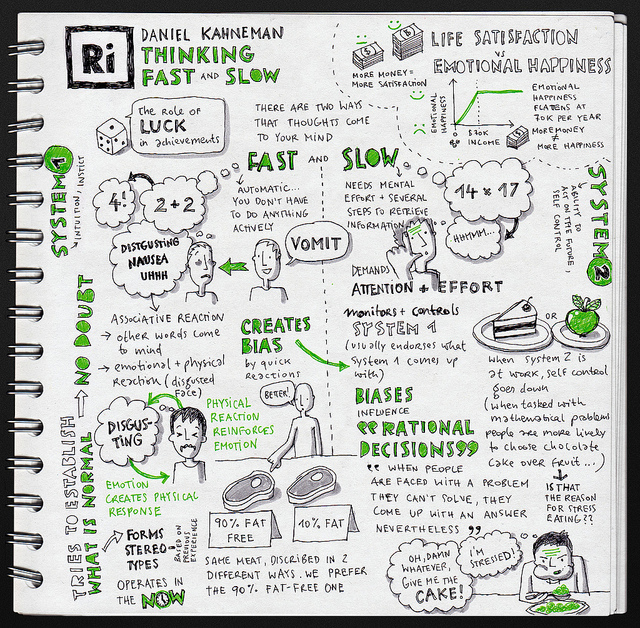
Mental illness is now conceived of as a dysfunction in brain wiring or function. However, 80-90% of our brain function is outside of our conscious control (fast thinking, or Type I), and only 10-20% of our brain function is consciously controlled (slow thinking, or Type II). [I am including the references to Daniel Kahneman's work, BvdK didn' t make these references].


Our brain stem does the basic housekeeping in the brain - controlling arousal, sleep, breathing, food/elimination, and chemical balance, among other things. In working with trauma, these core regulation functions must be stabilized BEFORE we can do any kind of deeper work. All of these functions, however, are outside of our verbal influence - we cannot talk our way to better sleep or out of hyper-arousal. Traditional talk therapy is helpless to reset these physiological regulatory functions.

Development


The limbic system comes online at birth and develops extensively through about age six, after which the primate brain is more the developmental focus. The limbic system controls right brain function (see Allen Schore), including affect regulation, interpersonal skills, and the core map of our self in relation to the world. [When Schore writes about affect dys/regulation and the development of the self, he is basically outlining the ways trauma impacts this core self map.]

Survivors of incest or molestation, and/or extreme neglect often talk about how they are evil or damaged or worthless. When we tell them that is not true, it can make them feel even worse, more alone and misunderstood - despite our good intentions, we have just told them again how wrong they are, even about their own reality. They need for us, as their therapists, to get how ugly they feel about themselves, how ugly their core self map really is.

We need to help them go inside themselves with an adult ego and notice what happened to them without dissociating or avoiding. There is no need to relive the memories, only to witness them as an observer (the reliving of a memory is known entering the memory field). If they bring adult awareness to wounded child-part of themselves, it becomes easier to regulate the core brain stem functions. [This is the foundation of self compassion training.]

Brain Anatomy


According to Antonio Damasio, fear is held in the cerebellum and brain stem (including the amygdala), but these systems are not accessible by the cerebral cortex or the prefrontal cortex. In addition, the insula (which plays a major role in sense of self, acting as an integration point between body systems and higher order functions), is nearly always damaged in trauma survivors.

Because of this, the core experiential self (Damasio's proto-self) gets hijacked by the trauma - yet this experiential self is essential in healing the trauma. The only way to heal this self through verbal approaches is to describe it in very precise sensory detail (smells, sounds, tastes, pressure on the skin, and so on). Again, this is a challenge because the left anterior prefrontal cortex (including Broca's Area) goes offline when the trauma system is activated, which limits the ability to talk about it.


When the trauma system is activated there is a shift to right brain function, including the amygdala, the insula, and the anterior temporal lobe. As this occurs, the dorsal lateral prefrontal cortex (site of working memory, integrating past, present, and future) goes offline, which is why we get stuck in the trauma as if we are always in that horrific moment/experience. Negative cognition's are often a form of verbal flashback to thoughts we had while in the neurochemical soup of the trauma experience.

The thalamus integrates sensory and temporal data into a story explaining who we are, where we are, and what we are doing. This process is seriously compromised in trauma so any sense data similar to the original sensory data triggers a flashback experience.

People who shut down or dissociate during the trauma experience can often remain in that state even while retelling their story - unless we can get them to focus on their interiority (interception) as experienced in sensory data during the traumatic event. In these survivors, brain activity throughout the whole brain is two standard deviations lower than the norm.

Emotional Freedom Technique


BvdK uses "tapping" to get dissociated people back into their bodies. EFT, which is based on pressure points, causes a decrease in limbic system activity, making it a solid grounding technology even where the verbal system fails. He is currently researching EFT, qi gong, chanting, and "om-ing," which seem to offer similar benefits.

Amygdala


The following information is based on a graph based on the work of Joseph LeDoux.

There are two pathways for threats to follow when they activate the limbic/amygdala (LA):
1. The threat can move from the LA to the basal ganglia, associated with movement, which leads to active coping (planning, action)
2. The threat can move from the LA to the central nucleus of the amygdala, which leads to passive coping (freeze, despondency). [BvdK did not mention this directly, but this what we often see in those with a number of adverse childhood experiences.]
Van den Kolk believes an amygdala stuck in these patterns can be rewired. Action resets the amygdala. Activities like boxing, tai chi, akido, and other martial arts are treatments, not simply physical activity. We need a visceral impact of something that felt bad (being connected to and in our bodies) now feeling good in order to rewire the amygdala. He is doing research on exactly this idea.

More information from Joseph LeDoux that supports BvdK's model:

As mentioned above, the dorsal lateral prefrontal cortex is where our working memory resides, as well as being the location of planning. It has no direct access to the amygdala and the limbic system, information out simply feeds back in.

However, the medial prefrontal cortex (and to a lesser extent, the posterior cingulate), which is where we process inner experience or interoception has a direct link to the amygdala and limbic system. This is the only system through which we can access and change our emotional self. This is the power of mindfulness practice, it's centered in the MPC. Dan Siegel is the current expert in this realm.

The moment of trauma often feels like forever because the dorsal lateral prefrontal cortex is offline during the initial trauma experience. The fact that Broca's Area also is offline during the experience means we have no words or language associated with the experience. We have images and other sense data, but not language.

The Body in Trauma


Trauma survivors often can't tell us where they feel things in their bodies. The body is too scary of a place to go into for them. We need to be persistent to get them to go inside, to activate the MPC. However, the earlier the trauma the harder it is to get them to go inside because they have no experience of interception that is not terrifying.

Part of the healing process involves helping them to feel safe in their own interior world, possibly for the first time. However, when clients go into the images, sounds, scents - into the wounding - the arousal system is activated, so we must monitor their reactions to keep them in the experience and not retreating into the story.

Trauma Repetition


BvdK has a theory that part of trauma repetition might be due to the release of endogenous opioid chemicals (about 8 mg worth) during the original trauma experience. Replaying the trauma activates all of them same brain chemicals as the original trauma, but in the absence of pain, the opioid drugs alter consciousness and can also generate nausea (many clients describe feeling sick after a replay of the original trauma.

Part of trauma repetition may be self-medicating with our own brain chemicals.

Internal Family Systems


BvdK has done considerable work with Richard Schwartz on his Internal Family Systems Therapy model, including appearances at the IFS conference. In this final piece of the talk, he brings in IFS as a way to work with emotions "exiled" in the body.

Allowing ourselves to feel the grief or fear or terror of the trauma and then use our adult self to comfort that wounded part of us brings the medial prefrontal cortex into connection with the trauma. It's somatic, experiential, and nonverbal.

Incest survivors almost universally hate and/despise the child part that was the victim of the molestation, which is likely true in survivors of repeated physical abuse or neglect.

These hated and despised parts of ourselves are known as exiles in the IFS model. It is the exile that holds the trauma memories and sensory data.

[ME: The psyche, through manager parts (pleaser, perfectionist, inner critic, for example) try to keep the exiled part locked a psychological closet, preferably forever. Should the managers fail, there are parts called firefighters whose job it is to jump into action and prevent those pesky exiles from breaking through into consciousness, usually through addictive behaviors (and even the addictive behaviors will one day fail.)

Monday, August 19, 2013

The Horse Boy - Autism, Horses, and Mongolian Shamans


When Rupert Isaacson and Kristin Neff (parents of Rowan) reach their limit in caring for their autistic son, having tried medications, diets, and everything else, they seek a more traditional method of healing - horses and shamans.
They journey to Mongolia with Rowan and seek out various shamans for healing, eventually making their way to the Reindeer People (who ride reindeer), where the possibility of a miracle healing is presented to them.

With commentary along the way from Dr. Temple Grandin and Dr. Simon Baron-Cohen, among others, we also learn what it means to have autism and to be non-neurotypical.


How far would you travel to heal someone you love? An intensely personal yet epic spiritual journey, THE HORSE BOY follows one Texas couple and their autistic son as they trek on horseback through Outer Mongolia, in a desperate attempt to treat his condition with shamanic healing. 
A complex condition that can dramatically affect social interaction and communication skills, autism is the fastest-growing developmental disability today. After two-year-old Rowan Isaacson was diagnosed with autism, he ceased speaking, retreated into himself for hours at a time, and often screamed inconsolably for no apparent reason. Rupert Isaacson, a writer and former horse trainer, and his wife Kristin Neff, a psychology professor, sought the best possible medical care for their son. But traditional therapies had little effect. 
 
Then they discovered that Rowan has a profound affinity for animals, particularly horses. When Rupert began to ride with Rowan every day, Rowan began to talk again and engage with the outside world. Was there a place on the planet that combined horses and healing? There was — Mongolia, the country where the horse was first domesticated, and where shamanism is the state religion. What if we were to take Rowan there, thought Rupert, and ride on horseback from shaman to shaman? What would happen? 
THE HORSE BOY is a magical expedition from the wild open steppe to the sacred Lake Sharga. As the family sets off on a quest for a possible cure, Rupert and Kristin find their son is accepted — even treasured — for his differences. By telling one family’s extraordinary story, the film gives a voice to the thousands of families who are living with autism every day. As Rupert and Kristin struggle to make sense of their child’s autism, and find healing for him and themselves in this unlikeliest of places, Rowan makes dramatic leaps forward, astonishing both his parents and himself.

Saturday, July 13, 2013

Shrink Rap Radio #359 – Addiction In The Realm of Hungry Ghosts with Gabor Mate

Dr. Gabor Mate is one of the important innovators in the realm of psychotherapy and addictions treatment. While not officially aligned with the interpersonal neurobiology group around Dr. Dan Seigel and Dr. Allan Schore (there is a book series from Norton centered on this topic), he is nonetheless squarely within this tradition in his understanding of the impact of early childhood adversity (abuse, neglect, etc.) on those who experience addiction and other forms of dysfunctional adaptive strategies.

Dr. Mate has also innovated the use of traditional psychoactive plants in the treatment of addiction, including ayahuasca (see this post from Beams and Struts) and ibogaine (see Ibogaine: Rite of Passage for a 50 minute documentary on this substance).

He is author of four books, including When the Body Says No: The Cost of Hidden Stress (2004) and In The Realm of Hungry Ghosts: Close Encounters With Addiction (2009).

I always enjoy listening to him being interviewed - hopefully you will too.

Shrink Rap Radio #359 – Addiction In The Realm of Hungry Ghosts with Gabor Mate

Posted on July 11, 2013
A psychology podcast by David Van Nuys, Ph.D.

 Standard Podcast [ 1:06:30 ] Hide Player | Play in Popup


Gabor Maté M.D. is a physician and bestselling author whose books have been published in nearly twenty languages worldwide. Dr. Maté is highly sought after for his expertise on a range of topics, from addiction and attention deficit disorder (ADD) to mind-body wellness, adolescent mental health, and parenting. A renowned thinker and public speaker, he addresses audiences all over North America, including professional and academic groups like nurses’ organizations, psychiatry departments, and corporate conventions, as well as presentations and seminars for local community groups and the general public. As a writer and speaker, he is widely known for the power, insight, clarity, candor, compassion, humor, and warmth of his presentations.

Common to all of Dr. Maté’s work is a focus on understanding the broader context in which human disease and disorders arise, from cancer to autoimmune conditions like MS, rheumatoid arthritis, ulcerative colitis, or fibromyalgia; childhood behavioral disorders like ADD, oppositionality, or bullying; or addiction, from substance abuse to obsessive gambling, shopping, or even workaholism. 
Rather than offering facile, quick-fix solutions to these complex issues, Dr. Maté weaves together scientific research, case histories, and his own insights and experience to present a broad perspective that enlightens and empowers people to promote their own healing and that of those around them. His approach is holistic and kaleidoscopic – linking everything from neurophysiology, immunology, and developmental psychology to economic and social policy – and even touches on the spiritual dimensions of disease and healing.

His books, all Canadian best-sellers, include:
copyright 2013: David Van Nuys, Ph.D.

Friday, July 12, 2013

Restoring the Body: Bessel van der Kolk on Treating Trauma with Yoga, EMDR, and Healing Therapies


Bessel van der Kolk is one of the major figures in the conception and treatment of trauma and post-traumatic stress. Among his many books are Traumatic Stress: The Effects of Overwhelming Experience on the Mind, Body and Society (2006), Psychological Trauma (1987), and Overcoming Trauma through Yoga: Reclaiming Your Body (2011).

On last week's On Being (NPR), Krista Tippett talks with van der Kolk about some of the newer body-centered approaches to treating trauma and traumatic stress.

Restoring the Body: Bessel van der Kolk on Treating Trauma with Yoga, EMDR, and Healing Therapies


July 11, 2013

Human memory is a sensory experience says psychiatrist Bessel van der Kolk. Through his longtime research and innovation in trauma treatment, he shares what he's learning how bodywork like yoga or eye movement therapy can restore a sense of goodness and safety. And what he’s learning speaks to a resilience we can all cultivate in the face of the overwhelming events that after all make up the drama of culture, of news, of life.


Voices on the Radio


Bessel van der Kolk is Medical Director of the Trauma Center at the Justice Resource Institute in Brookline, Massachusetts. He’s also Professor of Psychiatry at Boston University Medical School. His books include Traumatic Stress: The Effects of Overwhelming Experience on the Mind, Body and Society and Overcoming Trauma through Yoga: Reclaiming Your Body.

Production Credits

  • Host/Executive Producer: Krista Tippett
  • Senior Editor: Trent Gilliss
  • Senior Producer: David McGuire
  • Technical Director: Chris Heagle
  • Coordinating Producer: Stefni Bell

Pertinent Posts from the On Being Blog


Beyond PTSD to "Moral Injury"

For service members returning home from combat, PTSD diagnoses are commonplace and extensive. But one VA psychologist argues that the complications of PTSD compound to create a moral injury — one that requires a community, not a clinic, in order to heal.


Refugee Yoga in Beirut

Can a yoga class really make a difference in the midst of a war zone? Emily O'Dell on finding our way home.


Nature in Our Backyards: Healing Places, Sacred Spaces

Folks continue to gift us with picturesque images of their physical sanctuaries and healing spaces. The common themes? Home and nature.

Tuesday, July 09, 2013

An Introduction to Cultural Psychiatry w/ Laurence J. Kirmayer, MD

There are 22 videos in this playlist, which is a 12-lecture series of talks given by Laurence J. Kirmayer, MD, of McGill University. There is some really interesting stuff in these videos, with topics including "Trance, Possession and Dissociation in Cultural Psychiatry," "Culture and Emotions," and "Healing, Ritual and Psychotherapy," among others.

Dr. Kirmayer is the author of Understanding Trauma: Integrating Biological, Clinical, and Cultural Perspectives (2008), Healing Traditions: The Mental Health of Aboriginal Peoples in Canada (2009), and Cultural Consultation: Encountering the Other in Mental Health Care (International and Cultural Psychology) (July 31, 2013, listed at a mere $179.00), as well as other books.

Introduction to Cultural Psychiatry

Laurence J. Kirmayer, MD, FRCPC, (http://bit.ly/12Tpehc) is James McGill Professor and Director, Division of Social and Transcultural Psychiatry, Department of Psychiatry, McGill University. He is Editor-in-Chief of Transcultural Psychiatry, a quarterly scientific journal published by Sage (UK) and directs the Culture and Mental Health Research Unit at the Department of Psychiatry, Sir Mortimer B. Davis Jewish General Hospital in Montreal where he conducts research on mental health services for immigrants and refugees, psychiatry in primary care, the mental health of Canadian Aboriginal peoples, and the anthropology of psychiatry.

He holds a CIHR Senior Investigator Award for a research program entitled The integration of culture in psychiatric theory and practice, which includes studies on the relevance of the cultural formulation in psychiatric consultation and a cross-national comparative study of models of mental health care for multicultural societies.

His past research includes funded studies on the development and evaluation of a cultural consultation service in mental health, pathways and barriers to mental health care for immigrants, somatization in primary care, cultural concepts of mental health and illness in Inuit communities, risk and protective factors for suicide among Inuit youth in Nunavik (Northern Québec), and the role of metaphor in psychiatric theory and practice.

*****

Culture impacts mental illness so that culturally relevant care is needed for patients of diverse ethnic and cultural backgrounds. From a social point of view, there has been rapid social and cultural change, as well as migration within and between nations. Societies are becoming multi-ethnic and poly-cultural in nature worldwide. From a clinical perspective, there is a need to improve cultural competence to provide proper psychiatric care of each patient, considering the ethnic/race/cultural background, irrespective of minority or majority status. There is increasing awareness around the world of this need. There is a growing desire to study and communicate about the influence of cultural factors on psychological well-being, psychological stress and illness, and mental health care for people around the world.

Thursday, June 27, 2013

Levevei - Episode 78: When the Past Is Present w/ David Richo

James Alexander Arnfinsen (editor of the Levevei podcast series) recently posted an excellent conversation with American author and psychotherapist, David Richo. Infusing his books with Jungian psychology, spirituality (including Buddhism), and poetry, Richo is the author of How to Be an Adult in Love: Letting Love in Safely and Showing It Recklessly (2013), When the Past Is Present: Healing the Emotional Wounds that Sabotage our Relationships (2008), and Shadow Dance: Liberating the Power & Creativity of Your Dark Side (1999), among many, many other books.

Episode 78: When the past is present

Posted by James Alexander Arnfinsen × June 25, 2013


Podcast: Play in new window | Download (Duration: 48:21 — 44.3MB)


In this episode I have delight of connecting with psychotherapist and author David Richo from California, USA. In our conversation we explore the different ways in which transference plays a part in our daily lives, especially in intimate relationships. Why is it that our experiences from early life are carried over into the present? How come it´s so challenging to be fully present to the people we share our lives with? How can we address our unfinished business (such as unmet needs and emotional wounds from childhood) and resolve these issues as they arise in our daily life? These are just some of the topics covered in our dialogue, and David goes on to describe a relational practice called “safe conversations” that can support healing and growth in the midst of our relationships. Towards the end David shares his perspectives on the connections between psychological work and spiritual practice. 
 
If you feel inspired or provoked by our conversation feel free to add your comments after the interview. You can also send in a written piece of work and get it published together with this episode. Further details can be found here

Episode links:

Friday, June 21, 2013

Mu-Ming Poo, Ph.D. - Neural Plasticity: From Synapse to Perception


This is a video from the NIH (National Institutes of Health) Wednesday Afternoon Lecture Series.

Neuroplasticity is one of the hot topics in neuroscience, with new discoveries being published all of the time - in fact, there is a whole journal devoted to the topic. Here is a little background on neural plasticity from Wikipedia:
Neuroplasticity (from neural - pertaining to the nerves and/or brain and plastic - moldable or changeable in structure), also known as brain plasticity, refers to changes in neural pathways and synapses which are due to changes in behavior, environment and neural processes, as well as changes resulting from bodily injury.[1] Neuroplasticity has replaced the formerly-held position that the brain is a physiologically static organ, and explores how - and in which ways - the brain changes throughout life.[2] 
Neuroplasticity occurs on a variety of levels, ranging from cellular changes due to learning, to large-scale changes involved in cortical remapping in response to injury. The role of neuroplasticity is widely recognized in healthy development, learning, memory, and recovery from brain damage. During most of the 20th century, the consensus among neuroscientists was that brain structure is relatively immutable after a critical period during early childhood. This belief has been challenged by findings revealing that many aspects of the brain remain plastic even into adulthood.[3]  
*** 
Decades of research[6] have now shown that substantial changes occur in the lowest neocortical processing areas, and that these changes can profoundly alter the pattern of neuronal activation in response to experience. Neuroscientific research indicates that experience can actually change both the brain's physical structure (anatomy) and functional organization (physiology). Neuroscientists are currently engaged in a reconciliation of critical period studies demonstrating the immutability of the brain after development with the more recent research showing how the brain can, and does, change.[7]
This presentation is for professionals, but it's good.


Wednesday Afternoon Lecture Series

The cognitive functions of the brain, such as learning and memory, depend on the ability of neural circuits to change their properties of signal processing after the organism has used the circuits. Many of these use-dependent changes (“plasticity”) occur at synapses where signals are transmitted between neurons. Depending on the pattern of neuronal activities, repetitive synaptic transmission could cause long-term potentiation (LTP) or long-term depression (LTD) of the synapse in its efficacy for future transmission. Dr. Poo will summarize his studies on how the timing of neuronal activities spikes in the pre- and post-synaptic neurons and if it determines whether a synapse undergoes LTP or LTD. This phenomenon is known as Spike Timing-Dependent Plasticity (STDP); STDP may provide the mechanism for coding and storing the information on the temporal sequence and interval of sensory signals, two key elements of episodic memory. He will also discuss how neural plasticity shapes the development of neural circuits and offers the potential for functional recovery from injuries and diseases of the adult brain. Finally, to show that higher cognitive functions, such as self-awareness, may originate from experience-dependent neural plasticity, he will present preliminary findings showing that mirror self-recognition, a cognitive function known to be limited only to humans and great apes, could be acquired by rhesus monkeys following training for visual-somatosensory association. 
Author: Mu-Ming Poo, Ph.D., Paul Licht Distinguished Professor in Biology, University of California, Berkeley; Director, Institute of Neuroscience, Chinese Academy of Sciences, Shanghai 
Runtime: 01:09:22
Download: Download Video

Monday, June 10, 2013

Drama Therapy on All in the Mind

From Australia's All in the Mind podcast, Lynne Malcolm author and psychologist Robert Landry, actress Rebecca Nelson, and actress Helen Morse about drama therapy and the transformative power of dramatic performance to heal.

Drama Therapy


Sunday 9 June 2013

IMAGE: THE LATE CARIS CORFMAN BEFORE HER BRAIN TUMOUR

Ever thought about what happens in the brains of actors and the audience during a theatrical performance? We hear about the therapeutic power of drama—and the story of how one actress, who lost her short term memory as the result of a brain tumour, found new meaning by writing and performing her own one-woman show.


Robert Landy, Professor of Educational Theatre and Applied Psychology, New York University
Rebecca Nelson, New York actress, Co-director of film "Caris' Peace" with Gaylen Ross, Friend of Caris Corfman
Helen Morse, Award winning Australian actress, plays Peggy in the play "Sundowner"

Publications

Drama Therapy: Concepts, Theories, and Practices
Robert J.Landy

Films

Caris' Peace directed by Gaylen Ross & Rebecca Nelson
Homepage: http://www.imdb.com/title/tt1047450/

Further Information

Sundowner production details

Presenter: Lynne Malcolm