Showing posts with label mental health. Show all posts

Sunday, November 02, 2014

Is Modern Culture Making Us Crazier?

From The New Republic, author and psychologist Martha Stout (The Sociopath Next Door, The Myth of Sanity, The Paranoia Switch) reviews the new book from brothers Joel and Ian Gold, Suspicious Minds: How Culture Shapes Madness.

This looks like an excellent and important book - we too often neglect the cultural context of "madness."

Is Modern Culture Making Us Crazier?

The science behind America's deepening disturbance


By Martha Stout
July 31, 2014 | The New Republic

A young friend recently shared with me her experience of being stopped by the police on an otherwise uneventful Tuesday morning. With one arm protectively wrapped around her shoulder bag because it had a broken latch, she’d been walking along a city street. Unbeknownst to her at the time, a shooting had occurred the previous day in the same neighborhood. Three police officers, two male and one female, approached her. They demanded to know whether she had a gun under her arm, took her bag from her, and looked inside. No gun. They checked her identification. No record. (As far as I know, this young woman hasn’t so much as a traffic ticket.) She was completely cooperative throughout.

The female officer then patted her down, which my friend said she tolerated by deliberately becoming a little dissociative—“spacing out”—until the stranger’s hands finally finished their journey over her body. Then, though there was no gun in it, the two male officers decided to search her shoulder bag again, item by item. Riffling through her wallet, they found a condom, and that discovery grabbed their attention.

“Oh look. We’ve got a young slut here,” said one, waving the condom. All three officers laughed.

My friend, very scared by now, said nothing.

Finally, they let her go. As she walked away, the female officer called after her, “Guess you came here ready to fuck anyone you wanted to, didn’t you?”

I find this officer’s parting salvo grimacingly ironic.

These days, mind-spinning stories of misogyny assail us from all over our country, and indeed, this account is hardly the worst. But knowing the victim personally, and understanding that she will carry the hateful essence of this ridicule with her for a long time to come, I was especially saddened. And for me, one of the most disheartening features of this incident was the fact that the young woman who endured it was not even taken aback. Far from being shocked and outraged, she was not even surprised. When I asked her about her reaction, she explained, “I was very upset, but no, I wasn’t surprised. If you walk around alone, you kind of expect this sort of thing to happen. It’s really only a matter of time.”

Is this frightening belief about the world a symptom of paranoia on her part? And, as the old saw goes, are you paranoid when they’re really out to get you? Most of her twenty-something years have been spent in a nation beset by furious cultural and political forces on a course to push back the legal standing and social status of women by half a century. As but two illustrations, there are Supreme Court actions such as the recent Hobby Lobby ruling and state-level abortion-restriction laws that are designed to make certain of women’s medical procedures as costly and humiliating as possible.

How much of an influence has the traumatized and reactive culture of a post-September 11 United States had on the mental status of this young citizen—and for that matter, on the mental status of the police officers who bullied her? And in general, how much, and in what ways, do events in the wider world affect our individual personalities? Societal factors clearly influence our observable behavior—what we will and won’t do in public on a day-to-day basis—but can societal, cultural, political, and even technological factors soak into our very psyches, infiltrate our inner cores and make lasting changes to who we are? This is a fascinating and in some cases alarming question, and is the basis of Joel and Ian Gold’s book, Suspicious Minds: How Culture Shapes Madness.


Suspicious Minds: How Culture Shapes Madness,
by Joel Gold and Ian Gold. Free Press.

Joel Gold, MD, Clinical Associate Professor of Psychiatry at the NYU School of Medicine, and his brother, Ian Gold, Ph.D., Associate Professor of Philosophy and Psychiatry at McGill University, discuss a number of psychotic patients who all have the same delusion—that the people in their lives are acting out a script, much like the family and friends of Jim Carrey’s character in the 1998 movie, The Truman Show. Juxtaposing recent research on schizophrenia with page-turning case studies of these paranoid patients, the Golds argue that psychotic delusions (not to mention mesmeric movie plots) are the result of interactions between the brain and the sociocultural world, and they bring to light the discipline-altering fact that culture has a role to play in the development of psychopathology generally.

If you happen not to be a psychiatrist or a psychologist, you might reasonably imagine that mental health professionals have written many other books on this crucial and intriguing question: Can zeitgeist have an enduring negative effect on the individual psyche? But the startling fact is that most of the relevant scholarly writings by psychopathologists are quite new (post-2001), and discussions for nonprofessionals are rare. Over the past 40 years or so, psychology has attempted to divvy up the causes of pathological conditions between two now-famous categories, “nature” (as transmitted genetically) and “nurture” (environmental influences). For various psychopathologies, including paranoid schizophrenia, and also normal “personality traits” (introversion/extraversion, conservatism/liberalism, rigidity/adaptability, and several dozen more), research has yielded remarkably consistent results, indicating that these differences among human beings are accounted for by genetic and environmental factors in more or less equal measure, with genetics sometimes edging out environment by a point or two (51 versus 49 percent, in some instances). This research has been indispensable to our growing appreciation of the role of genetics both in normal personality and in the mental illnesses.

Contrastingly, our conception of environmental influences has been biased and narrow. We have tended to think of “nurture” only in the familial sense: In mental health research, “environment” tends to mean child-rearing factors, which is to say the personalities and actions of parents and, to a lesser degree, siblings. That an individual’s personality or mental illness might be affected by environmental factors outside the home has been largely overlooked. Take the study of sociopathy, which is another profound form of psychopathology—this one characterized not by delusions but by the complete absence of conscience. Research indicates that the factors involved in sociopathy, like those in many other mental illnesses, are about 50 percent genetic and 50 percent environmental. But researchers have been perplexed because they have been unable to find specific child-rearing variables that would consistently account for the environment’s half in cultivating sociopaths. I maintain (in my book The Sociopath Next Door) that this half consists primarily of larger societal factors, and this idea would seem to be supported by the fact that the incidence of diagnosed sociopathy is significantly lower in certain East Asian countries (most notably Taiwan and Japan) than in North America. It seems likely that, in the United States especially, any genetic predisposition to sociopathy will be nurtured and shaped by a single-mindedly competitive and individualistic culture that regards “winning” and domination as the ultimate goods.

Why have psychologists who study pathology tried to divide up the causality universe between inborn tendencies and the family environment, and turned a mostly blind eye to influences from the wider world? One answer is that a cultural hypothesis frustrates prevention: Though correcting the child-rearing practices of a large group of people would be a tall order, setting out to alter the entrenched belief systems of an entire society is even more daunting and might eventually involve taking a political stance, something many clinical psychologists and psychiatrists are loathe to do.

Gold and Gold make it clear that psychiatry is dispensing with the possibility of cultural factors in mental disorder even more summarily than psychology has done. They write, “The social world is at the heart of our theory of delusions, and this puts us at odds with much of mainstream psychiatry.” Mental illness, they explain, “at least severe mental illness—is nothing more than genetic and neural dysfunction,” according to psychiatric dogma. They point to the large and growing number of psychiatrists who aspire to understand and treat mental disorders as brain disorders, and convincingly illuminate the losses that psychiatry may suffer on account of this new reductionism.

The central argument in Suspicious Minds derives from the increasingly accepted “social brain hypothesis,” the idea that the primary function of enlarged primate (and therefore human) brains is to deal with the cognitive challenges of living in groups. In reference to paranoid disorders in particular, Gold and Gold ask the question—“What sort of cognitive system is required to enable one to be sensitive to social threats?” In answer, they propose that the human brain contains an adaptive “Suspicion System,” which is “the solution that evolution came up with to enable us to pick up evidence of infidelity and other social threats for the purpose of early detection and defense.” In other words, courtesy of natural selection, we are all biologically prepared to be leery. They hypothesize that a healthy Suspicion System makes social life safer through “heightened responses to subtle, uncertain, and ambiguous signs of social danger,” but that a malfunctioning or overloaded Suspicion System “will sound the alarm without good reason and detect evidence poorly—that is, see malign intent where there is none.” Over time, an overreactive Suspicion System may inaugurate “an idiosyncratic belief that is firmly maintained despite rational argument or evidence to the contrary”—i.e., a paranoid delusion. The authors point out that the persecutory delusions of clinical paranoia are by far the most prevalent form of delusion the world over.


Paramount Pictures

The delusions of psychotic patients—that their lives are scripted, and that their friends are mere actors—recall the plot of The Truman Show.

Gold and Gold conclude that the “Truman Show delusions” of their paranoid patients express those patients’ fears of being controlled by what other people know about them: “Truman Show is a delusion of control in the age of surveillance.” They declare, “Reductionism in psychiatry constrains theory to operate within the skull or the skin. Our bet is that the outside world is going to matter as well.”

Suspicious Minds is a contrarian, insightful, and important book. Gold and Gold do not take on the more politically involved and incendiary aspects of our society, such as run-amok individualism—or the abuse of power and the national upsurge in misogyny that plagued my young friend on that demoralizing Tuesday morning. Nonetheless, their analysis of culture-linked paranoia comprises an effective argument that our seemingly endless struggle to align our society with our more enlightened ideals may be a fight for our very minds.


~ Martha Stout, Ph.D., is the author of The Myth of Sanity: Divided Consciousness and the Promise of Awareness, The Paranoia Switch: How Terror Rewires Our Brains and Reshapes Our Behavior--and How We Can Reclaim Our Courage, The Sociopath Next Door, and an upcoming book, The Sociopath Files.

Research Suggests That Psychiatric Interventions Like Admission to a Mental Facility Could Increase Suicide Risk

https://blogger.googleusercontent.com/img/b/R29vZ2xl/AVvXsEg5jbtRUnQgB3j8Fd1XCh3rJNXlo9Rz4L8e6yA8mneZTeym2koQKKeHY4e1RWCyZGLqMzEQDWhveAACDzd1j8qBliI3TM07LIbkwMTcHdHV0eeQkucIKpVwrU1INGcYuMUQ3BUz/s640/AngelinaJolie_Wionna_Rider-774812.jpg

Via Alternet . . . can't say I disagree with this, but in our community there is no other option when suicidal ideation becomes suicidal intent. It would be nice to have a non-clinical chill house for some people, with lots of rooms, where people in crisis (but who not violent or in psychosis) can talk to a professional, talk with other people, and just generally take a time out from life.

Can't see that happening now, considering we can barely fund community mental health programs in Arizona as it is.

The main here is important. A big part of the problem is that we define psychological distress as a brain disease, in whatever form it takes. Nevermind that the evidence for this belief suffers from an ignorance of developmental psychology, interpersonal neurobiology, and epigenetics.

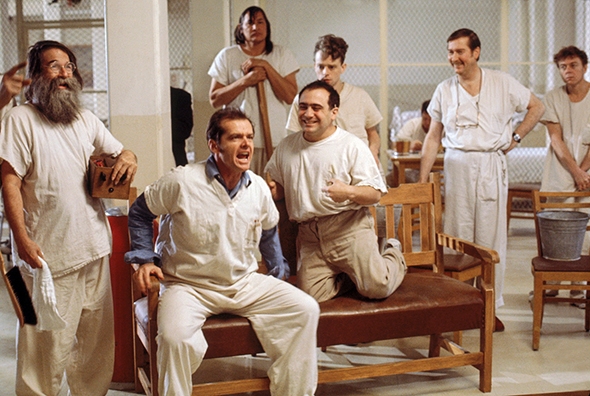
http://www.slate.com/content/dam/slate/articles/health_and_science/medical_examiner/2014/01/140113_MEDEX_PsychWardCuckoosNest.jpg.CROP.promovar-mediumlarge.jpg 

It's never as fun as it is shown to be in the movies.
 

Research Suggests That Psychiatric Interventions Like Admission to a Mental Facility Could Increase Suicide Risk

A major study identifying the highest risk factors for suicide we’ve ever found has been barely discussed.


AlterNet | October 23, 2014
By Rob Wipond

One of the most provocative studies of suicide ever done was published in the September edition of the journal Social Psychiatry and Psychiatric Epidemiology. It appeared shortly after Robin Williams’ suicide, and shortly before the World Health Organization’s World Suicide Prevention Day. Both of those events received widespread media attention, but this study was not reported by any media that I’ve seen, except relatively obscurely by me in my role as news editor for the online science and psychiatry community Mad In America.

The study looked at a broad population and identified some closely related, easily modifiable factors in people’s lives that were linked to being 6 times, 28 times, and even 44 times more likely to commit suicide.

It’s important to pause on those numbers. In the world of suicide prevention statistics, they are truly staggering. What other risk factor is associated with people being 44 times more likely to kill themselves? There aren’t any. Not even close. That’s why this year the US Preventive Services Task Force once again recommended against conducting suicide screening tests – they just aren’t reliable. That’s why the most sage advice that the American Foundation for Suicide Prevention’s web page about “Warning Signs” can provide us with is to check if our loved ones are “looking for a way to kill themselves” or “calling people to say goodbye.”

And that’s also why it’s all the more curious that this new study has gone largely unreported. Most discoveries of potential suicide risk factors -- no matter how seemingly tenuous -- ignite widespread discussion. For example, in June, NBC, Reuters, the Associated Press, NPR, USA Today, Bloomberg, the Washington Post and many other news media headlined a study that loosely linked US FDA warnings on antidepressants to a relative 30% increase or 0.0002% absolute increase in occurrences in drug poisonings, a tentative proxy for suicide attempts. Hundreds of outlets reported in September on a study that found increases in the rate of suicides to be associated with decreases in exposure to sunshine – differences in rates that were so low that no outlets I saw even bothered to quote the actual numbers. Another study covered recently in the American Psychiatric Association’s flagship Psychiatric News, and widely replayed in other media, sounded the alarm that not getting enough sleep was associated with a 1.2 times higher likelihood of suicide.

None of those studies proved that FDA warnings, clouds, or restless nights cause suicides, but the mere notion that they might was widely considered to be worthy of discussing. Yet in this more recent study, the researchers found increases in the rates of suicides climbing exponentially, by factors of 6, 28, 44…

So what were those dramatic increases linked to? University of Copenhagen researchers led a nationwide study in Denmark comparing individuals who died from suicide to matched controls between the years 1996 and 2009. They then graded the type of psychiatric treatment people had experienced within one year of their suicide on a scale which included no treatment, psychiatrically medicated, contact with an outpatient psychiatric clinic, entrance to a psychiatric emergency room, and admission, voluntarily or involuntarily, into a psychiatric hospital.

From 2,429 suicides and 50,323 controls, the researchers found that taking psychiatric medications during the previous year made a person 5.8 times more likely to have killed themselves. If a person had made contact with a psychiatric outpatient clinic, they were 8.2 times more likely to have killed themselves. Visiting a psychiatric emergency room was linked to a 27.9 times greater likelihood of committing suicide. And if someone had actually been admitted to a psychiatric hospital, they were 44.3 times more likely to have commited suicide within the year.

“Psychiatric admission in the preceding year was highly associated with risk of dying from suicide,” concluded the researchers. “Furthermore, even individuals who have been in contact with psychiatric treatment but who have not been admitted are at highly increased risk of suicide.” Essentially, the researchers found that increasing levels of psychiatric care are associated with “a severely increased risk of dying.” They concluded, “The public health significance of this finding may be considerable.”

What is the significance? The Danish researchers argued that we were seeing the results of something like a cancer treatment study. Sicker people were appropriately getting into more intensive treatments, but unfortunately the sicker they were the more likely it was that they would still die, despite even the best of medicines. They also suggested that we may have therefore discovered the most accurate predictor of suicide we’ve ever found: The more someone seeks or is forced into psychiatric care, the closer they probably are on the trajectory towards suicide.

The only problem with this line of reasoning is that there’s no evidence to support it. Suicide is not a progressive illness like cancer; that is, there’s no evidence that people with suicidal feelings travel on a trajectory of ever-intensifying, ever-more-constant suicidal feelings while getting into ever more intensive psychiatric care until they die at steadily increasing rates along the way. If suicidality was in fact progressive in that way, we’d be much better at identifying where people are along that path and intervening at the right time to prevent suicides. Instead, completed suicides tend to be impulsive, related to a myriad of cascading, confounding, unpredictable factors, not much more common overall in people diagnosed with mental disorders than in the general population, and most often surprising to even those closest to the victims.

So then what’s the real reason that this Danish study is showing a step-by-step trajectory of more people killing themselves as the intensity of their psychiatric care increases?

An accompanying editorial in the same journal by two Australian psychiatrists pointed down a different avenue of analysis.

The editorial authors noted that the study’s own findings showed that the odds of psychiatrists either identifying or successfully helping suicidal people seemed to steadily worsen as their time of exposure to those patients increased. That suggested a dose-effect relationship. It was like a graph showing suicides going up in relation to the amount of exposure to sunshine going down, except 26 or 44 times more vivid. “Associations that are strong, demonstrate a dose-effect relationship, and have a plausible mechanism are more likely to indicate a causal relationship than associations that lack these characteristics,” the editorial authors argued.

And what could that causal relationship be? “There is now little doubt that suicide is associated with both stigma and trauma in the general community,” the editorial stated. “It is therefore entirely plausible that the stigma and trauma inherent in (particularly involuntary) psychiatric treatment might, in already vulnerable individuals, contribute to some suicides… Perhaps some aspects of even outpatient psychiatric contact are suicidogenic. These strong stepwise associations urge that we pay closer attention to this troubling possibility.”

That “troubling possibility,” the editorial authors concluded pointedly, is that “psychiatric care might, at least in part, cause suicide.”

And that troubling possibility is likely at the root of the lack of media reporting and public discussion surrounding this study. The possibility it raises is extremely inflammatory. The study raises doubts about all of our well-intentioned campaigns to increase funding to the psychiatric care system and to bring psychiatry’s messages about mental illness and suicide more proactively into our schools and workplaces. It undermines many of the rationales behind the involuntary outpatient committal laws that are emerging around the country. And it casts a dark, sinister pall over the incessant refrain that people feeling suicidal should “seek help.”

Yet it’s important to recognize that this Danish study has not emerged in isolation. For example, several studies, including one of 100 countries in 2004 and of 191 countries in 2013, have shown links between increasing funding to modern, western-style psychiatric mental health systems and increasing – not decreasing – suicide rates. The authors of those studies did not uncover clear explanations for their findings. And this new Danish study, for its part, has simply more sharply identified the precise junctures in the psychiatric care system that are most strongly linked to those increasing suicide rates.

So we are left to speculate: What might be causing these striking numbers?

There’s no doubt that being treated with powerful psychiatric drugs against your will can be traumatizing for many people. Antidepressants are known to increase suicidal feelings in youth, and other psychiatric medications are strongly linked to increased suicidal feelings shortly after people begin to take them or change dosage levels. Many psychiatric medications also can cause disruptive or debilitating side effects that can have significant negative effects on overall quality of life.

However, I suspect that the real problem is more fundamental: It’s the very idea that “mental illness” is a “brain disease.” This is what most psychiatric professionals believe, and it’s the main message they give to patients seeking their help. This widely propagated idea is a mental-emotional toxic blight upon us all that’s ultimately killing far more people than it’s helping.

It is an unproven theory that psychological difficulties are symptoms of underlying, chronic diseases of the brain that require medications as treatment. No biological markers have yet been found for any syndromes described in the Diagnostic and Statistical Manual of Mental Disorders. Yet thanks to intensive promotion of biological psychiatric theories by pharmaceutical companies, psychiatric professionals and media, most people who’ve never researched the topic themselves quite reasonably assume that it was solidly established years ago that schizophrenia is caused by wayward genes, depression is biochemically induced, and psychiatric medications balance measurable imbalances in brain neurotransmitters.

Those theories help drug company profit margins, and can provide comforting reassurance that many of society’s social ills and life’s most profound pains can be solved with a pill – but they are just theories. Conversely, one need only imagine oneself in the position of patient to see how upsetting, even terrifying or emotionally crushing such an image of “mental illness” can often be.

Picture yourself going through intense, perhaps frightening psychological struggles, and feeling extremely vulnerable, and finally turning to professionals for help. And the first doctor you encounter looks into your eyes and tells you with an aura of authoritative medical certainty that you have an incurable brain disease that will require lifelong medicating with extremely toxic, potentially debilitating drugs just to – hopefully – keep it in check.

If you were feeling despair about your situation and suicidal before that conversation, how about after it?

In this light, a recent study by Emory University and University of Texas psychologists is not surprising, and provides a measure of hope. The researchers conducted a random-controlled trial where they gave a brief science lesson to one group of youth about neuroplasticity, neural pathway development, and other ways that brains can physically, neurologically change in response to lifestyle and thought-pattern changes. The youth who received that lesson experienced significant reductions in depression symptoms.


~ Rob Wipond is an investigative journalist and News Editor for the website Mad In America.

Saturday, October 18, 2014

Psychological Treatments: A Call for Mental-Health Science

From Nature back in July, 2014, this is a call for more interdisciplinary sharing between neuroscientists and counselors/psychologists. There is often, in my experience, very little cross-pollination of ideas between the objective science and the interpersonal/intersubjective space of treatment.


Reference:
Nature 511, 287–289 (17 July 2014)
doi:10.1038/511287a


Psychological treatments: A call for mental-health science 

Emily A. Holmes, Michelle G. Craske & Ann M. Graybiel
16 July 2014

Clinicians and neuroscientists must work together to understand and improve psychological treatments, urge Emily A. Holmes, Michelle G. Craske and Ann M. Graybiel.

Illustration by David Parkins

How does one human talking to another, as occurs in psychological therapy, bring about changes in brain activity and cure or ease mental disorders? We don't really know. We need to.

Mental-health conditions, such as post-traumatic stress disorder (PTSD), obsessive–compulsive disorder (OCD), eating disorders, schizophrenia and depression, affect one in four people worldwide. Depression is the third leading contributor to the global burden of disease, according to the World Health Organization. Psychological treatments have been subjected to hundreds of randomized clinical trials and hold the strongest evidence base for addressing many such conditions. These activities, techniques or strategies target behavioural, cognitive, social, emotional or environmental factors to improve mental or physical health or related functioning. Despite the time and effort involved, they are the treatment of choice for most people (see ‘Treating trauma with talk therapy’).

For example, eating disorders were previously considered intractable within our life time. They can now be addressed with a specific form of cognitive behavioural therapy (CBT)1 that targets attitudes to body shape and disturbances in eating habits. For depression, CBT can be as effective as antidepressant medication and provide benefits that are longer lasting2. There is also evidence that interpersonal psychotherapy (IPT) is effective for treating depression.  
SIDEBAR: Treating trauma with talk therapy

Ian was filling his car with petrol and was caught in the cross-fire of an armed robbery. His daughter was severely injured. For the following decade Ian suffered nightmares, intrusive memories, flashbacks of the trauma and was reluctant to drive — symptoms of post-traumatic stress disorder (PTSD).

Ian had twelve 90-minute sessions of trauma-focused cognitive behavioural therapy, the treatment with the strongest evidence-base for PTSD, which brings about improvement in about 75% of cases. As part of his therapy, Ian was asked to replay the traumatic memory vividly in his mind's eye. Ian also learned that by avoiding reminders of the trauma his memories remained easily triggered, creating a vicious cycle. Treatment focused on breaking this cycle by bringing back to his mind perceptual, emotional and cognitive details of the trauma memory.

After three months of treatment, Ian could remember the event without being overwhelmed with fear and guilt. The memory no longer flashed back involuntarily and his nightmares stopped. He began to drive again.

A house divided

But evidence-based psychological treatments need improvement. Although the majority of patients benefit, only about half experience a clinically meaningful reduction in symptoms or full remission, at least for the most common conditions. For example, although response rates vary across studies, about 60% of individuals show significant improvement after CBT for OCD, but nearly 30% of those who begin therapy do not complete it3. And on average, more than 10% of those who have improved later relapse4. For some conditions, such as bipolar disorder, psychological treatments are not effective or are in their infancy.

Moreover, despite progress, we do not yet fully understand how psychological therapies work — or when they don't. Neuroscience is shedding light on how to modulate emotion and memory, habit and fear learning. But psychological understanding and treatments have, as yet, profited much too little from such developments.

It is time to use science to advance the psychological, not just the pharmaceutical, treatment of those with mental-health problems. Great strides can and must be made by focusing on concerns that are common to fields from psychology, psychiatry and pharmacology to genetics and molecular biology, neurology, neuroscience, cognitive and social sciences, computer science, and mathematics. Molecular and theoretical scientists need to engage with the challenges that face the clinical scientists who develop and deliver psychological treatments, and who evaluate their outcomes. And clinicians need to get involved in experimental science. Patients, mental-health-care providers and researchers of all stripes stand to benefit.

Interdisciplinary communication is a problem. Neuroscientists and clinical scientists meet infrequently, rarely work together, read different journals, and know relatively little of each other's needs and discoveries. This culture gap in the field of mental health has widened as brain science has exploded. Researchers in different disciplines no longer work in the same building, let alone the same department, eroding communication. Separate career paths in neuroscience, clinical psychology and psychiatry put the fields in competition for scarce funding.

Part of the problem is that for many people, psychological treatments still conjure up notions of couches and quasi-mystical experiences. That evidence-based psychological treatments target processes of learning, emotion regulation and habit formation is not clear to some neuroscientists and cell biologists. In our experience, many even challenge the idea of clinical psychology as a science and many are unaware of its evidence base. Equally, laboratory science can seem abstract and remote to clinicians working with patients with extreme emotional distress and behavioural dysfunction.
 

Changing attitudes

Research on psychological treatments is, in the words of this journal, “scandalously under-supported” (see Nature 489, 473–474; 2012). Mental-health disorders account for more than 15% of the disease burden in developed countries, more than all forms of cancer. Yet it has been estimated that the proportion of research funds spent on mental health is as low as 7% in North America and 2% in the European Union.

Within those slender mental-health budgets, psychological treatments receive a small slice — in the United Kingdom less than 15% of the government and charity funding for mental-health research, and in the United States the share of National Institute of Mental Health funding is estimated to be similar. Further research on psychological treatments has no funding stream analogous to investment in the pharmaceutical industry.

This Cinderella status contributes to the fact that evidence-based psychological treatments, such as CBT, IPT, behaviour therapy and family therapy, have not yet fully benefitted from the range of dramatic advances in the neuroscience related to emotion, behaviour and cognition. Meanwhile, much of neuroscience is unaware of the potential of psychological treatments. Fixing this will require at least three steps.


Three steps

Uncover the mechanisms of existing psychological treatments. There is a very effective behavioural technique, for example, for phobias and anxiety disorders called exposure therapy. This protocol originated in the 1960s from the science of fear-extinction learning and involves designed experiences with feared stimuli. So an individual who fears that doorknobs are contaminated might be guided to handle doorknobs without performing their compulsive cleansing rituals. They learn that the feared stimulus (the doorknob) is not as harmful as anticipated; their fears are extinguished by the repeated presence of the conditional stimulus (the doorknobs) without safety behaviours (washing the doorknobs, for example) and without the unconditional stimulus (fatal illness, for example) that was previously signalled by touching the doorknob.

But in OCD, for instance, nearly half of the people who undergo exposure therapy do not benefit, and a significant minority relapse. One reason could be that extinction learning is fragile — vulnerable to factors such as failure to consolidate or generalize to new contexts. Increasingly, fear extinction is viewed5 as involving inhibitory pathways from a part of the brain called the ventromedial prefrontal cortex to the amygdala, regions of the brain involved in decision-making, suggesting molecular targets for extinction learning. For example, a team led by one of us (M.G.C.), a biobehavioural clinical scientist at the University of California, Los Angeles, is investigating the drug scopolamine (usually used for motion sickness and Parkinson's disease) to augment the generalization of extinction learning in exposure therapy across contexts. Others are trialling D-cycloserine (originally used as an antibiotic to treat tuberculosis) to enhance the response to exposure therapy6.

Another example illustrates the power of interdisciplinary research to explore cognitive mechanisms. CBT asserts that many clinical symptoms are produced and maintained by dysfunctional biases in how emotional information is selectively attended to, interpreted and then represented in memory. People who become so fearful and anxious about speaking to other people that they avoid eye contact and are unable to attend their children's school play or a job interview might notice only those people who seem to be looking at them strangely (negative attention bias), fuelling their anxiety about contact with others. A CBT therapist might ask a patient to practice attending to positive and benign faces, rather than negative ones.

In the past 15 years, researchers have discovered that computerized training can also modify cognitive biases7. For example, asking a patient (or a control participant) to repeatedly select the one smiling face from a crowd of frowning faces can induce a more positive attention bias. This approach enables researchers to do several things: test the degree to which a given cognitive bias produces clinical symptoms; focus on how treatments change biases; and explore ways to boost therapeutic effects.

One of us (E.A.H.) has shown with colleagues that computerized cognitive bias modification alters activity in the lateral prefrontal cortex8, part of the brain system that controls attention. Stimulating neural activity in this region electrically augments the computer training. Such game-type tools offer the possibility of scalable, 'therapist-free' therapy.

Optimize psychological treatments and generate new ones. Neuroscience is providing unprecedented information about processes that can result in, or relieve, dysfunctional behaviour. Such work is probing the flexibility of memory storage, the degree to which emotions and memories can be dissociated, and the selective neural pathways that seem to be crucial for highly specialized aspects of the emotional landscape and can be switched on and off experimentally. These advances can be translated to the clinical sphere.

For example, neuroscientists (including A.M.G.) have now used optogenetics to block9 and produce10 compulsive behaviour such as excessive grooming by targeting different parts of the orbitofrontal cortex. The work was inspired by clinical observations that OCD symptoms, in part, reflect an over-reaction to conditioned stimuli in the environment (the doorknobs in the earlier example). These experiments suggest that a compulsion, such as excessive grooming, can be made or broken in seconds through targeted manipulation of brain activity. Such experiments, and related work turning on and off 'normal' habits with light that manipulates individual cells (optogenetics), raise the tantalizing possibility of optimizing behavioural techniques to activate the brain circuitry in question.

Forge links between clinical and laboratory researchers. We propose an umbrella discipline of mental-health science that joins behavioural and neuroscience approaches to problems including improving psychological treatments. Many efforts are already being made, but we need to galvanize the next generation of clinical scientists and neuroscientists to interact by creating career opportunities that enable them to experience advanced methods in both.

New funding from charities, the US National Institutes of Health and the European framework Horizon 2020 should strive to maximize links between fields. A positive step was the announcement in February by the US National Institute of Mental Health that it will fund only the psychotherapy trials that seek to identify mechanisms.

Neuroscientists and clinical scientists could benefit enormously from national and international meetings. The psychological treatments conference convened by the mental-health charity MQ in London in December 2013 showed us that bringing these groups together can catalyse new ideas and opportunities for collaboration. (The editor-in-chief of this journal, Philip Campbell, is on the board of MQ.) Journals should welcome interdisciplinary efforts — their publication will make it easier for hiring committees, funders and philanthropists to appreciate the importance of such work.
 

What next

By the end of 2015, representatives of the leading clinical and neuroscience bodies should meet to hammer out the ten most pressing research questions for psychological treatments. This list should be disseminated to granting agencies, scientists, clinicians and the public internationally.

Mental-health charities can help by urging national funding bodies to reconsider the proportion of their investments in mental health relative to other diseases. The amount spent on research into psychological treatments needs to be commensurate with their impact. There is enormous promise here. Psychological treatments are a lifeline to so many — and could be to so many more. 


References at the Nature site.

Friday, October 10, 2014

All in the Mind - Schizophrenia—New Clues


This was last week's episode of the All in the Mind podcast from Radio National (ABC) in Australia.

Schizophrenia—New Clues

Sunday 5 October 2014 
As part of Mental Health Week, we discuss some of the intensive research efforts trying to uncover the mysteries of the devastating brain disease of schizophrenia.

Guests

Thursday, October 02, 2014

The Implications of the National Institute of Mental Health Research Domain Criteria for Researchers and Clinicians

http://www.div12.org/wp-content/uploads/2014/05/RDoC.jpg

The Research Domain Criteria (RDoC) signaled a major and controversial shift in the National Institutes of Mental Health (NIMH) research model and funding policy. It was designed to carry out "Strategy 1.4" of the NIMH Strategic Plan: "Develop, for research purposes, new ways of classifying mental disorders based on dimensions of observable behaviour and neurobiological measures." The singular aim of RDoC was to implement precision/personalized medicine (where the individual patient receives the right treatment, at the right time, at the right intensity, for as long as needed) in psychiatric clinical practice, equivalent to other branches of medicine. To accomplish this goal, all future research would have to both identify a molecular, genetic, or biological target and suggest possible (psychopharmacological) interventions.
 
This is probably one of the worst moves in the ongoing effort of psychiatry to become a science that I have ever seen. At the very best, this model can identify biological markers indicating the presence of potential for disease. BUT it tells us nothing about etiology and is completely divorced from the entirely human and relational sources of most psychological distress.


The implications of the National Institute of Mental Health Research Domain Criteria for researchers and clinicians

Citation:
S. D. Østergaard, M. Fava, A. J. Rothschild, K. M. Deligiannidis. (2014, Sep 9). The Implications of the National Institute of Mental Health Research Domain Criteria for Researchers and Clinicians. Acta Psychiatrica Scandinavica; DOI: 10.1111/acps.12331

The Research Domain Criteria (RDoC) project launched by the US National Institute of Mental Health (NIMH) in early 2009 [1] is a source of ongoing international discussion. For instance, the entire debate section of the February edition of World Psychiatry (the official journal of the World Psychiatric Association) was dedicated to a discussion of RDoC [2-7], emphasizing that the project is not only of interest to the research community in the USA, but to many other countries as well. But what is RDoC—and why is it causing such an intense debate among academic psychiatrists across the globe? The aim of this editorial was to answer these questions and to provide an overview of the background and likely consequences of RDoC, particularly for researchers and clinicians based outside the USA.

What is RDoC and why was it developed?


RDoC represents a major shift in the NIMH research strategy and funding policy. It was designed to carry out ‘Strategy 1.4’ of the NIMH Strategic Plan: ‘Develop, for research purposes, new ways of classifying mental disorders based on dimensions of observable behaviour and neurobiological measures’ [8]. The overarching aim of RDoC was to implement precision/personalized medicine (where the individual patient receives the right treatment, at the right time, at the right intensity, for as long as needed) in psychiatric clinical practice [9], equivalent to other branches of medicine [10-14].
The main driving force behind Strategy 1.4 of the NIMH Strategic Plan, and thus behind the conception of RDoC, was the lack of biological validity of mental disorders as currently defined by the two major diagnostic classifications [15], namely the Diagnostic and Statistical Manual of Mental Disorders (DSM) [16] and the International Classification of Disease (ICD) [17]. Despite decades of research, the pathophysiological mechanisms underlying the DSM/ICD mental disorders remain largely unknown [15]. This is probably, at least partly, a consequence of the significant heterogeneity contained within a diagnostic category [18-21]. Accordingly, no biological markers for illness or treatment stratification have been implemented in clinical practice due to insufficient sensitivity, specificity, and predictive validity [15]. Thus, with the ICD/DSM diagnoses being likely obstacles in the process toward precision medicine, the NIMH found it necessary to create a new platform for psychiatric research, which diverts from the traditional categorical DSM/ICD classifications of mental disorders (schizophrenia, bipolar disorder, major depressive disorder, anxiety, autism spectrum disorder, attention deficit hyperactivity disorder, substance use disorder, etc.).
RDoC urges scientists to study ‘fundamental biobehavioural dimensions that cut across current heterogeneous disorder categories’ [22], that is, to move away from the predominant use of DSM/ICD diagnoses as the sole basis for inclusion criteria in research studies. RDoC is initially intended to guide classification of patients for research studies and not as a clinical tool. It focuses on understanding dimensions of function (and dysfunction) from genes to circuits to clinical behaviour, rather than trying to understand the neurobiological underpinnings of a specific disorder. The belief is that this approach will more rapidly facilitate the elucidation of pathophysiology across psychiatric disorders and ultimately provide urgently needed insight to a more valid classification system and novel therapeutics, which can be utilized in the clinic.

How was RDoC defined?


An internal NIMH steering group advised by external experts met in 2009 to create the initial RDoC framework for conducting research on psychopathology. Based on the initial meetings, the group chose five major domains of functioning to represent central aspects of motivation, cognition, and social behaviour. Subsequent consensus workshops (which are ongoing), including both NIMH scientists and outside experts, developed the constituent elements for each of the five domains. The workshop participants deliberated over which constructs to include within each domain and how they were to be defined. The proceedings of these RDoC workshops are publically available at http://www.nimh.nih.gov/research-priorities/rdoc/index.shtml.
Thus, at the micro level, RDoC is best viewed as a matrix defined by five overarching ‘domains’: Negative valence systems, Positive valence systems, Cognitive systems, Systems for social processes, and Arousal/modulatory systems. Under each domain, a number of specifying dimensional ‘constructs’ and ‘subconstructs’ are listed. These constructs/subconstructs can be studied at different levels as indicated by the eight ‘units of analysis’: genes, molecules, cells, circuits, physiology, behaviour, self-reports, and paradigms. The domains, constructs/subconstructs, and units of analysis form the quite extensive matrix shown in Fig. 1, and the initial aim of the RDoC project was essentially to populate this matrix with results from research studies. The hope is that these results will eventually inform the diagnostic processes and choice of treatment in psychiatric clinical practice, thereby introducing precision medicine to psychiatry.

Figure 1. The National Institute of Mental Health (NIMH) Research Domain Criteria (RDoC) matrix. This version is slightly modified (the name of some constructs/subconstructs has been abbreviated) from the original version at: http://www.nimh.nih.gov/research-priorities/rdoc/nimh-research-domain-criteria-rdoc.shtml. The matrix consists of the five domains: Negative valence systems, Positive valence systems, Cognitive systems, Systems for social processes, and Arousal/modulatory systems. Under each domain, a number of specifying dimensional ‘constructs’ and ‘subconstructs’ are listed. These constructs/subconstructs can be studied at different levels as indicated by the eight ‘units of analysis’: genes, molecules, cells, circuits, physiology, behaviour, self-reports, and paradigms. *The working memory construct has a different format. See: http://www.nimh.nih.gov/research-priorities/rdoc/working-memory-workshop.pdf for full information.

What does a ‘prototypical’ RDoC study look like?


Research studies based on the RDoC framework will investigate one or more dimensional constructs which cut across multiple disorders as traditionally defined. Thus, studies may include study participants from varying diagnostic groups as appropriate to the research question. For example, historically a study aimed at examining activation of a neural circuit in a particular anxiety disorder would conduct a neuroimaging study in subjects who met criteria for that particular anxiety disorder and compare findings to healthy control subjects. The findings may be specific to that particular anxiety disorder, or as we increasingly understand, more commonly are found across disorders. A study using RDoC principles may instead examine the neurocircuitry underpinning acute threat, or fear, in both healthy controls and subjects presenting with anxiety, regardless of specific anxiety diagnosis, comorbid psychiatric diagnoses or symptom severity. Physiological measures and psychometrics, for example, could then be employed to test hypotheses about activation of specific brain areas in the fear circuit.
An important aim of emerging treatment studies funded by NIMH under the RDoC project will be to demonstrate ‘target engagement’, that is, to determine whether a novel treatment engages a hypothesized target and if by engagement of that target, the behaviour/psychopathology under study is modulated. Thus, treatment studies will contribute to our understanding of the pathophysiology of the disorder as well as identify optimal dosing and duration for the intervention. Targets for pharmacological agents can include molecular and circuit-level mechanisms or cognitive systems for psychological interventions, among others [23].

How has RDoC been received by the research community?


RDoC now constitutes one of the main criteria by which applications for NIMH funding are evaluated [24] and applies to all levels of psychiatric research from preclinical/biological studies, clinical trials (pharmacotherapy, neuromodulation, and psychotherapy), to mental health service intervention/implementation projects [8]. This major change in funding policy has caused quite a stir in the scientific community. In a recent commentary, NIMH Director, Dr. Thomas Insel stated that ‘RDoC is already freeing investigators from the rigid boundaries of symptom-based categories’ [9]. Not all researchers agree that RDoC is a liberation, quite the contrary, as they argue that RDoC is overtly reductionistic [3] and detached from clinical reality [4]. Paradigm shifts will inevitably be subjected to criticism and the NIMH is aware of the fact that the current RDoC matrix may not necessarily reflect the natural neurobiological dissections. Therefore, they welcome criticism and suggestions for changes/additions/deletions [8]. Quite a few suggestions for such modifications have already been proposed by the research community [25, 26].

What are the likely consequences of RDoC for researchers outside the USA?


As in virtually all other branches of medicine, the USA assumes a leading position in psychiatric research. Therefore, in a recent commentary on RDoC, a highly relevant question was posed by a non-US based researcher: ‘Will major mental health funders in other countries follow NIMH down the RDoC road?’ [7]. It seems that this has already happened to some extent. For instance, the 2014–2015 ‘Personalising Health and Care’ call under the Horizon 2020 European Commission Framework Programme for Research and Innovation [27], which has a budget of 306 000 000 Euro, shares important features with the RDoC project. The following quote from the Horizon 2020 ‘Understanding common mechanisms of diseases and their relevance in co-morbidities’ subcall could easily have been a quote from the description of RDoC: ‘The development of new treatments is greatly facilitated by an improved understanding of the pathophysiology of diseases. There is therefore a need to address the current knowledge gaps in disease aetiology in order to support innovation in the development of evidence-based treatments. … Proposals should focus on the integration of pre-clinical and clinical studies for the identification of mechanisms common to several diseases’ [27].

Will RDoC change future clinical practice and diagnostic classifications?


Early findings from RDoC-informed research may initially be challenging to apply clinically as research conducted under RDoC is agnostic to the current disorder classification systems. The NIMH RDoC project seeks to spur advances in genomics, pathophysiology, and behavioural science so that eventually those advances will inform clinical diagnosis and treatment. Ultimately, if the findings from a range of RDoC studies consistently demonstrate that the variance in psychopathology and biology across current diagnoses, for instance major depressive disorder and anxiety disorders, is better accounted for by constructs under the ‘negative valence systems’ domain (acute threat, potential threat, sustained threat, loss, frustrative non-reward), the organizations behind the DSM and ICD may decide to incorporate these constructs/dimensions in their future classifications. This will have substantial consequences for clinical practice, but such development will take time.

Will RDoC affect the type of publications in Acta Psychiatrica Scandinavica?


In 2013, more than 10% of the manuscripts submitted to Acta Psychiatrica Scandinavica came from researchers affiliated with institutions in the USA (numbers provided by the editorial office). The studies conducted by these researchers, and thus, the resulting manuscripts are likely to change significantly in the near future as funded RDoC studies are published. Therefore, even if the RDoC-like funding strategy may not be adopted by countries outside the USA (although it appears that it will) the readers of Acta Psychiatrica Scandinavica, and other non-US based journals, will still benefit from having a basic knowledge of the rationale behind RDoC and the general framework of the matrix. Hopefully this report has provided such knowledge and will be a source of inspiration for further reading.

Conclusion


The NIMH RDoC project represents a major shift in research strategy and funding policy with the overall aim to implement precision medicine in clinical psychiatric practice. Despite being a US-based initiative, RDoC will have implications for the entire field. We therefore encourage all psychiatric researchers and clinicians to follow the progress of RDoC.

Declaration of interests

Søren D. Østergaard (last 3 years): No conflicts of interest.
Maurizio Fava (Lifetime): Research Support: Abbot Laboratories; Alkermes, Inc.; American Cyanamid; Aspect Medical Systems; AstraZeneca; BioResearch; BrainCells Inc.; Bristol-Myers Squibb; CeNeRx BioPharma; Cephalon; Clintara, LLC; Covance; Covidien; Eli Lilly and Company; EnVivo Pharmaceuticals, Inc.; Euthymics Bioscience, Inc.; Forest Pharmaceuticals, Inc.; Ganeden Biotech, Inc.; GlaxoSmithKline; Harvard Clinical Research Institute; Hoffman-LaRoche; Icon Clinical Research; i3 Innovus/Ingenix; Janssen R&D, LLC; Jed Foundation; Johnson & Johnson Pharmaceutical Research & Development; Lichtwer Pharma GmbH; Lorex Pharmaceuticals; MedAvante; National Alliance for Research on Schizophrenia & Depression (NARSAD); National Center for Complementary and Alternative Medicine (NCCAM); National Institute of Drug Abuse (NIDA); National Institute of Mental Health (NIMH); Neuralstem, Inc.; Novartis AG; Organon Pharmaceuticals; PamLab, LLC.; Pfizer Inc.; Pharmacia-Upjohn; Pharmaceutical Research Associates., Inc.; Pharmavite® LLC;PharmoRx Therapeutics; Photothera; Reckitt-Benckiser; Roche Pharmaceuticals; RCT Logic, LLC (formerly Clinical Trials Solutions, LLC); Sanofi-Aventis US LLC; Shire; Solvay Pharmaceuticals, Inc.; Synthelabo; Wyeth-Ayerst Laboratories. Advisory/Consulting: Abbott Laboratories; Affectis Pharmaceuticals AG; Alkermes, Inc.; Amarin Pharma Inc.; Aspect Medical Systems; AstraZeneca; Auspex Pharmaceuticals; Bayer AG; Best Practice Project Management, Inc.; BioMarin Pharmaceuticals, Inc.; Biovail Corporation; BrainCells Inc; Bristol-Myers Squibb; CeNeRx BioPharma; Cephalon, Inc.; Cerecor; CNS Response, Inc.; Compellis Pharmaceuticals; Cypress Pharmaceutical, Inc.; DiagnoSearch Life Sciences (P) Ltd.; Dinippon Sumitomo Pharma Co. Inc.; Dov Pharmaceuticals, Inc.; Edgemont Pharmaceuticals, Inc.; Eisai Inc.; Eli Lilly and Company; EnVivo Pharmaceuticals, Inc.; ePharmaSolutions; EPIX Pharmaceuticals, Inc.; Euthymics Bioscience, Inc.; Fabre-Kramer Pharmaceuticals, Inc.; Forest Pharmaceuticals, Inc.; GenOmind, LLC; GlaxoSmithKline; Grunenthal GmbH; i3 Innovus/Ingenis; Janssen Pharmaceutica; Jazz Pharmaceuticals, Inc.; Johnson & Johnson Pharmaceutical Research & Development, LLC; Knoll Pharmaceuticals Corp.; Labopharm Inc.; Lorex Pharmaceuticals; Lundbeck Inc.; MedAvante, Inc.; Merck & Co., Inc.; MSI Methylation Sciences, Inc.; Naurex, Inc.; Neuralstem, Inc.; Neuronetics, Inc.; NextWave Pharmaceuticals; Novartis AG;Nutrition 21; Orexigen Therapeutics, Inc.; Organon Pharmaceuticals; Otsuka Pharmaceuticals; Pamlab, LLC.; Pfizer Inc.; PharmaStar; Pharmavite® LLC.; PharmoRx Therapeutics; Precision Human Biolaboratory; Prexa Pharmaceuticals, Inc.; Puretech Ventures; PsychoGenics; Psylin Neurosciences, Inc.;RCT Logic, LLC (formerly Clinical Trials Solutions, LLC); Rexahn Pharmaceuticals, Inc.; Ridge Diagnostics, Inc.; Roche; Sanofi-Aventis US LLC.; Sepracor Inc.; Servier Laboratories; Schering-Plough Corporation; Solvay Pharmaceuticals, Inc.; Somaxon Pharmaceuticals, Inc.; Somerset Pharmaceuticals, Inc.; Sunovion Pharmaceuticals; Supernus Pharmaceuticals, Inc.; Synthelabo; Takeda Pharmaceutical Company Limited; Tal Medical, Inc.; Tetragenex Pharmaceuticals, Inc.; TransForm Pharmaceuticals, Inc.; Transcept Pharmaceuticals, Inc.; Vanda Pharmaceuticals, Inc. Speaking/Publishing: Adamed, Co; Advanced Meeting Partners; American Psychiatric Association; American Society of Clinical Psychopharmacology; AstraZeneca; Belvoir Media Group; Boehringer Ingelheim GmbH; Bristol-Myers Squibb; Cephalon, Inc.; CME Institute/Physicians Postgraduate Press, Inc.; Eli Lilly and Company; Forest Pharmaceuticals, Inc.; GlaxoSmithKline; Imedex, LLC; MGH Psychiatry Academy/Primedia; MGH Psychiatry Academy/Reed Elsevier; Novartis AG; Organon Pharmaceuticals; Pfizer Inc.; PharmaStar; United BioSource,Corp.; Wyeth-Ayerst Laboratories. Equity Holdings: Compellis; PsyBrain, Inc. Royalty/patent, other income: Patent for Sequential Parallel Comparison Design (SPCD), which are licensed by MGH to RCT Logic, LLC; and patent application for a combination of Ketamine plus Scopolamine in Major Depressive Disorder (MDD). Copyright for the MGH Cognitive & Physical Functioning Questionnaire (CPFQ), Sexual Functioning Inventory (SFI), Antidepressant Treatment Response Questionnaire (ATRQ), Discontinuation-Emergent Signs & Symptoms (DESS), and SAFER; Lippincott, Williams & Wilkins; Wolkers Kluwer; World Scientific Publishing Co. Pte.Ltd.
Anthony J. Rothschild (last 3 years): Dr. Rothschild receives grant or research support from Alkermes, AssureRx, Cyberonics, the National Institute of Mental Health, and St Jude Medical, and is a consultant to Allergan, Eli Lilly and Company, GlaxoSmithKline, Noven Pharmaceuticals, and Pfizer Inc. Dr. Rothschild has received royalties for the Rothschild Scale for Antidepressant Tachyphylaxis (RSAT)®; Clinical Manual for the Diagnosis and Treatment of Psychotic Depression, American Psychiatric Press, 2009; The Evidence-Based Guide to Antipsychotic Medications, American Psychiatric Press, 2010; and The Evidence-Based Guide to Antidepressant Medications, American Psychiatric Press, 2012.
Kristina M. Deligiannidis (last 3 years): Research/grant support: National Institutes of Health (NIH); Worcester Foundation for Biomedical Research; Forest Research Institute; University of Massachusetts Medical School; Assumption College; Michigan Institute for Clinical and Health Research. Royalty/patent: National Institute of Health (NIH) Employee Invention (with royalties). Travel/award funding: American College of Neuropsychopharmacology (ACNP); Society of Biological Psychiatry; Research Career Development Institute (CDI); National Network of Depression Centers (NNDC), Elsevier; American Society of Clinical Psychopharmacology (ASCP). Honoraria: Elsevier; Wiley; Oxford University Press; ObGyn.net.

References

1. Insel T, Cuthbert B, Garvey M et al. Research domain criteria (RDoC): toward a new classification framework for research on mental disorders. Am J Psychiatry 2010;167:748751.
2. Maj M. Keeping an open attitude towards the RDoC project. World Psychiatry 2014;13:13.
3. Parnas J. The RDoC program: psychiatry without psyche? World Psychiatry 2014;13:4647.
4. Fava GA. Road to nowhere. World Psychiatry 2014;13:4950.
5. Weinberger DR, Goldberg TE. RDoCs redux. World Psychiatry 2014;13:3638.
6. Frances A. RDoC is necessary, but very oversold. World Psychiatry 2014;13:4749.
7. Phillips MR. Will RDoC hasten the decline of America's global leadership role in mental health? World Psychiatry 2014;13:4041.
8. National Institute of Mental Health. NIMH Research Domain Criteria (RDoC) matrix 2011. http://www.nimh.nih.gov/research-priorities/rdoc/nimh-research-domain-criteria-rdoc.shtml [accessed 1 July 2014]. 
9. Insel TR. The NIMH Research Domain Criteria (RDoC) Project: precision medicine for psychiatry. Am J Psychiatry 2014;171:395397.
10. Cho SH, Jeon J, Kim SI. Personalized medicine in breast cancer: a systematic review. J Breast Cancer 2012;15:265272.
11. Gutmann DH. Eliminating barriers to personalized medicine: Learning from neurofibromatosis type 1. Neurology 2014;83:463471.
12. van den Broek M, Visser K, Allaart CF, Huizinga TW. Personalized medicine: predicting responses to therapy in patients with RA. Curr Opin Pharmacol 2013;13:463469.
13. Atreya R, Neumann H, Neufert C et al. In vivo imaging using fluorescent antibodies to tumor necrosis factor predicts therapeutic response in Crohn's disease. Nat Med 2014;20:313318.
14. Mirnezami R, Nicholson J, Darzi A. Preparing for precision medicine. N Engl J Med 2012;366:489491.
15. Kapur S, Phillips AG, Insel TR. Why has it taken so long for biological psychiatry to develop clinical tests and what to do about it? Mol Psychiatry 2012;17:11741179.
16. American Psychiatric Association. Diagnostic and statistical manual of mental disorders, 5th edn. Washington, DC: American Psychiatric Publishing, 2013. 
17. World Health Organization. The ICD-10 classification of mental and behavioural disorders. Diagnostic criteria for research. Geneva: WHO, 1993. 
18. Ostergaard SD, Jensen SO, Bech P. The heterogeneity of the depressive syndrome: when numbers get serious. Acta Psychiatr Scand 2011;124:495496.
19. Parker G. Major running on the spot. World Psychiatry 2010;9:165166.
20. Wakefield JC, Schmitz MF. Predictive validation of single-episode uncomplicated depression as a benign subtype of unipolar major depression. Acta Psychiatr Scand 2014;129:445457.
21. Wakefield JC. Uncomplicated depression: new evidence for the validity of extending the bereavement exclusion to other stressors. Acta Psychiatr Scand 2013;128:9293.
22. Cuthbert BN, Kozak MJ. Constructing constructs for psychopathology: the NIMH research domain criteria. J Abnorm Psychol 2013;122:928937.
23. Insel TR, Gogtay N. National Institute of Mental Health Clinical Trials: New Opportunities. New Expectations. JAMA Psychiatry 2014;71:745746.
24. Cuthbert BN. The RDoC framework: facilitating transition from ICD/DSM to dimensional approaches that integrate neuroscience and psychopathology. World Psychiatry 2014;13:2835.
25. Ostergaard SD, Bech P, Trivedi MH, Wisniewski SR, Rush AJ, Fava M. Brief, unidimensional melancholia rating scales are highly sensitive to the effect of citalopram and may have biological validity: Implications for the Research Domain Criteria (RDoC). J Affect Disord 2014;163:1824.
26. Badcock JC, Hugdahl K. A synthesis of evidence on inhibitory control and auditory hallucinations based on the Research Domain Criteria (RDoC) framework. Front Hum Neurosci 2014;8:180.
27. European Commission. The Horizon 2020 European Commission Framework Programme for Research and Innovation 2014: http://ec.europa.eu/research/participants/portal/desktop/en/opportunities/h2020/topics/2275-phc-03-2015.html [accessed 1 July 2014].