Offering multiple perspectives from many fields of human inquiry that may move all of us toward a more integrated understanding of who we are as conscious beings.
I'm good with all of that except the pregnant part - that's not funny. This short article comes from The Atlantic and basically serves as a primer on the health benefits of humor and laughter - including a list of the studies Julie Beck used to write this article.
I am a firm believer in humor's healing power - the only "homework" I give to ALL of my clients is to laugh, somehow, some way, find something that makes you laugh, and laugh a lot.
Laughter is the best medicine, or so the cliché goes. Actually, given the choice between laughter and, say, penicillin or chemotherapy, you’re probably better off choosing one of the latter. Still, a great deal of research shows that humor is extraordinarily therapeutic, mentally and physically. Laughing in the face of tragedy seems to shield a person from its effects. A 2013 review of studies found that among elderly patients, laughter significantly alleviated the symptoms of depression [1]. Another study, published early this year, found that firefighters who used humor as a coping strategy were somewhat protected from PTSD [2]. Laughing also seems to ease more-quotidian anxieties. One group of researchers found that watching an episode of Friends (specifically, Season Five’s “The One Where Everybody Finds Out”) was as effective at improving a person’s mood as listening to music or exercising, and more effective than resting [3]. Laughter even seems to have a buffering effect against physical pain. A 2012 study found that subjects who were shown a funny video displayed higher pain thresholds than those who saw a serious documentary [4]. In another study, postsurgical patients requested less pain medication after watching a funny movie of their choosing [5]. Other literature identifies even more specific health benefits: laughing reduced arterial-wall stiffness (which is associated with cardiovascular disease) [6]. Women undergoing in vitro fertilization were 16 percent more likely to get pregnant when entertained by a clown dressed as a chef [7]. And a regular old clown improved lung function in patients with chronic obstructive pulmonary disease [8]. More generally, a mirthful life is likely to be a long one. A study of Norwegians found that having a sense of humor correlated with a high probability of surviving into retirement [9]. Unfortunately, there’s a not-so-funny footnote to all this: the people who are best at telling jokes tend to have more health problems than the people laughing at them. A study of Finnish police officers found that those who were seen as funniest smoked more, weighed more, and were at greater risk of cardiovascular disease than their peers [10]. Entertainers typically die earlier than other famous people [11], and comedians exhibit more “psychotic traits” than others [12]. So just as there’s research to back up the conventional wisdom on laughter’s curative powers, there also seems to be truth to the stereotype that funny people aren’t always having much fun. It might feel good to crack others up now and then, but apparently the audience gets the last laugh.
The Studies: [1] Shaw, “Does Laughter Therapy Improve Symptoms of Depression Among the Elderly Population?” (PCOM Physician Assistant Studies dissertation, 2013) [2] Sliter et al., “Is Humor the Best Medicine?” (Journal of Organizational Behavior, Feb. 2014) [3] Szabo et al., “Experimental Comparison of the Psychological Benefits of Aerobic Exercise, Humor, and Music” (Humor, Sept. 2005) [4] Dunbar et al., “Social Laughter Is Correlated With an Elevated Pain Threshold” (Proceedings of the Royal Society B, March 2012) [5] Rotton and Shats, “Effects of State Humor, Expectancies, and Choice on Postsurgical Mood and Self-Medication” (Journal of Applied Social Psychology, Oct. 1996) [6] Vlachopoulos et al., “Divergent Effects of Laughter and Mental Stress on Arterial Stiffness and Central Hemodynamics” (Psychosomatic Medicine, May 2009) [7] Friedler et al., “The Effect of Medical Clowning on Pregnancy Rates After In Vitro Fertilization and Embryo Transfer” (Fertility and Sterility, May 2011) [8] Brutsche et al., “Impact of Laughter on Air Trapping in Severe Chronic Obstructive Lung Disease” (International Journal of Chronic Obstructive Pulmonary Disease, March 2008) [9] Svebak et al., “A 7-Year Prospective Study of Sense of Humor and Mortality in an Adult County Population” (The International Journal of Psychiatry in Medicine, June 2010) [10] Kerkkänen et al., “Sense of Humor, Physical Health, and Well-Being at Work” (Humor, March 2004) [11] Rotton, “Trait Humor and Longevity” (Health Psychology, July 1992) [12] Ando et al., “Psychotic Traits in Comedians” (The British Journal of Psychiatry, May 2014)
Do you remember signing a consent to be a part of a research experiment conducted by making specific alterations to your news feed? Yeah, me neither. That's because we were never given the option, nor were we informed that we were taking part in an experiment designed to see how changes in the news feed we see on Facebook might change our moods.
NO research anywhere is conducted on human subjects without an informed consent. To do so is not only unethical, but it would violate the ethics of every major organization's or university's Internal Review Board, an independent ethics committee that rules on the ethics of any proposed experiment, especially those with human subjects.
If I were conducting the research exposed in these two articles from The Atlantic, I would need an informed consent from EVERY person involved as a subject, AND I would need to make available to them some form of intervention in the case that the mood alterations generated by the experimental conditions became overwhelming or otherwise disturbing.
Catching a glimpse of the puppet masters who play with the data trails we leave online is always disorienting. And yet there's something new-level creepy about a recent study that shows Facebook manipulated what users saw when they logged into the site as a way to study how it would affect their moods. But why? Psychologists do all kinds of mood research and behavior studies. What made this study, which quickly stirred outrage, feel so wrong? Even Susan Fiske, the professor of psychology at Princeton University who edited the study for Proceedings of the National Academy of Sciences of America, had doubts when the research first crossed her desk. "I was concerned," she told me in a phone interview, "until I queried the authors and they said their local institutional review board had approved it—and apparently on the grounds that Facebook apparently manipulates people's News Feeds all the time... I understand why people have concerns. I think their beef is with Facebook, really, not the research." Institutional review boards, or IRBs, are the entities that review researchers' conduct in experiments that involve humans. Universities and other institutions that get federal funding are required to have IRBs, which often rely on standards like the Common Rule—one of the main ethical guideposts that says research subjects must give their consent before they're included in an experiment. "People are supposed to be, under most circumstances, told that they're going to be participants in research and then agree to it and have the option not to agree to it without penalty," Fiske said. (I emailed the study's authors on Saturday afternoon to request interviews. Author Jamie Guillory responded but declined to talk, citing Facebook's request to handle reporters' questions directly.) But Facebook, as a private company, doesn't have to agree to the same ethical standards as federal agencies and universities, Fiske said. "A lot of the regulation of research ethics hinges on government supported research, and of course Facebook's research is not government supported, so they're not obligated by any laws or regulations to abide by the standards," she said. "But I have to say that many universities and research institutions and even for-profit companies use the Common Rule as a guideline anyway. It's voluntary. You could imagine if you were a drug company, you'd want to be able to say you'd done the research ethically because the backlash would be just huge otherwise." The backlash, in this case, seems tied directly to the sense that Facebook manipulated people—used them as guinea pigs—without their knowledge, and in a setting where that kind of manipulation feels intimate. There's also a contextual question. People may understand by now that their News Feed appears differently based on what they click—this is how targeted advertising works—but the idea that Facebook is altering what you see to find out if it can make you feel happy or sad seems in some ways cruel. Mood researchers have been toying with human emotion since long before the Internet age, but it's hard to think of a comparable experiment offline. It might be different, Fiske suggests, if a person were to find a dime in a public phone booth, then later learn that a researcher had left the money there to see what might happen to it. "But if you find money on the street and it makes you feel cheerful, the idea that someone placed it there, it's not as personal," she said. "I think part of what's disturbing for some people about this particular research is you think of your News Feed as something personal. I had not seen before, personally, something in which the researchers had the cooperation of Facebook to manipulate people... Who knows what other research they're doing." Fiske still isn't sure whether the research, which she calls "inventive and useful," crossed a line. "I don't think the originality of the research should be lost," she said. "So, I think it's an open ethical question. It's ethically okay from the regulations perspective, but ethics are kind of social decisions. There's not an absolute answer. And so the level of outrage that appears to be happening suggests that maybe it shouldn't have been done...I'm still thinking about it and I'm a little creeped out, too."
Facebook’s News Feed—the main list of status updates, messages, and photos you see when you open Facebook on your computer or phone—is not a perfect mirror of the world. But few users expect that Facebook would change their News Feed in order to manipulate their emotional state. We now know that’s exactly what happened two years ago. For one week in January 2012, data scientists skewed what almost 700,000 Facebook users saw when they logged into its service. Some people were shown content with a preponderance of happy and positive words; some were shown content analyzed as sadder than average. And when the week was over, these manipulated users were more likely to post either especially positive or negative words themselves. This tinkering was just revealed as part of a new study, published in the prestigious Proceedings of the National Academy of Sciences. Many previous studies have used Facebook data to examine “emotional contagion,” as this one did. This study is different because, while other studies have observed Facebook user data, this one set out to manipulate it. The experiment is almost certainly legal. In the company’s current terms of service, Facebook users relinquish the their data “data analysis, testing, [and] research.” Is it ethical, though? Since news of the study first emerged, I’ve seen and heard both privacy advocates and casual users express surprise at the audacity of the experiment.
In the wake of both the Snowden stuff and the Cuba twitter stuff, the Facebook "transmission of anger" experiment is terrifying.
Get off Facebook. Get your family off Facebook. If you work there, quit. They're fucking awful.
We’re tracking the ethical, legal, and philosophical response to this Facebook experiment here. We’ve also asked the authors of the study for comment. Author Jamie Guillory replied and referred us to a Facebook spokesman. We'll update this space when we hear back. What did the paper itself find?
The study found that by manipulating the News Feeds displayed to 689,003 Facebook users users, it could affect the content which those users posted to Facebook. More negative News Feeds led to more negative status messages, as more positive News Feeds led to positive statuses.
As far as the study was concerned, this meant that it had shown “that emotional states can be transferred to others via emotional contagion, leading people to experience the same emotions without their awareness.” It touts that this emotional contagion can be achieved without “direct interaction between people” (because the unwitting subjects were only seeing each others’ News Feeds).
The researchers add that never during the experiment could they read individual users’ posts.
Two interesting things stuck out to me in the study.
The first? The effect the study documents is very small, as little as one-tenth of a percent of an observed change. That doesn’t mean it’s unimportant, though, as the authors add:
Given the massive scale of social networks such as Facebook, even small effects can have large aggregated consequences. […] After all, an effect size of d = 0.001 at Facebook’s scale is not negligible: In early 2013, this would have corresponded to hundreds of thousands of emotion expressions in status updates per day.
The second was this line:
Omitting emotional content reduced the amount of words the person subsequently produced, both when positivity was reduced (z = −4.78, P < 0.001) and when negativity was reduced (z = −7.219, P < 0.001).
In other words, when researchers reduced the appearance of either positive or negative sentiments in people’s News Feeds—when the feeds just got generally less emotional—those people stopped writing so many words on Facebook. Make people’s feeds blander and they stop typing things into Facebook. Was the study well designed? Perhaps not, says John Grohol, the founder of psychology website Psych Central. Grohol believes the study’s methods are hampered by the misuse of tools: Software better matched to analyze novels and essays, he says, is being applied toward the much shorter texts on social networks.
Let’s look at two hypothetical examples of why this is important. Here are two sample tweets (or status updates) that are not uncommon:
“I am not happy.
“I am not having a great day.”
An independent rater or judge would rate these two tweets as negative — they’re clearly expressing a negative emotion. That would be +2 on the negative scale, and 0 on the positive scale. But the LIWC 2007 tool doesn’t see it that way. Instead, it would rate these two tweets as scoring +2 for positive (because of the words “great” and “happy”) and +2 for negative (because of the word “not” in both texts).
“What the Facebook researchers clearly show,” writes Grohol, “is that they put too much faith in the tools they’re using without understanding — and discussing — the tools’ significant limitations.” Did an institutional review board—an independent ethics committee that vets research that involves humans—approve the experiment? Yes, according to Susan Fiske, the Princeton University psychology professor who edited the study for publication. “I was concerned,” Fiske told The Atlantic, “until I queried the authors and they said their local institutional review board had approved it—and apparently on the grounds that Facebook apparently manipulates people's News Feeds all the time.” Fiske added that she didn’t want the “the originality of the research” to be lost, but called the experiment “an open ethical question.” “It's ethically okay from the regulations perspective, but ethics are kind of social decisions. There's not an absolute answer. And so the level of outrage that appears to be happening suggests that maybe it shouldn't have been done...I'm still thinking about it and I'm a little creeped out, too.”
From what we know now, were the experiment’s subjects able to provide informed consent? In its ethical principles and code of conduct, the American Psychological Association (APA) defines informed consent like this:
When psychologists conduct research or provide assessment, therapy, counseling, or consulting services in person or via electronic transmission or other forms of communication, they obtain the informed consent of the individual or individuals using language that is reasonably understandable to that person or persons except when conducting such activities without consent is mandated by law or governmental regulation or as otherwise provided in this Ethics Code.
As mentioned above, the research seems to have been carried out under Facebook’s extensive terms of service. The company’s current data use policy, which governs exactly how it may use users’ data, runs to more than 9,000 words. Does that constitute “language that is reasonably understandable”? The APA has further guidelines for so-called “deceptive research” like this, where the real purpose of the research can’t be made available to participants during research. The last of these guidelines is:
Psychologists explain any deception that is an integral feature of the design and conduct of an experiment to participants as early as is feasible, preferably at the conclusion of their participation, but no later than at the conclusion of the data collection, and permit participants to withdraw their data.
At the end of the experiment, did Facebook tell the user-subjects that their News Feeds had been altered for the sake of research? If so, the study never mentions it. James Grimmelmann, a law professor at the University of Maryland, believes the study did not secure informed consent. And he adds that Facebook fails even its own standards, which are lower than that of the academy:
A stronger reason is that even when Facebook manipulates our News Feeds to sell us things, it is supposed—legally and ethically—to meet certain minimal standards. Anything on Facebook that is actually an ad is labelled as such (even if not always clearly.) This study failed even that test, and for a particularly unappealing research goal: We wanted to see if we could make you feel bad without you noticing. We succeeded.
Do these kind of News Feed tweaks happen at other times? At any one time, Facebook said last year, there were on average 1,500 pieces of content that could show up in your News Feed. The company uses an algorithm to determine what to display and what to hide. It talks about this algorithm very rarely, but we know it’s very powerful. Last year, the company changed News Feed to surface more news stories. Websites like BuzzFeed and Upworthy proceeded to see record-busting numbers of visitors. So we know it happens. Consider Fiske’s explanation of the research ethics here—the study was approved “on the grounds that Facebook apparently manipulates people's News Feeds all the time.” And consider also that from this study alone Facebook knows at least one knob to tweak to get users to post more words on Facebook.
Samsara is a 2011 documentary film, directed by Ron Fricke and produced by Mark Magidson, who also collaborated on Baraka (1992), another documentary film that relies on images and music to not so much tell a story as create a feeling.
Samsara was filmed over four years in 25 countries around the world. It was shot in 70 mm format and output to digital format. The film premiered at the 2011 Toronto International Film Festival and received a limited release in August 2012.
The film is presented in two parts below, or you can watch the film in one part at YouTube.
Samsara is a Sanskrit word that means “the ever turning wheel of life” and is the point of departure for the filmmakers as they search for the elusive current of interconnection that runs through our lives. Filmed over a period of almost five years and in twenty-five countries, Samsara transports us to sacred grounds, disaster zones, industrial sites, and natural wonders. By dispensing with dialogue and descriptive text, the documentary subverts our expectations of a traditional documentary, instead encouraging our own inner interpretations inspired by images and music that infuses the ancient with the modern. Samsara is a documentary film that explores the wonders of our world from the mundane to the miraculous, looking into the unfathomable reaches of man’s spirituality and the human experience. Neither a traditional documentary nor a travelogue, the film takes the form of a nonverbal, guided meditation. Through powerful images, the film illuminates the links between humanity and the rest of nature, showing how our life cycle mirrors the rhythm of the planet. Samsara was photographed entirely in 70mm film utilizing both standard frame rates and with a motion control time-lapse camera designed specifically for this project.
This brief review article presents small summaries of new research presented at the Society for Neuroscience annual conference in New Orleans last week. The summary provides some good bullet point information, then below that are the abstracts informing the bullet points.
Posted On: October 16, 2012 NEW ORLEANS — Studies released today explore the neurological component of dietary disorders, uncovering evidence that the brain's biological mechanisms may contribute to significant public health challenges — obesity, diabetes, binge eating, and the allure of the high-calorie meal. The findings were presented at Neuroscience 2012, the annual meeting of the Society for Neuroscience and the world's largest source of emerging news about brain science and health. Scientists are ultimately searching for new ways to treat diet-related disorders while raising awareness that diet and obesity affect mental as well as physical health. Today's new findings show that:
Being obese appears to affect cognitive function, requiring more effort to complete a complex decision-making task (Timothy Verstynen, PhD, abstract 802.20, see attached summary).
Brain images suggest that when people skip breakfast, the pleasure-seeking part of the brain is activated by pictures of high-calorie food. Skipping breakfast also appears to increase food consumption at lunch, possibly casting doubt on the use of fasting as an approach to diet control (Tony Goldstone, MD, PhD, abstract 798.02, see attached summary).
A study in rats suggests they may be able to curb binge-eating behavior with medication used to keep substance abusers clean and sober (Angelo Blasio, PhD, abstract 283.03, see attached summary).
Other recent findings discussed show that:
Amidst growing concern that diet-related metabolic disorders such as diabetes impair brain function, an animal study reports that a high-sugar diet may affect insulin receptors in the brain and dull spatial learning and memory skills. But omega-3 supplements may at least partially offset this effect (Rahul Agrawal, PhD, see attached summary).
Evidence from a rat study suggests that a new compound under development to treat compulsive eating disorders and obesity may be effective at blocking a specific receptor in the brain that triggers food cravings and eating when activated by "food related cues," such as pictures or smells, irrespective of the body's energy needs (Chiara Giuliano, PhD, see attached summary).
"These are fascinating studies because they show the brain is an often overlooked yet significant organ in an array of dietary disorders," said press conference moderator Paul Kenny, PhD, of The Scripps Research Institute in Florida, an expert on addiction and obesity. "Many of these findings have the potential to lead to new interventions that can help reduce the ranks of the obese, helping those who struggle daily with dietary decisions reassert control over what they eat."
Here are the abstracts that went into this press release:
Abstract 802.20 Summary Lead author: Timothy Verstynen, PhD Carnegie Mellon University Pittsburgh, Penn. 412-624-1194 timothyv@andrew.cmu.edu
Scientists Find Obesity Associated with Changes in Brain Connections
Study suggests obesity may affect how hard the brain works to process information A new study finds that being obese appears to affect cognitive function, underscoring the important link between diet and brain health. The research was presented at Neuroscience 2012, the annual meeting of the Society for Neuroscience and the world’s largest source of emerging news about brain science and health. Timothy Verstynen, PhD, of Carnegie Mellon University, the study’s lead author and his colleagues at the University of Pittsburgh used functional magnetic resonance imaging to image the brains of 29 adults all considered neurologically healthy, but with Body Mass Index scores that ranged from normal to obese. When compared with brain images of leaner participants the images of individuals in the overweight and obese range reflected hyper-connectivity in brain pathways that are critical to cognitive functions, suggesting reduced communication efficiency in these pathways, according to the scientists. Moreover, obese individuals also required more effort to perform a complex decision-making task. “As people put on unhealthy amounts of weight, the body’s energy systems begin to degrade and you can start to see the negative effect on brain circuitry, particularly areas that are important for controlling impulsive behaviors,” Verstynen said. Research was supported by the Defense Advanced Research Projects Agency, the Pittsburgh Claude D. Pepper Older Americans Independence Center, the University of Pittsburgh Alzheimer’s Disease Research Center, and the National Institutes of Health. Scientific Presentation: Wednesday, Oct. 17, 11 a.m.–12 p.m., Hall F-J
* * * * *
802.20, Altered cortico-basal ganglia connectivity with obesity predicts inefficient executive control processing
T. D. VERSTYNEN, R. LECKIE, A. WEINSTEIN, J. JACKIC, D. ROFEY, K. ERICKSON; Dept. of Psychology, Dept. of Hlth. and Physical Activity, Univ. of Pittsburgh, Pittsburgh, PA; Dept. of Psychology, Carnegie Mellon Univ., Pittsburgh, PA; Weight Mgmt. and Wellness Ctr., Univ. of Pittsburgh Med. Ctr., Pittsburgh, PA TECHNICAL ABSTRACT: Many cognitive functions, including executive control, saliency and reward processing, share a common circuitry through the cortico-basal ganglia network. Several of these abilities have recently been shown to be impaired in individuals with chronic obesity. Obesity has also been linked to altered basal ganglia dynamics, particularly reward processing in the striatum. In this experiment we tested the hypothesis that the obesity-linked changes to cognitive processing are directly associated with dysfunctional cortico-basal ganglia dynamics. We used resting state fMRI (Siemens Verio 3T, TE=20 ms; TR=1500 ms; Flip Angle=90°, 3.2 mm x 3.2 mm x 4 mm voxels, 30 slices) to determine how increased body mass index (BMI), a common measure of obesity, is correlated with changes in the dynamics of the cortico-basal ganglia networks and how these changes correlate to cognitive processing. In otherwise neurologically healthy adults (N=29, 7 male, mean age 38 years, BMI range = 18.5=45.7) BMI correlated with global connectivity changes in bilateral regions of the orbitofrontal cortex and caudate nucleus. Using these as seed regions, we found a hyper-connectivity of reward and saliency sub-networks of the cortico-basal ganglia system, in subjects with high BMI values. Using a task-evoked fMRI paradigm, we then probed cortical dynamics during the color-word Stroop task and found that these responses were stronger in obese individuals (BMI > 30) than lean controls (BMI < 25). Most importantly, the BMI-associated changes in resting state cortico-basal ganglia connectivity predicted the exaggerated evoked responses in the Stroop task. These results highlight how obesity-linked changes to saliency and reward networks may also influence subsequent executive control processing.
* * * * *
Abstract 798.02 Summary Lead author: Tony Goldstone, MD, PhD MRC Clinical Sciences Centre, Imperial College London, England (20) 331-358-56 tony.goldstone@imperial.ac.uk
Good Breakfast and Good Diet: New Findings Support Common Sense
Brain scans of breakfast-skippers show circuits may be primed for poor eating
A new study that compared participants’ brain scans and eating patterns — both after breakfast and when they are fasting —may show why eating the first meal of the day may be a good way to avoid subsequent over-eating and poor dietary choices. The findings were presented at Neuroscience 2012, the annual meeting of the Society for Neuroscience and the world’s largest source of emerging news about brain science and health.
Scientists lead by Tony Goldstone, MD, PhD, from the MRC Clinical Science Centre at London’s Imperial College, obtained multiple magnetic resonance images (MRIs) of 21 volunteers who had not eaten anything before arriving for the tests. On one visit they were first given a 750-calorie breakfast before the scans began; on another visit they received no breakfast. Lunch was always served after the scans.
“Through both the participants’ MRI results and observations of how much they ate at lunch, we found ample evidence that fasting made people hungrier, and increased the appeal of high-calorie foods and the amount people ate,” said Goldstone.
In the MRIs of those who had not eaten breakfast, the scientists discovered a variation in the pattern of activity in the orbitofrontal cortex —the area right above the eyes that can affect decisions regarding the pleasantness and reward value of food. The scientists reported that when fasting participants were shown pictures of high-calorie food, this brain area was “activated,” a reaction less strong when they had eaten breakfast.
Moreover, Goldstone and colleagues noted their ability to use brain MRIs to predict which individuals appear primed to respond strongly to high-calorie foods. This suggests the orbitofrontal cortex may play a vital role in determining how people make dietary choices. They said the study also adds to previous research that indicates fasting may be a poor way to lose weight as it seems to create a “bias” in the brain toward seeking a high-calorie food reward.
Research was supported by the UK Medical Research Council, European Union Marie Curie Fellowship, Imperial College Healthcare Charity, and the National Institute for Health Research. Scientific Presentation: Wednesday, Oct. 17, 9–10 a.m., Hall F-J
* * * * *
798.02, Salience resting state network integrity in the orbitofrontal cortex predicts task activation to viewing high-calorie foods when fasted
A.P. GOLDSTONE, C. G. PRECHTL, J. A. STARKE, S. SCHOLTZ, N. CHHINA, A. MIRAS, G. DURIGHEL, R. LEECH, D. J. SHARP, C. F. BECKMANN, G. S. FROST, J. D. BELL; Metabolic and Mol. Imaging Group, MRC Clin. Sci. Ctr., Robert Steiner MRI Unit, Computational, Cognitive and Clin. Neuroimaging Lab., Div. of Diabetes, Endocrinol. and Metabolism, Imperial Col. London, London, United Kingdom TECHNICAL ABSTRACT: Background: Fasting increases appetite, food intake and hedonics, and activation of brain reward systems to food cues. Changes in brain activity in the resting state (i.e. in the absence of a task) are also functionally relevant. A number of resting state networks (RSN) have been identified including a salience network (SALN) involving the insula, ventral anterior cingulate (vACC) and orbitofrontal (OFC) cortex, regions also activated by food cues. We hypothesised that functional integrity within the SALN at rest may predict activation in the same regions during a food evaluation fMRI task and that this relationship may be influenced by food category and feeding state.
Methods: 21 healthy, non-obese subjects (16 male, mean ± SD age 25.4 ± 7.5yrs, BMI 24.1 ± 2.7 kg/m) attended after an overnight fast. After a first visit [Initial], at subsequent visits subjects either remained fasted [Fasted], or received a 730kCal breakfast at t=0min [Fed], in a randomised cross-over design. At +85min subjects had a 10min resting state fMRI scan (3T, 186 vol, TR 3sec), followed by a food picture fMRI task during which they rated the appeal of high-calorie or low-calorie foods or household objects (2x10min runs, 60 pictures each). Independent component analysis in FSL was used to identify regions of interest (ROI) within the SALN from the Initial resting fMRI scan: insula, vACC and OFC. ROIs for activation to food pictures (vs. objects) in the same sub-regions were also determined from the Initial task fMRI scan (FDR P<0.05). Network integrity within each SALN ROI was correlated with task BOLD activation within each ROI at the Fasted and Fed visits. Results: Fasting increased hunger, appeal of high-calorie foods and food intake at lunch after scanning (P<0.05). BOLD activation to high-calorie foods was greater at the Fasted than Fed visit in the OFC (P<0.05), but not in the vACC or insula. At the Fasted visit, resting SALN integrity in the OFC was positively correlated with task OFC activation to high-calorie foods (r=+0.52, P=0.02). However this correlation was not significant for low-calorie foods (r=+0.31, P=0.18), nor for the vACC or insula (P=0.30-0.98). At the Fed visit, there were no significant correlations between resting SALN integrity and task activation for any ROI (P=0.10-0.89). Conclusion: OFC network integrity at rest predicted subsequent OFC activation during a picture evaluation task for high-calorie foods. Furthermore this relationship was seen when fasted but not when fed, supporting previous work that fasting biases OFC responses towards high-calorie foods. This highlights the interaction between feeding status and OFC function in encoding reward value and salience.
* * * * *
Abstract 283.03 Summary Lead author: Angelo Blasio, PhD Boston University School of Medicine Boston, Mass. (617) 894-9723 blasio@bu.edu
Drug Used in Addiction Treatment May Block Impulse to Binge on Food
Effect on sugar-craving rats could prompt hunt for medications for diet disorder Often portrayed as a behavior akin to drug addiction, new research in rats offers evidence that binging on junk food — a psychiatric illness that affects 15 million Americans — might be inhibited by a medication now used to help sustain recovery from alcohol and drug abuse. The findings were presented at Neuroscience 2012, the annual meeting of the Society for Neuroscience and the world’s largest source of emerging news about brain science and health. Lead author Angelo Blasio, PhD, of the Laboratory of Addictive Disorders at Boston University School of Medicine, and his colleagues found that when they used the drug naltrexone to block receptors in a part of the brain involved in seeking rewards and making decisions, rats curbed their excessive consumption of highly palatable foods. “These results may open new avenues of investigation toward developing pharmacological treatments for Binge Eating Disorder in humans,” Blasio said. “People who engage in this behavior often describe it as a compulsive loss of control and our work shows there may be medications that can help them regain control.” Blasio and his colleagues, including Pietro Cottone, PhD, director of the laboratory and senior author of the study, allowed a group of rats to develop into binge eaters by providing them with a chocolate-flavored, high-sugar diet for one hour every day. Within two weeks the rats were exhibiting binge-eating behavior. Meanwhile, a second group of rats was offered a normal, healthy diet. Both groups were then given naltrexone injections at two different sites in the brain. The drug reduced the amount of food consumed in both groups, except when it was injected directly into the prefrontal cortex — an area of the brain just behind the forehead. There, the drug modified the eating behavior only of the binging rats. The researchers also discovered that the binging rats had undergone genetic changes in the proteins know as opioid receptors, which are located in the prefrontal cortex. When activated by opiates like heroin, these receptors stimulate areas of the brain involved in pleasure and reward; scientists suspect the receptors respond to certain foods in much the same way. Research was supported by the National Institute on Drug Abuse, National Institute of Mental Health, National Institute on Alcohol Abuse and Alcoholism, and the Peter Paul Career Development Professorship. Scientific Presentation: Sunday, Oct. 14, 3–4 p.m., Hall F-J
* * * * *
283.03, Title: Blockade of opioid receptors in the prefrontal cortex decreases binge-like eating
A. BLASIO, L. STEARDO, V. SABINO, P. COTTONE; Pharmacol. & Exptl. Therapeut., Boston Univ. Sch. of Med., Boston, MA; Dept. of Physiol. and Pharmacol., Univ. of Rome La Sapienza, Rome, Italy TECHNICAL ABSTRACT: Binge eating disorder is an addiction-like disorder characterized by rapid, excessive and uncontrollable food consumption of highly palatable foods, which occurs within discrete periods of time. The central opioidergic system is highly involved in the modulation of both homeostatic and hedonic feeding. Numerous studies have suggested that subcortical regions, such as the Nucleus Accumbens (NAcc), are involved in the modulation of hedonic feeding. However, the role of the opioid receptor system of the Prefrontal Cortex (PFC) in food intake is poorly understood. The present study examined the effect of opioid receptor blockade in a rat model of binge-like eating. Male Wistar rats were allowed to nosepoke to obtain either a sugary highly-palatable diet (Palatable rats) or a regular chow diet (Chow control rats) 1 hour a day, using an operant FR1 schedule of reinforcement. Following stabilization of performance, subjects were systemically administered the non-selective opioid receptor antagonist naltrexone (0.03, 0.1, 0.3 mg/kg, s.c.). Naltrexone was also microinfused in the PFC and the NAcc (10, 50 ug). Finally, differences in opioid receptors gene expression in PFC and NAcc were assessed in Palatable rats and Chow control rats, using RT-PCR. Palatable rats rapidly developed binge-like eating, escalating the 1-hour intake by 4 times. Naltrexone, administered both systemically and intra-NAcc, dose-dependently reduced responding for food in both Chow and Palatable rats. Interestingly, site-specific administration of naltrexone in the PFC reduced responding for food selectively in Palatable rats, without affecting responding in the Chow group. RT-PCR results showed differential changes in gene expression of opioid receptors in Palatable rats compared to Chow control rats. Our data suggest that neuroadaptations in the opioid receptor system of the PFC occur following intermittent access to highly palatable food, which may be responsible for the development of binge-like eating.
* * * * *
Speaker’s Summary Speaker: Rahul Agrawal, PhD University of California, Los Angeles Los Angeles, Calif. (310) 825-1788 ragrawalcdri@rediffmail.com
Metabolic Syndrome in the Brain: How the Balance between Sugars and Omega-3 Fatty Acid Determines Cognitive Plasticity (726.13)
Nanosymposium Session: Metabolism and Brain Function Wednesday, Oct. 17, 8–11:15 a.m., Room 288 There is growing concern that high sugar consumption is a causative factor for the rise of metabolic syndrome (MetS), the collection of obesity-related risk factors associated with insulin resistance. The concept of MetS has mostly been associated with the body; here we provide novel evidence for the consequences of metabolic disturbances on brain function. Metabolic disorders such as diabetes and obesity increase the vulnerability to mental illness; however, the mechanisms that link cellular metabolism and mental health are poorly understood. We induced metabolic syndrome by high fructose intake (15%) in drinking water and assessed the capacity of dietary n-3 fatty acids (deficient Vs 1.2% DHA) to modulate the vulnerability for MetS. The peripheral occurrence of MetS was confirmed by an increase in insulin resistance index, insulin and triglycerides levels in blood. The effects of MeS in brain were expressed by a decrease in hippocampal insulin receptor signaling in fructose treated animals exposed to the n-3 deficient diet. These changes were concurrent with reductions in memory functions in Barnes maze test. The same dietary treatment resulted in disruption of membrane homeostasis as evidenced by an increase in levels of the lipid peroxidation marker 4-hydroxynonenal (4-HNE), and an increase in ratio of n-6/n-3. A disturbance in energy metabolic pathways was manifested by a reduction in AMPK and LKB1 phosphorylation as well as a decrease in Sir2 levels. The changes observed in LKB1 phosphorylation varied in direct proportion to the n-3 fatty acid docosohexaenoic (DHA) level, and in inverse proportion to the level of the n-6 fatty acid arachidonic (AA), suggesting that a decline in the ratio n-6/n-3 contributes to maintain energy homeostasis. The promoting effect of the fructose/DHA deficiency on dysfunctional synaptic plasticity was evidenced by a decrease in phosphorylation of CREB, synapsin I and a synaptophysin (SYP) levels. The deficiency of dietary n-3 increases vulnerability to impaired cognitive functions and intake of high fructose diet exacerbates this condition. It is encouraging that the presence of n-3 diet was sufficient to buffer the effects of metabolic dysfunction. This study provides a potential mechanism for the deleterious effects of high sugar diets on cognitive function and the possibility to counteract these effects via other healthy components in the diet such as DHA.
* * * * *
Speaker’s Summary Speaker: Chiara Giuliano, PhD University of Cambridge Cambridge, England 44 (776) 050-5405 Cg451@cam.ac.uk
Attenuation of Highly Palatable Food, Heroin and Cocaine Seeking By GSK1521498, a Novel μ-Opioid Receptor Antagonist, Compared to Naltrexone (362.08)
Poster Session: CNS Depressants, Neuropeptides, and Behavior Monday, Oct. 15, 11 a.m.–12 p.m., Hall F-J Evidence has implicated the endogenous opioids and in particular μ-opioid receptors in emotional behaviour, memory and the regulation of reward circuits, especially in the context of heroin addiction and hedonic responses to ingestive rewards. The μ-opioid receptor antagonist naltrexone (NTX) has been reported to be effective in preventing relapse to alcoholism and in reducing alcohol and cocaine craving during abstinence. The aim of the present experiments was to investigate the effects of a novel selective μ-opioid receptor antagonist GSK1521498 on food, cocaine and heroin seeking and the primary reinforcement of self-administration behaviour. Rats were first trained to self-administer food, or cocaine, or heroin and then to seek the reward over prolonged periods of time under a second-order schedule of reinforcement, in which responding is maintained by contingent presentation of a reward-associated conditioned reinforcer. After stable seeking behaviour had been acquired, animals were treated with either GSK1521498 (0.1, 1 and 3mg/kg; IP) or naltrexone (NTX 0.1, 1 and 3mg/kg; SC) before each test session. GSK1521498 dose-dependently reduced food seeking both before and after food ingestion, whereas NTX reduced food seeking only after food ingestion. Thus, whilst both drugs affected the post-ingestional value of the preferred food, GSK1521498 also directly decreased incentive motivation for chocolate. In addition, cocaine seeking was dose-dependently decreased following GSK1521498 treatment. However, the same treatment had no effect on cocaine self-administration under a continuous reinforcement schedule. Treatment with NTX had a less pronounced, but similar effect. GSK1521498, but not NTX, also dose-dependently reduced heroin seeking both before and after infusion of the drug although both increased heroin self-administration under continuous reinforcement. These data suggest that GSK1521498, by reducing opioid transmission at the μ-opioid receptor, may have therapeutic potential to reduce maladaptive, palatability-driven eating behaviour, but also the propensity to seek cocaine or heroin. In addition, it may diminish the consequence of an initial relapse to heroin taking.
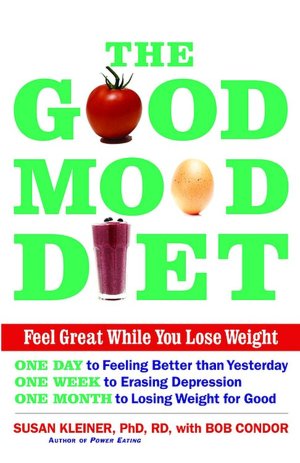
Dr. Susan Kleiner is a well respected sports nutritionist. She is the author of The Good Mood Diet and discusses how the food we eat can affect our mood and our ability to manage our weight. She is also the author of Power Eating written specifically to address exercise nutritional needs.
This is a cool research summary of a recent article trying to look into how and whom crying acts as a release valve, causing them to feel better. It seems that crying is beneficial, but it depends a little on the context and the type of crying.
Article citation: Bylsma, L., Croon, M., Vingerhoets, A., and Rottenberg, J. (2011). When and for whom does crying improve mood? A daily diary study of 1004 crying episodes. Journal of Research in Personality, 45 (4), 385-392 DOI: 10.1016/j.jrp.2011.04.007
Psychologists have made surprisingly little progress in explaining why we cry. A popular idea is that crying is cathartic - that the tears of sadness wash away life's woes like detritus carried off in the tide. This has been supported by retrospective surveys that ask people how they felt after previous bouts of crying. Lab studies, by contrast, which involve participants watching weepie movies, have found crying to have no such benefit. Both approaches, however, are seriously flawed. Findings from the retrospective approach are prone to memory distortion and people's answers are likely influenced by the popular cathartic idea. Lab studies, meanwhile, suffer from a lack of realism.
A superior method is to have participants complete a daily crying diary for an extended period of time, to be completed each night - soon enough to reduce memory distortions, but not too intrusive to interfere with the behaviour under observation. Believe or not, just one diary study of crying has been conducted before. Now Lauren Bylsma and her colleagues have performed the second, involving 97 female undergrads who completed a crying diary, including questions about daily mood and crying context, for between 40 and 73 days. In all, 1004 crying episodes were documented, and all participants cried at least once. Most bouts of crying were triggered by conflict; the next most common reason was loss, followed by personal failing.
Bylsma's headline finding is that crying mostly had little positive benefit, at least not on overall daily mood. Not only did crying episodes tend to be preceded by two days of lower daily mood, they were also associated with lower daily mood on the day of crying and lower daily mood on two successive days afterwards. For mood in the specific moments after a crying session, the results were more encouraging. Most often mood was reported as unchanged (60.8 per cent), but 30 per cent of sessions were associated with a positive mood change, with 8.8 per cent leading to a deterioration in mood.
Other findings included: more intense (but not longer) crying episodes were associated with more positive mood outcomes, as were crying episodes that followed a feeling of inadequacy and that triggered a positive change in the situation. Also, crying in the company of one other person was associated more often with positive mood change than was crying alone or crying in the company of multiple people. Conflict tears tended not to be associated with a positive mood change, undermining the idea that tears can defuse social tensions.
The study has its limitations - for example, the mood scale only had a three-point range, and of course it's a shame that men weren't included too. But even granted these limitations, the researchers emphasised that theirs was "the first extended examination of the relationship between crying and mood using detailed contextual information from multiple crying episodes and, as such, represents an important step towards understanding this striking human behaviour." _________________________________
Bylsma, L., Croon, M., Vingerhoets, A., and Rottenberg, J. (2011). When and for whom does crying improve mood? A daily diary study of 1004 crying episodes. Journal of Research in Personality, 45 (4), 385-392 DOI: 10.1016/j.jrp.2011.04.007
Well, I had hoped to do one of these a little sooner, but it has gotten to the point (again) where I have way too many tabs stashed - and some good information that I want to share.
If we eat well, and exercise, we may never need pharmaceutical medicines. These articles can help with that.
This article looks at the links between nutrition and mental health, offering a snapshot of the essentials required for a healthy, varied diet.
People with mood problems may find benefit in becoming aware of their food and drink intake, and making step-by-step changes based on their findings. Research that specifically looks at nutrition and mood is still in its infancy, though the available studies do suggest strong causal links.
We depend on a special organ to digest the food we eat and you won’t find it in any anatomy textbook. It’s the ‘microbiome’ – a set of trillions of bacteria living inside your intestines that outnumber your own cells by ten to one. We depend on them. They wield genes that allow them to break down molecules in our food that we can’t digest ourselves. And we’re starting to realise that this secret society within our bowels has a membership roster that changes depending on what we eat.
PHY906 is the laboratory formulation of a 1,800-year-old Chinese formula containing peonies, a purple flower called skullcap, licorice and fruit from a buckthorn tree. Called Huang Qin Tang, the brew has been used for a long time to treat diarrhea, nausea and vomiting.
Researchers, led by nutritionist Patrice Carter at the University of Leicester in the United Kingdom, examined six studies that looked at the links between diet and the incidence of type 2 diabetes. They found that compared with those who ate the least amount of green, leafy vegetables (0.2 servings daily), people who ate the most (1.35 servings daily) had a 14 percent reduction in risk for type 2 diabetes.
Japanese researchers have discovered yet another benefit to fish oil -- treatment for depression. According to a study out of the University of Tokyo, teenage boys who eat a lot of oily fish have a 27 percent reduced risk of depression compared to those who eat little oily fish.
In the study, Sreeram Ramagopalan of Oxford University and colleagues noted there is a growing amount of evidence that vitamin D deficiency is a risk factor for a wide range of diseases, but it's not known exactly how vitamin D is involved. It has been suspected that genetics may contribute to this connection.
Exposure to sunlight triggers the body to naturally produce vitamin D, although it can be hard to get enough in some regions during certain parts of the year. Vitamin D is also found in certain foods, such as fish, cheese, egg yolks and fortified milk and breakfast cereals.
Mesquite flour has a sweet, nutty taste. It has a texture like wheat flour, but perhaps a bit more grainy. It's about 17% protein, making it ideal for those who wish to avoid high-carbohydrate foods. It also has a significantly lower glycemic index than regular white flour... or even wheat flour, for that matter.
[ME: It's expensive, but gluten free - and my dog LOVES the pods.]
Eating broccoli and bananas could help prevent relapses of Crohn's disease, bringing relief to tens of thousands of sufferers, researchers revealed today. The chronic condition inflames the lining of the digestive system causing diarrhoea and stomach cramps.
Black rice - revered in ancient China but overlooked in the West - could be the greatest 'superfoods', scientists revealed today. The cereal is low in sugar but packed with healthy fibre and plant compounds that combat heart disease and cancer, say experts. Scientists from Louisiana State University analysed samples of bran from black rice grown in the southern U.S. They found boosted levels of water-soluble anthocyanin antioxidants.
The U.S. Department of Agriculture reported that eating berries, as well as acai berries and walnuts, can help people rid their brain of toxic memory-clogging proteins and prevent further weakening of their cognition. With age comes a decline in the brain's ability to properly rid itself of biochemical waste, according to the study, and adding these antioxidant-rich foods to a diet could help trigger this function again.
Naringenin, an antioxidant derived from the bitter flavor of grapefruits and other citrus fruits, may cause the liver to break down fat while increasing insulin sensitivity, a process that naturally occurs during long periods of fasting.
The study demonstrated that the water-soluble cinnamon extract improved a number of antioxidant variables by as much as 13 to 23 percent, and improvement in antioxidant status was correlated with decreases in fasting glucose, according to Anderson.
This is the first report that the grape pomace extracts selectively and significantly inhibits intestinal alpha-glucosidase and suppresses postprandial hyperglycemia in diabetic mice. The antioxidant and anti-postprandial hyperglycemic activities demonstrated on the tested grape pomace extract therefore suggest a potential for utilizing grape pomace-derived bioactive compounds in management of diabetes.
[ME: This is an open access article - it's geeky science, but interesting.]
Adding a variety of vegetables to one's diet may help decrease the chance of getting lung cancer, and adding a variety of fruits and vegetables may decrease the risk of squamous cell lung cancer, especially among smokers.