Showing posts with label work. Show all posts

Wednesday, April 30, 2014

The State of the Economy and How to Fix It - Omnivore

From Bookforum's Omnivore blog, yet another collection of cool links - this one is focused on economics, the recession, and the American work life.

The state of the economy and how to fix it

Apr 29 2014  | 9:00AM

Friday, March 21, 2014

'Follow Your Passion' Is Wrong: Cal Newport speaks at World Domination Summit 2012


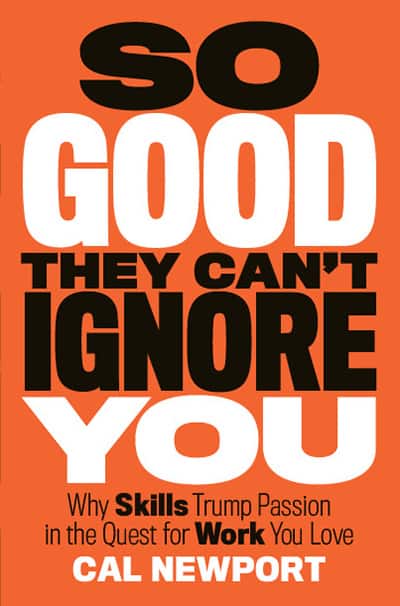
Cal Newport is the author of So Good They Can't Ignore You: Why Skills Trump Passion in the Quest for Work You Love (2012). In the video from the 2012 World Domination Summit, he dispels the "follow your passion" advice so many of us have been given and passed on to others. This video made the rounds on Facebook for a while - I am just now getting around to sharing it here.

Here is the blurb for his book:
In this eye-opening account, Cal Newport debunks the long-held belief that "follow your passion" is good advice. Not only is the cliché flawed-preexisting passions are rare and have little to do with how most people end up loving their work-but it can also be dangerous, leading to anxiety and chronic job hopping.

After making his case against passion, Newport sets out on a quest to discover the reality of how people end up loving what they do. Spending time with organic farmers, venture capitalists, screenwriters, freelance computer programmers, and others who admitted to deriving great satisfaction from their work, Newport uncovers the strategies they used and the pitfalls they avoided in developing their compelling careers.

Matching your job to a preexisting passion does not matter, he reveals. Passion comes after you put in the hard work to become excellent at something valuable, not before.
In other words, what you do for a living is much less important than how you do it.

With a title taken from the comedian Steve Martin, who once said his advice for aspiring entertainers was to "be so good they can't ignore you," Cal Newport's clearly written manifesto is mandatory reading for anyone fretting about what to do with their life, or frustrated by their current job situation and eager to find a fresh new way to take control of their livelihood. He provides an evidence-based blueprint for creating work you love.

SO GOOD THEY CAN'T IGNORE YOU will change the way we think about our careers, happiness, and the crafting of a remarkable life.
Cal Newport is an Assistant Professor of Computer Science at Georgetown University, who specializes in the theory of distributed algorithms. He previously earned his Ph.D. from MIT in 2009 and graduated from Dartmouth College in 2004.

In addition to his academic work, Newport is a writer who focuses on contrarian, evidence-based advice for building a successful and fulfilling life in school and after graduation.

'Follow Your Passion' Is Wrong: Cal Newport speaks at World Domination Summit 2012

Published on Jan 29, 2013


"The path to a passionate life is often way more complex than the simple advice 'follow your passion' would suggest."
You've been told you should follow your passion, to do what you love and the money will follow. But how sound is this advice? Cal Newport argues that it's astonishingly wrong.

You can find out more in his book, So Good They Can't Ignore You: Why Skills Trump Passion in the Quest for Work You Love.

Wednesday, March 05, 2014

Omnivore - This Is What Happiness Looks Like

From Bookforum's Omnivore blog at the end of February, here is a jolly collection of links on the topics of happiness, work, freedom, pleasure, and contentment.

This is what happiness looks like

Feb 25 2014  
9:00AM


Tuesday, October 22, 2013

RSA Animate - Re-Imagining Work


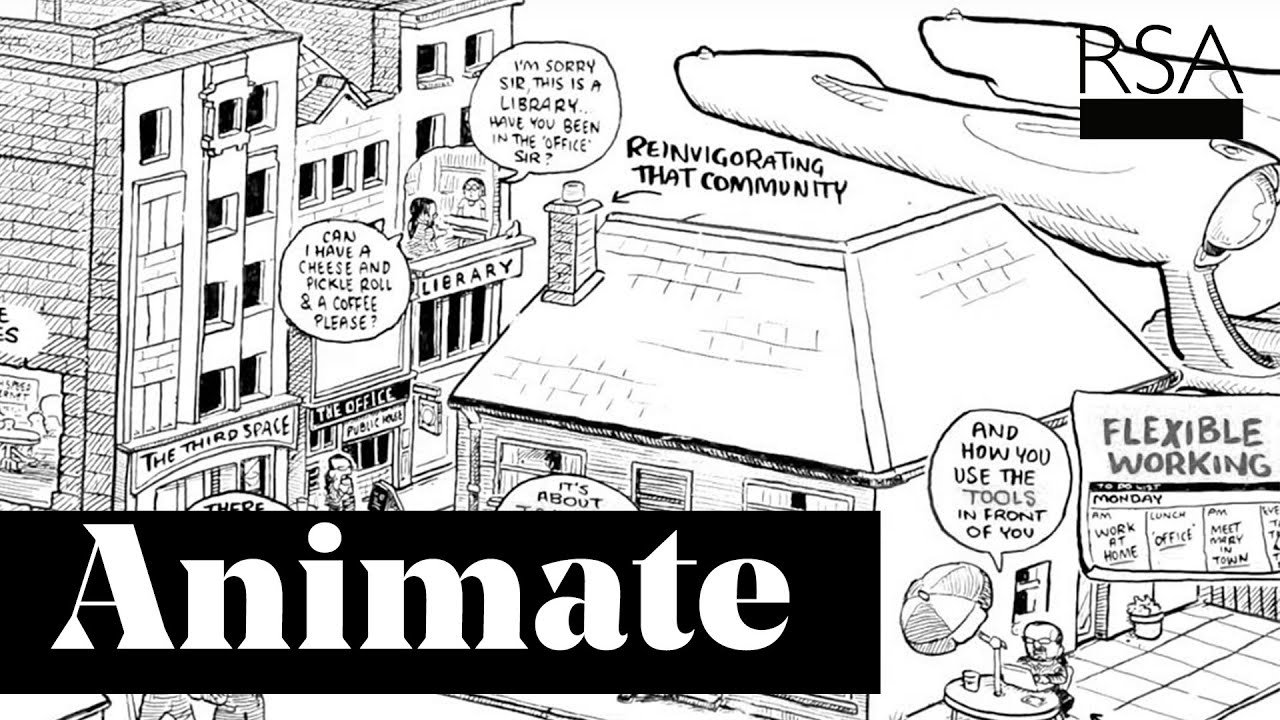
Here is another intriguing RSA Animate video from a talk given by Dave Coplin (Microsoft) back in April of this year.

RSA Animate - Re-Imagining Work

How can we get people more engaged, more productive, and happier at work? Is technology part of the problem – and could it also be part of the solution? Dave Coplin, Chief Envisioning Officer at Microsoft, imagines what might be possible if more organisations embraced the full, empowering potential of technology and encouraged a truly open, collaborative and flexible working culture. Taken from a talk given by Dave Coplin as part of the RSA's free public events programme.

Here are the video hightlights of Coplin's talk,, as well as the full audio file to download or to listen.

Re-Imagining Work: Shifts in the digital revolution


08 Apr 2013

Dave Coplin, Chief Envisioning Officer at Microsoft, imagines what might be possible if organisations really began to think differently about the power of technological and social change to transform the way we do business.


  • Listen to the podcast of the full event including audience Q&A

Download the video (mp4)

Thursday, September 26, 2013

RSA Animate - Re-Imagining Work


Here is another cool RSA Animate - this one is based on Dave Coplin's Re-Imagining Work talk at The RSA. As a side note, I want to be a Chief Envisioning Officer . . . sounds like a cool gig.
Dave Coplin is Chief Envisioning Officer for Microsoft UK.

Since joining Microsoft in 2005, Dave has worked across a wide range of sectors and customers, providing strategic advice and guidance around the cost effective use of technology in relation to their business needs.

Dave is an established thought leader in the UK having spent a considerable amount of time in the Public Sector providing leadership and guidance around key technology policy issues like Cloud Computing, Open Government, Open Data and the “consumerisation” of IT.

Prior to joining Microsoft, Dave spent 13 years delivering IT strategy and solutions within the Professional Services industry in the UK, Canada and the Netherlands, helping to build the foundations of a global IT infrastructure.
Enjoy.


RSA Animate - Re-Imagining Work

The RSA

Published on Sept 25, 2013
How can we get people more engaged, more productive, and happier at work? Is technology part of the problem -- and could it also be part of the solution?

Dave Coplin, Chief Envisioning Officer at Microsoft, imagines what might be possible if more organisations embraced the full, empowering potential of technology and encouraged a truly open, collaborative and flexible working culture.
------

This audio has been edited from the original event by Abi Stephenson, RSA. Animation by Cognitive Media.
------

The RSA is a 258 year-old charity devoted to creating social progress and spreading world-changing ideas. For more information about our research, RSA Animates, free events programme and 27,000 strong Fellowship.

Related posts:
  1. RSA Animate – The Power of Outrospection Introspection is out, and outrospection is in. Philosopher and author Roman Krznaric explains how we...
  2. RSA Animate – The Truth About Dishonesty In this RSA Animate, Dan Ariely explores the circumstances under which would someone would lie...
  3. RSA Animate – The Power of Networks In this RSA Animate, Manuel Lima, senior UX design lead at Microsoft Bing, explores the...
  4. RSA Animate – Drive Daniel Pink provides concrete examples of how intrinsic motivation functions both at home and in...
  5. RSA Animate – The Divided Brain Renowned psychiatrist and writer Iain McGilchrist explains how our 'divided brain' has profoundly altered human...

Saturday, June 01, 2013

Inner Life at Work: Tami Simon on Business, Meditation, and Technology


From NPR's On Being with Krista Tippett, this is a nice interview with Sounds True founder and CEO, Tami Simon. Sounds True is the single best resource we have for audio teachings (as well as books and some video sessions) by the world's leading spiritual teachers from a variety of backgrounds and disciplines.

Tami Simon produced the Kosmic Consciousness course with Ken Wilber many years ago, which was my introduction to her as an interviewer and Sounds True as a company. More recent offerings include Robert Augustus Masters's Knowing Your Shadow and Pema Chodron's How to Meditate, among many other excellent offerings.

Not only do I love Sounds True and what it offers, but having Spoken to Tami a couple of times, she is someone whose vision and integrity I respect enormously.

INNER LIFE AT WORK: TAMI SIMON ON BUSINESS, MEDITATION, AND TECHNOLOGY

This Week's Conversation with Krista Tippett


May 30, 2013

You might call Tami Simon a spiritual entrepreneur. She's built a successful multimedia publishing company with a mission to disseminate "spiritual wisdom" by diverse teachers and thinkers like Pema Chödrön and Eckhart Tolle, Daniel Goleman and Brené Brown. She offers compelling lessons on joining inner life with life in the workplace — and advice on spiritual practice with a mobile device.

Listen

Learn


Voices on the Radio


Tami Simon is the publisher and CEO of the multimedia publishing company Sounds True and hosts a weekly podcast series called Insights at the Edge.

Pertinent Posts from the On Being Blog


The Work We Value, The Intelligence We Ignore: Is the Work that Made America Great Valued Any Longer?  "The skills gap is a reflection of what we value. To close the gap, we need to change the way the country feels about work." ~Mike Rowe


What Would You Be Willing to Sacrifice?  A video that's so heartbreakingly gorgeous and unswerving in its emotional sway, it'll have you pondering your own station in life.


A Little Bit of Mindfulness Meditation Can Reduce a Lot of Pain  Even novice meditators are able to curb their pain after a few training sessions in mindfulness meditation.

Wednesday, February 20, 2013

Mindfulness Practices for Workplace Issues

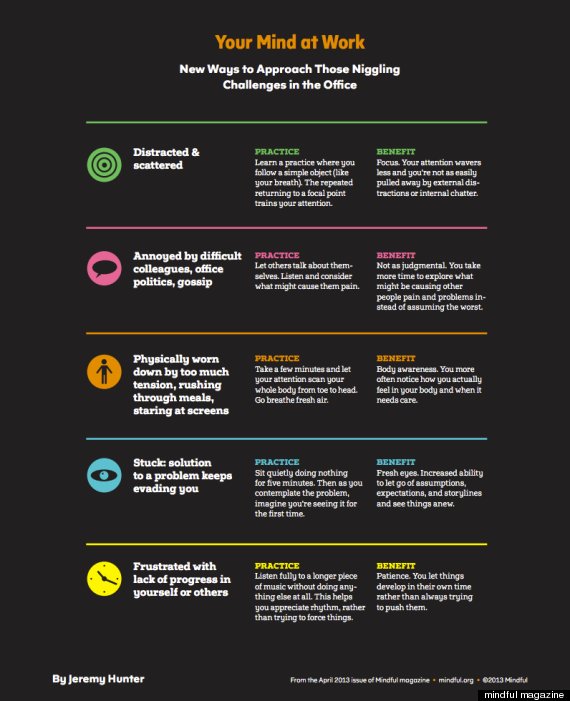
From Huffington Post. Image created by Jeremy Hunter for Mindful magazine.


d
Practice: Learn a practice where you follow a simple object (like your breath). The repeated returning to a focal point trains your attention.
Benefit: Focus. Your attention wavers less and you're not as easily pulled away by external distractions or internal chatter.
d
Practice: Let others talk about themselves. Listen and consider what might cause them pain.
Benefit: Not as judgemental. You take more time to explore what might be causing other people pain and problems instead of assuming the worst.
d
Practice: Take a few minutes and let your attention scan your whole body from toe to head. Go breathe fresh air.
Benefit: Body awareness. You more often notice how you actually feel in your body and when it needs care.
d
Practice: Sit quietly doing nothing for five minutes. Then as you contemplate the problem, imagine you're seeing it for the first time.
Benefit: Fresh eyes. Increased ability to let go of assumptions, expectations, and storylines and see things anew.
d
Practice: Listen fully to a longer piece of music without doing anything else at all. This helps you appreciate rhythm, rather than trying to force things.
Benefit: Patience. You let things develop in their own time rather than always trying to push them.
This article also appears in the April 2013 issue of Mindful magazine as part of a package titled "Is Mindfulness Good for Business?"

Friday, February 08, 2013

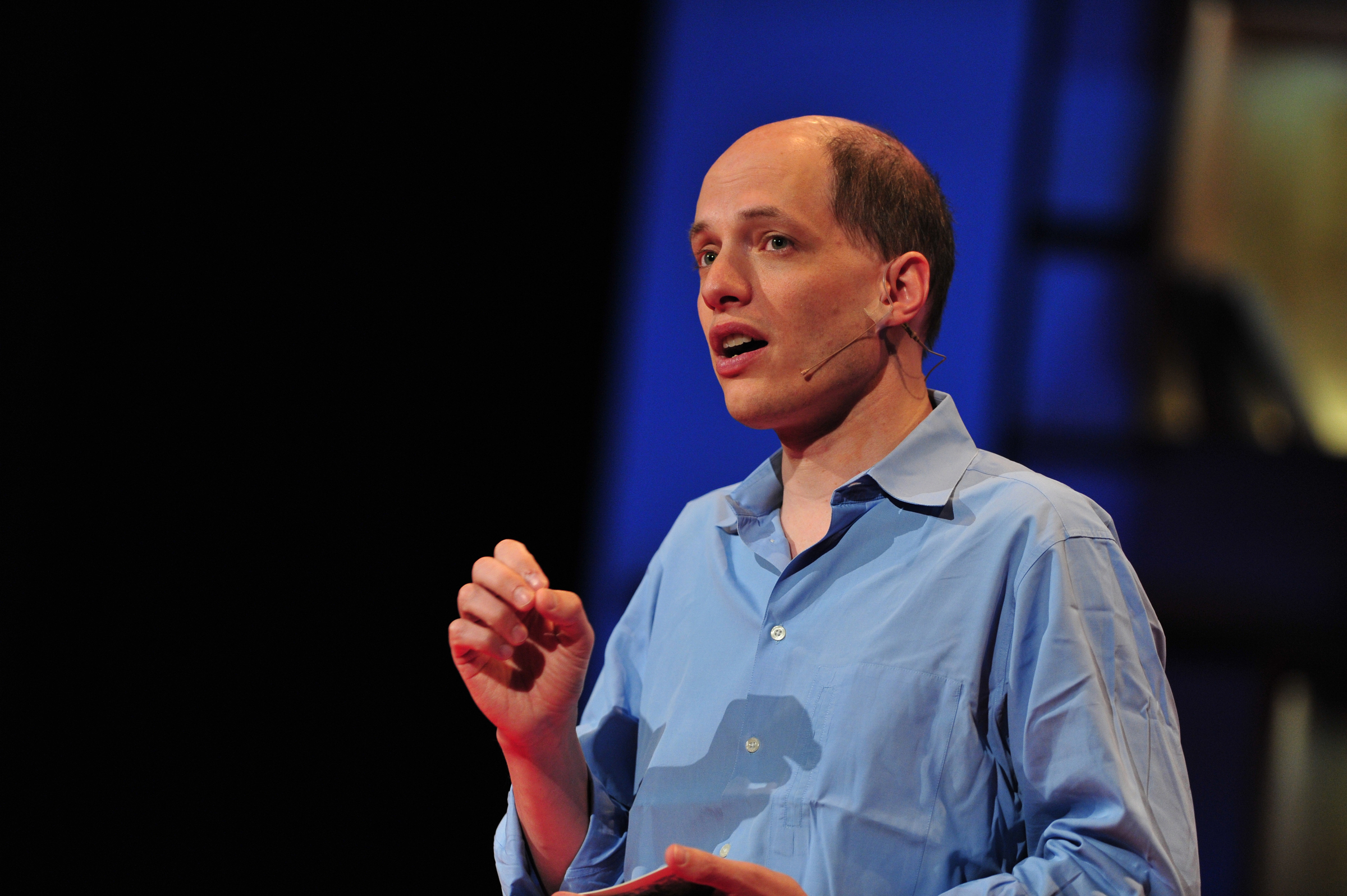
Alain de Botton Proposes a Kinder, Gentler Philosophy of Success


From Open Culture, this is a TED Talk by pop philosopher Alain de Botton on his vision for a more kind and compassionate philosophy of success. Among his many books are How to Think More About Sex (The School of Life) [2012], How Proust Can Change Your Life [1998], Religion for Atheists: A Non-believer's Guide to the Uses of Religion [2012], and The Architecture of Happiness [2004].

Alain de Botton Proposes a Kinder, Gentler Philosophy of Success


February 7th, 2013


For better or worse, Alain de Botton is the face of pop philosophy. He has advocated “religion for atheists” in a book of the same name (to the deep consternation of some atheists and the eloquent interest of others); he has distilled selected philosophical nuggets into self-help in his The Consolations of Philosophy; and most recently, he’s tackled a subject close to everybody’s heart (to put it charitably) in How to Think More About Sex. As a corollary to his intellectual interests in human betterment, de Botton also oversees The School of Life, a “cultural enterprise offering good ideas for everyday life” with a base in Central London and a colorful online presence. Many critics disdain de Botton’s shotgun approach to philosophy, but it gets people reading (not just his own books), and gets them talking, rather than just shouting at each other.

In addition to his publishing, de Botton is an accomplished and engaging speaker. Although himself a committed secularist, in his TED talks, he has posed some formidable challenges to the smug certainties of liberal secularism and the often brutal certainties of libertarian meritocracy. Apropos of the latter, in the talk above, de Botton takes on what he calls “job snobbery,” the dominant form of snobbery today, he says, and a global phenomenon. Certainly, we can all remember any number of times when the question “What do you do?” has either made us exhale with pride or feel like we might shrivel up and blow away. De Botton takes this common experience and draws from it some interesting inferences: for example, against the idea that we (one assumes he means Westerners) live in a materialistic society, de Botton posits that we primarily use material goods and career status not as ends in themselves but as the means to receive emotional rewards from those who choose how much love or respect to “spend” on us based on where we land in any social hierarchy.

Accordingly, de Botton asks us to see someone in a Ferrari not as greedy but as “incredibly vulnerable and in need of love” (he does not address other possible compensations of middle-aged men in overly-expensive cars). For de Botton, modern society turns the whole world into a school, where equals compete with each other relentlessly. But the problem with the analogy is that in the wider world, the admirable spirit of equality runs up against the realities of increasingly entrenched inequities. Our inability to see this is nurturned, de Botton points out, by an industry that sells us all the fiction that, with just enough know-how and gumption, anyone can become the next Mark Zuckerberg or Steve Jobs. But if this were true, of course, there would be hundreds of thousands of Zuckerbergs and Jobs.

For de Botton, when we believe that those who make it to the top do so only on merit, we also, in a callous way, believe those at the bottom deserve their place and should stay there—a belief that takes no account of the accidents of birth and the enormity of factors outside anyone’s control. This shift in thinking, he says—especially in the United States—gets reflected in a shift in language. Where in former times someone in tough circumstances might be called “unfortunate” or “down on their luck,” they are now more likely to be called “a loser,” a social condition that exacerbates feelings of personal failure and increases the numbers of suicides. The rest of de Botton’s richly observed talk lays out his philosophical and psychological alternatives to the irrational reasoning that makes everyone responsible for everything that happens to them. As a consequence of softening the harsh binary logic of success/failure, de Botton concludes, we can find greater meaning and happiness in the work we choose to do—because we love it, not because it buys us love.

Related Content:

~ Josh Jones is a writer, editor, and musician based in Washington, DC. Follow him @jdmagness

Monday, June 18, 2012

Big Think - Henry Rollins: The One Decision That Changed My Life Forever


This is an excellent post from my favorite punk philosopher, Henry Rollins, on taking risks to get the life we want. He risked giving up a steady job as a young man to try being a punk rock singer - the band that invited him to sing was Black Flag, and the rest is music history.

Henry Rollins is a musical icon, a speaks-his-mind philosopher, and a political progressive - I love that combination. Among his many endeavors (author, poet, comedian, DJ, musician, publisher, and actor [season two of Sons of Anarchy, a great show]), Rollins has also campaigned for various political causes in the United States, including promoting LGBT rights, World Hunger Relief, and an end to war in particular, and tours overseas with the United Service Organizations to entertain American troops.

It's never too late - until they put you in the ground - to follow our dreams in small or large ways. When I die, I don't want to regret all the risks I did not take in order to live a safe life.


Henry Rollins: The One Decision That Changed My Life Forever


What's the Big Idea? 

Black-flag1There's a lot of talk in the business-self-help sphere these days about risk and failure being essential to success. There is "fail camp." There is this book.

As Nobel Laureate psychologist Daniel Kahneman told us recently, the thing about risk is that it's risky. The economy may benefit from the handful of startups that survive their first five years, but at the level of the individual, there are a lot of casualties. This is true in the arts, too, which is another kind of entrepreneurship. According to Kahneman (warning: bummer approaching), aspiring at age 20 to be an actor is a significant predictor of unhappiness at age 40. I wonder whether aspiring to nothing at age 20 is a significant predictor of mild, glassy-eyed contentment in later life . . .

So what's a young hopeful to do? Well, there are basically two options: find a more or less "safe," all-consuming career path that you can live with (there seem to be fewer and fewer of these all the time), or accept the uncertainty, pick a direction, and charge full steam ahead. And maybe work a restaurant job or two along the way.

In the case of Henry Rollins, a serial artistic entrepreneur and iconic self-made man, the decisive moment was especially stark.


What's the Significance? 

Rollins didn't have an easy childhood. He struggled through high school with hyperactivity and extreme anger issues, dropped out of college after a year because it was too expensive, and supported himself in young adulthood by delivering livers for transplants. By 1980, at age 19, Rollins had risen to manager of Haagen Dazs, a hard-earned job he took seriously.

He was pals with the band Black Flag. At a show in New York, the band let Rollins jump in for one song. Ironically, he sang "Clocked In:"
i have this problem every morning
i gotta' face the clock;
punch in, punch out, it makes me so pissed off
one of these days i'm gonna smash it off the wall!
Unbeknownst to Rollins, Black Flag was looking for a new lead singer. A couple of days later, they phoned and asked him to audition formally for the job.
Henry Rollins: I looked at the ice cream scoop in my hand...my chocolate-bespattered apron...and my future in the world of minimum wage work...or I could go up to New York and audition for this crazy band who was my favorite. What's the worst that's gonna happen to me? I miss a day of work...ooh, there goes 21 bucks. 
In the audition, he sang every song the band had ever written, improvising most of the lyrics. Then came the scary part: he got the job.
Henry Rollins: They said 'Ok, you're in." I said "What do you mean?" They said "you're the singer in Black Flag." I said "So what do I do?" They said: "*snort* you quit your job, you pack your gear, you meet us on the road. Here's the tour itinerary. Here's the lyrics."  
That was 30 years ago. The years Rollins spent in Black Flag launched his career as a musician, writer, and performer. He seized the opportunity, ran with it, and numerous albums, books, films and tv shows later, he's still running. Rollins says of the Black Flag audition that he "won the lottery." Ok, the timing was lucky. But it was Rollins' energy as part of the DC punk scene (while working those day jobs) that earned him Black Flag's friendship, which got him the guest-spot, which got him the audition. And a less humble, hardworking guy might very well have burned out after a year on tour and ended up at rehab, then back at Haagen Dazs.

Instead, Rollins took calculated risk and decisive action at the right moment, then committed fully to making the most of the life he'd chosen for himself. And instead of resting on his laurels, he's continued to learn, grow, and reinvent himself. That's what makes him heroic. What Kahneman's studies don't tell us is which of those once-aspiring actors worked tirelessly to create, then seize opportunity, nor how many of those failed entrepreneurs picked themselves up and went on to succeed in other bold ventures.

What we do know is that more or less anybody who has ever done anything newsworthy can cite, as Rollins can, some turning point at which they made a risky decision that paid off, and a lifelong sense of mission not easily derailed by minor failures.

Follow Jason Gots (@jgots) on Twitter

Image credit: Punkstory.com

Friday, February 10, 2012

Leading@Google: Susan Cain (Introverts)

Susan Cain stopped by Google to talk about her new book, Quiet: The Power of Introverts in a World That Can't Stop Talking. As a member of the 1/3 of the population who is introverted, this sounds like a book I might benefit from, although I have long ago learned to manage my introversion as best as I can - and to respect that I am not able to do some of the things that extroverts do easily.


Leading@Google: Susan Cain
At least one-third of the people we know are introverts. They are the ones who prefer listening to speaking, reading to partying; who innovate and create but dislike self-promotion; who favor working on their own over brainstorming in teams. Although they are often labeled "quiet," it is to introverts that we owe many of the great contributions to society--from van Gogh's sunflowers to the invention of the personal computer.

Passionately argued, impressively researched, and filled with indelible stories of real people, Quiet shows how dramatically we undervalue introverts, and how much we lose in doing so. Taking the reader on a journey from Dale Carnegie's birthplace to Harvard Business School, from a Tony Robbins seminar to an evangelical megachurch, Susan Cain charts the rise of the Extrovert Ideal in the twentieth century and explores its far-reaching effects. She talks to Asian-American students who feel alienated from the brash, backslapping atmosphere of American schools. She questions the dominant values of American business culture, where forced collaboration can stand in the way of innovation, and where the leadership potential of introverts is often overlooked. And she draws on cutting-edge research in psychology and neuroscience to reveal the surprising differences between extroverts and introverts.

Perhaps most inspiring, she introduces us to successful introverts--from a witty, high-octane public speaker who recharges in solitude after his talks, to a record-breaking salesman who quietly taps into the power of questions. Finally, she offers invaluable advice on everything from how to better negotiate differences in introvert-extrovert relationships to how to empower an introverted child to when it makes sense to be a "pretend extrovert."

This extraordinary book has the power to permanently change how we see introverts and, equally important, how introverts see themselves.
From the Amazon page for the book, here is a brief Q and A with Susan Cain about the book.
Amazon Exclusive: Q & A with Author Susan Cain

Q: Why did you write the book?
A: For the same reason that Betty Friedan published The Feminine Mystique in 1963. Introverts are to extroverts what women were to men at that time--second-class citizens with gigantic amounts of untapped talent. Our schools, workplaces, and religious institutions are designed for extroverts, and many introverts believe that there is something wrong with them and that they should try to “pass” as extroverts. The bias against introversion leads to a colossal waste of talent, energy, and, ultimately, happiness.

Q: What personal significance does the subject have for you?
A: When I was in my twenties, I started practicing corporate law on Wall Street. At first I thought I was taking on an enormous challenge, because in my mind, the successful lawyer was comfortable in the spotlight, whereas I was introverted and occasionally shy. But I soon realized that my nature had a lot of advantages: I was good at building loyal alliances, one-on-one, behind the scenes; I could close my door, concentrate, and get the work done well; and like many introverts, I tended to ask a lot of questions and listen intently to the answers, which is an invaluable tool in negotiation. I started to realize that there’s a lot more going on here than the cultural stereotype of the introvert-as-unfortunate would have you believe. I had to know more, so I spent the past five years researching the powers of introversion.

Q: Was there ever a time when American society valued introverts more highly?
A: In the nation’s earlier years it was easier for introverts to earn respect. America once embodied what the cultural historian Warren Susman called a “Culture of Character,” which valued inner strength, integrity, and the good deeds you performed when no one was looking. You could cut an impressive figure by being quiet, reserved, and dignified. Abraham Lincoln was revered as a man who did not “offend by superiority,” as Emerson put it.

Q: You discuss how we can better embrace introverts in the workplace. Can you explain?
A: Introverts thrive in environments that are not overstimulating—surroundings in which they can think (deeply) before they speak. This has many implications. Here are two to consider: (1) Introverts perform best in quiet, private workspaces—but unfortunately we’re trending in precisely the opposite direction, toward open-plan offices. (2) If you want to get the best of all your employees’ brains, don’t simply throw them into a meeting and assume you’re hearing everyone’s ideas. You’re not; you’re hearing from the most vocally assertive people. Ask people to put their ideas in writing before the meeting, and make sure you give everyone time to speak.

Q: Quiet offers some terrific insights for the parents of introverted children. What environment do introverted kids need in order to thrive, whether it’s at home or at school?
A: The best thing parents and teachers can do for introverted kids is to treasure them for who they are, and encourage their passions. This means: (1) Giving them the space they need. If they need to recharge alone in their room after school instead of plunging into extracurricular activities, that’s okay. (2) Letting them master new skills at their own pace. If they’re not learning to swim in group settings, for example, teach them privately. (3) Not calling them “shy”--they’ll believe the label and experience their nervousness as a fixed trait rather than an emotion they can learn to control.

Q: What are the advantages to being an introvert?
A: There are too many to list in this short space, but here are two seemingly contradictory qualities that benefit introverts: introverts like to be alone--and introverts enjoy being cooperative. Studies suggest that many of the most creative people are introverts, and this is partly because of their capacity for quiet. Introverts are careful, reflective thinkers who can tolerate the solitude that idea-generation requires. On the other hand, implementing good ideas requires cooperation, and introverts are more likely to prefer cooperative environments, while extroverts favor competitive ones.

Thursday, April 21, 2011

Dr. Susanne Cook-Greuter - Waking Up the Workplace

http://3.bp.blogspot.com/-23zOW2JDpmk/TY5TfqdsbxI/AAAAAAAAAKM/EmVZoUXqFbk/s400/Logo%2Bwutw.png

Today's interview on Waking Up the Workplace was with developmental psychologist and integral architect Dr. Susanne Cook-Greuter - and I missed it. But I can download it - and so can you.

Waking up is a Developmental Process

Susanne Cook-Greuter

Susanne Cook-Greuter

Date of Interview: 21.04.11

Adult development expert Dr. Susanne Cook-Greuter tells the story of development and how a desire for Conscious Business only kicks in at a very high level of consciousness.


Here is some background on Cook-Greuter, one of the important development psychologists of our time. Her research into and vast expansion of Jane Loevinger's adult development work and sentence completion test have been foundational for Ken Wilber's Integral Theory.
Dr. Susanne Cook-Greuter, born in Switzerland, is an independent scholar, experienced coach and the principal of the consulting firm Cook-Greuter & Associates. She holds a doctorate in education from Harvard University where she worked closely with Robert Kegan, and is an internationally known authority on mature adult development. Her thesis, Postautonomous Ego Development (1999), is a landmark study in the characteristics and assessment of highly developed and influential individuals and leaders.

Susanne is a founding member of Ken Wilber’s Integral Institute, where she contributes to the Psychology, Psychotherapy, and Business Practice branches. In addition to publishing many papers, she has coauthored two books on adult development, creativity, and spirituality: Creativity, Spirituality, and Transcendence: Paths to Integrity and Wisdom in the Mature Self (1999), and Transcendence and Mature Thought in Adulthood (1994).

Susanne coaches individuals in personal and professional resilience, self-acceptance, and consults to various organizations and projects in researching and applying developmental thinking.

Why we chose Susanne for the series…

Jeroen: Throughout my interest in Conscious Business, I have always been intrigued by the relationship between personal development and business potential. Is there a way to measure this development, and what opportunities does this offer leaders and entrepreneurs?

As Susanne says on her website: “Research shows that the level of personal maturity and self-awareness are positively correlated to the kind of life one creates with others at home, at work, and in the community.”

I am very excited to explore this topic in depth during the series.

Diederick: Though I’ve never actually met Susanne, I’ve known about her and her work for a long time. I am fascinated by how she is able to unpack complexity in a developmental way, meaning she has the gift of telling the story of how different people look at the world. That’s exactly what I want to focus on in our conversation with her: what do you see when you look at work, and at waking up, through a developmental lens?

Sussane’s Links

www.cook-greuter.com


Thursday, March 24, 2011

Waking Up the Workplace - Tony Schwartz, Live Today

Tony Schwartz is live today on Waking Up the Workplace - It starts at 7pm CET on Thursday 24th March, which is 6pm GMT, 2pm Eastern time and 11pm Pacific time. (Note, this is an hour earlier than first advertised).

A couple of Schwartz's recent books are The Way We're Working Isn't Working: The Four Forgotten Needs That Energize Great Performance (2010) and The Power of Full Engagement: Managing Energy, Not Time, Is the Key to High Performance and Personal Renewal (2003).
Tony Schwartz is founder and CEO of The Energy Project, a company that helps individuals and organizations fuel energy, engagement, focus and productivity by harnessing the science of high performance. Tony’s new book, The Way We’re Working Isn’t Working: The Four Forgotten Needs that Energize Great Performance, will be published in May by the Free Press. His last book, The Power of Full Engagement: Managing Energy Not Time, co-authored with Jim Loehr, was a New York Times and Wall Street Journal bestseller and has been translated into 28 languages.

Tony began his career as a journalist, and worked as a reporter at the New York Times and a staff writer at Newsweek and New York. He has also written for Esquire, Fast Company, Vanity Fair and the Harvard Business Review. Tony coauthored the #1 bestselling The Art of the Deal with Donald Trump and also wrote What Really Matters: Searching for Wisdom in America. A frequent keynote speaker, Tony has also coached more than two dozen CEOs and senior leaders.

The Energy Project’s clients include Sony, Google, Ernst & Young, the Los Angeles Police Department, the Cleveland Clinic, Shell, IBM, Fidelity, Ford, Gap and Blue Shield of California.

Jeroen Maes posted a few quotes to highlight why they chose Schwartz for this series:
  • "Rather than trying to get more out of their people, organizations seeking competitive advantage are best served by systematically seeking to meet the four core energy needs of their employees in order to free, fuel, and inspire them to bring the best of themselves to work every day."
  • "How do I create the circumstances where I am released to work in service of my larger dream and serve the world with my gifts?"
  • "It’s not the number of hours employees work that determines the value they produce, but rather the quantity, quality and focus of energy they bring to the hours they work."
Here is the blog post to announce today's session, along with a question to get things started. I'm really not familiar with his work, so I have very little idea what he is about. I'll be curious toi listen to the show (unfortunately, after the fact).

After such an inspiring start to the series last week, I’m excited to tell you about our second speaker – Tony Schwartz.

For those of you who don’t know Tony, he is the founder and CEO of The Energy Project, a company that helps individuals and organizations fuel energy, engagement, focus and productivity by harnessing the science of high performance!

He’s written and co-authored a whole bunch of books, including the seminal ‘The Power of Full Engagement’ and the #1 bestseller ‘The Art of the Deal’ with Donald Trump.

To give you an idea of why we chose Tony to be one of the speakers on the series, I want to share with you a quote from ‘The Power of Full Engagement’:

“The ultimate measure of our lives is not how much time we spend on the planet, but rather how much energy we invest in the time that we have.”

And by energy, Tony means physical, mental, emotional, and spiritual energy.

Basically, Tony is an energy expert! He knows what it takes to be able to consistently perform exceptionally. Which I’m sure you’ll agree, is totally necessary if you want to truly work in service of the world, and really give your greatest gifts!

So come and join the conversation with Tony!

It starts at 7pm CET on Thursday 24th March, which is 6pm GMT, 2pm Eastern time and 11pm Pacific time. (Note, this is an hour earlier than first advertised)

To get the conversation rolling already, why would you like to have more energy available to you? What would it enable you to do?


Tuesday, March 08, 2011

So You Want a PhD in Clinical Psychology?

This little video is hilarious - and disturbing (as a psych student planning on an eventual PhD). It's been making the rounds on Facebook, so I thought I'd share it here for anyone who has not seen it. You have to watch it all the way to the end.

So You Want a PhD in Clinical Psychology?
A professor discusses the path to become a clinical psychologist with her student.


Sunday, July 04, 2010

Leading@Google: Tony Schwartz - The Way We're Working Isn't Working

Tony Schwartz is co-author of The Power of Full Engagement: Managing Energy, Not Time, Is the Key to High Performance and Personal Renewal and The Way We're Working Isn't Working: The Four Forgotten Needs That Energize Great Performance. He argues that we have four core needs to optimize performance: sustainability (physical); security (emotional); self-expression (mental); and significance (spiritual).
Demand is exceeding our capacity. The ethic of "more, bigger, faster" exacts a series of silent but pernicious costs at work, undermining our energy, focus, creativity, and passion. Nearly 75 percent of employees around the world feel disengaged at work every day. "The Way We're Working Isn't Working" offers a groundbreaking approach to reenergizing our lives so we're both more satisfied and more productive—on the job and off.

By integrating multidisciplinary findings from the science of high performance, Tony Schwartz, coauthor of the #1 bestselling The Power of Full Engagement, makes a persuasive case that we're neglecting the four core needs that energize great performance: sustainability (physical); security (emotional); self-expression (mental); and significance (spiritual). Rather than running like computers at high speeds for long periods, we're at our best when we pulse rhythmically between expending and regularly renewing energy across each of our four needs.

Drawing on extensive work with an extra-ordinary range of organizations, Schwartz creates a road map for a new way of working. At the individual level, he explains how we can build specific rituals into our daily schedules to balance intense effort with regular renewal; offset emotionally draining experiences with practices that fuel resilience; move between a narrow focus on urgent demands and more strategic, creative thinking; and balance a short-term focus on immediate results with a values-driven commitment to serving the greater good. At the organizational level, he outlines new policies, practices, and cultural messages that Schwartz's client companies have adopted.


Friday, June 11, 2010

Douglas LaBier - Building An Inside-Out Life - Part 1

http://zenfoosheeseng.com/futuremoney/wp-content/uploads/2009/10/FutureMoney_emotional-resilience-plant.jpg

Interesting post from Douglas LaBier's The New Resilience blog at Psychology Today. Learning to balance our inner and outer lives seems to be part of the key to resilience.

Building An Inside-Out Life - Part 1

The true balance is between your inner and outer life

The Myth of Work-Life Balance

Meet Linda and Jim, who consulted me for psychotherapy. Linda is a lawyer with a large firm; Jim heads a major trade association. They told me they're totally committed to their marriage and to being good parents. But they also said it's pretty hectic juggling all their responsibilities at work and at home They have two children of their own plus a child from her former marriage. Dealing with the logistics of daily life, to say nothing of the emotional challenges, makes it "hard just to come up for air," Linda said. Sound familiar?

Or listen to Bill, a 43-year-old who initially consulted me for help with some career challenges. Before long, he acknowledged that he's worried about the "other side" of life. He's raising two teenage daughters and a younger son by himself - one of the rising numbers of single fathers. He's constantly worried about things like whether a late meeting might keep him at work. He tries to have some time for himself, but "it's hard enough just staying in good physical health, let alone being able to have more of a ‘life,' " he said. Recently, he learned he has hypertension.

It's no surprise that these people, like many I see in my psychotherapy practice as well as in my workplace consulting, feel pummeled by stresses in their work and home lives. Most are at least dimly aware that this is unhealthy - that stress damages the body, mind and spirit. Ten years ago, a report from the U.S. Department of Health and Human Services, found that 70 percent of all illness, physical and mental, is linked to stress of some kind. And that number has probably increased over the last decade. Much of this stress comes from struggling with the pressures of work and home - and trying to "balance" both. The problem seems nearly universal, whether in two-worker, single-parent or childless households.

I think these conflicts are so common because people have learned to frame the problem incorrectly to begin with. That is, there's no way to balance work life and home life, because both exist on the same side of the scale - what I call your "outer" life. On the other side of the scale is your personal, private life - your "inner" life. Instead of thinking about how to balance work life and home life, try, instead, to balance your outer life and inner life.

A Different Balancing Act
Let me explain. On the outer side of the scale you have the complex logistics and daily stresses of life at both work and home - the e-mails to respond to, the errands, family obligations, phone calls, to-do lists and responsibilities that fill your days. Your outer life is the realm of the external, material world. It's where you use your energies to deal with tangible, often essential things. Paying your bills, building a career, dealing with people, raising kids, doing household chores, and so on. Your outer life is on your iPhone, BlackBerry, or your e-calender.

On the other side of the scale is your internal self. It's the realm of your private thoughts and values. Your emotions, fantasies, spiritual or religious practices. Your capacity to love, your secret desires, and your deeper sense of purpose. In short, it embodies who you are, on the inside. A "successful" inner life is defined by how well you deal with your emotions, your degree of self-awareness , and your sense of clarity about your values and life purpose. It includes your level of mental repose: your capacity for calm, focused action and resiliency that you need in the face of your frenetic, multitasking outer life.

If the realm of the inner life sounds unfamiliar or uncomfortable to you, this only emphasizes how much you - like most people - have lost touch with your inner self. You can become so depleted and stretched by dealing with your outer life that there's little time to tend to your mind, spirit or body. Then, you identify your "self" mostly with who you are in that outer realm. And when there's little on the inner side of the scale, the outer part weighs you down. You are unbalanced, unhappy and often sick.

When your inner life is out of balance with your outer, you become more vulnerable to stress, and that's related to a wide range of physical damage. Research shows that heart attacks, stroke, hypertension, diabetes, a weakened immune system, skin disorders, asthma, migraine, musculoskeletal problems - all are linked to stress.

More broadly, when your inner and outer lives become unbalanced, your daily functioning is affected in a range of ways, both subtle and overt. When operating in the outer world - at work, for example, or in dealings with your spouse or partner - you may struggle with unjustified feelings of insecurity and fear. You may find yourself at the mercy of anger or greed whose source you don't understand. You may be plagued with indecisiveness or revert to emotional "default" positions forged during childhood, such as submissiveness, rebellion or self-undermining behavior.

Even when you're successful in parts of your outer life, neglecting the inner remains hazardous to your psychological and physical health. Without a developed inner life, you lose the capacity to regulate, channel and focus your energies with awareness, self-direction and judgment. Personal relationships can suffer, your health may deteriorate and you become vulnerable to looking for new stimulation from the outer-world sources you know best - maybe a new "win," a new lover, drugs or alcohol.

And that pulls you even more off-balance, possibly to the point of no return. The extreme examples are people who destroy their outward success with behavior that reflects a complete disengagement from their inner lives - corporate executives led away in handcuffs for indulging in ill-gotten gains, self-destructive sports stars overcome by the trappings of their outer-life successes, political leaders whose flawed personal lives destroy their credibility, clerics who are staunch moralists at the pulpit but sexual predators or adulterers behind closed doors.

These are our modern-day counterparts of Shakespearian characters like Macbeth or Coriolanus, whose "outer" lives are toppled over by unconscious aims, destructive arrogance or personal corruption.

Of course, most people want to function well in the outer, material world. Doing so is part of a successful adult life. But what you choose to go after in work and life often reflects values and behavior that you've been socially conditioned into through your family and society. Much of that can be hard to see because you're immersed in it. What gets lost along the way is what your inner life might tell you about the consequences and value of what you pursue in your outer life.

Learning To Rebalance
But there's good news: Reframing your challenge from trying to balance work and home to balancing your inner and outer lives will help you build overall health, internal well-being and resilience in your pursuit of outer life success.

That is, servicing your inner life builds healthy, positive control over your life - mastery and self-directed action, not suppression or rationalization. A stronger inner life creates a solid moral core and harmonizes your inner and outer selves. It informs your choices and actions by providing the calm and centeredness essential for knowing what demands or allures of the outer world you want to go after, or let pass; and how to deal with the consequences of either.

For example, clarifying which of the personal commitments, career goals and relationships you want or don't want. Whether this job or career is what you really desire, despite the money it pays or what people tell you that you should want. And, whether you believe that your relationship gives you and your partner the kind of positive, energized connection you want and need.

In short, a strengthened inner life brings your "private self" and your "public self" into greater harmony. That's the foundation you need for dealing with the stress-potential of outer world choices and conflicts; for knowing how and why you're living and using your energies out there in the ways that you do. With a robust inner life you feel grounded and anchored. You know who you are and what you're truly living for. Your inner life builds a state of heightened self-awareness and wholeness; a "heart that listens," as King Solomon asked for.

Finding The Gaps
Brad was a financial consultant, noticeably underdeveloped in his inner life. One day he came face-to-face with a classic inner-vs.-outer dilemma. For him, that triggered an important awakening. He was debating whether to leave an out-of-town meeting early, which would create some difficulties, in order to be at home for his daughter's 18th birthday.

I asked him the simplest question: Which choice would he be more likely to feel good about at the end of his life? Tears came to his eyes as he said that he knew in his heart that it was being at his daughter's birthday. He told me that he felt enormously troubled by the fact that he'd been trying to rationalize away what he knew he valued more deeply.

At that moment Brad was able to see the gap between his inner life values - his true self - and the choice he was about to make based on his outer life conditioning - his false self.

His awakening to his inner-outer gaps is instructive. A good initial step toward awakening your inner life is to identify the gaps between what you believe in, on the inside, and what you do on the outside. Everyone has those gaps. Here's an exercise that can help you awaken to them:

  • First, make a list of what you believe to be your core, internal values or ideals (5- 10 entries). Perhaps it includes raising a strong, creative child; close friendships; expressing a creative talent that's important to you. It might include your spiritual life; an intimate marriage or partnership; or contributing your talents, energies or success to the society in some way.
  • Next, make a parallel list for each item on your list, describing your daily actions relative to those values: How much time and energy do you spend on them in real time? What are your specific behaviors regarding each? Be detailed in your answers - note the last time you took an action aimed at nurturing that creative child, building your marriage or giving some meaningful help to the less fortunate. Don't be surprised or ashamed if you find that very few of your daily activities reflect those key values.
  • Assign a number from 1 to 5 measuring the gap between each value and your behavior - 1 representing a minimal gap; 5, the maximum.
  • Identify the largest gaps. Now think about how your inner values could redirect your outer-life choices in those areas. What would you have to do to bring the inner you in synch with the outer you? What can you commit yourself to doing?
  • Write it all down and set a reasonable time frame for reducing your gaps.

Developing your inner life is a practice. Think of it like building a muscle or developing skill in a sport or musical instrument.

In Part 2 of this post I'll describe some practices most anyone can do to build a stronger inner life. They involve your mind, body, spirit and actions in daily life. You will see that the more you do, the better, because they reinforce each other. They help you build greater psychological health and resilience in today's unpredictable world.

dlabier@centerprogressive.org
My Blog: Progressive Impact
Web Site: Center for Progressive Development
About Me
©2010 Douglas LaBier