Showing posts with label materialism. Show all posts

Wednesday, August 13, 2014

Yohan J John - The Mind Matters


This interesting article comes from 3 Quarks Daily, one of the coolest magazines on the net. Here is a cool quote to whet your appetite:
The body is not a biomechanical vehicle, and medical practitioners are not mechanics. More importantly, the mind is not a passive detector of signals from the body and the world. The mind actively integrates these signals, and the results of this integration spread out into the body and from there into the world. But a mind cannot access all its powers in isolation, because it cannot generate all the signals that it integrates. A solitary mind is just one node in a network of other minds, bodies, objects and forces. The health of each individual node depends at least in part on the health of the network as a whole.
This is an excellent essay - give it a read.

The Mind Matters

by Yohan J. John
August 11, 2014

What is the mind? And what is its relationship with the body? Philosophers, psychologists, cognitive scientists and neuroscientists have all attempted to bring their professional heft to bear on the "mind-body problem”, but consensus remains elusive. At best, mainstream academics and researchers share a metaphysical commitment: the belief that the seemingly immaterial mind emerges from ordinary matter, specifically the brain. This position — known as materialism or physicalism — has replaced mind-body dualism as the mainstream academic position on the mind-body problem. According to dualism, mind and matter are completely separate substances, and mind (or soul, or spirit) merely inhabits matter. Dualism is a problematic position because it doesn’t offer a clear explanation of how the immaterial mind can causally interact with the material body. How can the immaterial soul push the buttons in the body’s control room… if it doesn’t have hands?


Materialism avoids this issue by denying the existence of two separate substances — mind is matter too, and is therefore perfectly capable of influencing the body. But having made this claim, many materialists promptly forget about the influence of the mind on the body. There seems to be a temptation to skip the difficult step of linking complex mental phenomena with neural processes. Many people think this step is just a matter of working out the details, and they readily replace mental terms like ‘intention’, ‘attitude’, or ‘mood’, with terms that seem more solid, like ‘pleasure chemical’, ‘depression gene’, or ‘empathy neuron’. But these concepts have thus far proved woefully inadequate for constructing a mechanistic theory of how the mind works. Rather than explaining the mind, this kind of premature reductionism seems to explain the mind away. While we work out the details of how exactly the brain gives rise to intentions, attitudes, and moods, we should not lose sight of the fact that these kinds of mental phenomena have measurable influences on the body.

Recent studies linking epigenetics, neuroscience, and medicine reveal that subjective experience can have a profound impact on our physical and mental well-being. Mounting evidence is telling us something that was often neglected in the incomplete transition from dualism to materialism — that the mind is a crucial material force that influences the body, and by extension, the world outside the body.

Even a committed reductionist shouldn’t have to wait around to find microscopic neural correlates for every mental phenomenon in order to take the mind seriously. We can know that something happens without knowing how it happens. Right now I think it is important for people to realize that the mind matters, even though we don’t know exactly how, just yet.

“Your subjective experience carries more power than your objective situation.” This is the conclusion of UCLA researcher Steve Cole, interviewed by David Dobbs in his masterful essay on stress, social isolation, and health [1]. The article deals with the various ways in which stress and social isolation can lead to poor health outcomes, including increased susceptibility to cancer, depression, AIDS and other diseases. Cole tells us that "Social isolation is the best-established, most robust social or psychological risk factor for disease out there. Nothing can compete.” However, social isolation does not seal your fate. How you respond to social isolation — in other words, your attitude towards what is happening to you — is a bigger factor in many situations than your “objective” genetic or environmental circumstances. This is not the same as asserting magical “mind over matter” powers. Your attitude is unlikely to save you from Ebola. But in borderline situations, your body’s ability to fight disease and decay seems to be invigorated by the power of the mind.

If the phrase “the power of the mind” makes you uncomfortable, you need only examine the intricate causal web that links the brain with the rest of the body. The prefrontal cortex is frequently described as the brain’s "executive" or "higher cognitive" area; it is widely believed to be the neural substrate of conscious mental processing. A journal article once symbolized prefrontal functionality with a jaunty drawing of an orchestra conductor. Several crucial sub-regions of the prefrontal cortex have strong anatomical links with emotion-related subcortical areas, including the amygdala, the nucleus accumbens, and the hippocampus. This cognitive-emotional network is connected with the hypothalamic-pituitary-adrenal axis of the endocrine system, which modulates the body’s response to stress — also known as the fight-or-flight response. Signals from the hypothalamus trigger activity in the pituitary gland, which in turn sends signals to the adrenal glands, which sit on top of the kidneys. In response to signals from the pituitary gland the adrenal glands release the stress hormones cortisol, adrenaline and noradrenaline. The stress hormones enter the bloodstream, where they can influence a whole host of processes in the body and the brain. Cortisol, for instance, can increase blood sugar levels, suppress the immune system, and enhance the breakdown of fat. Cortisol also has pronounced effects on the hippocampus, a part of the brain involved in memory, navigation, and emotional processing. It can cause the dendrites of neurons to shrink, reduce the rate of birth of new neurons, and even enhance the rate of neuron death.

The network linking higher brain areas with the immune system and with metabolic processes is just one mechanism through which mental phenomena can influence basic bodily function. Through this complex web of causes, something as ephemeral as an idea or a mood can trigger physical changes in the body — changes that have real consequences for the health and well-being of the person. Importantly, the way in which a stress hormone like cortisol affects the brain can depend on higher mental processes. As it turns out, stress can sometimes be beneficial. Mild stress may contribute to increased longevity [2]. Stress hormones are also released during periods of excitement. There appear to be two kinds of stress: distress, which is a free-floating anxiety, and eustress, which is a form of motivated arousal that may improve performance on goal-directed tasks. Cortisol is released during both kinds of stress, but its levels rapidly drop if you’re enjoying yourself, or achieving a specific goal. Concepts like excitement and enjoyment depend on your higher mental processes. After all, what is exciting for you may be distressing for someone else. Similarly, your attitude towards goals depends on a variety of factors including your upbringing and your socioeconomic context. Mental processes in the brain are like lenses that magnify, shrink, reflect and refract signals from the outside world, influencing how the rest of the body reacts.

The impact of the mind on the body is vividly revealed by the placebo effect. A placebo is supposed to be an ineffective but harmless medical treatment, like a cleverly disguised sugar pill, used to deceive a patient into thinking she has been treated. One of the earliest definitions of the placebo described it as “any medicine adopted more to please than to benefit the patient” [3]. Any improvement shown by a patient given a placebo is attributed to the patient’s imagination — in other words, to her mind. When a new medical treatment is being clinically tested, patients given a placebo treatment serve as controls that are compared to patients given the real treatment. The new treatment is deemed ineffective if its effects are no better than a placebo. The underlying assumption here is that the placebo effect is the same as no effect. But right from its discovery in the 18th century, placebos were recognized to be powerful. In 1799, the British physician John Haygarth, one of the first to study the placebo effect, wrote that his findings "prove to a degree which has never been suspected, what powerful influence upon diseases is produced by mere Imagination" [4].

This attitude — how can mere imagination do all this? — has been carried forward through two centuries of medical and psychological advancement; our astonishment at the power of the placebo effect seems undiminished in the 21st century. Part of our continued bewilderment comes from the peculiar details that emerges when we examine the effect closely. A 2009 article in Wired magazine documents some of these peculiarities [5]. Research suggests that the shape, size, color and branding can all impact the effectiveness of a placebo pill. Drug companies may have used some of these insights in the design and marketing of their (ostensibly non-placebo) medications, and this may be one of the reasons that the placebo effect seems to have gotten stronger in recent years. The drug companies seem to have convinced us of the effectiveness of their pills, strengthening the ability of our minds to synergize with the drugs. But they may be victims of their own success: since the placebo effect is used as a baseline against which to compare a treatment’s efficacy, an enhanced placebo effect makes it harder for these same drug companies to get approval for new drugs.

The power of the mind, as revealed by the placebo effect, is a limited power that seems often to be outside our control. We cannot invent placebos for ourselves, because we would know that they were placebos. The mind is not like Baron Münchhausen — it cannot always pull itself out of the swamps it finds itself in. The mind’s power is strengthened by the society it is part of. Integrating the strangeness of the placebo effect with the lessons from stress and social isolation, a somewhat sobering picture emerges. In order to have a sound mind and body you might need to know that the people around you are willing to intervene. Stress is most taxing on people who are socially isolated [1]. Conversely, people with strong social support networks are better able to deal with stress and recover from its ill effects. Perhaps the placebo effect reflects some deep need on the part of those who suffer be taken seriously enough for medical attention. The body can take care of itself in many situations, but in order to recruit the healing power of the mind, there must be some sign that someone out there cares. Perhaps the size, shape and branding of a pill convey its expense, and therefore, in our money-denominated value system, the degree of concern offered by the person administering the drug. Perhaps we can alleviate a great deal of suffering without new wonder-drugs. Perhaps there is a renewable resource at our disposal that we have barely made use of: empathy.

This line of thinking is speculative, but I think it can only contribute positively to the way we treat the sick and the distressed [6]. The body is not a biomechanical vehicle, and medical practitioners are not mechanics. More importantly, the mind is not a passive detector of signals from the body and the world. The mind actively integrates these signals, and the results of this integration spread out into the body and from there into the world. But a mind cannot access all its powers in isolation, because it cannot generate all the signals that it integrates. A solitary mind is just one node in a network of other minds, bodies, objects and forces. The health of each individual node depends at least in part on the health of the network as a whole. And perhaps our social networks need to take up more responsibility for the mental and physical health of each of their nodes. A society that leaves huge numbers of its most weak and disadvantaged to fend for themselves is truly a sick society. The power of the mind suggests that we should care about it, even though we don't completely understand how it works. But its vulnerability in the face of isolation and disregard suggests that we should care about each other’s minds too. If the mind matters, then surely compassion matters too.
_________

References:

[1] Dobbs, David (2013), The Social Life of Genes, Pacific Standard.
[2] Minois, Nadège. (2000), Longevity and aging: beneficial effects of exposure to mild stress. Biogerontology.
[3] Shapiro, Arthur (1968), Semantics of the Placebo, Psychiatric Quarterly.
[4] Wikipedia entry on Placebo.
[5] Silberman, Steve (2009), Placebos Are Getting More Effective. Drugmakers Are Desperate to Know Why. Wired.
[6] As I was finalizing this essay I chanced upon a Wired article that suggests that the idea of empathy being crucial to health outcomes may not be so speculative after all! "What Kaptchuk demonstrated is what some medical thinkers have begun to call the “care effect” — the idea that the opportunity for patients to feel heard and cared for can improve their health. [...] Suffering people reflexively seek care, but in mainstream medicine, “care” tends to mean treatment and nothing more. Many patients who really need empathy and advice are instead given drugs and surgery." - Johnson, Nathaniel (2013), Forget the Placebo Effect: It’s the ‘Care Effect’ That Matters. Wired.

Saturday, June 07, 2014

Physicist Michio Kaku Explains Consciousness for You


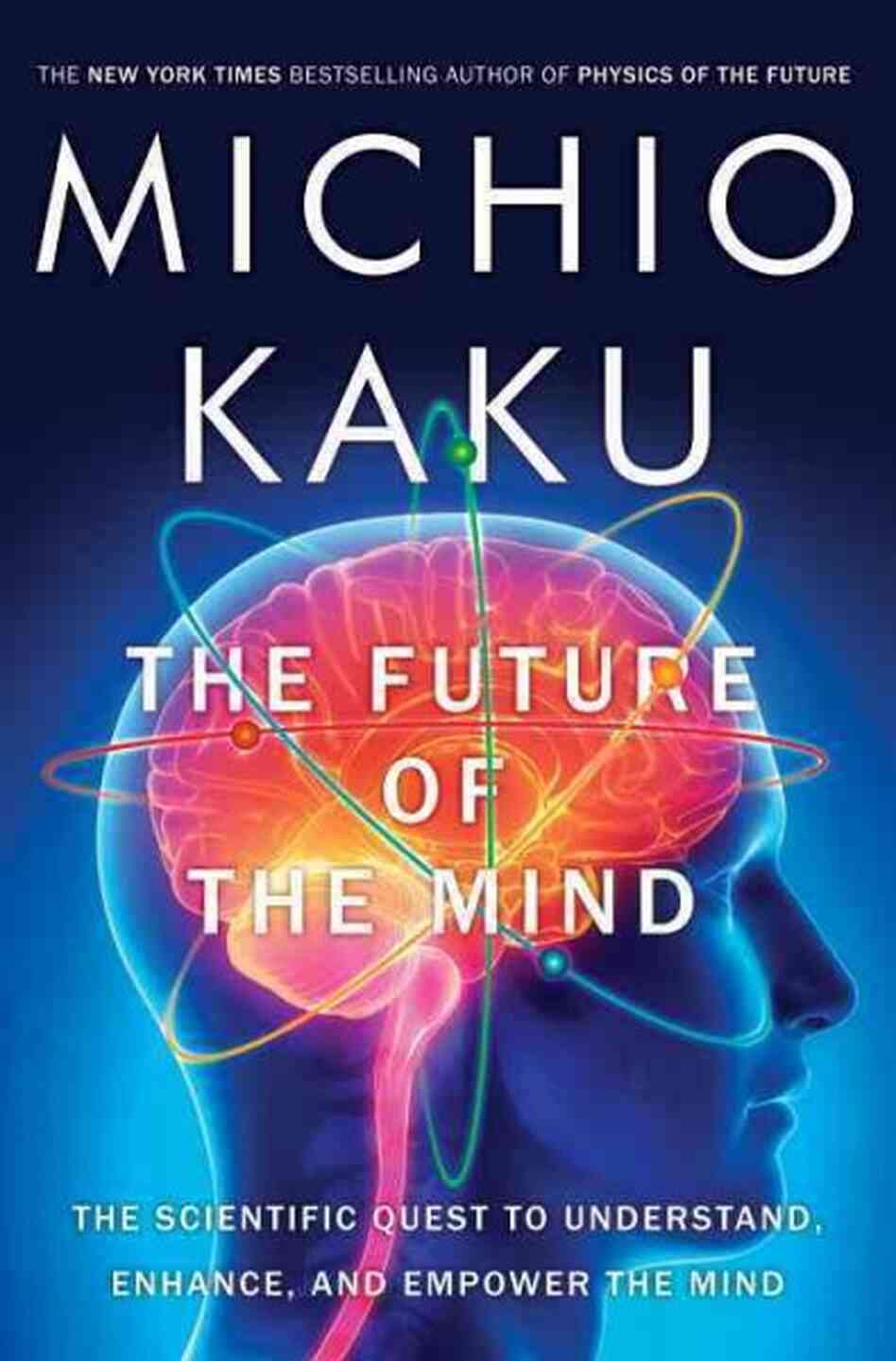
Hmmm . . . a physicist explaining consciousness. Interesting leap from one field to another on the part of one of the most successful science writers for a public audience. I have his new book, The Future of the Mind: The Scientific Quest to Understand, Enhance, and Empower the Mind, but I have not made time to read it.

Here is his "space-time" definition (theory) of consciousness:
consciousness is the set of feedback loops necessary to create a model of our place in space with relationship to others and relationship to time
That is nice, simple utilitarian view of consciousness, an attempt to answer the "what does it do?" question. But it fails to confront (and nothing below suggests he even addresses) the "hard problem" of consciousness, i.e., HOW does it arise, how does a 3.5 lb lump of tissue see and feel the color red? It does not address "why there is “something it is like” for a subject in conscious experience, why conscious mental states “light up” and directly appear to the subject."

His model also does not account for the existence of art or the desire to transcend waking states of consciousness. In the interview below, he addresses the "how" of humor and jokes, but not the "why" - why do we make humor and jokes, what purpose does it serve within a model of consciousness that is fundamentally about orienting us in space and time?

Perhaps I am being unfair, having not read the book, but what I see in the interview below does not inspire me to move the book up list of things to read.

Michio Kaku Explains Consciousness for You

The gregarious physicist gets inside our brains.

By Luba Ostashevsky and Kevin Berger | June 5, 2014

The first thing we asked Michio Kaku when he stopped by Nautilus for an interview was what was a nice theoretical physicist like him doing studying the brain. Of course the outgoing Kaku, 67, a professor at City College of New York, and frequent cheerleader for science on TV and radio, had a colorful answer. He told us that one day as a child in Palo Alto, California, when the hometown of Stanford University was punctuated by apple orchards and alfalfa fields, he was struck by an obituary of Albert Einstein that mentioned the question that haunted the twilight of the great physicist’s life: how to unify the forces of nature into a “unified field theory.” Kaku, who in 2005 published a book on Einstein, and is a proponent of string theory in physics, has devoted his entire career to solving Einstein’s conundrum. But along the way, Kaku said, he has been fascinated by the other great mystery of nature: the origin of consciousness. In his new book, The Future of the Mind, Kaku has turned the physicist’s “rigorous” eye on the brain, charting its evolution, transformations, and mutations, arriving at futuristic scenarios of human brains melded with computers to amplify collective memory and intelligence. We found the book insightful and engaging and were struck by the confidence with which Kaku explains the nature of consciousness. He answered our questions with zest and insight—stirring, we might imagine, controversy among neuroscientists.


What’s a nice theoretical physicist like you doing studying the brain?

Well, first of all, in all of science, if you were to summarize two greatest mysteries, one would be the origin of the universe and one would be the origin of intelligence and consciousness. And as a physicist, I work in the first. I work in the theory of cosmology, of big bangs and multiverses. That’s my world, that’s my day job, that’s how I earn a living. However, I also realize that we physicists have been fascinated by consciousness. There are Nobel Prize winners who argue about the question of consciousness. Is there a cosmic consciousness? What does it mean to observe something? What does it mean to exist? So these are questions that we physicists have asked ourselves ever since Newton began to create laws of physics, and we began to understand that we too have to obey the laws of physics, and therefore we are part of the equation. And so there’s this huge gap that physicists have danced around for many, many decades and that is consciousness. So I decided—I said to myself, “Why not apply a physicist’s point of view to understand something as ephemeral as consciousness?” How do we physicists attack a problem? Well, first of all we create a model—a model of an electron, a proton, a planet in space. We begin to create the laws of motion for that planet and then understand how it interacts with the sun. How it goes around the sun, how it interacts with other planets. Then lastly we predict the future. We make a series of predictions for the future. So first we understand the position of the electron in space. Then we calculate the relationship of the electron to other electrons and protons. Third we run the videotape forward in time. That’s how we physicists work. So I said to myself, “Why not apply the same methodology to consciousness?” And then I began to realize that there are three levels of consciousness: the consciousness of space, that is, the consciousness of alligators and reptiles; the consciousness of relationship to others, that is, social animals, monkeys, animals which have a social hierarchy and emotions; and third, we run the videotape forward, we plan, strategize, scheme about the future. So I began to realize that consciousness itself falls into the same paradigm when we analyze physics and consciousness together.

What is your “space-time theory of consciousness?”

Well, I’m a physicist and we like to categorize things numerically. We like to rank things, to find the inter-relationship between things, and then to extrapolate into the future. That’s what we physicists, that’s how we approach a problem. But when it comes to consciousness, realize that there are over 20,000 papers written on consciousness. Never have so many people spent so much time to produce so little. So I wanted to create a definition of consciousness and then to rank consciousness. So I think that consciousness is the set of feedback loops necessary to create a model of our place in space with relationship to others and relationship to time. So take a look at animals for example. I would say that reptiles are conscious, but they have a limited consciousness in the sense they understand their position in space with regard to their prey, with regard to where they live, and that is basically the back of our brain. The back of our brain is the oldest part of the brain; it is the reptilian brain, the space brain. Then in the middle part of the brain is the emotional brain, the brain that understands our relationship to other members of our species. Etiquette, politeness, social hierarchy—all these things are encoded in the emotional brain, the monkey brain at the center of the brain. Then we have the highest level of consciousness, which separates us from the animal kingdom. You see animals really understand space, in fact better than us. Hawks, for example, have eyesight much better than our eyesight. We also have an emotional brain just like the monkeys and social animals, but we understand time in a way that animals don’t. We understand tomorrow. Now you can train your dog or a cat to perform many tricks, but try to explain the concept of tomorrow to your cat or a dog. Now what about hibernation? Animals hibernate, right? But that’s because it’s instinctual. It gets colder, instinct tells them to slow down and they eventually fall asleep and hibernate. We, on the other hand, we have to pack our bags, we have to winterize our home, we have to do all sorts of things to prepare for wintertime. And so we understand time in a way that animals don’t.

Why is a sense of time a key to understanding consciousness?

Well, we’re building robots now right? And the question is how conscious are robots? Well, as you can see, they are at a level one. They have the intelligence of a cockroach, the intelligence of an insect, the intelligence of a reptile. They don’t have emotions. They can’t laugh and they can’t understand who you are. They don’t understand who they are. There’s no understanding of a social pecking order. And, well, they understand time to a degree but only in one parameter. They can simulate the future only in one direction. We simulate the future in all dimensions—dimensions of emotions, dimensions of space and time. So we see that robots are basically at level one. And then one day, we may meet aliens from out of space and then the question is, well, if they’re smarter than us, what does that mean to be smarter than us? Well, to me, it means being able to daydream, strategize, plan much better than us. They will be several steps ahead of us if they are more intelligent than us. They could, quote, outwit us because they see the future. So that’s where we differ from the animals. We see the future. We plan, scheme, strategize. We can’t help it. And some people say, “Well bah humbug! I don’t believe this theory, there’s got to be exceptions, things that are outside the theory of consciousness like humor.” What could be more ephemeral than a joke? But think about a joke for a moment. Why is a joke funny? A joke is funny because you hear the joke, and then you mentally complete the punch line by yourself, and then when the punch line is different from what you anticipated, it is, quote, funny, okay? For example one of Roosevelt’s daughters was the gossip of the White House and she was famous for saying, “If you have nothing good to say about somebody, then please sit next to me.” Now why is that quote funny? It’s funny because you complete the sentence yourself: if you have nothing good to say about somebody, then don’t say anything at all. Your parents taught you that. But then the twist is “well come sit next to me.” And that’s why it’s, quote, funny. Or WC Fields was asked the question, “Are you in favor of social activities for youth? Like, are you in favor of clubs for youth?” And he said, “Well am I in favor of clubs for youth? Yes, but only if kindness fails.” That’s funny because we think clubs are social gatherings, but for WC Fields he twists the punch line and says, no a club is for hitting people. And that’s why that quote is funny—because we cannot help it. We mentally complete the future.

You say we have a “CEO” in our brain. What exactly is that?

Well, how do we differ from the animals? If you put, for example, a mouse between pain and pleasure, between a shock and food, or between two pieces of food, I’m sorry, it will actually, like the proverbial donkey, get confused. It’ll go back and forth, back and forth because it cannot evaluate. It cannot do the ultimate evaluation of something. It lacks a CEO to make the final decision. We have the CEO. It’s in the frontal part of the brain and we can actually locate where our sense of awareness is. You put the brain in an MRI scan, you ask the person to imagine yourself, and bingo! Right there, right behind your forehead it lights up. That is where you have your sense of self. And then when you have to make hard decisions between two things, animals have a hard time doing that because they’re being hit with all these different kinds of stimuli. It’s a hard decision for them. We, on the other hand, again that part lights up and that is, quote, the CEO that finally makes the final decision in evaluating all the other consequences. And how did we do this? By simulating the future. If you get candy and put a candy in front of a kid the kid says, “Well if I grab that candy will my mother be happy? Will my mother be sad? I mean, how will I pay for it?” That’s what goes on in your mind, you complete the future and that’s the part of the brain that lights up. So that’s how the CEO makes the decision between two things while animals do it by instinct, or they just get confused.

Your “CEO in the brain” seems to act with intent and purpose. But neurons just fire or don’t. You can’t say they have purpose, right?

There is a purpose behind our consciousness, and that is basically survival and also reproduction. So if you think about your daydreaming, what do you daydream about? Well you daydream about survival first of all. Where’s my next food or my job? I mean, how do I impress people to advance in my career? And so on and so forth. And then you think, “Hey it’s Friday night. You know, I’m lonely. I want to go out and, you know, dance at some dance hall and have some fun.” So if you think about it, there is a purpose, and that’s why we have emotions. Emotions have a definite purpose. Evolution gave us emotions because they’re good for us. For example, the concept of like. How do you like something? Well if you think about it, most things are actually dangerous. Of all the things that you see around, they’re either neutral or actually dangerous. There’s only a small sliver of things which are good for you. And emotions say, “I like this because these things are good for you.” Jealousy is very important, for example, as an emotion because it helps to ensure your reproduction and the fact that your genes will carry out into the next generation. Anger. All these emotions that we have, that are instinctual, are basically hardwired into us because we have to make split-second decisions, which would take many, many minutes for the prefrontal cortex to rationally evaluate. We don’t have time for that. If you see a tiger, you feel fear. That’s because it’s dangerous and you have to run away. And then we have the other question that is sometimes asked: Can a robot feel redness? Or how do we know that we are conscious? Because we can feel a sunset or we feel the enormous splendor of nature but robots can’t, right? Well I don’t believe in that, because back in the old days people used to ask the question, “What is life?” I still remember, as a kid, all these essays and articles written about “What is life?” That question has pretty much disappeared. Nobody asks that question anymore because we now know—because of biotechnology, the degradations—it’s a very complicated question. It’s not just living and non-living. We have all sorts of viruses and all sorts of things in between. So we now realize that the question “What is life?” has pretty much disappeared. So I think the question of “What is consciousness and can consciousness understand redness in a machine?” will also gradually just disappear. One day we will have a machine that understands redness much better than us. It’ll be able to understand the electromagnetic spectrum, the poetry, be able to analyze the law of redness, history of redness, much better than any human. And the robot will say, “Can humans understand redness? I don’t think so.” One day, robots will have so much access to the Internet—so much access to sensors—that they will understand redness in a way that most humans cannot and robots will conclude that, “My god, humans cannot understand redness.”

Granted, consciousness arises out of the brain. But what is consciousness itself? What, for instance, is the sense of redness?

Well, if you take a look at the circuitry of the brain, you realize that the sensors of the brain are limited. Sometimes they can be mis-wired; that’s called synesthesia. And you realize that we have certain parts of the brain that register certain kinds of senses, including redness. Now then the question is, can blind people understand redness, right? And the answer is no, but they have the receptors—they have the apparatus there that can allow them to understand redness, but they don’t. So ultimately, I think you can create a robot—a robot, which will have the same sensors, the same abilities—to understand redness much better than a human and be able to recite poetry, be able to have eloquent statements about the essence of redness much better than any human poet can. Then the question is, well, does the robot understand redness? At that point the question becomes irrelevant, because the robot can talk, feel, express the concept of redness many, many, many times better than any human. But what’s going on in the mind? Well, a bunch of circuits or a bunch of neurons firing and so on and so forth. And that will be redness.

What is self-awareness?

Well, again there are thousands of papers written about self-awareness and I have to make a definition in one sentence. My definition is very simple: Self-awareness is when you put yourself in that model. So this model of space, your relationship to other humans, and then relationship to time, when you put yourself in that model that is self-awareness. And then you ask the question, well, are robots self-aware? Well the answer is obviously no. When the robot Watson beat two humans on the game show Jeopardy on national TV, many people thought, “Uh-oh the robots are coming; they’re going to put us in zoos. They’re going to throw peanuts at us and make us dance behind bars just like we do that with bears.” Wrong. Watson has no sense of self-awareness. You cannot go to Watson and slap it on his back and say, “Good boy, good boy, you just beat two humans on Jeopardy.” Look, Watson doesn’t even know that it is a computer. Watson doesn’t know what a human is. Watson doesn’t even know that it won this prize of beating two humans on a game show because he does not have a model of itself as a machine, a model of humans as being made out of flesh and blood, and he doesn’t have the three categories of intelligence other than understanding space and being able to navigate facts on the internet. So again, self-awareness I have to define it. Self-awareness is when you put yourself in this model of space, time, and relationship to others.

Are we merely biological machines?

Well, we are definitely biological machines. Okay, there’s no question about that. The question is, what does that mean? What does that mean for people’s feelings about the universe [and] sense of who they are? Are humans special in that sense from animals? Well, I’ve looked at a continuum. If you take a look at our own evolution and you were to believe, for example, that only humans are conscious (which is the dominant position of most psychologists and most people in the field), that humans really are different, we are conscious, animals or not. That is the dominant position in the entire field. But if you take our evolutionary history, at what point did we suddenly become conscious? There’s a continuum of our ancestors going back millions, in fact, billions of years and then you say, “Well at what point did we suddenly become conscious?” and then you begin to realize that, hey this is a stupid question. Consciousness itself probably has a continuum. It has stages as I mentioned, but consciousness probably has a continuum and so, in that sense, we are linked to the animal kingdom. Now are we special? Again, it depends on how you define special—how you define soul. What I’m saying is, if you give me a criterion, that is, are we x, y, z? Then what I say is, “Okay how do you measure it?” Give me an experiment that I can put a human in a box by which I can measure this criterion that you give me. So are we biological machines? The answer is yes, but what does that mean? Does a machine have a soul? Does a machine have something more? Well, define more. Define soul. Define essence. Give me a definition and then I will give you an experiment by which we can differentiate yes or no. That’s how we physicists think.

What’s the future of the human brain?

Well, first of all I think that brain-machine interface is going to explode in terms of developments, financing, and breakthroughs. The Pentagon is putting tens of millions of dollars into the revolutionary prosthetics program because think of the thousands of veterans of Iraq and Afghanistan who had injured spinal cords, no arms, no legs. We can connect the brain directly now to a mechanical arm [or] mechanical leg. At the next international soccer games, the person who starts the Brazilian World Cup Games will be partially paralyzed, wearing an exoskeleton. In fact, my colleague Stephen Hawking, the noted cosmologist, he has lost control of his fingers now, so we have connected his brain to a computer. The next time you see him on television, look at his right frame. In his right frame there’s an antenna there with a chip in it that connects him to a laptop computer. And we now have, in this sense, telepathy. We’re now able to actually take human thoughts and carry out movements of objects in the material world. People who are totally paralyzed can now read email, write email, surf the web, do crossword puzzles, operate their wheelchair, operate household appliances and they are totally paralyzed—they are vegetables. We’ve done this with animals. We’ve done this with humans. And in the future, because you ask about the future, we will also have artificial memories as well. Last year for the first time in world history, we recorded a memory and implanted a memory into the brain. At Wake Force University and also in Los Angeles, you take a mouse, teach the mouse how to sip water from a flask, and then look at the hippocampus, record the impulses ricocheting across the hippocampus (which is the gateway to memory), record it, and then later, when the mouse forgets how to do this, you re-insert the memory back into the hippocampus and bingo! The mouse learns on the first try. Next, will be primates. For example, a primate eating a banana or learning how to manipulate a certain kind of toy. That memory can be recorded and then re-inserted into the brain. And the short-term goal is to create a brain pacemaker. A brain pacemaker whereby people with Alzheimer’s could just simply push a button and they will know where they live, they will know who they are, they will know who their kids are, and beyond that, even more complex memories. Maybe we’ll be able to record a memory of a vacation you never had and be able to upload that vacation. Or you’re a college student learning calculus by simply pushing a button. Or if you’re a worker that’s been laid off because of technology, why not upgrade your skills? These are all possibilities that are real because now the politicians are getting interested in this, and they’re putting big bucks to the tune of a billion dollars into the brain initiative.

How will artificial intelligence change our view of humanity?

Well, we realize that democracy is perhaps the worst form of government except for all the others that have been tried, said Winston Churchill, and people will democratically vote. They will democratically decide how the human race will evolve. For example: designer children. We cannot do that today, but it’s coming. The day will come when parents will decide what genes they want to have propagated into their kids. Already, for example, if you’re Jewish in Brooklyn and you have the potential of Tay-Sachs, a horrible genetic disease, you can be tested and the embryos can be tested and you can abort them. So you have already a form of genetic engineering taking place right now, today. We can actually genetically engineer certain disease genes out of your gene pool. That’s today. In the future we may be able to deliberately do this. And so we begin to realize that we may have the power of controlling our genetic destiny. And the same thing with intelligence: If we have the ability to upload memories, perhaps we’ll have the ability to have super memories—to have a library of memories so that we can learn calculus and learn all the different subjects that we flunked in college—and have them inserted into our mind. And so as the decades go by, we may have these superhuman abilities. And with exoskeletons we may be able to live on Mars and live on other planets with skeletons that allow us to have superpowers and the ability to breath in different atmospheres and things like this. My point is that in a democracy people will decide for themselves. We cannot decide. We cannot say that that’s immoral, that’s moral. People in the future will democratically decide how they want their genetic heritage and how they want their physical heritage to be propagated.

Saturday, January 04, 2014

George Monbiot - Materialism: A System that Eats Us from the Inside Out

From The Guardian, in part (headline and first image), the rest is from George Monbiot's blog. This is a little late, but still highly relevant relevant:

Materialism: A system that eats us from the inside out

Buying more stuff is associated with depression, anxiety and broken relationships. It is socially destructive and self-destructive


George Monbiot
The Guardian, Monday 9 December 2013


Owning more doesn't bring happiness: 'the material pursuit of self-esteem reduces self-esteem.' Photograph: Dominic Lipinski/PA

That they are crass, brash and trashy goes without saying. But there is something in the pictures posted on Rich Kids of Instagram (and highlighted by the Guardian last week(1)) that inspires more than the usual revulsion towards crude displays of opulence. There is a shadow in these photos – photos of a young man wearing all four of his Rolex watches(2), a youth posing in front of his helicopter(3), endless pictures of cars, yachts, shoes, mansions, swimming pools, spoilt white boys throwing gangster poses in private jets – of something worse; something that, after you have seen a few dozen, becomes disorienting, even distressing.


All photos taken from Rich Kids of Instagram


The pictures are, of course, intended to incite envy. They reek instead of desperation. The young men and women seem lost in their designer clothes, dwarfed and dehumanised by their possessions, as if ownership has gone into reverse. A girl’s head barely emerges from the haul of Chanel, Dior and Hermes shopping bags she has piled onto her vast bed(4). It’s captioned “shoppy shoppy” and “#goldrush”, but a photograph whose purpose is to illustrate plenty seems instead to depict a void. She’s alone with her bags and her image in the mirror, in a scene that seems saturated with despair.


Perhaps I am projecting my prejudices. But an impressive body of psychological research appears to support these feelings. It suggests that materialism, a trait that can afflict both rich and poor, which the researchers define as “a value system that is preoccupied with possessions and the social image they project”(5), is both socially destructive and self-destructive. It smashes the happiness and peace of mind of those who succumb to it. It’s associated with anxiety, depression and broken relationships.


There has long been a correlation observed between materialism, a lack of empathy and engagement with others, and unhappiness(6,7,8). But research conducted over the past few years appears to show causation.

For example, a series of studies published in June in the journal Motivation and Emotion showed that as people become more materialistic, their well-being (good relationships, autonomy, a sense of purpose and the rest) diminishes(9). As they become less materialistic, it rises.

In one study, the researchers tested a group of 18-year-olds, then re-tested them 12 years later. They were asked to rank the importance of different goals: jobs, money and status on one side, self-acceptance, fellow feeling and belonging on the other. They were then given a standard diagnostic test to identify mental health problems. At the ages of both 18 and 30, materialistic people were more susceptible to disorders. But if in that period they became less materialistic, their happiness improved.


In another study, the psychologists followed Icelanders weathering their country’s economic collapse. Some people became more focused on materialism, in the hope of regaining lost ground. Others responded by becoming less interested in money and turning their attention to family and community life. The first group reported lower levels of well-being, the second group higher levels(10).

These studies, while suggestive, demonstrate only correlation. But the researchers then put a group of adolescents through a church programme designed to steer children away from spending and towards sharing and saving. The self-esteem of materialistic children on the programme rose significantly, while that of materialistic children in the control group fell. Those who had little interest in materialism before the programme experienced no change in self-esteem(11).


Another paper, published in Psychological Science, found that people in a controlled experiment who were repeatedly exposed to images of luxury goods, to messages which cast them as consumers rather than citizens and to words associated with materialism (such as buy, status, asset and expensive), experienced immediate but temporary increases in material aspirations, anxiety and depression(12). They also became more competitive, more selfish, had a reduced sense of social responsibility and were less inclined to join demanding social activities. The researchers point out that as we are repeatedly bombarded with such images through advertisements, and constantly described by the media as consumers, these temporary effects could be triggered more or less continuously.

A third paper, published (ironically) in the Journal of Consumer Research, studied 2,500 people for six years(13). It found a two-way relationship between materialism and loneliness: materialism fosters social isolation; isolation fosters materialism. People who are cut off from others attach themselves to possessions. This attachment in turn crowds out social relationships.

The two varieties of materialism which have this effect – using possessions as a yardstick of success and seeking happiness through acquisition – are the varieties that seem to be on display at Rich Kids of Instagram. It was only after reading this paper that I understood why those photos distressed me: they look like a kind of social self-mutilation.


Perhaps this is one of the reasons why an economic model based on perpetual growth continues on its own terms to succeed, though it may leave a trail of unpayable debts, mental illness and smashed relationships. Social atomisation may be the best sales strategy ever devised, and continuous marketing looks like an unbeatable programme for atomisation.

Materialism forces us into comparison with the possessions of others, a race both cruelly illustrated and crudely propelled by that toxic website. There is no end to it. If you have four Rolexes while another has five, you are a Rolex short of contentment. The material pursuit of self-esteem reduces your self-esteem.


I should emphasise that this is not about differences between rich and poor: the poor can be as susceptible to materialism as the rich. It is a general social affliction, visited upon us by government policy, corporate strategy, the collapse of communities and civic life and our acquiescence in a system that is eating us from the inside out.

This is the dreadful mistake we are making: allowing ourselves to believe that more money and more stuff enhances our well-being, a belief possessed not only by those poor deluded people in the pictures, but by almost every member of almost every government. Worldly ambition, material aspiration, perpetual growth: these are a formula for mass unhappiness.


References:

1. http://www.theguardian.com/technology/2013/dec/06/selfies-status-updates-digital-bragging-web
2. http://richkidsofinstagram.tumblr.com/post/67779474838/dont-know-which-rolex-to-wear-so-hes-rocking
3. http://richkidsofinstagram.tumblr.com/post/63579216840/weekend-at-the-farm-robertsonpark-by
4. http://richkidsofinstagram.tumblr.com/post/61764470661/shoppy-shoppy-by-iamcece-goldrush-onlyseeorange
5. Monika A. Bauer et al, 2012. Cuing Consumerism: Situational Materialism Undermines Personal and Social Well-Being. Psychological Science 23: 517.
DOI: 10.1177/0956797611429579. http://pss.sagepub.com/content/23/5/517
6. eg http://www.rawstory.com/rs/2013/06/20/research-finds-wealth-warps-your-perspective-and-makes-you-less-ethical/
7. Tamas Martos and Maria S. Kopp, 2012. Life Goals and Well-Being: Does Financial Status Matter? Evidence from a Representative Hungarian Sample. Social Indicators Research, 105: 561–568. DOI 10.1007/s11205-011-9788-7
8. http://healthland.time.com/2011/10/13/wealth-matters-part-2-materialistic-people-are-less-happy-in-marriage/
9. Tim Kasser et al, 2013. Changes in materialism, changes in psychological well-being: Evidence from three longitudinal studies and an intervention experiment.
Motivation and Emotion. DOI 10.1007/s11031-013-9371-4
http://link.springer.com/article/10.1007%2Fs11031-013-9371-4
10. Tim Kasser et al, 2013, as above.
11. Tim Kasser et al, 2013, as above.
12. Monika A. Bauer et al, 2012. Cuing Consumerism: Situational Materialism Undermines Personal and Social Well-Being. Psychological Science 23: 517.
DOI: 10.1177/0956797611429579. http://pss.sagepub.com/content/23/5/517
13. Rik Pieters, 2013. Bidirectional Dynamics of Materialism and Loneliness: Not Just a Vicious Cycle. Journal of Consumer Research, DOI: 10.1086/671564. http://www.jstor.org/stable/10.1086/671564

Twitter: @georgemonbiot. A fully referenced version of this article can be found at Monbiot.com

Monday, July 29, 2013

Patricia Churchland - Touching a Nerve: Exploring the Implications of the Self as Brain, Parts 1 & 2 [Excerpt]

Patricia Churchland's new book, Touching a Nerve: The Self as Brain, has received a lot of attention, including here at IOC (see this post). Scientific American has posted a two-part excerpt.

I'm sharing only the first section of each excerpt, but you can read the rest by following the links in the titles provided below. These sections appear to be from a chapter on sex and aggression from a neuroscience and evolutionary perspective.

As you all know, I am not a fan of Churchland, so I share this as a look into the worldview of those who hold a materialist perspective.

Touching a Nerve: Exploring the Implications of the Self as Brain, Part 1 [Excerpt]

Philosopher Patricia Churchland looks at aggressive impulses and sex through the lens of neuroscience and evolutionary theory


By Patricia S. Churchland | Friday, July 26, 2013


Image: Patricia S. Churchland

Excerpted from Touching a Nerve: The Self as Brain, by Patricia S. Churchland. Copyright © 2013 Patricia S. Churchland. With permission of the publisher, W. W. Norton & Co., Inc.

The Joy of Hating


Sometimes play fighting crosses the line into real fighting. Sometimes defensive combat emerges when trust should prevail. Sometimes the wiring for impulse control is overwhelmed. By ideology. By rhetoric. By fear and hate. Sometimes . . . all hell breaks loose.

Fans of the San Diego Chargers football team are full of hate for fans of another California football team, the Oakland Raiders. They taunt each other, donning costumes to intimidate or humiliate the opposing team’s fans. Some of the fans engage in ritual fight displays, not unlike those of aggressive birds such as the Noisy Miner.

Chargers fans say the Raiders are evil, disgusting, and subhuman. And vice versa. Maybe it is just play hate. Evidently it is fun. All sides hugely enjoy the hate fest. Any casual observer can see that the fans derive enormous pleasure from belonging to a group that is united in its hate for the other group. The very hate itself seems to be exciting, invigorating, and pleasurable. Not incidentally, an astonishing amount of time and expense goes into this ritualistic hostility.

Nevertheless, in the United States, fighting between the fans at football games (U.S. football) is quite rare. On the exceptional occasion when it does occur, fans generally express horror and outrage. In England, however, one group of fans having it out with another group is not rare. Fighting among male fans after matches, and sometimes during and before matches, has been disturbingly popular among a subset of men. Football brawls happen routinely. Hooliganism has been exceptionally difficult to wipe out.

The BBC documentary on football fight clubs shows that for many young men, brawls between rival groups are terrifically exciting. Brawls are a major reason for attending matches, whether in the hometown or in France, Italy, or elsewhere in Europe. In the United Kingdom, the gangs are referred to as “firms.” Football firms are well organized, with a “top lad” who plays a leadership role and organizes fighting events around football matches.

What are the men of football firms like? To judge from the BBC documentary, they are charming, articulate, and bright. They were not beating their chests or frothing at the mouth. They did not look crazed. They could be your brother or cousin. The normality of their manner seems incompatible with their love of brawling, and yet it is not. This is essentially brawling without cause. It is brawling for the sheer fun of it.

The Los Angeles riots of 1992 erupted as racial and ethnic tension boiled over following the acquittal of three white policemen who had been videotaped viciously beating a black man, Rodney King. The outrage at the unfairness was profound, and suddenly all hell was unleashed: arson, looting, and shooting were occurring all over South Central Los Angeles.

I saw the video images of the hapless white trucker, Reginald Denny, forcibly yanked from his truck at an intersection by four black youths. They savagely kicked him and smashed his head with a brick, almost killing him. Watching the event on video again now, I cannot but be stunned, as reporters were at the time, by the joyous body language of the youths as Denny lay semiconscious on the ground. They danced with joy. Mostly unconcerned, people were milling all around the intersection. Fortunately, four black citizens, having seen the Denny beating on television, went to his rescue and took him to the hospital. But for their kind actions, he likely would have died.

Utter chaos reigned in the city for several days. The police had to back off because they were so deeply mistrusted and hated that they had become a popular target of gunfire. The National Guard had held back because their ammunition had not been delivered. Some Korean shopkeepers tried to defend their property by shooting looters, while others elected instead to simply watch as their shops were looted and burned.

Here, in the midst of the frustration and anger of the rioters and looters, there was joy and some sense of justified pleasure in striking back. One woman with a video camera reported, “When I was on the streets, people were having a ball. They were stealing and laughing and having a bunch of fun.” At least 54 people were killed, and thousands more were injured.

With absolutely no pretext save losing the Stanley Cup to the Boston Bruins in a fair hockey series, hockey fans in June 2011 went on a rampage in downtown Vancouver, burning cars, looting shops, and causing mayhem. Yes, this was Canada, where these things are not supposed to happen. In this instance, too, the joy of the fans, mostly young men, was unmistakable. They danced on overturned cars, smashed store windows, set fire to vehicles, and taunted the police, who struggled to maintain some semblance of order.

Cage fighting, I am told by my friend Jonathan Gottschall, is his passion. This seems peculiar to me, as he is a professor in a literature department. He tells me that the appeal of cage fighting is completely different from that enjoyed in riots and brawls. As Jonathan says, this is basically a friendly form of mutual assault. One-on-one, where the fight is fair, in the sense that officials match the pugilists in age, weight, and standing, is very different from mob brawls. Fear is the overriding emotion before the fight; intense attention is the main mental state during the fight. According to the cage fighters, the only pleasure comes at the end of the fight, and only if you win. The pleasure of defeating your opponent is so incredibly intense, it makes the risk worthwhile. Some cage fighters say it is a kind of ecstasy, comparable only to sex. This connection is less surprising than it first seems. Sexual behavior and violence are linked in the brain, in a region of the hypothalamus (ventral medial). In male mice, activation of some neurons in this tiny area provokes aggressive behavior to other males put in the cage, but provokes mating behavior when females enter the cage.

Hate gets classified as a negative emotion, and we might assume that negative emotions are the opposite of pleasurable. But in reflecting on the hate of sports fans or rival gangs, you cannot but notice that it tends to be energizing. Arousal is pleasurable. Sometimes it is called being “adrenalized.” So it is.

The comedian Louis C.K. describes standing in a long queue at the post office. He looks at other people in the line. He immediately sees things about them to hate. What idiotic shoes that guy wears; what a dumb question the customer is asking; what a loser. Contempt keeps him amused until his turn comes up. Despising others, however trivial the pretext, feels wonderful.

What else is going on in the hate state? You are familiar with guilty pleasures—doing on the sly something that is only modestly bad but still forbidden, like showing each other your bare childhood bums behind the barn, for example. What fun when you are 5. What a delicious secret to keep from your parents. In watching the videos of the Vancouver riots, the joy of breaking the rules, and doing so with others, was palpable.

Women are usually bystanders in hostility rituals and murderous raids. By and large, the perpetrators are men, and mostly, apart from a leader, they are young or middle-aged adults. A long-standing hypothesis is that the males of a gang are, in part, performing for each other. Their hostility displays reassure one another of their mutual attachment, their reliability in case of attack, and their common purpose. Their bonding gives them feelings of power, the power of numbers. That is linked to pleasure. Clothed alike in white sheets, rhythmically dancing around a huge bonfire, the men of the Ku Klux Klan appear to be having a ball. If duty alone were the incentive, no one would show up.

Females are not without aggression, however. Generally, but not always, it just takes a different form. Mean gossip, unkind cuts, shunning—all are potent forms of aggression used by females. Hair pulling seems to be making a comeback these days. Here as well, some form of pleasure seems to derive from collective hating. As with the football fans, there seems to be both intense ingroup bonding and intense hostility to those in a rival group or perhaps someone excluded from all groups.

Us versus them delineates the border of one’s safe group. Within the group, individuals can count on affection and adherence to group norms. Outside the group, interactions are riskier and individuals have to be more vigilant. The form that the hostile behavior takes toward those in the outgroup depends on what is in your toolbox, which depends in part on your genes and in part on what you pick up from your culture as the right way to do things. You model yourself after those you admire. Much simplified, in many cultures boys bash, girls shun.

When I was in ninth grade, a rather homely and forlorn girl with whom we had all been acquainted from the first grade began to be visibly pregnant. Being slow in class, she had generally been shunned as “retarded.” She failed to pass through the grades and struggled to learn to read. Dorothy was, so far as the girls in their tight cliques were concerned, essentially a nonentity. How had Dorothy become pregnant? She had no boyfriend, and in our village, everyone knew who was dating whom. As we all came quickly to know, one of the local lads, a logger, had taken her out and “had his way with her.” Beer was likely a factor. Did we feel sorry for her? Did we offer condolences for what was surely rape or the next thing to it? Were we dismayed by the lad’s taking advantage of a simpleminded girl?

Not a bit of it. We wallowed in our superiority, we basked in our wholesomeness and how grand it was that we were not Dorothy. We thought that her predicament was the sort of thing that happened to a girl like her; certainly not to girls like us. Such contempt was not an emotion generated when each of us was alone; then, individually, we were pretty scared by what had happened to Dorothy. Somewhat ignored before, Dorothy now was completely ostracized. Disgraceful though our behavior certainly was, the contempt quickly, and yes, joyfully, bubbled up when three or four of us assembled. Such scorn was part of what kept us so tightly bonded together. Hate binds, and social bonds are a joy.

At about the same time that we scorned Dorothy’s predicament, a chore befell me at the farm. Our white leghorn hens, generally a sociable crew, had ganged up on one miserable hen that had somehow acquired a scratch on her neck. The flock would not leave her alone. Swarming around her, the other hens pecked at any sight of blood, opening her wound further. They would have killed her, but my father told me to remove her and make a special pen to put her in until she healed. She still had a year or so of good laying, not yet old enough for the stew pot. Why, I asked, do hens behave in such a horrible way? “Well,” came the reply, “I don’t know. They just do.” The analogy with Dorothy was not lost on me. I regret to say, however, that it made not one whit of difference to my behavior.

Many years later, my friends and I looked back on the Dorothy episode with unequivocal self-loathing. Having matured, we assessed our adolescent behavior with something akin to disbelief. How had we allowed ourselves—even encouraged each other—to be so mean? Could we really have been like that then? Will our daughters be like that?

* * * * * * *

Touching a Nerve: Exploring the Implications of the Self as Brain, Part 2 [Excerpt]

Philosopher Patricia Churchland looks at aggressive impulses and sex through the lens of neuroscience and evolutionary theory


By Patricia S. Churchland | Saturday, July 27, 2013


Image: Patricia S. Churchland

Excerpted from Touching a Nerve: The Self as Brain, by Patricia S. Churchland. Copyright © 2013 Patricia S. Churchland. With permission of the publisher, W. W. Norton & Co., Inc.

Diverging Paths in Human Sexual Development


The basic account of a typical brain-hormone interaction for XX and XY fetuses has been outlined. But not all cases conform to the prototype. Variability is always a part of biology. For example, unusual chromosome arrangements can occur. Rarely, an egg or a sperm might actually carry more than one chromosome, so the conceptus ends up with more than just a pair of sex chromosomes. About 1 in 650 males are born with XXY, a condition known as Klinefelter’s syndrome (as I mentioned in Chapter 1, my brother has this condition). The outcome can be quite variable, but basically what happens is that the testosterone supply dependent on the Y chromosome gets swamped by the estrogen production linked to the two X chromosomes. This affects gonad development, musculature, and fertility. There are cognitive costs, too, mainly having to do with the role of the prefrontal cortex in impulse control and the capacity to delay gratification.

Other chromosomal variations are also seen: XYY occurs in about 1 in 1,000 male births. It frequently goes unnoticed because there are no consistent symptoms. At one time it was claimed, mainly on a priori grounds, that XYY persons are especially aggressive, but this turns out not to be correct. XXYY, which is much more rare (about 1 in 20,000 male births), has many deleterious effects. This condition is linked to seizures, autism, and developmental delays in intellectual functions. In about 1 in 5,000 cases, a fetus may have only a single chromosome—an X—a condition known as Turner’s syndrome. The damaging effects are very broad, including short stature, low-set ears, heart defects, nonworking ovaries, and learning deficits. If a conceptus has only a single chromosome—a Y—it probably fails to implant in the uterus and never develops.

So just at the level of the chromosomes, we see variability that belies the idea that we are all either XX or XY. What about variability in the genes that leads to variability in brain development? Various factors, both genetic and environmental, can deflect the intricate development of a body and its brain from its typical course.

Consider an XY fetus. For the androgens (testosterone and dihydrotestosterone) to do their work in its brain, they must bind to special receptors tailored specially for androgens. The androgens fit into the receptors like a key into a lock. The receptors are actually proteins, made by genes. Even small variations in the gene (SRY) involved in making androgen receptors can lead to a hitch. And small variations in that gene are not uncommon. In some genetic variants, the receptor lacks the right shape to allow the androgens to bind to it. This prevents the process of masculinizing the gonads and the brain. In other genetic variants, no receptor proteins are produced at all, so the androgen has nothing to bind to. In these conditions, the androgens cannot masculinize the brain or the body, despite the XY genetic makeup. In consequence, the baby, though a genetic male, will probably have a small vagina and will be believed to be female when born. This baby will grow breasts at puberty, though she/he will not menstruate and has no ovaries. This is sometimes described in the following way: the person is genetically a male, but bodily (phenotypically) a female. These individuals usually lead quite normal lives and may be sexually attracted to men or to women or in some cases to both.

If an XX fetus is exposed to high testosterone levels in the womb, her gonads at birth may be rather ambiguous, with a large clitoris or a small penis. This condition is known as congenital adrenal hyperplasia, or CAH. This usually results from a genetic abnormality that causes the adrenal glands to produce extra androgens. As a child, she may be more likely to engage in rough-and-tumble play and to eschew more typical girl games such as “playing house.” When at puberty there is a surge of testosterone, she may develop a normal penis, testicles will descend, and her musculature may become more masculine. Though raised as a girl, persons with this history tend to live as heterosexual males. A male XY fetus may also carry the genetic defect, but in that case, the extra androgens are consistent with the male body and brain, and the condition may go unrecognized.

Some of these discoveries begin to explain things about gender identity that otherwise strike us as puzzling. A person who is genetically XY with male gonads and a typical male body may not feel at all right as a man. So far as gender is concerned, he feels completely female. Conforming to a male role model may cause acute misery and dissonance, sometimes ending in suicide. Conversely, a woman who is genetically XX may feel a powerful conviction that she is psychologically, and in her real nature, a man. Sometimes this disconnect is characterized as a female trapped in a man’s body or a male trapped in a female’s body. Statistically, male-to-female transsexuals are about 2.6 times as common as female-to-male transsexuals.

Is this conviction on the part of the person not just imagination run amok? In most cases, the matter is purely biological. Once we know something about the many factors, genetic and otherwise, that can alter the degree to which a brain is masculinized, it is a little easier to grasp a biological explanation for how a person might feel a disconnect between his or her gonads and his or her gender identity.

For example, in fetal development, the cells that make GnRH (gonadotropin-releasing hormone) may not have had the normal migration into the hypothalamus. If this happens, the typical masculinization of the brain cannot occur. For some individuals, the explanation of the chromosome-phenotype disconnect (XY but has a female gender identity) probably lies with GnRH, despite the existence of circulating testosterone in the blood. It is noteworthy that the data indicate that most male-to-female transsexuals do have normal levels of circulating testosterone, and most female-to-male transsexuals do have normal levels of circulating estrogen. This means that it is not the levels of these hormones in the blood that explains their predicament. Rather, we need to look at the brain itself.

Examining brains at autopsy is currently the only way to test in humans whether an explanation for a behavioral variant in terms of sexually dimorphic brain areas is on the right track. Here is some evidence that it is. First, there is a subcortical area close to the thalamus called (sorry about this) the bed nucleus of the stria terminalis (BNST). The BNST is normally about twice as large in males as in females. What about male-to-female transsexuals? Because the data can be obtained only at autopsy, they are limited. Nevertheless, in the male-to-female transsexual brains examined so far, the number of cells in the BNST is small. The number looks closer to the standard female number than to the standard male number. For the single case coming to autopsy of a female-to-male transsexual, the BNST looks like that of a typical male.

What are the causal origins of this mismatch of gonads and brain? The answers are still pending, but in addition to the many ways in which lots and lots of genes could be implicated, various drugs taken by the mother during pregnancy are possible factors. What drugs? Among others, nicotine, phenobarbitol, and amphetamines.

Like many others of my generation, I first learned about transsexuality when the British journalist and travel writer James/Jan Morris was interviewed on the BBC in 1975. A highly gifted and clearheaded writer with a wonderful sense of humor, Morris discussed her long struggle with the dilemma of feeling undeniably like a female from the age of 5 and yet possessing a male body and presenting to the world as a male. In Morris’s forthright book on the subject, Conundrum, she provides one of the deepest and most revealing narratives on what it is like to be unable to enjoy that calm sense of being at home in your own skin, of being one with yourself. Morris had married a woman to whom he was deeply attached and had five children. By all accounts, he was a wonderful and devoted father. But as the years went by, he became ever more miserable until in his 50s, and with the blessing of his wife, he underwent the long and difficult process of a sex change. Here are Morris’s heartfelt words describing the change:
Now when I looked down at myself I no longer seemed a hybrid or chimera: I was all of a piece, as proportioned once again, as I had been so exuberantly on Everest long before. Then I had felt lean and muscular; now I felt above all, deliciously clean. The protuberances I had grown increasingly to detest had been scoured from me. I was made, by my own lights, normal.
Gender identity is one thing, sexual orientation another, and the vast majority of homosexuals have no issue with gender identity at all. They just happen to be attracted to members of their own sex. This tends to be true also of cross-dressing males, who are fully content in the male gender identity but who enjoy dressing up in women’s clothing. How is sexual orientation related to the brain? There are undoubtedly many causal pathways that can lead to homosexuality or bisexuality, most involving the hypothalamus in one way or another. Sometimes sexual orientation can be affected by the chromosomal and genetic variations discussed earlier. The hypothalamic changes are likely to be quite different from those found in someone who is transsexual or transgendered.

Tuesday, June 25, 2013

David Brooks - Beyond the Brain


Every once in a while, David Brooks (at the New York Times) makes excellent points in his columns - this is one of the those times. What this column boils down to is that the mind is not the brain.

But then we knew that.

Beyond the Brain

By DAVID BROOKS
Published: June 17, 2013

It’s a pattern as old as time. Somebody makes an important scientific breakthrough, which explains a piece of the world. But then people get caught up in the excitement of this breakthrough and try to use it to explain everything.


David Brooks

This is what’s happening right now with neuroscience. The field is obviously incredibly important and exciting. From personal experience, I can tell you that you get captivated by it and sometimes go off to extremes, as if understanding the brain is the solution to understanding all thought and behavior.

This is happening at two levels. At the lowbrow level, there are the conference circuit neuro-mappers. These are people who take pretty brain-scan images and claim they can use them to predict what product somebody will buy, what party they will vote for, whether they are lying or not or whether a criminal should be held responsible for his crime.

At the highbrow end, there are scholars and theorists that some have called the “nothing buttists.” Human beings are nothing but neurons, they assert. Once we understand the brain well enough, we will be able to understand behavior. We will see the chain of physical causations that determine actions. We will see that many behaviors like addiction are nothing more than brain diseases. We will see that people don’t really possess free will; their actions are caused by material processes emerging directly out of nature. Neuroscience will replace psychology and other fields as the way to understand action.

These two forms of extremism are refuted by the same reality. The brain is not the mind. It is probably impossible to look at a map of brain activity and predict or even understand the emotions, reactions, hopes and desires of the mind.

The first basic problem is that regions of the brain handle a wide variety of different tasks. As Sally Satel and Scott O. Lilienfeld explained in their compelling and highly readable book, Brainwashed: The Seductive Appeal of Mindless Neuroscience, you put somebody in an fMRI machine and see that the amygdala or the insula lights up during certain activities. But the amygdala lights up during fear, happiness, novelty, anger or sexual arousal (at least in women). The insula plays a role in processing trust, insight, empathy, aversion and disbelief. So what are you really looking at?

Then there is the problem that one activity is usually distributed over many different places in the brain. In his book, Brain Imaging, the Yale biophysicist Robert Shulman notes that we have this useful concept, “working memory,” but the activity described by this concept is widely distributed across at least 30 regions of the brain. 
Furthermore, there appears to be no dispersed pattern of activation that we can look at and say, “That person is experiencing hatred.”

Then there is the problem that one action can arise out of many different brain states and the same event can trigger many different brain reactions. As the eminent psychologist Jerome Kagan has argued, you may order the same salad, but your brain activity will look different, depending on whether you are drunk or sober, alert or tired.

Then, as Kagan also notes, there is the problem of meaning. A glass of water may be more meaningful to you when you are dying of thirst than when you are not. Your lover means more than your friend. It’s as hard to study neurons and understand the flavors of meaning as it is to study Shakespeare’s spelling and understand the passions aroused by Macbeth.

Finally, there is the problem of agency, the problem that bedevils all methods that mimic physics to predict human behavior. People are smokers one day but quit the next. People can change their brains in unique and unpredictable ways by shifting the patterns of their attention.

What Satel and Lilienfeld call “neurocentrism” is an effort to take the indeterminacy of life and reduce it to measurable, scientific categories.

Right now we are compelled to rely on different disciplines to try to understand behavior on multiple levels, with inherent tensions between them. Some people want to reduce that ambiguity by making one discipline all-explaining. They want to eliminate the confusing ambiguity of human freedom by reducing everything to material determinism.

But that is the form of intellectual utopianism that always leads to error. An important task these days is to harvest the exciting gains made by science and data while understanding the limits of science and data. The next time somebody tells you what a brain scan says, be a little skeptical. The brain is not the mind.

~ A version of this op-ed appeared in print on June 18, 2013, on page A25 of the New York edition with the headline: Beyond The Brain.

Tuesday, April 02, 2013

"War on Consciousness" Webinar with Graham Hancock

This could be interesting - at the very least Graham Hancock gets to explain his perspectives on a platform and with a community that is sympathetic to his views, unlike the folks at TEDx. There is a $25 fee for the one hour talk and 30 minute question and answer session.

"War on Consciousness" Webinar

Evolver Learning Lab


Recently Graham Hancock discovered that his TEDx Whitechapel presentation, "The War on Consciousness," was censored by the TED leadership -- removed from the TED YouTube page and criticized for reasons which TED later admitted to be unfounded. An outraged grassroots campaign led to TED reposting the video, though on an obscure blog page rather than on their popular YouTube site.

Clearly Graham's provocative talk about visionary plants and consciousness struck a nerve. Was it his frank discussion of the Amazonian brew ayahuasca? Or his consideration of a spiritual world view that challenges core assumptions of the materialist paradigm? Before its removal from YouTube, the video had received 130,000 views. What is it about Graham Hancock's message that so many find inspiring, but TED felt it must distance itself from?

In this exclusive Evolver webinar, Graham Hancock will expand upon the themes he introduced in his provocative TEDx talk, and explore the ramifications they have for your life:
  • Should sovereignty over your own consciousness be as fundamental a right as free speech?
  • How might visionary plants have effected human evolution, and what potential do they have for us today?
  • Why does our society approve of some states of consciousness, but actively suppress others that might offer solutions to the ecological and spiritual crises of our time?
  • How can you explore the potential offered through visionary plants like ayahuasca safely and responsibly? 
Graham Hancock is one of the sharpest minds of the new consciousness movement. The author of numerous books, including the bestselling Fingerprints of the Gods, Supernatural, and the visionary novel Entangled, he never fails to ask the right question and investigate assumptions too often taken for granted.

We are at the threshold of a major societal shift. Why is the expansion of consciousness so critical to the future of humanity -- and why are so many people threatened by this possibility? How can you overcome this fear in your own life, and among those you know?

In this live, interactive video session, Graham will discuss the censorship controversy and why he feels these issues are so important and worth defending. And he will explore how you can take part in the consciousness transformation that is already in motion.

This single-session webinar takes place on Saturday, April 14. The format is a 60 minute presentation followed by 30 minutes of Q&A. You will be part of the discussion, able to ask your questions on camera, just like a Skype call.

Join us for this exciting exploration into the nature of consciousness and spirituality.

April 14, 8:00 p.m. London, 3:00 p.m. NY, 12:00 p.m. LA

$25

Register Here:

http://evolverlearninglab.com/products/the-war-on-consciousness-what-it-means-for-you