Tuesday, September 11, 2012

Joseph Henrich - How Culture Drove Human Evolution

From Edge, this conversation with Joseph Henrich looks at the social brain theory of human evolution. There is a lot in this model that is similar to E.O. Wilson and David Sloan Wilson. His book, co-written with his wife, is Why Humans Cooperate: A Cultural and Evolutionary Explanation (Evolution and Cognition).

Audio:
How Culture Drove Human Evolution

A Conversation with Joseph Henrich [9.4.12]  

Beyond Edge


HOW CULTURE DROVE HUMAN EVOLUTION

A Conversation with Joseph Henrich [9.4.12]
Read the whole lengthy article.

Open Culture - 375 Free eBooks: Download to Kindle, iPad/iPhone & Nook

 
This is a very cool resource - have fun!

375 Free eBooks: Download to Kindle, iPad/iPhone & Nook 


This collection features free e-books, mostly classics, that you can read on your iPad/iPhone (purchase), Kindle (purchase), Nook (purchase) or other devices. It includes great works of fiction, non-fiction and poetry. To learn how to load books to your Kindle using the links below, please watch this video. This other video explains how to upload epub files to a Nook.

Here are some samples of what you can find on this list.
Beckett, Samuel - Waiting for Godot
Read Online – Alternative Version


Blake, William - Selected Poems
iPad/iPhone - Kindle + Other Formats


Bronte, Charlotte - Jane Eyre
iPad/iPhone
– Kindle from Amazon - Other Formats – Read Online

Bronte, Emily - Wuthering Heights
iPad/iPhone
– Kindle + Other Formats – Read Online


Dante - The Divine Comedy

iPad/iPhone – Kindle + Other Formats – Read Online


Darwin, Charles - On the Origin of Species
iPad/iPhone – Kindle from Amazon - Other Formats – Read Online


Defoe, Daniel - Robinson Crusoe
iPad/iPhone – Kindle + Other Formats – Read Online


Descartes, Rene - Discourse on the Method
iPad/iPhone – Kindle + Other Formats


Dewey, John - Democracy & Education
iPad/iPhone – Kindle + Other Formats – Read Online


Dick, Philip K - “Beyond the Door”
iPad/iPhone – Kindle + Other Formats


Eliot, TS - The Waste Land
Kindle + Other Formats
– Read Online

Emerson, Ralph Waldo – Essays
iPad/iPhone – Kindle + Other Formats


Erasmus - The Praise of Folly
iPad/iPhone – Kindle + Other Formats – Read Online


Euripides - Medea
Kindle + Other Formats – Read Online


Faulkner, William - The Collected Stories of William Faulkner
Kindle + Other Formats

And this list goes on . . . .

Monday, September 10, 2012

Locating the Stillness at the Center

If our feelings and thoughts activate one another in a hectic way, then we become caught up in the confusion that surrounds us. However, if we can locate the stillness at the center of our hearts, we can find composure in almost any situation.

The quote is from today's Daily Om.

Bookforum Omnivore - Philosophical Roots

Bookforum's Omnivore blog recently posted another cool collection of philosophy links - Enjoy!


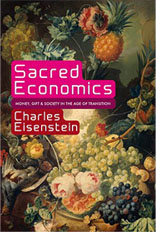
Charles Eisenstein: Sacred Economics - Authors at Google


Charles Eisenstein spoke at Google on August 16, 2012 about his recent book, Sacred Economics: Money, Gift, and Society in the Age of Transition. You can read the book for free online, or for a gift of whatever amount you feel is appropriate.
Sacred Economics traces the history of money from ancient gift economies to modern capitalism, revealing how the money system has contributed to alienation, competition, and scarcity, destroyed community, and necessitated endless growth. Today, these trends have reached their extreme - but in the wake of their collapse, we may find great opportunity to transition to a more connected, ecological, and sustainable way of being.
There is a short film (12 mins.) by Ian MacKenzie that explores the ideas from the book - It's posted below the Google talk.


Charles Eisenstein: Sacred Economics - Authors at Google


Charles Eisenstein is a visionary scholar who maps economics, science, philosophy, psychology, and the history of civilization onto our daily activities, with inquiries like, 'How should we live?' 'What's really important?' 'How can our relationship to money be transformed?' He is the author of "The Yoga of Eating," "Ascent of Humanity," and "Sacred Economics."

Sacred Economics is Eisenstein's exploration of the history of money from ancient gift economies to modern capitalism, where he reveals how the money system has contributed to alienation, competition, and scarcity, destroyed community, and necessitated endless growth. Sacred Economics explores avant-garde concepts of the New Economics, including negative-interest currencies, local currencies, resource-based economics, gift economies, and the restoration of the commons. Author Charles Eisenstein also considers the personal dimensions of this transition, speaking to those concerned with "right livelihood" and how to live according to their ideals in a world seemingly ruled by money. Tapping into a rich lineage of conventional and unconventional economic thought, Sacred Economics presents a vision that is original yet commonsense, radical yet gentle, and increasingly relevant as the crises of our civilization deepen and we move into a new age, a new way of being with each other and our planet.

Eisenstein graduated from Yale University in 1989 with a degree in Mathematics and Philosophy, and spent the next ten years as a Chinese-English translator. He currently lives in Harrisburg, Pennsylvania and serves on the faculty of Goddard College. His writings on the web magazine "Reality Sandwich" have generated a vast online following.

True to his word, he lives in a gift economy and has made available both "Ascent of Humanity" and "Sacred Economics" to read online for free!
Director's Statement:
"After reading Charles Eisenstein's book Sacred Economics, which speaks eloquently about the return of the "gift economy", I felt compelled to gift back. The best way I knew how was to use my filmmaking skills to share Charles' work, and spread it to communities around the globe.

His vision of "the more beautiful world our hearts tell us is possible" is the salve that so many of us need at this time, in the age of great transition. My hope is this film catalyzes those who work with passion and dedication to live this world right now." - Ian MacKenzie, Director

Rick Hanson - The Compassionate Brain: Activating the Neural Circuits of Kindness, Caring, and Love - Practical Neuroscience for Transformation

Sounds True is hosting a free seven-week series of podcasts with Rick Hanson and a roster of stars from the world of transformative neuroscience, including Richie Davidson, Dan Siegel, Tara Brach, Dacher Keltner, Kelly McGonigal, Kristin Neff, and Jean Houston (okay, Houston seems way out of place in this line-up - but I am biased in that I think she is suffering from Boomeritis). Anyway - this looks great and I am looking forward to 6/7ths of it.

The Compassionate Brain

Activating the Neural Circuits of Kindness, Caring, and Love
Practical Neuroscience for Transformation

A FREE Online Event Series, beginning Monday, October 8, 2012,
from 8–9 pm Eastern Time (GMT –4)

For the first time, we now have scientific evidence that we can consciously rewire our own brain to cultivate compassion, kindness, and love. With The Compassionate Brain, neuropsychologist Dr. Rick Hanson, author of Buddha’s Brain, presents a FREE seven-part video series that explores the most powerful and effective ways you can create positive, lasting changes in your brain—and your life.
Each week, Dr. Hanson will be joined by a leading scholar or teacher to investigate our growing understanding of the way meditation practice can affect our neurobiology. Together they will discuss the research behind neuroplasticity—our natural capacity to change the neural pathways in our brain—and examine which meditation practices seem to have the most positive effect on the human nervous system. Dr. Hanson and his guests will explore valuable insights, discoveries, and techniques—with a focus on practices that help us to create lasting changes in the way we react to and perceive the world.

Can’t make a live session? On-demand streaming videos will be available a few days after each session’s conclusion.

The Compassionate Brain Topics and Guests:
  • Session 1: How the Mind Changes the Brain
    Monday, October 8, 2012, from 8–9 pm Eastern Time (GMT –4)
    With Dr. Richie Davidson, professor of psychology at the University of Wisconsin and co-editor of The Asymmetrical Brain

  • Session 2: Mindfulness of Oneself and Others
    Monday, October 15, 2012, from 8–9 pm Eastern Time (GMT –4)
    With Dr. Daniel Siegel, executive director of the Mindsight Institute and author of Mindsight: The New Science of Personal Transformation

  • Session 3: Cultivating a Forgiving Heart
    Monday, October 22, 2012, from 8–9 pm Eastern Time (GMT –4)
    With Dr. Tara Brach, founder of the Insight Meditation Community of Washington and author of Radical Acceptance: Embracing Your Life with the Heart of a Buddha

  • Session 4: The Evolution of Compassion: From Gene to Meme
    Monday, October 29, 2012, from 8–9 pm Eastern Time (GMT –4)
    With Dr. Dacher Keltner, professor of psychology at the University of California, Berkeley and author of Born to Be Good: The Science of a Meaningful Life

  • Session 5: Balancing Compassion and Assertiveness
    Monday, November 5, 2012, from 8–9 pm Eastern Time (GMT –5)
    With Dr. Kelly McGonigal, senior teacher and consultant for the Stanford Center for Compassion and Altruism Research and Education and author of The Willpower Instinct: How Self-Control Works, Why It Matters, and What You Can Do to Get More of It

  • Session 6: The Power of Self-Compassion
    Monday, November 12, 2012, from 8–9 pm Eastern Time (GMT –5)
    With Dr. Kristin Neff, professor of human development and culture at the University of Texas, Austin and author of Self-Compassion: Stop Beating Yourself Up and Leave Insecurity Behind

  • Session 7: Compassion in the Wider World
    Monday, November 19, 2012, from 8–9 pm Eastern Time (GMT –5)
    With Dr. Jean Houston, co-founder of The Foundation for Mind Research and author of The Possible Human: A Course in Enhancing Your Physical, Mental, and Creative Abilities

Discover the Power of Self-Directed Neuroplasticity

“Perhaps the most valuable result of our new discoveries about neuroplasticity,” says Dr. Rick Hanson, “is that it helps us bring our brain into harmony with the greatest virtues of our heart.” With The Compassionate Brain FREE video event series, Dr. Rick Hanson invites you to join him and his seven guests to explore the profound implications of this cutting-edge science—and how you can use it to guide your own transformation.

Sunday, September 09, 2012

Adam Kotsko - How to Read Žižek


The other day I posted Slavoj Žižek's article on The Politics of Batman, which incorporates his usual class conflict perspective based in Marxist ideology (not communism, but Marxism - there's a difference). He views the film within the context of the Occupy movement and the possibility of the righteous terrorist.

In a recent article from the Los Angeles Review of Books, Adam Kotsko offered a "how-to" guide for reading Žižek. Kotsko is Assistant Professor of Humanities at Shimer College in Chicago. He is the author of Zizek and Theology, The Politics of Redemption: The Social Logic of Salvation, Awkwardness, and Why We Love Sociopaths: A Guide To Late Capitalist Television.


How to Read Žižek 
by Adam Kotsko

September 2nd, 2012

SLAVOJ ŽIŽEK, a philosopher and psychoanalyst from Slovenia, is one of the few academics to have achieved a degree of genuine popularity among general readers. He regularly lectures to overflow crowds, is the subject of a documentary film (called simply Žižek!), and surely counts as one of the world’s most visible advocates of left-wing ideas. When Žižek first broke into the English-speaking academic scene, however, few would likely have predicted such success. For one thing, his research focused on an unpromising topic: the long-neglected field of “ideology critique,” a staple of Marxist cultural criticism that had fallen into eclipse as Marxism became less central to Western intellectual life in the second half of the twentieth century.

“Ideology” is one of those philosophical terms that has entered into everyday speech with an impoverished meaning. Much as “deconstruction” means little more than “detailed analysis” in popular usage, so “ideology” tends to refer to a body of beliefs, most often with overtones of inflexibility or fanaticism. But as Žižek argued in his 1989 book The Sublime Object of Ideology, ideology is not to be found in our conscious opinions or convictions but, as Marx suggested, in our everyday practices. Explicit opinions are important, but they serve as symptoms to be interpreted rather than statements to be taken at face value.

Racism, for example. Žižek recommends that we look for symptomatic contradictions, as when the anti-Semite claims that the Jews are both arch-capitalist exploiters and Bolshevik subversives, that they are both excessively tied to their overly particular tradition and deracinated cosmopolitans undercutting national traditions. In the Jim Crow South, blacks were presented simultaneously as childlike innocents needing the guidance of whites and as brutal sexual predators. In contemporary America, Mexican immigrants are viewed at once as lay-abouts burdening our social welfare system and as relentless workaholics who are stealing all our jobs.

These contradictions don’t show that ideology is “irrational” — the problem is exactly the opposite, that there are too many reasons supporting their views. Žižek argues that these piled-up rationalizations demonstrate that something else is going on.

A similar sense that something else is going on always strikes me when I read a review of Žižek’s work in the mainstream media. (A recent example is John Gray’s review of two of Žižek’s books in the New York Review of Books, to which Žižek has responded.) Now academics are always ill-used in the mainstream press, particularly if they deal in abstract concepts and refer to a lot of European philosophers. Yet there’s something special about the treatment of Žižek. In what has become a kind of ritual, the reader of a review of Žižek’s work always learns that Žižek is simultaneously hugely politically dangerous and a clown with no political program whatsoever, that he is an apologist for the worst excesses of twentieth-century Communism and a total right-wing reactionary, both a world-famous left-wing intellectual and an anti-Semite to rival Hitler himself.

The goal is not so much to give an account of Žižek’s arguments and weigh their merits as to inoculate readers against Žižek’s ideas so they feel comfortable dismissing them. To find left-wing thinkers and movements simultaneously laughable and dangerous, disorganized and totalitarian, overly idealistic and driven by a lust for power is to suggest: there is no alternative. Rather than simply knocking around a poor, misunderstood academic in the public square, it is an attempt to shut down debate on the basic structure of our society. The rolling disaster of contemporary capitalism — war, crisis, hyper-exploitation of workers, looming environmental catastrophe — demands that we think boldly and creatively to develop some kind of livable alternative. Žižek can help.

The biggest obstacle facing the reader of Žižek’s work is not the academic trappings — the technical terms, the references to other thinkers — but a writing style that defies convention. Broadly speaking, the general expectation of argumentative writing is that it will lay out a more or less straightforward chain of reasons supporting a clear central claim. Even though we acknowledge that this format is almost never encountered in its pure form, it still remains a kind of ideal. In Žižek’s writing, though, it’s difficult to pick out anything like a “thesis statement,” and the argument most often proceeds via intuitive leaps rather than tight chains of reasoning. This is true even of pieces that are more or less totally non-academic, and it is doubtless one of the reasons his work is so often misunderstood. One thing I hope to show here, though, is that his method fits with his goals and with the kinds of phenomena he is trying to get at. Although Žižek’s work can be difficult to get into at first, he is one of the most engaging and thought-provoking writers working in philosophy today, with a unique ability to get people excited about philosophy and critical theory. He is, in short, a gateway drug, and I’m the pusher.
Read the whole article.

Sandra Ingerman: An Introduction to the Shamanic Journey (Sounds True)


In this podcast from Sounds True, Sandra Ingerman talks about her Sounds True program, The Beginner’s Guide to Shamanic Journeying. Ingerman is the author of several books, including Soul Retrieval: Mending the Fragmented Self, Shamanic Journeying: A Beginner's Guide, and Awakening to the Spirit World: The Shamanic Path of Direct Revelation.

Ingerman combines Western psychotherapy with traditional (sort of) shamanic practices to offer a more integrated model of healing the psyche. She is a long-time student of Michael Harner, one of the trailblazers in bringing shamanic ideas into Western spirituality (not always for the best, in my opinion, but that's another issue).

sandra-ingerman.jpg
The popularity of shamanism has increased dramatically over the last few decades, but there is still much confusion about just what shamanism is and how it might be relevant to those in the modern world. Sandra Ingerman has emerged as a teacher with a special gift for demystifying shamanism and helping us experience the world of the shaman directly. As Sounds True producer Matt Licata says, “Sandra helps us understand that we all have the ability to enter non-ordinary reality to receive guidance and healing for ourselves or others.” In this excerpt from The Beginner’s Guide to Shamanic Journeying, Sandra illuminates the central technique of shamanic practice—the shamanic journey—and its usefulness for those seeking inner transformation and healing.

Book Excerpt - The Brain and the Meaning of Life


This looks like an interesting book in the ongoing debate over the brain, neuroscience, philosophy, and the meaning of (or that we ascribe to) life. There is a link below for a preview of the first chapter (a PDF file).

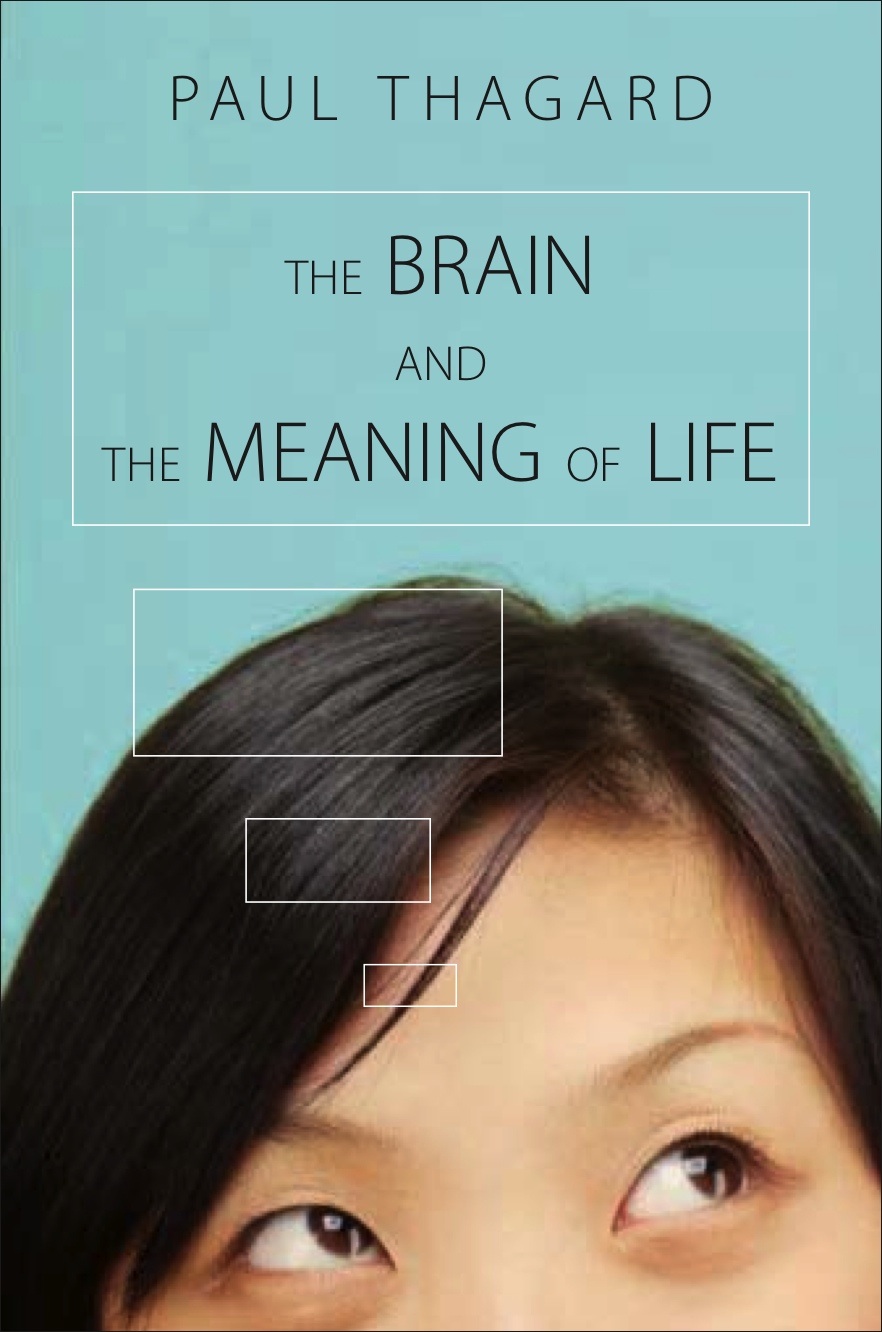
The Brain and the Meaning of Life
Paul Thagard

One of Choice's Outstanding Academic Title of 2011
296 pp. | 6 x 9 | 12 line illus. (prices below via Amazon)
Princeton University Press

Chapter 1 [in PDF format]

Description of the book from the publisher:
Why is life worth living? What makes actions right or wrong? What is reality and how do we know it? The Brain and the Meaning of Life draws on research in philosophy, psychology, and neuroscience to answer some of the most pressing questions about life's nature and value. Paul Thagard argues that evidence requires the abandonment of many traditional ideas about the soul, free will, and immortality, and shows how brain science matters for fundamental issues about reality, morality, and the meaning of life. The ongoing Brain Revolution reveals how love, work, and play provide good reasons for living.

Defending the superiority of evidence-based reasoning over religious faith and philosophical thought experiments, Thagard argues that minds are brains and that reality is what science can discover. Brains come to know reality through a combination of perception and reasoning. Just as important, our brains evaluate aspects of reality through emotions that can produce both good and bad decisions. Our cognitive and emotional abilities allow us to understand reality, decide effectively, act morally, and pursue the vital needs of love, work, and play. Wisdom consists of knowing what matters, why it matters, and how to achieve it.
 
The Brain and the Meaning of Life shows how brain science helps to answer questions about the nature of mind and reality, while alleviating anxiety about the difficulty of life in a vast universe. The book integrates decades of multidisciplinary research, but its clear explanations and humor make it accessible to the general reader.

Paul Thagard is professor of philosophy and director of the cognitive science program at the University of Waterloo, Canada. His books include Hot Thought: Mechanisms and Applications of Emotional Cognition and How Scientists Explain Disease.

Reviews:

"[Thagard] offers a tightly reasoned, often humorous, and original contribution to the emerging practice of applying science to areas heretofore the province of philosophers, theologians, ethicists, and politicians: What is reality and how can we know it? Are mind and brain one or two? What is the source of the sense of self? What is love? What is the difference between right and wrong, and how can we know it? What is the most legitimate form of government? What is the meaning of life, and how can we find happiness in it? Thagard employs the latest tools and findings of science in his attempts to answer these (and additional) questions." - Michael Shermer, Science

"A thoughtful and well-researched attempt to answer that most fundamental existential question: why not kill yourself? Or, to give it a positive spin, what gives life meaning? Thagard lays out detailed arguments that reality is knowable through science, that minds are nothing other than material brains and that there are no ultimate rights and wrongs handed down by a supernatural being." - New Scientist

"Thagard's 'neural naturalism' promises nothing short of a conceptual revolution, or better, a paradigm shift. His evidence-based strategy uses the data from psychology and neuroscience to expose empirically based answers to questions such as, What is the meaning of life? What ought one to do? . . . Thagard's reader-friendly text includes a glossary, endnotes, and extensive references." - Choice

"The name of this well-written and ambitious book understates the breadth of its scope. The book deals with the relation of modern neuroscience not only to the meaning of life, but also to ethics, metaphysics, and epistemology. . . . The discussion is rich, unorthodox, and frequently exciting." - Iddo Landau, Metapsychology Online Reviews

More reviews

TABLE OF CONTENTS:

Preface xi
Acknowledgments xv


Chapter 1: We All Need Wisdom 1
Why Live? 1
Sources of Wisdom 3
Philosophical Approaches 5
The Relevance of Minds and Brains 6
Looking Ahead 8
Conclusion 12


Chapter 2: Evidence Beats Faith 13
Faith versus Evidence 13
How Faith Works 14
How Evidence Works 20
Evidence and Inference in Science 23
Medicine: Evidence or Faith? 27
Evidence, Truth, and God 32
A Priori Reasoning and Thought Experiments 35
Conclusion 40


Chapter 3: Minds Are Brains 42
The Brain Revolution 42
Evidence That Minds Are Brains 43
Evidence for Dualism? 54
Objections to Mind-Brain Identity 59
Who Are You? 63
Conclusion 64


Chapter 4: How Brains Know Reality 67
Reality and Its Discontents 67
Knowing Objects 69
Appearance and Reality 72
Concepts 76
Knowledge beyond Perception 81
Coherence in the Brain 85
Coherence and Truth 90
Conclusion 92


Chapter 5: How Brains Feel Emotions 94
Emotions Matter 94
Valuations in the Brain 95
Cognitive Appraisal versus Bodily Perception 98
Synthesis: The EMOCON Model 100
Emotional Consciousness 105
Multilevel Explanations 108
Rationality and Affective Afflictions 111
Conclusion 116


Chapter 6: How Brains Decide 119
Big Decisions 119
Inference to the Best Plan 121
Decisions in the Brain 123
Changing Goals 126
How to Make Bad Decisions 133
Living without Free Will 137
Conclusion 140


Chapter 7: Why Life Is Worth Living 142
The Meaning of Life 142
Nihilism 143
Happiness 146
Goals and Meaning 149
Love 152
Work 158
Play 161
Conclusion 165


Chapter 8: Needs and Hopes 168
Wants versus Needs 168
Vital Needs 169
How Love, Work, and Play Satisfy Needs 171
Balance, Coherence, and Change 176
Hope versus Despair 177
Conclusion 182


Chapter 9: Ethical Brains 183
Ethical Decisions 183
Conscience and Moral Intuitions 184
Mirror Neurons 188
Empathy 190
Moral Motivation 192
Ethical Theory 195
Moral Objectivity 201
Responsibility 204
Conclusion 206


Chapter 10. Making Sense of It All 209
Connections Made 209
Wisdom Gained 213
What Kind of Government Should Countries Have? 215
How Can Creative Change Be Produced? 217
What Is Mathematical Knowledge? 221
Why Is There Something and Not Nothing? 224
The Future of Wisdom 226


Notes 231
Glossary 251
References 255
Index 271

Saturday, September 08, 2012

Transgenerational transmission of trauma and resilience


This article recently appeared in BMC Psychiatry, then was shared via Creative Commons License on BioMed Central. Transgenerational trauma (the term most often used in Holocaust survivor studies) and intergenerational trauma (the term most often used in Native American research) are finally becoming more accepted in the social sciences. Therapists often see this is sexual trauma, neglect or abuse, mental illness, and addictions being passed either directly or indirectly from one generation to the next.

This paper looks specifically at Brazillian survivors and their families - and while the authors caution that the results cannot be generalized, they confirm previous studies as well as making a solid case for intergenerational resilience.

Transgenerational transmission of trauma and resilience: a qualitative study with Brazilian offspring of Holocaust survivors

Luciana Lorens Braga, Marcelo Feijó Mello, José Paulo Fiks


Abstract


Background
Over the past five decades, clinicians and researchers have debated the impact of the Holocaust on the children of its survivors. The transgenerational transmission of trauma has been explored in more than 500 articles, which have failed to reach reliable conclusions that could be generalized. The psychiatric literature shows mixed findings regarding this subject: many clinical studies reported psychopathological findings related to transgenerational transmission of trauma and some empirical research has found no evidence of this phenomenon in offspring of Holocaust survivors.
 

Method
This qualitative study aims to detect how the second generation perceives transgenerational transmission of their parents' experiences in the Holocaust. In-depth individual interviews were conducted with fifteen offspring of Holocaust survivors and sought to analyze experiences, meanings and subjective processes of the participants. A Grounded Theory approach was employed, and constant comparative method was used for analysis of textual data.
 

Results
The development of conceptual categories led to the emergence of distinct patterns of communication from parents to their descendants. The qualitative methodology also allowed systematization of the different ways in which offspring can deal with parental trauma, which determine the development of specific mechanisms of traumatic experience or resilience in the second generation.


Conclusions
The conceptual categories constructed by the Grounded Theory approach were used to present a possible model of the transgenerational transmission of trauma, showing that not only traumatic experiences, but also resilience patterns can be transmitted to and developed by the second generation. As in all qualitative studies, these conclusions cannot be generalized, but the findings can be tested in other contexts.

Full Citation:
Braga, LL, Mello, MF,  Fiks, JP. (2012, Sep 3). Transgenerational transmission of trauma and resilience: a qualitative study with Brazilian offspring of Holocaust survivors. BMC Psychiatry; 12:134. doi:10.1186/1471-244X-12-134

Here is the background section of the paper, which offers some useful information on this topic. Follow the link at the top to read the whole article.

Background

More than 50 years after the liberation of Nazi concentration camps, researchers and clinicians are still devoted to studying the long-lasting consequences of the traumatic experiences endured by Holocaust survivors and their descendants. This is probably the most comprehensively researched case of transgenerational transmission of trauma [1]. Despite this, there are no published studies conducted with Brazilian offspring of Holocaust Survivors (OHS).

This phenomenon has importance beyond the study of OHS. Many studies suggest that genocides in Rwanda, Nigeria, Cambodia, Armenia, and former Yugoslavia brought about distinct psychopathological symptoms in offspring of survivors [2]. Depression, posttraumatic stress disorder (PTSD), attention deficits, and behavior disorders were more pronounced in children of tortured parents, as compared to controls [3].


In the medical literature, the first study concerning the transgenerational effects of trauma in OHS was published in 1966. The author, Dr. Vivian Rakoff, was researcher at the Jewish General Hospital in Montreal, a city where thousands of Holocaust survivors had settled [4]. Then, other psychiatrists and psychologists who were also treating OHS published case reports of their own [5-7], proposing that the psychiatric disorders of these patients were the result of a “survivor syndrome” [8] perpetuated from one generation to the next [9].


The idea that a parental traumatic experience could reach the second generation soon gained consistency. Clinical studies [10-13] reported a wide range of affective and emotional symptoms transmitted over generations: distrust of the world, impaired parental function, chronic sorrow, inability to communicate feelings, an ever-present fear of danger, pressure for educational achievement, separation anxiety, lack of entitlement, unclear boundaries, and over-protectiveness within a narcissist family system.
 

Although clinical data provided evidence of psychopathologic effects on OHS, some methodological limitations were apparent: predominance of case reports, unclear definitions of psychopathology, small sample sizes, sampling biases, absence of control groups, and lack of standardized instruments [14].

The literature on the “Second Generation” has grown quickly and profusely since the mid-1980s. Controlled studies have confirmed that Holocaust trauma has psychological impacts on the children of survivors [15], such as higher levels of childhood trauma, increased vulnerability to PTSD and other psychiatric disorders [16,17].

Conversely, other studies have pointed out that OHS were in no way affected in terms of personal adjustment [18-20] and that differences between OHS and control groups could suggest a specific character organization rather than psychopathology [21,22]. Specific types of interpersonal relations were found in OHS, and were related to the pattern of parental communication regarding the Holocaust [23,24]. No evidence of personality disturbances was showed in methodologically sophisticated studies conducted with nonclinical samples of OHS [25,26].


A series of meta-analytical studies conducted with second generation [27] and third generation [28] offspring found no evidence of transgenerational transmission of trauma, except in studies conducted with “selected” samples. These resilient patterns were widely described in literature and, for the purpose of this study, we adopted the definition of resilience provided by the American Psychological Association: “the process of adapting well in the face of adversity, trauma, tragedy, threats, or even significant sources of stress – such as family and relationship problems, serious health problems, or workplace and financial stressors. It means 'bouncing back' from difficult experience” [29].


There are three critical conditions in almost all definitions of resilience: “(i) growing up in distressing life conditions and demanding societal conditions that are considered significant threats or severe adversities, (ii) the availability of protective factors, including internal assets and external resources that may be associated with counteracting the effects of risk factors, and (iii) the achievement of positive adaptation despite experiences of significant adversity” [30].


The review of the literature suggests that current studies on transgenerational transmission of trauma to OHS are not conclusive. There is no consensus between the clinical observations and empiric research on the existence of long-term psychological effects on Holocaust survivors and their offspring [31,32]. Whereas case reports are indicative of transgenerational transmission of trauma [33], systematic studies have found no psychopathologic manifestations in the children of Holocaust survivors, except when they were exposed to lifethreatening situations [34,35].


The objective of qualitative studies [36-38] is to explore conceptual aspects [39] and understand different meanings and nuances of these apparent contradictions between clinical research and controlled methodologies. The present study aims to detect how Brazilian OHS perceive transgenerational transmission of their parents‟ experiences in the Holocaust. We should point out that studying specifically this sample is an important data, in as much as the vast majority of the specific literature is based on American, European or Israelite population. The immigration of the first generation to Brazil and the Brazilian culture itself could play a diverse role in the experience of being offspring of Holocaust survivors.

Benedict Dellot - Our Moral Palates

This is a nice overview of the work in moral social-psychology embraced by the RSA (Royal Society for the encouragement of Arts, Manufactures and Commerce). Smells a bit like Spiral Dynamics in some places - it's also heavily reliant on Jonathan Haidt's recent work, which poses problems for me due to Haidt's conservative bias (which he denies, and thus the problem).


Our Moral Palates

September 1, 2012 by

Not long ago, I described 3 particular ‘meta concepts’ that are present or emerging in the RSA’s work. These were:

(i) Mental complexity and adult development – the notion that there exists a ‘hidden curriculum’ of mental tasks in life that require a certain level of mental complexity in order to navigate effectively. Central to this concept is the importance of how we know, not just what we know, and of taking things as object that were once subject.

(ii) Cultural theory – the notion that there are, to varying extents, four dominant cultures at play in the world: egalitarianism, hierarchicalism, individualism and fatalism. Proponents of this theory argue that efforts to tackle major challenges usually need to embrace and draw upon a mixture of all of these (except fatalism). This is particularly true of ‘wicked’ problems, which unlike ‘tame’ ones cannot be addressed through ‘elegant’ but blunt solutions e.g. using only hierarchical sanctions to combat crime or individualist incentives to overcome climate change.

(iii) Values modes – the notion that most people fall into 3 predominant value groups: settlers, prospectors and pioneers. Which type best defines you depends upon the extent to which you are ‘inner directed’ or ‘outer directed’. The lesson for policymakers is that policies and political messages need to be tailored to fit each group, otherwise efforts at changing behaviour may prove fruitless.

As I mentioned in a previous blog post, the reason why I’m trying to identify these broader concepts is because they help us to make sense of the world, acting in a way as umbrellas for all the other minor lessons and rules that seek to guide our day-to-day actions. To put it another way, the likes of cultural theory, mental complexity and values modes offer maps of life’s terrain, whereas tit bits of information and the latest research insights only give a narrow set of directions to where we want to go, some of which often appear to contradict the paths laid out by others.

Since posting that blog, I had a chance to read Jonathan Haidt’s new book, The Righteous Mind. This, I believe, may act as a contender for a 4th spot in the guidebook of meta concepts. Haidt’s book is an extraordinarily rich account of the origins of moral psychology and a revealing exploration of how the different states of our moral minds are able to shape group behaviour and drive divisions in political and religious communities.

Trying to distil the book’s contents into a single line or two is an impossible task, but his central thesis can be broadly understand as follows: there exist in the world a variety of intrinsically-borne ‘moral matrices’ that have helped to bind people into successful groups, but which have also left us divided on lots of different issues. When Haidt talks about ‘moral matrices’, he is referring to the different assortment of ‘moral foundations’ – what might be colloquially termed as morals or values – that each individual or group has. To put it in simpler terms, Haidt draws parallels between moral foundations and taste receptors; just as everybody has different preferences of flavours, so too do they have their own distinctive moral palates.

Moral Foundations Theory, as it is formally known, identifies 6 particular moral foundations that make up our moral matrices, some of which are more prevalent than others. Each of these are summarised in the table below.


Drawing upon the data gathered on his research website YourMorals.org, Haidt argues that liberals tend to have moral matrices that are built with only 3 of the Foundations – Care, Fairness and Liberty – whereas conservatives have moral matrices that rest upon all 6. As a result of the sheer breadth of their moral palates, the messages and policies of conservatives are more likely to resonate with a wider segment of the population than are those of liberals (or liberatarians).

The Righteous Mind goes on to explore many issues in depth, but the Moral Foundations Theory alone is likely to have sizeable implications for the way in which we seek to pursue political, social and economic progress. We are already seeing, for instance, how the left are attempting to tap into people’s Fairness foundation receptors (a sensitivity for proportionality, not just equality). Think Labour’s recent internal debate about introducing conditionality within the welfare state. Conversely, witness how Mitt Romney’s speech to the GOP convention was littered with phrases that were intended to prompt people’s Care foundation (it will be interesting to see what comes out when Obama gives his own speech in a week or so’s time).

I imagine the Moral Foundations Theory could also be a useful resource beyond the world of political messaging and grand policy-making. For example, could it tell us anything about how to make behaviour change initiatives more effective? Or about how teaching methods could better support children with different moral dispositions?

Slavoj Žižek: The Politics of Batman


Slavoj Žižek has lost some of the star-status he enjoyed a year or two ago when he seemed to translated and profiled nearly weekly in U.S. journals. His rise to fame began with the 1989 translation into English of The Sublime Object of Ideology and continued to increase over the next two decades, perhaps peaking in 2009-2010 when he was reportedly hanging out with Lady Gaga.

From my perspective it seemed he was seeking controversy and probably hoped to generate discussion, but generally came to be regarded as something of a buffoon by more serious authors and critics. Maybe that is for the best - he does not feel the philosopher or social critic should pretend to have answers in the first place.

Here is a brief summary of his "thinking" from Wikipedia:
Ian Parker claims that there is no "Žižekian" system of philosophy because Žižek, with all his inconsistencies, is trying to make us think much harder about what we are willing to believe and accept from a single writer (Parker, 2004). Indeed, Žižek himself defends Jacques Lacan for constantly updating his theories, arguing that it is not the task of the philosopher to act as the Big Other who tells us about the world but rather to challenge our own ideological presuppositions. The philosopher, for Žižek, is more someone engaged in critique than someone who tries to answer questions.[24]

However, this claim about the role of the philosopher/theorist is complicated by how Žižek frequently derides the consumerist fashionability of postmodern cultural criticism while affirming his universal emancipatory stance and love for "grand explanations" (Žižek, 2008). In contrast to Parker, Adrian Johnston's book Zizek's Ontology: A Transcendental Materialist Theory of Subjectivity argues against the position that Žižek's thought has no consistency or underlying project. Specifically, Johnston claims in his Preface that beneath "what could be called 'the cultural studies Žižek'" is a singular "philosophical trajectory that runs like a continuous, bisecting diagonal line through the entire span of his writing (i.e. the retroactive Lacanian reconstruction of the chain Kant-Schelling-Hegel)." Žižek's affirmation of this claim suggests that like his predecessor Hegel, Žižek's work is better described as rigorous in the sense of systematic rather than as comprising a single, all-encompassing "system."

One thing Žižek has always done well is film criticism. He brings the same bastardized hybrid of Lacanian psychoanalysis, Hegelian phenomenology, and Marxist social theory to film that he generally brings to discussions of social and political issues.

In this recent article from New Statesman, he looks at the politics of Batman as revealed in the final Chris­topher Nolan installment, The Dark Knight Rises. The article contains spoilers for those who have not yet seen the film - read at your own risk.

Slavoj Žižek: The politics of Batman

From the repression of unruly citizens to the celebration of the “good capitalist”, The Dark Knight Rises reflects our age of anxiety. 


Batman
Fear city: the director Christopher Nolan's latest Batman film consciously explores modern anxieties about "economic fairness". Image: Warner Brothers Extended Artwork 

The Dark Knight Rises shows that Hollywood blockbusters are precise indicators of the ideological predicaments of our societies. Here is the storyline. Eight years after the events of The Dark Knight, the previous installment of Chris­topher Nolan’s Batman series, law and order prevail in Gotham City. Under the extraordinary powers granted by the Dent Act, Commissioner Gordon has nearly eradicated violent and organised crime. He nonetheless feels guilty about the cover-up of the crimes of Harvey Dent and plans to confess to the conspiracy at a public event – but he decides that the city is not ready to hear the truth.

No longer active as Batman, Bruce Wayne lives isolated in his manor. His company is crumbling after he invested in a clean-energy project designed to harness fusion power but then shut it down, on learning that the core could be modified to become a nuclear weapon. The beautiful Miranda Tate, a member of the Wayne Enterprises executive board, encourages Wayne to rejoin society and continue his philanthropic good works.

Here enters the first villain of the film. Bane, a terrorist leader who was a member of the League of Shadows, gets hold of a copy of the commissioner’s speech. After Bane’s financial machinations bring Wayne’s company close to bankruptcy, Wayne entrusts control of his enterprise to Miranda and also has a brief love affair with her. Learning that Bane has also got hold of his fusion core, Wayne returns as Batman and confronts Bane. Crippling Batman in close combat, Bane detains him in a prison from which escape is almost impossible. While the imprisoned Wayne recovers from his injuries and retrains himself to be Batman, Bane succeeds in turning Gotham City into an isolated city state. He first lures most of Gotham’s police force underground and traps them there; then he sets off explosions that destroy most of the bridges connecting Gotham to the mainland and announces that any attempt to leave the city will result in the detonation of Wayne’s fusion core, which has been converted into a bomb.

Now we reach the crucial moment of the film: Bane’s takeover is accompanied by a vast politico-ideological offensive. He publicly exposes the cover-up of Dent’s death and releases the prisoners locked up under the Dent Act. Condemning the rich and powerful, he promises to restore the power of the people, calling on citizens, “Take your city back.” Bane reveals himself, as the critic Tyler O’Neil has put it, to be “the ultimate Wall Street Occupier, calling on the 99 per cent to band together and overthrow societal elites”. What follows is the film’s idea of people power – summary show trials and executions of the rich, the streets surrendered to crime and villainy.

A couple of months later, while Gotham City continues to suffer under popular terror, Wayne escapes from prison, returns as Batman and enlists his friends to help liberate the city and disable the fusion bomb before it explodes. Batman confronts and subdues Bane but Mir­anda intervenes and stabs Batman. She reveals herself to be Talia al-Ghul, daughter of Ra’s al-Ghul, the former leader of the League of Shadows (the villains in Batman Begins). After announcing her plan to complete her father’s work in destroying Gotham City, Talia escapes.

In the ensuing mayhem, Commissioner Gordon cuts off the bomb’s remote detonation function, while a benevolent cat burglar named Selina Kyle kills Bane, freeing Batman to chase Talia. He tries to force her to take the bomb to the fusion chamber where it can be stabilised, but she floods the chamber. Talia dies, confident that the bomb cannot be stopped, when her truck is knocked off the road and crashes. Using a special helicopter, Batman hauls the bomb beyond the city limits, where it detonates over the ocean and pre­sumably kills him. Batman is now celebrated as a hero whose sacrifice saved Gotham City. Wayne is believed to have died in the riots. While his estate is being divided up, his butler, Alfred, sees Wayne and Selina together alive in a café in Florence. Blake, a young and honest policeman who knew about Batman’s identity, inherits the Batcave. The first clue to the ideological underpinnings of this ending is provided by Alfred, who, at Wayne’s apparent burial, reads the last lines from Dickens’s A Tale of Two Cities: “It is a far, far better thing that I do, than I have ever done; it is a far, far better rest that I go to than I have ever known.” Some reviewers took this as an indication that, in O’Neil’s words, the film “rises to the noblest level of western art . . . The film appeals to the centre of America’s tradition – the ideal of noble sacrifice for the common people . . . An ultimate Christ-figure, Batman sacrifices himself to save others.”

Seen from this perspective, the storyline is a short step back from Dickens to Christ at Calvary. But isn’t the idea of Batman’s sacrifice as a repetition of Christ’s death not compromised by the film’s last scene (Wayne with Selina in the café)? Is the religious counterpart of this ending not, instead, the well-known blasphemous idea that Christ survived his crucifixion and lived a long, peaceful life in India or, as some sources have it, Tibet? The only way to redeem this final scene would be to read it as a daydream or hallucination of Alfred’s.

A further Dickensian feature of the film is a depoliticised complaint about the gap between rich and poor. Early in the film, Selina whispers to Wayne as they are dancing at an exclusive, upper-class gala: “A storm is coming, Mr Wayne. You and your friends better batten down the hatches. Because when it hits, you’re all going to wonder how you thought you could live so large and leave so little for the rest of us.” Nolan, like any good liberal, is “worried” about the disparity and has said that this worry permeates the film: “The notion of economic fairness creeps into the film . . . I don’t feel there’s a left or right perspective in the film. What is there is just an honest assessment or honest exploration of the world we live in – things that worry us.”

Although viewers know Wayne is mega-rich, they often forget where his wealth comes from: arms manufacturing plus stock-market speculation, which is why Bane’s games on the stock exchange can destroy his empire. Arms dealer and speculator – this is the secret beneath the Batman mask. How does the film deal with it? By resuscitating the archetypal Dickensian theme of a good capitalist who finances orphanages (Wayne) versus a bad, greedy capitalist (Stryver, as in Dickens). As Nolan’s brother, Jonathan, who co-wrote the screenplay, has said: “A Tale of Two Cities, to me, was the most . . . harrowing portrait of a relatable, recognisable civilisation that had completely fallen to pieces. You look at the Terror in Paris, in France in that period, and it’s hard to imagine that things could go that bad and wrong.” The scenes of the vengeful populist uprising in the film (a mob that thirsts for the blood of the rich who have neglected and exploited them) evoke Dickens’s description of the Reign of Terror, so that, although the film has nothing to do with politics, it follows Dickens’s novel in “honestly” portraying revolutionaries as possessed fanatics.

The good terrorist

An interesting thing about Bane is that the source of his revolutionary hardness is unconditional love. In one touching scene, he tells Wayne how, in an act of love amid terrible suffering, he saved the child Talia, not caring about the consequences and paying a terrible price for it (Bane was beaten to within an inch of his life while defending her).

Another critic, R M Karthick, locates The Dark Knight Rises in a long tradition stretching from Christ to Che Guevara which extols violence as a “work of love”, as Che does in his diary:
Let me say, with the risk of appearing ridiculous, that the true revolutionary is guided by strong feelings of love. It is impossible to think of an authentic revolutionary without this quality.
What we encounter here is not so much the “christification of Che” but rather a “che­isation” of Christ – the Christ whose “scandalous” words from Luke (“If anyone comes to me and does not hate his father and his mother, his wife and children, his brothers and sisters – yes, even his own life – he cannot be my disciple”) point in the same direction as these ones from Che: “You may have to be tough but do not lose your tenderness.” The statement that “the true revolutionary is guided by a strong feeling of love” should be read together with Guevara’s much more problematic description of revolutionaries as “killing machines”:
Hatred is an element of struggle; relentless hatred of the enemy that impels us over and beyond the natural limitations of man and transforms us into effective, violent, selective and cold killing machines. Our soldiers must be thus; a people without hatred cannot vanquish a brutal enemy.
Guevara here is paraphrasing Christ’s declarations on the unity of love and the sword – in both cases, the underlying paradox is that what makes love angelic, what elevates it over mere sentimentality, is its cruelty, its link with violence. And it is this link that places love beyond the natural limitations of man and thus transforms it into an unconditional drive. This is why, to turn back to The Dark Knight Rises, the only authentic love portrayed in the film is Bane’s, the terrorist’s, in clear contrast to Batman’s.

The figure of Ra’s, Talia’s father, also deserves a closer look. Ra’s has a mixture of Arab and oriental features and is an agent of virtuous terror, fighting to correct a corrupted western civilisation. He is played by Liam Neeson, an actor whose screen persona usually radiates dignified goodness and wisdom – he is Zeus in Clash of the Titans and also plays Qui-Gon Jinn in The Phantom Menace, the first episode of the Star Wars series. Qui-Gon is a Jedi knight, the mentor of Obi-Wan Kenobi as well as the one who discovers Anakin Skywalker, believing that Anakin is the chosen one who will restore the balance of the universe, and ignores Yoda’s warnings about Anakin’s unstable nature. At the end of The Phantom Menace, Qui-Gon is killed by the assassin Darth Maul.

In the Batman trilogy, Ra’s is the teacher of the young Wayne. In Batman Begins, he finds him in a prison in Bhutan. Introducing himself as Henri Ducard, he offers the boy a “path”. After Wayne is freed, he climbs to the home of the League of Shadows where Ra’s is waiting. At the end of a lengthy and painful period of training, Ra’s explains that Wayne must do what is necessary to fight evil, and that the league has trained Wayne to lead it in its mission to destroy Gotham City, which the league believes has become hopelessly corrupt.

Ra’s is thus not a simple embodiment of evil. He stands for the combination of virtue and terror, for egalitarian discipline fighting a corrupted empire, and thus belongs to a line that stretches in recent fiction from Paul Atreides in Frank Herbert’s Dune to Leonidas in Frank Miller’s graphic novel 300. It is crucial that Wayne was a disciple of Ra’s: Wayne was made into Batman by his mentor.

At this point, two common-sense objections suggest themselves. The first is that there were monstrous mass killings and violence in real-life revolutions, from the rise of Stalin to the rule of the Khmer Rouge, so the film is clearly not just engaging in reactionary imagination. The second objection is that the Occupy Wall Street (OWS) movement in reality was not violent – its goal was definitely not a new Reign of Terror. In so far as Bane’s revolt is supposed to extrapolate the immanent tendency of OWS, the film absurdly misrepresents its aims and strategies. The ongoing anti-capitalist protests are the opposite of Bane: he stands for the mirror image of state terror, for a murderous fundamentalism that takes over and rules by fear, not for the overcoming of state power through popular self-organisation. What both objections share, however, is the rejection of the figure of Bane.

The reply to these two objections has several parts. First, one should make the scope of violence clear. The best answer to the claim that the violent mob reaction to oppression is worse than the original oppression was the one provided by Mark Twain in his novel A Connecticut Yankee in King Arthur’s Court:
There were two “Reigns of Terror” if we would remember it and consider it; the one wrought in hot passion, the other in heartless cold blood . . . Our shudders are all for the “horrors” of the minor Terror, the momentary Terror, so to speak, whereas, what is the horror of swift death by the axe compared with lifelong death from hunger, cold, insult, cruelty, and heartbreak? . . . A city cemetery could contain the coffins filled by that brief Terror which we have all been so diligently taught to shiver at and mourn over; but all France could hardly contain the coffins filled by that older and real Terror, that unspeakably bitter and awful Terror, which none of us have been taught to see in its vastness or pity as it deserves.
Then, one should demystify the problem of violence, rejecting simplistic claims that 20th- century communism used too much extreme murderous violence. We should be careful not to fall into this trap again. As a fact, this is terrifyingly true. Yet such a direct focus on violence obfuscates the underlying question: what was wrong with the communist project as such? What internal weakness of that project was it that pushed communists towards unrestrained violence? It is not enough to say that communists neglected the “problem of violence”; it was a deeper, sociopolitical failure that pushed them to violence. It is thus not only Nolan’s film that is unable to imagine authentic people’s power. The “real” radical-emancipatory movements couldn’t do it, either; they remained caught in the co-ordinates of the old society, in which actual “people power” was often such a violent horror.

Finally, it is all too simplistic to claim that there is no violent potential in OWS and similar movements – there is a violence at work in every authentic emancipatory process. The problem with The Dark Knight Rises is that it has wrongly translated this violence into murderous terror. Let us take a brief detour here through José Saramago’s novel Seeing, which tells the story of strange events in the unnamed capital city of an unidentified democratic country. When election day dawns with torrential rain, the voter turnout is disturbingly low. But the weather turns by mid-afternoon and the population heads en masse to the polling stations. The government’s relief is short-lived, however: the count shows that more than 70 per cent of the ballots cast in the capital have been left blank. Baffled, the government gives the people a chance to make amends a week later at another election.

The results are worse. Now 83 per cent of the ballots are blank. The two major political parties – the ruling party of the right and its chief adversary, the party of the middle – are in a panic, while the marginalised party of the left produces an analysis claiming that the blank ballots are a vote for its progressive agenda. Unsure how to respond to a benign protest but certain that an anti-democratic conspiracy is afoot, the government quickly labels the movement “terrorism, pure and unadulterated” and declares a state of emergency.

Citizens are seized at random and disappear into secret interrogation sites; the police and seat of government are withdrawn from the capital; all entrances to the city are sealed, as are the exits. The city continues to function almost normally throughout, the people parrying each of the government’s thrusts in unison and with a Gandhian level of non-violent resistance. This, the voters’ abstention, is a case of authentically radical “divine violence” that prompts panic reactions from those in power.

Back to Nolan. The trilogy of Batman films follows an internal logic. In Batman Begins, the hero remains within the constraints of a liberal order: the system can be defended with morally acceptable methods. The Dark Knight is, in effect, a new version of two John Ford western classics, Fort Apache and The Man Who Shot Liberty Valance, which show how, to civilise the Wild West, one has to “print the legend” and ignore the truth. They show, in short, how our civilisation has to be grounded in a lie – one has to break the rules in order to defend the system.

In Batman Begins, the hero is simply the classic urban vigilante who punishes the criminals when the police can’t. The problem is that the police, the official law-enforcement agency, respond ambivalently to Batman’s help. They see him as a threat to their monopoly on power and therefore as evidence of their inefficiency. However, his transgression here is purely formal: it lies in acting on behalf of the law without being legitimised to do so. In his acts, he never violates the law. The Dark Knight changes these co-ordinates. Batman’s true rival is not his ostensible opponent, the Joker, but Harvey Dent, the “white knight”, the aggressive new district attorney, a kind of official vigilante whose fanatical battle against crime leads to the killing of innocent people and ultimately destroys him. It is as if Dent were the legal order’s reply to the threat posed by Batman: against Batman’s vigilantism, the system generates its own illegal excess in a vigilante much more violent than Batman.

There is poetic justice, therefore, when Wayne plans to reveal his identity as Batman and Dent jumps in and names himself as Batman – he is more Batman than Batman, actualising the temptation to break the law that Wayne was able to resist. When, at the end of the film, Batman assumes responsibility for the crimes committed by Dent to save the reputation of the popular hero who embodies hope for ordinary people, his act is a gesture of symbolic exchange: first Dent takes upon himself the identity of Batman, then Wayne – the real Batman – takes Dent’s crimes upon himself.
The Dark Knight Rises pushes things even further. Is Bane not Dent taken to an extreme? Dent draws the conclusion that the system is unjust, so that, to fight injustice effectively, one has to turn directly against the system and destroy it. Dent loses his remaining inhibitions and is ready to use all manner of methods to achieve this goal. The rise of such a figure changes things entirely. For all the characters, Batman included, morality is relativised and becomes a matter of convenience, something determined by circumstances. It’s open class warfare – everything is permitted in defence of the system when we are dealing not just with mad gangsters, but with a popular uprising.

Should the film be rejected by those engaged in emancipatory struggles? Things aren’t quite so simple. We should approach the film in the way one has to interpret a Chinese political poem. Absences and surprising presences count. Recall the old French story about a wife who complains that her husband’s best friend is making illicit sexual advances towards her. It takes some time until the surprised friend gets the point: in this twisted way, she is inviting him to seduce her. It is like the Freudian unconscious that knows no negation; what matters is not a negative judgement of something but that this something is mentioned at all. In The Dark Knight Rises, people power is here, staged as an event, in a significant development from the usual Batman opponents (criminal mega-capitalists, gangsters and terrorists).

Strange attraction


The prospect of the Occupy Wall Street movement taking power and establishing a people’s democracy on the island of Manhattan is so patently absurd, so utterly unrealistic, that one cannot avoid asking the following question – why does a Hollywood blockbuster dream about it? Why does it evoke this spectre? Why does it even fantasise about OWS exploding into a violent takeover? The obvious answer – that it does so to taint OWS with the accusation that it harbours a terrorist or totalitarian potential – is not enough to account for the strange attraction exerted by the prospect of “people power”. No wonder the proper functioning of this power remains blank, absent; no details are given about how the people power functions or what the mobilised people are doing. Bane tells the people they can do what they want – he is not imposing his own order on them. This is why external critique of the film (claiming that its depiction of OWS is a ridi­culous caricature) is not enough. The critique has to be immanent; it has to locate inside the film a multitude of signs that point towards the authentic event. (Recall, for instance, that Bane is not just a bloodthirsty terrorist but a person of deep love, with a spirit of sacrifice.)

In short, pure ideology isn’t possible. Bane’s authenticity has to leave traces in the film’s texture. This is why The Dark Knight Rises deserves close reading. The event – the “People’s Republic of Gotham City”, a dictatorship of the proletariat in Manhattan – is immanent to the film. It is its absent centre.

~ Slavoj Žižek’s latest book is “Less Than Nothing: Hegel and the Shadow of Dialectical Materialism” (Verso, £50)