Showing posts with label medicine. Show all posts

Friday, May 29, 2015

Hacking the Nervous System - Vagal Nerve Stimulation to Control Inflammation (from Mosaic)

From Mosaic, this is an excellent article on the medical aspect of polyvagal theory. Those who work in the psychological trauma field already know a little or a lot about polyvagal theory from the work of Stephen Porges (as well as Bessel van der Kolk and Peter Levine, who have done a lot to get Porges' work better known) - see Porges' The Polyvagal Theory: Neurophysiological Foundations of Emotions, Attachment, Communication, and Self-regulation.

In this piece by Gaia Vince, the role of the vagus nerve in physical issues, such as autoimmune disorders is examined. Controlling inflammation through vagal stimulation could be a HUGE breakthrough in treating nearly all forms of disease (which are inflammatory illnesses at the molecular level).


© Job Boot

Hacking the nervous system


One nerve connects your vital organs, sensing and shaping your health. If we learn to control it, the future of medicine will be electric. 


By Gaia Vince.


When Maria Vrind, a former gymnast from Volendam in the Netherlands, found that the only way she could put her socks on in the morning was to lie on her back with her feet in the air, she had to accept that things had reached a crisis point. “I had become so stiff I couldn’t stand up,” she says. “It was a great shock because I’m such an active person.”

It was 1993. Vrind was in her late 40s and working two jobs, athletics coach and a carer for disabled people, but her condition now began taking over her life. “I had to stop my jobs and look for another one as I became increasingly disabled myself.” By the time she was diagnosed, seven years later, she was in severe pain and couldn’t walk any more. Her knees, ankles, wrists, elbows and shoulder joints were hot and inflamed. It was rheumatoid arthritis, a common but incurable autoimmune disorder in which the body attacks its own cells, in this case the lining of the joints, producing chronic inflammation and bone deformity.

Waiting rooms outside rheumatoid arthritis clinics used to be full of people in wheelchairs. That doesn’t happen as much now because of a new wave of drugs called biopharmaceuticals – such as highly targeted, genetically engineered proteins – which can really help. Not everyone feels better, however: even in countries with the best healthcare, at least 50 per cent of patients continue to suffer symptoms.

Like many patients, Vrind was given several different medications, including painkillers, a cancer drug called methotrexate to dampen her entire immune system, and biopharmaceuticals to block the production of specific inflammatory proteins. The drugs did their job well enough – at least, they did until one day in 2011, when they stopped working.

“I was on holiday with my family and my arthritis suddenly became terrible and I couldn’t walk – my daughter-in-law had to wash me.” Vrind was rushed to hospital, where she was hooked up to an intravenous drip and given another cancer drug, one that targeted her white blood cells. “It helped,” she admits, but she was nervous about relying on such a drug long-term.

Luckily, she would not have to. As she was resigning herself to a life of disability and monthly chemotherapy, a new treatment was being developed that would profoundly challenge our understanding of how the brain and body interact to control the immune system. It would open up a whole new approach to treating rheumatoid arthritis and other autoimmune diseases, using the nervous system to modify inflammation. It would even lead to research into how we might use our minds to stave off disease.

And, like many good ideas, it came from an unexpected source.


© Job Boot

The nerve hunter

Kevin Tracey, a neurosurgeon based in New York, is a man haunted by personal events – a man with a mission. “My mother died from a brain tumour when I was five years old. It was very sudden and unexpected,” he says. “And I learned from that experience that the brain – nerves – are responsible for health.” This drove his decision to become a brain surgeon. Then, during his hospital training, he was looking after a patient with serious burns who suddenly suffered severe inflammation. “She was an 11-month-old baby girl called Janice who died in my arms.”

These traumatic moments made him a neurosurgeon who thinks a lot about inflammation. He believes it was this perspective that enabled him to interpret the results of an accidental experiment in a new way.
In the late 1990s, Tracey was experimenting with a rat’s brain. “We’d injected an anti-inflammatory drug into the brain because we were studying the beneficial effect of blocking inflammation during a stroke,” he recalls. “We were surprised to find that when the drug was present in the brain, it also blocked inflammation in the spleen and in other organs in the rest of the body. Yet the amount of drug we’d injected was far too small to have got into the bloodstream and travelled to the rest of the body.” 

After months puzzling over this, he finally hit upon the idea that the brain might be using the nervous system – specifically the vagus nerve – to tell the spleen to switch off inflammation everywhere.
It was an extraordinary idea – if Tracey was right, inflammation in body tissues was being directly regulated by the brain. Communication between the immune system’s specialist cells in our organs and bloodstream and the electrical connections of the nervous system had been considered impossible. Now Tracey was apparently discovering that the two systems were intricately linked.

The first critical test of this exciting hypothesis was to cut the vagus nerve. When Tracey and his team did, injecting the anti-inflammatory drug into the brain no longer had an effect on the rest of the body. The second test was to stimulate the nerve without any drug in the system. “Because the vagus nerve, like all nerves, communicates information through electrical signals, it meant that we should be able to replicate the experiment by putting a nerve stimulator on the vagus nerve in the brainstem to block inflammation in the spleen,” he explains. “That’s what we did and that was the breakthrough experiment.”


© Job Boot

The wandering nerve

The vagus nerve starts in the brainstem, just behind the ears. It travels down each side of the neck, across the chest and down through the abdomen. ‘Vagus’ is Latin for ‘wandering’ and indeed this bundle of nerve fibres roves through the body, networking the brain with the stomach and digestive tract, the lungs, heart, spleen, intestines, liver and kidneys, not to mention a range of other nerves that are involved in speech, eye contact, facial expressions and even your ability to tune in to other people’s voices. It is made of thousands and thousands of fibres and 80 per cent of them are sensory, meaning that the vagus nerve reports back to your brain what is going on in your organs.


Operating far below the level of our conscious minds, the vagus nerve is vital for keeping our bodies healthy. It is an essential part of the parasympathetic nervous system, which is responsible for calming organs after the stressed ‘fight-or-flight’ adrenaline response to danger. Not all vagus nerves are the same, however: some people have stronger vagus activity, which means their bodies can relax faster after a stress. 
The strength of your vagus response is known as your vagal tone and it can be determined by using an electrocardiogram to measure heart rate. Every time you breathe in, your heart beats faster in order to speed the flow of oxygenated blood around your body. Breathe out and your heart rate slows. This variability is one of many things regulated by the vagus nerve, which is active when you breathe out but suppressed when you breathe in, so the bigger your difference in heart rate when breathing in and out, the higher your vagal tone.

Research shows that a high vagal tone makes your body better at regulating blood glucose levels, reducing the likelihood of diabetes, stroke and cardiovascular disease. Low vagal tone, however, has been associated with chronic inflammation. As part of the immune system, inflammation has a useful role helping the body to heal after an injury, for example, but it can damage organs and blood vessels if it persists when it is not needed. One of the vagus nerve’s jobs is to reset the immune system and switch off production of proteins that fuel inflammation. Low vagal tone means this regulation is less effective and inflammation can become excessive, such as in Maria Vrind’s rheumatoid arthritis or in toxic shock syndrome, which Kevin Tracey believes killed little Janice.

Having found evidence of a role for the vagus in a range of chronic inflammatory diseases, including rheumatoid arthritis, Tracey and his colleagues wanted to see if it could become a possible route for treatment. The vagus nerve works as a two-way messenger, passing electrochemical signals between the organs and the brain. In chronic inflammatory disease, Tracey figured, messages from the brain telling the spleen to switch off production of a particular inflammatory protein, tumour necrosis factor (TNF), weren’t being sent. Perhaps the signals could be boosted?

He spent the next decade meticulously mapping all the neural pathways involved in regulating TNF, from the brainstem to the mitochondria inside all our cells. Eventually, with a robust understanding of how the vagus nerve controlled inflammation, Tracey was ready to test whether it was possible to intervene in human disease.


© Job Boot

Stimulating trial

In the summer of 2011, Maria Vrind saw a newspaper advertisement calling for people with severe rheumatoid arthritis to volunteer for a clinical trial. Taking part would involve being fitted with an electrical implant directly connected to the vagus nerve. “I called them immediately,” she says. “I didn’t want to be on anticancer drugs my whole life; it’s bad for your organs and not good long-term.”

Tracey had designed the trial with his collaborator, Paul-Peter Tak, professor of rheumatology at the University of Amsterdam. Tak had long been searching for an alternative to strong drugs that suppress the immune system to treat rheumatoid arthritis. “The body’s immune response only becomes a problem when it attacks your own body rather than alien cells, or when it is chronic,” he reasoned. “So the question becomes: how can we enhance the body’s switch-off mechanism? How can we drive resolution?”

When Tracey called him to suggest stimulating the vagus nerve might be the answer by switching off production of TNF, Tak quickly saw the potential and was enthusiastic to see if it would work. Vagal nerve stimulation had already been approved in humans for epilepsy, so getting approval for an arthritis trial would be relatively straightforward. A more serious potential hurdle was whether people used to taking drugs for their condition would be willing to undergo an operation to implant a device inside their body: “There was a big question mark about whether patients would accept a neuroelectric device like a pacemaker,” Tak says.

He needn’t have worried. More than a thousand people expressed interest in the procedure, far more than were needed for the trial. In November 2011, Vrind was the first of 20 Dutch patients to be operated on.

“They put the pacemaker on the left-hand side of my chest, with wires that go up and attach to the vagus nerve in my throat,” she says. “I waited two weeks while the area healed, and then the doctors switched it on and adjusted the settings for me.”

She was given a magnet to swipe across her throat six times a day, activating the implant and stimulating her vagus nerve for 30 seconds at a time. The hope was that this would reduce the inflammatory response in her spleen. As Vrind and the other trial participants were sent home, it became a waiting game for Tracey, Tak and the team to see if the theory, lab studies and animal trials would bear fruit in real patients. “We hoped that for some, there would be an easing of their symptoms – perhaps their joints would become a little less painful,” Tak says.

At first, Vrind was a bit too eager for a miracle cure. She immediately stopped taking her pills, but her symptoms came back so badly that she was bedridden and in terrible pain. She went back on the drugs and they were gradually reduced over a week instead.

And then the extraordinary happened: Vrind experienced a recovery more remarkable than she or the scientists had dared hope for.

“Within a few weeks, I was in a great condition,” she says. “I could walk again and cycle, I started ice-skating again and got back to my gymnastics. I feel so much better.” She is still taking methotrexate, which she will need at a low dose for the rest of her life, but at 68, semi-retired Vrind now plays and teaches seniors’ volleyball a couple of hours a week, cycles for at least an hour every day, does gymnastics, and plays with her eight grandchildren.

Other patients on the trial had similar transformative experiences. The results are still being prepared for publication but Tak says more than half of the patients showed significant improvement and around one-third are in remission – in effect cured of their rheumatoid arthritis. Sixteen of the 20 patients on the trial not only felt better, but measures of inflammation in their blood also went down. Some are now entirely drug-free. Even those who have not experienced clinically significant improvements with the implant insist it helps them; nobody wants it removed.

“We have shown very clear trends with stimulation of three minutes a day,” Tak says. “When we discontinued stimulation, you could see disease came back again and levels of TNF in the blood went up. We restarted stimulation, and it normalised again.”

Tak suspects that patients will continue to need vagal nerve stimulation for life. But unlike the drugs, which work by preventing production of immune cells and proteins such as TNF, vagal nerve stimulation seems to restore the body’s natural balance. It reduces the over-production of TNF that causes chronic inflammation but does not affect healthy immune function, so the body can respond normally to infection.

“I’m really glad I got into the trial,” says Vrind. “It’s been more than three years now since the implant and my symptoms haven’t returned. At first I felt a pain in my head and throat when I used it, but within a couple of days, it stopped. Now I don’t feel anything except a tightness in my throat and my voice trembles while it’s working.

“I have occasional stiffness or a little pain in my knee sometimes but it’s gone in a couple of hours. I don’t have any side-effects from the implant, like I had with the drugs, and the effect is not wearing off, like it did with the drugs.”


© Job Boot

Raising the tone

Having an electrical device surgically implanted into your neck for the rest of your life is a serious procedure. But the technique has proved so successful – and so appealing to patients – that other researchers are now looking into using vagal nerve stimulation for a range of other chronic debilitating conditions, including inflammatory bowel disease, asthma, diabetes, chronic fatigue syndrome and obesity.


But what about people who just have low vagal tone, whose physical and mental health could benefit from giving it a boost? Low vagal tone is associated with a range of health risks, whereas people with high vagal tone are not just healthier, they’re also socially and psychologically stronger – better able to concentrate and remember things, happier and less likely to be depressed, more empathetic and more likely to have close friendships. 
Twin studies show that to a certain extent, vagal tone is genetically predetermined – some people are born luckier than others. But low vagal tone is more prevalent in those with certain lifestyles – people who do little exercise, for example. This led psychologists at the University of North Carolina at Chapel Hill to wonder if the relationship between vagal tone and wellbeing could be harnessed without the need for implants.

In 2010, Barbara Fredrickson and Bethany Kok recruited around 70 university staff members for an experiment. Each volunteer was asked to record the strength of emotions they felt every day. Vagal tone was measured at the beginning of the experiment and at the end, nine weeks later. As part of the experiment, half of the participants were taught a meditation technique to promote feelings of goodwill towards themselves and others.

Those who meditated showed a significant rise in vagal tone, which was associated with reported increases in positive emotions. “That was the first experimental evidence that if you increased positive emotions and that led to increased social closeness, then vagal tone changed,” Kok says.

Now at the Max Planck Institute in Germany, Kok is conducting a much larger trial to see if the results they found can be replicated. If so, vagal tone could one day be used as a diagnostic tool. In a way, it already is. “Hospitals already track heart-rate variability – vagal tone – in patients that have had a heart attack,” she says, “because it is known that having low variability is a risk factor.”

The implications of being able to simply and cheaply improve vagal tone, and so relieve major public health burdens such as cardiovascular conditions and diabetes, are enormous. It has the potential to completely change how we view disease. If visiting your GP involved a check on your vagal tone as easily as we test blood pressure, for example, you could be prescribed therapies to improve it. But this is still a long way off: “We don’t even know yet what a healthy vagal tone looks like,” cautions Kok. “We’re just looking at ranges, we don’t have precise measurements like we do for blood pressure.”

What seems more likely in the shorter term is that devices will be implanted for many diseases that today are treated by drugs: “As the technology improves and these devices get smaller and more precise,” says Kevin Tracey, “I envisage a time where devices to control neural circuits for bioelectronic medicine will be injected – they will be placed either under local anaesthesia or under mild sedation.”


However the technology develops, our understanding of how the body manages disease has changed for ever. “It’s become increasingly clear that we can’t see organ systems in isolation, like we did in the past,” says Paul-Peter Tak. “We just looked at the immune system and therefore we have medicines that target the immune system. 
“But it’s very clear that the human is one entity: mind and body are one. It sounds logical but it’s not how we looked at it before. We didn’t have the science to agree with what may seem intuitive. Now we have new data and new insights.”

And Maria Vrind, who despite severe rheumatoid arthritis can now cycle pain-free around Volendam, has a new lease of life: “It’s not a miracle – they told me how it works through electrical impulses – but it feels magical. I don’t want them to remove it ever. I have my life back!”

Tuesday, October 21, 2014

The Psychology of Anti-Vaxers: How Story Trumps Science

I suspect this article from The Atlantic is going to really offend some of my friends, but I feel pretty strongly that the hysteria around vaccines is not only misguided but anti-scientific. The increasing numbers of anti-vaxers has led to a resurgence in polio, a disease once eradicated in the United States, and measles, which for some children can be a fatal illness. Whooping cough is also on the rise again.

If you are an anti-vaxer, I hope you will read this with an open mind, and I suspect you might see yourself in the words of the some of the people interviewed.

The Psychology of Anti-Vaxers: How Story Trumps Science

An anecdote from a friend can hold more weight than a recommendation from a doctor.


Vanessa Wamsley | Oct 19 2014


Photographee.eu/Shutterstock

Skyler Smoot, a cooing, smiling 12-week-old baby, is in danger. His brown eyes sparkle, his toes wiggle, his hands wave, but his health lies at the heart of a controversy between parents and doctors.

“I’m just afraid, you know?” his mother, Jacklyn, says. “I’m afraid of what could happen to him.”

Skyler isn’t vaccinated.

Jacklyn Smoot, a 26 year-old new mother from Orange, California, feels torn. Her son’s pediatrician and the Centers for Disease Control and Prevention assure her that vaccines are safe and effective. Smoot hears personal stories from vaccine skeptics like her mother, some friends, and Internet bloggers, however, who warn that vaccines can cause injury or death. She wonders who is right.

Smoot’s struggle began when she got a flu shot in December 2012. Her mother’s reaction surprised her. “She said, ‘What? But you’re pregnant!’ She scared me,” Smoot says. “I found myself online for three hours trying to figure out if it was a good idea that I had gotten the flu shot while I was pregnant.”

Six months later, on July 9, 2013, eight-pound, six-ounce Skyler Jayson was born. He got the Hepatitis B vaccine in the hospital—babies are typically given the first dose just after birth. “I just trusted them. They said that all babies get them, so I just did it,” she says.

Then she got on the Internet.

Smoot downloaded the recommended immunization schedule from the CDC website. She looked up each vaccine on the schedule. Although she says she tried to look at a variety of trustworthy websites, she can only remember reading any information supporting vaccination on the CDC website. Smoot, however, says she does not trust doctors and scientists. “I know they’re just going to tell me they’re safe, and they’re recommended, and this is what you’re supposed to do,” she says.

Dr. Neal Halsey is a professor at the Johns Hopkins Bloomberg School of Public Health and the School of Medicine. He runs the Institute for Vaccine Safety, providing independent assessment of and education on vaccine safety. “The vaccines we have available that are recommended for routine use in children are very safe vaccines,” he says.

Dr. Diane Griffin, a virologist and chair of the molecular biology and immunology department at Johns Hopkins, agrees. “Oh, yes, vaccines are very safe,” she says.

According to the CDC, vaccines in the United States are the most safe and effective immunizations in history. The CDC’s website says severe reactions to vaccines “occur so rarely that the risk is difficult to calculate.”

“I probably find more information that says vaccines aren’t safe,” she says. “I think it’s only because …” She pauses. “Well, I don’t really know. It could be maybe what I’m paying attention to more.”

Smoot also says she trusts the experiences of other parents more than data from a scientific study. “Right now,” she says, “the people telling their personal stories influence me more. I feel like the data could be flawed for one reason or another, but I feel like someone’s story, because they’ve gone through something, and they don’t want other people to go through it, I feel like I trust that more.”

The CDC website describes the years of required testing that vaccines have to pass before they are licensed. The CDC’s Immunization Safety Office constantly monitors reactions to vaccines, as do independent researchers. These experts test and retest vaccines, then confirm their results with more research. They replicate the results of other scientists to affirm their conclusions. If the data is flawed, they want to discover the flaw.

Dr. Kristin Hendrix, a professor of pediatrics at the Indiana University School of Medicine, researches how parents make decisions about their children’s healthcare, including vaccinations. “It’s a combination of pretty complex psychological factors,” Hendrix says. “Some folks are very predisposed to trust information about others’ personal experience.” She emphasizes that a story is even more likely to trump scientific data when the story comes from a friend or family member.

“Even if the situation that a person hears about didn’t actually happen to their friend or family member, but is being relayed by them, they trust that more than a face-to face conversation with a physician,” Hendrix says. “That information, anecdote, narrative, personal account, rare instance that may or may not be true, tends to carry more gravity and weight when it comes from someone they know.”

Hendrix says she thinks this preference for story over evidence may be caused by a general human tendency to misunderstand numbers, especially for risk. She says people over-inflate the likelihood of something bad happening. And sometimes parents fear a negative event from a vaccination more than they fear the actual disease. She understands their perspective in some ways, she says, because illnesses like polio have been eradicated in this country. “It’s easier to believe there are no effects to not vaccinating,” Hendrix says.

Dr. Douglas Hulstedt, a pediatrician in Monetery, California, shares Smoot’s preference for personal stories over scientific evidence. Hulstedt accepts patients who are not vaccinated. He goes even further, and recommends refusing vaccinations if a patient has a family history of autism, lupus, Crohn’s disease, or Type 1 diabetes.

“Why do I need a medical study?” he says. “If 80 percent of the parents of children with regressive autism in my practice say their child reacted after the MMR [measles, mumps, and rubella] shot, why do I need a medical study?” Hulstedt says that studies showing no link between the MMR vaccine and autism or showing that vaccines are safe and effective might have “fraud in the reportage.”

Coincidentally, the one infamous study that found a causal connection between autism and the MMR vaccine, the connection Hulstedt is concerned about, was later proved to be fraudulent. Andrew Wakefield’s study, published in the British journal The Lancet and later retracted by that publication and by 10 of its 12 authors, has been blamed for much of the fear parents have of the MMR vaccine. One website Smoot found claims that Wakefield’s findings were accurate, despite the retraction. Hulstedt insisted that Wakefield’s study demonstrated a link between autism and the MMR vaccine despite a series of investigative articles by Brian Deer in the British Medical Journal in 2011 showing that Wakefield falsified medical records and data.

Halsey, of the Institute for Vaccine Safety, says he has no patience for physicians like Hulstedt. “He is putting children at risk unnecessarily and giving false information,” Halsey says. “What he is doing borders on malpractice. It is counter to the principles we follow as pediatricians. We do what is best for children.”

Like Hulstedt, Smoot fears that the personal stories blaming vaccines for a variety of chronic diseases could be true. “I am most afraid I’ll do damage to Skyler that can’t be undone—brain damage or developmental delays or anything they say can happen. It would be my fault,” she says. “I wouldn’t be able to live with that guilt.”

Griffin understands Smoot’s fears, although she emphasizes they are unfounded. Parents hear educated, charismatic people like Wakefield or Hulstedt tell them vaccines aren’t safe, she says. “Then they hear somebody else, me or Neal Halsey or the CDC, saying ‘No, you should vaccinate, it is safe, it doesn’t cause autism,’ but some people don’t have an independent way of judging who’s right and who’s wrong.”

In the end, Smoot refused Skyler’s two-month vaccinations, and he hasn’t had any more shots.

“Maybe I’ve done too much research,” she says. “It just scares me. I’m confused.”

~ Vanessa Wamsley is a writer based in Reston, Virginia.

Tuesday, October 07, 2014

Discoverers of Brain’s Navigation System Awarded Nobel Prize in Physiology or Medicine

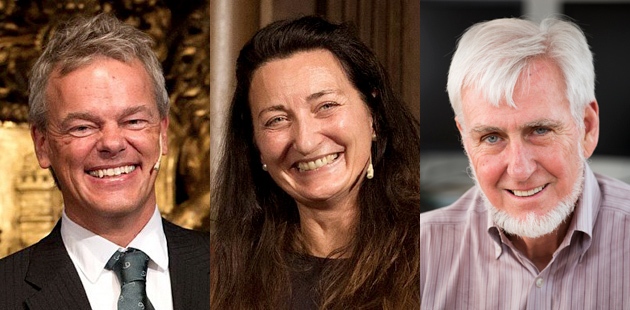
Yesterday the Nobel Prize for physiology or medicine went to three researchers -- Edvard Moser, May-Britt Moser and John O’Keefe -- for their discovery of the brain's navigation system. Here are two reports on their work, first from Nature and then from WIRED.

Nobel prize for decoding brain’s sense of place

Discoverers of brain’s navigation system get physiology Nobel


Alison Abbott & Ewen Callaway
06 October 2014


From left: Edvard Moser, May-Britt Moser and John O’Keefe.
Christian Charisius/dpa/Corbis; David Bishop/UCL

Brain cells that make up the biological equivalent of a satellite-navigation system have garnered three scientists the 2014 Nobel Prize in Physiology or Medicine. The discovery of the cells sheds light on one of neuroscience’s great mysteries — how we know where we are in space.

John O’Keefe of University College London won half of the prize for his discovery in 1971 of ‘place’ cells in the hippocampus, a part of the brain associated with memory. Edvard and May-Britt Moser, who are married and jointly run a lab at the Kavli Institute for Systems Neuroscience in Trondheim, Norway, share the other half for their 2005 discovery of ‘grid’ cells in an adjacent brain structure, the entorhinal cortex. Along with other navigation cells, grid and place cells allow animals to keep track of their position. Both cell types were discovered in rats, but have since been found in humans.

“Understanding where we are in space is one of the most fundamental issues for survival,” says Tobias Bonhoeffer, director of the Max Planck Institute of Neurobiology in Martinsried, Germany.

The discoveries will also be key to answering the broader question of how the brain makes sense of the world, says neuro­scientist Botond Roska of the Friedrich Miescher Institute for Biomedical Research in Basel, Switzerland. “These are three deep-thinking people who have changed the way we think about the brain,” he says.

Most neuroscientists once doubted that brain activity could be linked with behaviour, but in the late 1960s, O’Keefe began to record signals from individual neurons in the brains of rats moving freely in a box. He put electrodes in the hippocampus and was surprised to find that individual cells fired when the rats moved to particular spots. He concluded that the memory of an environment may be stored as a specific combination of place-cell activities in the hippo­campus (J. O’Keefe and J. Dostrovsky Brain Res. 34, 171–175; 1971). “I realized that if you put them all together, you could have something like a map,” says O’Keefe.

Fast-forward to the 1990s, and his work attracted the attention of the Mosers, then PhD students at the University of Oslo. They joined him in London as postdocs, but within months they had moved to the Norwegian University of Science and Technology in Trondheim to set up their own lab. There they discovered that some cells in the entorhinal cortex fire when rats pass the points of a hexagonal grid. They found out that the brain uses this pattern as a coordinate system for spatial navigation (T. Hafting et al. Nature 436, 801–806; 2005).

The pattern constitutes what is known as a neural code. It is the only one known to be generated entirely in the brain, marking a milestone for computational neuroscience (see page 154).

Both place and grid cells have practical relevance. The early stages of Alzheimer’s disease affect the entorhinal cortex, and one of the first symptoms is losing one’s way. The disease goes on to devastate the hippocampus, stripping sufferers of their memories. “It is a good example of how very basic research can help us gain the deeper understanding we need in such devastating diseases to move towards therapies,” says Richard Morris, a memory researcher at the University of Edinburgh, UK.

May-Britt was presiding over a lab meeting when the call came from the Nobel committee in Stockholm. “I hesitated to answer it,” she told Nature, laughing. “But I did — and I couldn’t believe it; I even cried.” Edvard’s excitement was delayed: he was on a aeroplane to Munich, Germany, when his wife got the call. O’Keefe heard the news while working on a grant revision at home. “I’m totally delighted and thrilled,” he said in front of a phalanx of television cameras at a London press conference.

The Mosers once described their time in O’Keefe’s lab as “probably the most intense learning experience in our lives”. O’Keefe has similar memories. “It was intense — because they’re intense. They’re absolutely superb scientists.”

09 October 2014
Nature; 514(53). doi:10.1038/514153a

From elsewhere
* * * * *

Beyond the Nobel: What Scientists Are Learning About How Your Brain Navigates


By Greg Miller | 10.06.14 


Kevin Dooley/Flickr

“Can you point to Center City?” neuroscientist Russell Epstein likes to ask visitors to his office at the University of Pennsylvania in Philadelphia. Sometimes they can do it. Sometimes they have a little trouble. And sometimes, Epstein says, “they have no idea how they’d even begin to solve that problem.”

Epstein studies the way people navigate through space and orient to their surroundings–which turns out to be a very challenging problem for some people. His work builds on the research in rats that earned three scientists the Nobel Prize in Physiology or Medicine this morning. The prize-winning work identified certain types of neurons in the brain that are integral to the brain’s internal navigation system.

Epstein is one of several researchers trying to connect the dots between that rodent research and individual differences in people’s ability to orient to their surroundings and find their way from one place to another. As you may have noticed, all people are not equally good at this.

In a study published last year, his lab teamed up with psychologists from nearby Temple University to investigate what happens as people get to know a new place over the course of a few weeks. They took Temple students to a suburban campus they’d never seen before and showed them two short walking routes that passed by four buildings that served as landmarks. To keep the students from making a connection between the two routes, they blindfolded them and pushed them in wheelchairs from one to the other.

In subsequent visits, the researchers showed the students two different paths that connected the two routes they’d learned. Then they did some tests to try to see which students had put all the pieces together into a mental map of the new campus. For example, they’d ask a student to imagine standing in front of one of the eight buildings and point to the other seven. “Some people could do it well, and other people couldn’t do it all that well,” Epstein said. “That’s not terribly surprising.” What he and his colleagues really want to know is what’s going on in the students’ brains that might account for that difference.

When they did MRI scans of the brains of 13 of the students, they found a correlation between the size of the right hippocampus—a region with important roles in memory and navigation, and the focus of the Nobel-winning research—and how well a person had done on the imaginary pointing task. That suggests to Epstein that people with a bigger right hippocampus, and even more specifically, the posterior or back end of the right hippocampus, may be better able to get oriented to new places.

It’s just one study, and a fairly small one at that, but the findings fit with other research. The most famous of these are the cab driver studies by Eleanor Maguire and her colleagues at University College London. Since the early 2000s, Maguire and her team have studied London cabbies as they learn The Knowledge, the navigational wherewithal to get a passenger from point A to B through the city’s medieval maze of streets without looking at a map or using GPS as a crutch.

London streets. Map: OpenStreetMap contributors

A few years ago, Maguire’s team scanned the brains of 79 cabbie wannabes just about to embark on the three to four year training program, and they scanned most of them again afterwards (only 39 had managed to pass the qualifying exam—London is confusing!). MRI scans showed that the posterior hippocampus had gotten slightly larger in those who’d successfully crammed The Knowledge into their heads. Those who flunked out showed no change, the researchers reported in Current Biology.

Epstein says those findings show pretty convincingly that intensive geographical training can increase the volume of the posterior hippocampus. It’s the same area Epstein’s campus navigation study implicated, but in that case he suspects the students’ performance was impacted by pre-existing differences in their brains. “People came in with these differences [in the size of their posterior hippocampus] and that affected how well they learned the campus,” he said.

But what does this little chunk of the brain actually do?

Important clues have come from work honored by today’s Nobel. Half of the prize went to John O’Keefe, a neuroscientist at University College London, for the discovery of “place cells.” In the early 1970s, O’Keefe used hair-thin electrodes to record the electrical activity of neurons in the hippocampus of rats as they ran around an enclosure. Place cells, as their name suggests, fire only when the rat passes through a particular place. The other half of the Nobel went to May-Britt and Edvard Moser, neuroscientists at the Norwiegian University of Science and Technology in Trondheim for the more recent discovery of “grid cells” in 2005. These cells fire at regular intervals as a rat moves through space, marking out an imaginary grid.

The mouse hippocampus. Image: ZEISS Microscopy/Flickr

Put those cell types together and you’ve got something a rat could actually use to get around. The grid and place cells form a kind of map: The grid cells mark out a reference grid, roughly analogous to latitude and longitude lines (the graticule, if you want to get technical about it), and the place cells are like pins indicating specific places. A third type of hippocampal neuron, the so-called “head direction cells,” act like an internal compass, with certain ones firing depending on which way the rat is pointing its nose.”

In the rat equivalent of the posterior hippocampus, the place cells are finely tuned—they only fire when the rat passes through a specific spot. Perhaps people who remember locations better and don’t get lost as much have more of those finely tuned cells packed into a larger than average posterior hippocampus, Epstein says. He admits that’s speculative, however.

Grid cells tend to fire at fixed points on a triangular grid. Image: Torkel Hafting/WikiCommons

Scientists don’t really know if all of the rat findings apply to humans as well, but recent studies suggest that humans do at least have place and grid cells, and probably head direction cells too. A few clever experiments have turned up evidence of these cells by having people explore virtual reality environments inside an fMRI scanner. Even more direct and compelling evidence comes from monitoring electrodes inserted into the hippocampi of human epilepsy patients prior to surgery.

The hippocampus isn’t the only part of the brain important for navigation though. Several studies suggest which other brain regions may contribute: Taking note of landmarks seems to be the job of the parahippocampal place area; triangulating the position of different landmarks in relation to each other may be the responsibility of the retrosplenial cortex; and storing cognitive maps of the places we’ve been is probably the job of the medial temporal lobe, which includes the hippocampus and its neighbors.

Epstein suspects we have different types of mental maps filed away in our brains. We might have highly detailed maps of important places like our homes and offices, he hypothesizes, but only looser representations of the spaces in between. Or, zooming out a bit: “I might have good map of Philly and a good map of New York City, but it’s not like I have a complete map of New Jersey,” he said.

How the brain stores those different maps and calls them up when we need them is the sort of thing Epstein wants to understand. He and his colleagues are still a long way from a complete account of how the human brain navigates and what makes some people’s brains better at it than others. But they’re beginning to put a few points on the map.

Monday, August 11, 2014

Peter Gøtzsche - Deadly Medicines and Organised Crime: How Big Pharma Has Corrupted Healthcare


I came across this book kind of by accident yesterday, but it looks to be an important book ("Prescription drugs are the third leading cause of death after heart disease and cancer"). Peter C Gøtzsche is a Professor of Clinical Research Design and Analysis, and Director, The Nordic Cochrane Centre, and Chief Physician, Rigshospitalet and the University of Copenhagen, Denmark. He is highly respected in the field, having published more than 50 papers in "the big five" (BMJ, Lancet, JAMA, Annals of Internal Medicine, and New England Journal of Medicine) and his scientific works have been cited over 10 000 times.

Deadly Medicines and Organised Crime: How Big Pharma Has Corrupted Healthcare (August, 2013), 320 pages; also available as an ebook for the Kindle, here.

Here is the publisher's ad copy for the book, an interview with the author, and a link to a sample chapter.
From the Introduction

'The main reason we take so many drugs is that drug companies don't sell drugs, they sell lies about drugs. This is what makes drugs so different from anything else in life...Virtually everything we know about drugs is what the companies have chosen to tell us and our doctors...the reason patients trust their medicine is that they extrapolate the trust they have in their doctors into the medicines they prescribe. The patients don't realise that, although their doctors may know a lot about diseases and human physiology and psychology, they know very, very little about drugs that hasn't been carefully concocted and dressed up by the drug industry…If you don't think the system is out of control, then please email me and explain why drugs are the third leading cause of death…If such a hugely lethal epidemic had been caused by a new bacterium or a virus, or even one hundredth of it, we would have done everything we could to get it under control.'​

Prescription drugs are the third leading cause of death after heart disease and cancer.

In his latest ground-breaking book, Peter Gøtzsche exposes the pharmaceutical industries and their charade of fraudulent behavior, both in research and marketing where the morally repugnant disregard for human lives is the norm. He convincingly draws close comparisons with the tobacco conglomerates, revealing the extraordinary truth behind efforts to confuse and distract the public and their politicians.

The book addresses, in evidence-based detail, an extraordinary system failure caused by widespread crime, corruption, bribery and impotent drug regulation in need of radical reforms.

The author and publisher have no liability or responsibility to any entity regarding loss or damage incurred, or alleged to have incurred, directly or indirectly, by the information contained in this book.

Benefits
• Peter C Gøtzsche reveals how drug companies have hidden the lethal harms of their drugs by fraudulent behaviour, and denials when confronted with the facts.
• Addresses a general system failure caused by widespread crime, corruption and impotent drug regulation in need of radical reforms
• Evidence-based and fully referenced for further investigation of key issues and provides an in-depth level of knowledge in this area.
Sample Chapter
Alliance for Natural Health, Exclusive Interview:

We wanted to learn more about this important new book from the author himself. so we put together a list of questions to which Dr Gøtzsche was kind enough to respond by email. The questions and answers are reproduced below with minimal editing by ANH-Intl.

Dr Peter Gøtzsche, author of Deadly Medicines and Organised Crime: How big pharma has corrupted healthcare

ANH-Intl: What do you think is the single biggest threat to the safe practice of medicine that ensures the delivery of the highest quality care and best possible outcomes?

PG: That we have allowed the industry to be its own judge. As long as testing drugs is not a public enterprise, performed by disinterested researchers, we cannot trust what comes out of it.

ANH-Intl: How important are non-pharmaceutical approaches to the combat of escalating rates of major chronic diseases, such as heart disease, cancer, type 2 diabetes and obesity?

PG: Non-pharmaceutical approaches can be more important than drugs. Exercise works equally well for diabetes and depression as drugs and, in contrast to drugs, it has many other beneficial effects. Psychotherapy for depression doesn’t make people dependent on drugs and doesn’t turn transient problems into a chronic disease when people cannot stop taking their drugs. Most important of all, we need to tackle the food industry and ban junk food and junk drinks.

ANH-Intl: What is your opinion of the AllTrials initiative in terms of its potential to significantly improve the objectivity of the medical literature in future?

PG: I have campaigned for access to all data, including the raw data, from research on patients for many years. In 2010, we succeeded in gaining access, for the first time in the world, to unpublished clinical study reports at the European Medicines Agency, which had the effect that the Agency changed its policy from one of extreme secrecy – like the current FDA policy – to one of candid openness. This was to the drug industry’s great chagrin, as its business model hinges on publishing flawed research.

ANH-Intl: Similarly, do you think a sea-change in medical student education is needed to deliver better health outcomes, especially for chronic degenerative diseases?

PG: Yes. There is far too much focus on drugs as the solution to everything and far too little focus on their harms, and the education by necessity builds on flawed research, as this is what gets done and published.

ANH-Intl: Towards the end of your book you state that “What we should do is...identify overdiagnosed and overtreated patients, take patients off most or all of their drugs, and teach them that a life without drugs is possible for most of us.” Can you please explain this a little further? Should the removal of drugs be accompanied with any new modality, and if so which ones might be among the most important?

PG: Removal of drugs should usually not be accompanied by the introduction of other types of treatment. Many patients would gain a better quality of life if their drugs were taken away from them. What we need is to remember Brian McFerrin’s song: “Don’t worry, be happy”. We shall all die, but we should remember to live while we are here without worrying that some day in the future we might get ill. It is daunting how many healthy people are put on drugs that lower blood pressure or cholesterol, and it changes people from healthy citizens to patients who may start worrying about their good health. This can have profound psychological consequences apart from the side effects of the drugs that the patients don’t always realise are side effects, e.g. if they get more tired or depressed after starting antihypertensive therapy or experience problems in their sex life.

ANH-Intl: What can the public and patients do to help redress the situation? Are they effectively disempowered or are there things they can do to help build a more functional healthcare system?

PG: First of all, the public needs to know the extent to which they are being deceived in the current system, e.g. few people know that prescription drugs are the third major killer. If drug testing and drug regulation were effective, this wouldn’t happen.

ANH-Intl: Numerous problems with the medical literature are cited in your book, among them unpublished trials, fiddled statistics, unsuitable comparators and other methodological weaknesses and the preponderance of academic ‘flak’ in the form of weak, industry-sourced publications designed to muddy the waters. Bearing this in mind, what advice would you have for anyone wishing to locate high-quality published data?

PG: There are very little high-quality published data. Neither the drug industry nor publicly employed researchers are particularly willing to share their data with others, which essentially means that science ceases to exist. Scrutiny of data by others is a fundamental aspect of science that moves science forward, but that’s not how it works in healthcare. Most doctors are willing to add their names to articles produced by drug companies, although they are being denied access to the data they and their patients have produced and without which the articles cannot be written. This is corruption of academic integrity and betrayal of the trust patients have in the research enterprise. No self-respecting scientists should publish findings based on data to which they do not have free and full access.
 
ANH-Intl: Are there any classes of drug, as opposed to individual products, for which, in your opinion, there is no valid scientific or medical justification for their use in healthcare?

PG: There are several classes of drugs, e.g. cough medicines and anticholinergic drugs for urinary incontinence, where the effect is doubtful but there is no doubt about their harms, which in my opinion means they should be withdrawn from the market. There are many other types of drugs that likely have no effect. All drugs have side effects, and it is therefore difficult to blind placebo-controlled trials effectively. We know that lack of blinding leads to exaggerated views on the effect for subjective outcomes, such as dementia, depression and pain, and it is for this reason that many drugs, which are believed to have minor effects, likely aren't effective at all.

There are also classes of drugs where, although an effect has been demonstrated, their availability likely does more harm than good. I write in my book that, although some psychiatric drugs can be helpful sometimes for some patients, our citizens would be far better off if we removed all the psychotropic drugs from the market, as doctors are unable to handle them. Patients get dependent on them, and if used for more than a few weeks, several drugs will cause even worse disorders than the one that led to starting the drugs. As far as I can see, it is inescapable that their availability does more harm than good.

ANH-Intl: The chapter in your book entitled “Intimidation, violence and threats to protect sales” begins as follows: “It takes great courage to become a whistle-blower. Healthcare is so corrupt that those who expose drug companies’ criminal acts become pariahs.” Have you experienced any blowback since publishing the book?

PG: No, quite the contrary, as people have praised the book. I don't hear from the drug industry of course, but I have seen blunt lies about the book being propagated by drug industry associations and their paid allies among doctors.


Friday, August 08, 2014

Medium Exposes Big Pharma's Corruption and Unethical Behavior

Two recent articles in the online magazine Medium expose the unethical behavior and internal corruption of Big Pharma - which is not new information, but in these cases (testing drugs on the homeless and disgraced, addict doctors running drug trials), the story is kind of frightening.

It's no wonder that so many of the Next Big Things in pharmacology end up, a few years later, being implicated in causing disease and even death.

The Best-Selling, Billion-Dollar Pills Tested on Homeless People

How the destitute and the mentally ill are being used as human lab rat

By Carl Elliott
Photographs by Jeffrey Stockbridge
Illustrations by Matt Rota

Two years ago, on a gray January afternoon, I visited the Ridge Avenue homeless shelter in Philadelphia. I was looking for poor people who had been paid to test experimental drugs. The streets outside the shelter were lined with ruined buildings and razor wire, and a pit bull barked behind a chain-link fence. A young guy was slumped on the curb, glassy-eyed and shaky. My guide, a local mental health activist named Connie Schuster, asked the guy if he was okay, but he didn’t answer. “My guess is heroin,” she said.

We arrived at the shelter, where a security guard was patting down residents for weapons. It didn’t take long for the shelter employees to confirm that some of the people living there were taking part in research studies. They said that the studies are advertised in local newspapers, and that recruiters visit the shelter. “They’ll give you a sheet this big filled with pills,” a resident in the shelter’s day room told me the next day, holding up a large notebook. He had volunteered for two studies. He pointed out a stack of business cards on a desk next to us; they had been left by a local study recruiter. As we spoke, I noticed that an ad for a study of a new ADHD drug was running on a television across the room.

If you’re looking for poor people who have been paid to test experimental drugs, Philadelphia is a good place to start. The city is home to five medical schools, and pharmaceutical and drug-testing companies line a corridor that stretches northeast into New Jersey. It also has one of the most visible homeless populations in the country. In Philly, homeless people seem to be everywhere: sleeping in Love Park, slumped on benches in Suburban Station, or gathered along the Benjamin Franklin Parkway, waiting for the free meals that a local church gives out on Saturdays.

* * * * *

Why Are Dope-Addicted, Disgraced Doctors Running Our Drug Trials?

By Peter Aldhous
Photographs by Grant Cornett


At around 7 p.m. on February 28, 2003, a 66-year-old woman showed up at the Pioneers Memorial Hospital in Brawley, a small Californian town not far from the Mexican border. She was seen by one of the doctors on duty in the emergency room that night, a man named Michael Berger. He learned that the woman, identified as “B.P.” in a later investigation, was in pain. A cramping sensation in her right thigh was radiating down her calf. Records show that she had a weak pulse in the same leg, and was short of breath. Her right foot felt numb.

Berger had options. He might have reviewed B.P.’s medical records, or tried to reach her primary care doctor to learn more about her history. He might have ordered an ultrasound or an x-ray. Either scan could have revealed the blockage in the artery in B.P.’s right leg. But Berger didn’t do those things. After consulting with a colleague, he sent B.P. home, with instructions to rest, drink plenty of fluids and take painkillers and blood-thinning meds. When she returned to the ER two days later, her leg was pale and cold—too far gone to save. She was flown to a larger hospital in San Diego, where surgeons removed the limb above the knee.

Berger’s career did not improve much afterwards. One day in 2004, he turned up for work impaired, a situation he blamed on taking sleeping pills. Other problems were noted when his employers asked a team of doctors to review his performance: failing to properly monitor patients after prescribing them dangerous drugs; prescribing excessive amounts of painkillers to his wife; a series of incidents while driving, which may have been related to his own drug use.


In 2008, the Medical Board of California put Berger on a seven-year probation. It was an unusually lengthy sanction, and it included limits on his ability to prescribe narcotics, and a requirement that he take regular blood tests to check for drug abuse. By then his career as an ER physician was effectively over: The California Emergency Physicians Medical Group, which employs ER doctors at Pioneers and dozens of other hospitals across the state, had handed him an indefinite suspension. Already his mid-60s, you might imagine that Berger would have taken these sanctions as a cue to slip into retirement.

But that’s not what happened.
Read the whole article.

Friday, May 02, 2014

Repairing the World: A Conversation with Paul Farmer


Paul Farmer is the author of To Repair the World: Paul Farmer Speaks to the Next Generation (2013) and Pathologies of Power: Health, Human Rights, and the New War on the Poor (2003), as well as being the subject of Tracy Kidder's Mountains Beyond Mountains: The Quest of Dr. Paul Farmer, a Man Who Would Cure the World (2003). He recently spoke with Dean Nelson, founder of the Writer's Symposium by the Sea at Point Loma Nazarene University at UC San Diego (UCTV).

Here is a little bit from Wikipedia:
Paul Edward Farmer (born October 26, 1959) is an American anthropologist and physician who is best known for his humanitarian work providing "first world" health care for "third world" people, beginning in Haiti. Co-founder of international social justice and health organization Partners In Health (PIH), he is "the man who would cure the world" as made famous in the award-winning Mountains Beyond Mountains by Pulitzer-prize-winning author Tracy Kidder.
The world needs more people like Farmer.

Repairing the World: A Conversation with Paul Farmer 

Published on Apr 28, 2014


Known as "the man who would cure the world," Paul Farmer works to provide first world health care for third world peoples and co-founded the worldwide organization Partners in Health. Author of To Repair the World: Paul Farmer Speaks to the Next Generation (2013) and Pathologies of Power: Health, Human Rights, and the New War on the Poor (2003), Farmer was also the subject of Tracy Kidder's Mountains Beyond Mountains: The Quest of Dr. Paul Farmer, a Man Who Would Cure the World (2003). Dr. Farmer talks here with Dean Nelson, founder of the Writer's Symposium by the Sea at Point Loma Nazarene University.

Recorded on 04/09/2014. [5/2014] - (Visit: http://www.uctv.tv)

Monday, March 17, 2014

Nearly 50% in US Believe in Medical Conspiracy Theories

This is too good not to share. As I read this, the word "whack-a-doodle" popped into my mind. Now why could that be?

Nearly 50% in US Believe in Medical Conspiracy Theories

By Rachael Rettner, Senior Writer | March 17, 2014

About half of Americans agree with at least one medical conspiracy theory, a new study suggests.

The study surveyed more than 1,300 Americans to see whether they agreed with six popular medical conspiracy theories — such as the discredited link between vaccines and autism, or the belief that water fluoridation is a cover-up to allow companies to dump dangerous chemicals into the environment.

Nearly half, or 49 percent, of those surveyed agreed with at least one medical conspiracy theory, and 18 percent agreed with three or more theories. [Top Ten Conspiracy Theories]

The most commonly endorsed theory was the belief that the Food and Drug Administration is "deliberately preventing the public from getting natural cures for cancer and other diseases because of pressure from drug companies." More than a third of Americans, or 37 percent, agreed with this statement.

Twenty percent agreed with the statement: "Health officials know that cell phones cause cancer but are doing nothing to stop it because large corporations won’t let them." The vaccine-autism link was supported by 20 percent of participants.

Study researcher Eric Oliver, a professor of political science at the University of Chicago, said he was not surprised by the findings. Studies of American's belief in political conspiracy theorieshave yielded similar results.

"We see that Americans have conspiracy theories about a lot of things, not just about politics, but also about health and medicine as well," Oliver said.

Why we believe


Belief in conspiracy theories is not necessarily a sign of a psychological condition such as paranoia, Oliver said. Rather, in cases of uncertainty, people have a natural tendency to assume that malevolent forces are behind the "unknown," Oliver said.

"These narratives seem like very compelling explanations for complicated situations," Oliver said.

Humans may have evolved to think this way, Oliver said. "If you hear a noise in the bush, it's much more adaptive to believe that there's a predator there than not," he said.

Public health implications


However, this widespread belief in medical conspiracy theories may have implications for pubic health.

Participants who supported medical conspiracy theories were less likely to get flu shotsand use sunscreen, and more likely to say they got health information from celebrity doctors, than those who did not endorse these theories.

Doctors should be aware that patients who endorse medical conspiracy theories may be reluctant to follow medical advice or comply with medical treatments, Oliver said.

Oliver suspects that overturning such beliefs would be difficult.

"People are attaching themselves to these narratives for psychological reasons, these narratives are providing them with feelings of certainty," Oliver said.

Oliver noted that science embraces a lot of uncertainty, which may not be intuitive to some people. But improving education, particularly about science and medicine, may help people better understand scientific information, he said.

The study is published in the March 17 issue of the journal JAMA Internal Medicine.

Follow Rachael Rettner @RachaelRettner. Follow Live Science @livescience, Facebook & Google+. Original article on Live Science.

Editor's Recommendations

Tuesday, February 18, 2014

Psychedelic Drugs: Harmful or Therapeutic? (Al Jazeera English)

On Al Jazeera's The Stream, there was a recent conversation on the risks and/or benefits of using psychedelic drugs (entheogens or hallucinogens) as therapeutics for mental health issues. Among the guests was Rick Doblin, Founder and Executive Director of the Multidisciplinary Association for Psychedelic Studies (MAPS).

Also included was Dr. David Nutt, the former chairman of the Advisory Council on the Misuse of Drugs (ACMD) in England (a position from which he was dismissed due to his support of medicinal use of some "recreational" drugs) and current Chair of the Independent Scientific Committee on Drugs.

For most thinking people, especially those who have experienced entheogens, these are drugs that offer much more benefit than harm - but the government has a vested interest in rejecting the freedom to experience alternate states of consciousness, especially when those states can wake people up from the consensus trance.


Psychedelic drugs: harmful or therapeutic?

The Stream looks at the risks and benefits of these drugs on mental health.


Ecstasy pills in hand. (UIG via GETTY)

Have we lost decades of research on mental health disease because of legal controls on psychedelic drugs? Some scientists claim LSD and MDMA hold the key to treating illnesses like schizophrenia and depression, and are calling for an end to the restrictions on working with them. Others though, say they are too risky to experiment with and the long term dangers are not known. We will speak to experts who argue both sides. Join us at 19:30 GMT.

In this episode of The Stream, we speak with:

Bertha Madras @harvardmed
Professor of Psychobiology at Harvard Medical School
hms.harvard.edu

David Nutt @ProfDavidNutt
Chair of the Independent Scientific Committee on Drugs
drugscience.org.uk

Rick Doblin @RickDoblin
Founder and Executive Director of the Multidisciplinary Association for Psychedelic Studies (MAPS)

Rachel Hope
Writer

What do you think? Leave your thoughts in the comments section.
* * * * *

Here is some of the background information provided at the Al Jazeera site.
From LSD to MDMA, a recent editorial published by Scientific American has ignited a heated discussion regarding the research of psychoactive drugs. The article calls on the US government to "end the ban on psychoactive drug research". It goes on to say:
New thinking is desperately needed to aid the estimated 14 million American adults who suffer from severe mental illness. Innovation would likely accelerate if pharmacologists did not have to confront an antiquated legal framework that, in effect, declares off-limits a set of familiar compounds that could potentially serve as the chemical basis for entire new classes of drugs.
The editors believe that by making it easier to do research on drugs like MDMA (a compound found in ecstasy) and LSD, scientists can explore whether these drugs can help with post-traumatic stress disorder (PTSD), cluster headaches, obsessive-compulsive disorder (OCD) and schizophrenia.

Netizens had a mixed response to Scientific American's article:
Jordan Ray Johnston
It's great to see a mainstream scientific journal getting behind this. The research of the 60's should never have been stopped. However.... dope is a term originally used to talk about heroin. Tis sad that it's used so indiscriminately now.
18 days ago

facebook.com
while I earnestly believe the FDA is much too conservative with their rulings, I stand behind them when they ban psychoactive drugs from being medicinal. I used to pride myself on my above average mental constitution and ability to handle psychedelic drugs, but I can tell you from personal experience, and from the experience of witnessing other users, that those drugs are bound to make psychiatric disorders much worse (even if the response is delayed).
5 days ago
Many scientists agree that more research needs to be done on these drugs, but some argue that Scientific American's article is misleading. "While the stigma that comes from Schedule I placement of these substances makes scientific research clearance and fundraising difficult, research itself is not prohibited", writes April Short on AlterNet.org.

In 1970, the US government passed the Controlled Substances Act. The legislation classifies drugs into one of three categories, Schedules I, II, III. Schedule I includes drugs that meet the following criteria:
fda.gov
(A) The drug or other substance has a high potential for abuse. (B) The drug or other substance has no currently accepted medical use in treatment in the United States. (C) There is a lack of accepted safety for use of the drug or other substance under medical supervision.
5 days ago

The Controlled Substances Act does not explicitly prohibit the research of Schedule I drugs, but there are several guidelines for gaining approval to do research. The United Nations also has three treaties, including the The Convention of Psychotropic Substances that similarly classify these types of drugs.

A blog by David Nutt, a psychopharmacologist at the Imperial College London, echos Scientific American's call to end the restrictions on the research of Schedule I drugs:
drugscience.org.uk
Drugs get sucked into the black hole of Schedule 1 all too easily, but no evidence of medical value seems enough to get them out. We need to resist the scary fairy-tale that removing drugs such as cannabis from Schedule 1, or reforming the Regulations, will open a Pandora’s box. There’s much more reason to believe that we’ll unleash a Neuroscientific Enlightenment, making new discoveries about the brain and consciousness, developing new treatments for debilitating disorders like PTSD, depression and chronic pain, and giving a boost to our economy along the way.
5 days ago
Some online agree:
facebook.com
The ban on psychedelic drugs makes research into the therapeutic benefits virtually impossible. This is effectively one of the biggest cases on science ever. Many diseases can be cured and many lives can be saved if we abolish drug prohibition and introduce sendible regulation
4 days ago
A few recent studies have examined the use of these types of drugs. The Multidisciplinary Association for Psychedelic Studies (MAPS), is currently studying the effect of MDMA-assisted psychotherapy on healing psychological and emotional damage from war, violent crimes and other traumas. In the video below, participants and therapists describe the MAPS study:
Healing Trauma in Veterans with MDMA-Assisted Psychotherapy
mapsmdma
3 months ago
Online, some said they would take psychoactive drugs to treat disorders like PTSD and schizophrenia:
PoliticallyQuestiond
@AJStream Cannabis is essential for my and others' PTSD and safe. Risks of this and other needed drugs are introduced by criminalization...
Mohammed A. Elshafie
@AJStream Yes, but with a good understanding of the risks and excellence analysis on how to minimize it.

Jennifer Huizen
@AJStream The extent these type of disorders disrupt the lives of those affected makes chances, maybe even risky ones, worth taking.
Others, however, feel it may be too risky:
El_vii_diego
@AJStream you cant take a psychoactive drug to treat a disorder like because the potential wont outweigh the potential risks but
El_vii_diego

@AJStream it will rather increase the risks of the decease eg like