Showing posts with label vagus nerve. Show all posts

Friday, May 29, 2015

Hacking the Nervous System - Vagal Nerve Stimulation to Control Inflammation (from Mosaic)

From Mosaic, this is an excellent article on the medical aspect of polyvagal theory. Those who work in the psychological trauma field already know a little or a lot about polyvagal theory from the work of Stephen Porges (as well as Bessel van der Kolk and Peter Levine, who have done a lot to get Porges' work better known) - see Porges' The Polyvagal Theory: Neurophysiological Foundations of Emotions, Attachment, Communication, and Self-regulation.

In this piece by Gaia Vince, the role of the vagus nerve in physical issues, such as autoimmune disorders is examined. Controlling inflammation through vagal stimulation could be a HUGE breakthrough in treating nearly all forms of disease (which are inflammatory illnesses at the molecular level).


© Job Boot

Hacking the nervous system


One nerve connects your vital organs, sensing and shaping your health. If we learn to control it, the future of medicine will be electric. 


By Gaia Vince.


When Maria Vrind, a former gymnast from Volendam in the Netherlands, found that the only way she could put her socks on in the morning was to lie on her back with her feet in the air, she had to accept that things had reached a crisis point. “I had become so stiff I couldn’t stand up,” she says. “It was a great shock because I’m such an active person.”

It was 1993. Vrind was in her late 40s and working two jobs, athletics coach and a carer for disabled people, but her condition now began taking over her life. “I had to stop my jobs and look for another one as I became increasingly disabled myself.” By the time she was diagnosed, seven years later, she was in severe pain and couldn’t walk any more. Her knees, ankles, wrists, elbows and shoulder joints were hot and inflamed. It was rheumatoid arthritis, a common but incurable autoimmune disorder in which the body attacks its own cells, in this case the lining of the joints, producing chronic inflammation and bone deformity.

Waiting rooms outside rheumatoid arthritis clinics used to be full of people in wheelchairs. That doesn’t happen as much now because of a new wave of drugs called biopharmaceuticals – such as highly targeted, genetically engineered proteins – which can really help. Not everyone feels better, however: even in countries with the best healthcare, at least 50 per cent of patients continue to suffer symptoms.

Like many patients, Vrind was given several different medications, including painkillers, a cancer drug called methotrexate to dampen her entire immune system, and biopharmaceuticals to block the production of specific inflammatory proteins. The drugs did their job well enough – at least, they did until one day in 2011, when they stopped working.

“I was on holiday with my family and my arthritis suddenly became terrible and I couldn’t walk – my daughter-in-law had to wash me.” Vrind was rushed to hospital, where she was hooked up to an intravenous drip and given another cancer drug, one that targeted her white blood cells. “It helped,” she admits, but she was nervous about relying on such a drug long-term.

Luckily, she would not have to. As she was resigning herself to a life of disability and monthly chemotherapy, a new treatment was being developed that would profoundly challenge our understanding of how the brain and body interact to control the immune system. It would open up a whole new approach to treating rheumatoid arthritis and other autoimmune diseases, using the nervous system to modify inflammation. It would even lead to research into how we might use our minds to stave off disease.

And, like many good ideas, it came from an unexpected source.


© Job Boot

The nerve hunter

Kevin Tracey, a neurosurgeon based in New York, is a man haunted by personal events – a man with a mission. “My mother died from a brain tumour when I was five years old. It was very sudden and unexpected,” he says. “And I learned from that experience that the brain – nerves – are responsible for health.” This drove his decision to become a brain surgeon. Then, during his hospital training, he was looking after a patient with serious burns who suddenly suffered severe inflammation. “She was an 11-month-old baby girl called Janice who died in my arms.”

These traumatic moments made him a neurosurgeon who thinks a lot about inflammation. He believes it was this perspective that enabled him to interpret the results of an accidental experiment in a new way.
In the late 1990s, Tracey was experimenting with a rat’s brain. “We’d injected an anti-inflammatory drug into the brain because we were studying the beneficial effect of blocking inflammation during a stroke,” he recalls. “We were surprised to find that when the drug was present in the brain, it also blocked inflammation in the spleen and in other organs in the rest of the body. Yet the amount of drug we’d injected was far too small to have got into the bloodstream and travelled to the rest of the body.” 

After months puzzling over this, he finally hit upon the idea that the brain might be using the nervous system – specifically the vagus nerve – to tell the spleen to switch off inflammation everywhere.
It was an extraordinary idea – if Tracey was right, inflammation in body tissues was being directly regulated by the brain. Communication between the immune system’s specialist cells in our organs and bloodstream and the electrical connections of the nervous system had been considered impossible. Now Tracey was apparently discovering that the two systems were intricately linked.

The first critical test of this exciting hypothesis was to cut the vagus nerve. When Tracey and his team did, injecting the anti-inflammatory drug into the brain no longer had an effect on the rest of the body. The second test was to stimulate the nerve without any drug in the system. “Because the vagus nerve, like all nerves, communicates information through electrical signals, it meant that we should be able to replicate the experiment by putting a nerve stimulator on the vagus nerve in the brainstem to block inflammation in the spleen,” he explains. “That’s what we did and that was the breakthrough experiment.”


© Job Boot

The wandering nerve

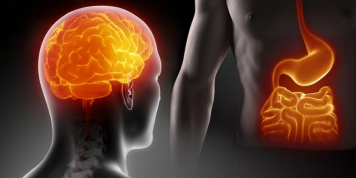
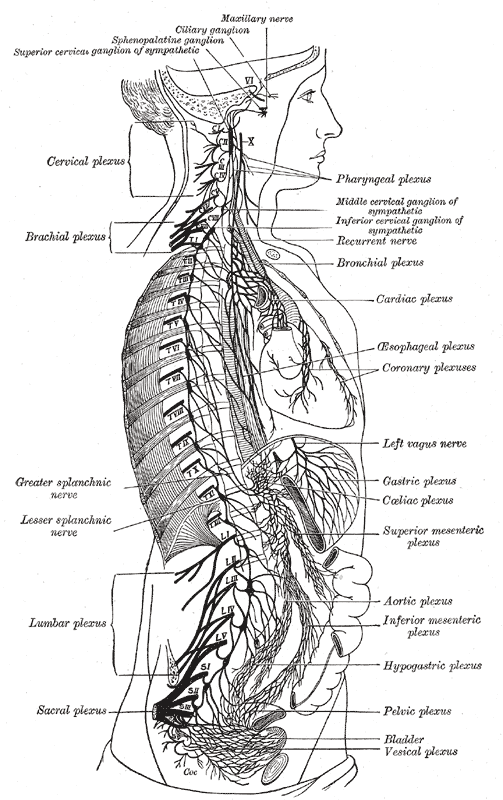
The vagus nerve starts in the brainstem, just behind the ears. It travels down each side of the neck, across the chest and down through the abdomen. ‘Vagus’ is Latin for ‘wandering’ and indeed this bundle of nerve fibres roves through the body, networking the brain with the stomach and digestive tract, the lungs, heart, spleen, intestines, liver and kidneys, not to mention a range of other nerves that are involved in speech, eye contact, facial expressions and even your ability to tune in to other people’s voices. It is made of thousands and thousands of fibres and 80 per cent of them are sensory, meaning that the vagus nerve reports back to your brain what is going on in your organs.


Operating far below the level of our conscious minds, the vagus nerve is vital for keeping our bodies healthy. It is an essential part of the parasympathetic nervous system, which is responsible for calming organs after the stressed ‘fight-or-flight’ adrenaline response to danger. Not all vagus nerves are the same, however: some people have stronger vagus activity, which means their bodies can relax faster after a stress. 
The strength of your vagus response is known as your vagal tone and it can be determined by using an electrocardiogram to measure heart rate. Every time you breathe in, your heart beats faster in order to speed the flow of oxygenated blood around your body. Breathe out and your heart rate slows. This variability is one of many things regulated by the vagus nerve, which is active when you breathe out but suppressed when you breathe in, so the bigger your difference in heart rate when breathing in and out, the higher your vagal tone.

Research shows that a high vagal tone makes your body better at regulating blood glucose levels, reducing the likelihood of diabetes, stroke and cardiovascular disease. Low vagal tone, however, has been associated with chronic inflammation. As part of the immune system, inflammation has a useful role helping the body to heal after an injury, for example, but it can damage organs and blood vessels if it persists when it is not needed. One of the vagus nerve’s jobs is to reset the immune system and switch off production of proteins that fuel inflammation. Low vagal tone means this regulation is less effective and inflammation can become excessive, such as in Maria Vrind’s rheumatoid arthritis or in toxic shock syndrome, which Kevin Tracey believes killed little Janice.

Having found evidence of a role for the vagus in a range of chronic inflammatory diseases, including rheumatoid arthritis, Tracey and his colleagues wanted to see if it could become a possible route for treatment. The vagus nerve works as a two-way messenger, passing electrochemical signals between the organs and the brain. In chronic inflammatory disease, Tracey figured, messages from the brain telling the spleen to switch off production of a particular inflammatory protein, tumour necrosis factor (TNF), weren’t being sent. Perhaps the signals could be boosted?

He spent the next decade meticulously mapping all the neural pathways involved in regulating TNF, from the brainstem to the mitochondria inside all our cells. Eventually, with a robust understanding of how the vagus nerve controlled inflammation, Tracey was ready to test whether it was possible to intervene in human disease.


© Job Boot

Stimulating trial

In the summer of 2011, Maria Vrind saw a newspaper advertisement calling for people with severe rheumatoid arthritis to volunteer for a clinical trial. Taking part would involve being fitted with an electrical implant directly connected to the vagus nerve. “I called them immediately,” she says. “I didn’t want to be on anticancer drugs my whole life; it’s bad for your organs and not good long-term.”

Tracey had designed the trial with his collaborator, Paul-Peter Tak, professor of rheumatology at the University of Amsterdam. Tak had long been searching for an alternative to strong drugs that suppress the immune system to treat rheumatoid arthritis. “The body’s immune response only becomes a problem when it attacks your own body rather than alien cells, or when it is chronic,” he reasoned. “So the question becomes: how can we enhance the body’s switch-off mechanism? How can we drive resolution?”

When Tracey called him to suggest stimulating the vagus nerve might be the answer by switching off production of TNF, Tak quickly saw the potential and was enthusiastic to see if it would work. Vagal nerve stimulation had already been approved in humans for epilepsy, so getting approval for an arthritis trial would be relatively straightforward. A more serious potential hurdle was whether people used to taking drugs for their condition would be willing to undergo an operation to implant a device inside their body: “There was a big question mark about whether patients would accept a neuroelectric device like a pacemaker,” Tak says.

He needn’t have worried. More than a thousand people expressed interest in the procedure, far more than were needed for the trial. In November 2011, Vrind was the first of 20 Dutch patients to be operated on.

“They put the pacemaker on the left-hand side of my chest, with wires that go up and attach to the vagus nerve in my throat,” she says. “I waited two weeks while the area healed, and then the doctors switched it on and adjusted the settings for me.”

She was given a magnet to swipe across her throat six times a day, activating the implant and stimulating her vagus nerve for 30 seconds at a time. The hope was that this would reduce the inflammatory response in her spleen. As Vrind and the other trial participants were sent home, it became a waiting game for Tracey, Tak and the team to see if the theory, lab studies and animal trials would bear fruit in real patients. “We hoped that for some, there would be an easing of their symptoms – perhaps their joints would become a little less painful,” Tak says.

At first, Vrind was a bit too eager for a miracle cure. She immediately stopped taking her pills, but her symptoms came back so badly that she was bedridden and in terrible pain. She went back on the drugs and they were gradually reduced over a week instead.

And then the extraordinary happened: Vrind experienced a recovery more remarkable than she or the scientists had dared hope for.

“Within a few weeks, I was in a great condition,” she says. “I could walk again and cycle, I started ice-skating again and got back to my gymnastics. I feel so much better.” She is still taking methotrexate, which she will need at a low dose for the rest of her life, but at 68, semi-retired Vrind now plays and teaches seniors’ volleyball a couple of hours a week, cycles for at least an hour every day, does gymnastics, and plays with her eight grandchildren.

Other patients on the trial had similar transformative experiences. The results are still being prepared for publication but Tak says more than half of the patients showed significant improvement and around one-third are in remission – in effect cured of their rheumatoid arthritis. Sixteen of the 20 patients on the trial not only felt better, but measures of inflammation in their blood also went down. Some are now entirely drug-free. Even those who have not experienced clinically significant improvements with the implant insist it helps them; nobody wants it removed.

“We have shown very clear trends with stimulation of three minutes a day,” Tak says. “When we discontinued stimulation, you could see disease came back again and levels of TNF in the blood went up. We restarted stimulation, and it normalised again.”

Tak suspects that patients will continue to need vagal nerve stimulation for life. But unlike the drugs, which work by preventing production of immune cells and proteins such as TNF, vagal nerve stimulation seems to restore the body’s natural balance. It reduces the over-production of TNF that causes chronic inflammation but does not affect healthy immune function, so the body can respond normally to infection.

“I’m really glad I got into the trial,” says Vrind. “It’s been more than three years now since the implant and my symptoms haven’t returned. At first I felt a pain in my head and throat when I used it, but within a couple of days, it stopped. Now I don’t feel anything except a tightness in my throat and my voice trembles while it’s working.

“I have occasional stiffness or a little pain in my knee sometimes but it’s gone in a couple of hours. I don’t have any side-effects from the implant, like I had with the drugs, and the effect is not wearing off, like it did with the drugs.”


© Job Boot

Raising the tone

Having an electrical device surgically implanted into your neck for the rest of your life is a serious procedure. But the technique has proved so successful – and so appealing to patients – that other researchers are now looking into using vagal nerve stimulation for a range of other chronic debilitating conditions, including inflammatory bowel disease, asthma, diabetes, chronic fatigue syndrome and obesity.


But what about people who just have low vagal tone, whose physical and mental health could benefit from giving it a boost? Low vagal tone is associated with a range of health risks, whereas people with high vagal tone are not just healthier, they’re also socially and psychologically stronger – better able to concentrate and remember things, happier and less likely to be depressed, more empathetic and more likely to have close friendships. 
Twin studies show that to a certain extent, vagal tone is genetically predetermined – some people are born luckier than others. But low vagal tone is more prevalent in those with certain lifestyles – people who do little exercise, for example. This led psychologists at the University of North Carolina at Chapel Hill to wonder if the relationship between vagal tone and wellbeing could be harnessed without the need for implants.

In 2010, Barbara Fredrickson and Bethany Kok recruited around 70 university staff members for an experiment. Each volunteer was asked to record the strength of emotions they felt every day. Vagal tone was measured at the beginning of the experiment and at the end, nine weeks later. As part of the experiment, half of the participants were taught a meditation technique to promote feelings of goodwill towards themselves and others.

Those who meditated showed a significant rise in vagal tone, which was associated with reported increases in positive emotions. “That was the first experimental evidence that if you increased positive emotions and that led to increased social closeness, then vagal tone changed,” Kok says.

Now at the Max Planck Institute in Germany, Kok is conducting a much larger trial to see if the results they found can be replicated. If so, vagal tone could one day be used as a diagnostic tool. In a way, it already is. “Hospitals already track heart-rate variability – vagal tone – in patients that have had a heart attack,” she says, “because it is known that having low variability is a risk factor.”

The implications of being able to simply and cheaply improve vagal tone, and so relieve major public health burdens such as cardiovascular conditions and diabetes, are enormous. It has the potential to completely change how we view disease. If visiting your GP involved a check on your vagal tone as easily as we test blood pressure, for example, you could be prescribed therapies to improve it. But this is still a long way off: “We don’t even know yet what a healthy vagal tone looks like,” cautions Kok. “We’re just looking at ranges, we don’t have precise measurements like we do for blood pressure.”

What seems more likely in the shorter term is that devices will be implanted for many diseases that today are treated by drugs: “As the technology improves and these devices get smaller and more precise,” says Kevin Tracey, “I envisage a time where devices to control neural circuits for bioelectronic medicine will be injected – they will be placed either under local anaesthesia or under mild sedation.”


However the technology develops, our understanding of how the body manages disease has changed for ever. “It’s become increasingly clear that we can’t see organ systems in isolation, like we did in the past,” says Paul-Peter Tak. “We just looked at the immune system and therefore we have medicines that target the immune system. 
“But it’s very clear that the human is one entity: mind and body are one. It sounds logical but it’s not how we looked at it before. We didn’t have the science to agree with what may seem intuitive. Now we have new data and new insights.”

And Maria Vrind, who despite severe rheumatoid arthritis can now cycle pain-free around Volendam, has a new lease of life: “It’s not a miracle – they told me how it works through electrical impulses – but it feels magical. I don’t want them to remove it ever. I have my life back!”

Thursday, May 29, 2014

Michael Behar - Can the Nervous System Be Hacked?

I Tuesday I shared the Bessel van der Kolk article from the New York Times Magazine. From the same issue is this article on how we are learning to "hack" the nervous system to turn on the immune system and to change brain states. Another recent article, "How the ‘Gut Feeling’ Shapes Fear," identified the vagus nerve as a conduit for body states becoming mind states - the "gut feeling" becomes anxiety when the info reaches the brain.

Stephen Porges' polyvagal theory has been explicating this for years.


Can the Nervous System Be Hacked?

Michael Behar | New York Times Magazine
May 23, 2014


Mirela Mustacevic, who suffers from rheumatoid arthritis, had a nerve stimulator implanted as part of a medical trial. Her symptoms have lessened significantly. 
Credit Sarah Wong for The New York Times

One morning in May 1998, Kevin Tracey converted a room in his lab at the Feinstein Institute for Medical Research in Manhasset, N.Y., into a makeshift operating theater and then prepped his patient — a rat — for surgery. A neurosurgeon, and also Feinstein Institute’s president, Tracey had spent more than a decade searching for a link between nerves and the immune system. His work led him to hypothesize that stimulating the vagus nerve with electricity would alleviate harmful inflammation. “The vagus nerve is behind the artery where you feel your pulse,” he told me recently, pressing his right index finger to his neck.

The vagus nerve and its branches conduct nerve impulses — called action potentials — to every major organ. But communication between nerves and the immune system was considered impossible, according to the scientific consensus in 1998. Textbooks from the era taught, he said, “that the immune system was just cells floating around. Nerves don’t float anywhere. Nerves are fixed in tissues.” It would have been “inconceivable,” he added, to propose that nerves were directly interacting with immune cells.

Nonetheless, Tracey was certain that an interface existed, and that his rat would prove it. After anesthetizing the animal, Tracey cut an incision in its neck, using a surgical microscope to find his way around his patient’s anatomy. With a hand-held nerve stimulator, he delivered several one-second electrical pulses to the rat’s exposed vagus nerve. He stitched the cut closed and gave the rat a bacterial toxin known to promote the production of tumor necrosis factor, or T.N.F., a protein that triggers inflammation in animals, including humans.

“We let it sleep for an hour, then took blood tests,” he said. The bacterial toxin should have triggered rampant inflammation, but instead the production of tumor necrosis factor was blocked by 75 percent. “For me, it was a life-changing moment,” Tracey said. What he had demonstrated was that the nervous system was like a computer terminal through which you could deliver commands to stop a problem, like acute inflammation, before it starts, or repair a body after it gets sick. “All the information is coming and going as electrical signals,” Tracey said. For months, he’d been arguing with his staff, whose members considered this rat project of his harebrained. “Half of them were in the hallway betting against me,” Tracey said.

Inflammatory afflictions like rheumatoid arthritis and Crohn’s disease are currently treated with drugs — painkillers, steroids and what are known as biologics, or genetically engineered proteins. But such medicines, Tracey pointed out, are often expensive, hard to administer, variable in their efficacy and sometimes accompanied by lethal side effects. His work seemed to indicate that electricity delivered to the vagus nerve in just the right intensity and at precise intervals could reproduce a drug’s therapeutic — in this case, anti-inflammatory — reaction. His subsequent research would also show that it could do so more effectively and with minimal health risks.

Tracey’s efforts have helped establish what is now the growing field of bioelectronics. He has grand hopes for it. “I think this is the industry that will replace the drug industry,” he told me. Today researchers are creating implants that can communicate directly with the nervous system in order to try to fight everything from cancer to the common cold. “Our idea would be manipulating neural input to delay the progression of cancer,” says Paul Frenette, a stem-cell researcher at the Albert Einstein College of Medicine in the Bronx who discovered a link between the nervous system and prostate tumors.

“The list of T.N.F. diseases is long,” Tracey said. “So when we created SetPoint” — the start-up he founded in 2007 with a physician and researcher at Massachusetts General Hospital in Boston — “we had to figure out what we were going to treat.” They wanted to start with an illness that could be mitigated by blocking tumor necrosis factor and for which new therapies were desperately needed. Rheumatoid arthritis satisfied both criteria. It afflicts about 1 percent of the global population, causing chronic inflammation that erodes joints and eventually makes movement excruciating. And there is no cure for it.

In September 2011, SetPoint Medical began the world’s first clinical trial to treat rheumatoid-arthritis patients with an implantable nerve stimulator based on Tracey’s discoveries. According to Ralph Zitnik, SetPoint’s chief medical officer, of the 18 patients currently enrolled in the ongoing trial, two-thirds have improved. And some of them were feeling little or no pain just weeks after receiving the implant; the swelling in their joints has disappeared. “We took Kevin’s concept that he worked on for 10 years and made it a reality for people in a real clinical trial,” he says.

Conceptually, bioelectronics is straightforward: Get the nervous system to tell the body to heal itself. But of course it’s not that simple. “What we’re trying to do here is completely novel,” says Pedro Irazoqui, a professor of biomedical engineering at Purdue University, where he’s investigating bioelectronic therapies for epilepsy. Jay Pasricha, a professor of medicine and neurosciences at Johns Hopkins University who studies how nerve signals affect obesity, diabetes and gastrointestinal-motility disorders, among other digestive diseases, says, “What we’re doing today is like the precursor to the Model T.”

The biggest challenge is interpreting the conversation between the body’s organs and its nervous system, according to Kris Famm, who runs the newly formed Bioelectronics R. & D. Unit at GlaxoSmithKline, the world’s seventh-largest pharmaceutical company. “No one has really tried to speak the electrical language of the body,” he says. Another obstacle is building small implants, some of them as tiny as a cubic millimeter, robust enough to run powerful microprocessors. Should scientists succeed and bioelectronics become widely adopted, millions of people could one day be walking around with networked computers hooked up to their nervous systems. And that prospect highlights yet another concern the nascent industry will have to confront: the possibility of malignant hacking. As Anand Raghunathan, a professor of electrical and computer engineering at Purdue, puts it, bioelectronics “gives me a remote control to someone’s body.”

Despite the uncertainties, in August, GlaxoSmithKline invested $5 million in SetPoint, and its bioelectronics R. & D. unit now has partnerships with 26 independent research groups in six countries. Glaxo has also established a $50 million fund to support the science of bioelectronics and is offering a prize of $1 million to the first team that can develop an implantable device that can, by recording and responding to an organ’s electrical signals, exert influence over its function. Instead of drugs, “the treatment is a pattern of electrical impulses,” Famm says. “The information is the treatment.” In addition to rheumatoid arthritis, Famm believes, bioelectronic medicine might someday treat hypertension, asthma, diabetes, epilepsy, infertility, obesity and cancer. “This is not a one-trick pony.”

Kevin Tracey, who is 56, came to bioelectronics because of two significant deaths. The first occurred when he was in preschool. He was 5 when his mother died as a result of an inoperable brain tumor. Shortly after the funeral, Tracey found his maternal grandfather, a professor of pediatrics at Yale, alone in his den. “I climbed onto his lap and asked what happened,” Tracey says. “He explained that surgeons tried to take it out but couldn’t separate the brain-tumor tissue from the normal neurons. I remember saying to him, ‘Somebody should do something about that.’ That was when I decided to be a neurosurgeon. I wanted to solve problems that were insolvable.”

Tracey’s second formative experience took place in May 1985. Having trained for neurosurgery at Cornell, he was on rotation for his residency in the emergency room at New York Hospital when an 11-month-old baby girl named Janice arrived in an ambulance with burns covering 75 percent of her body. Her grandmother was cooking when she tripped and doused Janice with a pot of boiling noodles. After three weeks in the burn unit recovering from skin grafts, Janice appeared to stabilize. Tracey joined Janice’s family to celebrate her first birthday in her hospital room. Janice was upbeat, smiling and giggling. The next day, she was dead.

“I was haunted by her case,” Tracey says. When the autopsy report was inconclusive, Tracey redirected his energy into medical research, specifically inflammation related to sepsis, which he believed contributed to Janice’s unexpected death. Sepsis occurs when the immune system goes into overdrive, producing a potentially lethal inflammatory response to fight a severe infection. At the time of her death, however, Janice did not have an infection. It took another year to figure out that it was an overproduction of tumor necrosis factor — the catalyst for inflammation — that caused Janice’s septic shock, though her death remains a mystery.


Kevin Tracey, a neurosurgeon, studies the effects of stimulating nerves with electricity to fight disease. Credit Katherine Wolkoff for The New York Times

“Her brakes had failed,” Tracey says. “She made too much T.N.F. The obvious question was, why?” He credits Linda Watkins, a neuroscientist at the University of Colorado, Boulder, for furnishing the pivotal clue. In the mid-1990s, Watkins was exploring possible neural connections between the brain and the immune system in rats by injecting them with cytokines — molecules that, like tumor necrosis factor, contribute to inflammation — to cause fevers. But when she cut their vagus nerves, the fever never materialized. Watkins concluded that the vagus nerve must be the conduit through which the body signals the brain to induce fever.

Tracey followed her lead by giving mice a toxin known to cause inflammation and then dosing them with an anti-inflammatory drug he had been investigating. “We injected it into their brains in teeny amounts, too small to get into their bloodstream,” he says. The drug did what it was supposed to do: It halted the production of tumor necrosis factor in the brain. Surprisingly, it also halted the production of tumor necrosis factor in the rest of the body. When Tracey cut the vagus nerve, however, the drug had no effect in the body.

“That was the eureka moment,” he says. The signal generated by the drug had to be traveling from the brain through the nerve because cutting it blocked the signal. “There could be no other explanation.”

Tracey then wondered if he could eliminate the drug altogether and use the nerve as a means of speaking directly to the immune system. “But there was nothing in the scientific thinking that said electricity would do anything. It was anathema to logic. Nobody thought it would work.”

After that first surgery on the rat in 1998, Tracey spent 11 years mapping the neural pathways of tumor-necrosis-factor inflammation, charting a route from the vagus nerve to the spleen to the bloodstream and eventually to mitochondria inside cells. “We now know more about this electrical circuit to treat [inflammation] than is known about some clinically approved drugs,” Tracey says.

By 2009, SetPoint felt ready to test Tracey’s work on people with rheumatoid arthritis, and Ralph Zitnik was approached about joining thecompany. “It was nuts,” Zitnik told me. “Sticking something on the vagusnerve to take away R.A.? People would think it’s witchcraft.” Zitnik’s background was in pharmaceuticals; at Amgen, he contributed to the development of Enbrel, a rheumatoid-arthritis drug that had $4.7 billion in sales last year, which made it No. 7 on the industry’s best-seller list. But the more he talked with Tracey and pored over the research, the more he said to himself: “There is good science behind this. I thought, This could work.”
SHOCK TREATMENT


During a 20-minute operation, a neurosurgeon will slide SetPoint Medical’s bioelectronic implant onto the vagus nerve on the left side of a patient’s neck, and then snap on an outer housing called the Pod to hold the device in place. Once the implant is activated, electrical impulses transmitted from the implant will communicate directly with immune cells in the spleen and the gastrointestinal tract, inducing them to reduce the production of cytokines — molecules that are involved in inflammation. To recharge the device’s batteries and update its software, patients and physicians will use an iPad app to control a wearable collar that transmits power and data wirelessly through the skin.
Zitnik’s first task at SetPoint was to recruit a lead scientist to set up a clinical trial. Many scientists in the United States and Europe were hesitant to do it, he says, but eventually he hired Paul-Peter Tak, a well-regarded immunologist and rheumatologist based at the Academic Medical Center, the University of Amsterdam’s teaching hospital. “He was a forward-thinking person willing to try an unconventional approach like this,” Zitnik says. Tak in turn hired Frieda Koopman, who was working on her Ph.D. in rheumatology at A.M.C., to find potential patients in the Netherlands and elsewhere in Europe.

The day after an article about the planned trial appeared in a Dutch newspaper, Koopman’s office got more than a thousand calls from rheumatoid-arthritis patients begging to participate. “We never saw that coming,” Koopman says. “We thought we might get one or two patients to join, and wouldn’t that be nice.” Invasive surgery was involved, after all. Koopman’s team returned almost every call and selected several subjects based on what medications they had tried and the severity of the pain and swelling in their joints. Over the next two years, her team continued to enroll new patients.

The subjects in the trial each underwent a 45-minute operation. A neurosurgeon fixed an inchlong device shaped like a corkscrew to the vagus nerve on the left side of the neck, and then embedded just below the collarbone a silver-dollar-size “pulse generator” that contained a battery and microprocessor programmed to discharge mild shocks from two electrodes. A thin wire made of a platinum alloy connected the two components beneath the skin. Once the implant was turned on, its preprogrammed charge — about one milliamp; a small LED consumes 10 times more electricity — zapped the vagus nerve in 60-second bursts, up to four times a day. Typically, a patient’s throat felt constricted and tingly for a moment. After a week or two, arthritic pain began to subside. Swollen joints shrank, and blood tests that checked for inflammatory markers usually showed striking declines.

Koopman told me about a 38-year-old trial patient named Mirela Mustacevic whose rheumatoid arthritis was diagnosed when she was 22, and who had since tried nine different medications, including two she had to self-inject. Some of them helped but had nasty side effects, like nausea and skin rashes. Before getting the SetPoint implant in April 2013, she could barely grasp a pencil; now she’s riding her bicycle to the Dutch coast, a near-20-mile round trip from her home. Mustacevic told me: “After the implant, I started to do things I hadn’t done in years — like taking long walks or just putting clothes on in the morning without help. I was ecstatic. When they told me about the surgery, I was a bit worried, because what if something went wrong? I had to think about whether it was worth it. But it was worth it. I got my life back.”

In February, I met Moncef Slaoui, Glaxo’s chairman of Global Research and Development, at one of the company’s 16 facilities he oversees worldwide, this one in King of Prussia, Pa. Slaoui, who is 55 and has a Ph.D. in molecular biology and immunology, was instrumental in developing the first malaria vaccine and is considered one of the most influential executives in the pharmaceutical industry.

“When Kris came to me in early 2012 with this idea of vagus nerve stimulation,” Slaoui told me, “I was like: C’mon? You’re gonna give a shock and it changes the immune system? I was very skeptical. But finally I agreed to visit Kevin’s lab. I wanted the data, the evidence. I don’t like hot air.” He went to Tak, the lead scientist for the trials. “I asked him, ‘Paul-Peter, is it really real?’ ”
SetPoint Medical’s new neural implant (currently being tested on animals). 
Credit Katherine Wolkoff for The New York Times
After getting an endorsement from Tak, who is now Glaxo’s global head of immuno-inflammation research, Slaoui committed to financing SetPoint. The investment was modest, though, because he felt that Tracey’s device was “just a starting point. It was still very broad — you touch the vagus nerve, you touch most of your viscera. We had wanted something very specific.” What he didn’t want was “the bulldozer approach” that characterizes already existing stimulators for treating Parkinson’s, chronic pain and epilepsy. (Pacemakers differ because they stimulate muscle, not nerves.) These devices are indiscriminate, blasting electricity into billions of neurons and hoping for the best. As Slaoui saw it, SetPoint’s stimulator was a primitive forerunner to “a device that reads your electrical impulses and sees when something is wrong, then corrects what needs correcting.”

In 2006, Slaoui continued, “when I became chairman of R. & D., R. & D. was a liability to this company. We were spending lots of money and not producing new molecules for new medicines. I had to acknowledge that the current way of doing R. & D. wasn’t likely to be successful.” Four years later, Slaoui put together a 14-member think tank and discussed, among other topics, the Human Brain Project. The multinational endeavor, directed by the neuroscientist and Fulbright scholar Henry Markram, at the Swiss Federal Institute of Technology in Lausanne, is trying to create a computer simulation of the human brain. That got Slaoui “thinking about electrical signaling, an opportunity to make medicine — a therapeutic intervention — that’s super highly specific in terms of its geographic position. I’m going to go to the nerve that goes to your kidney and nowhere else, and only to your left kidney, and to a particular area of the left kidney.”

That degree of precision would address one of Slaoui’s major criticisms of conventional drugs: They flood the body, and then doctors have to hope that they will perform only where they’re supposed to. “It is really difficult to design a molecule that will only interact where you want it, because it goes everywhere.” The upshot, usually: side effects.

Bioelectronics could potentially eliminate those, as well as the costly redundancy involved in the drug-discovery process, in which every promising molecule must be independently evaluated. “There is very little that is transposable from one molecule to the next,” Slaoui said. “You have to redo everything.” Bioelectronics attracted him, he says, because “95 percent of the hardware is the same,” no matter what disease it treats.

So Slaoui found himself working for a drug company while devoting himself to the idea of treating illness without drugs. In July 2012, he and Famm toured Markram’s facilities in Lausanne. There Markram showed them a 3-D digital visualization on a giant screen of 100,000 synapses actively firing in a mouse brain.

At that moment, Famm says, he and Slaoui realized they were “biting off too much.” Slaoui and Famm concluded that starting with the brain — which seemed logical, given that it’s the body’s C.P.U. — could take decades to yield viable treatments. The human brain’s circuitry, with 100 billion neurons, seemed far too complex. “Why don’t we just skip the brain and go straight to the organs?” Slaoui suggested.

Right then, Slaoui said, “we decided to focus on the peripheral nervous system.” The peripheral nerves link the brain and spinal cord (the central nervous system) to the organs and limbs. Rather than try to fathom the brain — a black box, basically, with its 100 trillion neural connections — Slaoui proposed that they put “an interface between a nerve and the organ with an electrical device.” To eavesdrop on a telephone call, his thinking went, you don’t tap into the switching center and search for the conversation. You go to the line nearest the caller’s location. Compared with the brain, the cablelike bundles that are the peripheral nerves contain vastly fewer fibers — hundreds versus billions.

When I joined Famm in Philadelphia in February, he referred to his role as Glaxo’s bioelectronics chief as “like being a missionary.” Famm, who lives in London, was in the U.S. to attend half a dozen meetings with bioelectronics researchers. His challenge is coaxing those from disparate disciplines to embrace a singular vision. Whereas drug discovery primarily involves like-minded thinkers — molecular biologists, chemists, geneticists — bioelectronics calls for alliances between experts in fields that in many cases have little to do with medicine — nanotech, optics, electrical engineering, materials science, computer programming, wireless networking and data mining. At the moment, Famm is focused on getting what he called a “transdisciplinary” group of scientists to agree on how to solve two key technical challenges.

The first is shrinking the hardware. It must be small enough to attach to virtually any nerve yet still have enough battery power and circuitry to run algorithms that generate the patterns of electrical impulses needed to treat various diseases. At the Charles Stark Draper Laboratory in Cambridge, Mass., we met with a team working on miniaturization.

Draper is best known for internal navigation systems that guide things like ballistic missiles and spaceships. Bryan McLaughlin, who directs bioelectronics development at Draper, showed me the latest prototype mock-up — a dime-size implant. It’s small, he said, but not nearly small enough. McLaughlin wants to get its electrodes, microprocessor, battery and a wireless transmitter into a device no larger than a jelly bean. “It’s also important to make it closed-loop, with the ability to read and write to the nervous system.” The goal, in other words, is to end up with something that can continuously monitor a patient and then dispense bioelectronic therapy as needed.

The second challenge is devising a method to make sense of signals emanating simultaneously from hundreds of thousands of neurons. Accurate recording and analysis are essential to bioelectronics in order for researchers to identify the discrepancies between baseline neural signals in healthy individuals and those produced by someone with a particular disease. The conventional approach to recording neural signals is to use tiny probes with electrodes inside called patch clamps. A prostate-cancer researcher, for example, could attach patch clamps to a nerve linked to the prostate in a healthy mouse and record the activity. The same thing would be done with a mouse whose prostate had been genetically engineered to produce malignant tumors. Comparing the output from both might allow the researcher to determine how the neural signals differ in cancerous mice. From such data, a corrective signal could be programmed into a bioelectronic device to treat the cancer.

But there are drawbacks to using patch clamps. They can sample only one cell’s activity at a time, and therefore fail to gather enough data to see the big picture. As Adam E. Cohen, who teaches chemistry and physics at Harvard, puts it, “It’s like trying to watch an opera through a straw.”

Cohen, an expert in an emerging field called optogenetics, thinks he can overcome the limitations of the patch clamps. His research is trying to use optogenetics to decipher the neural language of disease. “Getting patch clamps into a single [neuron] is extremely slow and laborious — about an hour per cell,” Cohen told me when I visited his lab recently. “The bigger problem is that [neural] activity comes not from the voices of individual neurons but from a whole orchestra of them acting in relation to each other. Poking at one at a time doesn’t give you the global view.”

Optogenetics arose out of a series of developments in the 1990s. Scientists knew that proteins, called opsins, in bacteria and algae generated electricity when exposed to light. Optogenetics exploits this mechanism. Opsin genes are inserted into the DNA of a harmless virus, which is then injected into the brain or a peripheral nerve of a test subject. By choosing a virus that prefers some cell types over others, or by altering the virus’s genetic sequence, researchers can target specific neurons — cold- or pain-sensing, for example — or regions of the brain known to be responsible for certain actions or behaviors. Next, an optical fiber — a spaghetti-thin glass cable that transmits light from its tip — is inserted through the skin or skull to the site of the virus. The fiber’s light activates the opsin, which in turn conducts an electrical charge that forces the neuron to fire. Researchers have already controlled mouse behavior with optogenetics — inducing sleep and aggression on command.

Before opsins can be used to activate neurons involved in specific ailments, however, scientists must determine not only which neurons are responsible for a particular disease but also how that disease communicates with the nervous system. Like computers, neurons speak a binary language, with a vocabulary based on whether their signal is on or off. The specific sequence, interval and intensity of these on-off shifts determine how information is conveyed. But if each disease can be thought of as speaking its own language, then a translator is needed. What Cohen and others recognized was that optogenetics can do that job. So Cohen reverse-engineered the process: Instead of using light to activate neurons, he used light to record their activity.

Cohen showed me his “Optopatch” machine. It consisted of red and blue lasers, mirrors, lenses, a high-speed digital camera, a video projector, a microscope and several quiet cooling fans. After he turned it on, a postdoc fellow who works in his lab, Shan Lou, inserted a petri dish under its microscope. The dish contained 11 live neural cells from mice, harvested from dorsal-root ganglia, which relay sensory input to the brain. Lou added a few drops of capsaicin extract, the irritant in pepper spray, and then turned the camera on for 14 seconds. In that brief period, it snapped 7,000 frames, totaling 12 gigabytes of data. To analyze it, Cohen had written software that searches for patterns by employing techniques developed for digital voice and face recognition. “We also use algorithms and optical tricks derived from astrophysics,” Cohen said. Seconds later, an analysis appeared on Lou’s computer screen. Three of the 11 cells had been identified as firing in response to the capsaicin, indicating that they were pain-sensing neurons. It would have taken Cohen more than a day to record and make sense of that cellular information with a patch clamp. This sort of effort was a step, he said, “toward imaging large numbers of neurons in parallel, hundreds, perhaps thousands.”

Cohen is collaborating with Ed Boyden, a professor of neuroscience at M.I.T. and a pioneer in optogenetics, to develop the so-called closed-loop implant envisioned by Bryan McLaughlin at Draper Labs. Optogenetics, Boyden told me, enables him to “aim light at some subset of cells [without] activating all the stray cells nearby.”

Opsins might point the way to future treatments for all kinds of diseases, but researchers will most likely have to develop bioelectronic devices that don’t use them. Using genetically engineered viruses is going to be tough to get past the F.D.A. The opsin technique hinges on gene therapy, which has had limited success in clinical trials, is very expensive and seems to come with grave health risks.

Cohen mentions two alternatives. One involves molecules that behave like opsins; another uses RNA that converts into an opsin-like protein — because it doesn’t alter DNA, it doesn’t have the risks associated with gene therapy. Neither approach is very far along, however. And “you still face the problem of getting the light in,” he says. Boyden is developing a brain implant with a built-in laser, but Cohen believes an external light source is more likely for most bioelectronics applications.

Surmounting these sorts of technical hurdles “might take 10 years,” Famm figures. That seems somewhat optimistic if you consider Glaxo’s investment so far in bioelectronics. Melinda Stubbee, the company’s director of communications, says it has spent roughly $60 million in the area, a pittance compared with its $6.5 billion in total R. & D. expenditures in 2013. Slaoui, defending the number, said, “Funding of R. & D. is like an investment” — money only flows toward bankable ideas. While he thinks the area shows promise, he seems to want independent researchers to do the legwork before Glaxo buys in further.

At one point, Famm referred to detractors who say bioelectronics is “too risky, will take too long and is maybe even a bit bonkers.” In trying to find some of them, I contacted a number of financial analysts who track Glaxo and the pharmaceutical industry. One, Mark Clark, at Deutsche Bank, said to me in an email: “I know next to nothing about this early-stage technology! I am prepared to bet you will not find a single Glaxo analyst that knows anything about this! Research technologies were a vogue thing to be expert on in the ‘90s and tech-bubble years, but we only care about drugs that are actually in the clinical pipeline these days, not how they get there — to be brutally blunt!”

In short, the fledgling bioelectronics industry is nowhere near mature enough for analysts to make meaningful estimates about its revenue potential. But people like Clark will certainly begin paying closer attention if bioelectronics starts to capture even a sliver of the lucrative pharmaceutical market. Drug sales for rheumatoid arthritis alone were $12.3 billion in 2012. That looks like a big opportunity to an outfit like SetPoint.

Yet if large numbers of patients someday choose bioelectronics over drugs, another issue awaits resolution: security. Bioelectronics devices will feature wireless connectivity so they can be fine-tuned and upgraded, “just like the software on your iPhone,” Famm says. And wireless means hackable, an unsettling fact that worries two experts on medical-device security: Niraj Jha, a professor of electrical engineering at Princeton University, and Anand Raghunathan, who runs the Integrated Systems Laboratory at Purdue.

Fears of medical devices being hacked aren’t new. In 2007, Dick Cheney’s cardiologist disabled the wireless functionality in the former vice president’s defibrillator to prevent terrorists from trying to stop hisheart. Jha and Raghunathan, along with the lead author, Chunxiao Li, detailed how this might be accomplished in a seven-page paper they wrote, “Hijacking an Insulin Pump,” published in June 2011. The paper described a hack they performed in their lab using inexpensive, off-the-shelf hardware.

According to Jha and Raghunathan, there are no known cases of malicious attacks on medical devices. Nevertheless, Raghunathan says, “Society should be warned about these possibilities.” The Department of Homeland Security is no doubt worried, addressing the potential threat in an alert it issued last June. In August, the F.D.A. offered guidelines to medical-device manufacturers, recommending “wireless protection” to reduce “risks to patients from a security breach.” Whether bioelectronics developers do anything to thwart hacking (the F.D.A. guidelines are not mandatory) may ultimately depend on whether Jha and Raghunathan’s fears are realized.

Draper’s McLaughlin doesn’t dismiss these concerns but notes that there is no “incentive for device companies to do anything about security.” He adds: “Nobody has been sued. No patient has died. But the first event that occurs with one of these devices — companies will jump on it and create secure platforms.”

SetPoint’s chief technology officer is Mike Faltys, a medical engineer who was integral to designing the modern cochlear implant. Faltys worked for six years out of his garage, first re-engineering an existing electrical stimulator, used to stop seizures, that became the device implanted in patients in SetPoint’s trial, and more recently finishing a significantly more advanced implantable unit that he calls “the microregulator.”

Housed in a pod shaped like a hot-dog bun and the size of a multivitamin, the microregulator is entirely self-contained — onboard battery, microprocessor and electrodes are integrated into a single unit. It can be wirelessly recharged, and adjusted and updated with an iPad app. The surgery to clamp it onto the vagus nerve will take about 20 minutes, and once in place, it will provide pain relief to a rheumatoid-arthritis patient for a decade or more before it needs servicing.

On one occasion during my travels with Famm, I got to hold SetPoint’s newfangled microregulator. For now, it’s only capable of transmitting very crude signals to communicate with the nervous system — more like grunts and groans rather than the precise vocabulary that Slaoui envisions for bioelectronic therapies. Even so, the microregulator felt elegant and powerful and promising in my palm. “A patient gets a device like this implanted once for one disease, and they’re done,” Tracey says. “No prescriptions, no medicines, no injections. That’s the future.That’s what gets me out of bed in the morning.”


Michael Behar writes about science and the environment. His work has appeared in “The Best American Travel Writing” and “The Best American Science and Nature Writing.”

Editor: Dean Robinson

Wednesday, May 28, 2014

How the ‘Gut Feeling’ Shapes Fear

Via Eidgenössische Technische Hochschule Zürich, this press release looks at new research on how the vagus nerve is part of our innate fear and anxiety systems. Nice to this being studied and published in a major journal, but Stephen Porges' polyvagal theory outlined this years ago.

Below the press release from ETH Zurich, there is the abstract for the article, which is (of course) sequestered behind a pay-wall.

However, do check out the Porges article linked to above, and this weekend's New York Times Magazine had an article (Can the Nervous System Be Hacked?) on vagus nerve stimulation to treat immune system disorders (rheumatoid arthritis, etc.).

How the ‘gut feeling’ shapes fear

22.05.2014 | Angelika Jacobs | Research
ETH Zürich

gut feeling
Gut feeling: the gut influences brain processes involved in emotions like fear. 
(Fotolia.com / Montage: ETH Zurich)

We are all familiar with that uncomfortable feeling in our stomach when faced with a threatening situation. By studying rats, researchers at ETH Zurich have been able to prove for the first time that our ‘gut instinct’ has a significant impact on how we react to fear.

An unlit, deserted car park at night, footsteps in the gloom. The heart beats faster and the stomach ties itself in knots. We often feel threatening situations in our stomachs. While the brain has long been viewed as the centre of all emotions, researchers are increasingly trying to get to the bottom of this proverbial gut instinct.

It is not only the brain that controls processes in our abdominal cavity; our stomach also sends signals back to the brain. At the heart of this dialogue between the brain and abdomen is the vagus nerve, which transmits signals in both directions – from the brain to our internal organs (via the so called efferent nerves) and from the stomach back to our brain (via the afferent nerves). By cutting the afferent nerve fibres in rats, a team of researchers led by Urs Meyer, a member of staff in the Laboratory of Physiology & Behaviour at ETH Zurich, turned this two-way communication into a one-way street, enabling the researchers to get to the bottom of the role played by gut instinct. In the test animals, the brain was still able to control processes in the abdomen, but no longer received any signals from the other direction.

Less fear without gut instinct

In the behavioural studies, the researchers determined that the rats were less wary of open spaces and bright lights compared with controlled rats with an intact vagus nerve. “The innate response to fear appears to be influenced significantly by signals sent from the stomach to the brain,” says Meyer.

Nevertheless, the loss of their gut instinct did not make the rats completely fearless: the situation for learned fear behaviour looked different. In a conditioning experiment, the rats learned to link a neutral acoustic stimulus – a sound – to an unpleasant experience. Here, the signal path between the stomach and brain appeared to play no role, with the test animals learning the association as well as the control animals. If, however, the researchers switched from a negative to a neutral stimulus, the rats without gut instinct required significantly longer to associate the sound with the new, neutral situation. This also fits with the results of a recently published study conducted by other researchers, which found that stimulation of the vagus nerve facilitates relearning, says Meyer.

These findings are also of interest to the field of psychiatry, as post-traumatic stress disorder (PTSD), for example, is linked to the association of neutral stimuli with fear triggered by extreme experiences. Stimulation of the vagus nerve could help people with PTSD to once more associate the triggering stimuli with neutral experiences. Vagus nerve stimulation is already used today to treat epilepsy and, in some cases, depression.

Stomach influences signalling in the brain

“A lower level of innate fear, but a longer retention of learned fear – this may sound contradictory,” says Meyer. However, innate and conditioned fear are two different behavioural domains in which different signalling systems in the brain are involved. On closer investigation of the rats’ brains, the researchers found that the loss of signals from the abdomen changes the production of certain signalling substances, so called neurotransmitters, in the brain.

“We were able to show for the first time that the selective interruption of the signal path from the stomach to the brain changed complex behavioural patterns. This has traditionally been attributed to the brain alone,” says Meyer. The study shows clearly that the stomach also has a say in how we respond to fear; however, what it says, i.e. precisely what it signals, is not yet clear. The researchers hope, however, that they will be able to further clarify the role of the vagus nerve and the dialogue between brain and body in future studies.

Full bibliographic information
Klarer M, Arnold M, Günther L, Winter C, Langhans W, Meyer U. (2014, May 21). Gut Vagal Afferents Differentially Modulate Innate Anxiety and Learned Fear. The Journal of Neuroscience, 34(21): 7067-7076. DOI: 10.1523/JNEUROSCI.0252-14.2014

Gut Vagal Afferents Differentially Modulate Innate Anxiety and Learned Fear

Melanie Klarer, Myrtha Arnold, Lydia Günther, Christine Winter, Wolfgang Langhans, and Urs Meyer

Author contributions: M.K., W.L., and U.M. designed research; M.K., M.A., L.G., and C.W. performed research; M.K., M.A., L.G., C.W., W.L., and U.M. analyzed data; M.K., M.A., L.G., C.W., W.L., and U.M. wrote the paper.

Abstract


Vagal afferents are an important neuronal component of the gut–brain axis allowing bottom-up information flow from the viscera to the CNS. In addition to its role in ingestive behavior, vagal afferent signaling has been implicated modulating mood and affect, including distinct forms of anxiety and fear. Here, we used a rat model of subdiaphragmatic vagal deafferentation (SDA), the most complete and selective vagal deafferentation method existing to date, to study the consequences of complete disconnection of abdominal vagal afferents on innate anxiety, conditioned fear, and neurochemical parameters in the limbic system. We found that compared with Sham controls, SDA rats consistently displayed reduced innate anxiety-like behavior in three procedures commonly used in preclinical rodent models of anxiety, namely the elevated plus maze test, open field test, and food neophobia test. On the other hand, SDA rats exhibited increased expression of auditory-cued fear conditioning, which specifically emerged as attenuated extinction of conditioned fear during the tone re-exposure test. The behavioral manifestations in SDA rats were associated with region-dependent changes in noradrenaline and GABA levels in key areas of the limbic system, but not with functional alterations in the hypothalamus-pituitary-adrenal grand stress. Our study demonstrates that innate anxiety and learned fear are both subjected to visceral modulation through abdominal vagal afferents, possibly via changing limbic neurotransmitter systems. These data add further weight to theories emphasizing an important role of afferent visceral signals in the regulation of emotional behavior.

Sunday, December 15, 2013

Bessell van der Kolk - The Body Keeps the Score (My Notes, Part 1)


The title of this talk is the nearly identical to that of a new book from Bessel van der Kolk due out in June, 2014 - The Body Keeps the Score: Brain, Mind, and Body in the Healing of Trauma (pre-order at Amazon). I will be excited to see this new work - his research in the recent years has focused on yoga, tapping (Emotional Freedom Technique), chi gong, and neurofeedback, among other body-centered modalities for healing trauma.

What follows are my notes, as best as I can make them sensible from today's 3 hour talk.This is part one - part two will follow soon.

The Body Keeps the Score

In the 1920s, Pavlov's lab was flooded and his dogs ended up standing in cold water for two days before being "rescued." During this time they were in their cages, unable to flee. Pavlov assessed that they were flooded with stress hormones during that time, but they were not able to metabolize them as a result of being caged - they could not fight or flee. His notes on this reveal with physiological impact of unresolved trauma - a definition that remained until the DSM system was created and the trauma response "became" psychological. Until the DSM, trauma was always conceptualized in the body.

BvdK showed some video clips of WWI soldiers with "shell-shock" - man who shot the enemy soldier in the face and now has a compulsive facial tick; a man who lost all function of his limbs after surviving an explosion and years later still could barely walk; a man who was unable to pick himself up off of the floor in the absence of any physical injury. These are examples of how the body re-enacts the trauma, of automatic responses completely outside of conscious control or willpower.

One of many asides on the inadequacy of cognitive behavioral therapy (CBT) for the treatment of trauma (there are a lot of CBT experts here who talk about all the ways to work verbally with trauma, while not understanding that trauma is not a verbal experience - more on this idea below):

CBT is misguided in treating trauma because when the trauma system gets activated, the prefrontal cortex (executive function) goes offline and the limbic system is running the show. CBT works with executive function, not with the body-based emotions encoded by the limbic system.

Even when trauma is long past, it replays itself in the body through pain, anxiety, depression, illness, digestive issues, and so on. We must help the client learn to tolerate the physiological trauma symptoms while remaining in their bodies - since nearly all PTSD is dissociative in some way.

Sleep: Trauma survivors wake themselves from REM sleep when their dreams contain images or scenes or sensations of their trauma. REM sleep is designed to allow us to integrate learning and experience while we sleep, but this gets short-circuited in trauma. The ability to dream may be the best indicator of resilience in survivors.

EMDR is not a verbal therapy, it ignores the linguistic narrative. EMDR works via the anterior cingulate, a brain region responsible for distinguishing past from present, safe from dangerous, or relevant from not relevant, among others. It works with the "that was then, this is now" function of the brain - verbal/talk therapies cannot access this brain module. --- Acute single episode trauma can often be resolved in 6-8 sessions using EMDR. At the end of a successful EMDR treatment for a single-episode trauma, the survivor will be able to tell the story with no emotional overwhelm or activation.

James W. Pennebaker says that if people can write about (journaling) the worst details of their worst experience(s), 15 minutes a day, every day for 4 consecutive days, their lives can improve considerably. This process helps them to know what they know and feel what they feel. Telling themselves the story, confirming their own experience, is much more effective than telling someone else the story. --- The reason for this is that feeling the internal world lights up one part of the brain (medial prefrontal cortex) and talking about that experience lights up another part of the brain (dorsolateral prefrontal cortex, home of Broca's Area). These two parts of the brain are only tenuously connected.

Fight/Flight/Freeze/Fold

All four trauma responses activate the body's stress response system, BUT . . . .
  • In fight and flight, the stress hormones get used in the act of fighting or running away. These responses generally do not develop PTSD in a single episode trauma (assuming no trauma history).
  • In freeze and fold, all of the stress hormones are released, but they are not metabolized through physical action because the individual freezes or essentially goes limp in surrender. These people are very likely to develop PTSD because the stress response was not discharged and becomes stuck in the body/mind.
If, following trauma, we can go to some version of "home" and be taken care of by others who love or care for us, we get a system reset and the amygdala does not go into hyper-drive - we are much less likely to develop PTSD.

For example, following 9/11 in NYC, citizens banded together and supported each other, not to mention being supported by the nation and people around the world. The most traumatized people were the first responders and rescue workers, and then some of the survivors - but the city itself was not overly traumatized.

On the other hand, with Hurricane Katrina in New Orleans, people were stuck on the roofs of their homes, unable to escape the water, or herded into the Super Dome, which was dark, leaked, and filthy (remember Pavlov's dogs), or prevented from crossing a bridge out of the city. More than 33% of the people in N.O. suffered from PTSD.

In PTSD, the body's instinct to fight or flee is stifled and it freezes (often connected with forms of dissociation) or folds, simply gives up and seemingly says, "take me, I won't resist." These avoidance tactics are not healthy in the long-term, even though they may be the only option in the moment. Survivors in this mode are flooded with all of the same stress hormones again any time they remember or re-experience some aspect of the trauma.

If there was pain involved in the original event, whether it was childhood molestation or being thrown violently from a horse, the body releases opiates to squash the pain. But when we relive the event, the same chemicals are released and in the absence of pain the person feels nausea. I cannot count the number of times a client has said, "I feel sick," referring to nausea when reliving or retelling a traumatic experience that reactivates the limbic system.

Vagus Nerve

Charles Darwin identified the vagus nerve (cranial nerve X) in 1872. He recognized its connection to and central role in expressing and managing emotions. When the mind is strongly activated, the body is immediately affected, and the arousal information is relayed by the vagus nerve.

[Side note: Nearly impossible to be an addict without a trauma history - addiction is a way to manage (self-medicate) intense and overwhelming emotions in the body.]

Stephen Porges is the person who has done the most to bring the physiological facts of the role of the vagus nerve in trauma into the world of trauma treatment.


In the vagus, 80% of the fibers are afferent, meaning they carry information to the central nervous system (brain). Here's more from Health Line:
It extends from the brain stem to the abdomen, via various organs including the heart, esophagus and lungs. Also known as cranial nerve X, the vagus forms part of the involuntary nervous system and commands unconscious body procedures, such as keeping the heart rate constant and controlling food digestion.
The vagus is also responsible for many of the nerves in the mouth, including speech.

Peanuts

Consistent and considerable research has shown that body posture has a LOT to do with affect states and can shape our emotions. Slumping our shoulders forward and looking down at the ground supports and maintains a depressed attitude physiologically and psychologically.

One of the "positive psychology" interventions is to smile even when we are sad, or to laugh when we are depressed. Doing so can shift brain chemicals toward those supporting health and away from those supporting dis-ease.

Finally, depression, joylessness lack of purpose, and so on are all sourced in our disconnection from the body. We disconnect from the body to avoid our pain, our trauma, but in doing so we also lose the body's vitality and passion, and we become depressed.


Go on to part two.

Thursday, May 09, 2013

The Biology of Kindness: How It Makes Us Happier & Healthier

A nice little piece from Time Magazine. The author of the article, Maia Szalavitz, is a neuroscience journalist for TIME.com and co-author of Born for Love: Why Empathy Is Essential--and Endangered.

Szalavitz looks at a new study published in Psychological Science, suggests that the link between social connection and physical health may be related to the vagus nerve, which connects social contact to the positive emotions that can flow from interactions.

The Biology of Kindness: How It Makes Us Happier & Healthier

By Maia Szalavitz
May 09, 2013


There’s a reason why being kind to others is good for you— and it can now be traced to a specific nerve.

When it comes to staying healthy, both physically and mentally, studies consistently show that strong relationships are at least as important as avoiding smoking and obesity. But how does social support translate into physical benefits such as lower blood pressure, healthier weights and other physiological measures of sound health? A new study published in Psychological Science, suggests that the link may follow the twisting path of the vagus nerve, which connects social contact to the positive emotions that can flow from interactions.

The researchers, led by Barbara Fredrickson, professor of psychology at the University of North Carolina at Chapel Hill, recruited 65 members of the faculty and staff of the university for a study on meditation and stress. Roughly half were randomly assigned to take an hour-long class each week for six weeks in “lovingkindness” meditation, which involves focusing on warm, compassionate thoughts about yourself and others.

In the class, the participants were instructed to sit and think compassionately about others by starting to contemplate their own worries and concerns and then moving out to include those of more of their social contacts. People were taught to silently repeat phrases like, “May you feel safe, may you feel happy, may you feel healthy, may you live with ease,” and keep returning to these thoughts when their minds wandered. They were also advised to focus on these thoughts, and on other people, in stressful situations such as when they were stuck in traffic. “It’s kind of softening your own heart to be more open to others,” says Fredrickson.

The group not assigned to the meditation class was placed on a waiting list for a future class. For 61 days, all of the participants logged their daily amount of meditation and prayer (those in the class were encouraged to practice every day) as well as their most powerful experiences of positive and negative emotions. They were also tested before starting the six week class and again after completing it on their heart rate variability, which is a measure of how “toned,” or responsive the vagus can be.

The vagus regulates how efficiently heart rate changes with breathing and, in general, the greater its tone, the higher the heart rate variability and the lower the risk for cardiovascular disease and other major killers. It may also play a role in regulating glucose levels and immune resoponses.

In addition, and relevant to the study, the vagus is intimately tied to how we connect with each other— it links directly to nerves that tune our ears to human speech, coordinate eye contact and regulate emotional expressions. It influences the release of oxytocin, a hormone that is important in social bonding. Studies have found that higher vagal tone is associated with greater closeness to others and more altruistic behavior.

More of the meditaters than those on the waiting list showed an overall increase in positive emotions, like joy, interest, amusement, serenity and hope after completing the class. And these emotional and psychological changes were correlated with a greater sense of connectedness to others — as well as to an improvement in vagal function as seen in heart rate variability, particularly for those whose “vagal tone,” was already high at the start of the study.

“The biggest news is that we’re able to change something physical about people’s health by increasing their daily diet of positive emotion and that helps us get at a long standing mystery of how our emotional and social experience affects our physical health,” says Fredrickson.

Simply meditating, however, didn’t always result in a more toned vagus nerve, however. The change only occurred in meditaters who became happier and felt more socially connected; for those who meditated just as much but didn’t report feeling any closer to others, there was no change in the tone of the vagal nerve. “We find that the active ingredients are two psychological variables: positive emotion and the feeling of positive social connection,” she says. “If the practice of “lovingkindness” didn’t budge those, it didn’t change vagal tone.”

More research is needed to determine how large these changes can be and if they can be sustained, as well as how the feelings of social connectedness and interact with compassionate meditation. But, Fredrickson says, “We’ve had a lot of indirect clues that relationships are healing. What’s exciting about this study is that it suggests that every [positive] interaction we have with people is a miniature health tune-up.” Being a good friend, and being compassionate toward others, may be one of the best ways to improve your own health.