Showing posts with label nutrition. Show all posts

Wednesday, December 31, 2014

WebMD - Fat-Fighting Foods

Tomorrow begins the New Year and a lot of people make resolutions for weight loss and/or healthier nutrition. WebMD offered this list of healthy fat-fighting foods to help you get the results you seek.

Fat-Fighting Foods
December 31, 2014

Greek Yogurt

Greek yogurt has twice as much protein as other yogurts. It takes longer to leave your stomach, keeping you satisfied longer. Plus, you burn= more calories digesting protein than carbs. Choose nonfat, low-fat, and low-sugar types.

Quinoa

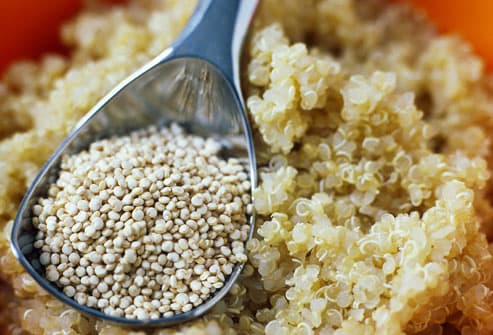
Quinoa (pronounced keen-wa) is a nutritional all-star that belongs in your weight loss plan. This whole grain has 8 grams of hunger-busting protein and 5 grams of fiber in one cup, and you'll also get iron, zinc, selenium, and vitamin E. Quinoa is as easy to cook as rice. For a quick dinner, mix in some vegetables, nuts, or lean protein. 

Cinnamon

Some studies suggest cinnamon may have a stabilizing effect on blood sugar levels. This could curb your appetite, particularly in people with type 2 diabetes, Bonci says. Nearly everyone can benefit from cinnamon in its traditional role. Stir some into your coffee, tea, or yogurt to add sweetness without adding calories.


Hot Peppers

Hot peppers have a flavorless chemical called capsaicin. It's more plentiful in habaneros, but jalapeƱos also have it. Capsaicin seems to curb appetite and speed up metabolism slightly, but only for a short time. It probably doesn't have a big impact on weight, unless you eat less food because it's spicy. 

Green Tea

Several studies suggest green tea may promote weight loss by stimulating the body to burn abdominal fat. Green tea contains catechins, a type of phytochemical that may briefly affect the metabolism. To get the most benefit, you may need to drink green tea several times a day. Bonci recommends taking your tea hot, because it takes longer to drink, providing a soothing, mindful experience.

Grapefruit

Grapefruit doesn't have any magical fat-burning properties, but it can help you feel full with fewer calories. That's because its soluble fiber takes longer to digest. Having half a grapefruit or a glass of grapefruit juice before a meal fills you up, so you eat fewer calories during the meal.


Watermelon

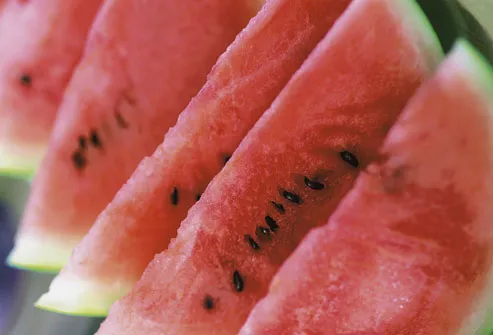
Foods that are rich in water take up more room in your gut. This signals the body that you've had enough to eat and leaves less room for other foods. Many raw fruits and vegetables are full of water and nutrients, and low in calories. Watermelon is a great example. It's a good source of the antioxidant lycopene and gives you some vitamin A and C, too.

Pears and Apples

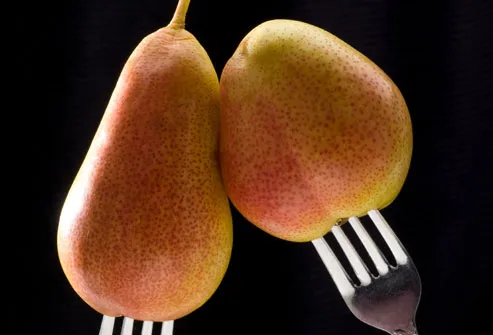
Pears and apples are also high in water content. Eat them with the peels for extra fiber, which will keep you full longer. Go for whole fruits rather than fruit juice. You'll get more fiber, and you have to chew the fruits. This takes longer and you'll burn a few calories chewing, as opposed to gulping down a smoothie.

Grapes vs. Raisins

Compare two cups of grapes to 1/4 cup of raisins. Either choice has a little more than 100 calories, but you'll probably be more satisfied with the grapes. Dried fruit has its place. When used sparingly, a few raisins or dried cranberries can liven up a salad.


Berries

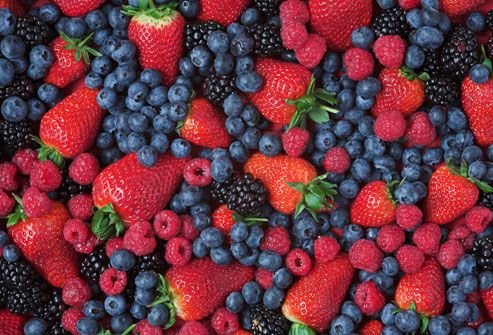
Like other fruits, berries are high in water and fiber, which can keep you full longer. They're also very sweet, satisfying your sweet tooth for a fraction of the calories you would get from cookies or brownies. Blueberries are a good example because most stores carry them and they're loaded with antioxidants.

Raw Vegetables

Raw vegetables make an outstanding snack. They satisfy the desire to crunch, they're full of water to help you feel full, and they're low in calories. Half a cup of diced celery has just eight calories. Coat celery with a little peanut butter or dunking carrots in salsa. When you're in the mood for chips and dip, replace the chips with raw veggies.

Sweet Potatoes

Think of the typical toppings on your baked potato -- butter, sour cream, maybe cheese and bacon bits. If you substitute a sweet potato, you might not need any of that. Baked sweet potatoes are so full of flavor, they don't need a lot. This can save you loads of calories. As a bonus, sweet potatoes are packed with potassium, beta carotene, vitamin C, and fiber.


Eggs

One egg has only 75 calories and 7 grams of protein, along with other vital nutrients. Remember, your body will burn more calories digesting eggs than a carb-heavy breakfast. If you have high cholesterol, one egg is almost all the cholesterol you should have in a day. Choose egg whites, which are cholesterol free.

Coffee

It sounds too good to be true -- one of your favorite beverages may actually help rev the metabolism and help you lose weight. Coffee does stimulate the metabolismm, but only a little. Don't count on this for weight loss, especially if you add calories with toppings.

Oatmeal

Oatmeal has three things going for it: fiber-rich whole-grain oats, lots of water, and it's hot. It's a very filling combination. Hot food takes longer to eat, and all that liquid and fiber will help you feel full longer. Avoid super-sugary oatmeal. Stirring in cinnamon or nutmeg will give you a sweet taste with less sugar.


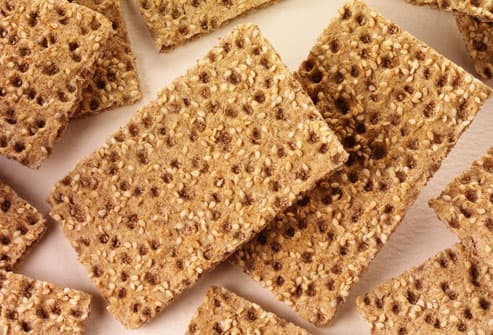
Crispbreads

Whole-grain rye crackers, sometimes called crispbreads, offer a low-fat, fiber-packed alternative to traditional crackers. Research suggests people who replace refined grains with whole grains tend to have less belly fat. Whole grains also provide a richer assortment of plant nutrients. This doesn't just apply to crackers. You can get the same benefits by switching to whole-grain breads, cereals, and pastas.

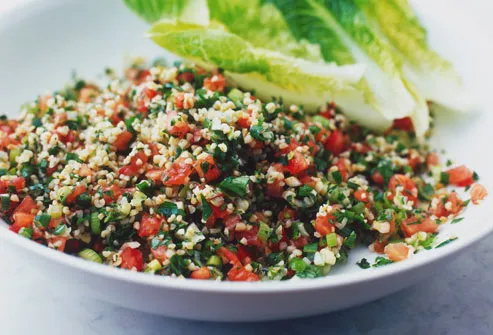
Tabouli

A standout whole grain is bulgur wheat, the type found in tabouli. It's high in fiber and protein, but low in fat and calories. That helps you fill up with a minimum of calories. It also tastes great. To turn this dish into a meal, you could add beans and stir in extra tomato, cucumber, and parsley.

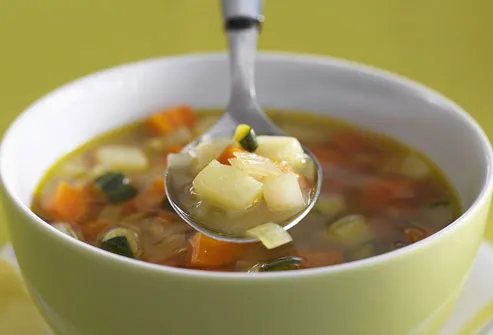
Soup

Soup -- we're talking broth-based, not creamy -- has a lot going for it. It's full of water, which fills you up with the fewest possible calories. It's hot, which prevents you from eating too much. Have it before a meal, and soup can take up space that might have gone to higher calorie foods. You can also make a satisfying, low-calorie meal out of soup alone by adding chicken, fish, cut-up vegetables, or beans.

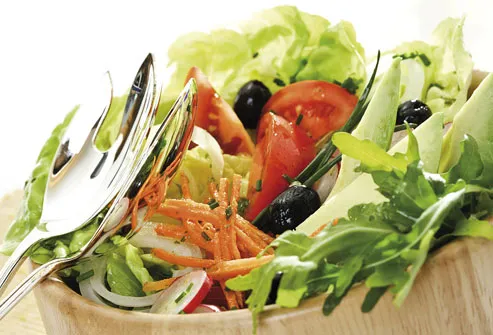
Salad

Another way to fill up before a meal is by eating salad. Lettuce has plenty of water content to take up space in the stomach. That leaves less room for fattier foods that might come later in the meal. Make your salad interesting by adding a variety of fruits and vegetables or grated cheese. Be careful about dressing, which can add a lot of calories. 

Vinegar

Dress your salad with oil and vinegar. It's easy to make and it's full of flavor that can make salad more satisfying -- and it has no calories.

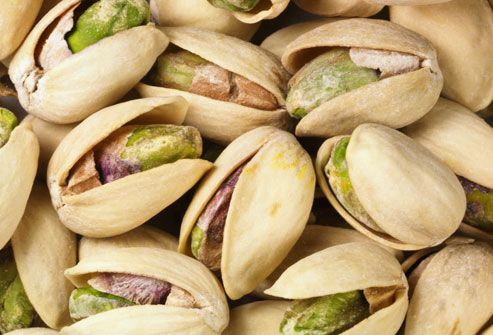
Nuts

Nuts are an excellent way to curb hunger between meals. They're high in protein, fiber, and heart-healthy fats. Studies suggest nuts can promote weight loss and improve cholesterol levels when eaten in moderation. They're also rich in calories, so limit your portions. If you have to get them out of their shell, you'll slow down and not eat as much.
 

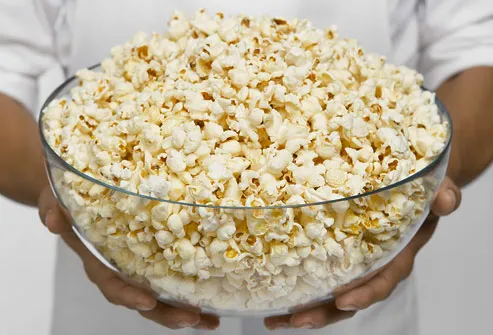
Air-Popped Popcorn

Three cups of plain, air-popped popcorn may seem like a lot, but you're not getting a lot of calories. All that air adds volume without adding fat or sugar. 

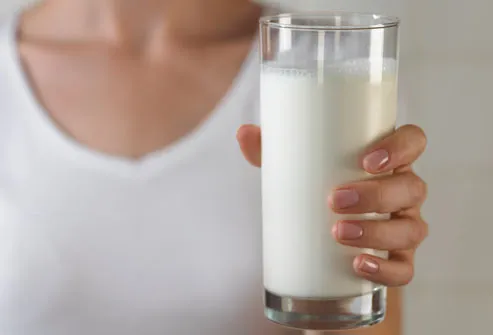
Skim Milk

Skim milk provides plenty of protein, calcium, and vitamin D with none of the fat found in whole milk. And even though it's fat-free, skim milk can help you feel full. It takes longer to leave the stomach than drinks with less protein.

Lean Meat

You know that protein can keep you full longer and burn more calories during digestion. Choose your protein carefully. Dark meat tends to be high in fat, which could cancel out some of the benefits. Skinless chicken breast is a great choice. And some cuts of beef can make the grade. Flank steak, eye of round, and top sirloin are extra-lean with less than 4 grams of saturated fat per serving. Stick with a 3- to 4-ounce portion.


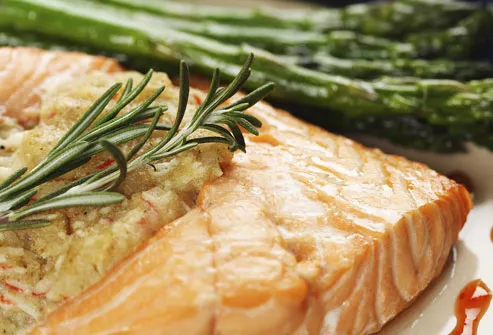
Fish

One of the best sources of protein is fish. Most fish is low in fat, and the exceptions usually have a good form of fat -- omega-3 fatty acids. Omega-3's, which are found in salmon, herring, and other fatty fish, may help protect against heart disease and other chronic conditions.

Beans

Beans are a vegetable, a protein, and a great source of fiber. You feel full for very few calories. TOpen a can of garbanzo beans (chickpeas) and toss them into soup or salad or mash them up to use as a dip. One cup packs 12 grams of fiber, just 4 grams of fat, and 15 grams of protein.
Reviewed by Michael W. Smith, MD on February 13, 2014

IMAGES PROVIDED BY:
1)         FoodCollection
2)         Joy Skipper/Fresh Food Images
3)         Fotosearch
4)         Robert J Bennett/Age Fotostock
5)         Junko Mugita/AFLO
6)         Fotosearch
7)         Image100
8)         Hallmark Institute/Index Stock Imagery
9)         Steve Pomberg/WebMD
10)       IStockfoto
11)       Radius Images
12)       Dorling Kindersley
13)       Nicolas Lemonnier/StockFood Creative
14)       Jupiterimages/Photos.com
15)       Foodfolio
16)       Foodfolio
17)       Dorling Kindersley
18)       Hall/SoFood Collection
19)       Imagebroker
20)       Adam Adam/Photocuisine
21)       Laszlo Selly/FoodPix
22)       Clover/Amanaimages
23)       Burke/Triolo Productions/Brand X
24)       Stockbrokerextra Images
25)       Stockbrokerextra Images
26)       Photolibrary


REFERENCES:
American Diabetes Association web site.
American Dietetic Association web site.
Brown, J. Diabetes Care, 2004.
Center for Science in the Public Interest web site.
David Heber, MD, PhD, professor of medicine and public health; chief and founding director, Center for Human Nutrition, Division of Clinical Nutrition, UCLA; author of What Color Is Your Diet?
Diane L. McKay, PhD,  Human Nutrition Research Center, Tufts University; assistant professor, Friedman School of Nutrition Science and Policy, Tufts University.
Faghih, S. Nutrition, Metabolism, and Cardiovascular Diseases, March 2010.
Flood, J.E. Appetite, November 2007.
Hoffman, J. Journal of the International Society of Sports Nutrition, May 2006.
Journal of Agricultural and Food Chemistry, July 8, 2009.
Journal of the American College of Nutrition, September 2010; February 2010.
Judith Rodriguez, PhD, RD, past president, American Dietetic Association; nutrition professor, University of North Florida.
Leslie Bonci, MPH, RD, director of sports nutrition, University of Pittsburgh Medical Center.
McKeown, N. American Journal of Clinical Nutrition, November 2010.
Norris, S. American Journal of Medicine, 2004.
Rolls, Barbara. The Volumetrics Eating Plan. HarperCollins Publishers, 2005.
Shahar, D. American Journal of Clinical Nutrition, November 2010.
Slavin, J.L. Journal of the American Dietetic Association, 2008.
The Journal of Nutrition, July 2011.
USDA Nutrient Data Laboratory.
Vander Wal, J.S. Journal of the American College of Nutrition, August 2005.
Weight-control Information Network web stie.
Whole Grain Council web site.
Yeh, Y. Diabetes Care, April 1, 2003.


This tool does not provide medical advice. See additional information:Disclaimer
© 2014 WebMD, LLC. All rights reserved.

Wednesday, October 08, 2014

Paul Whiteley: The Gut-Brain Axis and Schizophrenia


Paul Whiteley, who blogs at Questioning Answers (mostly on autism research), posted this intriguing research summary from Progress in Neuro-Psychopharmacology and Biological Psychiatry on the relationship between the "gut-brain axis" and schizophrenia, which is not a new avenue of research, but is nonetheless still considered a fringe notion in the mainstream schizophrenia research.

It only makes sense that if we have an unhealthy microbiome (enteric nervous system), which we already know can cause depression, disease, and cognitive issues (a major symptom cluster in schizophrenia is cognitive distortion), then the entire system is at risk.


The full article is, of course, paywalled, but Whiteley offers a good, though too brief for me, summary of the study; and I have included the abstract from the original article.

The gut-brain axis and schizophrenia


Posted by Paul Whiteley
Saturday, 4 October 2014

A micropost to direct your attention to the recent paper by Katlyn Nemani and colleagues [1] titled: 'Schizophrenia and the gut-brain axis'. Mentioning words like that, I couldn't resist offering a little exposure to this review and opinion piece, drawing on what seems to be some renewed research interest in work started by pioneers such as the late Curt Dohan [2].

The usual triad of gastrointestinal (GI) variables - gut barrier, gut bacteria and gut immune function - are mentioned in the article, concluding that: "A significant subgroup of patients may benefit from the initiation of a gluten and casein-free diet" among other things. Not a million miles away from related suggestions when it comes to something like the autism spectrum disorders (ASDs) (see here) bearing in mind the concept of overlapping spectrums (see here) and the [plural] schizophrenias.

I'm also minded to hat-tip another research team including Emily Severance and colleagues who are going great guns when it comes to the whole GI-food link in cases of schizophrenia and beyond (see here for my recent discussion of some of her work). Another of her quite recent papers [3] on cerebrospinal fluid (CSF) levels of antibody response to wheat gluten and bovine milk in first-episode schizophrenia represents another master-class of research in this area. Their suggestion of potential evidence for a leaky blood-CSF barrier is something else which might stimulate further research in this area including some mention for the molecular handyperson that is melatonin among other things to "protect against blood-brain barrier and choroid plexus pathologies". Such findings might also be relevant for other CSF issues reported with schizophrenia in mind (see here).

And whilst we're talking all-things biological membrane permeability and schizophrenia, I'll also link to the paper by Julio-Pieper and colleagues [4] (open-access) reviewing some of the evidence on the 'controversial association' between intestinal barrier dysfunction and various conditions (also covering some of the literature with autism in mind too). Mainstream here we come?

----------

[1] Nemani K. et al. Schizophrenia and the gut-brain axis. Prog Neuropsychopharmacol Biol Psychiatry. 2014 Sep 17. pii: S0278-5846(14)00168-7
[2] Dohan FC. Cereals and schizophrenia data and hypothesis. Acta Psychiatrica Scandinavica. 1966; 42: 125–152.
[3] Severance EG. et al. IgG dynamics of dietary antigens point to cerebrospinal fluid barrier or flow dysfunction in first-episode schizophrenia. Brain Behav Immun. 2014 Sep 17. pii: S0889-1591(14)00462-0.
[4] Julio-Pieper M. et al. Review article: intestinal barrier dysfunction and central nervous system disorders - a controversial association. Aliment Pharmacol Ther. 2014 Sep 28.

----------

ResearchBlogging.org Nemani, K., Ghomi, R., McCormick, B., & Fan, X. (2014). Schizophrenia and the gut–brain axis. Progress in Neuro-Psychopharmacology and Biological Psychiatry. 56(2): 155–160. DOI: 10.1016/j.pnpbp.2014.08.018
* * * * *

Schizophrenia and the gut–brain axis

Katlyn Nemania, Reza Hosseini Ghomib, Beth McCormickc, Xiaoduo Fanc  

Highlights
  • Several risk factors for the development of schizophrenia can be linked through a common pathway in the intestinal tract
  • The microbiota composition may impact the gastrointestinal barrier, immune regulation, and metabolism seen in schizophrenia.
  • A significant subgroup of patients may benefit from the initiation of a gluten and casein-free diet
  • Antimicrobials and probiotics have therapeutic potential that will be elucidated by further research
Abstract

Several risk factors for the development of schizophrenia can be linked through a common pathway in the intestinal tract. It is now increasingly recognized that bidirectional communication exists between the brain and the gut that uses neural, hormonal, and immunological routes. An increased incidence of gastrointestinal (GI) barrier dysfunction, food antigen sensitivity, inflammation, and the metabolic syndrome is seen in schizophrenia. These findings may be influenced by the composition of the gut microbiota. A significant subgroup of patients may benefit from the initiation of a gluten and casein-free diet. Antimicrobials and probiotics have therapeutic potential for reducing the metabolic dysfunction and immune dysregulation seen in patients with schizophrenia.

Tuesday, August 19, 2014

Whey Protein Concentrate Before Meals Increases Postprandial Insulin Release


A new study published in Diabetologia found that drinking 50 grams of whey protein concentrate 30 minutes before a high glucose meal significantly increased insulin response and reduced blood glucose levels. These results are especially impressive because their idea of a high glucose meal was three slices of white bread with a sugary jelly - i.e., guaranteed to spike insulin.

Here is the abstract of the article (below this is a summary of the research from Science Codex):

Incretin, insulinotropic and glucose-lowering effects of whey protein pre-load in type 2 diabetes: a randomised clinical trial


Daniela Jakubowicz & Oren Froy & Bo AhrƩn & Mona Boaz & Zohar Landau & Yosefa Bar-Dayan & Tali Ganz & Maayan Barnea & Julio Wainstein

Abstract

Aims/hypothesis: Since protein ingestion is known to stimulate the secretion of glucagon-like peptide-1 (GLP-1), we hypothesised that enhancing GLP-1 secretion to harness its insulinotropic/beta cell-stimulating activity with whey protein pre-load may have beneficial glucose-lowering effects in type 2 diabetes.

Methods: In a randomised, open-label crossover clinical trial, we studied 15 individuals with well-controlled type 2 diabetes who were not taking any medications except for sulfonylurea or metformin. These participants consumed, on two separate days, 50 g whey in 250 ml water or placebo (250 ml water) followed by a standardised high-glycaemic-index breakfast in a hospital setting. Participants were randomised using a coin flip. The primary endpoints of the study were plasma concentrations of glucose, intact GLP-1 and insulin during the 30 min following meal ingestion.

Results: In each group, 15 patients were analysed. The results showed that over the whole 180 min post-meal period, glucose levels were reduced by 28% after whey pre-load with a uniform reduction during both early and late phases. Insulin and C-peptide responses were both significantly higher (by 105% and 43%, respectively) with whey pre-load. Notably, the early insulin response was 96% higher after whey. Similarly, both total GLP-1 (tGLP-1) and intact GLP-1 (iGLP-1) levels were significantly higher (by 141% and 298%, respectively) with whey pre-load. Dipeptidyl peptidase 4 plasma activity did not display any significant difference after breakfast between the groups.

Conclusions/interpretation: In summary, consumption of whey protein shortly before a high-glycaemic-index breakfast increased the early prandial and late insulin secretion, augmented tGLP-1 and iGLP-1 responses and reduced postprandial glycaemia in type 2 diabetic patients. Whey protein may therefore represent a novel approach for enhancing glucose lowering strategies in type 2 diabetes.
Full Citation:
Jakubowicz, D, Froy, O, AhrĆ©n, B, Boaz, M, Landau, Z, Bar-Dayan, Y, Ganz, T, Barnea, M, and Wainstein, J. (2014, Jul 10). Incretin, insulinotropic and glucose-lowering effects of whey protein pre-load in type 2 diabetes: a randomised clinical trial. Diabetologia; 57:1807–1811. DOI 10.1007/s00125-014-3305-x

You can read the whole article online - but here is a summary of the research from Science Codex.

A new 'whey' to control diabetes

Posted By News On August 16, 2014

Blood sugar surges — after-meal glucose "spikes" — can be life threatening for the 29 million Americans with diabetes. Diabetic blood sugar spikes have been linked to cardiovascular disease, cancer, Alzheimer's disease, kidney failure, and retinal damage. Now a new Tel Aviv University study, published in Diabetologia, suggests a novel way to suppress these deadly post-meal glucose surges: the consumption of whey protein concentrate, found in the watery portion of milk separated from cheese curds, before breakfast.

According to TAU's Prof. Daniela Jakubowicz and Dr. Julio Wainstein of the Wolfson Medical Center's Diabetes Unit, Prof. Oren Froy of the Hebrew University of Jerusalem, and Prof. Bo AhrƩn of Lund University in Sweden, the consumption of whey protein before meals may even keep diabetics' need for insulin treatment at bay.

"What's remarkable is that consuming whey protein before meals reduces the blood sugar spikes seen after meals. It also improves the body's insulin response, putting it in the same range or even higher than that produced by novel anti-diabetic drugs," said Prof. Jakubowicz. "High milk intake has long been associated with lower risk for type 2 diabetes and cardiovascular disease, and milk whey protein increases the production of a gut hormone called glucagon-like peptide-1 (GLP-1) that stimulates insulin secretion. This, in turn, reduces the blood glucose rise after meals."

A Whey Cocktail Before Breakfast

"We hypothesized that stimulating GLP-1 production by consuming whey protein before a meal would enhance insulin secretion and have beneficial glucose-lowering effects in type 2 diabetes," Prof. Jakubowicz said.

The study was conducted on 15 individuals with well-controlled type 2 diabetes at Wolfson Medical Center. The participants were randomized to receive either 50 grams of whey in 250 ml water or a placebo, followed by a standardized high-glycemic index breakfast of three slices of white bread and sugary jelly – a meal designed to produce the maximum post-meal glucose spike.

Blood samples were taken 30 minutes before the meal, when the whey protein or placebo drinks were consumed. Further blood samples, assessing plasma concentration of glucose, intact GLP-1, and insulin concentrations, were taken when the breakfast was served and at 15, 30, 60, 90, 120, 150 and 180 minute intervals after the meal.

The Most Important Meal of the Day?

The researchers found that glucose levels were reduced by 28 percent after the whey pre-load over the 180-minute post-meal period, with a uniform reduction during early and late phases. With whey pre-load, insulin and GLP-1 responses also were significantly higher (105 and 141 percent, respectively), producing a 96 percent increase in early insulin response.

"The early insulin response that usually is deficient in type-2 diabetes was significantly higher after whey protein than with placebo, and the whey protein preload significantly reduced the elevation of blood glucose after breakfast," said Prof. Jakubowicz. "Whey protein could therefore represent a novel approach for enhancing glucose-lowering strategies in type 2 diabetes."

Based on the findings of this study, the authors are considering a long-term clinical trial to test the enduring benefits of whey protein consumption for diabetics.

Source: American Friends of Tel Aviv University

Friday, June 27, 2014

Brain Science Podcast - "Go Wild" with Dr. John Ratey

http://ecx.images-amazon.com/images/I/51WbdF4MsxL._SL500_AA300_PIaudible,BottomRight,13,73_AA300_.jpg

Dr. John Ratey is the co-author, along with Richard Manning, of Go Wild: Free Your Body and Mind from the Afflictions of Civilization. This podcast originally appeared on Dr. Ginger Campbell's Books and Ideas podcast, where Dr. Ratey has been a guest a couple of times.

Here is the publisher's blurb from Amazon:
The scientific evidence behind why maintaining a lifestyle more like that of our ancestors will restore our health and well-being.

In GO WILD, Harvard Medical School Professor John Ratey, MD, and journalist Richard Manning reveal that although civilization has rapidly evolved, our bodies have not kept pace. This mismatch affects every area of our lives, from our general physical health to our emotional wellbeing. Investigating the power of living according to our genes in the areas of diet, exercise, sleep, nature, mindfulness and more, GO WILD examines how tapping into our core DNA combats modern disease and psychological afflictions, from Autism and Depression to Diabetes and Heart Disease. By focusing on the ways of the past, it is possible to secure a healthier and happier future, and GO WILD will show you how.
Good podcast.

"Go Wild" with Dr. John Ratey (podcast)

Ginger Campbell, MD
Monday, June 23, 2014


Richard Manning and John Ratey (click photo to play mp3)

Episode 55 of Books and Ideas is an interview with Dr. John Ratey, co-author of Go Wild: Free Your Body and Mind from the Afflictions of Civilization. There is considerable evidence that our hunter-gatherer ancestors were generally suprisingly healthy, so the purpose of this book and our conversation was to explore the scientific evidence supporting a return to a healthier lifestyle. We touch on diet, exercise, the role of sleep and even meditation. We also explore the importance of our relationship with nature and each other.

Listen to Episode 55 of Books and Ideas

Episode Transcript (Download PDF)


Since I have previously interviewed Dr. Ratey about his books Spark: The Revolutionary New Science of Exercise and the Brain (BSP 33) and Driven To Distraction: Recognizing and Coping with Attention Deficit Disorder from Childhood Through Adulthood (BSP 45), I will be also be posting this episode in the Brain Science Podcast feed.

References:
Additional references are available in the Free Episode Transcript

Announcements:
  • This episode of Books and Ideas will appear in the Brain Science Podcast feed tomorrow. The next episode of the Brain Science Podcast will be posted in late July.
  • Since I am starting a Fellowship in Palliative Care Medicine next month I am not sure when I will publish another episode of Books and Ideas, but I do plan a future episode about Palliative Care.
  • I am speaking at The Amazing Meeting next month in Las Vegas. Check the schedule for the exact time and be sure to drop me an email if you are going to be there.
  • I also plan to attend Podcast Movement 2014 which is being held in Dallas in August.
Share Your Feedback:

Sunday, June 22, 2014

Paleo Diets Have Peaked - Now the Skeptics Grow Louder

Two major sources (Aeon Magazine and BBC Future) both ran skeptical articles about the paleo diet trend on the same day. Haters gonna hate. The reality is that a diet rich in vegetables (non-starchy), lean meats, nuts, eggs, and fruit is healthy and satiating, so one will lose weight. If you eat processed food-type products (not real food), you will likely be overweight and more prone to several diseases, including diabetes, cardiovascular disease, and cancer.

So "paleo" is a fad, but it's founded on solid principles and solid research.

Against the Grains

A carbs-rich diet has been blamed for the alarming explosion of obesity and chronic disease. What does the science show?

by Melinda Wenner Moyer |

A Kellogg's magazine advert, 1952. Photo by The Advertising Archives


Melinda Wenner Moyer is a science and health journalist. She teaches at the City of New York’s graduate school of journalism, and is the parenting columnist for Slate. She lives in Cold Spring, NY.

A decade ago, I said goodbye to wheat. I had been carrying around 15 extra pounds since high school and I was sick of it. A friend claimed that going wheat-free helped her lose weight and feel more energetic. A diet that didn’t require counting calories? Sounded good to me, so I gave it a shot. Six months later, those 15 pounds, close to seven kilos, were history.

Slowly, wheat found its way back into my world – oh how I missed bread! – and in 2009 I decided I was done. I haven’t regained much of the weight, nor do I feel different now. I can’t help but wonder, then, why my diet worked. Was it that my body truly functioned better without wheat? Was the claim true that carbohydrates, especially grains, promoted weight gain more than other types of foods?

Anti-carb rhetoric has been around for a long time, but it’s gotten fierce these past few years, and the public is lapping it up. Numerous best-sellers blame wheat, gluten and sugar for obesity, neurological disorders, and other chronic diseases. Carb critics fall into two basic camps: some make biochemical arguments, suggesting that the way our body processes carbs produces unique and harmful health effects, while others say carbs symbolise humanity’s fall from grace – that every time we stuff our faces with cookies, pasta and bagels, we are blatantly disrespecting the dietary blueprint our ancestors left in our genes. Our meat-eating hunter-gatherer forebears never ate these carbs, and we plainly lack the metabolic oomph to deal with them now. This argument implies a fixed human nature – and a prehistoric past that dictates how we should eat today. But to what extent are modern humans really Pleistocene hominins under the skin? And what can these evolutionary arguments tell us, if anything, about the Western world’s ongoing health woes?
Read the whole article.

* * * * *

Palaeolithic diet: Should we all eat like cavepeople?

Claudia Hammond
Medical Myths | 17 June 2014

(Science Photo Library)

We know modern convenience food can be unhealthy for us, but is reverting to a prehistoric diet the answer? Claudia Hammond examines the evidence.

They didn’t eat pizzas or curry. Not a single slice of cake would have passed their lips. They hunted animals for their meat, caught fish and collected nuts and berries from the forest. And according to some, these early Palaeolithic humans living between 2.5 million and 10,000 years ago had just the right diet for modern living.

The argument for the so-called “Palaeolithic diet” goes like this: the human body adapted to life during the Stone Age, and as our genetics has changed very little since then, this means biologically speaking we are far better-suited to the hunter-gatherers’ diet that existed before there was any agriculture. Details vary from diet to diet, but on the whole they advocate eschewing all dairy products, grain-based foods like pasta, bread or rice, and in some versions lentils and beans aren’t allowed. Proponents argue modern disorders like heart disease, diabetes and cancer have arisen primarily from the incompatibility between our current forms of diet and our prehistoric anatomy.

But what’s the evidence that eating like a caveman is better for us? There are two questions to answer here. First, is it true that we are biologically identical to Stone Age humans? And, second, does this mean we should we eat the same food – and is this diet healthier for us?

A diet of junk food isn't good for us, but is the answer to eat like our prehistoric ancestors did? (Getty Images)

Palaeolithic diet followers say that the reason we should follow this way of life is that this is the food our bodies and in particular, our digestive systems, have evolved to eat. It’s argued that consuming dairy products or anything unavailable before the advent of farming, is challenging both evolution and our bodies. A Polish study from 2012 estimates that in Western populations, at least 70% of daily energy intake comes from food that cavepeople would never or rarely have consumed including grains, dairy, refined sugars and processed fats.

Evolutionary biologists argue otherwise. Marlene Zuk at the University of Minnesota in the US, and author of the book Paleofantasy, says that because different genes change at different rates, there’s no reason to expect us to be genetically identical to people living in the Pleistocene. Evolution hasn’t occurred in this manner – we didn’t have the perfect human as an endpoint then and stop there. Humans have been constantly evolving. As she put it to me: “Some of those genes we had back in the Pleistocene were the same as the genes we had when life was aquatic, and no one’s suggesting we start filter feeding.”

One example of a relatively recent genetic change, and by recent I mean roughly 7,000 years ago, is lactase persistence. Babies survive on milk, but after weaning it used to be unusual for them to tolerate it and it would cause symptoms such as stomach pain and diarrhoea. Cattle began to be herded for their meat and skins, rather than for their milk. But the few who could digest dairy without discomfort, could drink the cow’s milk. This gave them an evolutionary advantage – here they not only had an extra source of food, but an uncontaminated drink. So they survived, passing on to their children the gene variant that tolerated milk. Soon more adults could drink milk, to differing extents in different places.

One example of how our genes have changed since prehistoric times is lactase persistence, which has allowed adults to tolerate milk. (Thinkstock)

Whether or not we are genetically identical to cavepeople, it is of course still possible that the Palaeolithic diet could be better for us. Few would argue that eating highly processed foods all the time is good, or that we wouldn’t benefit from eating some more fruit and vegetables. As details vary from diet to diet, this makes it a challenge when it comes to assessing them scientifically. That said, if a study were to compare a diet packed with junk food with the Palaeolithic diet you’d expect the Palaeolithic diet to come out on top. But what if you compared it with a healthy diet?

A few studies have done just that. They show that we do tend to lose weight faster on the Palaeolithic diet; however, the majority are very short-term, getting people to follow the diet for just three weeks or so, and with a very small number of participants. In one review of studies they list sample sizes of just 10, 29, 14 and 13 people. Persuading people to try the diet isn’t always easy. One study had to end early because for six months they were unable to recruit a single new participant.

Then earlier this year came headlines proclaiming that at last there was evidence that we should eat like Stone Age humans. The reason was that a long-term randomised controlled trial had been conducted. It only spanned two years, but this was long compared with the previous studies. The sample was also larger. Seventy obese post-menopausal women took part, with an average age of 60. For two years they were either given a Palaeolithic-type diet to follow or a low-fat Nordic diet, which didn’t exclude any foods, but had an emphasis on low-fat dairy products and high fibre foods such as wholegrain cereals. For each diet they were given targets on the ideal proportions of protein, fat and carbohydrate to eat.

Earlier this year we saw the biggest study exploring whether we should follow a diet like cavepeople (Science Photo Library)

What happened? Both groups lost weight, but after six months the women on the Palaeolithic diet had lost more, and their waists now measured less than those on the Nordic diet. It seemed as though this diet was better, but then things changed. After two years there was no difference in weight between the two groups. The only difference was in levels of the harmful blood fats, triglycerides, but even then they were at what would be considered safe, normal levels in the people on the Nordic diet too. Both groups found the diets difficult to manage and most people didn’t achieve the targets of eating the right amounts of each food group.

So, there’s no hard and fast evidence yet that we should be eating like cavepeople. It is of course unhealthy to eat a diet which mainly consists of highly processed foods like white bread and sugary cereals, but this doesn’t mean that all dairy products and grains need to be avoided unless you have a specific problem with them. In a three-week study from 2011 people found it hard to reach the recommended daily amounts of calcium, iron and fibre on the Palaeolithic diet. Not all studies are using exactly the same diet, though, which makes them hard to compare.

When it comes to losing weight, the advice is pretty dull – eat less and exercise more. Which is probably why any diet which claims to have found an alternative seems appealing, though. But, unfortunately, it seems that there’s still no magic bullet.

If you would like to comment on this, or anything else you have seen on Future, head over to our Facebook or Google+ page, or message us on Twitter.

You can hear more Medical Myths on Health Check on the BBC World Service.


Disclaimer
All content within this column is provided for general information only, and should not be treated as a substitute for the medical advice of your own doctor or any other health care professional. The BBC is not responsible or liable for any diagnosis made by a user based on the content of this site. The BBC is not liable for the contents of any external internet sites listed, nor does it endorse any commercial product or service mentioned or advised on any of the sites. Always consult your own GP if you're in any way concerned about your health.

Monday, June 02, 2014

When It Comes to Fat in the Diet, Nutritional Science Is Way Ahead of Public-Health "Experts"

For decades, the message the public received about dietary fat was this, or some version of it:
Eating fat makes you fat. Eating the fat that causes heart disease fills your body with that fat. Fat is bad. Some kinds of fat are especially bad. Avoid all of it.
The theory, in part and simply put, was that you are what you eat. If you eat fat will be fat.

Although this is clearly wrong on the surface, there is a deeper truth to it - we ARE what we eat. EVERY cell in the human body is lipid-based, i.e., made of fat, and this is especially true in the brain.

Sports nutritionist Dr. John Berardi (Precision Nutrition) has long been an advocate of splitting fat intake equally between saturated fats (coconut oil, butter), monounsaturated fats (nuts, avocados, and olive oil), and polyunsaturated fats (fish, seeds, and nuts).

Below this post from Nautilus, I am also including an excellent "explainer" by Ryan Andrews of Precision Nutrition on healthy and unhealthy fats.

How The Big Wrong Fat Message Got So Widely Accepted

Posted By Amos Zeeberg on May 30, 2014


Nutritional advice about eggs, naturally high in cholesterol, has been scrambled 
over the past 50 years. Jag_cz via Shutterstock

The practice of nutritional science faces some significant problems, and they are mainly of its own making. For decades, starting in the 1950s, a consensus of experts recommended that Americans cut down on fat, cholesterol, and saturated fat so as to minimize their risk of heart disease.

In more recent decades, the consensus has, like an ocean liner, slowly changed direction and even reversed course. First, the warnings about fat diminished and then disappeared—the problem wasn’t fat but certain problematic fats, the exact identity of which were also in flux. Then the firm limits on cholesterol were lifted—dietary cholesterol didn’t significantly change blood cholesterol in most people, and the total blood cholesterol wasn’t a very important factor in heart disease, anyway.

Over the past few years, studies of people’s actual health outcomes, not just biomarkers with indirect connections to health, suggest that saturated fat isn’t so bad either. As the expert bodies slowly internalize these results, the public sees a confusing contrast: Researchers seem to be coalescing around the idea that saturated fat isn’t the enemy, while public-health agencies continue to demonize it. This no doubt breeds some degree of deserved skepticism about the science behind our nutritional guidelines.

How did it get to be this way? How is the nutritional science advanced by public-health experts in such stark contrast with new science research?

Gary Taubes, one of the most influential critics of the “diet-heart hypothesis,” lays most of the blame on Ancel Keys, a physiologist at the University of Minnesota. Taubes says Keys based the theory on a tiny bit of research and forcefully, effectively promoted it to scientists. Other skeptics of the hypothesis have also pinned the error on Keys.

But I wonder if there’s another factor that helped propel the diet-heart hypothesis to become conventional wisdom despite a dearth of solid evidence, namely the old idea that “you are what you eat.” It makes a certain kind of obvious sense that eating fat will make you fat. What’s more, eating fat will provide more fuel for the plaques, made of fat, that were known to cause heart attacks on strokes. And of course it makes sense that eating cholesterol, a kind of fatty molecule, will increase cholesterol, a fat associated with heart disease, in your blood.

This idea was supported by Keys’ research and, more importantly, it made a clear, easily graspable lesson to push to the public. Eating fat makes you fat. Eating the fat that causes heart disease fills your body with that fat. Fat is bad. Some kinds of fat are especially bad. Avoid all of it.

But it turned out that you are not, in fact, exactly what you eat. Biology is more complicated than that.

~ Amos Zeeberg is Nautilus’ digital editor.
* * * * * * * * * *

Ryan Andrews is a former competitive bodybuilding, holds a MA in exercise physiology and an MS in nutrition, and is a Precision Nutrition coach and writes a great many of the informative articles post at the site. He also has adopted a plant-based diet while adhering to the macro-nutrient of the PN approach to nutrition.

All About Healthy Fats

By Ryan Andrews

Fats are organic molecules made up of carbon and hydrogen elements joined together in long chains called hydrocarbons. These molecules can be constructed in different ways, which creates different types of fat and their unique properties. The molecular configuration also determines whether fats will be healthy or unhealthy.


Fat types


There are 3 main types of dietary fat: saturated, monounsaturated, and polyunsaturated.
Saturated Monounsaturated Polyunsaturated


Omega-3 Omega-6
Animal fats
Tropical oils (e.g. coconut, palm, cacao)
Olive oil
Avocados
Peanuts & groundnuts
Tree nuts
Flax
Fish oil
Most seed oils (e.g. canola, safflower, sunflower)
The difference between saturated and unsaturated fats lies in the bond structure. (See the diagram below.)

Saturated fats contain no double bonds. Each carbon (C) has two hydrogens (H). The chain is “saturated” with hydrogens. Because of this chemical configuration, saturated fats are generally solid at room temperature.

Unsaturated fats, on the other hand, have one or more double bonds between the carbons. Thus not all of the carbons have hydrogens stuck to them. This puts a “kink” in the chain.

Monounsaturated fats have one double bond and polyunsaturated fats have more than one.

These molecular shapes of various fats are important, because the shapes determine how the various fats act in the body.


What is a “healthy fat”?


In popular terminology, the monounsaturated and polyunsaturated fats are what most people refer to as “healthy fats.”

Yet humans have likely consumed unprocessed forms of saturated fats (such as organ meats from wild game, blubber from seals and whales, milk, or coconuts) for their entire existence.

Humans evolved on diets consisting of marine life, wild game and/or inland plants, which provided abundant omega-3 and other unprocessed fats.

Early humans (and many hunter-gatherer groups today) consumed all parts of animals — including fatty tissues such as blubber, organs, and brains along with eggs from fish, fowl, and reptiles.

So, a better definition of “healthy fat” might be “relatively unprocessed fats from whole foods”.

Unhealthy fats are typically those that are industrially produced and designed to be nonperishable, such as:
  • trans- fatty acids that appear in processed foods
  • hydrogenated fats such as margarine (hydrogen is added to the fat chain to make a normally liquid and perishable fat into a solid and shelf-stable fat)
  • most shelf-stable cooking oils (e.g. safflower, canola, corn oil, etc.)


Fats in balance


Since humans evolved by consuming a diet of whole foods, fat intake from mono-, poly-, and saturated sources was distributed evenly.

Scientists estimate that the omega-6/omega-3 ratio in a hunter-gatherer diet is around 1:1. Humans currently consume a ratio of about 16:1 to even 20:1 – an intake that’s way out of balance.

Much of our omega-6 and saturated fat intake is from refined fat sources, not from whole foods.

Items like corn oil, safflower oil, and factory-farmed meat/eggs/dairy contain unhealthy balances of fat. Soybean oil alone accounts for over 75% of oils consumed by Americans.


Why are healthy fats so important?


People are often concerned about excess dietary fat, but not getting enough “good” fats may also cause health problems.


A wide range of health effects


Fats exert powerful effects within the body.

We need adequate fat to support metabolism, cell signaling, the health of various body tissues, immunity, hormone production, and the absorption of many nutrients (such as vitamins A and D).

Having enough fat will also help keep you feeling full between meals.

Healthy fats have been shown to offer the following benefits.

Strong evidence
  • Cardiovascular protection (though there is less evidence for protecting against heart failure)
  • Improve body composition
  • Alleviate depression
Average evidence
  • Prevent cancers
  • Preserve memory
  • Preserve eye health
  • Reduce incidence of aggressive behaviour
  • Reduce ADHD and ADD symptoms


You’re a fathead… literally


Fat we consume is digested and either used for energy, stored in adipose (fat) tissue, or incorporated into other body tissues and organs.

Many of our body tissues are lipid (aka fat) based, including our brains and the fatty sheath that insulates our nervous systems. Our cell membranes are made of phospholipids, which means they’re fat-based too.

Thus, the fat we consume literally becomes part of our cells. It can powerfully influence how our cells communicate and interact.

For example, fat can affect signaling molecules that influence blood vessel constriction, inflammation, blood clotting, pain, airway constriction, etc. Since our brains are fat-based, changes in fat composition can affect transmission of nervous system impulses.

For this reason, balancing our fat intake can promote optimal functioning of our entire body. Therefore it’s important that we emphasize whole food fat sources in our diets, and supplement as necessary.


More on fat types

Omega-3s


The most important omega-3 fats are the following:
  • ALA (alpha-linolenic acid)
  • DHA (docosahexaenoic acid)
  • EPA (eicosapentaenoic acid)
Our bodies mostly use DHA/EPA, and don’t convert ALA very well. Most plant-based sources (e.g. flax, hemp, and chia) are rich in ALA while marine animal sources (i.e. fish) and algae are rich in EPA and DHA.

Thus, blood levels of omega-3 fats are typically lower in plant-based eaters than in those who eat meat, so plant-based eaters should be particularly vigilant about proper fat intake.


ALA conversion is particularly poor in people who consume a typical Western diet. Thus, people who eat diets high in processed foods and refined carbohydrates, etc. will not reap many benefits from ALA.

Get your EPA/DHA from marine sources. (See AA Algae for more on plant-based sources.)


Monounsaturated fats


Monounsaturated fats (e.g. from nuts, seeds, olives, and avocados) appear to lower LDL cholesterol (aka the “bad” cholesterol). They may also increase HDL cholesterol (aka the “good” cholesterol), but evidence for this is not as clear.


CLA


Once everything is in order with your nutrition and lifestyle, consuming CLA (conjugated linoleic acid) might be another option.

CLA resembles LA (linoleic acid) but the structure is slightly different, giving it a different effect in the body. It may help to control levels of body fat.

Food sources of CLA include pasture-raised/grass-fed animals/eggs. Plant-based CLA supplements are usually derived from sunflower oil.


Saturated fat


Saturated fat seems to support the enhancement of good cholesterol.

Fats from palm oil and coconut oil are highly saturated. Palm and coconut also contain medium chain fats, which can support health and optimal body composition.

Due to the high prevalence of animal foods and tropical oils (from processed foods) and the low prevalence of whole plant foods in the modern diet, people tend to get too much saturated fat relative to unsaturated fat, and combine these saturated fats with refined carbohydrates. Health suffers as a result.

In addition, tropical oils (e.g. palm and coconut oils) usually appear as industrially refined, hydrogenated fats in processed foods, rather than in their native form.

If you choose to consume these tropical oils, make sure they are unrefined (e.g. whole coconut or extra-virgin, cold-pressed coconut oil). For healthy saturated fats, look for pasture-raised meat and dairy.


Summary and recommendations


Get a mix of fat types from whole, unprocessed, high-quality foods. These include nuts, seeds (hemp, flax, and chia are especially nutritious), fish, seaweed, pasture-raised/grass-fed animals/eggs, olives, avocado, coconut, and cacao nibs.

Avoid industrially processed, artificially created, and factory farmed foods, which contain unhealthy fats.

Keep it simple. Don’t worry too much about exact percentages and grams.

Supplement with algae oil or fish oil daily. We recommend 1-2 g of algae oil or about 3-6 g of fish oil each day.


A few safety notes


If you:
  • are taking blood thinners;
  • have heart rhythm disturbances;
  • are scheduled for surgery in the immediate future; and/or
  • have any bleeding disorders
then check with your doctor and/or pharmacist before supplementing with additional omega-3s. However, it’s still generally safe for you to eat fish and seafood.


Further Resources

Eat, move, and live… better.


Yep, we know…the health and fitness world can sometimes be a confusing place. But it doesn’t have to be. Let us help you make sense of it all with this free special report. In it you’ll learn the best eating, exercise, and lifestyle strategies – unique and personal – for you.

Click here to download the special report, for free.

References


He K, et al. Accumulated evidence on fish consumption and coronary heart disease mortality: a meta-analysis of cohort studies. Circulation 2004:109;2705-2711.

Lankinen M, et al. Fatty fish intake decreases lipids related to inflammation and insulin signaling – a lipidomics approach. PLoS One 2009;4:e5258. Epub Apr 23 2009.

Marchioli R, et al. Early protection against sudden death by n-3 polyunsaturated fatty acids after myocardial infarction: Time-course analysis of the results of the Gruppo Italiano per lo Studio della Sopravvivenza nell’Infarto Miocardico (GISSI)-Prevenzione. Circulation 2002:105;1897-1903.

Simopoulos AP. The importance of the ratio of omega-6/omega-3 essential fatty acids. Biomed Pharacother 2002;56:365-379.

Whigham LD, et al. Efficacy of conjugated linoleic acid for reducing fat mass: a meta-analysis in humans. Am J Clin Nutr 2007;85:1203-1211.

Blankson H, et al. Conjugated linoleic acid reduces body fat mass in overweight and obese humans. J Nutr 2000;130:2943-2948.

Freund-Levi Y, et al. n-3 fatty acid treatment in 174 patients with mild to moderate Alzheimer disease: OmegAD study: a randomized double-blind trial. Arch Neurol 2006;63:1402-1408.

Morris MC. Docosahexaenoic acid and Alzheimer disease. Arch Neurol 2006;63:1527-1528.

Schaefer EJ, et al. Plasma phosphatidylcholine docosahexaenoic acid content and risk of dementia and Alzheimer disease: the Framingham heart study. Arch Neurol 2006;63:1545-1550.

Norat T, et al. Meat, fish, and colorectal cancer risk: the European prospective investigation into cancer and nutrition. J Natl Cancer Inst 2005;97:906-916.

Augustsson K, et al. A prospective study of intake of fish and marine fatty acids and prostate cancer. Cancer Epidemiol Biomarkers Prev 2003;12:64-67.

Nemets B, et al. Addition of omega-3 fatty acid to maintenance medication treatment for recurrent unipolar depressive disorder. Am J Psychiatry 2002;159:477-479.

Su KP, et al. Omega-3 fatty acids in major depressive disorder. A preliminary double-blind, placebo-controlled trial. Eur Neuropsychopharmacol 2003;13:267-271.

Peet M & Horrobin DF. Dose-ranging study of the effects of ethyl-eicosapentaenoate in patients with ongoing depression despite apparently adequate treatment with standard drugs. Arch Gen Psychiatry 2002;59:913-919.

Davis BC & Kris-Etherton PM. Achieving optimal essential fatty acid status in vegetarians: current knowledge and practical implications. Am J Clin Nutr 2003;78 (suppl):640S-646S.

Rosell MS, et al. Long-chain n-3 polyunsaturated fatty acids in plasma in British meat-eating, vegetarian, and vegan men. Am J Clin Nutr 2005;82:327-334.

Kris-Etherton PM, et al. AHA Scientific Statement. Fish consumption, fish oil, omega-3 fatty acids, and cardiovascular disease. Circulation 2002;106:2747-2757.

Rotstein NP, et al. Protective effect of docosahexaenoic acid on oxidative stress-induced apoptosis of retina photoreceptors. Invest Opthalmol Vis Sci 2003;44:2252-2259.

Xi ZP & Wang JY. Effect of dietary n-3 fatty acids on the composition of long-and very-long-chain polyenoic fatty acid in rat retina. J Nutr Sci Vitaminol (Tokyo) 2003;49:210-213.

Wheaton DH, et al. Biological safety assessment of docosahexaenoic acid supplementation in a randomized clinical trial for X-linked retinitis pigmentosa. Arch Opthalmol 2003;121:1269-1278.

MacDonald IM, et al. Effect of docosahexaenoic acid supplementation on retinal function in a patient with autosomal dominant Stargardt-like retinal dystrophy. Br J Ophthalmol 2004;88:305-306.

Lombardo YB & Chicco AG. Effects of dietary polyunsaturated n-3 fatty acids on dyslipidemia, and insulin resistance in rodents and humans. A review. J Nutr Biochem 2006;17:1-13.

Geelen A, et al. Fish consumption, n-3 fatty acids, and colorectal cancer: a meta-analysis of prospective cohort studies. Am J Epidemiol 2007;166:1116=1125.

Raff M, et al. Conjugated linoleic acids reduce body fat in healthy postmenopausal women. J Nutr 2009;139:1347-52. Epub 2009 Jun 3.

Taubes G. Good Calories, Bad Calories. 2007. Knopf.

German JB & Dillard CJ. Saturated fats: what dietary intake? Am J Clin Nutr 2004;80:550-559.

Volek JS & Forsythe CE. The case for not restricting saturated fat on a low carbohydrate diet. Nutrition & Metabolism 2005;2:21-23.

Dijkstra SC, et al. Intake of very long chain n-3 fatty acids from fish and the incidence of heart failure: the Rotterdam Study. Eur J Heart Fail. 2009;11:922-928.

Danaei G, et al. The preventable causes of death in the United States: Comparative risk assessment of dietary, lifestyle and metabolic risk factors. PLoS Medicine 2009;6.

Phillips SA, et al. Benefit of low-fat over low-carbohydrate diet on endothelial health in obesity. Hypertension 2008;51:376.

Mozaffarian D, et al. Health effects of trans-fatty acids: experimental and observational evidence. Eur J Clin Nutr 2009;63 Suppl 2:S5-S21.

Das UN. Essential fatty acids and their metabolites could function as endogenous HMG-CoA reductase and ACE enzyme inhibitors, anti-arrhythmic, anti-hypertensive, anti-atherosclerotic, anti-inflammatory, cytoprotective, and cardioprotective molecules. Lipids Health Dis 2008;7:37.

Wallinga, David and Mark Muller. Considering the Contribution of US Agricultural Policy to the Obesity Epidemic: Overview and Opportunities. Journal of Hunger & Environmental Nutrition January 2009;4(1):3 – 19.

Surette, Marc E. The science behind dietary omega-3 fatty acids CMAJ. 2008 January 15; 178(2): 177–180. doi: 10.1503/cmaj.071356.