Showing posts with label schizophrenia. Show all posts

Monday, December 22, 2014

Two Views on Global Mental Health - Evidence-Based vs. Cultural Sensitivity


The two articles cited below were referenced in one of the weekly "best of" lists that I read, sorry that I can't remember which one. But these two articles offer very different takes on the topic of mental health as a global health concern.

In 2010, a team of scholars from the Harvard School of Public Health and the World Economic Forum issued a report on the current and future global economic burden of disease.
In 2010, the report’s authors found, noncommunicable diseases caused 63 percent of all deaths around the world, and 80 percent of those fatalities occurred in countries that the World Bank characterizes as low income or middle income. Noncommunicable diseases are partly rooted in lifestyle and diet, and their emergence as a major risk, especially in the developing world, represents the dark side of the economic advances that have also spurred increased longevity, urbanization, and population growth. The scale of the problem is only going to grow: between 2010 and 2030, the report estimated, chronic noncommunicable diseases will reduce global GDP by $46.7 trillion.
One surprise was that the report predicted that the largest source of future financial costs would be mental disorders, which the report suggested would account for at least a third of the global economic burden of "noncommunicable diseases" by 2030.
Taken together, the direct economic effects of mental illness (such as spending on care) and the indirect effects (such as lost productivity) already cost the global economy around $2.5 trillion a year. By 2030, the team projected, that amount will increase to around $6 trillion, in constant dollars—more than heart disease and more than cancer, diabetes, and respiratory diseases combined. 

The above quotes are taken from a very recent article in the Jan/Feb 2015 issue of Foreign Affairs, "Darkness Invisible: The Hidden Global Costs of Mental Illness." The article is written by Thomas R. Insel (Director of the National Institutes of Mental Health), Pamela Y. Collins (Director, Office for Research on Disparities & Global Mental Health National Institute of Mental Health), and Steven E. Hyman (Director of the Stanley Center for Psychiatric Research and a core member at the Broad Institute of MIT and Harvard).

All three of these authors have skin in the game, so to speak - their jobs are based on the existence of mental disorders on a wide scale that must be treated. That makes me suspect of their opinions. 

Still, their article is worth a read.  

In the post that referenced that article, the author also mentioned an alternative view presented by and at a collaborative website called Somatosphere, "Global Mental Health and its Discontents." Their article was spurred by a then-recent series of articles and conferences on the topic of Global Mental Health.
Recently, an article in Nature entitled “Grand Challenges in Global Mental Health” (2011) identified mental health priorities for research in the next 10 years, sparking controversy and debate about the appropriate methods for establishing priorities, research themes, and interventions in GMH. This year’s annual Advanced Study Institute (ASI) and Conference, hosted by McGill’s Division of Social & Transcultural Psychiatry (July 5-7 2012) in Montreal, Canada, sought to address these concerns and focused on ways to generate critique of the GMH movement to ensure that its goals and methods are responsive to diverse cultural contexts.
Here is the rest of the introductory paragraph from their article:
The ASI workshop and conference entitled “Global Mental Health: Bridging the Perspectives of Cultural Psychiatry and Public Health.”, was chaired by Laurence Kirmayer and Duncan Pedersen, and was animated with intense discussions about various themes related to the GMH endeavour. The three-day ASI series sought to address ongoing controversies and tensions between a public health approach to mental health (grounded in current evidence-based practices largely produced by high-income countries and exported and adapted to local situations) and a culturally-based approach (which emphasizes local priorities and community-based resources and solutions). The first two days took the form of a workshop bringing together experts in cultural psychiatry, public health and medical anthropology for a consideration of ways to bridge various perspectives on GMH.
The authors present their coverage of the conference discussion "in the form of a debate, giving voice to those in attendance." It's definitely worth the time to read.

Broader Topic

This topic points out one of the many issues with the standard position taken on tackling mental health issues, locally or globally - the opposition between one-size-fits-all, "evidence-based" models approach and an individually and culturally sensitive approach that may not fit the "evidence-based" standards of the NIMH.

Living and working in Tucson has provided me with an opportunity to see this conflict in my daily work. A large percentage of our clients are Hispanic, many of whom are Catholic, but others hold beliefs tied to their indigenous heritage (pre-Spanish influence). Even within our Anglo clients there are wide differences in cultural beliefs, religious beliefs, and socioeconomic status, all of which affects their understanding of themselves and of their place in the world.

The treatments favored by the authors of the first article are very often psychopharmacological, i.e., medications, many (if not most) of which create more problems than they solve. For example, antipsychotic drugs used to treat schizophrenia (the costliest of the mental health issues faced in any nation) actually perpetuate the problems they are meant to treat.
During the mid 1990s, MRI studies found that antipsychotics can cause basal ganglion structures and the thalamus to swell, and the frontal lobes to shrink. Then, in 1998, Raquel Gur at the University of Pennsylvania reported that the swelling of the basal ganglia and thalamus was "associated with greater severity of both negative and positive symptoms." In other words, this research showed that the drugs cause morphological changes in the brain that are associated with a worsening of the very symptoms the drugs are supposed to treat. (Robert Whitaker, Psychology Today, May 18, 2010)
The effects of long-term pharmacological interventions are often cited to explain the apparent disparity between outcomes for psychosis between developing nations (better outcomes) and developed nations (poorer outcomes). The research cited by Whitaker supports that belief.

In a longitudinal study of schizophrenia outcomes by Harrow, Jobe, and Faull (2012), it was found that "SZ patients not on antipsychotics for prolonged periods were significantly less likely to be psychotic and experienced more periods of recovery; they also had more favorable risk and protective factors. SZ patients off antipsychotics for prolonged periods did not relapse more frequently."

In his Psychology Today article, Whitake cited another study, in Lapland, Finland, which treated first-time psychosis with a very conservative degree of pharmacological interventions- and the results are striking.
Since 1992, the medical community in the western Lapland region of northern Finland has been using antipsychotics in a selective, cautious manner. At the end of five years, only about one-third of their first-episode psychotic patients have been exposed to antipsychotics, and only about 20% are regularly maintained on the drugs. This is a "continual use" rate similar to the rate for schizophrenia patients from developing countries in the second WHO study, and here are the long-term outcomes for western Lapland's first-episode psychotic patients: Eighty-six percent are working or back in school at the end of five years, and only fourteen percent are on long-term disability. These outcomes are far better than the norm in Western Europe and the rest of the developed world.
Because Finland is a developed nation, this research supports the belief that the deciding factor in why people in developing nations have better outcomes in psychosis is not necessarily due to cultural factors (such as wider family support or better social support), but may largely be due to the pharmacological interventions that are the primary line of treatment in developed nations.

In fact, Parmanand Kulhara (2009), whose research suggests that the difference in outcomes between developed and developing nations is real, notes in his review that “culture should not be used as a synonym for unexplained variance” (Asian Journal of Psychiatry, 2(2); 55-62) - further, "exact factors and the mechanisms subsumed under “culture” that influence outcome and course are still hidden; thus, the “black box” still remains unopened."

It is unlikely that treatment methods in the U.S. are going to change any time soon - pharmacological interventions are considered the primary method, and the only beneficial treatment, for schizophrenia and psychosis.

If you develop symptoms and are lucky enough to find a therapist who understands that psychosis is "a natural though very risky and haphazard process initiated by their psyche in an attempt to cope and/or heal from a way of being in the world that was simply no longer sustainable for them" (Full Recovery from Schizophrenia?,

Tuesday, November 11, 2014

TED Talk Playlist: All Kinds of Minds (9 Talks)

This is a cool collection of TED Talks entitled, "All kinds of minds." These nine talks "shatter" common beliefs and stereotypes about mental illness, or more accurately, neurodiversity.


These powerful stories shatter preconceived notions about mental illness, and pose the provocative question: What can the world learn from different kinds of minds? 

Playlist (9 talks)


14:52 -
Elyn Saks A tale of mental illness -- from the inside
"Is it okay if I totally trash your office?" It's a question Elyn Saks once asked her doctor, and it wasn't a joke. A legal scholar, in 2007 Saks came forward with her own story of schizophrenia, controlled by drugs and therapy but ever-present. In this powerful talk, she asks us to see people with mental illness clearly, honestly and compassionately.


19:43 -
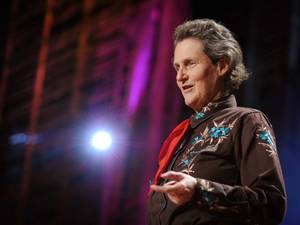
Temple Grandin The world needs all kinds of minds
Temple Grandin, diagnosed with autism as a child, talks about how her mind works — sharing her ability to "think in pictures," which helps her solve problems that neurotypical brains might miss. She makes the case that the world needs people on the autism spectrum: visual thinkers, pattern thinkers, verbal thinkers, and all kinds of smart geeky kids.


14:17 -
Eleanor Longden The voices in my head
To all appearances, Eleanor Longden was just like every other student, heading to college full of promise and without a care in the world. That was until the voices in her head started talking. Initially innocuous, these internal narrators became increasingly antagonistic and dictatorial, turning her life into a living nightmare. Diagnosed with schizophrenia, hospitalized, drugged, Longden was discarded by a system that didn't know how to help her. Longden tells the moving tale of her years-long journey back to mental health, and makes the case that it was through learning to listen to her voices that she was able to survive.


8:44 -
Ruby Wax What's so funny about mental illness?
Diseases of the body garner sympathy, says comedian Ruby Wax — except those of the brain. Why is that? With dazzling energy and humor, Wax, diagnosed a decade ago with clinical depression, urges us to put an end to the stigma of mental illness.


22:18 -
Sherwin Nuland How electroshock therapy changed me
Surgeon and author Sherwin Nuland discusses the development of electroshock therapy as a cure for severe, life-threatening depression — including his own. It’s a moving and heartfelt talk about relief, redemption and second chances.


5:51 -
Joshua Walters On being just crazy enough
At TED's Full Spectrum Auditions, comedian Joshua Walters, who's bipolar, walks the line between mental illness and mental "skillness." In this funny, thought-provoking talk, he asks: What's the right balance between medicating craziness away and riding the manic edge of creativity and drive?


18:01 -
Jon Ronson Strange answers to the psychopath test
Is there a definitive line that divides crazy from sane? With a hair-raising delivery, Jon Ronson, author of The Psychopath Test, illuminates the gray areas between the two. (With live-mixed sound by Julian Treasure and animation by Evan Grant.)


18:48 -
Oliver Sacks What hallucination reveals about our minds
Neurologist and author Oliver Sacks brings our attention to Charles Bonnet syndrome — when visually impaired people experience lucid hallucinations. He describes the experiences of his patients in heartwarming detail and walks us through the biology of this under-reported phenomenon.


9:26 -
Robert Gupta Music is medicine, music is sanity
Robert Gupta, violinist with the LA Philharmonic, talks about a violin lesson he once gave to a brilliant, schizophrenic musician — and what he learned. Called back onstage later, Gupta plays his own transcription of the prelude from Bach's Cello Suite No. 1.

Saturday, November 08, 2014

Merging Evidence-Based Psychosocial Interventions in Schizophrenia

http://img.webmd.com/dtmcms/live/webmd/consumer_assets/site_images/articles/health_tools/schizophrenia_overview_slideshow/webmd_rm_photo_of_schizophrenic_brain.jpg

The approach outlined in this article is almost exactly opposite of how I work with my clients who have symptom collections that are labeled schizophrenia (an intersubjective, relational model), but it's an interesting attempt to create a more integrated and practical model.

The intersubjective model is much more relational than this approach, and it seeks to join with the client in order to understand his/her experience in an experience-near manner. In doing so, we can help the client regain access to emotions that have been dissociated by the psychosis.

Full Citation:
Lecomte, T, Corbière, M,  Simard, S, and Leclerc, C. (2014, Nov 6). Merging Evidence-Based Psychosocial Interventions in Schizophrenia. Behavioral Sciences; 2014, 4(4): 437-447; doi:10.3390/bs4040437

Merging Evidence-Based Psychosocial Interventions in Schizophrenia


, , and

This is an open access article distributed under the Creative Commons Attribution License which permits unrestricted use, distribution, and reproduction in any medium, provided the original work is properly cited.

(This article belongs to the Special Issue Management and Treatment of the Major Mental Disorders)

Abstract: Psychosocial interventions are an essential part of the treatment for people with severe mental illness such as schizophrenia. The criteria regarding what makes an intervention “evidence-based” along with a current list of evidence-based interventions are presented. Although many evidence-based interventions exist, implementation studies reveal that few, if any, are ever implemented in a given setting. Various theories and approaches have been developed to better understand and overcome implementation obstacles. Among these, merging two evidence-based interventions, or offering an evidence-based intervention within an evidence-based service, are increasingly being reported and studied in the literature. Five such merges are presented, along with their empirical support: cognitive behavior therapy (CBT) with skills training; CBT and family psychoeducation; supported employment (SE) and skills training; SE and cognitive remediation; and SE and CBT.


1. Introduction


Psychosocial interventions are an essential part of the treatment and recovery of people with severe mental illness such as schizophrenia. It is well-accepted that medication alone is not sufficient to help with the recovery and various issues a person might encounter when attempting to lead a satisfying life in the community. Some practices have gathered sufficient empirical data to be strongly recommended by national guidelines such as the PORT (Patient outcome research team) [1], or the NICE (The National Institute for Health and Care Excellence) [2] guidelines in the UK, whereas others are considered promising until more studies support its effect. In order for a psychosocial practice, namely an intervention or program (an intervention is specific treatment with a targeted therapeutic aim whereas a program typically includes various interventions), to be considered evidence-based, it must not only have accumulated sufficient empirical proof of its efficacy (often in the context of at least two randomized controlled trials) but it must answer a need (such as improve functioning, overcome a deficit or help to cope with symptoms) and be standardized in order to be easily replicable [3]. The 2009 PORT report on psychosocial practices for schizophrenia highlighted eight interventions or programs that could be considered evidence-based [1]. These were in terms of interventions: family psychoeducation, cognitive behaviour therapy, social skills training, weight management, and token economy. In terms of programs, they described: intensive community treatment, supported employment and integrated dual-disorder programs (with first episode programs almost meeting criteria). Since, Mueser et al. [3] has added cognitive remediation, which has demonstrated in various meta-analyses its efficacy in helping individuals overcome cognitive deficits in areas such as memory, attention or problem solving. Although all of the above-mentioned interventions and programs are considered evidence-based and can truly improve the lives of people with severe mental illnesses, implementation studies reveal that few, if any, are ever implemented in a given setting [4]. For some interventions, this is understandable—for instance token economy is only effective in changing problematic behaviors when used in a closed and controlled environment, like a forensic ward [5]. However, most of the other interventions and programs have demonstrated positive effects in improving symptoms, deficits, and community functioning and are under-utilized. A recent review on implementation of evidence-based psychosocial interventions and programs in psychiatry describes various strategies that have been used in order to improve implementation of one or many evidence-based practice [4]. Of the most common strategies, large demonstration projects and effectiveness trials run by researchers, broad service reforms based on new government policies and national agency-led initiatives were identified. Few of these implementation strategies have been studied over the long-term, and fewer even have considered consumer outcomes [4]. Other smaller-scale implementation strategies have also been developed, when large-scale funding was not available. For instance, supported employment programs’ implementation have been facilitated by a group of researchers and clinicians [6] offering standardized training, consultation and encouraging the use of their implementation fidelity scales (The Quality of Supported Employment Implementation Scale (QSEIS) [7] or the Individual Placement and Support (IPS) fidelity scale [8]. In the UK, US and Canada, the implementation of CBT for psychosis has been improved by offering the clinical training to mental health professionals from various backgrounds (e.g., nurses, occupational therapists), offering structured manuals, and brief training sessions [9,10] rather than limiting the treatment delivery to clinical psychologists.

Another approach to improving implementation of evidence-based psychosocial interventions or programs that is being seen more and more in the literature, particularly in the last decade, is to merge two evidence-based interventions, or to offer an evidence-based intervention within an evidence-based program. Are considered merges both: (a) the simultaneous delivery of two practices (two interventions or an intervention and a program) and, (b) modified practices: interventions changed in order become integrated with another intervention or within a program. In settings with limited means, offering such merges has the advantage of targeting more than one therapeutic goal at once (e.g., cognitive distortion and work integration). Some of the merges have been developed in order to adapt an evidenced-based intervention to a specific population group or setting (such as older consumers). However, most of the merges have been developed with the hope of improving the effectiveness of an evidenced-based program by adding an empirically recognized intervention. It is important to mention that few of the merges presented here simply “co-deliver” interventions—most are well-integrated merges or at least aim at truly integrating the interventions and programs together. The following are descriptions of such merges.

2. Cognitive Behavior Therapy (CBT) and Social Skills Training


Granholm and colleagues [11,12] have merged two evidence-based psychosocial interventions to cater to the specific needs of aging individuals with psychosis who might be struggling not only with symptoms but also with social and cognitive deficits. CBT for psychosis has been studied in over 40 randomized controlled trials and various meta-analyses since the first promising studies of the 1990s [13]. Overall, most studies have found that CBT for psychosis is effective in reducing symptoms and improving other indexes of well-being, often with stronger results compared to other interventions overtime than at post-treatment [14,15,16]. However, as in most psychotherapy studies, the most rigorous studies often reveal smaller effect sizes than the non-controlled studies [17]. CBT for psychosis aims at modifying dysfunctional beliefs by helping the person understand the link between perceptions, beliefs and emotional and behavioural reactions. CBT also helps the person question the evidence supporting his beliefs (whether they are psychotic or not). Furthermore, CBT brings the person to self-observe himself, his thoughts and behaviors, and explores various coping strategies the person might use when dealing with distressful thoughts or voices. Finally, CBT for psychosis takes into account cognitive biases a person might have and aims at modifying those biases, by seeking alternatives instead of jumping to conclusions, for instance.

CBT for psychosis has been adapted for various clienteles, used with individuals at high risk of developing psychosis, individuals with early psychosis as well as older individuals with a long history of schizophrenia. This latter group was of particular interest for Granholm and colleagues [12] who wished to offer CBT for psychosis in a format that would be appealing and adapted to clients who were often isolated, and who might have difficulties grasping some CBT concepts, given their cognitive deficits. They therefore decided to include social skills training to the CBT treatment and offer the merged treatment in a group format.

Social skills training has been around since the 1980s in the USA and was considered especially useful for helping people reintegrate society after a long period of institutionalization. The goal behind skills training is to offer skills that are deemed essential to interact with others, manage one’s medication and symptoms, as well as problem solve in different contexts. Skills training is based on Bandura’s self-efficacy theory [18] and uses repetition and positive reinforcement to help people acquire and remember new skills. To date, over 23 randomized controlled trials have shown that skills training can help acquire skills, decrease negative symptoms, and has a moderate impact on independent living skills [19,20]. Skills training can be offered individually but works best in groups, with the use of multiple role-plays preparing for real-life interactions.

Merging CBT and Skills Training

Granholm and colleagues [11,12] developed a group CBT/skills training approach that focuses on CBT for psychosis techniques, such as checking for facts, but presents these in a skills training manner (i.e., a lot of repetition, wallet cards with key words/concepts, use of a big flag in the group to “flag” the beliefs without apparent facts or proof). The group included modules that were repeated over time, enabling the participants to go over the content more than once and allowing new participants to enter the group at any given moment. Although the results did not show an improvement in positive symptoms, it did show improvements in functioning and negative symptoms [11,12]. Of importance, the participants were able to remember the concepts and CBT techniques regardless of the severity of their cognitive deficits.

3. CBT and Family Psychoeducation


Leclerc and Lecomte [21] have recently published promising preliminary data on 40 family members who received a merged group CBT/psychoeducation family intervention. Family intervention, in particular family psychoeducation, is recognized as one of the evidence-based interventions with the most empirical support, especially regarding decreasing rehospitalization rates [3]. More than 50 randomized controlled trials have been published to date supporting the effects of family psychoeducation on increased medication adherence, and decreased stress and symptoms in those receiving psychiatric care [15,22]. As for their family members, these same studies report decreased perceived burden and psychological distress. Most family interventions last an average of six to nine months and offer: information on symptoms and mental illness, recommendations for dealing with crises, emotional support, and coping skills to deal with symptoms and mental illness [23]. Family interventions can be offered to each individual family or multiple families together, with or without the family member receiving psychiatric care. Many family intervention manuals were developed in the 1990s and do not address recent concepts such as recovery and tend to focus mostly on medication, chronicity, and symptoms. During a recent trial on CBT for early psychosis, many family members asked to learn more about CBT for psychosis and how they could use the tools in their lives. We therefore developed the family psychoeducation/CBT module entitled WITH (Wellness-Inform-Talk-Help) [21]. The module can be offered in parallel to the CBT for psychosis groups, i.e., during 24, hourly multiple family sessions, or can be offered in a more intensive format: eight two-hour multiple family sessions (covering 16 activities in the module). Each multiple family group typically consists of an average of 10 parents and two co-therapists. The content of the group is psychoeducational in that it addresses concepts such as recovery, expressed emotions, parental role, personal limits, and expectations, but it is also considered CBT given that the participants learn about CBT principles and techniques and apply them to their own lives during the group and at home (homework). The parents therefore learn to not only use the skills learned with their family member with a mental illness, but also use them with themselves when they are experiencing distress for instance.

Merging CBT and Family Psychoeducation

The intensive (eight two-hour sessions) format was recently studied in a non-controlled study [21] whereby the 40 parents who participated showed significant clinical improvements in psychological distress, namely in psychoticism, depression and interpersonal sensitivity compared to their baseline scores. Qualitative data obtained revealed that parents appreciated the group, found it helpful, and they had integrated recovery as well as CBT notions and skills in order to improve their relationship with their family member receiving psychiatric services. The group format was especially appreciated, as well as the information covered in the module. Although more studies are warranted in order to compare the WITH multiple family intervention to other family interventions, social workers offering the group anecdotally mentioned that their previous multiple family psychoeducational intervention had a retention rate of only 20% of participants from the first to the last session whereas WITH had a retention rate of 80%. The merged intervention has the advantage of covering essential elements of family psychoeducation for psychosis, including updated information on recovery, and also offers concrete CBT tools that can be useful for the person with a mental illness as well for their family members.

4. Supported Employment and Other Evidence-Based Interventions


Supported employment is another evidence-based program that has attracted a few merges over the past decade. Supported employment programs help people with severe mental illness obtain real-world competitive employment, with regular wages, based on their clients’ preferences [6]. Employment specialists working in supported employment programs aim at quickly finding regular paid work for their clients, and offer them unlimited support according to their needs at work. Supported employment programs are recognized as being evidence-based with more than 15 trials in various countries having demonstrated that SE programs are more efficacious in helping people with severe mental illness obtain regular jobs than other vocational or rehabilitation programs [6]. Nonetheless, there is room for improvement given that on average, in North America, between 40%–60% of the clients in SE programs obtain regular jobs and most jobs are only kept for three to five months. Many reasons have been suggested to explain why some individuals might struggle in finding work or in maintaining their jobs. Some have suggested lack of appropriate work-related social skills, others that cognitive deficits impede on work performance, and others still that people with mental health problems might hold irrational beliefs about themselves and the workplace.

Merging Social Skills Training and Supported Employment Programs

The first merge proposed was to offer social skills training that was work specific to people registered in a supported employment program. Charles Wallace [24] developed the Workplace Fundamentals, aiming at helping participants recognize the advantages of work in their lives, their potential stressors at work, how to problem solve various work-related situations, and how to avoid drugs and alcohol to maintain their jobs. The module is offered over the course of 24 sessions, typically twice a week, in groups of six to eight participants. As with most social skills training, the goal is to develop spontaneous behaviors and therefore involves multiple role-plays and repetitive behaviors. Two studies were conducted to verify its efficacy in improving job tenure. The first, including 34 participants, showed improved job tenure and better work satisfaction for those having received the skills training + SE program compared to SE program alone [24], whereas the second study did not show any differences between the two conditions on work outcomes (but reported that the sample was not typical of most studies with higher education and longer tenure, with rates close to one year for their first job) [25]. The participants receiving both conditions did show greater knowledge regarding their work setting, stressors and showed better problem solving abilities than those receiving only the SE program.

5. Cognitive Remediation and Supported Employment


Another explanation for poor work tenure in people receiving SE programs pertains to cognitive deficits. Cognitive deficits are well documented in people with severe mental illness, namely regarding deficits in memory, attention, speed of processing and various executive functioning tasks, and can make performing at work difficult. Various cognitive remediation programs and strategies have been developed over the years with more than 40 randomized controlled trials supporting its efficacy in improving cognitive skills and overall functioning [26]. Cognitive remediation can take many forms: paper-pencil tasks, computer tasks, group training, or training in real-world tasks (using errorless learning, for instance [27]). Although some cognitive remediation can include modifying the environment to compensate for the person’s most important cognitive deficit, most cognitive remediation programs aim at improving cognitive deficits to the point that they no longer interfere with work performance.

Merging Cognitive Remediation and Supported Employment Programs

McGurk and colleagues developed a cognitive remediation program called Thinking Skills for Work specifically for people registered in supported employment programs [28]. The program involves individual computerized training (using CogPack) for an average of 24 hours over the course of 12 weeks, along with cognitively-informed job support consultation with the employment specialist. The computerized program aims at improving attention, concentration, psychomotor speed, learning and memory as well as executive functions. The consultation aims at targeting jobs or at modifying the work environment as needed according to the person’s performance and progress during the cognitive remediation training. Results at the two to three year post- cognitive remediation follow-ups revealed that those who had received the cognitive remediation program had improved on the cognitive tasks and had superior job retention rates than the control condition (registered in supported employment programs only) [29]. These results were however not found for those who presented with comorbid substance use disorders—their work outcomes were poor regardless of the extra treatment added [30].

6. CBT and Supported Employment


A potential obstacle to job maintenance in people registered in supported employment is dysfunctional beliefs regarding the workplace and one’s own abilities. Individuals with severe mental illness who have been away from the job market for some time can hold beliefs and act in ways that are deleterious for their work integration, and could be influenced by lack of confidence, jumping to conclusions bias, and poor coping skills, to name a few. As mentioned previously, CBT has proven efficacious in modifying beliefs and cognitive biases and helps in developing better coping strategies when dealing with stressful situations. CBT has also been modified by Davis and colleagues [31] to target work beliefs and behaviours in a transitional vocational program for veterans with severe mental illness. This program, entitled IVIP, has demonstrated improvements in work performance and job maintenance in those receiving the group IVIP compared to those participating in the vocational program alone [32]. These results were also replicated in a larger trial [33].

Merging CBT and Supported Employment Programs

Lecomte, Corbière, Titone and Lysaker [34] developed a brief CBT group intervention, inspired by the IVIP, but specifically tailored for people in supported employment programs called CBT-SE. The CBT-SE intervention is offered during 8 sessions over the course of one month, in order to ensure that the group does not impede on the rapid job search principle of supported employment programs. The content covered many essential aspects linked to the workplace, such as recognizing and managing one’s stressors at work, determining and modifying dysfunctional thoughts (e.g., not jumping to conclusions, finding alternatives, seeking facts), overcoming obstacles (e.g., problem solving), improving one’s self-esteem as a worker recognizing strengths and qualities), dealing with criticism, using positive assertiveness, finding coping strategies (for symptoms and stress) to use at work, negotiating work accommodations and overcoming stigma. Although the results from the trial of 160 participants are not yet available, preliminary data have been published on 24 participants [35] and suggest that the CBT-SE intervention is feasible, and acceptable, with good attendance and positive feedback regarding the group’s usefulness. In terms of work outcomes, 50% of all participants in both conditions found competitive work but those in the CBT-SE condition were more likely to work more hours per week and for more consecutive weeks than those in the supported employment program alone. These preliminary results are promising, although results from the full trial are needed before concluding that CBT-SE is efficacious in improving job tenure.

7. Conclusions


Evidence-based psychosocial practices for individuals with severe mental illness can greatly improve people’s lives but are unfortunately scarcely implemented. When large-scale governmental or agency supported implementation initiatives are not available, clinical or community settings who are tempted to offer one evidence-based program or intervention could also opt for a merged intervention. Merged interventions have the advantage of targeting two sets of skills at once, and could therefore generalize in other aspects of the person’s life. For instance, individuals having received cognitive remediation within a supported employment program [28] could see improvements in other areas of their lives, outside of work, from their improved memory and attention skills. Similarly, the cognitive behavioural strategies used in the CBT-SE skills [34] are similar to those used in more general CBT for psychosis treatments and could be used to help the person assess situations differently at work as well as outside of work, with friends or family for instance.

This article aimed at presenting some merges of evidence-based programs but is in no way exhaustive. Other merges exist, such as social skills training with token economy for substance misuse [36] cognitive remediation with social skills training (e.g., Integrated Psychological Therapy - IPT [37]) or social cognitive training with CBT and skills training (i.e., Social Cognition and Interaction Training—SCIT [38]). These programs are however described as distinct and unique programs, not as merges of evidence-based interventions. Although evidence-based interventions are empirically supported, their impact on various outcomes can likely be improved by adding elements from other evidence-based interventions, or by offering them within an evidence-based program, as was demonstrated here. Although some of the proposed merged interventions have only been studied in small or uncontrolled studies so far, the strong empirical support for the non-merged evidence-based interventions from which they are derived and the preliminary data available so far is quite encouraging. Future studies on merged evidence-based interventions are warranted, particularly in terms of trials assessing the effectiveness of offering such interventions simultaneously rather than separately and at different times. Furthermore, studies should also consider measuring the level of integration of the practices in order to determine if closely-knit merges are more effective than less integrated practices. Finally, studies should also investigate if these merges increase or not generalization of the skills to other life domains.

 
Author Contributions
The authors contributed equally to this work.

Conflicts of Interest
The authors declare no conflict of interest.

References at the Behavioral Sciences site

Monday, October 27, 2014

Ann Reitan - Psychotherapy for Paranoid Schizophrenia

http://www.psychologynoteshq.com/wp-content/uploads/2012/09/paranoidschizophrenia-550x380.jpg

Interesting that this was posted today. A friend on Facebook who is in school to become a psychotherapist asked about the difference between how schizophrenia is viewed in France (where he is) and in America, and whether or not it can be cured. In France schizophrenia is an issue that can be treated successfully with psychotherapy; in America it is a chronic illness likely to last for the remainder of one's life.

I left this comment (edited for privacy and for clarity, because, you know, Facebook):
A BIG pile of research has shown that schizophrenia is a chronic illness in the U.S., but it often lasts less than 10-15 years in other parts of the world, meaning it can be cured.

I think there are two reasons for this: (1) the medications we administer here don't allow the person to go through the experience and heal, (2) U.S. culture defines schizophrenia as a chronic disease, which shapes how it is experienced, while other parts of the world see it much differently, sometimes as a calling to be a healer (Mircea Eliade noted this among various shamanic cultures).
Research suggests that 70-80% of those with schizophrenia have clear trauma histories (for schizophrenia, neglect and/or emotional abandonment are the most common antecedent traumas). There are other factors as well, including failed attachment, exposure to toxins in utero, hormonal irregularities, and so on.
In my opinion, the majority of psychoses are more clearly conceptualized as extreme dissociation - not dissociating from thoughts, or feelings, or ego states, or memories, but dissociating from one's life in whole. In this model, life becomes so intolerable for the individual that s/he dissociates from their actual life and into an unconsciously generated reality where they might have a different identity, a different family, where they might become so important (compensating for feeling entirely worthless) that their thoughts and actions are being monitored and recorded.

The key to healing this split, in my opinion, is getting the client to feel the feelings of pain and loss that made life so unbearable. In psychoses, the affect of the individual is flat or blunted and there is no expression of affective states (in general, not always).

The article below suggests some other strategies based in cognitive-relational psychotherapy, in other words, CBT with the therapist showing empathy and communicating his or her subjective experience.

Psychotherapy for Paranoid Schizophrenia


shutterstock_129044909

Often psychotherapy is not considered to be effective with individuals dealing with schizophrenia spectrum disorders. But a cognitive-relational psychotherapy approach helps form a warm, trusting and detached relationship, conveys an understanding and concern for one’s client, and involves the therapist telling that individual their own empathic views about what that individual is dealing with.

Often clinicians assume that psychotherapy does not work well with persons manifesting what are called “thought disorders” – conceived to be irrational, unrealistic and factually inaccurate. Again, clinicians fail to understand, empathically, the circumstances of the psychotic individual. It should be noted that schizophrenics deal with non-normative experience that, in terms of hallucinations, is visceral in nature. This experience entrenches them in delusions based on hallucinations that are highly convincing.

One idea that may help schizophrenics is reflected in this line from a poem I wrote: “May you walk beyond the empty sudden blindness of existence.” To schizophrenics in crisis and even those not in crisis, the future may seem to be extremely uncertain and perhaps treacherous. They may perceive both the mental and the material worlds as incredibly dangerous. And in many ways, they are dangerous, due to the amount of suffering experienced by the paranoid schizophrenic that seems to her to be inflicted on her by these worlds.

No knowledge about knowledge
A non-epistemological stance regarding no knowledge about knowledge may help a schizophrenic replace her delusions. Essentially, the non-epistemological view represents deconstruction of knowledge with an assertion that relies on the fact that all “knowledge” is subjective. While schizophrenics have subjective views regarding their own knowledge, and although this may be communicated to them, they may be able to understand, in a similar sense, that nobody really has any kind of certain knowledge.

In terms of non-epistemology, it may not be possible to live in the world on these terms. Moreover, it may not be possible to tolerate an awareness that anything may happen to us at any time that will catapult us into crisis. The sudden death of a loved one may be an example of this.

Typically, we reside in faith that things will go normally and as planned, and they generally do so. However, the schizophrenic lacks such faith. If the therapist can communicate to the schizophrenic that she should try to get as comfortable as possible with simply “not knowing,” this may help the schizophrenic. There is a basis for “not knowing” that corresponds to everyone’s subjective experiences of the world, and this is reflected in all individuals’ perspectives on the mental and the material worlds. Realistically, it might be more threatening to the schizophrenic to “not know”, as opposed to clasping her delusional beliefs.

In terms of addressing the idea of “not knowing” with the paranoid schizophrenic, the psychotherapist may say the following: “Nobody knows what the future may bring. If you buy a lottery ticket, even if the chances are small, you may win the lottery. If you have sex, even with birth control, you may become a parent. Most events in are life happen by chance. You don’t really know what will happen, even if you fear with certainty that bad things will happen to you. Your condition of schizophrenia really causes you to suffer mostly because of your fear of bad things happening to you, rather than these things actually happening to you. Maybe the thing you should fear in your life is the fear itself. By realizing that you do not know what the future will bring, you may feel safer.”

Context matters?

Another aspect of dealing with schizophrenia is encompassed in the idea, stated by Ralph Ellison in The Invisible Man: “If you don’t know where you are, you don’t know who you are.”

This statement implies that one needs to know her context in order to know her self and her identity. Often schizophrenics fail to know their contexts. They have confused and distorted ideas about context, based on the fact that their contexts, in their minds as well as in the material world, may reflect delusions and hallucinations. This leads to ambiguity as perceived by the schizophrenic in her mental and material environments as threatening, simply because the schizophrenic may be dealing with non-normative experience.

The clinician may convey to the schizophrenic the idea of not knowing her context by stating: “It’s hard to know what you think of yourself when you don’t really know what you are dealing with in the world. This may be what causes you to be afraid of the world. And this means that you are afraid of both your voices in your mind, (for example), and the people outside in the world.”

The schizophrenic may adhere to her delusional beliefs due to the fact that she, as well as virtually everyone else in the world, thinks that knowing one’s context allows them to be safer than they would be if they did not “know what they know”, even when “knowing what they know” may be delusional. Again, the assertion that the client does not really know what her worlds signify can replace delusional ideas.

One way of communicating this idea to a paranoid schizophrenic would be constituted by saying: “You might think that being a schizophrenic makes people prejudiced towards you, and it may, but also the world we live in makes you into a schizophrenic. Your context in the world – and how the world views you – may be determined by the situation that you are in. You may believe that this is false, that you really know more than other people about the world, but you still do not know what you are in the world, perhaps because believing you are schizophrenic may be unacceptable and may not make sense to you. Nevertheless, you do not know for certain what the world is. That is why it is scary. And you don’t know who and what you really are, because you may believe one thing and others believe differently.”

Treating life as normal

Another idea for dealing with hallucinations and delusions stems from a novel by Carrie Fisher, Postcards from the Edge, which states the idea that: “Perhaps if we treat life as normal, a sense of normalcy will follow.”

This idea is highly salient to dealing with one’s hallucinations and delusions. The schizophrenic may be perhaps traumatized by her experience, but treating life as normal may lead to a gradually acquired feeling of safety.

The idea embedded in this statement from Fisher reflects the advantages of the act of challenging the delusions of a schizophrenic by the schizophrenic. Living one’s life normally in terms of habits and faith in the normative view of reality may allow the schizophrenic to experience the decay of her fears, her paranoia and her delusions. Not obsessing about one’s hallucinations and delusions, by trusting life to proceed normally, combats the punitive experience of schizophrenia and paranoid schizophrenia, in particular.

It should be noted that the ideas contained within this article represent an intellectualized framework of how the clinician or the psychotherapist may approach therapy with a paranoid schizophrenic. They may also be applicable to those who are high functioning, but may be suffering to an extreme extent.

A belief in the scientific bases for the effectiveness of psychiatric medications may be a belief that can be cultivated or even spontaneously adhered to by the schizophrenic. Nevertheless, non-normative experience may lead to non-normative thought, and the deep communication by an empathic therapist who is able to accurately imagine and recapitulate to the schizophrenic what she is dealing with may be in some sense curative.

I have applied these ideas to psychotherapy with paranoid schizophrenics with some success. One client, a paranoid schizophrenic, was struck by the idea that “if you don’t know where you are, you don’t know who you are.” She asked for a restatement of that idea based upon the connection she had established with it. Another schizophrenic stated humorously that he wanted to write a book entitled, The Fallacy of Truth.” He was able to understand a non-epistemological stance. Lastly, one client tried diligently to treat her life as normal and routine even though she was hyper-vigilant and paranoid. The trauma that she experienced precluded her from entirely benefiting from this perspective, but she became extremely high functioning.

Overall, these ideas for psychotherapy, from a cognitive relational perspective, may be of some help to some people, especially paranoid schizophrenics. However, it should be noted that the different types of schizophrenia may correspond with different interventions and treatment.

Image via Diez Artwork / Shutterstock.

Friday, October 24, 2014

What Schizophrenia Can Teach Us About Ourselves

This is a pretty good article on schizophrenia from PBS's Nova Next blog. However, they adhere to the standard "biological disease" model of schizophrenia, which is a partial truth, and one that prevents many researchers from looking into the interpersonal antecedents of schizophrenia.

I especially appreciate, however, the take on hearing voices presented in the article. They mention Intervoice, a mostly European organization that holds voice hallucinations to be a natural and non-frightening phenomenon.

I feel it's important to make another point here - a lot of people with PTSD hear voices and how we, as therapists, deal with that is much different (in my opinion) than how we handle the voices in schizophrenia, or even dissociative identity disorder. The voices are qualitatively different in PTSD.

What Schizophrenia Can Teach Us About Ourselves

By Allison Eck on Wed, 22 Oct 2014

“I don’t believe in anything. That’s my cardinal rule. I do it for my mental health. If I believe in God, then I start talking to God and God starts talking to me. As soon as I start believing in something, then it talks to me. So, I don’t believe in anything.”

Sara, whose name we changed to protect her identity, was diagnosed with schizophrenia at age 19 during her senior year at New York University. She had not experienced any trauma as a child—no abuse, no bouts of depression, nothing that would raise any red flags. She led a more or less happy life. But in high school she experimented with drugs, and upon travelling abroad around the same time, she experienced intense culture shock.

This series of events may have been Sara’s personalized recipe for mental illness, cooked up with all the flavors of her unique position in life, her temperament, and her family’s history. Her mind became a prison; she felt as though people were constantly laughing at her. She could no longer distinguish fantasy from reality. She assumed she wouldn’t go back to school.

“I thought that my life was over, that I would never be able to do anything,” she says. “Because that’s what the doctors told me.”

Then she began to hear voices.

The Schizophrenic Brain

Schizophrenia is a disease that afflicts almost all walks of life. Because it can be so debilitating, scientists have been feverishly searching for its genetic basis. In July, researchers affiliated with the Psychiatric Genomics Consortium compared the genomes of nearly 37,000 people with schizophrenia to the genomes of more than 113,000 people without the disease. In the end, they identified 108 locations where the DNA sequence in schizophrenic people tends to differ. The finding was a major advance in the field of psychiatric genomics, one that could ultimately help scientists understand who is susceptible and why.

Still, the biological markers aren’t always clear—often, a patient’s genes for schizophrenia can lay dormant until certain circumstances trigger their expression, making a diagnosis based on DNA alone less than clear-cut. And with no blood test or brain scan available to detect schizophrenia’s symptoms elsewhere in the body, diagnosis is based almost entirely on what the patient reports.

Treatment of mental illness is nested in confusion, too. Many therapists approach their practice from a different medical perspective than a cognitive psychologist or a geneticist. And while a geneticist might have access to the most current research, she isn’t going to have direct daily contact with a patient’s behavioral nuances like a psychiatrist. What’s going on in the lab, in other words, is often divorced from what’s being implemented “on the couch.”

But it doesn’t have to be that way.

Some scientists are arguing that our new understanding of a particular network in the brain is allowing neuroscientists, psychologists, and psychiatrists—even artists and writers—to understand each other in ways that wouldn’t have made sense ten years ago. Called the default mode network, or DMN, it’s a set of brain regions that are typically suppressed when a person is engaged in an external task (playing a sport, working on a budget), but activated during a so-called “resting state” (sitting quietly, day-dreaming).

“It’s an extremely important platform for any kind of thought that is disengaged from the ‘here-and-now,’" says Mary Helen Immordino-Yang, assistant professor of psychology at the University of Southern California’s Brain and Creativity Institute. That includes processing other people’s stories, reflecting on our own lives, planning for the future, or making important decisions. Immordino-Yang says the default mode network is “metabolically expensive.” In other words, when your head is lost in the clouds, your brain is hard at work.


The default mode network, which is hyperactive in schizophrenic people, plays an important role in self-reflection, identity, and mind-wandering.

Though not the only “resting state” network that’s active when we’re staring off into space, the DMN is unusual in that it is reliable and identifiable, making it easy for scientists to study. Like a web of taut ropes overlaying and intersecting one another, the regions of the DMN—which include the medial prefrontal cortex and the posterior cingulate, both of which are involved in self-awareness, self-reflection, and so on—light up in concert, despite any distance separating them.

When neurologist Marcus Raichle and his colleagues discovered the DMN in 2001, it took the scientific community by surprise. How could rest and self-reflection excite the same brain regions in us all? Why are those regions so intimately correlated? Wouldn’t a brain scan vary more from person to person depending on the content of an individual’s thoughts? It turned out that the DMN has nothing to do with content and everything to do with context. This network is functioning all the time—focusing on a task merely tempers and subdues it.

“This is first time we’ve found a neural system that actually reveals your inner self,” says Susan Whitfield-Gabrieli, a research scientist at MIT. In 2009, she and her colleagues found that in schizophrenic people, the DMN operates on overdrive. When clinically diagnosed patients enter an fMRI scanner and are asked to perform various tasks, the dial on their DMN doesn’t turn down like it should. And when the patients are at rest, their DMN is hyper-connected, buzzing with surplus energy. What’s more, they lack the ability to toggle out of the DMN, this highly self-referential state of being. “They’re actually stuck in their default mode network,” Whitfield-Gabrieli says.

So how does a schizophrenic person get unstuck? That’s a question hundreds of experts from diverse backgrounds are trying to answer.

Coping with Voices

One lens through which experts are studying schizophrenia is anthropology. If the default mode network is related to identity and self-reflection—and if schizophrenia, in turn, is associated with the default mode network—then considering culture may help us understand how psychosis manifests itself globally. After all, how you experience your inner world depends partly on where you live and how you’ve grown up. The same is true of mental illness. “When immigrant groups move to a new cultural group, they take on the mental illness liabilities of the culture where they are,” Immordino-Yang says. Because 60 to 80% of people diagnosed with schizophrenia hear voices, a good indicator of how a given culture views the disease might be how its people cope with its most well known but most misunderstood facets: auditory verbal hallucinations.

“Americans hate their voices. Their voices mean schizophrenia to them,” says Tanya Luhrmann, an anthropologist at Stanford University. By contrast, people in India and Africa don’t typically label their illnesses or their voices, she revealed in a study published in the British Journal of Psychiatry. “It’s not that they don’t recognize that they’re struggling,” she says. “But they talk about their experience as having much more of a natural role.” For example, they may think of their auditory hallucinations as benevolent or spiritual—like a friend or even the voice of God.

People not diagnosed with a mental illness, too, hear voices. In some cases, what they experience may be something that would be classified as a hallucination if reported by a clinically psychotic person. “If you ask someone, ‘have you ever heard a voice when you’re alone?’ the rate is somewhere between 15 to 80% depending on how you ask the question,” Luhrmann says. If you couple it with an example of what might be considered an auditory verbal hallucination, the percentage of people who say “yes” goes up.

Testimonies from people who experience varying kinds of auditory hallucinations support the idea that voice-hearing is complex and culturally-dependent. Their range of experiences is vast. Some say they hear audible, crystalline voices that emanate from inside their heads. Others report cacophonous screeches and bangs coming from outside their bodies. Still others sense murmurs and whispers that crawl over from the next room. Finally, some people describe a phenomenon similar to what cognitive psychologists call “inner speech,” the wordless soup of dialogue that you “hear” when deep in thought. For some, inner speech is acoustically more intense than it is for others. For example, they might say their mental landscape is made up of “loud thoughts” or “soundless voices.”

For Sara, the voices she heard began as disembodied, made-up personalities. Then, after about a year of taking a handful of different medications to varying degrees of success, her voices became solely associated with real people and their private thoughts. Sara is now 33—and though she’s been well enough to go without medication for 11 years, she still hears this latter type of voice.

“If I hear somebody psychically communicating with me—which I don’t believe in; I’m a complete atheist—then the sound will come from above their head or behind their hair…even from inside their stomach. It’s somewhere besides their actual mouth,” she says. “It’s not as loud as their real voice. It’s softer, but I don’t think the tone and quality of the voice is compromised.”

The reason why Sara can talk about her voices so intelligently is because she’s cultivated a relationship with them, in a sense. Though she tries not to engage too much with them, she’s learned to understand her voices and even use them to her advantage. If she’s bored, they’re sometimes entertaining. Occasionally she even asks them questions.

“Sometimes I’m worried about what people think of me,” she says. “And so I ask them [what they think of me] in the air above their head, and I hear their voice say it.”

Sara enjoys and even values some of her auditory hallucinations now, which is atypical of most American psychotic and post-psychotic patients. But that’s not the case everywhere. A simple internet search in her early 20s led Sara to Intervoice, a network established in the U.K. and now widely recognized in 29 (mostly European) countries. The organization’s central tenet is that hearing voices is a meaningful human experience and not necessarily a sign of mental illness. Members set up support groups where people can meet and talk about their experiences without fear of stigma.

Still, Intervoice has not caught on in the U.S. like it has in the U.K. and elsewhere. “There are real differences in the way Americans and Europeans think about voices,” Luhrmann says. In Europe, people are generally more comfortable with the ambiguity between psychosis and religion, and there’s more interest in applying humanities research to medicine.

For Sara, the idea that people could handle and live with their voices made the difference. “I decided I was going to be one of those people,” she says. “Just a small glimmer of hope was all I needed.”

Angela Woods, a medical humanities researcher at Durham University in the U.K., is leading a team of experts in a project called “Hearing the Voice,” which works closely with the broader Intervoice network. It aims to dispel some of the myths about voice-hearing and to see how cognitive neuroscientists can work with writers, artists, clinicians, theologians, and even philosophers to grasp the full spectrum of schizophrenia itself.


A "Voice Walk" in a U.K. cemetery earlier this year encouraged voice-hearers to tell their stories.

“We wanted to call for a more nuanced, richer account of what it is like to hear voices,” Woods says. An initial step in their research involved sending surveys to 158 people from around the world in an attempt to better understand what the experience is like. The team has hosted a number of different events to raise public awareness of schizophrenia and its many shades, including a “VoiceWalk” in a U.K. cemetery to bring people’s voice-hearing stories to the fore and an event at the Durham Book Festival to promote a better understanding of how writers cope with disparate inner voices—their characters, their muse, their narrators, and so on.

Another way people can learn to cope with their voices is by bringing them into the lab. Whitfield-Gabrieli, in collaboration with Margaret Niznikiewicz of Harvard University, is training patients to regulate their auditory hallucinations by consciously controlling activation in their auditory cortex. Participants attempt to push their cortex activation levels up and down, without receiving any auditory stimuli other than the background noise of the fMRI scanner. Meanwhile, they receive visual feedback from the fMRI on their progress. Whitfield-Gabrieli says the hope is that patients can learn to mitigate their voices by focusing on what’s going on in their own brain.

“Teaching people with psychosis to use their imagination to handle their voices is a promising tool,” Luhrmann says. As a society, we can encourage positive relationships with auditory hallucinations by helping patients—schizophrenic or not—better understand them. That means allowing people to tag their voices as “me” or “not me,” give the voices names, recognize what they’re saying and why, and discover what personal significance, if any, a particular voice might have.

Whatever the auditory input may be, Luhrmann says people can have positive or negative experiences depending on the attitude they adopt. “People attend to different pieces of that good-bad spectrum depending on the way their culture invites them to attend,” she says.

While there’s no evidence yet that a learning-based method will work, Whitfield-Gabrieli has reason to believe it’s possible. Research has linked increased DMN activity to the phenomenon of voice-hearing. While scientists still aren’t entirely certain how or why people hear voices, they think that auditory hallucinations may be a misattributed form of inner speech. A hyperactive DMN agitates the auditory cortex, resulting in what could be a fundamental confusion between what the brain “hears” inside itself and what it actually hears as a result of real, external stimuli. Many factors, though—including social isolation—contribute to the health of a person’s brain. Imagination can help with the healing process and reclaim a functioning relationship between the self, the auditory cortex, and inner speech.

Woods’ and Luhrmann’s work—as well as their colleagues’—dovetails with a study published about a month ago in the American Journal of Psychiatry, which concluded that the term “schizophrenia” actually encompasses eight genetically distinct disorders, not just one. The assertion, whether or not it holds up, suggests that mental well being comes in a variety of different “packages” depending on your genetic makeup. That goes for clinically diagnosed patients as well as healthy individuals.

“We should be wary of seeing a schizophrenic person as someone with a kind of deficiency,” Woods says. Rather, it may be just another part of what it means to be human. A person might simply process language differently or ruminate on social interactions for too long. His or her inner speech might be more fragmented or circuitous. Individual differences in DMN activity account for the diverse ways the human mind freely wanders.

Searching for Answers

The default mode network may sound like a gold mine to psychiatrists and neuroscientists alike. The reality, though, is somewhat more complicated. Brain imaging, while promising, has yet to definitively solve major mental health issues like schizophrenia, depression, anxiety, and bipolar disorder.

Daniel Margulies of the Max Planck Institute for Human Cognitive and Brain Sciences argues that even if our scientific understanding of the DMN evolves, its weight in the science world has “opened up a way of talking about the relationship between the self and these disorders.” The default mode network (and its relationship to voice-hearing), he says, can provide a gateway to understanding the full range of how people comprehend themselves—even if anomalies in the network aren’t proven to be a direct cause of schizophrenia.

That may be what matters most, since schizophrenia is not necessarily about neurons or synapses. It’s about the people it affects.

“Technology is giving us important information, but not the final answers,” says David Farb, professor and chair of the Department of Pharmacology and Experimental Therapeutics at the Boston University School of Medicine. He advocates an approach that views diseases and disorders as “vast and complex chimeras of symptoms that can be mixed and matched.” For example, depression may share symptoms with other disorders, like severe anxiety. It’s also possible, he says, that a person may develop an anxiety disorder as they grow increasingly self-conscious of their schizophrenia, for example. In that case, Farb says that schizophrenia may be made even more complex by “an expression of learned helplessness.”

By acquiring as much genetic and neurological information about a patient as possible, we may be able to intervene at an earlier stage and prevent schizophrenia before it develops. Whitfield-Gabrieli and Larry Seidman of Harvard University are studying at-risk people in Shanghai to find brain markers that predict whether or not someone will become schizophrenic. Interestingly, they’ve noticed a skew toward more female than male schizophrenic patients in China; in the U.S, schizophrenia is a predominantly male disorder, again pointing to the cultural element.

And that is what’s so striking to the U.K. researchers associated with Hearing the Voice. We shouldn’t assume that nature (rather than nurture) is the primary culprit when it comes to schizophrenia, they say. “If the default mode network is somehow connected with mind-wandering, self-referential cognition, you can’t simply use objective measures,” says Felicity Callard, another Durham University researcher involved in the project. “You have to get at what people think is going on in their own heads.” In other words, to find a cure, we might have to put ourselves in other peoples’ shoes.

“We should direct energy and funding and resources into exploring people’s lives—not just their chemistry, their neuroanatomy, or their genes,” Woods says. PSTD, for example, is a legitimate response to a traumatic event. Likewise, schizophrenia is a legitimate response to a lifetime of accumulated events, thoughts, interactions, and engrained beliefs. “We need to be able to ask, ‘What happened to you?’ That’s not ruling genetics out, but it’s taking things from another angle.”

Farb suspects the answer might be simpler than that. Drugs that target genes regulating DMN connectivity or surgery that modifies key points of DMN activity, for example, could resolve schizophrenic symptoms. He acknowledges, though, that there may be other factors at play. Schizophrenia—like PTSD or chronic pain—may have a cumulative effect on the brain that’s hard to anticipate. “While we may be able to correct the original deficit, we may still be left with others because they are a consequence of all of those years spent living with the disorder,” he says. “It’s really complicated to get a cure.”

As a patient, Sara believes that the process needs to be individualized. Doctors should ask patients questions about their experiences and how they want to go about getting better. Woods agrees. “The more we treat schizophrenia as a mysterious entity that we’re going to pin down in a piece of DNA,” she says, “the more we’ll miss the complicated, multifaceted aspects of existence that go into making someone have an experience of psychosis.”

“And if people don’t feel as though they’re able to tell stories about their experiences, then it’s hard to see that a cure would be particularly welcome, rich, or meaningful.”

Tell us what you think on Twitter #novanext, Facebook, or email.

Photo Credits: © Frederic Cirou/PhotoAlto/Corbis, Angela Woods


Allison Eck
Google+
Twitter

Allison Eck is a production assistant for NOVA Online.

Other posts from this contributor