Showing posts with label medications. Show all posts

Sunday, October 06, 2013

Post-Traumatic Stress Disorder Increases Risk of Metabolic Syndrome


Based on my own experience, I can generalize that PTSD does indeed increase the risk for metabolic syndrome, as well as gastrointestinal issues, diabetes, cardiovascular disease, and some form of cancers. This based on observations of the client population where I work as well as research I have seen over the years that connects early childhood trauma (in particular) with a whole host of health issues.

The bottom line, in my opinion, is that PTSD is post-traumatic STRESS disorder, and nearly all disease can be traced to stress responses in the body, especially metabolic disorders (stress hormones disrupt insulin function, which leads to weight gain and higher cholesterol). [It must be noted that some stress - stress that is short-term and manageable - is actually good for the immune system.]
[Chronic stress] raises catecholamine and suppressor T cells levels, which suppress the immune system. This suppression, in turn raises the risk of viral infection. Stress also leads to the release of histamine, which can trigger severe broncho-constriction in asthmatics. Stress increases the risk for diabetes mellitus, especially in overweight individuals, since psychological stress alters insulin needs. Stress also alters the acid concentration in the stomach, which can lead to peptic ulcers, stress ulcers or ulcerative colitis. Chronic stress can also lead to plaque buildup in the arteries (atherosclerosis), especially if combined with a high-fat diet and sedentary living. The correlation between stressful life events and psychiatric illness is stronger than the correlation with medical or physical illness. The relationship of stress with psychiatric illness is strongest in neuroses, which is followed by depression and schizophrenia. There is no scientific evidence of a direct cause-and-effect relationship between the immune system changes and the development of cancer. However, recent studies found a link between stress, tumour development and suppression of natural killer (NK) cells, which is actively involved in preventing metastasis and destroying small metastases. (Salleh, 2008)
The research summary (below) discusses the findings of a new meta-analysis that found there is an increased risk of metabolic syndrome for those with PTSD. However, the same journal (Metabolic Syndrome and Related Disorders) that published the review article also published a review that questions the findings of the original review article.

The juxtaposition of the two perspectives makes for interesting reading. While I agree with their finding in general, their meta-analysis is deeply flawed. Five of the six studies included in their review did not provide data on antipsychotic or other drugs used for PTSD treatment, substances which are well-known to cause weight-gain, reduced insulin sensitivity leading to high blood sugar levels (hyperglycemia), and increased cholesterol and fat content in the blood (dyslipidemia).

Post-traumatic stress disorder increases risk of metabolic syndrome

Article Date: 05 Oct 2013

People suffering from post-traumatic stress disorder (PTSD) face a greater risk of cardiovascular disease and death. A new study involving a comprehensive review of the medical literature shows that PTSD also increases an individual's risk of metabolic syndrome. What links these two disorders is not clear, according to a study published in Metabolic Syndrome and Related Disorders, a peer-reviewed journal from Mary Ann Liebert, Inc., publishers. The article is available on the Metabolic Syndrome and Related Disorders website.

Francesco Bartoli and coauthors from University of Milano-Bicocca, Italy, University College London, UK, and San Gerardo Hospital, Monza, Italy, conducted a systematic review and meta-analysis and, based on their findings, propose that the increased risk of metabolic syndrome may result from neurological and hormonal responses to chronic stress. Their study is entitled "Metabolic Syndrome in People Suffering from Posttraumatic Stress Disorder: A Systematic Review and Meta-Analysis."

In an accompanying Editorial, "Posttraumatic Stress Disorder and Metabolic Syndrome: More Questions than Answers," authors Dawn Schwenke, PhD, VA Health Care System and Arizona State University, Phoenix, and David Siegel, MD, Northern California Health Care System (Mather) and University of California, Davis, suggest that more research is needed to determine whether the relationship between PTSD and metabolic syndrome is independent of other factors such as socioeconomic status, diet, physical activity, smoking, alcohol consumption, and insomnia.

"While Bartoli and colleagues conclude from their meta-analysis that PTSD confers a greater risk for metabolic syndrome, Schwenke and Siegel in their editorial suggest caution, explaining that it is not a simple relationship and many confounding factors could explain this," says Ishwarlal (Kenny) Jialal, MD, PhD, Editor-in-Chief of the Journal and Distinguished Professor of Pathology and Laboratory Medicine and Internal Medicine (Endocrinology, Diabetes and Metabolism), Robert E. Stowell Endowed Chair in Experimental Pathology, Director of the Laboratory for Atherosclerosis and Metabolic Research, Director Special Chemistry and Toxicology, Davis Medical Center (Sacramento). "In agreement with the latter, I believe this is a fertile area for further investigation before any definite conclusions can be drawn."
Full Citation:
Bartoli, F, CarrĂ , G, Crocamo, C, Carretta, D, and Clerici, M. (2013, Jun 11). Metabolic Syndrome in People Suffering from Posttraumatic Stress Disorder: A Systematic Review and Meta-Analysis. Metabolic Syndrome and Related Disorders; October, 11(5): 301-308. doi:10.1089/met.2013.0010.


The full article is available online at the above link. Here is the abstract, followed by the editorial response.


ABSTRACT

Background: Previous reports showed a high prevalence of obesity, diabetes, hypertension, and dyslipidemia among people suffering from posttraumatic stress disorder (PTSD). However, there is a lack of reviews that systematically analyze the relationship between PTSD and metabolic syndrome. We conducted a systematic review and meta-analysis aimed at estimating the association between PTSD and metabolic syndrome.

Methods: We systematically searched PubMed, Embase, and Web of Science. We included observational studies assessing the prevalence of metabolic syndrome in a sample with PTSD and in a comparison group without PTSD. Data were analyzed using Review manager 5.1. Odds ratios (OR) with 95% confidence intervals were used as an association measure for pooled analysis, based on a random-effects model.

Results: Six articles were eligible according to the inclusion criteria, for an overall number of 528 individuals suffering from PTSD and 846 controls without PTSD. The pooled OR for metabolic syndrome for people with PTSD was 1.37 (1.03–1.82). Statistical heterogeneity between the included studies was low (I2=22%).

Conclusions: Despite some limitations, the findings of this systematic review and meta-analysis confirmed our hypothesis that individuals suffering from PTSD have a greater risk of metabolic syndrome. The potential role of unknown factors or mediators that might clarify the nature of this association needs further research.


Dawn C. Schwenke PhD, MS and David Siegel, MD, MPH wrote a lengthy response to the review article.


Schwenke, DC, and Siegel, D. (2013, Jul 31). Posttraumatic Stress Disorder and Metabolic Syndrome: More Questions Than Answers. Metabolic Syndrome and Related Disorders; October, 11(5): 297-300. doi:10.1089/met.2013.1504.  

Posttraumatic Stress Disorder and Metabolic Syndrome: More Questions Than Answers
The criteria for metabolic syndrome as identified by the modified National Cholesterol Education Panel–Adult Treatment Panel (NCEP–ATP III) include abdominal obesity, an atherogenic dyslipidemia manifest as elevated levels of triglycerides (TGs) and low levels of high density lipoprotein-cholesterol (HDL-C), raised blood pressure, and impaired fasting glucose.[1] The importance of metabolic syndrome is that it confers at least a two-fold increased risk of cardiovascular disease and at least five-fold increased risk for subsequent diabetes.[2–5]

In their report in Metabolic Syndrome and Related Disorders, Bartoli et al.[6] study the association of posttraumatic stress disorder (PTSD) and metabolic syndrome. The authors found six studies that met their criteria for inclusion in their meta-analysis involving 528 subjects with PTSD and 846 comparison patients; 5 of these had at least a trend toward a positive association. The studies included both men and women (although two of the studies were exclusively and one 92% men) with mean ages of 43.7–61 years of age (one study reported age as <40 or ≥40 years of age). Four studies were of war veterans, one was of police officers, and one was of subjects recruited from the waiting rooms of primary care clinics at a busy inner city hospital. Four papers were from the United States and two were from Europe (Bosnia and Herzegovina). Individuals suffering from PTSD were more likely (36%) than the general population (28%) to have dyslipidemia, hypertension, diabetes, and obesity. The pooled odds ratio [95% confidence intervals (CI)] for metabolic syndrome in people suffering from PTSD was 1.37 (1.03–1.82) compared with those without PTSD.

The findings in this meta-analysis are of interest, but several questions remain. Much remains to be learned concerning whether the relationship between PTSD and metabolic syndrome is independent of other factors that have been associated with metabolic syndrome or metabolic syndrome components. For example, lower socioeconomic class,[7] poor dietary quality,[8] physical inactivity/increased sedentary behavior,[9] active smoking,[10] increased alcohol consumption,[11] and specific symptoms of insomnia, including difficulty falling asleep and unrefreshing sleep,[12] have been associated with metabolic syndrome or metabolic syndrome components in individuals without psychiatric disorders. One of the most commonly reported symptoms of PTSD is insomnia.[13] PTSD is also associated with poor dietary quality, physical inactivity, higher rates of smoking, and increased alcohol consumption.[14] Importantly, several behavioral factors that are more prevalent in individuals with PTSD, including poor dietary quality,[15] active smoking,[10] and higher alcohol consumption[11] are prospectively associated with metabolic syndrome/metabolic syndrome components incidence. Among Iraq combat veterans, worsening insomnia during deployment predicted worsening PTSD symptoms, whereas worsening PTSD did not predict worsening insomnia,[16] suggesting that insomnia may play a causative role in PTSD. This notion is supported by a report in civilians experiencing traumatic injury that found sleep disturbance in the period immediately before a traumatic event to predict the subsequent development of a posttraumatic psychiatric disorder.[17] Thus, it remains to be clarified whether the association between PTSD and metabolic syndrome is independent of recognized risk factors for metabolic syndrome. Indeed, given the limitations of the available data, it is not clear whether metabolic syndrome might increase risk of PTSD.

How does the prevalence of metabolic syndrome and patterns of metabolic syndrome components compare between those with PTSD and those with other mental illnesses? In one longitudinal study, 75 patients with bipolar disorder (BPAD) and 53 patients with schizophrenia were evaluated for metabolic syndrome and then followed up for a period of 6 months.[18] The prevalence of metabolic syndrome at baseline was 40% in the BPAD group and 32% in the schizophrenia group. Over 6 months of follow-up, the prevalence of metabolic syndrome increased by 8% and 9.4% in the BPAD and the schizophrenia groups, respectively. Another 28%–32% of patients in the BPAD group also fulfilled two criteria, and 13%–17% fulfilled at least one criterion of metabolic syndrome at different points of assessment. Similarly, 19%–26% of the patients with schizophrenia met at least two criteria and 23%–26% of the patients fulfilled at least one criterion of metabolic syndrome. The prevalence of metabolic syndrome in these patients is close to the 36% of PTSD patients with metabolic syndrome reported by Bartoli et al.[6] Thus, it remains unclear whether PTSD confers any special risk for metabolic syndrome when compared with other psychiatric disorders.

Is the association of PTSD and metabolic syndrome independent of medical treatments that PTSD patients may receive, including antipsychotic and other prescribed medications as well as self-medication with substances such as alcohol, tobacco, marijuana, and cocaine? These medications and practices may have independent effects on the components of metabolic syndrome, and it may be difficult to separate these effects from the hypothesized direct effects of PTSD on metabolic syndrome components. The pharmacotherapy of PTSD is aimed at the hallmarks of the disorder, which include intrusive thoughts and images, phobic avoidance, pathological hyperarousal, hypervigilance, irritability and anger, and depression. Treatment of PTSD thus encompasses a wide range of medications including selective serotonin reuptake inhibitors (SSRIs) and other antidepressants, atypical antipsychotics, alpha-adrenergic receptor blockers, benzodiazepines, and mood stabilizers, including anticonvulsants. While alpha-adrenergic receptor blockers used to treat PTSD, i.e., prazosin, will decrease blood pressure, treatment with atypical antipsychotics is associated with weight gain, hyperglycemia, and dyslipidemia.[19–21] In one study, 26 children and adolescents (21 males, 5 females) aged 7–15.5 years with a diagnosis of schizophrenia received risperidone from 1 mg/day to a maximum of 6 mg/day. There was a statistically significant link between a prescription for risperidone and 6-month increases of body mass index (BMI) and sex- and age-adjusted BMI percentile.[22] In addition to the studies noted above, excessive alcohol use, smoking, low physical exercise, low self-care, and excessive calorie intake may contribute to increased risk of cardiovascular and metabolic diseases in PTSD patients.[14] Unfortunately, five of the six studies in this meta-analysis did not provide data on antipsychotic or other drugs used for PTSD treatment.6 Therefore, the authors were unable to investigate the influence of these medications on the components of metabolic syndrome. Hopefully, future studies will include this information.

How similar are the patterns of metabolic abnormalities in persons with metabolic syndrome with and without PTSD? Prevalence of metabolic syndrome/metabolic syndrome characteristics and values for metabolic syndrome characteristics have been described for a number of population-based samples recruited without regard to occupation or presence or absence of PTSD.[7,23–25] Prevalence of metabolic syndrome differs according to age,[7, 23–25] race/ethnic background,[23,24] and sex,[7,23–25] although the directionality of the sex difference varies between countries. Other literature suggests that individuals of the same or similar race/ethnic background can have differing prevalence of metabolic syndrome and patterns of metabolic syndrome characteristics.[26] In the US population, both ATP III criteria[23] and International Diabetes Federation (IDF) criteria[24] are concordant and indicate the most prevalent metabolic syndrome characteristic to be central obesity for each of non-Hispanic white, Mexican-American, and African-American adult women. For US men, ATP III and IDF criteria both indicate central obesity to be the most prevalent metabolic syndrome criteria for Mexican-American and African-American adult men, whereas for adult non-Hispanic white men, ATP III and IDF, respectively, indicate low HDL and central obesity to be the most prevalent metabolic syndrome characteristics.[23,24] Unfortunately, none of the reports concerning PTSD and metabolic syndrome summarized in the report of Bartoli et al.[6] reported on the prevalence of individual metabolic syndrome characteristics. Thus, it is uncertain whether the pattern of metabolic abnormalities in individuals with PTSD and metabolic syndrome differs from that for individuals of the same age, sex, race/ethnicity, and community background with metabolic syndrome but without PTSD.

Is the relationship between PTSD and metabolic syndrome influenced by the age at which trauma is experienced or the age of onset of PTSD? Conceivably, children with PTSD could either be unusually susceptible to metabolic syndrome compared with children not affected by PTSD or could enjoy protection from metabolic syndrome due to factors related to the very low prevalence of metabolic syndrome observed in young children selected without consideration of history of trauma.[27] One study reported metabolic syndrome characteristics in adults with and without chronic current PTSD who experienced trauma as children. Study participants were born between 1933 and 1940 and traumatized as children when they were displaced from their homes in the former German eastern territories at ages 5–12 years during/after World War II.[28] In this study, concentrations of fasting glucose and HDL-C, systolic and diastolic blood pressure, and waist circumference did not differ significantly between participants with and without PTSD, whereas serum TG concentrations were significantly lower for individuals with PTSD compared with those without PTSD (104.4±7.2 standard error (SE) versus 134.9±12.8, P<0.05). Current PTSD in subjects classified as having current PTSD was verified by scores on a Structured Diagnostic Interview according the Diagnostic and Statistical Manual of Mental Disorders, 4th edition (DSM-IV). While prevalence of metabolic syndrome was not reported in this study, the lack of evidence for more adverse values for metabolic syndrome characteristics suggests that metabolic syndrome was not increased in these individuals with continuing PTSD due to trauma experienced as children. Future work is needed to both characterize the relationship between PTSD and metabolic syndrome across a broad range of ages at which trauma is experienced/age of onset of PTSD and to investigate the potential for moderation of the association of PTSD with metabolic syndrome by age of trauma/age of PTSD onset.

Does the relationship between PTSD and metabolic syndrome differ according to the setting in which the trauma that is the source of PTSD is experienced? PTSD can occur in war veterans,[29–32] police officers,[33] and the general population. Among more general populations not selected by vocation, PTSD or PTSD-like symptoms can develop subsequent to trauma experienced in a variety of settings, including being the victim of[34] or witnessing[35,36] violence in areas subject to armed conflict[36] or terrorist attack,[35] experiencing an automobile accident[37] or other accidents,[38] experiencing sexual and/or physical abuse,[36,39] race-related stress,[40] natural disasters,[41] and serious medical conditions.[42,43] Family members and professionals providing care for injured or severely ill persons may also experience PTSD.[43,44] Data for metabolic syndrome and metabolic syndrome characteristics appear to be limited to few reports for veterans,[29–32] one in police officers,[33] one in impoverished individuals of whom only about 1/5 were employed,[45] the report concerning war refugees discussed above,[28] and other reports that included information for only a subset of metabolic syndrome characteristics.[42] The minimal overlap of data included in these studies precludes any conclusions concerning how the setting in which the trauma that is the source of PTSD is experienced might influence the relationship between PTSD and metabolic syndrome. Thus, it remains to be clarified whether the relationship between PTSD and metabolic syndrome differs according to the setting in which the trauma that is the source of PTSD is experienced.

Is the relationship between PTSD and metabolic syndrome independent of any physical trauma that might have been part of the psychological trauma that resulted in PTSD? Potentially, any traumatic experience that was associated with physical injury compromising function of the endocrine organs could have adverse effects on metabolic syndrome characteristics and the development of metabolic syndrome. Additionally, traumatic experience co-incident with physical damage to the central nervous system centers responsible for impulse control and executive functioning, such as might occur in traumatic brain injury, might have adverse effects on metabolic syndrome characteristics and development of metabolic syndrome through poor lifestyle. Similarly, in children and adolescents, any physical injury to critical areas of the brain that adversely affected development of impulse control or executive functioning might be expected to adversely affect development of metabolic syndrome. Unfortunately, it does not appear that any prior investigation of separate and joint effects of PTSD and physical injury on metabolic syndrome/metabolic syndrome components has been conducted.

In summary, the report by Bartoli et al.[6] in this journal provides limited evidence that PTSD is associated with metabolic syndrome. However, this report leaves unanswered many questions that have received little attention and are worthy of future research.
References are available at the journal site.

Sunday, May 19, 2013

Linking Body and Mind - All in the Mind

Nice segment this week from All in the Mind (Radio National, Australia). Lynne Malcolm leads a discussion centered on the mind-body issue in severe mental illness, but from the healing side. An innovative mind-body program for severe mental illness can help people overcome the frequent weight-gain that comes with antidepressants and antipsychotics, as well as teaching them how to manage mental health with exercise so that medications can be reduced or eliminated..

PLEASE do not stop taking your psychiatric medications without a doctor's supervision. For more information on withdrawing from psychiatric medications, see Beyond Meds.

Linking Body and Mind

Sunday 19 May 2013


Those with severe mental illness like schizophrenia have a 15–20 years lower life expectancy than the general population. Rapid weight gain associated with the side effects of medication often leads to a higher incidence of illnesses such as cardiovascular disease and diabetes. We hear the story of a young man who after a psychotic episode put on 30 kg. Now he’s back to surfing, with the help of an innovative mental health program linking body and mind.

Related


Guests

  • Julio De Le Torre, Student, University of N.S.W Aerospace Engineering
  • David Shiers, Former General Practioner, Leader of the UK's National Early Intervention in Psychosis Programme (2004-2010)
  • Dr. Jackie Curtis, Senior Staff Specialist Psychiatrist, Early Psychosis Program, Bondi Centre, Sydney
  • Janelle Abbott, Uses exercise to manage her mental health

Presenter: Lynne Malcolm

Monday, October 08, 2012

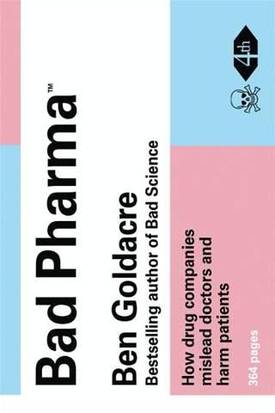
An Interview with Ben Goldacre on "Bad Pharma"

Last week I posted a review of Ben Goldacre's new book, Bad Pharma: How Drug Companies Mislead Doctors and Harm Patients (reviewed in The Economist). This weekend The Guardian (UK) posted an interview with Goldacre about his new book, and many of the questions comes from readers.

Ben Goldacre: 'It's appalling … like phone hacking or MPs' expenses'

Ben Goldacre's first book, Bad Science, shredded the claims of homeopaths and fake doctors. For his second he has his sights trained on the pharmaceutical industry. Here he answers your questions.

Interview by Ian Tucker

The Observer
, Saturday 6 October 2012
ben goldacre
Ben Goldacre: 'The world would be a better place if doctors were less enthusiastic about adopting very new drugs.' Photograph: Linda Nylind for the Guardian
 

The blindingly obvious inference of the extract from your book published in the Guardian– as of so many others you once commendably wrote in your Bad Science column – is that this is an industry totally unsuited to being run on profit-maximising lines by conventional shareholder companies. Given that, and the tremendous level of subsidy the industry already receives from governments around the world, why not spell out the vital necessity of locating it within publicly owned/non-profit organisations where there need be no obstacle to full transparency?
~ Harry Shutt, via email
I am a realist about this. I don't want a central-command state economy. In general, drug companies are reasonably good at developing new treatments and there's also a lot of good in the industry. The point of my book is that it's possible for good people in badly designed systems to perpetrate acts of great evil completely unthinkingly. I don't think any of the people I write about would punch an old lady in the face, but they would inflict the same level of harm when they are abstracted away from the outcomes of their actions.

This is made easier, I think, because in general, most drugs do work better than nothing: it's just that we may be misled into using, for example, an expensive new drug where an older, cheaper one is more effective.

Overall, the problem is we don't have a competent regulatory framework that prevents things from going horribly wrong. If companies are allowed to hide the results of clinical trials then they will, and that will distort clinical practice. Doctors and patients will be misled and make sub-optimal decisions about what treatment is best for them.

Similarly, if you can get on to the market by making a me-too copycat drug that represents little or no therapeutic advance and is even less effective than the drugs that it copies, then you will. And you can get such a drug to the market because regulators approve new treatments even when they've only been shown only to be better than placebo…

The Observer: Rather than the best current treatment available?

Exactly. When that happens, then there's less drive to innovate new medicines. So a lot of people think they know how you test a new drug, they think it's a placebo-controlled randomised trial, and that's kind of true. However, for most situations we already have some kind of treatment, so we're not interested in whether your treatment is better than nothing; we're interested in whether it's better than what we're already using. But you can get on to the market without ever comparing your drug against the best currently available treatment, and then you can bamboozle doctors and patients into using it by distorting the clinical evidence with all the tricks I describe, and then by giving a biased picture of that distorted evidence to doctors and patients through your marketing activity. All of that means, crucially, you can turn a profit by producing drugs that aren't very innovative.

So at the moment our regulatory frameworks do not represent a good set of incentives for innovation. When people say, "Oh my God, it's dreadful all these companies have had to pull out of developing new drugs for Alzheimer's", on the one hand Alzheimer's is a very difficult problem, on the other hand we haven't created a regulatory framework that sufficiently incentivises people to take serious risks, and research entirely new treatments.

I have been in healthcare marketing communications for more than 30 years (flogging drugs to doctors) and can confirm that much of the sharp practice you describe is caused by the pressure exerted on researchers by marketing departments. When a new drug entity makes it through Phase I, the pharmaceutical company's marketers carry out market research studies to find out what doctors expect and desire from such a product. The results of these studies are used to develop "guidance" for researchers designing Phase II and III trials. One issue is the speed with which some doctors ("innovators" in marketing speak) adopt new medicines. There is a drug surveillance system in this country that requires doctors to report all adverse events occurring in patients taking new drugs. So if doctors were a little less enthusiastic and prescribed new products to no more than a couple of patients at first, most problems would come to light before large numbers were affected.
~ arghbee, via web

I agree, the world would be a better place if doctors were less enthusiastic about adopting very new drugs. When I was taught how to prescribe by my clinical pharmacology professors, as an undergraduate in medicine, we were told: don't prescribe new drugs unless they are spectacularly superior to what you already have; let other doctors take the chance. And that's what I teach students myself. Regard the whole of the rest of humanity as unpaid stunt doubles. Because, when you prescribe a new drug, often you are prescribing something that has only been tested in a few thousand people for a very short period of time, perhaps only six months, and that's not long enough to know whether there are any medium- or long-term side-effects. It's also too few recipients of the drug to find out about rarer side-effects. On top of that, when drugs come to market they've only often been shown to be effective on short-term outcomes, and on surrogate outcomes, weak outcomes, theoretical outcomes. So a new drug might have shown to affect a blood test result, which we hope is theoretically associated with a real-world outcome, but not tested against real-world outcomes such as pain, suffering and death. On top of that, while doctors and patients sometimes fetishise the new, the evidence is that overall, new drugs are often no better than the older ones they replace.

If there is time for shared decision making, when we're prescribing a new drug, then I think first doctors could maybe say to their patients: "The drug I'm prescribing has only been tested in a few thousand people for less than six months, and it's only been shown to improve blood tests, not the real outcomes in your disease. If you prefer, we also have a tablet that has been around for 10 years, has been taken by millions of people, and that we know has a positive impact on real-world long-term outcomes – which would you prefer?" Because I think these are reasonable issues to factor in, when you're making a treatment decision.

Obs: And the point about marketing departments influencing trials?

This is a really interesting area and it's a good illustration of how there is good and bad in current marketing practices. I think it's really good that somebody out there listens to what doctors and patients want and need, in order to try to address those needs. There's a scandalously brief and interesting history of research on this question in academia. It was only very recently that people went out and formally asked patients: "What's the most important outcome to you?" The classic study was one in a rheumatology outpatients' clinic – they said: "What kind of trials do you think need to be done?" And the patients said: "We don't think you need any more trials comparing one pill against another, we want trials to tell us if physiotherapy improves outcomes, because doing physio is a massive drag and requires a lot of effort from us." The other thing they said, to everybody's complete astonishment, was: "We don't think that pain is the most important symptom, it's actually stiffness." And that amazed everyone. So good quality, systematic, mixed methods, qualitative and quantitative research, to find out this sort of stuff is really great and important.

Obs: Are pharma marketing departments doing that?

Well, they're probably doing some and a mix of other stuff. The real problems come when you look at the interplay between market research and the whole process of publication planning, which is something that many doctors and academics are completely unaware of. Certainly, I think, the public have very little knowledge of it. We all like to imagine that the academic literature is composed of worthy papers by independent academics exploring things on the basis of interest. We don't, for the most part, realise that there is often a hidden hand guiding this process. So when a new drug is being brought to market, especially one that addresses a problem that hasn't been addressed before, you will often get an elaborate sequence of covertly planned marketing activity in the academic literature, without any declaration that this is what's happening.

For example, companies will set about paying for and planning, and in some cases ghostwriting, papers saying that the disease their new drug treats is an underdiagnosed problem, it's much more prevalent than we thought. You might also start to produce lots of literature about how current interventions aren't very good, downplay your own side effects, promote off-label uses of your drug, and so on. That's all before you get anywhere stage-managing the literature about the actual benefits of your treatments.

So the interplay between marketing departments and research departments, I think, is inevitable. It's a mixture of good and bad, but the thing that's most striking is how ignorant most people are about these things, and how huffy and upset drug companies get when you start to talk about it. If people really think it's OK to have commercial medical writers writing papers instead of academics, then they should put their names clearly and proudly at the top of the papers. If people really think it's OK to stage-manage the whole programme of academic journal articles behind the scenes up to the launch of your drug, they should just mention that in the papers at the bottom: "This is part of the programme leading up to the launching of drug X. The idea for this paper came from the marketing department at Y." If they think all this activity is OK, then that's fine: they should be happy to declare that publicly, and we can decide for ourselves.

In your book you appear to be describing situations where companies knowingly suppress information that shows the products they are selling are ineffective or worse. My doctorate is in engineering and if we had done that we would have been liable to a prosecution for fraud. This is quite irrespective of the regulations pertaining to a specific industry, though we were required to report any significant deviation to the regulator as soon as we were aware of it. So, quite simply, why are these pharmaceutical companies not being prosecuted?
~ Joseph Cullen, via email

Well, it's a huge cultural blind spot. No one, with the exception of the Faculty of Pharmaceutical Medicine, which is a very small organisation, not one of the medical and academic bodies have stood up and said: "Selectively withholding unflattering trial data is research misconduct, and the ultimate end product is a biased picture of the effectiveness of your intervention."

If I deleted half the data points in one study to make my treatment look better than it really is, everybody would say that was research misconduct. But for some reason when I delete half of the trials from my clinical trials programme and only publish half of them, that is not regarded as research misconduct.

It's a cultural blind spot that comes about, I think, because the misconduct arises from a slightly diffused network of failure. So in some cases there will be obsessive, evil people at the centre, with full panoramic knowledge of everything that's happening, stage managing it. In other cases, you'll have individuals in organisations, maybe quite junior, they've got a trial with a negative result, nobody's enthusiastic about putting it out there, and to that one researcher, not publishing a paper intuitively doesn't feel the same as deleting some data points in a study, even if the end product is the same, in terms of the impact on doctors' and patients' knowledge of the risks and benefits.

That's why I think it's really disappointing that nobody, not the Royal Colleges, the Academy of Medical Sciences, the British Pharmacology Society, the British Medical Association, none of these organisations have stood up and said: selective non-publication of unflattering trial data is research misconduct, and if you do it you will be booted out. And I think they really urgently should.

I have to say, for a lot of the things I cover in the book, I honestly believe this stuff has been protected from public scrutiny for many years by a wall of tedium, or if you like, by a wall of modest scientific complexity. It's behind closed doors but not locked doors, it's all hiding in plain sight. I think it's very likely that this will turn out to be like MPs' expenses or phone hacking journalists. The people involved in these small communities have all convinced one another that what they do is completely normal and fine. But it's not. I think that when the public come to see what has been going on, they might be appalled.

I work for an institutional shareholder of many large pharmaceutical companies. Do you think there are any pharmaceutical companies that stand out in terms of transparency of trial results? And at the other end of the scale, are there any companies that consistently fail to publish negative trials?
 ~ Laura Foll, analyst, Henderson Global Investors

No. I have no reason to believe that any one is any better than the other. If you have bad regulations, incoherently enforced, then everybody does what they have to do, to succeed in the marketplace.

Considering we have to discuss and explain population-based risk to the individual we are treating, and the way we discuss risk biases the response, how do you discuss risk in simple terms, for example, in primary prevention?
~ Tariq Hussain, GP

This is an amazingly interesting area, and I think it is the next horizon in medicine. If you put me in charge of the medical research budget I would cancel all primary research, I would cancel all new trials, for just one year, and I would spend the money exclusively on making sure that we make the best possible use of the clinical evidence that we already have. This means first devising better ways of communicating risk to patients, and engaging in a process of shared decision-making wherever appropriate. Second, I would put the money into a better information architecture for evidence-based medicine. I would put the money into researching and implementing better systems to get the right information to the right doctor at the right time, to collate and then to disseminate the information that we have.

Obs: We had quite a few questions from readers who, faced with difficult decisions about changing drugs or trying a new drug, were reading trials and studies themselves…

That's a real mistake, actually. As I say in the book, I don't think it's a good idea for individuals to try to pick and choose their drugs, or stop their drugs. I think it's a very dangerous business. I don't say that because I want to protect any special status in the medical profession, I just think it takes a really long time to acquire the skills and knowledge to do that. People often say: "What do I do for me? For my treatment decision right here and now?" And the best advice I can ever give is to find a good doctor and talk to them about it, and anybody who tells you that they can give good advice about your medical problems in a newspaper article, or on the internet, or in some silly magazine, should be regarded with infinite suspicion, no matter how big a bouffant or how deep a perma-tan they have – I'm not thinking of anyone in particular, I don't really know that scene. I don't do readers' health advice and I think these things are best discussed with your doctor.

Patients often resort to saying: "Doctor, if it were you, what would you do?" Or "If it were your child…?"

I think that's a reasonable question to ask. Often decision making is a complicated business, weighing lots of risks and benefits against one another, often it can't be operationalised. But I think the important thing is that doctors have all of the information that they need in order to make informed decisions. First, because it's not hidden from them, and second because it is competently disseminated to them, and patients should have the choice to engage with that, but there's nothing compulsory about it. I think data on how good your local school is should be available to you, but equally I recognise that the overwhelming majority of parents never look at it, and that's normal. I wouldn't judge them. I just think the information needs to be available.

Tuesday, July 24, 2012

T. M. Luhrmann - Living with the Voices of Schizophrenia

This is not new research or information, but it is important that more people know about the signs and symptoms of schizophrenia and that the medications most often prescribed do not really help the person with the voices, they just drug them and make them sedate (and fat, with involuntary twitching, and the "Thorazine shuffle").

But several years ago, some people tried a different approach. Rather than fear the voices or try to drug them into silence, this new approach encouraged people to talk back to the voices, to negotiate with them, to argue with them if necessary. It works. Check it out at the Hearing Voices Network.

This article about how many people are now learning to live with the voices appears in The American Scholar.

Living With Voices

A new way to deal with disturbing voices offers hope for those with other forms of psychosis

By T. M. Luhrmann

Hans used to be overwhelmed by the voices. He heard them for hours, yelling at him, cursing him, telling him he should be dragged off into the forest and tortured and left to die. The most difficult things to grasp about the voices people with psychotic illness hear are how loud and insistent they are, and how hard it is to function in a world where no one else can hear them. It’s not like wearing an iPod. It’s like being surrounded by a gang of bullies. You feel horrible, crazy, because the voices are real to no one else, yet also strangely special, and they wrap you like a cocoon. Hans found it impossible to concentrate on everyday things. He sat in his room and hid. But then the voices went away for good.

Modern American psychiatry treats auditory hallucinations as the leading symptom of serious psychotic disorder, of which the most severe form is schizophrenia. When the German psychiatrist Emil Kraepelin first distinguished dementia praecox, as he called it, from manic-depressive disorder in 1893, back when Freud was drafting the Interpretation of Dreams, he argued that schizophrenia could be recognized by its persistent, deteriorating course. These days, schizophrenia is often imagined as the quintessential brain disease, an expression of underlying organic vulnerability perhaps exacerbated by environmental stress, but as real and as obdurate as kidney failure. The new post-psychoanalytic psychiatric science that emerged in this country in the 1980s argued that mental illnesses were physical illnesses. Many Americans and most psychiatrists took away from this science a sense that serious mental illnesses were brain dysfunctions and that the best hope for their treatment lay in the aggressive new drugs that patients often hated but that sometimes held symptoms at bay.

The book that defined the era was called The Broken Brain (1984) by Nancy Andreasen, later editor of the American Journal of Psychiatry, member of the National Academy, and recipient of the National Medal of Science. Her leading example was schizophrenia, recognized by its characteristic combination of hallucinations (usually auditory), delusions, and deterioration in work or social life.
The commonsense understanding that accompanied this wisdom was that nonpharmacological treatments for schizophrenia were useless. But recently a new grassroots movement has emerged. It argues that if patients learn to address their voices directly and appropriately, as if each voice had intention and agency, the voices will become less hostile and eventually go away. From the perspective of modern psychiatry, this assertion is radical, even dangerous. But it is being taken seriously by an increasing number of patients and psychiatrists.

Hans is a Dutch man in his 20s, kind and large and careful in his speech and movement. He has the profile typical of someone with schizophrenia. He had been an excellent student in grade school, but things started to fall apart in his teens. He began to smoke a lot of marijuana and quit school at 17 to work in a factory. One evening, he heard a woman outside his apartment screaming for help. She was shrieking that five men were raping her and that they were going to kill her. Hans was afraid. He called the cops, anonymously, and they came to search, but they couldn’t find the woman in the apartment complex. Hans saw them drive away. He could still hear her screaming, high, loud, spine-chilling screams. Hans began to think that if the men raping her knew he could hear them, they would come to kill him, too, so he ran to his car and drove. He drove for half an hour, hard, until he could no longer hear her screams. She’s dead, he thought, and he didn’t dare go back to his apartment. He slept in his car that night, then went to work the next day. He got a newspaper to find out what had happened, but no one had reported the murder. He concluded that the men who had done it wanted him, too. Then he decided that one of them was his closest friend. He took a knife and went to see his friend, intending to slit his throat. He sat there with his friend, drinking tea, waiting for the right time to kill him—but he didn’t. He left his friend’s apartment and went back to his car, where he lived for two months. He heard voices outside his head, talking about him, commenting on the way he dressed, the way he looked, what they thought he should do. Which was mostly to die.

These external commenting voices are so distinctive that if patients report only that one symptom, and if their life has gone awry, they meet criteria for the diagnosis of schizophrenia. The voices told Hans that truck drivers were in on the conspiracy, too, so he could no longer sleep in highway pullouts. He went home to his mother. Hans is a quiet man, so he didn’t tell her about the voices or the knives he carried with him, and at first she didn’t notice. Then he confessed to her that he had raped a good friend. His mother didn’t believe it. She persuaded him to invite the girl to tea, and indeed the girl said he hadn’t raped her. That relieved Hans, but not his mother.

So Hans found himself in an inpatient psychiatric hospital, where he stayed for more than a year. He was diagnosed with schizophrenia and given Clozaril, one of the new “miracle” drugs for schizophrenia—miracle for a small handful of patients, a desperate stopgap for the rest. Nothing really changed for Hans on Clozaril, neither his voices nor his delusions, but he became calm. He became so calm that he slept all day. His panicked mother argued with the doctors, telling them this was no kind of life. They told her sleeping was normal “at this stage.” Hans’s skin itched. He gained 90 pounds, and now he could not think clearly or move comfortably, a Michelin man with tubby limbs. Over the course of the year, little changed.

Then Hans joined a group of people like him who met once a week. They talked about their voices, and they were encouraged to talk back to them. They were even encouraged to negotiate with their voices. One of Hans’s voices thought he would be better off if he devoted his life to Buddhist prayer. Hans is not a Buddhist—like many Dutch, he grew up as a secular Protestant—and he did not want to follow the voice’s command. The group persuaded him to cut a deal with his voices. He told his voices that he would read a book on Buddhism every day for one hour—but no more. He would say one Buddhist prayer every day—but no more. And if he did this, he told them, they had to leave him alone.

They did, more or less. He began to feel better. His psychiatrists began to lower his Clozaril from its high of 500 mg per day down eventually to a dose of 50 mg. He lost weight. He became more alert. He moved out of the hospital. The voices didn’t disappear immediately, but they got nicer. When he was moving into an apartment by himself—and petrified by the prospect—he heard a voice say, “Buck up, we know you can do it.” By the time I met him in 2009, he hadn’t heard a voice in more than a year.


That approach to what many people take to be the most disturbing symptoms of the most debilitating mental illness is the brainchild of the Dutch psychiatrist Marius Romme and his wife, Sandra Escher. Romme is a big, handsome man in his late 70s, with a shock of white hair and a charming smile. More than 20 years ago he was working with a patient who had been struggling with her voices. She came in one day and told him that a book she had been reading had helped her because it made her feel that her voices had meaning. The writer was a man named Julian Jaynes.

The book, The Origin of Consciousness in the Breakdown of the Bicameral Mind, is one of those gangly, overwritten academic books that is undoubtedly wrong, but wrong in such an interesting way that readers, on finishing it, find that they think about the world quite differently. The book begins, “O, what a world of unseen visions and heard silences, this insubstantial country of the mind!” Jaynes was a psychology professor at Princeton, back in the days before psychologists had walled themselves off from literature, when he noticed that the gods in the Homeric epics took the place of the human mind. In the Iliad we do not see Achilles fretting over what to do, or even thinking much. Achilles is a man of action, and in general, he acts as the gods instruct him. When Agamemnon steals his mistress and Achilles seethes with anger, Athena shows up, grabs him by the hair, and holds him back. Jaynes argued that Athena popped up in this way because humans in archaic Greece attributed thought to the gods—that when the ancient kings lived in those strange beehive Mycenaean palaces, when social worlds were small and preliterate, people did not conceptualize themselves as having inner speech. Jaynes did not think that the role of the gods in the Iliad was a literary trope. He thought that people who did not refer to internal states used their brains differently and—the cognitive functions of speaking and obeying split across their unintegrated hemispheres—actually experienced some thoughts audibly. “Who then were these gods that pushed men about like robots and sang epics through their lips?” Jaynes asked. “They were voices whose speech and direction could be as distinctly heard by the Iliadic heroes as voices are heard by certain epileptic and schizophrenic patients, or just as Joan of Arc heard her voices.”

Romme wasn’t interested in whether Jaynes’s theory was right. (Most psychologists think that his brain science is quite wrong—they find it hard to take seriously the assertion that consciousness is a cultural construction—but the idea that awareness is the result of the way a language represents the mind is still startlingly compelling, and there are some scientists who defend a version of Jaynes’s model.) What Romme noticed was that attributing meaning to voices had made a difference to someone who was hearing them. By the psychiatric standards of the time, this was shocking. In the new biological psychiatry, which had begun to dominate the profession in Europe and America in the 1970s, voices were symptoms of psychotic illness in the same way that a sore throat was a symptom of flu. Sore throats didn’t “mean”: they were signs of a problem that had to be treated and resolved. So, too, voices. When a patient heard an audible voice, it was the sign of an illness that had to be treated with medication. Thus would the symptom be removed. These days, talking much with a patient about voices is often seen as encouraging that person’s belief in the false reality the voices represent. In biomedical psychiatry, mental health professionals ask whether the patient hears voices, not what the voices say. The goal is to get rid of the voices, like getting rid of a fever, and the mind-numbing, sleep-inducing antipsychotics are prescribed toward that end. Often, the medications do not work, with dosages increased in the hope that they will. Back in the ’70s, when we thought that antipsychotics would change forever the way patients lived with schizophrenia, doses were so high and side effects so visible that the way drugged patients moved under their influence was called the Thorazine shuffle.

In the mid-1980s, Romme advertised for voice-hearers on national television in the Netherlands. The local network ran a segment on Romme and his patient who had read Jaynes and asked voice hearers to send postcards. Seven hundred cards arrived. More than half were from people who seemed to experience audible voices, and many of them had never seen a psychiatric professional. They coped with their voices just fine. By now, Sandra Escher, a warm, funny woman who was working as a journalist (she eventually got a doctorate in psychology) was involved. Romme and Escher decided to hold a conference for everyone who had sent in cards. All sorts of people turned up, including people who had struggled with voices and hadn’t been able to do anything about them despite the efforts of psychiatrists and medication.

The people who were comfortable with hearing voices told the same story; their experience had a trajectory. Some voices had started out mean and difficult, and the hearers had first responded with startled fear, but once they had chosen to interact with them, the voices settled down and became more manageable, sometimes even useful. “They show me the things I do wrong,” one voice-hearer said, “and teach me how to do them otherwise. But they leave the choice to me if I really want to change it or rather leave it as it was.” That was the kernel Romme and Escher took away from the event: if people could accept their voices and create a relationship with them, they could get their voices to change.

Romme and Escher now began to talk to more voice-hearers about what they had learned, and people diagnosed with schizophrenia in the United Kingdom and the Netherlands began to organize events. In a series of workshops, Romme and Escher taught that people who heard voices should take them seriously and pay attention to what they said. In 1993 they published Accepting Voices, with techniques, case studies, and commentary by mental health professionals and patient activists (the activists sometimes call themselves survivors of psychiatric care). More detailed manuals and books followed. The workshops grew into conferences. Soon Romme and Escher were the unofficial leaders of a movement.

These days, the Hearing Voices Network is an international organization with members in many countries, including the United States, and 180 groups in Great Britain alone. It has a newsletter, a web page (intervoiceonline.org), and a society that meets annually. More than 300 people, including 121 voice-hearers, showed up at its first international conference in Maastricht in 2009, which I attended because I have always been interested in voices and visions.

Its method, to treat voices like people, is almost the inverse of the biomedical understanding of psychotic voices and a completely different perspective on how to handle them. The organization insists that hearing voices is a normal human experience, which indeed it is, although what is common (and thus “normal”) is hearing a voice as you slip into sleep, perhaps calling your name, perhaps your mother’s voice. About half of a standard subject pool (read: university undergraduates) will say that they have had some experience like that at least once. Many more will say so if the experimenter gives them examples. The Hearing Voices method takes this fact and turns it into an attitude. The problem is not the voices but the relationship to the voices, and the goal is to help voice-hearers live with them as if they were sharing a cramped apartment with crabby roommates. The voice-hearer is asked to talk directly to the voices and negotiate with them: asking what they want, offering to meet them partway if they will leave the hearer alone for a time. The hearer is told to treat the voices with respect, just the way you would treat a roommate you cannot kick out, whose behavior you really want to change.

Read the whole article.


Friday, January 27, 2012

No Evidence that a Serotonin Imbalance Causes Depression, or that Antidepressants Improve Depressive Symptoms


There has never been a single study that conclusively links serotonin levels (low, high, or normal) with depression, so using drugs to increases serotonin is completely unrelated to the subjective experience and the objective brain chemistry of the patient. This is not new information - I've presented this argument before.

In 2006, Joanna Moncrieff and David Cohen wrote an editorial essay for PLoS Medicine, Do Antidepressants Cure or Create Abnormal Brain States? The gist of their article is articulated in the summary:
Antidepressants are assumed to work on the specific neurobiology of depressive disorders according to a “disease-centred” model of drug action. However, little evidence supports this idea. An alternative, “drug-centred,” model suggests that psychotropic drugs create abnormal states that may coincidentally relieve symptoms. Drug-induced effects of antidepressants vary widely according to their chemical class—from sedation and cognitive impairment to mild stimulation and occasionally frank agitation. Results of clinical trials may be explained by drug-induced effects and placebo amplification. No evidence shows that antidepressants or any other drugs produce long-term elevation of mood or other effects that are particularly useful in treating depression.
Reference:
Moncrieff J, Cohen D. (2006). Do antidepressants cure or create abnormal brain states? PLoS Med 3(7): e240. DOI: 10.1371/journal.pmed.0030240

The recent discussion of this topic began with an NPR Morning Edition segment, When It Comes To Depression, Serotonin Isn't The Whole Story, that examined the "chemical imbalance theory." Nearly all of the psychiatrists they spoke with admitted that there was never any real evidence that supported the "low serotonin causes depression" hypothesis.

Many listeners were outraged that these same doctors still tell patients that their depression is caused by low serotonin levels and that drugs correct that imbalance.

Jonathan Leo, Ph.D. and Jeffrey Lacasse, Ph.D. at Mad in America, a very cool new site run by Robert Whitaker (see his article, The chemical imbalance theory of mental disorders was disproven long ago — as well as Marcia Angell (former Editor in Chief of The New England Journal of Medicine), whose pieces in the New York Review of Books mentions that the chemical imbalance story didn’t appear to have merit), fired off a nice post in response:

Psychiatry’s Grand Confession

The psychiatry profession has finally come clean and confessed on a national media outlet that there is no evidence to support the Serotonin Theory of Depression. Today, on NPR’s Morning Edition there is a segment about the chemical imbalance theory, and virtually all the psychiatrists who are interviewed acknowledge that the there was never any evidence in support of the idea that low serotonin causes depression. But then, amazingly, they go on to say that it is perfectly fine to tell patients that serotonin imbalance causes depression even though they know this isn’t the case.

Several years ago in PLoS Medicine we wrote a long piece about the serotonin theory and the disconnect between what research psychiatrists say in professional journals and textbooks and what the advertisements say. While the advertisements presented the theory as scientific fact, the scientific sources clearly did not. Given the enormous marketing programs that pushed this theory combined with the media’s lack of skepticism, we were sympathetic to the general public who could hardly be faulted for thinking that theory had some foundation in fact. Following the publication of our piece a reporter contacted us and suggested that we were attacking a well accepted theory. We pointed out to the reporter that we weren’t attacking a sacred cow but that instead we were pointing out the mainstream psychiatry didn’t even accept this theory. We urged the reporter to contact the FDA, NIMH, APA, etc and ask them about the science behind the advertisements. He did, and as expected, an expert from the FDA explained that the theory was really just a metaphor. The problem is that patients who heard their physician explain the serotonin theory thought they were hearing real science. They weren’t told it was a metaphor and hence thought it was a fact. When a doctor talks about high cholesterol, diabetes, or hypothyroidism, they are talking about scientific measurement, not a metaphor. How is a patient with high cholesterol and depression who listens to their doctor’s explanation of their conditions supposed to know when the doctor has moved from science to metaphor?

Several months ago Ronald Pies published an interesting article in Psychiatric Times entitled, “Psychiatry’s New Brain-Mind and the Legend of the Chemical Imbalance.” Pies, just like the experts on NPR, acknowledges that the Chemical Imbalance theory is not true. However, according to Pies, it was the pharmaceutical companies who espoused the theory, and not well-informed, practicing clinicians, because the psychiatry community has known all along that the theory is not true.

But if the Psychiatry Community knew all along that the theory was not true, then why did they not clarify this issue for the general public? Shouldn’t they have pointed out to the general public and patients that what the pharmaceutical companies were saying about psychological stress was not true? Why did the professional societies not publicly set the record straight?
Read the whole article.

Some of the most consistent work in this realm has been posted at Beyond Meds - check out these articles:


Saturday, August 27, 2011

Judge Allows Forced Medication for Arizona Shooting Suspect, Jared Loughner

Jami and I disagreed about this decision - and we had a fairly good discussion.

Jami feels it's okay to force him to take medications, with the assumption that he is suffering and the meds will ease the suffering, and that he may be dangerous to himself or others if not medicated. She also believes he should stand trial.

On the other hand, I do not feel right about forcing him to take medications if he does not want to do so. I also do not believe he should stand trial - in my opinion, he is severely mentally ill (SMI) and should be placed in a secured facility where he can receive treatment and not be sent to prison (where he would also be forced to take medications). Barring some break-through in treatment approaches, he would never be free again.

My sense is that the prosecutors want to medicate him so that he can stand trial, be convicted, and be sentenced to death. On the other hand, they won't let him commit suicide. Our legal system is all about retribution and punishment, not justice.

Judge Allows Forced Medication for Arizona Shooting Suspect


By THE ASSOCIATED PRESS
Published: August 27, 2011
Read the whole article.

Monday, April 04, 2011

Marcelo Gleiser - Recognizing The Potential And Perils Of A 'Limitless' Mind

http://spinoff.comicbookresources.com/wp-content/uploads/2010/12/limitless-570x316.jpg

In his recent post at NPR's 13.7 Cosmos and Culture blog, Marcelo Gleiser riffs on the implications of the new movie, Limitless. I haven't seen the film yet, but I had heard good things about it - even if it is based on the faulty and widespread premise that we use only a small percentage of our brains (the number is usually 10%, which is only off by about 90%).

An illustration showing pills in the profile of human head.

Imagine a pill that would give you tremendous intellectual power, triggering an avalanche of neuronal activity, igniting your brain into unparalleled awareness. You take the little thing and, for a few hours, you are a god-like creature. This is the premise of Limitless, the movie directed by Neil Burger, based on the novel by Alan Glynn and starring Bradley Cooper as the loser-writer who is turned into a genius by the powers of a psychotropic drug.

What if we had tremendous amounts of brainpower that remain untapped, powers that the dullness of our everyday routine dims into mere occasional insights, little flashes of awareness of a deeper reality that enfolds all that is? Could we really step into this different realm of being, freeing ourselves from the "triviality" that comes from using only a small percentage of our cortical mass?

There is a widespread myth out there, that we use only about 10 percent of our brain. We actually use all of it; every part of the brain has a known function. Otherwise, we would have certainly evolved smaller brains, or brains that are less costly metabolically.

So, the point is not that we need to activate large parts of our dormant brain, but that we need to trigger more efficient neuronal connections between the many parts: the secret is in increasing the pathways, making them resonate together in more creative ways.

Could a pill do such a thing?

We don't know, certainly not now. But look at where we are now: millions of people, including children, are taking Adderall and Vyvanse, psychostimulants composed of different kinds of amphetamine. The drugs increase the amount of dopamine in the brain, raising focus, libido and overall cognitive alertness. They are, in a very real sense, the baby versions of NZT 48, the magic pill in Limitless. No wonder those who take these medications must hide them so that they don't get stolen. (Especially in college dorms.)

The movie echoes precisely this reality, amplifying it with the help of fiction: if there is a magic pill that makes you into a genius, or at least more focused and intellectually productive, everyone, or at least many people, will want it.

It's another version of the Faustian bargain, where now the Devil wears the clothes of a pharmaceutical company salesperson; or a drug dealer.

I won't tell you how the movie ends. But I'd like to point out an interesting parallel with a remarkable sci-fi novel by the British writer Colin Wilson, The Philosopher's Stone, published in 1969.

In the novel, it wasn't a pill that gave the protagonist unprecedented brain power but the targeted electric stimulation of certain areas of the prefrontal cortex, which was described as "some kind of extra storage area ... the centre of poetry and intelligence." The premise of the novel is that the brain contains in it all of our past and future, if only we knew how to tap into its amazing reservoirs of timeless power. The "freed man" becomes a seer, a prophet, a genius, a god.

There are all sorts of hidden meanings in the universe, but we are blind to most of them. Occasionally, someone of genius, a great poet, a musician, a scientist, peers into the fog, even if only momentarily. What the protagonists of Limitless and The Philosopher's Stone are after is the ability to keep the light shining permanently.

Can we turn all the lights on without burning a central fuse? Is there a real advantage to pursuing a limitless mind? The movie makes it clear that the advantages we already have will remain even after taking the drug, that is, if you are smarter without it you will be smarter after taking it; the differentials between different IQs remain.

Perhaps here we can extract the true lesson of the movie and the novel: hard as it is, we must learn to accept our limitations while trying to constantly transcend them. To me, what makes life interesting is the search for the right balance between these two trends.


Friday, January 21, 2011

Adbusters editor Kalle Lasn interviews Ethan Watters, author of Crazy Like Us: The Globalization of the American Psyche

Way too short of an interview - Ethan Watters' Crazy Like Us: The Globalization of the American Psyche is an important book - I would love to have heard a lot more. Watters' assertion that we need more human connection and less pills exactly right in my opinion.

American Hyper-Introspection

Exporting Our (Mental) Illnesses

Photo by Michael Krebber, Respekt Frischlinge

Adbusters editor Kalle Lasn interviews Ethan Watters, author of Crazy Like Us: The Globalization of the American Psyche.


KL: There seems to be a massive increase in anxieties, mood disorders and depression. Are we in the middle of an epidemic of mental illness?

EW: Absolutely.

KL: So what is the root cause of this epidemic?

EW: If I had to put my money on one idea then it would be the American notion of the egocentric mind – the idea that you are the captain of your own destiny and that you should be able to chart your own path and find your own happiness and control your own destiny fundamentally without the need for others. I think that this idea in the West – and in America in particular – has led to a great deal of insecurity and a general loading of our psychopathology. I think that the human animal is much more of a group animal than the American idea of the mind suggests it to be.

And of course the ever expanding mental health profession is willing to take that insecurity in our lives and give it any number of different labels. It was anxiety in the 1960s and ‘70s, in the ‘80s and ‘90s it was depression, and who knows what it’s going to be in the next generation. I do think that especially for women, the quickly changing roles have caused a lot of stress. Modernization, breakdowns of kinship and community ties have all led to an increase in the general loading of our psychopathology.

KL: So, in a sense you are saying that instead of pills we need more connection.

EW: Yes. Absolutely. I think that human beings cannot feel at ease mentally if they are disconnected from their sense of a role within a group. I think that the human mind is deeply permeable to the goals and expectations of the people around us, and if we don’t pay attention to that, if we think of ourselves as the captains of our own destiny, always able to pick ourselves up by our own individual bootstraps, then we are likely to experience that sort of postmodern insecurity that leads us to a certain form of American hyper-introspection – always looking inward.