Tuesday, June 11, 2013

Shunyamurti - The Transcendental Party at the End of Time Is Now Officially Under Way

From Reality Sandwich, this is a partly interesting article and a partly misguided article. The analysis of the breakdown of society as it now exists is accurate. However, the notion that entheogenic consciousness is the only option to replace the current system is wishful and naive thinking.

Or maybe it's just been too many years since I last ingested an entheogen.

Emergence of the Entheopolitan

Shunyamurti


A mass transmutation is occurring on our planet, leading to the emergence of a new kind of transhuman being: the Entheopolitan. Consider this essay an outline of both the complex dissipative environment in which this rhizomatic interconnective supercharging shamanic shape shift is happening and some of the early, unintended consequences of this unpredictable event-in-process.
First, we need to examine the intersection of a number of factors and actants in the current sociopolitical level of reality that has served as the petri dish for the emergence of our new species. 

The main ones are the following:
1. The slo-mo collapse of global civilization and particularly of the capitalist empire that pulls its strings; 
2. Climate change acceleration, heightened seismic and volcanic activity and the distributive effects of drought, plagues, floods, and superstorms on global stability; 
3. The fall of the petro-citizen paradigm and its hobbling of conscious creativity and alienation from nature;
4. The loss of religious, ethical, and social paradigms that once channeled collective psychic energies into sublimating tendencies that served to contain the lower death drive; and simultaneously the almost ironic occurrence of a new wave of near-death experiences and other paranormal phenomena by neuroscientists and doctors, among other credible witnesses; 
5. The chaotic state of current science, with the lack of consensus on the meaning of quantum physics, and the return of the “hidden variables” theorists (those who refuse to give up obsolete paradigms, claiming that someday there will appear hidden variables that will prove their newtonian perspective to be correct); the credible challenge to neo-darwinism by some non-mythic form of intelligent design theory; and the discovery of new anomalies—requiring hypotheses such as dark energy and dark matter and alternatives to big bang cosmologies; plus the far more immediately disconcerting loss of consensus on the psychological, not to mention ontological foundations of human consciousness (thanks to the fall of the psychoanalytic establishment and the lack of any widely accepted alternative concepts of the unconscious and of human development and awareness—Jung, Deleuze, the Dalai Lama, and Ken Wilber notwithstanding); 
6. The massive disinformation campaigns led by government-controlled mass media, abetted by governmental and corporate corruption and not-so-secret plans for a new world order; the so-called austerity measures that are destroying the social fabric of the developed world; plus the irrational conspiratorial paranoia that inevitably surrounds such a situation; all this exacerbated by the growing awareness of the extraterrestrial presence and secret involvement in world affairs; 
7. The consequent loss of consensus in relation to discourse itself; the lack of common ground between different sub-cultures; the lack of trust among humans at all levels of organization; the hyper-politicization of psychiatry and diagnostic paradigms influenced greatly by the military-industrial phalanx led by the pharmaceutical industry; the accelerated fragmenting and destabilizing of individual ego consciousness, leading to a pandemic of psychosis; and thus to a new understanding of the unconscious mind and its relation to consciousness as well as to the long-denied reality of super-consciousness and the cosmic noosphere.
All of the above leaves us in the abyss, groundless, with nothing to hold onto in our relentless search for security and wisdom. For this reason, most people choose one of the following strategies:
• Denial—and submission to the system;
• Alcoholism or some other addiction or behavioral pathology or mental disorder, including psychosis;
• Despair, sometimes leading to suicide;
• Savage hyper-religiosity and/or extreme nationalism;
• Political activism and civil protest—which usually ends in violent repression;
• Weaponized survivalism;
• Transmutation into Entheopolitans.
The last-named alternative is the only path that leads through the oncoming singularity into the possibility of a new age of benign world structures and life-supportive existential conditions. The choosing of the Entheopolitan alternative is in itself only explicable as a karmic emergence of hyper-complexity through an individual’s traversal of hopelessness (rather than denial) and initiation into the dark knighthood of the soul, through courageous dedication of the power of consciousness to truth, love, and the unknowable potentialities that can arise through self-discipline and perseverance in the striving toward the highest possible destiny.

To break through pre-conceptions, even those of a religious dimensionality to the point of bringing about an ego death and rebirth into entheocentricity, requires infinite trust in the fundamental goodness of Being, openness to awe and wonder, and recognition of the unique importance of living as a psychonaut willing to enter into the depths of crazy wisdom without submitting to the paralyzing fear of going insane or being perceived by others as mad.

This crossing of the border between conventional sanity and the sublime madness of higher knowledge in order to bring back touchstones of the miraculous is the imperative that underlies our power to survive and thrive as beings of ontological centrality to the purpose of existence itself. The meme of survival of the fittest now reaches to the farther shore of shamanic magic and nirvanic Self-realization, if we are to leap the gap between imminent mass die-off and tantric creation of a new world aeon.

We have reached the tipping point in the psycho-spiritual development of consciousness, in which the complexity accumulated in our collective chronology is meeting the resistance of the deadlock of non-adaptive egocentricity; yet in those who can withstand the pressure, the kairos of clairvoyance is erupting as a change in our essential nature. A new type of consciousness is emerging, one foreshadowed by religion—and by such metaphors as coal into diamond, caterpillar into butterfly, snake shedding its skin, matter becoming light, and human morphing into angel.

The qualitative change that we are undergoing is accelerating most in those who have successfully traversed the ego’s event horizon, whether through the assistance of entheogenic substances and/or of entheonic practices, such as meditation or other techniques of sustained recognition of non-duality.

The transmutation is being accompanied, and furthered, by the creation of new works of art that bring the truth of the entheopolitan consciousness into the Real. Such artists as Alex Grey, Android Jones, and Pablo Amaringo open a visual portal into entheogenic reality, just as the writings of recent psychonauts like Terence McKenna and a host of others, not to mention all the great sages of superconsciousness from Ramana Maharshi back to the Buddha and Yeshua the Christed, kept open the cognitive portal to the Immanent Beyond for all of us throughout history.

What is different about this moment, and why it is indeed fair to call this the end time, is that not only are we pouring the ancient wine into new bottles, but now we are finally drinking it! We are not just keeping it in our wine cellars to be handed down to a future generation.

Once enough of us have drunk the divine nectar of entheogenic consciousness, the vibrational field that supports the current constructs of reality will be realized by one and all as demonic delusion. The intensification of full-spectrum consciousness will open us all to the gravity-less rainbow of infinite delight, boundless, weightless, timeless freedom, and pure insight from the mind of the Beingless God. The kingdom will only come when the kingly Samadhi of omnicentric unity has made royal again our raging egos, melting down desire into love supreme, through the zero point of raja yogic reinstatement of the Absolute as ruler of every soul.

This imminent moment, when the breakthrough of original memory, the vision of the future as our lost past, is our longshot bet on the long-promised eternal return, the omega point is our alpha bet, the decisive commitment to be that ultimate uncreated indestructible residue that remains after all the planet has imploded, to blossom again into a new world of unimaginable perfection.

The ego mind is now too loaded on death and fury, its nihilistic gnostics cannot imagine the luminous infinite, the intelligence that lies beyond the matrix, the ecstasy engineers who tape the edges of the tapestry of time by tapping into the archetypes of mathematics, hyper-dimensional topologies fleshed out with color, sound, and sublime living mandalas of beauty.

It was such a vision, far more than the concupiscence of conquistadors, which launched the thousand ships of longing for the goddess of the new world and brought us to the shores of our lost cause.

This was once the vision of Columbia, our statue to lost liberty, which brought Columbus and so many other pilgrims from around the world, to a district of Columbia inspired by founding fathers now foundering in a false-flag fascist fatalism and reduced now to a columbarium, and to the meme of Columbine, reiterated daily, now sandy hooked and (bo)stoned by a marathon of murders, including the assassination of hope. Long ago, we buried our heart at Wounded Knee. Now we murder our minds before the TV.

This is the message of the mainstream. Terror, TINA (There Is No Alternative), and titillation are the only reactions allowed. Those who turn away (becoming TINA turners, singing out their pain) too often take a path of violent resistance that only accelerates the trend toward totalitarian control, martial law, and concentration camps. Guantanamo was only an hors d’oeuvre to start the rollback of all movements of freedom since before the Magna Carta; the wars we have witnessed in recent years are only trifles to tempt the appetite for aggression to the mad max, total war to destroy every society once and for all time.

There is a logic to this madness. But to understand it requires a deeper madness, really a deeper sanity, that can see the full picture even with only a few of the dots connected. This is the significance of entheonic intelligence. To develop this level of mind power on a collective basis requires the creation of new kinds of communities, brainstorming rather than brainwashing communities, led by sages and seers of our true mindnature, willing and able to think outside every box, synthesizing the wisdom of the past, from all the world’s philosophic and spiritual traditions, with the most avant-garde, overlooked, marginalized and “minor” thinkers of the present day.

And of course we need the work of those who do more than think—those who dare to feel, those who risk heightened sensation and enhanced intuitive knowing, who open the gates of gnosis, who will bomb the inner censor with substances or the Shakti of Self-enquiry; those who invoke the benign interstellar presences and download their discourse; who bring about the elimination of the deepest repression barrier and accept the onslaught of akashic information overload that goes direct to heart of the Self.

But the Entheopolitan is not a naïve smiley-faced fool who smokes too much weed. One enters the new consciousness through the old hard work miracle, the discipline of self-transformation, the willingness to face the inner darkness, to struggle with the projections and distortions of one’s own ego, to recognize the il n’y a pas (there is no possibility of authentic relationship at the ego level); to pass through the field of unconscious phantasies and conventional standards of beauty and meaning to reach the core of the Supreme Real. The Entheopolitan goes through many rites of passage before attaining the goal; in fact, it is never attained, because the end is the Endless. But the passage goes through Absolute Nothingness, to numinous multiplicity to unitive noumenal fullness, and every stop in between.

The Entheopolitan is at home everywhere because the mind of God is everywhere. The within is also without. The intersubjective seeks the intergalactic. The noocosm is Indra’s net prophet from the exchange of vibrational currencies in the mana market of the many worlds. We are all implicated in the implicate order that is now explicating itself in the apocalyptic revelations ripping apart our world to reveal our unmanifest destiny. Let us accept the coup de grace with full grace.

The Entheopolitan is emerging. When the critical mass is reached, the Entheopolitans will create an authentic Entheopolis, a cosmic City of the All-One God-Self, inhabited by enlightened and magical beings of bodhisattvic beauty and joyous generosity and genius. The Entheopolitans are already morphing into egoless leaders, Entheopoliticians, and soon a sublime alternative cosmic order will be negotiated in a constituent assembly of buddhas and beatified ones, devas and dakinis, reminiscent of the Lankavatara Sutra and other Madhyamaka visions of the promised, pure land of Sukhavati, the same Satya Yuga alluded to in the most ancient Vedic texts.

The great shift, the new kalpa, the transcendental party at the end of time, is now officially under way. Please RSVP.

Namaste,
Shunyamurti


Image by Bill David Brooks, courtesy of Creative Commons license.

Steven Handel - Mind Is a Verb, Not a Noun

This post comes from Steven Handel at The Emotion Machine, a self-help and personal growth site dedicated to providing "a wide range of resources, information, tools, and techniques to help guide individuals toward living happier and more successful lives."

This is kind of a lite article, but the basic point is valid. We do need to be aware of nominalizations (nouns that describe an ongoing process of thoughts, feelings, behaviors, and outcomes in our lives that we associate with the idea), especially ones such as mind or consciousness, both of which are ongoing processes, not static things.

Handel takes on slightly lesser nominalizations: “happiness,” “confidence,” and “motivation.”

Mind Is A Verb, Not A Noun

AUTHOR: STEVEN HANDEL
JUNE 6TH, 2013


When talking about our minds, we have a tendency to take complicated processes and treat them as simplified things. For example, we say we want “happiness” or “confidence” or “motivation” but how do we know when we really have them?

These things aren’t something you can see, hear, touch, taste, or smell, they aren’t something you can buy at a store, and they aren’t something you can carry around with you in your pocket wherever you go.

So what do we mean when we talk about “happiness,” “confidence,” “motivation,” or other aspects of our mind? What are we really referring to?

These concepts are what is known as a nominalization. They are nouns, but they describe an ongoing process of thoughts, feelings, behaviors, and outcomes in our lives that we associate with the idea of “happiness,” “confidence,” or “motivation.”

Often we treat these attributes of our mind as nouns – things that we either “have” or “don’t have” – but they are really verbs, which means they need to be exercised and practiced, and they can’t be owned or possessed in the same way you own a car, or house, or TV.

Nominalizations makes it easier to talk about complex processes by fitting them neatly into a single concept – but often they can mislead us or hide important information, especially if we don’t understand the complicated nature of the thing we are nominalizing.

You can learn to better understand these nominalizations by asking yourself important question about the actual processes that lie underneath “happiness,” “confidence,” or “motivation.”

For example, if you want to find out more about the nominalization of “happiness,” you should ask yourself questions like:
  • “To be happy, what kind of thoughts would I need to think?”
  • “To be happy, what kind of feelings would I need to feel?”
  • “To be happy, what kind of actions would I need to do?”
  • “To be happy, what kind of relationships would I need to build?”
  • “To be happy, what kind of outcomes would I need to experience?”
Your answers to these questions will give you a clearer idea of what “happiness” is, and what kind of things you need to do to actually practice happiness in your life.

The whole point is that these concepts like “happiness,” “confidence” and “motivation” need to be thought of as ongoing processes. You don’t do just one thing to “get” them and then you “have” them forever, you have to continuously work at them on a daily basis. They are actions, not objects.

Compulsive Behaviour Triggered and Treated (from Nature)

Scientists have discovered how to create and then stop compulsive behavior in mice simply by using pulses of light to turn off or on brain cells, a process known as optogenetic. Very cool research - and yet I wonder how targeted it is and if there side effects we might not see in mice models.

This article comes from Nature News.

Compulsive behaviour triggered and treated

Pulses of light start and stop obsessive grooming in mice


Kerri Smith
06 June 2013

Compulsive grooming in mice such as is seen here is regulated in part by a region of the cerebral cortex located behind the eyes, optical stimulation has shown. - JENNIFER SAURA/TIMOTHY SPELLMAN/SCIENCE AAAS

Researchers have both created and relieved symptoms of obsessive-compulsive disorder (OCD) in genetically modified mice using a technique that turns brain cells on and off with light, known as optogenetics. The work, by two separate teams, confirms the neural circuits that contribute to the condition and points to treatment targets. It also provides insight into how quickly compulsive behaviours can develop — and how quickly they might be soothed. The results of the studies are published in Science 1, 2.

Brain scanning in humans with OCD has pointed to two areas — the orbitofrontal cortex, just behind the eyes, and the striatum, a hub in the middle of the brain — as being involved in the condition's characteristic repetitive and compulsive behaviours. But “in people we have no way of testing cause and effect”, says Susanne Ahmari, a psychiatrist and neuroscientist at Columbia University in New York who led one of the studies.

It is not clear, for example, whether abnormal brain activity causes the compulsions, or whether the behaviour simply results from the brain trying to hold symptoms at bay by compensating. “There’s been a big debate in the field,” says Satinder Kaur Singh of Yale University in New Haven, Connecticut, who studies molecules involved in OCD-like disorders but was not involved in the new studies. “What the Ahmari paper shows is that it is causative.”
Off switch

Ahmari’s team wanted to see if optogenetics could prompt repetitive grooming in mice — a commonly used equivalent sign of an OCD-like condition in animal models. The team injected viruses into the orbitofrontal cortex carrying genes for light-sensitive proteins. Certain nerve cells then began to produce the protein and became sensitive to light. The researchers then inserted an optical fibre to shine a light on these cells for a few minutes a day. It was only after a few days that they started to see the compulsive behaviour.

“Beforehand, I thought that we would immediately see repetitive behaviours when the light was turned on,” Ahmari says. Rather, it seemed to be chronic activity in these networks that sets off the abnormal grooming. That could have implications for how these patterns of behaviour develop in humans.

In the second study, researchers at the Massachusetts Institute of Technology (MIT) in Cambridge used a mouse model of repetitive behaviour in which the mice carried a mutation in a gene involved in creating neuronal connections. The researchers conditioned both mutant and control mice to groom when water was dripped on their foreheads. After a series of trials, the mutants began to groom even without a water drop.

The team then used optogenetics to stimulate neurons in the orbitofrontal cortex that feed into the striatum. This is a similar but not overlapping group of cells to the neural circuit studied by Ahmari's team.

“Within a matter of a second or two, a behavioural change occurs,” says Ann Graybiel, who co-authored the MIT study. The abnormal grooming disappeared, leaving behind only the normal reaction to the water drop. “It’s phenomenal to watch,” Graybiel says.

She was doubly surprised that the cortex — the area associated with executive, even conscious control of behaviour — could be at the root of such an automatic response. “Everybody has thought that when we get these compulsive behaviours or really strong habits, then these behaviours reel off by themselves,” she says. Instead, the orbitofrontal cortex can send a ‘stop’ signal to other brain regions concerned with more automatic movements.

Such a rapid relief from symptoms contrasts with how long it took the Columbia team to create the symptoms in their mice. This could have been related to the fact that the types of mice used by the two teams were different, Ahmari says, and that they examined slightly different circuits, albeit within the same broad areas.

Graybiel hopes that the results will help to make therapies for OCD, such as deep-brain simulation with electrodes, more precise.

Ahmari thinks that the findings could be harnessed to help vanquish repetitive behaviours more quickly. She says that knowing how the brain changes over time to create repetitive behaviours could lead to better treatments. Nobody is suggesting, though, that humans should have optogenetic-enabling viruses injected into their brains as a therapy. “We’re not quite ready for that,” quips Graybiel.

Nature doi:10.1038/nature.2013.13144

References

  • Ahmari, S. M. et al. Science 340, 1234–1239 (2013). Article | PubMed | ChemPort 
  • Burguière, E., Monteiro, P., Feng, G. & Graybiel, A. M. Science 340, 1243–1246 (2013). Article | PubMed | ChemPort 

Related stories and links


From nature.com
From elsewhere

Monday, June 10, 2013

Can an Ecstasy Pill Treat PTSD?

From the BBC Future site, this is a pretty good article on the efforts to get MDMA approved for the treatment of PTSD in soldiers. However, what they see as a potential good thing feels to me like more of the same bureaucratic BS:
[Rick] Doblin [founder and executive director of MAPS] thinks that getting MDMA through the FDA’s regulatory hurdles will only take eight to 10 years and $15 to $20 million – relatively speedy and cheap compared to what is normally required to license a new drug. “The FDA knows more about MDMA right now than any drug that they’ve ever approved in their entire history,” he says, pointing to a wealth of literature generated, ironically, by MDMA’s illegal status.
Ten years seems like a long time for a drug we already know is safer than most (if not all) psycho-pharmaceuticals.

Could ecstasy help treat soldiers with PTSD?


Sharon Weinberger
CODE RED| 6 June 2013


A trial is currently assessing whether the drug MDMA can treat Post-Traumatic Stress Disorder – whether the new research will convince critics is another matter.

The University of Southern California's Institute for Creative Technologies is leading the way in creating virtual humans. The result may produce real help for those in need.

It is hardly surprising that Tony Macie has an over-developed sense of awareness. As a US Army private he served for 15 months in Baghdad, calling in artillery and air support in his role as a member of a reconnaissance unit. Deadly roadside bombs and insurgent attacks were everyday occurrences in the city divided by sectarian violence. Being hyper-vigilant can help keep a soldier alive in a warzone, but when Macie returned home in 2007, he couldn’t switch off. “My brain was working on overdrive all the time,” he says. “I couldn’t relax, couldn’t unwind.”

He was diagnosed with Post-Traumatic Stress Disorder (PTSD), but found the standard treatments – mainly psychotherapy and anti-depressants – were of little help. While searching for an effective alternative, Macie came across the website of Multidisciplinary Association for Psychedelic Studies (MAPS). This not-for-profit group was sponsoring research into the use of MDMA, better known by its street name ecstasy, as a treatment for PTSD. He enrolled in a study that is currently looking at whether combined use of the drug and psychotherapy could provide relief for those with the debilitating anxiety disorder.

MDMA was originally developed by scientists at the German chemical and pharmaceutical company Merck a century ago, while they were investigating ways to stop abnormal bleeding. In the 1970s, a number of psychiatrists used the chemical to enhance communication with patients. The practice ended when MDMA became better known as a party drug, leading to it being outlawed in the US in 1985.

Evidence for its therapeutic efficacy was largely anecdotal. However, a small clinical trial published in 2010 suggested the drug can increase response to psychotherapy among people with PTSD. Now Rick Doblin, the founder and executive director of MAPS, hopes further studies, such as the one Macie is taking part in, will eventually lead to MDMA being approved by the US Food and Drug Administration as a new effective treatment option for PTSD. “Everywhere we go, what we’re told is ‘this is really important’, but the people we’ve spoken with were not high enough in the hierarchy to comfortably say yes,” says Doblin. He does, however, believe he is making headway. He recently had a meeting in the Pentagon to discuss his research (although he declined to identify the office on the record).

On trial


MAPS also funded the clinical trial published three years ago, which was led by Michael Mithoefer, a psychiatrist based in South Carolina. It involved 20 PTSD patients, the majority of whom had the disorder after being sexually assaulted, or being sexually or physically abused as children. Participants were given either MDMA or an inactive placebo during psychotherapy sessions, and were later assessed for symptoms of PTSD. Ten of the 12 (83%) given MDMA responded positively, compared to just two of the eight (25%) who took placebos.

Mithoefer’s interest in MDMA dates back to a career shift in 1991, when he moved from emergency medicine to psychiatry. “I was interested in experiential therapy, helping people shift their consciousness in some way,” he says. He became interested in MDMA's possible use in psychotherapy from anecdotal evidence reported prior to the drug's US ban. "There were published reports, but no controlled research," he says. PTSD was beginning to rise in the public consciousness in light of the wars in Iraq and Afghanistan. "I thought it behooved us to take a careful look at whether these anecdotal reports of MDMA could be born out with rigorous controlled trials."

Mithoefer is also running the trial that Macie is participating in. A group of 24 veterans and firefighters will take part in three sessions during which they will be given MDMA before undergoing psychotherapy. The hypothesis is that participants will feel less fear and be better able to talk about the traumatic experiences that caused their PTSD while under the influence of the drug.

One problem with the previous study was the use of inactive placebos. Those in the control group would have known that they were not receiving the active drug and this knowledge could have influenced their mental state. To get around this Mithoefer is giving those in the current study low, medium, or high doses. As participants will not know which does they have been given, he says this should effectively create double-blind conditions that would give the study greater validity. Results will be measured using a questionnaire-based PTSD diagnostic tool. The study is due to be completed next year.

Treatment options for PTSD are by and large ineffective, and so MDMA is not the only “non-traditional” treatment under investigation. At the Army’s Fort Bliss Restoration and Resilience Center in Texas, patients receive therapies ranging from acupuncture to Reiki, a Japanese spiritual treatment. In California, researchers at the Pentagon-funded Institute for Creative Technologies have studied the use of virtual reality as part of “exposure therapy” for veterans with PTSD.

Bad reputation


These days, researchers have no problems finding subjects for such work. It is estimated that the US military is diagnosing between 14,000 and 15,000 new cases of PTSD every year among deployed service members. “We have 400 veterans on a waiting list who have called us, and that’s without doing recruiting,” says Mithoefer.

Doblin thinks that getting MDMA through the FDA’s regulatory hurdles will only take eight to 10 years and $15 to $20 million – relatively speedy and cheap compared to what is normally required to license a new drug. “The FDA knows more about MDMA right now than any drug that they’ve ever approved in their entire history,” he says, pointing to a wealth of literature generated, ironically, by MDMA’s illegal status.

But whether the new research will convince critics, particularly those influenced by MDMA's reputation as a party drug, is more doubtful. Part of the problem is overcoming the stigma of hallucinogens, and some of the biased research that has been done in the past. Jonathan Moreno, a bioethicist and professor at the University of Pennsylvania, points to the studies conducted by Timothy Leary of Harvard in the 1960s. In a prison study, Leary claimed that hallucinogens combined with psychotherapy could reduce re-offending among prisoners, but those conclusions were later shown to be erroneous. Doblin published a follow-up study, highlighting problems with Leary's means of tracking re-offending in the long-term.

“It’s striking that even in the 60s and 70s people lined up on different sides on hallucinogens,” says Moreno. The lines are drawn pretty dark on various positions.”

It’s not just the recreational use and abuse of MDMA that raises concerns. There is what Doblin calls the “disastrous legacy of mind control experiments” at the Pentagon. During the Cold War, both the Army and the CIA experimented with using hallucinogens as a weapon. Particularly notorious was MK Ultra, a CIA project which experimented with the use of psychedelics for mind control, sometimes with unwitting subjects.

“That is in people’s minds,” says Doblin, adding that it has been sufficiently far in the past that it is not their dominant concern.” Doblin does say he was approached by a former member of the military who asked about the possibility of using MDMA, which fosters feeling of trust, as a tool for interrogating terrorists. “That was a scary thing,” says Doblin, who also expressed doubt such use would be effective.

The bigger barrier, Doblin says, is the fear of MDMA's recreational associations, and that it could be misused. Several researchers at the US Department of Veterans Affairs (VA) turned down requests to be interviewed about Mithoefer's MDMA study. "VA does not use ecstasy as a treatment for PTSD," said a spokesman in a statement. "Nor has it conducted, nor is currently conducting, any studies into whether it could be used in such a capacity." Ecstasy "is an illegal drug and VA would not involve veterans in the use of such substances."

For Macie, however, much of the debate is academic. He has taken part in one session of combined MDMA and psychotherapy as part of Mithoefer's study and already believes the approach has helped him. He does not see the drug as a magic bullet and recognises such treatment is likely to still require a great deal of effort on his part. “I don’t want you to think that doing it puts you in happy mode forever,” he says. “It’s hard work.”

~ If you would like to comment on this story or anything else you have seen on Future, head over to our Facebook page or message us on Twitter.

Drama Therapy on All in the Mind

From Australia's All in the Mind podcast, Lynne Malcolm author and psychologist Robert Landry, actress Rebecca Nelson, and actress Helen Morse about drama therapy and the transformative power of dramatic performance to heal.

Drama Therapy


Sunday 9 June 2013

IMAGE: THE LATE CARIS CORFMAN BEFORE HER BRAIN TUMOUR

Ever thought about what happens in the brains of actors and the audience during a theatrical performance? We hear about the therapeutic power of drama—and the story of how one actress, who lost her short term memory as the result of a brain tumour, found new meaning by writing and performing her own one-woman show.


Robert Landy, Professor of Educational Theatre and Applied Psychology, New York University
Rebecca Nelson, New York actress, Co-director of film "Caris' Peace" with Gaylen Ross, Friend of Caris Corfman
Helen Morse, Award winning Australian actress, plays Peggy in the play "Sundowner"

Publications

Drama Therapy: Concepts, Theories, and Practices
Robert J.Landy

Films

Caris' Peace directed by Gaylen Ross & Rebecca Nelson
Homepage: http://www.imdb.com/title/tt1047450/

Further Information

Sundowner production details

Presenter: Lynne Malcolm

Bryan Appleyard - Psychiatry on Trial (Book Review)


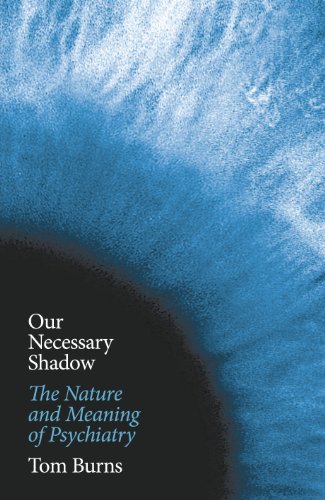
Bryan Appleyard reviews two new books on the current state of psychiatry. Tom Burns seems to believe psychiatry is a human profession that has lost its way (beginning in the 1970s), while James Davies things psychiatry is "a botched discipline, a harmful, pill-popping fiasco created by callous pharmaceutical companies and corrupt practitioners."


Useful reviews - each book will likely appeal to different audiences.

Psychiatry on Trial

by Bryan Appleyard
SUNDAY TIMES, 03 JUNE 2013
Our Necessary Shadow: The Nature and Meaning of Psychiatry by Tom Burns; Penguin, pp. 350, $18.95 (Amazon)
Cracked: Why Psychiatry is Doing More Harm than Good by James Davies; Pegasus, pp. 327, $19.19 (Amazon; publication in August)
In 1973, David Rosenhan, an American psychologist, published an article called On Being Sane in Insane Places. It told the story of an experiment in which eight perfectly sane people were sent to psychiatric hospitals. The only aberrant symptom they were instructed to display was that they occasionally heard a voice saying “Thud” or “Hollow”. All eight were admitted with diagnoses of psychosis — schizophrenia or bipolar disorder. They were treated with drugs and only ­discharged after days or, in some cases, many weeks, if they stated that they accepted their diagnosis.

Horrified by this, one hospital challenged Rosenhan to send fake patients and assured him they would detect them. Staff detected 83 fakes out of 193 new patients. In fact, Rosenhan had sent none. “No excuses could wash with such an embarrassment,” writes Tom Burns in Our Necessary Shadow, “something had to change.”

The Rosenhan Experiment appears in both Burns’s book and Cracked by James Davies. For Davies, it provides evidence that psychiatry is a botched discipline, a harmful, pill-popping fiasco created by callous pharmaceutical companies and corrupt practitioners. For Burns, it proves only that, in 1973, as so often happens in many fields, ­psychiatry had gone badly wrong. On the whole, Burns argues, it is a necessary and very humane pursuit.

This is an old confrontation. The movement known as anti-psychiatry emerged from 1960s counter-culture. The philosopher Michel Foucault and the psychiatrist RD Laing were its heroes; both saw psychiatry as a politically repressive force. Laing was the movement’s rock star. In 1969 he lectured students in Tokyo with such subversive passion that they at once burnt down the university administration building. But the sociologist Erving Goffman had the most lasting impact. His 1961 book ­Asylums more or less destroyed the old mental hospital culture — by identifying the way in which it enforced the formation of acquiescent personalities in the patients — and launched the more humane care systems in place today.

In fact, anti-psychiatry was merely the formalisation of the suspicion and anxiety that had always attended the experiments of the mind doctors. The superbly clear history that forms the core of Burns’s book makes it clear that progress has always been faltering. Treatments such as lobotomy, insulin shock and infecting patients with malaria were ­brutal and usually ineffective, but not always. Malaria infection worked well against a condition known as GPI (general paralysis of the insane) which was, it was finally discovered, caused by late-stage syphilis, a ­disease happily conquered by penicillin.

The story of GPI highlights the spectre that still haunts psychiatry. Until the syphilis diagnosis came along there was no known biological basis of the disease, so all proposed treatments were, in effect, guesses. Today there are still few conditions that have any clear physical cause. Depression has been linked to low serotonin levels in the brain — hence the ­Prozac generation of drugs — but the link is by no means certain and, in any case, that is only half an explanation since we don’t know why the levels are low.

This places a huge burden of responsibility on psychiatrists. Lacking a physical cause, diagnoses are dependent on their judgment. Various attempts have been made to formalise this process, notably the American Diagnostic and Statistical Manual of Mental Disorders (DSM), the latest edition of which has just been published. Since its first publication in 1952, this has been one of the most important books in the world because, by defining so many abnormal conditions, it also defines the normal. Davies argues — and Burns partly agrees — that the DSM has frequently been capricious and, indeed, imperialistic in its annexation of ever more territories of the human mind.

For Davies this is one more brick in the wall of his conviction that psychiatry is, in essence, a racket, primarily because of the iniquity of the big pharmaceutical companies and the level of corruption in psychiatry. He has plenty of horror ­stories of the deliberate suppression of negative data arising from drugs trials and of academics being bribed to say nice things about dubious products.

On top of that there is the ever-increasing medicalisation of the human mind. Sadness has become “clinical” depression and an unruly school pupil has Attention Deficit Hyperactivity ­Disorder (ADHD) and is likely to be dosed with Ritalin. This latter is still an unfolding scandal. A Canadian study, quoted by Davies, discovered an ADHD diagnosis was heavily dependent on the child’s birthday. Boys born in December (the cut-off date for entering the Canadian school year) are 30% more likely to be told they have ADHD than those born in January. The reason, it is suggested, is that being the youngest in the class is the source of stress.

Davies’s book is a potent polemic, spoilt by episodes of gross overwriting and self-glorifying descriptions of interview confrontations that add nothing to the argument. He also has, as one ­interviewee points out, an inherent bias, since as well as being an anthropologist he is also a psychotherapist — he embraces the “talking cure” rather than pill-popping.

Burns, however, painstakingly makes clear that psychiatry is emphatically not just about pills. It takes in a whole range of disciplines, including psychotherapy. Also, the pills that are popped are not as ineffective as Davies seems to suggest. Antipsychotic medications are undoubtedly effective, as are, though less consistently, antidepressants. Burns even defends electroconvulsive therapy as it is presently administered. He movingly describes a patient saved by the treatment from a suicidal spiral of depression.

In the end, Burns is probably right — that psychiatry is “our necessary shadow”. This is partly because the most severe mental illnesses cause some of the worst human suffering we can imagine and common humanity demands a response. But it is also because, as the mighty genius of Sigmund Freud demonstrated, this is, in a sense, a study of all that we are. Psychiatry, in short, is a faith to replace the faiths we have lost.

Sunday, June 09, 2013

Simon Critchley on John Gray’s Godless Mysticism in "The Silence of Animals"


Philosopher John Gray's new book, The Silence of Animals: On Progress and Other Modern Myths (Jiune, 2013) [the third book in a sequence beginning with False Dawn: The Delusions of Global Capitalism (2000) and then Straw Dogs: Thoughts on Humans and Other Animals (2007)], is reviewed within the context of the whole sequence in this article from The Los Angeles Review of Books.

Key quotes:
The radical core of Gray’s work, unfashionable as it might seem, is a strident defense of the ideal of contemplation against action, whether the bios theoretikos of Aristotle or the ataraxia of the Epicureans. As Gray says in the final words of Straw Dogs, “Can we not think of the aim of life as being simply to see?”
Gray’s godless mysticism would retain the forms of askesis common to religious forms of mystical practice (fasting, concentration and prayer) that attempt to nullify the self. But this would be done not in order to attain a higher experience of “Self” [sic] or some union with god, but rather to occasion a turn towards the nonhuman world in its mere being. A godless mysticism would not redeem us, but would redeem us from the need for redemption, the very need for meaning. A redemption from redemption, then. Meaninglessness would here be the achievement of the ordinary, the life of the senses. This line of thought gets very close to what the philosopher Eugene Thacker has called a mysticism of the inhuman, a climatological mysticism expressed in the dust of the planet.
 This is an in-depth and interesting review, as well as critical in a productive way - makes me want to go back and read the three books in order, especially since I have only read a handful of essays.

Simon Critchley on The Silence of Animals

John Gray’s Godless Mysticism: On "The Silence of Animals"

Simon Critchley

June 2nd, 2013

The Silence of Animals : On Progress and Other Modern Myths

Triptych image: Mariechen Danz, "Ye (3)," 2006
Photo: Andrea Huyoff. Courtesy of the artist and Galerie Tanja Wagner, Berlin

HUMAN BEINGS DO NOT just make killer apps. We are killer apes. We are nasty, aggressive, violent, rapacious hominids, what John Gray calls in his widely read 2002 book, Straw Dogs, homo rapiens. But wait, it gets worse. We are a killer species with a metaphysical longing, ceaselessly trying to find some meaning to life, which invariably drives us into the arms of religion. Today’s metaphysics is called “liberal humanism,” with a quasi-religious faith in progress, the power of reason and the perfectibility of humankind. The quintessential contemporary liberal humanists are those Obamaists, with their grotesque endless conversations about engagement in the world and their conviction that history has two sides, right and wrong, and they are naturally on the right side of it.

Gray’s most acute loathing is for the idea of progress, which has been his target in a number of books, and which is continued in the rather uneventful first 80 pages or so of The Silence of Animals. He allows that progress in the realm of science is a fact. (And also a good: as Thomas De Quincey remarked, a quarter of human misery results from toothache, so the discovery of anesthetic dentistry is a fine thing.) But faith in progress, Gray argues, is a superstition we should do without. He cites, among others, Conrad on colonialism in the Congo and Koestler on Soviet Communism (the Cold War continues to cast a long shadow over Gray’s writing) as evidence of the sheer perniciousness of a belief in progress. He contends, contra Descartes, that human irrationality is the thing most evenly shared in the world. To deny reality in order to sustain faith in a delusion is properly human. For Gray, the liberal humanist’s assurance in the reality of progress is a barely secularized version of the Christian belief in Providence.

With the Nazi jurist Carl Schmitt in mind, Gray writes in Black Mass (2007): “Modern politics is a chapter in the history of religion.” Politics has become a hideous surrogate for religious salvation, and secularism is itself a religious myth. In The Silence of Animals, he writes, “Unbelief today should begin by questioning not religion but secular faith.” What most disturbs Gray are utopian political projects based on some faith that concerted human action in the world can allow for the realization of seemingly impossible political ends and bring about the perfection of humanity. As he makes explicit in Black Mass, he derives his critique of utopianism from Norman Cohn’s 1957 book, The Pursuit of the Millennium. What Cohn implied but Gray loudly declares is that Western civilization can be defined in terms of the central role of millenarian thinking. Salvation is collective, terrestrial, imminent, total, and miraculous. What takes root with early Christian belief, and massively accelerates in medieval Europe, finds its modern continuation in a sequence of bloody utopian political projects, from Jacobinism to Bolshevism, Stalinism, Nazism, and different varieties of Marxist-Leninist, anarchist, or Situationist ideologies. They all promised to build heaven on earth and left us with hell instead.

In Black Mass, Gray persuasively attempted to show how the energy of such utopian political projects has drifted from the left to the right. Bush, Blair, and the rest framed the war on terror as an apocalyptic struggle that would forge the new American century of untrammeled personal freedom and free markets. During the first years of the new millennium, a religious fervor energized the project of what we might call “military neoliberalism”: violence was the means for realizing liberal democratic heaven on earth. The picture of a world at war where purportedly democratic regimes, like the USA, deploy terror in their alleged attempts to confront it is still very much with us, even if full-scale, classical military invasions have given way to the calculated cowardice of drone strikes and targeted assassinations.

Carl Schmitt’s critique of parliamentary democracy led him towards an argument for dictatorship. Where does Gray’s loathing of liberalism leave him? He identifies the poison in liberal humanism, but what’s the antidote? It is what Gray calls “political realism”: we have to accept, as many ancient societies did and many non-Western societies still do, that the world is in a state of ceaseless conflict. Periods of war are followed by periods of peace, only to be followed by war again. What goes around comes around. And around. History makes more sense as a cycle than as a line of development or even decline.

In the face of such ceaseless conflict, Gray counsels that we have to abandon the belief in utopia and accept the tragic contingencies of life: there are moral and political dilemmas for which there are simply no solutions. We have to learn to abandon pernicious daydreams such as a new cosmopolitan world order governed by universal human rights, or that history has a teleological, providential purpose that underwrites human action. We even have to renounce the Obamaesque (in essence, crypto-Comtian or crypto-Saint-Simonian) delusion that one’s life is a narrative that is an episode in some universal story of progress. It is not.

Against the grotesque distortion of conservatism into the millenarian military neoliberalism, Gray wants to defend the core belief of traditional Burkean Toryism. The latter begins in a realistic acceptance of human imperfection and frailty. As such, the best that flawed and potentially wicked human creatures can hope for is a commitment to civilized constraints that will prevent the very worst from happening: a politics of the least worst. Sadly, no one in political life seems prepared to present this argument, least of all those contemporary conservatives who have become more utopian than their cynical pragmatist left-liberal counterparts, such as the British Labor Party.

* * *

The most extreme expression of human arrogance, for Gray, is the idea that human beings can save the planet from environmental devastation. Because they are killer apes who will always deploy violence, force, and terror in the name of some longed-for metaphysical project, human beings cannot be trusted to save their environment. Furthermore — and this is an extraordinarily delicious twist — the earth doesn’t need saving. Here Gray borrows from James Lovelock’s Gaia hypothesis. The ever-warming earth is suffering from disseminated primatemaia, a plague of people. Homo rapiens is savagely ravaging the planet like a filthy pest that has infested a once beautiful, well-appointed, and spacious house. In 1600, the human population was about half a billion. In the 1990s it increased by the same amount. And the acceleration continues. What Gray takes from the Gaia hypothesis is that this plague cannot be solved by the very people who are its cause. It can only be solved by a large-scale decline in human numbers back down to manageable levels. Let’s go back to 1600!

Such is the exhilaratingly anti-humanist, dystopian, indeed Ballardesque, vision of a drowned world at the heart of Gray’s work: when the earth is done with humans, it will recover and the blip of human civilization will be forgotten forever. Global warming is simply one of the periodic fevers that the earth has suffered during its long, nonhuman history. It will recover and carry on. But we cannot and will not.

* * *

Where does this leave us? Although Gray is critical of Heidegger’s residual humanism (animals are poor in world and rocks and stone are worldless, Martin insists), he is very close to a line of thought in a collection of Heidegger’s fragments published as Overcoming Metaphysics. Written between 1936 and 1946, these are Heidegger’s bleakest and most revealing ruminations, in my view. At their center stands an all-too-oblique critical engagement with National Socialism filtered through the lens of his willful reading of Nietzsche. Heidegger concludes his meditations with the words, “No mere action will change the world.” 
The statement finds its rejoinder in the title of Heidegger’s posthumously published 1966 interview with Der Spiegel: “Only a god can save us.” For Heidegger and Gray, there is no god, unfortunately, and we cannot save ourselves. It’s the belief that we can save ourselves that got us into our current mess. If political voluntarism is the motor of modernity’s distress, then the task becomes how we might think without the will.

This takes us to the compelling critique of the concept of action in Gray’s work. Whether Arendtian fantasies of idealized praxis, liberal ideas of public engagement and intervention, or leftist delusions about the propaganda of the deed, action provides consolation for killer apes like us by momentarily staving off the threat of meaninglessness. The radical core of Gray’s work, unfashionable as it might seem, is a strident defense of the ideal of contemplation against action, whether the bios theoretikos of Aristotle or the ataraxia of the Epicureans. As Gray says in the final words of Straw Dogs, “Can we not think of the aim of life as being simply to see?” 
But Gray’s ideological masterstroke is the fusion of his quasi-Burkean critique of liberalism, underpinned as it is by a deep pessimism about human nature, with a certain strand of Taoism. More particularly, what engages Gray is the ultra-skeptical illusionism of Chuang-Tzu, magnificently expressed in the subtle paradoxes of The Inner Chapters. Chuang-Tzu writes, “How do I know that to take pleasure in life is not a delusion?” The answer is that I do not know and furthermore it doesn’t matter. Pushing much further than the furtive Descartes in his Dutch oven, Chuang-Tzu writes, “While we dream we do not know that we are dreaming, and in the middle of a dream interpret a dream within it.” He concludes, “You and Confucius are both dreams, and I who call you a dream am also a dream.” There is no way out of the dream and what has to be given up is the desperate metaphysical longing to find some anchor in a purported reality. 
Homo rapiens must learn to give up the destructive and pointless search for meaning and learn to see that the aim of life is the release from meaning. What interests Gray in the mind-bending paradoxes of Chuang-Tzu is the acceptance of the fact that life is a dream without the possibility, or even the desire, to awaken from the dream. If we cannot be free of illusions, if illusions are part and parcel of our natural constitution, then why not simply accept them? In the final pages of Black Mass Gray writes: “Taoists taught that freedom lies in freeing oneself from personal narratives by identifying with cosmic processes of death and renewal.” Rather than seek the company of utopian thinkers, we should find consolation in the words of “mystics, poets and pleasure-lovers. 
Such is the consoling company Gray keeps in The Silence of Animals. There is much here that is familiar to readers of Gray, such as the critique of progress and the constant tilting at liberal humanism. There is also much that is welcome, such as the robust defense of Freud as a moralist based on Philip Rieff’s classic interpretation, which is wielded against Jungian obscurantism, the triumph of the therapeutic, and the desire to fill the Freudian void with grisly specters like the collective unconscious. But what’s new in The Silence of Animals is Gray’s argument for what he calls “godless mysticism” based largely on a reading of Wallace Stevens (it’s true that Stevens makes a couple of cameo appearances in Gray’s The Immortalization Commission from 2011). Stevens is the still point around which the world turns in The Silence of Animals. 
Each of the three parts of The Silence of Animals is framed and guided by quotations from Stevens; what seems to draw Gray’s attention is the sheer austerity of his late verse, for example the 25 poems included under the title “The Rock” in the Collected Poems in 1954, the year before Stevens’s death. Stevens’s poetry self-consciously moves between the poles of reality and the imagination. In his most Wordsworthian mood, as in “The Idea of Order at Key West,” the two poles would appear to fuse or be held in a creative balance: imagination grasps and transfigures reality. But in the very late poems, a hard, cold, contracted reality takes center stage. The power of imagination appears to be impoverished. The season of these late poems — always important for Stevens — changes from the florid and Floridian landscapes of the earlier verse to the harsh, unending cold of the Connecticut winter. 
In the final poem in The Palm at the End of the Mind, “Of Mere Being,” Stevens speaks of that which is “Beyond the last thought,” namely a bird that sings “Without human meaning, / Without human feeling, a foreign song.” Stevens seems to be saying that things merely are: the tree, the bird, its song, its feathers, the wind moving in the branches. One can say no more. For Gray, “The mere being of which Stevens speaks is the pure emptiness to which our fictions may sometimes point.” That is to say, in accepting that the world is without meaning, a path is indicated that takes us beyond the meaning we have made. 
Paradoxically, for Gray, the highest value in existence is to know that there is nothing of substance in the world. Nothing is more real than nothing. It is the nothingness beyond us, the emptiness behind words, that Gray wants us to contemplate. His is a radical nominalism behind which stands the void. In this, as he is well aware, Gray is close to Beckett. We are condemned to words, but language is a prison house from which we constantly seek to escape. Rather than any comforting dogma of the linguistic turn, Gray is trying to imagine a turn away from the linguistic. Human language should be pointed towards a nonhuman silence. 
In his very last poems, Stevens comes about as close as one can get to giving up poetry in poetry. It is poetry of the antipodes of the poetry; the hard, alien reality that we stare at, unknowing. All we have are ideas about the thing, but not the thing itself. Desire contracts, the mind empties, the floors of memory are wiped clean and nothingness flows over us without meaning. In a very late lyric that Gray does not cite but which he might, “A Clear Day and No Memories,” Stevens writes:
Today the air is clear of everything.
It has no knowledge except of nothingness
And it flows over us without meanings,
As if none of us had ever been here before
And are not now: in this shallow spectacle,
This invisible activity, this sense.
It is “this sense” that Gray wants to cultivate in us, this turning of the self away from itself and its endless meaning-making and toward things in their variousness and particularity. The point is to undergo a kind of movement from the limitations of the human towards a greater inhuman realm of experience that can be had in the observation of plants, birds, landscapes, and even cityscapes. Stevens continues, with another “as if” (and whole books have been written on his use of hypothetical conjunctions):
As if nothingness contained a métier,
A vital assumption, an impermanence
In its permanent cold, an illusion so desired.
Poems are words chosen out of desire, but words that don’t create anything permanent. In creating illusion, they assume impermanence. This is what Stevens sees as the métier of nothingness: its work, its craft, its supreme fictiveness. It is abstract. It must change. It must give pleasure. 
Gray’s godless mysticism would retain the forms of askesis common to religious forms of mystical practice (fasting, concentration and prayer) that attempt to nullify the self. But this would be done not in order to attain a higher experience of “Self” [sic] or some union with god, but rather to occasion a turn towards the nonhuman world in its mere being. A godless mysticism would not redeem us, but would redeem us from the need for redemption, the very need for meaning. A redemption from redemption, then. Meaninglessness would here be the achievement of the ordinary, the life of the senses. This line of thought gets very close to what the philosopher Eugene Thacker has called a mysticism of the inhuman, a climatological mysticism expressed in the dust of the planet. 
* * *

There’s an unexpected local hero in The Silence of Animals: J.A. Baker (1926–1987), author of The Peregrine, a book that, to my shame, I didn’t know prior to reading Gray. It is the record of 10 years spent watching peregrine falcons in a narrow stretch of Essex countryside between Chelmsford and the coast. I happen to know that landscape quite well, or once knew it. It’s a minimal, flat landscape of neat fields, mudbanks, estuarial systems, and vast skies with huge clouds shuttling from west to east. In intense lyrical descriptions, Baker sought to escape the human perspective and look at the world through the eyes of this predatory bird, “Looking down, the hawk saw the big orchard beneath him shrink into dark, twiggy lines and green strips […] saw the estuary lifting up its blue and silver mouth, tongued with green islands.”

Baker was not crazy. He knew that there is no way out of the human world, and no way he could become a peregrine falcon. What interests Gray is the discipline (for Baker, an askesis of time, place and repetition: many days, months, and years spent returning to the same small strip of countryside) involved in peeling enough of oneself away in order to try to look outwards and upwards. Contemplation here is not some Hamlet-like, inward-facing attempt at stilling the self’s commotion. It’s the outward-facing decreation of the self through a cultivation of the senses. What’s being attempted is a non-anthropomorphic relation to animals and nature as a whole, where the falcon cannot hear the falconer. Gray’s godless mysticism asks us to look outside ourselves and simply see. This is a lot more difficult than it sounds.

* * *

Schopenhauer, usually read in abridged, aphoristic form, was the most popular philosopher of the 19th century. Epigrammatic pessimism of his sort gives readers reasons for their misery and words to buttress their sense of hopelessness and impotence. Few things offer more refined intellectual pleasure than backing oneself into an impregnably defended conceptual cul-de-sac and sitting there, knowing and immovable. It’s the thrill of reading Adorno or, in a certain light, Agamben. Such is what Nietzsche called “European Buddhism.”

Sometimes I think John Gray is the great Schopenhauerian European Buddhist of our age. What he offers is a gloriously pessimistic cultural analysis, which rightly reduces to rubble the false idols of the cave of liberal humanism. Counter to the upbeat progressivist evangelical atheism of the last decade, Gray provides a powerful argument in favor of human wickedness that’s still consistent with Darwinian naturalism. It leads to passive nihilism: an extremely tempting worldview, even if I think the temptation must ultimately be refused. 
The passive nihilist looks at the world with a highly cultivated detachment and finds it meaningless. Rather than trying to act in the world, which is pointless, the passive nihilist withdraws to a safe contemplative distance and cultivates his acute aesthetic sensibility by pursuing the pleasures of poetry, peregrine-watching, or perhaps botany, as was the case with the aged Rousseau (“Botany is the ideal study for the idle, unoccupied solitary,” Jean-Jacques said). Lest it be forgotten, John Stuart Mill also ended up a botanist. 
In a world that is rushing to destroy itself through capitalist exploitation or military crusades — two arms of the same Homo rapiens — the passive nihilist resigns himself to a small island where the mystery of existence can be seen for what it is without distilling it into a meaning. The passive nihilist learns to see, to strip away the deadening horror of habitual, human life and inhale the void that lies behind our words. 
What will define the coming decades? I would wager the following: the political violence of faith, the certainty of environmental devastation, the decline of existing public institutions, ever-growing inequality, and yet more Simon Cowell TV shows. In the face of this horror, Gray offers a cool but safe temporary refuge. 
Truth to tell, the world of Gray’s passive nihilist can be a lonely place, seemingly stripped of intense, passionate, and ecstatic human relations. It is an almost autistic universe, like J.A. Baker’s. It is also a world where mostly male authors and poets seem to be read, although Elizabeth Bishop comes to mind. As Stevens writes in his Adagia, “Life is an affair of people not of places. But for me life is an affair of places and that is the trouble.” Gray, like Stevens, seems preoccupied with place but, unlike Stevens, appears untroubled. What Gray says is undeniable: we are cracked vessels glued to ourselves in endless, narcissistic twittering. We are like moths wheeling around the one true flame: vanity. Who doesn’t long to escape into an animal silence? 
Of course, love is the name of the counter-movement to that longing. Love — erotic, limb-loosening and bittersweet — is another way of pointing outwards and upwards, but this time towards people and not places. But that, as they say, is another story.

Author’s Note: This essay builds from certain formulations that the reader can find in The Faith of the Faithless (Verso, London and New York, 2012). See Chapter 2, pp.109-117.

Simon Critchley's last book was The Mattering of Matter. Documents from the Archive of the International Necronautical Society (with Tom McCarthy, Sternberg, Berlin, 2012) and his next book is Stay, Illusion! The Hamlet Doctrine (Pantheon, New York, 2013).

Harvard’s George Whitesides Gives Brilliant Critique of Mammoth U.S. Brain Project

Not everyone in the neuroscience and psychology worlds are excited by President Obama's $100 million Brain Activity Map Project—or the Brain Research through Advancing Innovative Neurotechnologies (BRAIN) Initiative. George Whitesides (Harvard chemist and veteran of big government ventures in support of nanotechnology) recently gave a very good critique of the BRAIN Initiative.

Harvard’s Whitesides Gives Brilliant Critique of Mammoth U.S. Brain Project

By Gary Stix | May 29, 2013

George Whitesides

The Obama administration’s Big Brain project—$100 million for a map of some sort of what lies beneath the skull—has captured the attention of the entire field of neuroscience. The magnitude of the cash infusion can’t help but draw notice, eliciting both huzzahs mixed with gripes that the whole effort might sap support for other perhaps equally worthy neuro-related endeavors.

The Brain Activity Map Project—or the Brain Research through Advancing Innovative Neurotechnologies (BRAIN) Initiative—is intended to give researchers tools to elicit the real-time functioning of neural circuits, providing a better picture of what happens in the brain when immersed in thought or when brain cells are beset by a degenerative condition like Parkinson’s or Alzheimer’s. Current technologies are either too slow or lack the resolution to achieve these goals.

One strength of the organizers—perhaps a portent of good things to come—is that they don’t seem to mind opening themselves to public critiques. At a planning meeting earlier this month, George Whitesides, the eminent Harvard chemist and veteran of big government ventures in support of nanotechnology, weighed in on how the project appeared to an informed outsider. Edited excerpting of some of his comments follows. This posting is a bit long, but Whitesides is eloquent and it’s worth reading what he has to say because his views apply to any large-scale sci-tech foray.

Whitesides began his talk after listening to a steady cavalcade of big-name neuroscientists furnish their personal wish lists for the program: ultrasound to induce focal lesions, more fruit fly studies to find computational nervous system primitives, more studies on zebra fish, studies on wholly new types of model organisms, avoiding too much emphasis on practical applications and so on.
“Listening to you this morning has been intensely interesting for me,” Whitesides began. “It has very much the flavor of a thousand flowers blooming. That is to say a problem which we all agree is intensely important: what is the brain how does it think, what is mind. It fits right there with issues such as what is life and where does life come from. It fits with the great problems of the next century.” 
“The question of whether people outside understand what is going on and where it leads is more complicated,” he continued. “I’ll just make a point to set a starting point. When I first heard about…the brain map I checked with a bunch of people who are good scientists and neurobiologists and everybody’s opposed, almost universally…There’s very deep skepticism that this approach, physical mapping at that scale, is going to work and lead to something.”
To promote the program, Whitesides emphasized the critical need to get non-neuroscientists to understand the problem being addressed—and to think carefully about something as simple as what the project should be called. Would the name “brain map” convey anything intelligible to someone not conversant with technical papers that bear titles like “Climbing Fiber Input Shapes Reciprocity of Purkinje Cell Firing”?

Whitesides suggested reverting to first principles in trying to describe to the world at large the importance of spending $100 million to gain better insight into the minutiae of neural circuitry. He recommended a cross-disciplinary collaboration by drawing upon knowledge, not from geneticists or bioengineers, but by borrowing across the divide of C.P. Snow’s Two Cultures: In other words, bringing in the English teachers. Going as basic as it gets, Whitesides told a room packed with full professors from elite universities that they should craft the story of the Big Brain project with the structural elements of a murder mystery.
“You have to have a puzzle or problem: Who killed lady of house? Was it the butler or somebody else? There has to be a puzzle or conflict or problem you want to resolve. The second element, a journey or trek, how you get there. You’ve spent much time talking here about that: what technical methods to get data or to formulate experiments. 
“The third component: There has to be a surprise. If you don’t have a surprise nobody’s interested. You have to catch the attention of people. To say [you want to come up with] a theory of mind is too far off. You want something shorter term that people can get a grip on. Finally, you need a resolution. The cat killed the lady of house, not the butler…But you need a resolution. Often in science you call it an application. 
“If you don’t have those components, you don’t have much to work with when talking to people who are not neuroscientists. Everybody’s fascinated by the particular tack they take to a particular piece of research. Outside it’s a different story. People want to know what you’re all doing and it has to be simple enough for people to understand that. It’s very difficult to do. 
“It’s very, very difficult to do and one of the issues here is to start hammering out that story. In genomics, it was: ‘we’re going to understand genomics, and based on the genome we’re going to understand cancer, and based on that understanding we’re going to cure cancer; and based on that your mother is going to live for a longer period of time.’ 
“Now it’s turned out to be more complicated than that as everything is in biology is. But here you’ve got an even more complicated problem. So how do you simplify this very complicated problem with top and bottom-level stories in such a fashion that I as an outsider can understand what the field is going to be doing, what it’s deliverables are going to be? … 
“Now in that context there are just a couple of things to remember. One of them is the question of ‘Why now?’ This problem has been around for a long time. And this is hardly the first group that’s thought about the nature of the brain. So why is now the time where we expect something astonishing to happen? With genomics, it happened because the technology of sequencing became so good that virtually anyone could generate floods of data and then begin to think about what could be done with that. What’s the corresponding thing here? I don’t know the answer to that. 
“The second issue which is in the same general issue of ‘why now’ is ‘Who cares?’” Obviously you care because you care about problems. But outside of this room with people who are not neuroscientists, what do they care about? What is the problem that you say you’re going to solve that they care about and I don’t think there are any shortage of these problems, all the way from alleviating tremor in Parkinson’s to beginning to think about depression, which is one of the great problems in public health.”
Whitesides then went on to talk about other considerations for structuring the project so that it retains some relevance beyond the neuroscience community. “I think that it’s really important to have deliverables and outcomes.” he said. “They don’t have to be the things that have the characteristic that they have to be the ultimate goal, but you need milestones along the way so you can go to the outside world and say we have done this. It’s not a compelling case to say that we’re here and in 100 years we’ll have a theory of mind and there’s nothing to show you in between because it’s all too complicated to understand. So what are they going to be and what do they look like?
“Second there’s a question of reductionism vs. higher-level stuff. If you think that a theory of mind is going to come by understanding the function of individual synapses and then building up from there, that tends not to work too well with really complicated systems. It works well with engineered systems like transistors or integrated circuits or devices or the Internet or Facebook. Those systems are engineered systems. Picking really complicated systems apart is hard to do. So what often one does is go from the end and look at higher-level behaviors in terms of black boxes and if you have good working models, you can pick those black boxes apart. 
“Just to give you an example of how the fully reductionist approach can run into difficulties, again we can go to genomics. If you talk now to the people in the pharmaceutical industry, what they will say is they’re moving massively away from target-based medicine to phenotypic assays. That is to say, if you want to find out whether a mouse gets better, you give a mouse stuff and see what happens, you don’t ask too many detailed questions. The detailed questions haven’t worked out very well. Here I don’t have a sense where the dividing line is between things that are best done at high-level and things that are best done by going reductionist. But there’s probably a place for everything.” 
“Zebra fish are a nice transparent model, but they’re probably not going to tell us very much about depression. People are probably more interested in depression than they are in zebra fish outside the room. That’s an interesting question. 
“The third point is about balance and inclusion. We are at the tail end of a pretty successful program in the United States on nanoscience or nanotechnology. And the question of why was this successful is complicated. But one of the reasons is that when this program emerged, it was phrased in such a way that virtually every area of science saw there was something in it for them; that is, the chemists, the biologists, the physicists, the device guys; everybody saw that there was some value in nanoscience for them. 
“And there was a supporting enormously important technology which is the technology of integrated circuits. And what’s happened over the course of time is what the engineers at Intel have done which is almost beyond belief in terms of its sophistication. Two generations or maybe one generation from now, microprocessors will have minimum feature sizes that are on the order of maybe 8 nanometers. I still can’t believe this and that’s using 190 nanometer light. 
So they provided an enormous practical push for this area and then everybody had something interesting to do at the nanoscale. The question is how to does one open this community in such a fashion that everyone thinks there’s something interesting and important…[For the brain project], it has to include engineering, it has to include clinical medicine it has to include the molecular it has to include cells and animals. The whole story has to be there somehow but making the story inclusive will make a much stronger case for building a strong community. 
The last point I’ll make is inclusion of industry…Let me tell you another short story which comes from a component of genomics that was Illumina, the sequencer that has been as important as many other things in genomics. The inventor of the technology at the very beginning was David Walt of Tufts…I was at a seminar with David in which one of the people in the audience at the end asked the following question: [which was] ‘how do you handle the conflict of interest problem in an academic lab. when you’re working on this and a company is working on the same thing’ and he [Walt] said ‘there’s never a problem and the reason there’s never a problem is that once industry takes up an idea; and good engineers, mature engineers, begin to work on it, an academic laboratory can never compete.’ 
“Now the relevance to this [the brain project] if you think about what Illumina and other sequencers made possible in genomics you can ask the question: are there corresponding things in this area where really good, skilled industrial engineers can make a capability available to the community in a way that makes it possible to collect all the data, all the structure, function, the measurements that you want to collect because it’s going to be vastly, vastly easier if it’s done as a centralized function, with real people paying real dollars to get it done really, really well. 
“And it may be premature to do it at this point. I don’t know the answer to that but it’s something for you to think about. And I think the earlier you get people who are professional engineers and, on the other end, clinicians actively involved in the work that you’re doing; the more likely you are to find components that you can use and motivations for using them that will help keep the field strong. 
“So it’s a fantastic area, unbelievably complicated. Outside it looks less straightforward than it looks to you inside and inside it looks pretty chaotic, so you can imagine what it looks like from outside.”

~ About the Author: Gary Stix, a senior editor, commissions, writes, and edits features, news articles and Web blogs for SCIENTIFIC AMERICAN. His area of coverage is neuroscience. He also has frequently been the issue or section editor for special issues or reports on topics ranging from nanotechnology to obesity. He has worked for more than 20 years at SCIENTIFIC AMERICAN, following three years as a science journalist at IEEE Spectrum, the flagship publication for the Institute of Electrical and Electronics Engineers. He has an undergraduate degree in journalism from New York University. With his wife, Miriam Lacob, he wrote a general primer on technology called Who Gives a Gigabyte? Follow on Twitter @gstix1.


The views expressed are those of the author and are not necessarily those of Scientific American.