Showing posts with label emotional wounds. Show all posts

Monday, July 01, 2013

Tami Simon w/ Robert Augustus Masters - Emotional Intimacy: A Comprehensive Guide for Connecting with the Power of Your Emotions


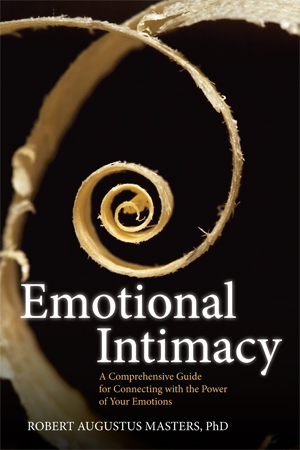
Robert Augustus Masters, author of Spiritual Bypassing: When Spirituality Disconnects Us from What Really Matters (2010), an instant classic, Transformation through Intimacy, Revised Edition: The Journey toward Awakened Monogamy (2012), and many other excellent books, has published his newest book, Emotional Intimacy: A Comprehensive Guide for Connecting with the Power of Your Emotions (2013), with Sounds True, where he also released the excellent Knowing Your Shadow: Becoming Intimate with All That You Are (2013).

Here is the description of the book from Masters' website:
Emotions link our bodies, thoughts, and conditioning at multiple levels. And the capacity to be intimate with our emotions, teaches Robert Augustus Masters, is essential for creating fulfilling relationships, relationships in which awareness, love, passion, and integrity function as one. With Emotional Intimacy, this respected psychospiritual teacher and author invites us to explore: 
• How to deepen our emotional literacy
• Cultivating intimacy with all of our emotions
• The ways that we numb our unwanted feelings, and how to revive them and welcome them back
• How to identify our emotions, fully experience them, and skillfully express them
• Resolving and healing from old emotional wounds
• Gender differences in emotional literacy and expression
• Steps for bringing greater intimacy and depth into our relationships
• In-depth guidance for those facing depression, anxiety, and crippling shame
• Why “blowing off steam” can often make us feel worse, and what constitutes healthy catharsis
• Navigating activity and stimulus overload, a collective emotional pandemic of our times
• Individual chapters for fully engaging with fear, anger, joy, jealousy, shame, grief, guilt, awe, and the full spectrum of our emotions
In the two-part podcast below, Sounds True founder and CEO Tami Simon speaks with Masters about his new book, as well as other topics, including shadow work.

Robert Augustus Masters: Emotional Intimacy, Part 1

Tuesday, May 7, 2013


Robert Augustus Masters is an Integral psychotherapist, relationship expert, and spiritual teacher whose work blends the psychological and physical with the spiritual, emphasizing embodiment, emotional literacy, and the development of relational maturity. Here, Robert and Tami discuss emotional literacy and how it is lacking in our culture today. They consider differences in cultural conditioning between men and women when it comes to expressing emotions and the need to develop a toolkit to identify and work skillfully with anger. (70 minutes)

* * * * * * *

Robert Augustus Masters: Emotional Intimacy, Part 2

Tuesday, May 14, 2013


Tami Simon speaks with Dr. Robert Augustus Masters, an Integral psychotherapist, relationship expert, and spiritual teacher whose work emphasizes embodiment, emotional literacy, and the development of relational maturity. He is the author of 13 books including the new Sounds True book Emotional Intimacy, as well as the audio learning course Knowing Your Shadow. In the second part of their discussion, Tami speaks with Robert about the importance of mutual transparency in relationships, how we can engage in “connected catharsis,” the telltale signs that reveal when we are using spiritual bypassing to avoid emotional experience, and how we can start to identify and work with our own shadow material. (57 minutes)

More from Robert Augustus Masters:


Emotional Intimacy: A Comprehensive Guide for Connecting with the Power of Your Emotions, $12.70 

Knowing Your Shadow: Becoming Intimate with All That You Are, $46.87

Friday, February 08, 2013

Alain de Botton Proposes a Kinder, Gentler Philosophy of Success


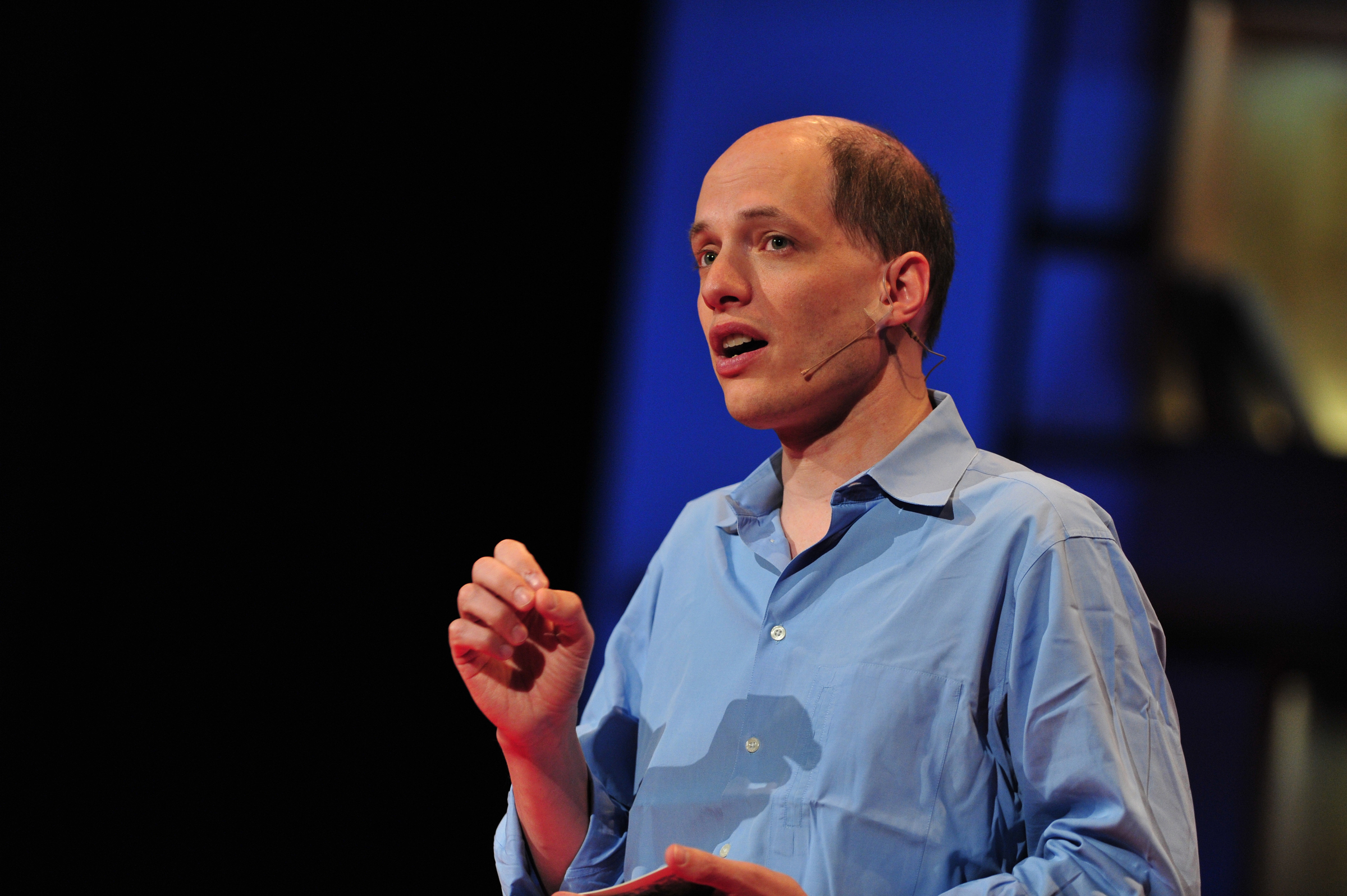
From Open Culture, this is a TED Talk by pop philosopher Alain de Botton on his vision for a more kind and compassionate philosophy of success. Among his many books are How to Think More About Sex (The School of Life) [2012], How Proust Can Change Your Life [1998], Religion for Atheists: A Non-believer's Guide to the Uses of Religion [2012], and The Architecture of Happiness [2004].

Alain de Botton Proposes a Kinder, Gentler Philosophy of Success


February 7th, 2013


For better or worse, Alain de Botton is the face of pop philosophy. He has advocated “religion for atheists” in a book of the same name (to the deep consternation of some atheists and the eloquent interest of others); he has distilled selected philosophical nuggets into self-help in his The Consolations of Philosophy; and most recently, he’s tackled a subject close to everybody’s heart (to put it charitably) in How to Think More About Sex. As a corollary to his intellectual interests in human betterment, de Botton also oversees The School of Life, a “cultural enterprise offering good ideas for everyday life” with a base in Central London and a colorful online presence. Many critics disdain de Botton’s shotgun approach to philosophy, but it gets people reading (not just his own books), and gets them talking, rather than just shouting at each other.

In addition to his publishing, de Botton is an accomplished and engaging speaker. Although himself a committed secularist, in his TED talks, he has posed some formidable challenges to the smug certainties of liberal secularism and the often brutal certainties of libertarian meritocracy. Apropos of the latter, in the talk above, de Botton takes on what he calls “job snobbery,” the dominant form of snobbery today, he says, and a global phenomenon. Certainly, we can all remember any number of times when the question “What do you do?” has either made us exhale with pride or feel like we might shrivel up and blow away. De Botton takes this common experience and draws from it some interesting inferences: for example, against the idea that we (one assumes he means Westerners) live in a materialistic society, de Botton posits that we primarily use material goods and career status not as ends in themselves but as the means to receive emotional rewards from those who choose how much love or respect to “spend” on us based on where we land in any social hierarchy.

Accordingly, de Botton asks us to see someone in a Ferrari not as greedy but as “incredibly vulnerable and in need of love” (he does not address other possible compensations of middle-aged men in overly-expensive cars). For de Botton, modern society turns the whole world into a school, where equals compete with each other relentlessly. But the problem with the analogy is that in the wider world, the admirable spirit of equality runs up against the realities of increasingly entrenched inequities. Our inability to see this is nurturned, de Botton points out, by an industry that sells us all the fiction that, with just enough know-how and gumption, anyone can become the next Mark Zuckerberg or Steve Jobs. But if this were true, of course, there would be hundreds of thousands of Zuckerbergs and Jobs.

For de Botton, when we believe that those who make it to the top do so only on merit, we also, in a callous way, believe those at the bottom deserve their place and should stay there—a belief that takes no account of the accidents of birth and the enormity of factors outside anyone’s control. This shift in thinking, he says—especially in the United States—gets reflected in a shift in language. Where in former times someone in tough circumstances might be called “unfortunate” or “down on their luck,” they are now more likely to be called “a loser,” a social condition that exacerbates feelings of personal failure and increases the numbers of suicides. The rest of de Botton’s richly observed talk lays out his philosophical and psychological alternatives to the irrational reasoning that makes everyone responsible for everything that happens to them. As a consequence of softening the harsh binary logic of success/failure, de Botton concludes, we can find greater meaning and happiness in the work we choose to do—because we love it, not because it buys us love.

Related Content:

~ Josh Jones is a writer, editor, and musician based in Washington, DC. Follow him @jdmagness