Showing posts with label ayahuasca. Show all posts

Sunday, December 07, 2014

Best Psychology & Neuroscience Books of 2014 (according to me)

Here are some of the best books I have been exposed to this year. Obviously, I cannot read everything, so this is a partial list at best. They are listed in alphabetical order. Descriptive text is from the publisher's blurb on Amazon.

A few of these books warrant the RECOMMENDED READ classification.


Adult Attachment Patterns in a Treatment Context: Relationship and Narrative
Sarah Daniel
Attachment theory posits that the need for attachment is a life-long phenomenon that becomes especially relevant in times of crisis or trauma. When adults experience illness, accidents, assaults, psychological difficulties or losses, their attachment-behavioural systems are activated, motivating them to seek help and support from family and friends and/or from helping professionals. However, the resulting request for help is affected and shaped by earlier experiences regarding the support and trustworthiness of attachment figures. Can others be trusted? Is it safe to show vulnerability? How should one behave to increase the likelihood of receiving the help needed? 

Adult Attachment Patterns in a Treatment Context provides an integrated introduction to the subject of adult attachment. Research into adult attachment patterns offers professional helpers a theoretically sound insight into the dynamics underlying a range of client behaviours, including some of the more puzzling and frustrating behaviours such as denying obvious pain or continually pushing the professional for more personal involvement. Sarah Daniel shows how applying knowledge of attachment patterns to treatment settings will improve the way in which professionals engage with clients and the organization of treatments. This book will be relevant to a range of helping professionals such as psychotherapists, psychologists and social workers, both in practice and in training.


Affect Regulation Training: A Practitioners' Manual
Matthias Berking and Brian Whitley 
Emotion Regulation is currently one of the most popular topics in clinical psychology. Numerous studies demonstrate that deficits in emotion regulation skills are likely to help maintain various forms of psychological disorders. Thus, enhancing emotion regulation has become a major target in psychotherapeutic treatments. For this purpose, a number of therapeutic strategies have been developed and shown to be effective. However, for practitioners it is often difficult to decide which of these strategies they should use or how they can effectively combine empirically-validated strategies. Thus, the authors developed the Affect Regulation Training as a transdiagnostic intervention which systematically integrates strategies from cognitive behavior therapy, mindfulness-based interventions, emotion-focused therapy, and dialectical behavioral therapy. The effectiveness of ART has been demonstrated in several high-quality studies. 


Attachment and Interaction: From Bowlby to Current Clinical Theory and Practice
Mario Marrone
Attachment and Interaction is an accessible introduction to the history and evolution of attachment theory, which traces the early roots of attachment theory from the work of its creator John Bowlby through to the most recent theoretical developments and their clinical applications. Mario Marrone explores how attachment theory can inform how therapists work with their patients, and what the practical implications are of using such an approach. By mixing personal anecdotes from his own experiences as Bowlby's supervisee with clear explanations of Bowlby's ideas and how they have evolved, Marrone creates a memorable and engaging account of attachment theory. This new, updated edition includes new material on bereavement, sexuality and the application of attachment-based principles to individual, family and group psychotherapy. This clear exposition of attachment theory is relevant and valuable reading for trainee and practising individual and group psychotherapists, family therapists and mental health professionals - as well as anyone with an interest in John Bowlby and the evolution of psychotherapy.


The Body Keeps the Score: Brain, Mind, and Body in the Healing of Trauma
Bessel A. van der Kolk 

RECOMMENDED READ.
A pioneering researcher and one of the world’s foremost experts on traumatic stress offers a bold new paradigm for healing

Trauma is a fact of life. Veterans and their families deal with the painful aftermath of combat; one in five Americans has been molested; one in four grew up with alcoholics; one in three couples have engaged in physical violence. Such experiences inevitably leave traces on minds, emotions, and even on biology. Sadly, trauma sufferers frequently pass on their stress to their partners and children.

Renowned trauma expert Bessel van der Kolk has spent over three decades working with survivors. In The Body Keeps the Score, he transforms our understanding of traumatic stress, revealing how it literally rearranges the brain’s wiring—specifically areas dedicated to pleasure, engagement, control, and trust. He shows how these areas can be reactivated through innovative treatments including neurofeedback, mindfulness techniques, play, yoga, and other therapies. Based on Dr. van der Kolk’s own research and that of other leading specialists, The Body Keeps the Score offers proven alternatives to drugs and talk therapy—and a way to reclaim lives.


Brain, Mind, and Consciousness in the History of Neuroscience
C.U.M. Smith and Harry Whitaker, Editors
This volume of essays examines the problem of mind, looking at how the problem has appeared to neuroscientists (in the widest sense) from classical antiquity through to contemporary times. Beginning with a look at ventricular neuropsychology in antiquity, this book goes on to look at Spinozan ideas on the links between mind and body, Thomas Willis and the foundation of Neurology, Hooke’s mechanical model of the mind and Joseph Priestley’s approach to the mind-body problem.

The volume offers a chapter on the 19th century Ottoman perspective on western thinking. Further chapters trace the work of nineteenth century scholars including George Henry Lewes, Herbert Spencer and Emil du Bois-Reymond. The book covers significant work from the twentieth century, including an examination of Alfred North Whitehead and the history of consciousness, and particular attention is given to the development of quantum consciousness. Chapters on slavery and the self and the development of an understanding of Dualism bring this examination up to date on the latest 21st century work in the field.

At the heart of this book is the matter of how we define the problem of consciousness itself: has there been any progress in our understanding of the working of mind and brain? This work at the interface between science and the humanities will appeal to experts from across many fields who wish to develop their understanding of the problem of consciousness, including scholars of Neuroscience, Behavioural Science and the History of Science.


Cyclical Psychodynamics and the Contextual Self: The Inner World, the Intimate World, and the World of Culture and Society
Paul L. Wachtel
Cyclical Psychodynamics and the Contextual Self articulates in new ways the essential features and most recent extensions of Paul Wachtel's powerfully integrative theory of cyclical psychodynamics. Wachtel is widely regarded as the leading advocate for integrative thinking in personality theory and the theory and practice of psychotherapy. He is a contributor to cutting edge thought in the realm of relational psychoanalysis and to highlighting the ways in which the relational point of view provides especially fertile ground for integrating psychoanalytic insights with the ideas and methods of other theoretical and therapeutic orientations. 

In this book, Wachtel extends his integration of psychoanalytic, cognitive-behavioral, systemic, and experiential viewpoints to examine closely the nature of the inner world of subjectivity, its relation to the transactional world of daily life experiences, and the impact on both the larger social and cultural forces that both shape and are shaped by individual experience. Here, he discusses in a uniquely comprehensive fashioning the subtleties of the clinical interaction, the findings of systematic research, and the role of social, economic, and historical forces in our lives. The chapters in this book help to transcend the tunnel vision that can lead therapists of different orientations to ignore the important discoveries and innovations from competing approaches. 

Explicating the pervasive role of vicious circles and self-fulfilling prophecies in our lives, Cyclical Psychodynamics and the Contextual Self shows how deeply intertwined the subjective, the intersubjective, and the cultural realms are, and points to new pathways to therapeutic and social change. Both a theoretical tour de force and an immensely practical guide to clinical practice, this book will be essential reading for psychoanalysts, psychotherapists and students of human behavior of all backgrounds and theoretical orientations.


The Future of the Brain: Essays by the World's Leading Neuroscientists
Gary Marcus and Jeremy Freeman, Editors
Including a chapter by 2014 Nobel laureates May-Britt Moser and Edvard Moser 

An unprecedented look at the quest to unravel the mysteries of the human brain, The Future of the Brain takes readers to the absolute frontiers of science. Original essays by leading researchers such as Christof Koch, George Church, Olaf Sporns, and May-Britt and Edvard Moser describe the spectacular technological advances that will enable us to map the more than eighty-five billion neurons in the brain, as well as the challenges that lie ahead in understanding the anticipated deluge of data and the prospects for building working simulations of the human brain. A must-read for anyone trying to understand ambitious new research programs such as the Obama administration's BRAIN Initiative and the European Union's Human Brain Project, The Future of the Brain sheds light on the breathtaking implications of brain science for medicine, psychiatry, and even human consciousness itself.

Contributors include: Misha Ahrens, Ned Block, Matteo Carandini, George Church, John Donoghue, Chris Eliasmith, Simon Fisher, Mike Hawrylycz, Sean Hill, Christof Koch, Leah Krubitzer, Michel Maharbiz, Kevin Mitchell, Edvard Moser, May-Britt Moser, David Poeppel, Krishna Shenoy, Olaf Sporns, Anthony Zador.


The Future of the Mind: The Scientific Quest to Understand, Enhance, and Empower the Mind
Michio Kaku 

I included this book because it is representative of the state of the science in (mis)understanding the mind. I disagree with several of the basic (reductionist) premises Kaku takes as givens.
The New York Times best-selling author of PHYSICS OF THE IMPOSSIBLE, PHYSICS OF THE FUTURE and HYPERSPACE tackles the most fascinating and complex object in the known universe: the human brain.
For the first time in history, the secrets of the living brain are being revealed by a battery of high tech brain scans devised by physicists. Now what was once solely the province of science fiction has become a startling reality. Recording memories, telepathy, videotaping our dreams, mind control, avatars, and telekinesis are not only possible; they already exist.
THE FUTURE OF THE MIND gives us an authoritative and compelling look at the astonishing research being done in top laboratories around the world—all based on the latest advancements in neuroscience and physics.  One day we might have a "smart pill" that can enhance our cognition; be able to upload our brain to a computer, neuron for neuron; send thoughts and emotions around the world on a "brain-net"; control computers and robots with our mind; push the very limits of immortality; and perhaps even send our consciousness across the universe.

Dr. Kaku takes us on a grand tour of what the future might hold, giving us not only a solid sense of how the brain functions but also how these technologies will change our daily lives. He even presents a radically new way to think about "consciousness" and applies it to provide fresh insight into mental illness, artificial intelligence and alien consciousness. 

With Dr. Kaku's deep understanding of modern science and keen eye for future developments, THE FUTURE OF THE MIND is a scientific tour de force--an extraordinary, mind-boggling exploration of the frontiers of neuroscience.


Manifesting minds: A Review of Psychedelics in Science, Medicine, Sex, and Spirituality
Rick Doblin, PhD, and Brad Burge, Editors
Featuring essays and interviews with Timothy Leary, Aldous Huxley, Ram Dass, Albert Hofmann, Alexander (Sasha) Shulgin, Daniel Pinchbeck, Tim Robbins, Arne Naess, and electronic musician Simon Posford, as well as groundbreaking research and personal accounts, this one-of-a-kind anthology is a "best of" collection of articles and essays published by the Multidisciplinary Association for Psychedelic Studies (MAPS). Topics include the healing use of marijuana and psychedelics--including MDMA, ibogaine, LSD, and ayahuasca--for PTSD, anxiety, depression, and drug addiction, as well as positive effects of these substances in the realm of the arts, family, spirituality, ecology, and technology.

Among many other thought-provoking and mind-opening pieces are the following:
• "On Leary and Drugs at the End," by Carol Rosen and Vicki Marshall
• "Psychedelic Rites of Passage," by Ram Dass
• "To Be Read at the Funeral," by Albert Hofmann
• "Another Green World: Psychedelics and Ecology," by Daniel Pinchbeck
• "Psychedelics and Species Connectedness," by Stanley Krippner, PhD
• "Huxley on Drugs and Creativity," by Aldous Huxley
• "Psychedelics and the Deep Ecology Movement: A Conversation with Arne Naess," by Mark A. Schroll, PhD, and David Rothenberg
• "Psychedelic Sensibility," by Tom Robbins
• "Electronic Music and Psychedelics: An Interview with Simon Posford of Shpongle," by David Jay Brown
• "How Psychedelics Informed My Sex Life and Sex Work," by Annie Sprinkle
• "Consideration of Ayahuasca for the Treatment of Posttraumatic Stress Disorder," by Jessica Nielson, PhD, and Julie Megler, MSN, NP-BC
• "Psychedelics and Extreme Sports," by James Oroc
• "Youth and Entheogens: A Modern Rite of Passage?," by Andrei Foldes with Amba, Eric Johnson, et al.
• "Diary of an MDMA Subject," by Anonymous
• "Dimethyltryptamine: Possible Endogenous Ligand of the Sigma-1 Receptor?," by Adam L. Halberstadt
• "Lessons from Psychedelic Therapy," by Richard Yensen, PhD
• "Psychosomatic Medicine, Psychoneuroimmunology, and Psychedelics," by Ana Maqueda
• "Talking with Ann and Sasha Shulgin about the Existence of God and the Pleasures of Sex and Drugs," by Jon Hanna and Silvia Thyssen


Memory Development from Early Childhood Through Emerging Adulthood
Wolfgang Schneider
Based on decades of established research findings in cognitive and developmental psychology, this volume explores and integrates the leading scientific advances into infancy and brain-memory linkages as well as autobiographical and strategic memory. In addition, given that the predominantly classic research on memory development has recently been complemented by more cutting-edge applied research (e.g., eyewitness memory, memory development in educational contexts) in recent years, this volume also provides in-depth and up-to-date coverage of these emerging areas of study.


Metacognition: Fundaments, Applications, and Trends - A Profile of the Current State-Of-The-Art
Alejandro Peña-Ayala, Editor
This book is devoted to the Metacognition arena. It highlights works that show relevant analysis, reviews, theoretical, and methodological proposals, as well as studies, approaches, applications, and tools that shape current state, define trends and inspire future research. As a result of the revision process fourteen manuscripts were accepted and organized into five parts as follows:

· Conceptual: contains conceptual works oriented to: (1) review models of strategy instruction and tailor a hybrid strategy; (2) unveil second-order judgments and define a method to assess metacognitive judgments; (3) introduces a conceptual model to describe the metacognitive activity as an autopoietic system.

· Framework: offers three works concerned with: (4) stimulate metacognitive skills and self-regulatory functions; (5) evaluate metacognitive skills and self-regulated learning at problem solving; (6) deal with executive management metacognition and strategic knowledge metacognition.

· Studies: reports research related to: (7) uncover how metacognitive awareness of listening strategies bias listening proficiency; (8) unveil how metacognitive skills and motivation are achieved in science informal learning; (9) tackle stress at learning by means of coping strategies.

· Approaches: focus on the following targets: (10) social metacognition to support collaborative problem solving; (11) metacognitive skills to be stimulated in computer supported collaborative learning; (12) metacognitive knowledge and metacognitive experiences are essential for teaching practices. 

· Tools: promotes the use of intelligent tutoring systems such as: (13) BioWorld allows learners to practice medical diagnostic by providing virtual patient cases; (14) MetaHistoReasoning provides examples to learners and inquiries about the causes of historical events.

This volume will be a source of interest for researchers, practitioners, professors, and postgraduate students aimed at updating their knowledge and finding targets for future work in the metacognition arena.


The Myth of Mirror Neurons: The Real Neuroscience of Communication and Cognition
Gregory Hickok, PhD

RECOMMENDED READ.
An essential reconsideration of one of the most far-reaching theories in modern neuroscience and psychology.

In 1992, a group of neuroscientists from Parma, Italy, reported a new class of brain cells discovered in the motor cortex of the macaque monkey. These cells, later dubbed mirror neurons, responded equally well during the monkey’s own motor actions, such as grabbing an object, and while the monkey watched someone else perform similar motor actions. Researchers speculated that the neurons allowed the monkey to understand others by simulating their actions in its own brain. 
Mirror neurons soon jumped species and took human neuroscience and psychology by storm. In the late 1990s theorists showed how the cells provided an elegantly simple new way to explain the evolution of language, the development of human empathy, and the neural foundation of autism. In the years that followed, a stream of scientific studies implicated mirror neurons in everything from schizophrenia and drug abuse to sexual orientation and contagious yawning.

In The Myth of Mirror Neurons, neuroscientist Gregory Hickok reexamines the mirror neuron story and finds that it is built on a tenuous foundation—a pair of codependent assumptions about mirror neuron activity and human understanding. Drawing on a broad range of observations from work on animal behavior, modern neuroimaging, neurological disorders, and more, Hickok argues that the foundational assumptions fall flat in light of the facts. He then explores alternative explanations of mirror neuron function while illuminating crucial questions about human cognition and brain function: Why do humans imitate so prodigiously? How different are the left and right hemispheres of the brain? Why do we have two visual systems? Do we need to be able to talk to understand speech? What’s going wrong in autism? Can humans read minds?

The Myth of Mirror Neurons not only delivers an instructive tale about the course of scientific progress—from discovery to theory to revision—but also provides deep insights into the organization and function of the human brain and the nature of communication and cognition.


Neuronal Dynamics: From Single Neurons to Networks and Models of Cognition
Wulfram Gerstner, Werner M . Kistler, Richard Naud, Liam Paninski
What happens in our brain when we make a decision? What triggers a neuron to send out a signal? What is the neural code? This textbook for advanced undergraduate and beginning graduate students provides a thorough and up-to-date introduction to the fields of computational and theoretical neuroscience. It covers classical topics, including the Hodgkin-Huxley equations and Hopfield model, as well as modern developments in the field such as Generalized Linear Models and decision theory. Concepts are introduced using clear step-by-step explanations suitable for readers with only a basic knowledge of differential equations and probabilities, and are richly illustrated by figures and worked-out examples. End-of-chapter summaries and classroom-tested exercises make the book ideal for courses or for self-study. The authors also give pointers to the literature and an extensive bibliography, which will prove invaluable to readers interested in further study.


The Feeling Body: Affective Science Meets the Enactive Mind
Giovanna Colombetti

RECOMMENDED READ.
In The Feeling Body, Giovanna Colombetti takes ideas from the enactive approach developed over the last twenty years in cognitive science and philosophy of mind and applies them for the first time to affective science -- the study of emotions, moods, and feelings. She argues that enactivism entails a view of cognition as not just embodied but also intrinsically affective, and she elaborates on the implications of this claim for the study of emotion in psychology and neuroscience. 

In the course of her discussion, Colombetti focuses on long-debated issues in affective science, including the notion of basic emotions, the nature of appraisal and its relationship to bodily arousal, the place of bodily feelings in emotion experience, the neurophysiological study of emotion experience, and the bodily nature of our encounters with others. Drawing on enactivist tools such as dynamical systems theory, the notion of the lived body, neurophenomenology, and phenomenological accounts of empathy, Colombetti advances a novel approach to these traditional issues that does justice to their complexity. Doing so, she also expands the enactive approach into a further domain of inquiry, one that has more generally been neglected by the embodied-embedded approach in the philosophy of cognitive science.


The Origins of Attachment: Infant Research and Adult Treatment
Beatrice Beebe and Frank M. Lachmann

Technically, this book came out at the end of 2013, but I am including it anyway because it is a RECOMMENDED READ, especially for therapists (according to me).
The Origins of Attachment: Infant Research and Adult Treatment addresses the origins of attachment in mother-infant face-to-face communication. New patterns of relational disturbance in infancy are described. These aspects of communication are out of conscious awareness. They provide clinicians with new ways of thinking about infancy, and about nonverbal communication in adult treatment.
Utilizing an extraordinarily detailed microanalysis of videotaped mother-infant interactions at 4 months, Beatrice Beebe, Frank Lachmann, and their research collaborators provide a more fine-grained and precise description of the process of attachment transmission. Second-by-second microanalysis operates like a social microscope and reveals more than can be grasped with the naked eye.

The book explores how, alongside linguistic content, the bodily aspect of communication is an essential component of the capacity to communicate and understand emotion. The moment-to-moment self- and interactive processes of relatedness documented in infant research form the bedrock of adult face-to-face communication and provide the background fabric for the verbal narrative in the foreground.


The Origins of Attachment is illustrated throughout with several case vignettes of adult treatment. Discussions by Carolyn Clement, Malcolm Slavin and E. Joyce Klein, Estelle Shane, Alexandra Harrison and Stephen Seligman show how the research can be used by practicing clinicians. This book details aspects of bodily communication between mothers and infants that will provide useful analogies for therapists of adults. It will be essential reading for psychoanalysts, psychotherapists and graduate students.

Collaborators Joseph Jaffe, Sara Markese, Karen A. Buck, Henian Chen, Patricia Cohen, Lorraine Bahrick, Howard Andrews, Stanley Feldstein

Discussants Carolyn Clement, Malcolm Slavin, E. Joyce Klein, Estelle Shane, Alexandra Harrison, Stephen Seligman


The Therapeutic Use of Ayahuasca
Beatriz Caiuby Labate and Clancy Cavnar, Editors

This book also came out at the end of 2013, but it is an important collection of articles on a topic that has been taboo in academic circles for far too long.
This book presents a series of perspectives on the therapeutic potential of the ritual and clinical use of the Amazonian hallucinogenic brew ayahuasca in the treatment and management of various diseases and ailments, especially its role in psychological well-being and substance dependence. Biomedical and anthropological data on the use of ayahuasca for treating depression, PTSD, and substance dependence in different settings, such as indigenous contexts, neo-shamanic rituals, contemporary therapeutic circles, and in ayahuasca religions, in both South and North America, are presented and critiqued. Though multiple anecdotal reports on the therapeutic use of ayahuasca exist, there has been no systematic and dense reflection on the topic thus far. The book brings the therapeutic use of ayahuasca to a new level of public examination and academic debate. The texts in this volume stimulate discussion on methodological, ethical, and political aspects of research and will enhance the development of this emergent field of studies.

Understanding Psychosis and Schizophrenia: Why People Sometimes Hear Voices, Believe Things that Others Find Strange, or Appear Out of Touch with Reality, and What Can Help
Edited by Anne Cooke
A report by the Division of Clinical Psychology (BPS)


RECOMMENDED READ. This is an important new book in that the authors have taken a client-centered, relational perspective on psychosis, one of the most misunderstood and stigmatized psychological adaptations to trauma. And it's FREE to download.
Understanding Psychosis and Schizophrenia: Why people sometimes hear voices, believe things that others find strange, or appear out of touch with reality, and what can help has been written by a group of eminent clinical psychologists drawn from eight universities and six NHS trusts, together with people who have themselves experienced psychosis. 

It provides an accessible overview of the current state of knowledge, and its conclusions have profound implications both for the way we understand ‘mental illness’ and for the future of mental health services. 

Many people believe that schizophrenia is a frightening brain disease that makes people unpredictable and potentially violent, and can only be controlled by medication.  However research conducted over the last 20 years and brought together in this report reveals that this view is false. Rather:
  • The problems we think of as ‘psychosis’ – hearing voices, believing things that others find strange, or appearing out of touch with reality – can be understood in the same way as other psychological problems such as anxiety or shyness.
  • They are often a reaction to trauma or adversity of some kind which impacts on the way we experience and interpret the world.
  • They rarely lead to violence.
  • No one can tell for sure what has caused a particular person’s problems. The only way is to sit down with them and try and work it out.
  • Services should not insist that people see themselves as ill.  Some prefer to think of their problems as, for example, an aspect of their personality which sometimes gets them into trouble but which they would not want to be without.
  • We need to invest much more in prevention by attending to inequality and child maltreatment.  Concentrating resources only on treating existing problems is like mopping the floor while the tap is still running.

Monday, September 01, 2014

How Psychedelic Drugs Could Revolutionize American Medicine

Here are two articles that look at the use of psychedelics in psychotherapy. The first was posted last week at Salon, a reprint from the original post at Scientific American. The second one comes from Utne Reader back in 2013, and it was reprinted from Spirituality and Health.

Before these drugs became were banned as Schedule I narcotics (which is technically stupid, as narcotics are opiate-based pain killers, not entheogens), there was primitive but highly promising research into the use of these chemicals to treat everything from alcoholism to end-of-life anxiety (LSD), from PTSD to agoraphobia (MDMA).

 
Finally, due primarily to the efforts of MAPS (Multidisciplinary Association for Psychedelic Studies), these chemicals are once again being researched, and the research is demonstrating effectiveness in a lot of domains:
Here are the two main articles.

How psychedelic drugs could revolutionize American medicine

A DEA ban is dramatically hindering vital research into possible new treatments of mental disorders

Roni Jacobson, Scientific American
Thursday, Aug 28, 2014 

(Credit: agsandrew via Shutterstock)

This article was originally published by Scientific American.

Almost immediately after Albert Hofmann discovered the hallucinogenic properties of LSD in the 1940s, research on psychedelic drugs took off. These consciousness-altering drugs showed promise for treating anxiety, depression, post-traumatic stress disorder (PTSD), obsessive-compulsive disorder (OCD) and addiction, but increasing government conservatism caused a research blackout that lasted decades. Lately, however, there has been a resurgence of interest in psychedelics as possible therapeutic agents. This past spring Swiss researchers published results from the first drug trial involving LSD in more than 40 years.

Time for a Psychedelic Spring?

Although the freeze on psychedelic research is thawing, scientists say that restrictive drug policies are continuing to hinder their progress. In the U.S., LSD, psilocybin, MDMA, DMT, peyote, cannabis and ibogaine (a hallucinogen derived from an African shrub) are all classified as Schedule I illegal drugs, which the U.S. Drug Enforcement Administration defines as having a high potential for abuse and no currently accepted medical applications—despite extensive scientific evidence to the contrary. In a joint report released in June, the Drug Policy Alliance and the Multidisciplinary Association for Psychedelic Studies catalogue several ways in which they say that the DEA has unfairly obstructed research on psychedelics, including by overruling an internal recommendation in 1986 that MDMA be placed on a less restrictive schedule.

The DEA and the U.S. Food and Drug Administration maintain that there is insufficient research to justify recategorization. This stance creates a catch-22 by basing the decision on the need for more research while limiting the ability of scientists to conduct that research. The June report recommends transferring responsibility for drug scheduling from the DEA to another agency or nongovernmental organization without a history of antidrug bias, such as the U.S. National Academy of Sciences. No matter how it happens, until the drugs are reclassified, bringing psychedelics from research into clinical practice will be an uphill battle.
* * * * *

Medicinal Uses for Psychedelic Drugs

After a 40-plus year hiatus, research into medicinal uses for psychedelic drugs from ayahuasca to MDMA could reveal treatment for depression, anxiety, and PTSD.


May/June 2013
By Don Lattin, from Spirituality and Health

You get out of your body and look back and see what is wrong with you. I saw the shell of the person I didn’t want to be and stepped out of it. Photo By Bruno Borges
Ric Godfrey had the shakes. At night, his body temperature would drop and he’d start to tremble. During the day, he was jumpy. He was always looking around, always on edge. His vibe scared the people around him. He couldn’t hang on to a job.

He started drinking and drugging, anything to numb out.

Years passed before a Department of Veterans Affairs counselor told him he had severe post-traumatic stress disorder, or PTSD. The former Marine had spent the early 1990s interrogating prisoners in Kuwait. Years later, he was still playing out the Persian Gulf War.

Counseling helped a little, but the symptoms continued. He went to rehab for his substance abuse, then tried Alcoholics Anonymous. “That went on for 10 years,” he said. “I don’t know how many times I hit rock bottom.”

Then one of his Seattle neighbors—a woman who also suffered from PTSD—told him about a group of veterans who were going down to Peru to try a psychedelic drug called ayahuasca, a jungle vine that is brewed into a tea. Indigenous Peruvians called it “sacred medicine.” A wealthy veteran had started a healing center in South America and would pay all his expenses.

The next thing Ric knew, he was crawling into a tent on a platform out in the middle of the Amazon jungle. The sun went down. The shaman gave him the tea, a blessing, and a pail in which to vomit.

“Your body will not keep it in you,” Ric recalled. “At first, it’s the worst thing you’ve ever done in your life. Then all of a sudden you blink your eyes and you are not there anymore. You get out of your body and look back and see what is wrong with you. I saw the shell of the person I didn’t want to be and stepped out of it. It was the most amazing thing. I’ve taken lots of drugs before, but I never remembered. I think this is the key. You actually gain knowledge from this. I don’t even consider it a drug. It’s an eye-opener. It makes you think about stuff. Your deepest, darkest secrets, stuff you have been holding on to since you were eight years old—it washes out of you, and you feel like a totally different person. People look at you differently. Your whole world changes before your eyes.”

Three years later, Ric Godfrey says he hasn’t had a single symptom of the shakes or night terror since he came back from the jungle. He’s relaxed and holding down a great job.

“I’ve always been afraid that someone was out to get me, but I don’t have that fear anymore,” he says. “I still like to sit with my back to the wall. I still have certain military idiosyncrasies, but I’m not afraid anymore.”

Psychedelic drugs are back. Not that they ever really went away. You could always find them on the street, in the psychedelic underground, and along the more enlightened edges of the drug culture. What’s new is that these powerful mind-altering substances are coming out of the drug counterculture and back into the mainstream laboratories of some of the world’s leading universities and medical centers. Research projects and pilot studies at Johns Hopkins, Harvard, Purdue University, and the University of California, Los Angeles, are probing their mind-altering mysteries and healing powers. Psychedelic drugs like psilocybin and Ecstasy are still illegal for street use and cannot be legally prescribed by doctors, but university administrators, government regulatory agencies, and private donors are once again giving the stamp of approval—and the money needed—for research into beneficial uses for this “sacred medicine.”

“This field of research is finally coming of age,” said David Nichols, a veteran researcher and recently retired professor from the Purdue University College of Pharmacy and the Indiana University School of Medicine. “As Crosby, Stills, and Nash said, it’s been a long time coming.”

Leading the campaign in the new wave of government-sanctioned research is the Multidisciplinary Association for Psychedelic Studies (MAPS), an independent nonprofit that has raised millions of dollars to fund an ongoing study into the use of MDMA, also known as Ecstasy, to treat returning war veterans and rape survivors suffering from PTSD.

In the first phase of that study, MAPS researcher Michael Mithoefer, a psychiatrist from South Carolina, treated 21 patients. Some participants were given MDMA with psychotherapy, while some got a placebo along with their therapy. Researchers hoped to show that MDMA’s ability to enhance trust, empathy, and openness would make it easier for patients to recount a traumatic event. It did. Over 80 percent of those who received MDMA had no PTSD symptoms two months later, compared with around 25 percent of those who got the placebo. Patients with MDMA-assisted therapy did better than those treated with traditional prescription drugs, such as Zoloft or Paxil.

In November 2012, Mithoefer and his colleagues released more results in a paper published in the Journal of Psychopharmacology. It showed that the benefits of MDMA-assisted psychotherapy were sustained over an average of three and a half years from the time the drug had been last ingested, an exceptionally lengthy period for a follow-up study. Furthermore, there were no reports of lasting harmful effects from exposure to the drug.

Rick Doblin, the executive director of MAPS, envisions his organization as a self-supporting nonprofit that will train therapists, run its own clinics, and distribute Ecstasy to doctors and psychologists.

MAPS now controls 960 grams of Ecstasy that was legally manufactured in 1985 by Nichols, the Purdue University chemist. That’s enough for between 4,000 and 5,000 doses, and it has not lost its potency. “It’s still the world’s purest MDMA,” Doblin said.

The use of psychedelic drugs for therapeutic purposes is not without controversy, however. In the 1950s, writer Aldous Huxley warned that psychedelics can take users to “heaven or hell”—for some, a path to enlightenment; for others, the spark for psychosis.

Huston Smith, a scholar of world religions who was another early explorer, noted the drugs can mimic “authentic religious experience” but questioned whether altered states of consciousness actually change the way people live their lives.

Smith also issued early warnings that today’s “ayahuasca tourists” might consider. While “sacred medicine” may be helpful for someone who was raised in a Native American religious culture, it may prove disastrous for an outsider unprepared for a mind-blowing trip. “History shows that minority faiths are viable, but only when they are cradled in communities that are solid and structured enough to constitute what are in effect churches,” Huston writes in an essay titled “Psychedelic Theophanies and the Religious Life.” More recently, the dangers of using psychedelics without medical supervision were illustrated when a man died after ingesting ayahuasca at the same Peruvian retreat center where Ric Godfrey had his life-changing experience.

Doblin and other advocates of psychedelic-assisted therapy acknowledge that these powerful substances—while not as addictive as drugs like alcohol, heroin, or cocaine—can be abused by recreational users. They propose a system in which they can be prescribed by doctors and administered by trained therapists.

Nevertheless, researchers and advocates contend that psychedelic drugs, used under close supervision, hold great promise for a deeper understanding of the connection between the brain and human consciousness.

“Where does our capacity for consciousness come from?” asked David Presti, who teaches graduate and undergraduate courses in neuroscience at the University of California, Berkeley. “It’s still a huge mystery. It’s the biggest mystery of all in science, and psychedelics are the most powerful probe to study that connection.”

In an interview in his office in the Life Sciences Building on the Berkeley campus, Presti held up a large piece of dried ayahuasca vine. He said brain scientists are confirming what shamanic cultures around the world have known for millennia. “These substances have a profound capacity when used under appropriate conditions to be catalysts for real transformation in people, for real healing.”

A Johns Hopkins study of psilocybin and mystical experience is a good example. Follow-up surveys of 36 “hallucinogen-naive adults” who took psilocybin under the supervision of Roland Griffiths, a professor in the departments of psychiatry and neuroscience at Johns Hopkins, found that two-thirds of them rated the sessions as being “among the five most spiritually significant experiences of their lives.”

Griffiths’ work on the behavioral and subjective effects of mood-altering drugs has been largely supported by grants from the National Institutes of Health. Along with Charles Grob, a professor of psychiatry and pediatrics at UCLA, he has studied the effects of psilocybin to treat anxiety in cancer patients—their research found that low doses of psilocybin improved the patients’ mood and reduced their need for narcotic pain relievers. Another Johns Hopkins researcher, Matthew Johnson, has begun a new pilot study to see if the active ingredient in psilocybin mushrooms, commonly called “magic mushrooms,” can help people overcome their addiction to tobacco.

Griffiths’ personal interest in meditation inspired his study of psilocybin-occasioned mystical experience in healthy volunteers. One research subject, Brian, who asked that his last name not be used, recalled, “I was unified with everything. I still had enough awareness to get up and walk to the bathroom, but everything was so incredibly beautiful that I laughed and cried at the same time. I was one with it. It was just incredible—one of the top five experiences I have ever had in my life.”

The experience was so spiritually profound that Brian recommitted himself to his study of meditation and Buddhism and in late 2012 was scheduled to be ordained as a monk in the Soto Zen tradition.

For Presti, outcomes like Brian’s are not surprising.

“One of the ways psychedelics work is by reducing our psychological defenses. They allow the person to become aware of uncomfortable feelings and thoughts so they can come to the surface and be therapeutically processed,” he said. “Nobody knows exactly how these things work, but there may be some kind of hard rewiring that goes on in the brain. They may increase neuroplasticity—make the neurons more susceptible to forming new connections.”

He believes the substances should also be studied as a possible treatment for depression.

“But there is a lot of resistance to this from the pharmaceutical industry. The last thing it wants to see is a substance people only use once or twice. They want us to use something every day for the rest of our life. That’s how they make money.”

Other researchers are troubled that the new wave of psychedelic research is blurring the lines between spiritual experience and the hard science of medicine.

“We are not purveyors of spirituality. Having an epiphany is not a part of medicine,” said John Mendelson, a senior scientist at the California Pacific Medical Research Center in San Francisco. “Most of medicine is not predicated on making you better than you are. It’s getting you back to where you were. There are lots of people and things out there can make us feel better, but our job is to diagnose and treat and fix diseases.”

That view is no longer going unchallenged.

A new generation of dedicated psychedelic drug researchers has emerged on university campuses across the nation. Many of them gathered last September at a “Psychedemia” conference at the University of Pennsylvania in Philadelphia. They see their mission as “integrating psychedelics into academia.”

“Psychedelic studies are entering the mainstream,” said Neşe Devenot, a young graduate student at Penn and a lead organizer of the multidisciplinary conference. “You can talk about this now at the dinner table without coming across as some kind of fanatic.”

During a lunch break at the weekend conference, one of the wise elders in the field of psychedelic drug research, Johns Hopkins psychologist William A. Richards, sat in the cafeteria in the basement of Houston Hall, surveying the buzz of intergenerational excitement. Richards has been exploring these realms since the early 1960s with such luminaries as Stanislav Grof, Abraham Maslow, Walter Pahnke, and, yes, Timothy Leary.

Richards knows there could be another backlash against psychedelic drug research, not just by those who are still fighting the “war on drugs” but also by academics who resist the idea that scholars should seriously study something as slippery as spirituality.

“But if mysticism is to emerge from silent monastic cells into the bright light of scientific discourse, I see no alternative,” Richards says. “We have arrived at that frontier where the growing edge of true science meets the mystery of the unknown. Here faith takes over, either belief in something or belief in nothing. These experiences are not in any drug. They are in us.”

Don Lattin’s latest book is a memoir titled Distilled Spirits: Getting High, Then Sober, With a Famous Writer, a Forgotten Philosopher, and a Hopeless Drunk. Reprinted from Spirituality & Health, (January/February 2013), a bimonthly magazine that reports on the current spiritual renaissance.

Wednesday, February 26, 2014

Ayahuasca and Cancer Treatment


Yeah, you read that headline correctly. While ayahuasca is known primarily as a vision-producing entheogen (DMT is the primary active ingredient, when combined with harmaline), it has already shown remarkable power in helping people break deadly addictions (see here, here, and here for starters).

One of the people at the forefront of research into the medicinal uses of ayahuasca as has been Dr. Gabor Mate - in this 2013 article he talks about his work with these plants. Among the diseases he has been researching is cancer - and now there is additional and independent support for the evidence that ayahuasca can be a powerful cancer treatment.

Here is the abstract - the whole article is freely available online.

Ayahuasca and cancer treatment

Eduardo E Schenberg [1, 2]
1. Departamento de Psiquiatria, Universidade Federal de São Paulo, São Paulo, Brazil
2. Instituto Plantando Consciencia, São Paulo, Brazil

Abstract


Objectives: Comprehensively review the evidence regarding the use of ayahuasca, an Amerindian medicine traditionally used to treat many different illnesses and diseases, to treat some types of cancer.

Methods: An in-depth review of the literature was conducted using PubMed, books, institutional magazines, conferences and online texts in nonprofessional sources regarding the biomedical knowledge about ayahuasca in general with a specific focus in its possible relations to the treatment of cancer.

Results: At least nine case reports regarding the use of ayahuasca in the treatment of prostate, brain, ovarian, uterine, stomach, breast, and colon cancers were found. Several of these were considered improvements, one case was considered worse, and one case was rated as difficult to evaluate. A theoretical model is presented which explains these effects at the cellular, molecular, and psychosocial levels. Particular attention is given to ayahuasca’s pharmacological effects through the activity of N,N-dimethyltryptamine at intracellular sigma-1 receptors. The effects of other components of ayahuasca, such as harmine, tetrahydroharmine, and harmaline, are also considered.

Conclusion: The proposed model, based on the molecular and cellular biology of ayahuasca’s known active components and the available clinical reports, suggests that these accounts may have consistent biological underpinnings. Further study of ayahuasca’s possible antitumor effects is important because cancer patients continue to seek out this traditional medicine. Consequently, based on the social and anthropological observations of the use of this brew, suggestions are provided for further research into the safety and efficacy of ayahuasca as a possible medicinal aid in the treatment of cancer.
You can read the whole research article linked to above, or you can be satisfied with this summary written by at Psy Post.

Psychedelic drug ayahuasca could help in battle against cancer, researcher says

By Eric W. Dolan on January 26, 2014

A powerful psychedelic brew consumed by shamans deep in the Amazon could help in the fight against cancer and should be researched, according to a Brazilian scientist.

Ayahuasca — meaning the “vine of the souls” – is traditionally prepared using the Banisteriopsis caapi vine and Psychotria viridis leaves, though other combinations of plants are sometimes used. Psychotria viridis contains N,N-dimethyltryptamine (DMT) in the leaves, while Banisteriopsis caapi contains beta-carbolines such as harmine and harmaline.

For centuries, the psychedelic brew has been used in shamanistic healing rituals. A Natural Geographic reporter who participated in an ayahuasca ritual described the experience as “terrifying—but enlightening.”

Eduardo E. Schenberg of the Federal University of Sao Paulo thinks some of the healing powers attributed to ayahuasca deserve scientific attention, particularly when it comes to cancer.

“There is enough available evidence that ayahuasca’s active principles, especially DMT and harmine, have positive effects in some cell cultures used to study cancer, and in biochemical processes important in cancer treatment, both in vitro and in vivo,” he wrote in an article published in SAGE Open Medicine. ”Therefore, the few available reports of people benefiting from ayahuasca in their cancer treatment experiences should be taken seriously, and the hypothesis presented here, fully testable by rigorous scientific experimentation, helps to understand the available cases and pave the way for new experiments.”

Rumors of ayahuasca helping people with cancer are common, according to Schenberg, and there are at least nine case reports of cancer patients using ayahuasca during their treatment. Of these nine reports, three showed improvements after consuming the psychedelic brew.

Rumors and less than a dozen case reports are hardly substantial evidence. But the physiological effects of the drug suggests there might be some truth behind them, Schenberg said.

DMT produces a powerful psychedelic experience by binding to serotonin receptors in the brain. More importantly, for Schenberg, the drug also binds to the sigma 1 receptor, which is found throughout the body and is involved in many cellular functions. The sigma 1 receptor appears to be implicated in the death signalling of cancer cells.

In addition, harmine has been shown to induce the death of some cancer cells and inhibit the proliferation of human carcinoma cells.

Other physiological factors suggest the combination of DMT and harmine could have medically-important antitumor effects, though more research is need.

“In summary, it is hypothesized that the combined actions of β-carbolines and DMT present in ayahuasca may diminish tumor blood supply, activate apoptotic pathways, diminish cell proliferation, and change the energetic metabolic imbalance of cancer cells, which is known as the Warburg effect,” Schenberg wrote. ”Therefore, ayahuasca may act on cancer hallmarks such as angiogenesis, apoptosis, and cell metabolism. ”

DMT is currently prohibited as a Schedule I drug by the U.S. Controlled Substances Act and the international Convention on Psychotropic Substances. The drug is relatively unknown compared to other illicit substances like cannabis, but researchers have found that DMT appears to be increasing in popularity.

“If ayahuasca is scientifically proven to have the healing potentials long recorded by anthropologists, explorers, and ethnobotanists, outlawing ayahuasca or its medical use and denying people adequate access to its curative effects could be perceived as an infringement on human rights, a serious issue that demands careful and thorough discussion,” Schenberg wrote.

– –

Photo credit: Periodismo Itinerante (Creative Commons-licensed)

Sunday, May 05, 2013

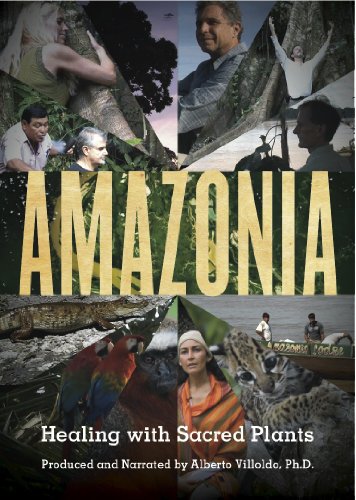
Amazonia: Healing With Sacred Plants (Documentary)


The narrator of this documentary, the psychologist and anthropologist Alberto Villoldo, is the author of many books related to shamanism, including Healing States: A Journey Into the World of Spiritual Healing and Shamanism (1987, with Stanley Krippner, Ph.D.), Shaman, Healer, Sage: How to Heal Yourself and Others with the Energy Medicine of the Americas (2000), and Illumination: The Shaman's Way of Healing (2011).

Villoldo combines the neuroscience of entheogens such as ayahuasca with a deep belief in the spiritual realms revealed by the plant. What we get, then, is another form of neurotheology.

Amazonia: Healing With Sacred Plants

Amazonia: Healing With Sacred Plants
Alberto Villoldo, psychologist, anthropologist and bestselling author, has studied the shamanic healing practices of the Amazon for over 25 years.

In this beautifully filmed documentary he reveals secrets of the jungle’s sacred plants and the healers who administer them, deep in the Amazon rainforest.

Amazonia chronicles the work of the master shamans of Peru’s Madre de Dios River in the Amazon watershed. Dr. Villoldo explains the process and theory of the powerful brew made by the shamans known as Ayahuasca – the vine of the souls.

Shot completely in High Definition by director Miguel Heded Abraham, the power and beauty of the virgin jungle transports the viewer into Amazonia and shares the wisdom of its healers

Watch the full documentary now – 68 min

Thursday, April 18, 2013

Medicinal Uses for Psychedelic Drugs (UTNE Reader)

The current issue of the UTNE Reader has an article about the ressurgence of entheogens (psychedelic drugs) in the treatment of mental illness and other issues, such as fear of death in terminal cancer patients. It's a balanced and non-sensationalistic overview.

One of the more promising research (to me) is in the use of MDMA (ecstasy) in the treatment of PTSD - the work done by MAPS has shown significant benefit.

Medicinal Uses for Psychedelic Drugs


May/June 2013
By Don Lattin, from Spirituality & Health

Photo By Bruno Borges

You get out of your body and look back and see what is wrong with you. I saw the shell of the person I didn’t want to be and stepped out of it.

Ric Godfrey had the shakes. At night, his body temperature would drop and he’d start to tremble. During the day, he was jumpy. He was always looking around, always on edge. His vibe scared the people around him. He couldn’t hang on to a job.

He started drinking and drugging, anything to numb out.

Years passed before a Department of Veterans Affairs counselor told him he had severe post-traumatic stress disorder, or PTSD. The former Marine had spent the early 1990s interrogating prisoners in Kuwait. Years later, he was still playing out the Persian Gulf War.

Counseling helped a little, but the symptoms continued. He went to rehab for his substance abuse, then tried Alcoholics Anonymous. “That went on for 10 years,” he said. “I don’t know how many times I hit rock bottom.”

Then one of his Seattle neighbors—a woman who also suffered from PTSD—told him about a group of veterans who were going down to Peru to try a psychedelic drug called ayahuasca, a jungle vine that is brewed into a tea. Indigenous Peruvians called it “sacred medicine.” A wealthy veteran had started a healing center in South America and would pay all his expenses.

The next thing Ric knew, he was crawling into a tent on a platform out in the middle of the Amazon jungle. The sun went down. The shaman gave him the tea, a blessing, and a pail in which to vomit.

“Your body will not keep it in you,” Ric recalled. “At first, it’s the worst thing you’ve ever done in your life. Then all of a sudden you blink your eyes and you are not there anymore. You get out of your body and look back and see what is wrong with you. I saw the shell of the person I didn’t want to be and stepped out of it. It was the most amazing thing. I’ve taken lots of drugs before, but I never remembered. I think this is the key. You actually gain knowledge from this. I don’t even consider it a drug. It’s an eye-opener. It makes you think about stuff. Your deepest, darkest secrets, stuff you have been holding on to since you were eight years old—it washes out of you, and you feel like a totally different person. People look at you differently. Your whole world changes before your eyes.”

Three years later, Ric Godfrey says he hasn’t had a single symptom of the shakes or night terror since he came back from the jungle. He’s relaxed and holding down a great job.

“I’ve always been afraid that someone was out to get me, but I don’t have that fear anymore,” he says. “I still like to sit with my back to the wall. I still have certain military idiosyncrasies, but I’m not afraid anymore.”

Psychedelic drugs are back. Not that they ever really went away. You could always find them on the street, in the psychedelic underground, and along the more enlightened edges of the drug culture. What’s new is that these powerful mind-altering substances are coming out of the drug counterculture and back into the mainstream laboratories of some of the world’s leading universities and medical centers. Research projects and pilot studies at Johns Hopkins, Harvard, Purdue University, and the University of California, Los Angeles, are probing their mind-altering mysteries and healing powers. Psychedelic drugs like psilocybin and Ecstasy are still illegal for street use and cannot be legally prescribed by doctors, but university administrators, government regulatory agencies, and private donors are once again giving the stamp of approval—and the money needed—for research into beneficial uses for this “sacred medicine.”

“This field of research is finally coming of age,” said David Nichols, a veteran researcher and recently retired professor from the Purdue University College of Pharmacy and the Indiana University School of Medicine. “As Crosby, Stills, and Nash said, it’s been a long time coming.”

Leading the campaign in the new wave of government-sanctioned research is the Multidisciplinary Association for Psychedelic Studies (MAPS), an independent nonprofit that has raised millions of dollars to fund an ongoing study into the use of MDMA, also known as Ecstasy, to treat returning war veterans and rape survivors suffering from PTSD.

In the first phase of that study, MAPS researcher Michael Mithoefer, a psychiatrist from South Carolina, treated 21 patients. Some participants were given MDMA with psychotherapy, while some got a placebo along with their therapy. Researchers hoped to show that MDMA’s ability to enhance trust, empathy, and openness would make it easier for patients to recount a traumatic event. It did. Over 80 percent of those who received MDMA had no PTSD symptoms two months later, compared with around 25 percent of those who got the placebo. Patients with MDMA-assisted therapy did better than those treated with traditional prescription drugs, such as Zoloft or Paxil.

In November 2012, Mithoefer and his colleagues released more results in a paper published in the Journal of Psychopharmacology. It showed that the benefits of MDMA-assisted psychotherapy were sustained over an average of three and a half years from the time the drug had been last ingested, an exceptionally lengthy period for a follow-up study. Furthermore, there were no reports of lasting harmful effects from exposure to the drug.

Rick Doblin, the executive director of MAPS, envisions his organization as a self-supporting nonprofit that will train therapists, run its own clinics, and distribute Ecstasy to doctors and psychologists.

MAPS now controls 960 grams of Ecstasy that was legally manufactured in 1985 by Nichols, the Purdue University chemist. That’s enough for between 4,000 and 5,000 doses, and it has not lost its potency. “It’s still the world’s purest MDMA,” Doblin said.

The use of psychedelic drugs for therapeutic purposes is not without controversy, however. In the 1950s, writer Aldous Huxley warned that psychedelics can take users to “heaven or hell”—for some, a path to enlightenment; for others, the spark for psychosis.

Huston Smith, a scholar of world religions who was another early explorer, noted the drugs can mimic “authentic religious experience” but questioned whether altered states of consciousness actually change the way people live their lives.

Smith also issued early warnings that today’s “ayahuasca tourists” might consider. While “sacred medicine” may be helpful for someone who was raised in a Native American religious culture, it may prove disastrous for an outsider unprepared for a mind-blowing trip. “History shows that minority faiths are viable, but only when they are cradled in communities that are solid and structured enough to constitute what are in effect churches,” Huston writes in an essay titled “Psychedelic Theophanies and the Religious Life.” More recently, the dangers of using psychedelics without medical supervision were illustrated when a man died after ingesting ayahuasca at the same Peruvian retreat center where Ric Godfrey had his life-changing experience.

Doblin and other advocates of psychedelic-assisted therapy acknowledge that these powerful substances—while not as addictive as drugs like alcohol, heroin, or cocaine—can be abused by recreational users. They propose a system in which they can be prescribed by doctors and administered by trained therapists.

Nevertheless, researchers and advocates contend that psychedelic drugs, used under close supervision, hold great promise for a deeper understanding of the connection between the brain and human consciousness.

“Where does our capacity for consciousness come from?” asked David Presti, who teaches graduate and undergraduate courses in neuroscience at the University of California, Berkeley. “It’s still a huge mystery. It’s the biggest mystery of all in science, and psychedelics are the most powerful probe to study that connection.”

In an interview in his office in the Life Sciences Building on the Berkeley campus, Presti held up a large piece of dried ayahuasca vine. He said brain scientists are confirming what shamanic cultures around the world have known for millennia. “These substances have a profound capacity when used under appropriate conditions to be catalysts for real transformation in people, for real healing.”

A Johns Hopkins study of psilocybin and mystical experience is a good example. Follow-up surveys of 36 “hallucinogen-naive adults” who took psilocybin under the supervision of Roland Griffiths, a professor in the departments of psychiatry and neuroscience at Johns Hopkins, found that two-thirds of them rated the sessions as being “among the five most spiritually significant experiences of their lives.”

Griffiths’ work on the behavioral and subjective effects of mood-altering drugs has been largely supported by grants from the National Institutes of Health. Along with Charles Grob, a professor of psychiatry and pediatrics at UCLA, he has studied the effects of psilocybin to treat anxiety in cancer patients—their research found that low doses of psilocybin improved the patients’ mood and reduced their need for narcotic pain relievers. Another Johns Hopkins researcher, Matthew Johnson, has begun a new pilot study to see if the active ingredient in psilocybin mushrooms, commonly called “magic mushrooms,” can help people overcome their addiction to tobacco.

Griffiths’ personal interest in meditation inspired his study of psilocybin-occasioned mystical experience in healthy volunteers. One research subject, Brian, who asked that his last name not be used, recalled, “I was unified with everything. I still had enough awareness to get up and walk to the bathroom, but everything was so incredibly beautiful that I laughed and cried at the same time. I was one with it. It was just incredible—one of the top five experiences I have ever had in my life.”

The experience was so spiritually profound that Brian recommitted himself to his study of meditation and Buddhism and in late 2012 was scheduled to be ordained as a monk in the Soto Zen tradition.

For Presti, outcomes like Brian’s are not surprising.

“One of the ways psychedelics work is by reducing our psychological defenses. They allow the person to become aware of uncomfortable feelings and thoughts so they can come to the surface and be therapeutically processed,” he said. “Nobody knows exactly how these things work, but there may be some kind of hard rewiring that goes on in the brain. They may increase neuroplasticity—make the neurons more susceptible to forming new connections.”

He believes the substances should also be studied as a possible treatment for depression.

“But there is a lot of resistance to this from the pharmaceutical industry. The last thing it wants to see is a substance people only use once or twice. They want us to use something every day for the rest of our life. That’s how they make money.”

Other researchers are troubled that the new wave of psychedelic research is blurring the lines between spiritual experience and the hard science of medicine.

“We are not purveyors of spirituality. Having an epiphany is not a part of medicine,” said John Mendelson, a senior scientist at the California Pacific Medical Research Center in San Francisco. “Most of medicine is not predicated on making you better than you are. It’s getting you back to where you were. There are lots of people and things out there can make us feel better, but our job is to diagnose and treat and fix diseases.”

That view is no longer going unchallenged.

A new generation of dedicated psychedelic drug researchers has emerged on university campuses across the nation. Many of them gathered last September at a “Psychedemia” conference at the University of Pennsylvania in Philadelphia. They see their mission as “integrating psychedelics into academia.”

“Psychedelic studies are entering the mainstream,” said Neşe Devenot, a young graduate student at Penn and a lead organizer of the multidisciplinary conference. “You can talk about this now at the dinner table without coming across as some kind of fanatic.”

During a lunch break at the weekend conference, one of the wise elders in the field of psychedelic drug research, Johns Hopkins psychologist William A. Richards, sat in the cafeteria in the basement of Houston Hall, surveying the buzz of intergenerational excitement. Richards has been exploring these realms since the early 1960s with such luminaries as Stanislav Grof, Abraham Maslow, Walter Pahnke, and, yes, Timothy Leary.

Richards knows there could be another backlash against psychedelic drug research, not just by those who are still fighting the “war on drugs” but also by academics who resist the idea that scholars should seriously study something as slippery as spirituality.

“But if mysticism is to emerge from silent monastic cells into the bright light of scientific discourse, I see no alternative,” Richards says. “We have arrived at that frontier where the growing edge of true science meets the mystery of the unknown. Here faith takes over, either belief in something or belief in nothing. These experiences are not in any drug. They are in us.”

Don Lattin’s latest book is a memoir titled Distilled Spirits: Getting High, Then Sober, With a Famous Writer, a Forgotten Philosopher, and a Hopeless Drunk. Reprinted from Spirituality & Health, (January/February 2013), a bimonthly magazine that reports on the current spiritual renaissance.