Showing posts with label neuropsychology. Show all posts

Wednesday, August 20, 2014

Situated Affective and Social Neuroscience (Topic Overview)


This editorial from Frontiers in Human Neuroscience is part of (and introduction to) a special topic on Interactions between emotions and social context: Basic, clinical and non-human evidence.

The whole article is presented below, along with the 22 articles in the topic - all of which have their DOIs so that they can be easily accessed.

Situated affective and social neuroscience


Agustin Ibanez [1,2,3,4,5] Sonja A. Kotz [6,7] Louise Barrett [8] Jorge Moll [9] and Maria Ruz [10]
1. Laboratory of Experimental Psychology and Neuroscience, Institute of Cognitive Neurology (INECO), Favaloro University, Buenos Aires, Argentina
2. National Scientific and Technical Research Council (CONICET), Buenos Aires, Argentina
3. UDP-INECO Foundation Core on Neuroscience, Diego Portales University, Santiago, Chile
4. Universidad Autónoma del Caribe, Barranquilla, Colombia
5. Centre of Excellence in Cognition and its Disorders, Australian Research Council (ACR), Sydney, NSW, Australia
6. Cognitive Neuroscience and Experimental Psychology Section, School of Psychological Sciences, University of Manchester, Manchester, UK
7. Department of Neuropsychology, Max Planck Institute of Human Cognitive and Brain Sciences, Leipzig, Germany
8. Department of Psychology, University of Lethbridge, Lethbridge, AB, Canada
9. Cognitive and Behavioral Neuroscience Unit, D'Or Institute for Research and Education, Rio de Janeiro, Brazil
10. Department of Experimental Psychology, Brain, Mind and Behavior Research Center, University of Granada, Granada, Spain

This Research Topic features several papers tapping the situated nature of emotion and social cognition processes. The volume covers a broad scope of methodologies [behavioral assessment, functional magnetic resonance imaging (fMRI), structural neuroimaging, event-related potentials (ERPs), brain connectivity, and peripheral measures], populations (non-human animals, neurotypical participants, developmental studies, and neuropsychiatric and pathological conditions), and article types (original research, review papers, and opinion articles). Through this wide-ranging proposal, we introduce a fresh approach to the study of contextual effects in emotion and social cognition domains.

We report four levels of evidence. First, we present studies examining how cognitive and neural functions are influenced by basic affective processes (interoception, motivation and reward, emotional impulsiveness, and appraisal of violent stimuli). A second set of behavioral and neuroscientific studies addresses how performance is modulated by different emotional variables (categorical and dimensional approaches to emotion, language-as-context for emotion, emotional suppression of the attentional blink, and reappraisal effects on the up-regulation of emotions). The studies in our third selection deal with different influences in social cognition (SC) domains (human and non-human comparative studies, long-term effects of social and physical stress, developmental theory of mind, neural bases of passionate love for others, social decision making in normal and psychopathic participants, and frontal lobe contributions to psychosocial adaptation models). Finally, the fourth set of papers investigates the blending of social and emotion-related processes (valence and social salience in amygdala networks, emotional contributions to identification of genuine and faked social expressions, emotional predispositions and social decision making bias, valence of fairness and social decisions, structural neuroimaging of emotional and social impairments in neurodegenerative diseases, and subjective reactivity to emotional stimuli and their association with moral cognition). A brief summary of all these studies is offered in the following sections.

Basic Affective Modulation

Body signals, especially of the interoceptive cardiac type, have been recently claimed to modulate emotion and decision-making processes. Leone et al. (2012) used chess decisions to analyze heart rate (HR) modulations in specific cognitive events. HR signals predicted the conception of a plan and the likelihood to blunder by fluctuations (e.g., performing random errors or bad moves). Such signals also reflected reactions, such as a blunder made by the opponent or fluctuations after a move. These data suggest that body signals are rich enough to reveal relevant episodes of inner decisions.

In another study, the affective motivational dimension of behavioral inhibition was assessed through the manipulation of reward magnitudes during a classical inhibitory task (Herrera et al., 2014). The effect of reward magnitude and context on behavioral inhibition in humans showed that dynamical behavioral inhibition depends on contextual parameters (reward magnitude modulation and initial reward history).

Torres et al. (2013) tested whether emotional and non-emotional dimensions of impulsiveness were differentially predictive of decision-making and addictive behavior in cocaine-dependent individuals (CDIs), pathological gamblers (PGs), and healthy controls. They used several instruments, including a Go/No-go paradigm assessed with ERPs and a delay-discounting task. Among the dimensions of trait impulsiveness, negative urgency was unique at independently covarying with gambling in PGs. Relative to these subjects, CDIs performed more poorly and showed ERP abnormalities. The effects of impulsiveness in negative emotion processing played a key role in decision-making and addiction.

Using fMRI, Porges and Decety (2013) evaluated the appraisal of violent stimuli and their relation with self-report measures of pleasure/displeasure. Participants watched video-clips depicting Mixed Martial Arts (MMA). Capoeira videos were used as a baseline. Pleasurable ratings of MMA predicted increased functional connectivity (FC) seeded in the nucleus accumbens, anterior cingulate cortex (ACC), and anterior insular cortex (AIC). These structures are related with positive/negative outcomes as well as feelings and somatic representations. Instead, displeasure ratings of MMA were related to increased FC among regions of the prefrontal cortex and superior parietal lobule (areas involved in cognitive control and executive attention). The results suggest that FC indexed the relationship between subjective feelings and anticipation of positive and negative outcomes.

Emotional Appraisal

Matsuda et al. (2013) tested the hypothesis that separate neural loci might intrinsically encode categorical and dimensional facial emotion perception. Participants were scanned with fMRI while they passively viewed emotional faces and performed unrelated tasks. Activity in the right fusiform face area (FFA) was dependent on the categorical ambiguity of facial expressions. The amygdala, insula, and medial prefrontal cortex evidenced dimensional (linear) processing, which correlated with physical changes in expressions. The results suggest that distinct neural loci process the physical and psychological aspects of facial emotion perception in a region-specific and implicit manner.

Herbert et al. (2013) used words as contextual cues for emotion processing in two ERP experiments. They focused on self- vs. sender-related emotional pronoun-noun pairs (e.g., my fear vs. his fear) as cues for emotional face processing. Participants performed automatic (Experiment 1) and intentional (Experiment 2) affect labeling tasks. ERP patterns varied as a function of the label's reference (self vs. sender) and the intentionality of the labeling task (Experiment 1 vs. Experiment 2). Emotion decoding from facial expressions was not fully determined by sensory facial information, but proved sensitive to contextual factors and the perceiver's experience. These findings support a differentiated view of language-as-context for emotion processing.

The study conducted by Kanske et al. (2013) evaluated whether the attentional blink effect in rapid serial visual presentations is modulated by the emotionality of the stimuli (emotional and neutral images depicting social scenes as target). To this end, the authors used ERP recordings and offline self-reports of empathy. The results revealed enhanced performance for emotional stimuli and increased P3 amplitudes, which correlated with individual differences in empathy. These data suggest that empathy is associated with enhanced emotional processing in social contexts, even during unconscious target detection.

Peng et al. (2013) examined description-based reappraisal effects on the up-regulation of positive emotions. They measured ERP fluctuations as Chinese participants viewed erotic and neutral images shown after either a neutral or positive description. Further data was obtained through self-reported ratings. The results demonstrate that description-based reappraisal significantly modulated the emotional experience and ERP responses to erotic as well as neutral images.

Social Cognition

The review by Van Den Bos et al. (2013) considers animal and human studies tapping the influence of social context on decision-making. From a causal and functional perspective, the authors advance methodological considerations to improve the experimental assessment of social factors in decision-making.

In a study with rats, Chaby et al. (2013) investigated how exposure to social and physical stress during adolescence affects adult decision-making, coping response, cognitive bias, and exploratory behavior. Compared to control animals, rats exposed to chronic unpredictable stress (e.g., isolation, crowding, cage tilt) evinced long-term behavioral and cognitive changes, including negative cognitive bias, altered coping response, and accelerated decision-making. The results showed that stress during adolescence has a long-term impact on behavior and cognition. The most salient effects concern ambiguous stimulus interpretation, behavioral response to adverse events, and decision-making strategies.

Calero et al. (2013) propose a novel approach to quantifying the scaling property of theory of mind (ToM). Focusing on children between 6- and 8-years-old, they consider a scaling complexity of skills and their modulation by varied factors, such as gender, number of siblings, and personality traits.

The meta-analysis by Juan et al. (2013) considers a decade worth of fMRI studies to identify differential brain areas and cortical networks involved in (i) passionate love for others and (ii) understanding the intention of others' actions. Thus, this approach goes beyond classical experimental studies regarding individuals as strictly isolated entities. Both overlapping and distinct cortical and subcortical regions were identified for intention and love, respectively. By targeting these brain regions in future research, scientists and clinicians could promote breakthroughs in the neuroscience of pair-bonding.

Radke et al. (2013) investigated fairness considerations in psychopathic and non-psychopathic offenders as well as healthy controls. In a modified Ultimatum Game (UG) involving opposing intentionality constraints (intentional vs. unintentional), unfair offers were paired with different unselected alternatives, thereby establishing the context of a proposal. Psychopathic offenders resembled healthy controls in their rejection pattern—i.e., they took the unselected alternative into account. In contrast, non-psychopathic delinquents failed to adjust their decisions to an offer's alternatives, suggesting stronger impairments in social decision-making. Crucially, the mechanisms and processes underlying rejection decisions might differ in both groups, particularly in terms of cognitive vs. emotional competencies.

In an ERP experiment, Moser et al. (2014) investigated the levels of processing at which positive and negative descriptions of other people bias social decision-making. Participants played a game in which they had to accept or reject economic offers. Other variables manipulated were the fairness of the assets' distribution, the offers' advantageousness, and the game context's uncertainty. Negative description of the interaction partner enhanced medial frontal negativity (MFN) in an additive manner with fairness evaluations. The description of the partner interacted with personal benefit considerations, showing that this positive or negative information biased the evaluation of offers only when they did not favor the participant. P300 amplitudes were enhanced by advantageous offers, suggesting their heightened motivational significance at later stages of processing. In all phases of the study, processing of the offer was increased in the certain, as compared to the uncertain, contexts. These results provide new evidence that decision-making is influenced by interpersonal information and considerations of one's own interests relative to those of others.

Finally, Huepe and Salas (2013) set forth a new conceptualization of the prefrontal cortex for psychosocial adaptation. Their review of the evidence suggests that cognitive functions related to this lobule include fluid intelligence (FI), SC, and perspective changing abilities (PCA). These domains are crucial in adapting to social contexts and solving problems in new situations. Moreover, they appear to depend on contextual keys, thus requiring flexibility—yet another function associated with the frontal lobe. The model proposed integrates these components (FI, SC, and PCA) as indicators of psychosocial adaptation in contexts of social vulnerability or impoverished social/cultural conditions.

Contextual Blending of Social and Emotion-Related Processes

Vrtička et al. (2013) assessed whether the human amygdala preferentially responds to both emotionally and socially significant information, and whether these factors might display interactive encoding properties. Through an fMRI study, they demonstrated that amygdala activation is (1) greater for neutral social vs. non-social information, (2) similar for positive and negative social images, and (3) sensitive to a valence effect (negative vs. positive) for non-social images. The valence × social content interaction was also found in the right fusiform gyrus, right anterior superior temporal gyrus, and medial orbitofrontal cortex. Overall, these findings suggest that valence and social contents possess distinct kinds of relevance that interact within the human amygdala and throughout a more extensive cortical network.

The ability to discriminate between felt and faked expressions is a crucial social skill. Manera et al. (2013) investigated whether individual differences in smile authenticity recognition are explained by distinct predispositions to experience other people's emotions (susceptibility to emotional contagion). Susceptibility to emotional contagion for negative emotions increased smile authenticity detection. Instead, susceptibility to emotional contagion for positive emotions worsened detection performance, because it led to categorize most faked smiles as sincere. It follows that susceptibility to emotional contagion plays a key role in complex social emotions.

The study by Klapwijk (2013) examined the effects of three different emotional responses (anger, disappointment, and happiness) on social decision-making in adolescents. In a version of the Dictator Game, unfair offers by the participants received emotional responses from peers. Relative to angry and happy reactions, expressions of disappointment prompted more generous offers. Older adolescents were better than younger adolescents at differentiating among the three emotions. In addition, individual differences in social value orientation played a role in decisions after happy reactions to unfair offers. Thus, adolescents take into account the emotions of their peers when making social decisions and are affected by social value orientation and age.

Couto et al. (2013) report selective behavioral impairments of face recognition, emotion recognition, and ToM in patients with behavioral variant frontotemporal dementia (bvFTD) and progressive non-fluent aphasia (PNFA). Voxel-based morphometry revealed fronto-temporo-insular atrophy in both patient groups. SC deficits were differentially associated to fronto-insular-temporal atrophy in bvFTD and PNFA, respectively. While SC impairments were similar in both groups, they seem to reflect intrinsic ToM affectation in bvFTD and more basic deficits (face and emotion recognition) in PNFA.

Carmona-Perera et al. (2013) examined subjective reactivity to emotional stimuli and its possible association with moral decision-making. Healthy adult participants responded to a set of moral and non-moral dilemmas. The researchers focused on emotional experience in valence, arousal, and dominance dimensions in response to different types of pictures (neutral, pleasant, unpleasant non-moral, and unpleasant moral). Significant correlations emerged between less unpleasantness to negative stimuli, more pleasantness to positive stimuli, and a higher proportion of utilitarian choices. Also, a positive association was found between higher arousal ratings to negative moral laden pictures and more utilitarian choices. Low dominance was associated with greater perceived difficulty over moral judgment. These results evidenced a contextual role of emotional experience in moral choice.

Conclusions

Despite the diversity of their topics, research questions, and methodologies, most of these studies highlight the contextual situatedness of emotional and social cognition processes (Garrido-Vasquez et al., 2011; Ruz and Tudela, 2011; Ibanez and Manes, 2012; Melloni et al., 2014). Moreover, they provide new evidence for the interaction among low and high-level cognition, emotion, and social domains (Moll and Schulkin, 2009; Pessoa, 2009; Alguacil et al., 2013; Ibanez et al., 2013, 2014; Ruz et al., 2013; Baez et al., 2014b). In the same vein, part of the evidence presented shows that our emotional arousal biases our decisions in the social world (Beauregard, 2007; Heatherton, 2011). More generally, this Research Topic indicates that a brain network approach to social and emotional processes (Moll et al., 2005, 2008; Kennedy and Adolphs, 2012; Baez et al., 2014a) seems more adequate than simple approximations ascribing such complex domains to a single region. This integrated approach to embedded emotional and social processes provides exciting new avenues into the growing field of social neuroscience.

Conflict of Interest Statement

The authors declare that the research was conducted in the absence of any commercial or financial relationships that could be construed as a potential conflict of interest.

Acknowledgments

Agustin Ibanez is supported by CONICET, CONICYT/FONDECYT Regular (1130920 and 1140114), FONCyT-PICT 2012-0412/2012-1309, and INECO Foundation. Maria Ruz is supported by the Spanish Ministry of Science and Innovation, “Ramón y Cajal” fellowship (RYC-2008-03008) and grant PSI2013-45567-P. Jorge Moll is supported by intramural grants, D'Or Institute for Research and Education, and FAPERJ (Rio de Janeiro State Foundation for Research). Sonja A. Kotz is supported by Canadian Institutes of Health Research (CIHR: 62867) and German Science Foundation (KO-2268/6-1).

References available at the Frontiers site.
* * * * *
 There are 22 articles in this series so far.
Original Research Article, Published on 08 Oct 2012
The tell-tale heart: heart rate fluctuations index objective and subjective events during a game of chess
María J. Leone, Agustín Petroni, Diego Fernandez Slezak and Mariano Sigman
doi: 10.3389/fnhum.2012.00273

Original Research Article, Published on 18 Mar 2013
Susceptibility to emotional contagion for negative emotions improves detection of smile authenticity
Valeria Manera, Elisa Grandi and Livia Colle
doi: 10.3389/fnhum.2013.00006

Original Research Article, Published on 10 Jan 2013
Description-based reappraisal regulate the emotion induced by erotic and neutral images in a Chinese population
Jiaxin Peng, Chen Qu, Ruolei Gu and Yue-Jia Luo
doi: 10.3389/fnhum.2012.00355

Original Research Article, Published on 18 Jan 2013
Lateralized interactive social content and valence processing within the human amygdala
Pascal Vrtička, David Sander and Patrik Vuilleumier
doi: 10.3389/fnhum.2012.00358

Original Research Article, Published on 21 Feb 2013
Emotional and non-emotional pathways to impulsive behavior and addiction
Ana Torres, Andrés Catena, Alberto Megías, Antonio Maldonado, Antonio Cándido, Antonio Verdejo-García and José C. Perales
doi: 10.3389/fnhum.2013.00043

Mini Review Article, Published on 27 Mar 2013
Beyond human intentions and emotions
Elsa Juan, Chris Frum, Francesco Bianchi-Demicheli, Yi-Wen Wang, James W. Lewis and Stephanie Cacioppo
doi: 10.3389/fnhum.2013.00099

Original Research Article, Published on 23 Jul 2013
Your emotion or mine: labeling feelings alters emotional face perception—an ERP study on automatic and intentional affect labeling
Cornelia Herbert, Anca Sfaerlea and Terry Blumenthal
doi: 10.3389/fnhum.2013.00378

Original Research Article, Published on 17 Jun 2013
Age and gender dependent development of Theory of Mind in 6- to 8-years old children
Cecilia Ines Calero, Alejo Salles, Mariano Semelman and Mariano Sigman
doi: 10.3389/fnhum.2013.00281

Review Article, Published on 26 Jun 2013
Social modulation of decision-making: a cross-species review
Ruud Van Den Bos, Jolle Jolles and Judith Homberg
doi: 10.3389/fnhum.2013.00301

Original Research Article, Published on 04 Jul 2013
Long-term changes in cognitive bias and coping response as a result of chronic unpredictable stress during adolescence
Lauren Chaby, Sonia Cavigelli, Amanda White, Kayllie Wang and Victoria Braithwaite
doi: 10.3389/fnhum.2013.00328

Original Research Article, Published on 13 Aug 2013
Violence as a source of pleasure or displeasure is associated with specific functional connectivity with the nucleus accumbens
Eric C Porges and Jean Decety
doi: 10.3389/fnhum.2013.00447

Opinion Article, Published on 18 Jun 2013
Fluid intelligence, social cognition, and perspective changing abilities as pointers of psychosocial adaptation
David Huepe and Natalia Salas
doi: 10.3389/fnhum.2013.00287

Original Research Article, Published on 26 Sep 2013
The implicit processing of categorical and dimensional strategies: an fMRI study of facial emotion perception
Yoshi-Taka Matsuda, Tomomi Fujimura, Kentaro Katahira, Masato Okada, Kenichi Ueno, Kang Cheng and Kazuo Okanoya
doi: 10.3389/fnhum.2013.00551

Original Research Article, Published on 26 Sep 2013
Valence of emotions and moral decision-making: increased pleasantness to pleasant images and decreased unpleasantness to unpleasant images are associated with utilitarian choices in healthy adults
Martina Carmona-Perera, Celia Marti, Miguel Pérez-García and Antonio Verdejo-García
doi: 10.3389/fnhum.2013.00626

Original Research Article, Published on 12 Nov 2013
Emotional reactions of peers influence decisions about fairness in adolescence
Eduard T. Klapwijk, Sabine Peters, Robert R. J. M. Vermeiren and Gert-Jan Lelieveld
doi: 10.3389/fnhum.2013.00745

Original Research Article, Published on 26 Jul 2013
Unfair offers, unfair offenders? Fairness considerations in incarcerated individuals with and without psychopathy
Sina Radke, Inti A. Brazil, Inge Scheper, Berend H. Bulten and Ellen R.A. De Bruijn
doi: 10.3389/fnhum.2013.00406

Original Research Article, Published on 16 Aug 2013
Structural neuroimaging of social cognition in progressive non-fluent aphasia and behavioral variant of frontotemporal dementia
Blas Couto, Facundo Manes, Patricia Montañes, Diana Matallana, Pablo Reyes, Marcela Velázquez, Adrián Yoris, Sandra Baez and Agustin Ibanez
doi: 10.3389/fnhum.2013.00467

Original Research Article, Published on 11 Oct 2013
Emotional modulation of the attentional blink and the relation to interpersonal reactivity
Philipp Kanske, Sandra Schönfelder and Michèle Wessa
doi: 10.3389/fnhum.2013.00641

Original Research Article, Published on 12 May 2014
Monetary rewards modulate inhibitory control
Paula Marcela Herrera, Mario Speranza, Adam Hampshire and Tristan A Bekinschtein
doi: 10.3389/fnhum.2014.00257

Original Research Article, Published on 06 Feb 2014
Social information and personal interests modulate neural activity during economic decision-making
Anna Moser, Celia Gaertig and Maria Ruz
doi: 10.3389/fnhum.2014.00031

General Commentary Article, Published on 13 Feb 2014
Erratum: Valence of emotions and moral decision-making: increased pleasantness to pleasant images and decreased unpleasantness to unpleasant images are associated with utilitarian choices in healthy adults
Martina Carmona-Perera, Celia Marti, Miguel Perez-Garcia and Antonio Verdejo-García
doi: 10.3389/fnhum.2014.00050

Editorial Article, Published on 28 Jul 2014
Situated affective and social neuroscience
Agustin Ibanez, Sonja A E Kotz, Louise Barrett, Jorge Moll and Maria Ruz
doi: 10.3389/fnhum.2014.00547

Saturday, June 14, 2014

2014 – The Year in Books (so far)

Halfway through the year, almost, and there have already been some seriously good books published that will appear on a lot of top-ten lists in December. Some of those books are below, but there also a lot of books below no one will have heard of about side of their respective fields, books from academic publishers or other sources not likely to be found at your local bookstores.

Below is a list of the books I have picked up this year (which is not likely to be very mainstream), and I am including the publisher's ad copy for their books. I would love to review each of these, but I seriously do not have that kind of time. Perhaps, if time allows, I will offer some individual reviews of a few of these books.

2014 – The Year in Books (so far)

Jeremy Rifkin – The Zero Marginal Cost Society: The Internet of Things, the Collaborative Commons, and the Eclipse of Capitalism

 
In The Zero Marginal Cost Society, New York Times bestselling author Jeremy Rifkin describes how the emerging Internet of Things is speeding us to an era of nearly free goods and services, precipitating the meteoric rise of a global Collaborative Commons and the eclipse of capitalism.

Rifkin uncovers a paradox at the heart of capitalism that has propelled it to greatness but is now taking it to its death—the inherent entrepreneurial dynamism of competitive markets that drives productivity up and marginal costs down, enabling businesses to reduce the price of their goods and services in order to win over consumers and market share. (Marginal cost is the cost of producing additional units of a good or service, if fixed costs are not counted.) While economists have always welcomed a reduction in marginal cost, they never anticipated the possibility of a technological revolution that might bring marginal costs to near zero, making goods and services priceless, nearly free, and abundant, and no longer subject to market forces.

Now, a formidable new technology infrastructure—the Internet of things (IoT)—is emerging with the potential of pushing large segments of economic life to near zero marginal cost in the years ahead. Rifkin describes how the Communication Internet is converging with a nascent Energy Internet and Logistics Internet to create a new technology platform that connects everything and everyone. Billions of sensors are being attached to natural resources, production lines, the electricity grid, logistics networks, recycling flows, and implanted in homes, offices, stores, vehicles, and even human beings, feeding Big Data into an IoT global neural network. Prosumers can connect to the network and use Big Data, analytics, and algorithms to accelerate efficiency, dramatically increase productivity, and lower the marginal cost of producing and sharing a wide range of products and services to near zero, just like they now do with information goods.

The plummeting of marginal costs is spawning a hybrid economy—part capitalist market and part Collaborative Commons—with far reaching implications for society, according to Rifkin. Hundreds of millions of people are already transferring parts of their economic lives to the global Collaborative Commons. Prosumers are plugging into the fledgling IoT and making and sharing their own information, entertainment, green energy, and 3D-printed products at near zero marginal cost. They are also sharing cars, homes, clothes and other items via social media sites, rentals, redistribution clubs, and cooperatives at low or near zero marginal cost. Students are enrolling in free massive open online courses (MOOCs) that operate at near zero marginal cost. Social entrepreneurs are even bypassing the banking establishment and using crowdfunding to finance startup businesses as well as creating alternative currencies in the fledgling sharing economy. In this new world, social capital is as important as financial capital, access trumps ownership, sustainability supersedes consumerism, cooperation ousts competition, and “exchange value” in the capitalist marketplace is increasingly replaced by “sharable value” on the Collaborative Commons.

Rifkin concludes that capitalism will remain with us, albeit in an increasingly streamlined role, primarily as an aggregator of network services and solutions, allowing it to flourish as a powerful niche player in the coming era. We are, however, says Rifkin, entering a world beyond markets where we are learning how to live together in an increasingly interdependent global Collaborative Commons.
Michio Kaku – The Future of the Mind: The Scientific Quest to Understand, Enhance, and Empower the Mind

 
The New York Times best-selling author of PHYSICS OF THE IMPOSSIBLE, PHYSICS OF THE FUTURE and HYPERSPACE tackles the most fascinating and complex object in the known universe: the human brain. 
For the first time in history, the secrets of the living brain are being revealed by a battery of high tech brain scans devised by physicists. Now what was once solely the province of science fiction has become a startling reality. Recording memories, telepathy, videotaping our dreams, mind control, avatars, and telekinesis are not only possible; they already exist.
 
THE FUTURE OF THE MIND gives us an authoritative and compelling look at the astonishing research being done in top laboratories around the world—all based on the latest advancements in neuroscience and physics.  One day we might have a "smart pill" that can enhance our cognition; be able to upload our brain to a computer, neuron for neuron; send thoughts and emotions around the world on a "brain-net"; control computers and robots with our mind; push the very limits of immortality; and perhaps even send our consciousness across the universe.
   
Dr. Kaku takes us on a grand tour of what the future might hold, giving us not only a solid sense of how the brain functions but also how these technologies will change our daily lives. He even presents a radically new way to think about "consciousness" and applies it to provide fresh insight into mental illness, artificial intelligence and alien consciousness.

With Dr. Kaku's deep understanding of modern science and keen eye for future developments, THE FUTURE OF THE MIND is a scientific tour de force--an extraordinary, mind-boggling exploration of the frontiers of neuroscience.
Peter Zachar – A Metaphysics of Psychopathology (Philosophical Psychopathology)

 
In psychiatry, few question the legitimacy of asking whether a given psychiatric disorder is real; similarly, in psychology, scholars debate the reality of such theoretical entities as general intelligence, superegos, and personality traits. And yet in both disciplines, little thought is given to what is meant by the rather abstract philosophical concept of "real." Indeed, certain psychiatric disorders have passed from real to imaginary (as in the case of multiple personality disorder) and from imaginary to real (as in the case of post-traumatic stress disorder). In this book, Peter Zachar considers such terms as "real" and "reality" -- invoked in psychiatry but often obscure and remote from their instances -- as abstract philosophical concepts. He then examines the implications of his approach for psychiatric classification and psychopathology. Proposing what he calls a scientifically inspired pragmatism, Zachar considers such topics as the essentialist bias, diagnostic literalism, and the concepts of natural kind and social construct. Turning explicitly to psychiatric topics, he proposes a new model for the domain of psychiatric disorders, the "imperfect community" model, which avoids both relativism and essentialism. He uses this model to understand such recent controversies as the attempt to eliminate narcissistic personality disorder from the DSM-5. Returning to such concepts as real, true, and objective, Zachar argues that not only should we use these metaphysical concepts to think philosophically about other concepts, we should think philosophically about them.
Stephen Finlay – Confusion of Tongues: A Theory of Normative Language (Oxford Moral Theory)

Can normative words like "good," "ought," and "reason" be defined in entirely non-normative terms? Confusion of Tongues argues that they can, advancing a new End-Relational theory of the meaning of this language as providing the best explanation of the many different ways it is ordinarily used. Philosophers widely maintain that analyzing normative language as describing facts about relations cannot account for special features of particularly moral and deliberative uses of normative language, but Stephen Finlay argues that the End-Relational theory systematically explains these on the basis of a single fundamental principle of conversational pragmatics. These challenges comprise the central problems of metaethics, including the connection between normative judgment and motivation, the categorical character of morality, the nature of intrinsic value, and the possibility of normative disagreement. Finlay's linguistic analysis has deep implications for the metaphysics, epistemology, and psychology of morality, as well as for the nature and possibility of normative ethical theory. Most significantly it supplies a nuanced answer to the ancient Euthyphro Question of whether we desire things because we judge them good, or vice versa. Normative speech and thought may ultimately be just a manifestation of our nature as intelligent animals motivated by contingent desires for various conflicting ends.
Howard Rachlin – The Escape of the Mind

http://pixhst.com/avaxhome/26/1c/002d1c26_medium.jpeg
The Escape of the Mind is part of a current movement in psychology and philosophy of mind that calls into question what is perhaps our most basic, most cherished, and universally accepted belief--that our minds are inside of our bodies. Howard Rachlin adopts the counterintuitive position that our minds, conscious and unconscious, lie not where our firmest (yet unsupported) introspections tell us they are, but in how we actually behave over the long run. Perhaps paradoxically, the book argues that our introspections, no matter how positive we are about them, tell us absolutely nothing about our minds. The name of the present version of this approach to the mind is "teleological behaviorism."

The approaches of teleological behaviorism will be useful in the science of individual behavior for developing methods of self-control and in the science of social behavior for developing social cooperation. Without in any way denigrating the many contributions of neuroscience to human welfare, The Escape of the Mind argues that neuroscience, like introspection, is not a royal road to the understanding of the mind. Where then should we look to explain a present act that is clearly caused by the mind? Teleological behaviorism says to look not in the spatial recesses of the nervous system (not to the mechanism underlying the act) but in the temporal recesses of past and future overt behavior (to the pattern of which the act is a part).
 
But scientific usefulness is not the only reason for adopting teleological behaviorism. The final two chapters on IBM's computer, Watson (how it deviates from humanity and how it would have to be altered to make it human), and on shaping a coherent self, provide a framework for a secular morality based on teleological behaviorism.
Robert J. Wicks – Perspective: The Calm Within the Storm

http://ecx.images-amazon.com/images/I/51fv2aYmOSL.jpg
For generations, classic wisdom literature has taught that a healthy perspective can replenish our thirst for a meaningful and rewarding life. From its inception clinical psychology has followed suit, revealing that how we see ourselves and the world is more important than what we see or have-in essence, that a healthy perspective is tantamount to possessing the psychological "pearl of great price."

Robert J. Wicks, world-renowned psychologist and author of Bounce: Living the Resilient Life, has written a powerful guide for discovering and regaining a balanced and healthy perspective. Combining classic wisdom with cutting-edge research in cognitive behavioral therapy and positive psychology, his new book, Perspective, offers concrete steps for overcoming doubt and resistance to openness, so that beneficial life changes become possible. Drawing on the psychology of mindfulness, gratitude, and happiness, Dr. Wicks also reveals how a healthy perspective makes us more aware of the beneficial things already present in our lives.

Perspective teaches us to see ourselves more completely and will inspire us to become the calm within the storm, better able to enjoy our experiences, maintain balance in our professional and personal lives, and reach out to others without being pulled down in the process.
Barbara Ehrenreich – Living with a Wild God: A Nonbeliever's Search for the Truth about Everything

From the New York Times bestselling author of Nickel and Dimed comes a brave, frank, and exquisitely written memoir that will change the way you see the world.

Barbara Ehrenreich is one of the most important thinkers of our time. Educated as a scientist, she is an author, journalist, activist, and advocate for social justice. In LIVING WITH A WILD GOD, she recounts her quest-beginning in childhood-to find "the Truth" about the universe and everything else: What's really going on? Why are we here? In middle age, she rediscovered the journal she had kept during her tumultuous adolescence, which records an event so strange, so cataclysmic, that she had never, in all the intervening years, written or spoken about it to anyone. It was the kind of event that people call a "mystical experience"-and, to a steadfast atheist and rationalist, nothing less than shattering.

In LIVING WITH A WILD GOD, Ehrenreich reconstructs her childhood mission, bringing an older woman's wry and erudite perspective to a young girl's impassioned obsession with the questions that, at one point or another, torment us all. The result is both deeply personal and cosmically sweeping-a searing memoir and a profound reflection on science, religion, and the human condition. With her signature combination of intellectual rigor and uninhibited imagination, Ehrenreich offers a true literary achievement-a work that has the power not only to entertain but amaze.
Nicholas Epley – Mindwise: How We Understand What Others Think, Believe, Feel, and Want

You are a mind reader, born with an extraordinary ability to understand what others think, feel, believe, want, and know. It’s a sixth sense you use every day, in every personal and professional relationship you have. At its best, this ability allows you to achieve the most important goal in almost any life: connecting, deeply and intimately and honestly, to other human beings. At its worst, it is a source of misunderstanding and unnecessary conflict, leading to damaged relationships and broken dreams.

How good are you at knowing the minds of others? How well can you guess what others think of you, know who really likes you, or tell when someone is lying? How well do you really understand the minds of those closest to you, from your spouse to your kids to your best friends? Do you really know what your coworkers, employees, competitors, or clients want?

In this illuminating exploration of one of the great mysteries of the human mind, University of Chicago psychologist Nicholas Epley introduces us to what scientists have learned about our ability to understand the most complicated puzzle on the planet—other people—and the surprising mistakes we so routinely make. Why are we sometimes blind to the minds of others, treating them like objects or animals? Why do we sometimes talk to our cars, or the stars, as if there is a mind that can hear us? Why do we so routinely believe that others think, feel, and want what we do when, in fact, they do not? And why do we believe we understand our spouses, family, and friends so much better than we actually do? Mindwise will not turn other people into open books, but it will give you the wisdom to revolutionize how you think about them—and yourself.
The following books are much less mainstream than any of those listed above. All of these books are edited and include a variety of authors presenting their own views on the topics. Most, if not all, are from Springer, and consequently are stupid expensive (which is when it's nice to get review copies).

Brain, Mind and Consciousness in the History of Neuroscience C.U.M. Smith • Harry Whitaker, Editors

This volume of essays examines the problem of mind, looking at how the problem has appeared to neuroscientists (in the widest sense) from classical antiquity through to contemporary times. Beginning with a look at ventricular neuropsychology in antiquity, this book goes on to look at Spinozan ideas on the links between mind and body, Thomas Willis and the foundation of Neurology, Hooke’s mechanical model of the mind and Joseph Priestley’s approach to the mind-body problem.

The volume offers a chapter on the 19th century Ottoman perspective on western thinking. Further chapters trace the work of nineteenth century scholars including George Henry Lewes, Herbert Spencer and Emil du Bois-Reymond. The book covers significant work from the twentieth century, including an examination of Alfred North Whitehead and the history of consciousness, and particular attention is given to the development of quantum consciousness. Chapters on slavery and the self and the development of an understanding of Dualism bring this examination up to date on the latest 21st century work in the field.

At the heart of this book is the matter of how we define the problem of consciousness itself: has there been any progress in our understanding of the working of mind and brain? This work at the interface between science and the humanities will appeal to experts from across many fields who wish to develop their understanding of the problem of consciousness, including scholars of Neuroscience, Behavioural Science and the History of Science.
Ecopsychology, Phenomenology, and the Environment: The Experience of Nature – Douglas A. Vakoch, Fernando Castrillón, Editors

This book seeks to confront an apparent contradiction: that while we are constantly attending to environmental issues, we seem to be woefully out of touch with nature. The goal of Ecopsychology, Phenomenology and the Environment is to foster an enhanced awareness of nature that can lead us to new ways of relating to the environment, ultimately yielding more sustainable patterns of living. This volume is different from other books in the rapidly growing field of ecopsychology in its emphasis on phenomenological approaches, building on the work of phenomenological psychologists such as Maurice Merleau-Ponty. This focus on phenomenological methodologies for articulating our direct experience of nature serves as a critical complement to the usual methodologies of environmental and conservation psychologists, who have emphasized quantitative research. Moreover, Ecopsychology, Phenomenology and the Environment is distinctive insofar as chapters by phenomenologically-sophisticated ecopsychologists are complemented by chapters written by phenomenological researchers of environmental issues with backgrounds in philosophy and geology, providing a breadth and depth of perspective not found in other works written exclusively by psychologists.
The Wiley-Blackwell Handbook of Psychoneuroimmunology – Alexander W. Kusnecov and Hymie Anisman, Editors

The term psychoneuroimmunology was originally coined to acknowledge the existence of functional interactions between the brain, the immune system and the endocrine system. As our understanding deepens of the interplay between the brain and the way bodies function, the field continues to grow in importance. This comprehensive handbook is an authoritative source of information on the history, methodology and development of research into psychoneuroimmunology. 

The interdisciplinary nature of the contributions reflects the fact that the subject is a multifaceted field of research integrating the traditionally separate subjects of biological and behavioral science. Psychoneuroimmunology attains a realistic appreciation of the interplay between different biological systems as they collectively maintain health and combat environmental challenges to health. Background material is balanced by a detailed assessment of emerging topics in psychoneuroimmunological research that focuses on the clinical and practical implications of findings from empirical studies on both humans and animals. While specialist readers will appreciate the coverage of progress made in psychoneuroimmunology, newcomers will gain much from its informed and accessible introduction to the field, as well as its exploration of a variety of methodological approaches.
New Frontiers in Social Neuroscience (Research and Perspectives in Neurosciences) – Jean Decety and Yves Christen, Editors

Traditionally, neuroscience has considered the nervous system as an isolated entity and largely ignored influences of the social environments in which humans and many animal species live. In fact, we now recognize the considerable impact of social structures on the operations of the brain and body. These social factors operate on the individual through a continuous interplay of neural, neuroendocrine, metabolic and immune factors on brain and body, in which the brain is the central regulatory organ, and also a malleable target of these factors. Social neuroscience investigates the biological mechanisms that underlie social processes and behavior, widely considered one of the major problem areas for the neurosciences in the 21st century, and applies concepts and methods of biology to develop theories of social processes and behavior in the social and behavioral sciences. Social neuroscience capitalizes on biological concepts and methods to inform and refine theories of social behavior, and it uses social and behavioral constructs and data to advance theories of neural organization and function. This volume brings together scholars who work with animal and human models of social behavior to discuss the challenges and opportunities in this interdisciplinary academic field.
Handbook of Executive Functioning – Sam Goldstein and Jack A. Naglieri, Editors
Planning. Attention. Memory. Self-regulation. These and other core cognitive and behavioral operations of daily life comprise what we know as executive functioning (EF). But despite all we know, the concept has engendered multiple, often conflicting definitions and its components are sometimes loosely defined and poorly understood.

The Handbook of Executive Functioning cuts through the confusion, analyzing both the whole and its parts in comprehensive, practical detail for scholar and clinician alike. Background chapters examine influential models of EF, tour the brain geography of the executive system and pose salient developmental questions. A section on practical implications relates early deficits in executive functioning to ADD and other disorders in children and considers autism and later-life dementias from an EF standpoint. Further chapters weigh the merits of widely used instruments for assessing executive functioning and review interventions for its enhancement, with special emphasis on children and adolescents.

Featured in the Handbook:
  • The development of hot and cool executive function in childhood and adolescence.
  • A review of the use of executive function tasks in externalizing and internalizing disorders.
  • Executive functioning as a mediator of age-related cognitive decline in adults.
  • Treatment integrity in interventions that target executive function.
  • Supporting and strengthening working memory in the classroom to enhance executive functioning.
The Handbook of Executive Functioning is an essential resource for researchers, scientist-practitioners and graduate students in clinical child, school and educational psychology; child and adolescent psychiatry; neurobiology; developmental psychology; rehabilitation medicine/therapy and social work.
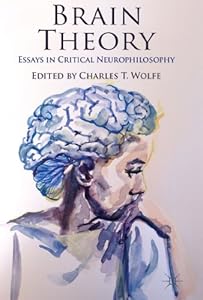
Brain Theory: Essays in Critical Neurophilosophy – Charles T. Wolfe, Editor

From its beginnings until the present day, neuroscience has always had a special relationship to philosophy. And philosophy has long puzzled over the relation between mind and brain (and by extension, the relation of cerebral processes to freedom, morals, and justice, but also to perception and art). This volume presents some of the state-of-the-art reflections on philosophical efforts to 'make sense' of neuroscience, as regards issues including neuroaesthetics, neuroethics and neurolaw, but also more critical, evaluative perspectives on topics such as the social neuroscience of race, neurofeminism, embodiment and collaboration, memory and pain, and more directly empirical topics such as neuroconstructivism and embodied robotics. Brain theory as presented here is neither mere commentary on the state of the sciences, nor armchair philosophical reflection on traditional topics. It is more pluralistic than current philosophy of neuroscience (or neurophenomenology), yet more directly engaged with empirical, indeed experimental matters than socio-cultural discussions of 'brainhood' or representations of the brain.
Late Modernity: Trajectories towards Morphogenic Society (Social Morphogenesis) – Margaret S. Archer, Editor

http://socialontology.eu/wp-content/uploads/2014/04/latemodernity.jpg 
This volume examines the reasons for intensified social change after 1980; a peaceful process of a magnitude that is historically unprecedented. It examines the kinds of novelty that have come about through morphogenesis and the elements of stability that remain because of morphostasis. It is argued that this pattern cannot be explained simply by ‘acceleration’. Instead, we must specify the generative mechanism(s) involved that underlie and unify ordinary people’s experiences of different disjunctions in their lives. The book discusses the umbrella concept of ‘social morphogenesis’ and the possibility of transition to a ‘Morphogenic Society’. It examines possible ‘generative mechanisms’ accounting for the effects of ‘social morphogenesis’ in transforming previous and much more stable practices. Finally, it seeks to answer the question of what is required in order to justify the claim that Morphogenic society can supersede modernity.

Wednesday, May 07, 2014

Rick Hanson - Brain Science and Psychotherapy: The Next Step


This talk from Rick Hanson is a little over an hour long, and it was given at the Psychotherapy Networker Symposium in Washington DC in March, 2014. Here is part of the brochure copy for his Keynote Address:
Rick Hanson—author, neuropsychologist, and therapist—will examine the practical tools that brain science has already given us and look ahead to the next stage of how to use neuroscience to enhance our clinical craft.

In this keynote, he’ll explore both sides of psychotherapy’s love affair with the brain, examining the clinical benefits and potential pitfalls of using neuroscientific concepts in the consulting room. He’ll survey the tools that brain science has already given us and look ahead to the next stage of how we might use it to enhance our clinical craft.
He was addressing a huge crowd of therapists, so his talk is aimed at professionals more than lay people, but he is so down-to-earth in his talks that any listener will benefit from his wisdom.

Brain Science and Psychotherapy: The Next Step

May 2nd, 2014 | Rick Hanson, PhD.

Last month at the Psychotherapy Networker Symposium in Washington DC, I gave a talk to ~ 3500 people: scary but wonderful! Brain Science and Psychotherapy: The Next Step – looked at the benefits and pitfalls of brain science, plus focused on a key point: if we don’t take the time to install our useful experiences, they’re wasted on the brain; they’re momentarily pleasant but lead to no learning, no healing, no growth. Then I summarized HOW to turn passing experiences into lasting value.

Listen here:

Monday, March 03, 2014

Rick Hanson - The Mind, the Brain, and God

In a great three-part series from his blog, Rick Hanson, PhD, author of Hardwiring Happiness: The New Brain Science of Contentment, Calm, and Confidence (2013), Just One Thing: Developing a Buddha Brain One Simple Practice at a Time (2011), and Buddha's Brain: The Practical Neuroscience of Happiness, Love, and Wisdom (2009), among other works, offers a clear and concise argument for why the debate about god's existence or non-existence is never going to be solved by neuroscience.

Hanson says:
I am not asserting that there is or is not God; nor am I asserting that, if God exists, he/she/it/none-of-the-above plays a role in mind, consciousness, or morality. I am asserting that attempts to draw inferences from neuropsychology about God’s existence or role in human affairs are usually a waste of time.
I could not be more in agreement.

More importantly, at least in my opinion, he also asserts the importance of a top-down model of mind and consciousness. Much of contemporary neuroscience works in a bottom-up model, which makes it much easier to dismiss consciousness as a by-product of brain activity (essentially discarding agency and free will).

A top-down model, which is also advocated for by Dr. Daniel Siegel, recognizes that the mind changes the brain:
[W]hen your mind changes, your brain changes. Temporary changes include the activation of different neural circuits or regions when you have different kinds of thoughts, feelings, moods, attention, or even sense of self. For example, the anterior (frontal) cingulate cortex gets relatively busy (thus consuming more oxygen) when people meditate; the caudate nucleus in the reward centers of the brain lights up when college students see a photo of their sweetheart; and stressful experiences trigger flows of cortisol into the brain, sensitizing the amygdala (the brain’s alarm bell). 
And this . . .
As Dan Siegel puts it, the mind uses the brain to make the mind. In a basic sense, it would be just as accurate to say that “the brain is just the mind writ in neural tissues.”
These are great posts and definitely worth your time to read.

RICK HANSON, Ph.D.
RICK HANSON, Ph.D.

Rick Hanson, Ph.D., is a neuropsychologist and New York Times best-selling author. His books include Hardwiring Happiness, Buddha's Brain, Just One Thing, and Mother Nurture. Founder of the Wellspring Institute for Neuroscience and Contemplative Wisdom, and on the Advisory Board of the Greater Good Science Center at UC Berkeley, he's been an invited speaker at Oxford, Stanford, and Harvard, and taught in meditation centers worldwide. He has several audio programs and his free Just One Thing newsletter has over 100,000 subscribers.

* * * * *

The Mind, the Brain, and God – Part I

posted on: February 7th, 2014

With all the research on mind/brain connections these days – Your brain in lust or love! While gambling or feeling envious! While meditating, praying, or having an out-of-body experience! – it’s natural to wonder about Big Questions about the relationships among the mind, the brain, and God.For instance, some people have taken the findings that some spiritual experiences have neural correlates to mean that the hand of God is at work in the brain. Others have interpreted the same research to mean that spiritual experiences are “just” neural, and thus evidence against the existence of God or other supernatural forces. These debates are updated versions of longstanding philosophical and religious wrestlings with how God and nature might or might not intertwine.What’s your own gut view, right now, as a kind of snapshot: Do you think that God is involved in some way in your thoughts and feelings? In your most intimate sense of being?In this essay, we’ll explore what mind, brain, and God could be, how they might interact, and what studies on the neuropsychology of spiritual experiences can – and cannot – tell us.

What the Words Mean
The more profound the subject, the murkier the discussion. There’s a lot of fog and illogic in books, articles, and blogs about the potential relationships among the mind, the brain, and God. In this territory, it’s particularly important to be clear about key terms – like mind, brain, and God.

So – by mind, I mean the information represented by the nervous system (which has its headquarters in the brain – the three pounds of tofu – like tissue between the ears). This information includes incoming signals about the oxygen saturation in the blood and outgoing instructions to the lungs to take a bigger breath, motor sequences for brushing one’s teeth, tendencies toward anxiety, memories of childhood, knowing how to make pancakes, and the feeling of open spacious mindfulness. Most of mind is outside the field of awareness either temporarily or permanently. Conscious experience – sensations, emotions, wants, images, inner language, etc. – is just the tip of the iceberg of mental activity. The nervous system holds information much like a computer hard drive holds the information in a document, song, or picture. Hardware represents software.

Immaterial information is categorically distinct from its material substrate. For example, often the same information (such as Beethoven’s 9th Symphony) can be represented by a variety of suitable material substrates (e.g., sound waves, music score, CD, iPod). Therefore, at one level of analysis, Descartian dualism is correct: information and matter, mind and body, are two different things. Nonetheless – as we will see – at another, higher level of analysis, it is clear that the mind and the nervous system arise interdependently, shaping each other, as one integrated process. (And perhaps at a lower level of analysis – that of quantum phenomena – information and materiality are inextricably woven together; but I’m not going there in this essay!)

Mind, as I define it here, occurs in any creature with a nervous system. Humans have a mind – and so do monkeys, squirrels, lizards, worms, and dust mites. More complex nervous systems can produce more complex minds. But just as there is a spectrum of complexity of the nervous system, from the simplest jellyfish 600 million years ago to a modern human, there is a similar spectrum of complexity in the mind. Or to put it bluntly, there is no categorical distinction between the mind of a millipede and a mathematician. The difference is one of degree, not kind. (And how many mathematicians – or anyone, for that matter – could move dozens of limbs together in undulating harmony?)

By God, I mean a transcendental Something (being, force, ground, mystery, question mark) that is outside the frame of materiality; materiality includes matter and energy since E=mc2, plus dark matter/energy, plus other wild stuff that scientists will discover in the future. God is generally described in two major ways: as an omniscient and omnipotent being “who knows when a sparrow falls,” or as a kind of Ground from and as which everything arises – with many variations on these two view, plus syntheses and divergences.

By definition, while God may intersect or interact with the material universe, it is in some sense other than that universe – otherwise we don’t need another word than “universe.” For example, if someone says that God is the same thing as nature, that begs the question of whether God exists, distinct from nature.

The Interdependent Mind and Brain

Let’s review three facts about the mind and the brain.

First, when your brain changes, your mind changes. Everyday examples include the effects of caffeine, antidepressants, lack of sleep, and having a cold. More extreme examples: concussion, stroke, brain damage, and dementia.

Without a brain, you can’t have a mind. The brain is a necessary condition for the mind. And apart from the hypothetical influence of God – which we’ll be discussing further on – the brain is a sufficient condition for the mind. Or more exactly, a proximally sufficient condition for the mind, since the brain intertwines with the nervous system and other bodily systems, which in turn intertwine with nature, both here and now, and over evolutionary time; and as you’ll see in the next paragraph, the brain also depends on the mind.

Second, when your mind changes, your brain changes. Temporary changes include the activation of different neural circuits or regions when you have different kinds of thoughts, feelings, moods, attention, or even sense of self. For example, the anterior (frontal) cingulate cortex gets relatively busy (thus consuming more oxygen) when people meditate; the caudate nucleus in the reward centers of the brain lights up when college students see a photo of their sweetheart; and stressful experiences trigger flows of cortisol into the brain, sensitizing the amygdala (the brain’s alarm bell).

Mental activity also sculpts neural structure, so changes in your mind can lead to lasting changes in your brain. This is learning and memory (as well as lots of other alterations in neural structure below the waterline of conscious awareness): in other words, neuroplasticity, most of which is humdrum, like remembering what you had for breakfast, or getting more skillful at chopsticks with practice.

Examples of neuroplasticity include:
  • Meditators have a thicker anterior cingulate cortex and insula (a part of the brain that tracks the internal state of the body); a thicker cortex means more synapses, capillaries (bringing blood), and support cells.
  • Cab drivers have a thicker hippocampus (which is central to visual spatial memory) at the end of their training, memorizing the spaghetti snarl of streets in London.
  • Pianists have thicker motor cortices in the areas responsible for fine finger movements.
Within science, it has been long presumed that mental activity changed neural structure – how else in the world could any animal, including humans, learn anything? – so the idea of neuroplasticity is not news (though it’s often erroneously described as a breakthrough). What is news is the emerging detail in our understanding of the mechanisms of neuroplasticity, which include increasing blood flow to busy neurons, altering gene expression (epigenetics), strengthening existing synapses (the connections between neurons), and building new ones. This growing understanding creates opportunities for self-directed neuroplasticity, for using the mind in targeted ways to change the brain to change the mind for the better. Some of these ways are dramatic, such as stroke victims drawing on undamaged parts of the brain to regain function. But most of them are the stuff of everyday life, such as building up the neural substrate of well – controlled attention through meditative practice. Or deliberately savoring positive experiences several times a day to increase their storage in implicit memory, thus defeating the brain’s innate negativity bias, which makes it like Velcro for negative experiences but Teflon for positive ones. (You can learn more about self-directed neuroplasticity in Buddha’s Brain.) Third, the mind and brain co-arise interdependently. The brain makes the mind while the mind makes the brain while the brain makes the mind . . . They are thus properly understood as one unified system.

Stay tuned for parts II and III in this series where we’ll discuss the proofs and disproofs for God, the co-dependance of the mind and the brain, and neuropsychology’s role in understanding the existence of God.

* * * * *

The Mind, the Brain and God – Part II

posted on: February 10th, 2014


In the last blog post we discussed the meaning of the words mind, brain and God and saw how the mind and the brain are interdependent.

In this segment we’ll go into the popular arguments for and against God and further into the link between the mind and the brain.

Proofs and Disproofs

Lately, numerous authors have tried to rebut beliefs in God (e.g., The God Delusion, by Richard Dawkins), while others have tried to rebut the rebuttals (e.g., Answering the New Atheism: Dismantling Dawkins’ Case against God). The intensity of these debates is often startling; people commonly talk past each other, arguing at different levels; and the “evidence” marshaled for one view or another is often hollow. (A delightful exception is the dialogue between Andrew Sullivan and Sam Harris.)

For example, it’s an error to conflate religion and God. Whether religions are wonderful or horrible or both is not evidence for or against the existence of God. Critiques of religion (e.g., the Crusades, fundamentalism) are not disproofs of God. It’s also an error to think that biological evolution is evidence for the nonexistence of God. Just because a creation story developed thousands of years ago turns out to be inaccurate does not mean that God does not exist. Evolution does not need to be attacked in order to have faith in God.

Then there are so-called proofs of the existence of God within the material universe (e.g., burning bushes, miracles, visions, psychic phenomena). But that “evidence” must be experienced via the brain and mind. Therefore, in principle, that experience could simply be produced by the mind/brain alone, without divine intervention. (You could assert that God is known by some transcendental faculty outside of materiality, but then you’d still have to explain how the knowing achieved by that transcendental faculty is communicated to the material brain, so you are back to the original problem, that the ordinary brain could be making up information purportedly derived from a transcendental source.) So you can’t prove the existence of the transcendental through material evidence.

On the other hand, since any God by definition extends beyond the frame of materiality, nothing in the material universe can disprove its existence. You could endlessly rebut apparent evidence for the existence of God, but those rebuttals can not in themselves demonstrate that God is a fiction. At most, they can only eliminate a piece of apparent evidence, but in terms of ultimate conclusions, so what? As scientists say, the absence of evidence is not evidence of absence. Further, a God outside the frame of materiality (particularly a playful one) could amuse herself by fostering rebuttals of seeming evidence for her existence in order to bug some people and test the faith of others: who knows? Most anything could be possible for a transcendental being, ground, something-or-other.

Bottom-line: You can’t prove or disprove the existence of God. So the fundamentally scientific attitude is to acknowledge the possibility of God, and then move on to working within the frame of science, which is plenty fertile as is, without resorting to God.

Let’s explore an illustration of how these issues often play out in the media.

Is the Mind “Just” the Brain?

Recently a friend sent me an article on the National Public Radio (NPR) website, titled “Study Narrows Gap between Mind and Brain,” about some new research. The investigators had found that suppressing neural activity in a part of the brain (on the right side, near where the temporal and parietal lobes come together) changed the way that subjects made moral judgments: they became less able to take the intentions of others into account.

The study itself is interesting, and takes its place in a growing body of research on the neuropsychology of moral reasoning and behavior. But the article about it on the NPR site contains comments from a scholar from a leading university that are worth examining. He is initially quoted as saying: “Moral judgment is just a brain process.” Hmm. What does the “just” mean? He could have said something like, “Moral judgment involves processes in the brain,” but instead he seemed to assert that the psychological subtleties of ethics, altruism, hypocrisy, and integrity, are just epiphenomena of the brain. Whether this is exactly what he meant or not, let’s consider this idea in its own right: that our thoughts and feelings, longings and fears, and subtle moral or spiritual intimations are “just” the movements of the meat, to put it bluntly,between the ears. This is a common notion these days, but there are numerous problems with it.

First, neural processes certainly do underlie mental processes. For example, as the study showed, normal right temporal-parietal function underlies reflections about the intentions of others in moral reasoning. But those neural activities are in the service of mental ones. That’s their point. We evolved neural structures and processes in order to further psychological adaptations that conferred reproductive advantages, which is the engine of biological evolution. Mind is not an epiphenomenon of brain: mind is the function of the brain, its reason for existence.

Second, mental processes pattern neural structure. Morality-related information – in other words, mental activity – has shaped the brain of each person since early childhood. As Dan Siegel puts it, the mind uses the brain to make the mind. In a basic sense, it would be just as accurate to say that “the brain is just the mind writ in neural tissues.”

Third, the neural substrates of conscious mental activity are continually changing in their physical details (e.g., neurons involved in a substrate, connections among them, and neurochemical flows). This means that the thought “2 + 2 = 4” on Monday maps to a different neural substrate than it does on Tuesday; in fact, that math fact would have a different substrate if you re-thought it only a few seconds later on Monday! Similarly, reflections on the Golden Rule on Monday will have a different neural substrate than on Tuesday. Consequently, it is the meaning of the thought that is fundamental, not its neural substrate. Taking this a step further, the ideas that two and two are four, or that we should treat others as we would like them to treat us, can be represented in many sorts of physical substrates, including marks on a page, patterns of sound waves, and magnetic charges on a computer hard drive. Here, too, it is the information, the meaning, that is the key matter, and the physical substrate, whether brain or something else, recedes in significance.

Fourth, and most fundamentally, the mind and the brain co-dependently arise. It’s kind of silly to make one causally senior to the other. Psychology shapes neurology shapes psychology shapes neurology, and so on. These two are distinct – immaterial information is not material neural tissues – but they are also interdependent and cannot be understood apart from each other. There is indeed a dualism between mind and matter, but they also form one coherent system. When people try to de-link mind and brain, and then argue that one rather than the other is primary – The mind is really just the brain at work! or The brain is really just the mind at work! – there is usually some sort of agenda going on: typically either an attempt to argue a strongly materialist, even atheist view, or to argue a fundamentalist spiritual view. But arguments about the primacy of either mind or brain are just not productive: all they produce is smoke and heat, but no light.

In the last part of this series we’ll discuss neural correlates and morality and summarize this discussion.

* * * * *

The Mind, the Brain, and God – Part III

posted on: February 13th, 2014


In Part I and Part II of this blog series, we discussed the meaning of the words: mind; brain and God, and looked at the interdependence between the mind and the brain.

In this last part of the discussion we’ll examine the neural correlates and morality and summarize the discussion.

Do Neural Correlates Mean There’s No Soul?

The last sentence in the article on the NPR site really caught my eye: “If something as complex as morality has a mechanical explanation, [the scholar said], it will be hard to argue that people have, or need, a soul.”

First, to repeat the point made in the previous blog post, it’s simplistic to claim that morality has a “mechanical explanation”– in other words, that morality boils down to “just” the operations of the material (= mechanical) brain – simply because there are neural correlates to moral experience and action.

Second, to the heart of the matter, the closing sentence refers to the view, held by different religions and philosophies, that the fundamental source of morality – and by extension, human goodness, compassion, altruism, kindness, etc. – is transcendental, such as a proposed soul, divine spark, or Mind of God. In the culture wars of the last few decades, studies on the neural substrates of the loftier realms of experience and behavior (including the one discussed here, on moral judgment) have been taken as evidence by some that we don’t need transcendental factors to account for those aspects of a human life – and by extension, that such transcendental factors do not exist: in other words, that “people do not have or need a soul.” Let’s try to unpack this.

Human psychology alone – without reference to transcendental factors – can fully account for morality, or it cannot. (And as we’ve seen, that psychology is inextricably intertwined with our neurology.) Separately, either there are transcendental factors or there are not. If we do not make the assumption that morality is based on God, then evidence that morality requires only a mind and brain is not evidence against the existence of God.

You see a similar fallacy in the cultural conflicts over the implications of biological evolution. If one believes that “God created Man,” then evidence that modern humans gradually evolved from hominid and primate ancestors sounds like an argument against the existence or importance of God. Those who think that evolution would somehow eliminate God consider evidence for it to be a kind of blasphemy, so some school boards have tried to slip creationism into science textbooks.

Yes, the evolutionary account of life on this planet does undermine the story of God the Creator in the book of Genesis, but that’s just one portrayal of the nature of God. Setting aside that particular portrayal leaves plenty of other ways that God could work in the world. Evidence that God did not create Man is not evidence that there is no God: in principle, God could exist and not have created Man. In other words, a reasonable person could believe both that evolution has unfolded without being guided by the hand of God and that God exists – and similarly believe that morality does not require God and that God exists. It is a category error, and a deeply unscientific one, to think that evidence for the neuropsychological substrates of morality is evidence against a soul (or against other transcendental factors).

In this light, one does not need to resist evidence for evolution, or for the neuropsychology of morality or spiritual experiences. This point has significant social implications, because the resistance to scientific findings out of a fear that they somehow challenge faith has dramatically lowered scientific literacy in America. For example, in the 2008, biannual survey by the National Science Board of scientific understanding, only 45% of respondents agreed that, “Human beings, as we know them today, developed from earlier species of animals.” Th is percentage is much lower than in Japan (78%) , Europe (70%), China (69%), and South Korea (64%). Similarly, only 33% of those surveyed agreed that, “The universe began with a big explosion.”

Summing Up

To be clear: I am not asserting that there is or is not God; nor am I asserting that, if God exists, he/she/it/none-of-the-above plays a role in mind, consciousness, or morality. I am asserting that attempts to draw inferences from neuropsychology about God’s existence or role in human affairs are usually a waste of time. At most such inferences can refute a particular theory about God’s role in life – such as God is necessary for human morality, or for the existence of our species altogether. But that leaves all sorts of other theories about God that are not yet disproved – as well as the fundamental matter that God is by definition categorically outside the realm of proofs or disproofs within the material universe.

God may or may not exist. You have to find your own beliefs in that regard – and brain science will not help you.