Showing posts with label CBT. Show all posts

Saturday, November 08, 2014

Merging Evidence-Based Psychosocial Interventions in Schizophrenia

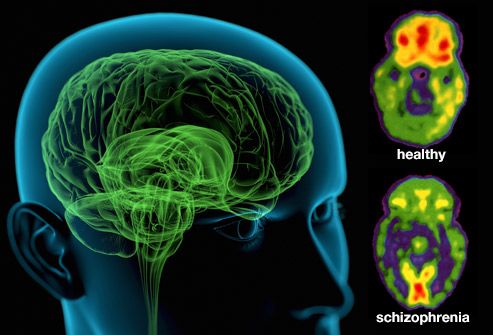
http://img.webmd.com/dtmcms/live/webmd/consumer_assets/site_images/articles/health_tools/schizophrenia_overview_slideshow/webmd_rm_photo_of_schizophrenic_brain.jpg

The approach outlined in this article is almost exactly opposite of how I work with my clients who have symptom collections that are labeled schizophrenia (an intersubjective, relational model), but it's an interesting attempt to create a more integrated and practical model.

The intersubjective model is much more relational than this approach, and it seeks to join with the client in order to understand his/her experience in an experience-near manner. In doing so, we can help the client regain access to emotions that have been dissociated by the psychosis.

Full Citation:
Lecomte, T, Corbière, M,  Simard, S, and Leclerc, C. (2014, Nov 6). Merging Evidence-Based Psychosocial Interventions in Schizophrenia. Behavioral Sciences; 2014, 4(4): 437-447; doi:10.3390/bs4040437

Merging Evidence-Based Psychosocial Interventions in Schizophrenia


, , and

This is an open access article distributed under the Creative Commons Attribution License which permits unrestricted use, distribution, and reproduction in any medium, provided the original work is properly cited.

(This article belongs to the Special Issue Management and Treatment of the Major Mental Disorders)

Abstract: Psychosocial interventions are an essential part of the treatment for people with severe mental illness such as schizophrenia. The criteria regarding what makes an intervention “evidence-based” along with a current list of evidence-based interventions are presented. Although many evidence-based interventions exist, implementation studies reveal that few, if any, are ever implemented in a given setting. Various theories and approaches have been developed to better understand and overcome implementation obstacles. Among these, merging two evidence-based interventions, or offering an evidence-based intervention within an evidence-based service, are increasingly being reported and studied in the literature. Five such merges are presented, along with their empirical support: cognitive behavior therapy (CBT) with skills training; CBT and family psychoeducation; supported employment (SE) and skills training; SE and cognitive remediation; and SE and CBT.


1. Introduction


Psychosocial interventions are an essential part of the treatment and recovery of people with severe mental illness such as schizophrenia. It is well-accepted that medication alone is not sufficient to help with the recovery and various issues a person might encounter when attempting to lead a satisfying life in the community. Some practices have gathered sufficient empirical data to be strongly recommended by national guidelines such as the PORT (Patient outcome research team) [1], or the NICE (The National Institute for Health and Care Excellence) [2] guidelines in the UK, whereas others are considered promising until more studies support its effect. In order for a psychosocial practice, namely an intervention or program (an intervention is specific treatment with a targeted therapeutic aim whereas a program typically includes various interventions), to be considered evidence-based, it must not only have accumulated sufficient empirical proof of its efficacy (often in the context of at least two randomized controlled trials) but it must answer a need (such as improve functioning, overcome a deficit or help to cope with symptoms) and be standardized in order to be easily replicable [3]. The 2009 PORT report on psychosocial practices for schizophrenia highlighted eight interventions or programs that could be considered evidence-based [1]. These were in terms of interventions: family psychoeducation, cognitive behaviour therapy, social skills training, weight management, and token economy. In terms of programs, they described: intensive community treatment, supported employment and integrated dual-disorder programs (with first episode programs almost meeting criteria). Since, Mueser et al. [3] has added cognitive remediation, which has demonstrated in various meta-analyses its efficacy in helping individuals overcome cognitive deficits in areas such as memory, attention or problem solving. Although all of the above-mentioned interventions and programs are considered evidence-based and can truly improve the lives of people with severe mental illnesses, implementation studies reveal that few, if any, are ever implemented in a given setting [4]. For some interventions, this is understandable—for instance token economy is only effective in changing problematic behaviors when used in a closed and controlled environment, like a forensic ward [5]. However, most of the other interventions and programs have demonstrated positive effects in improving symptoms, deficits, and community functioning and are under-utilized. A recent review on implementation of evidence-based psychosocial interventions and programs in psychiatry describes various strategies that have been used in order to improve implementation of one or many evidence-based practice [4]. Of the most common strategies, large demonstration projects and effectiveness trials run by researchers, broad service reforms based on new government policies and national agency-led initiatives were identified. Few of these implementation strategies have been studied over the long-term, and fewer even have considered consumer outcomes [4]. Other smaller-scale implementation strategies have also been developed, when large-scale funding was not available. For instance, supported employment programs’ implementation have been facilitated by a group of researchers and clinicians [6] offering standardized training, consultation and encouraging the use of their implementation fidelity scales (The Quality of Supported Employment Implementation Scale (QSEIS) [7] or the Individual Placement and Support (IPS) fidelity scale [8]. In the UK, US and Canada, the implementation of CBT for psychosis has been improved by offering the clinical training to mental health professionals from various backgrounds (e.g., nurses, occupational therapists), offering structured manuals, and brief training sessions [9,10] rather than limiting the treatment delivery to clinical psychologists.

Another approach to improving implementation of evidence-based psychosocial interventions or programs that is being seen more and more in the literature, particularly in the last decade, is to merge two evidence-based interventions, or to offer an evidence-based intervention within an evidence-based program. Are considered merges both: (a) the simultaneous delivery of two practices (two interventions or an intervention and a program) and, (b) modified practices: interventions changed in order become integrated with another intervention or within a program. In settings with limited means, offering such merges has the advantage of targeting more than one therapeutic goal at once (e.g., cognitive distortion and work integration). Some of the merges have been developed in order to adapt an evidenced-based intervention to a specific population group or setting (such as older consumers). However, most of the merges have been developed with the hope of improving the effectiveness of an evidenced-based program by adding an empirically recognized intervention. It is important to mention that few of the merges presented here simply “co-deliver” interventions—most are well-integrated merges or at least aim at truly integrating the interventions and programs together. The following are descriptions of such merges.

2. Cognitive Behavior Therapy (CBT) and Social Skills Training


Granholm and colleagues [11,12] have merged two evidence-based psychosocial interventions to cater to the specific needs of aging individuals with psychosis who might be struggling not only with symptoms but also with social and cognitive deficits. CBT for psychosis has been studied in over 40 randomized controlled trials and various meta-analyses since the first promising studies of the 1990s [13]. Overall, most studies have found that CBT for psychosis is effective in reducing symptoms and improving other indexes of well-being, often with stronger results compared to other interventions overtime than at post-treatment [14,15,16]. However, as in most psychotherapy studies, the most rigorous studies often reveal smaller effect sizes than the non-controlled studies [17]. CBT for psychosis aims at modifying dysfunctional beliefs by helping the person understand the link between perceptions, beliefs and emotional and behavioural reactions. CBT also helps the person question the evidence supporting his beliefs (whether they are psychotic or not). Furthermore, CBT brings the person to self-observe himself, his thoughts and behaviors, and explores various coping strategies the person might use when dealing with distressful thoughts or voices. Finally, CBT for psychosis takes into account cognitive biases a person might have and aims at modifying those biases, by seeking alternatives instead of jumping to conclusions, for instance.

CBT for psychosis has been adapted for various clienteles, used with individuals at high risk of developing psychosis, individuals with early psychosis as well as older individuals with a long history of schizophrenia. This latter group was of particular interest for Granholm and colleagues [12] who wished to offer CBT for psychosis in a format that would be appealing and adapted to clients who were often isolated, and who might have difficulties grasping some CBT concepts, given their cognitive deficits. They therefore decided to include social skills training to the CBT treatment and offer the merged treatment in a group format.

Social skills training has been around since the 1980s in the USA and was considered especially useful for helping people reintegrate society after a long period of institutionalization. The goal behind skills training is to offer skills that are deemed essential to interact with others, manage one’s medication and symptoms, as well as problem solve in different contexts. Skills training is based on Bandura’s self-efficacy theory [18] and uses repetition and positive reinforcement to help people acquire and remember new skills. To date, over 23 randomized controlled trials have shown that skills training can help acquire skills, decrease negative symptoms, and has a moderate impact on independent living skills [19,20]. Skills training can be offered individually but works best in groups, with the use of multiple role-plays preparing for real-life interactions.

Merging CBT and Skills Training

Granholm and colleagues [11,12] developed a group CBT/skills training approach that focuses on CBT for psychosis techniques, such as checking for facts, but presents these in a skills training manner (i.e., a lot of repetition, wallet cards with key words/concepts, use of a big flag in the group to “flag” the beliefs without apparent facts or proof). The group included modules that were repeated over time, enabling the participants to go over the content more than once and allowing new participants to enter the group at any given moment. Although the results did not show an improvement in positive symptoms, it did show improvements in functioning and negative symptoms [11,12]. Of importance, the participants were able to remember the concepts and CBT techniques regardless of the severity of their cognitive deficits.

3. CBT and Family Psychoeducation


Leclerc and Lecomte [21] have recently published promising preliminary data on 40 family members who received a merged group CBT/psychoeducation family intervention. Family intervention, in particular family psychoeducation, is recognized as one of the evidence-based interventions with the most empirical support, especially regarding decreasing rehospitalization rates [3]. More than 50 randomized controlled trials have been published to date supporting the effects of family psychoeducation on increased medication adherence, and decreased stress and symptoms in those receiving psychiatric care [15,22]. As for their family members, these same studies report decreased perceived burden and psychological distress. Most family interventions last an average of six to nine months and offer: information on symptoms and mental illness, recommendations for dealing with crises, emotional support, and coping skills to deal with symptoms and mental illness [23]. Family interventions can be offered to each individual family or multiple families together, with or without the family member receiving psychiatric care. Many family intervention manuals were developed in the 1990s and do not address recent concepts such as recovery and tend to focus mostly on medication, chronicity, and symptoms. During a recent trial on CBT for early psychosis, many family members asked to learn more about CBT for psychosis and how they could use the tools in their lives. We therefore developed the family psychoeducation/CBT module entitled WITH (Wellness-Inform-Talk-Help) [21]. The module can be offered in parallel to the CBT for psychosis groups, i.e., during 24, hourly multiple family sessions, or can be offered in a more intensive format: eight two-hour multiple family sessions (covering 16 activities in the module). Each multiple family group typically consists of an average of 10 parents and two co-therapists. The content of the group is psychoeducational in that it addresses concepts such as recovery, expressed emotions, parental role, personal limits, and expectations, but it is also considered CBT given that the participants learn about CBT principles and techniques and apply them to their own lives during the group and at home (homework). The parents therefore learn to not only use the skills learned with their family member with a mental illness, but also use them with themselves when they are experiencing distress for instance.

Merging CBT and Family Psychoeducation

The intensive (eight two-hour sessions) format was recently studied in a non-controlled study [21] whereby the 40 parents who participated showed significant clinical improvements in psychological distress, namely in psychoticism, depression and interpersonal sensitivity compared to their baseline scores. Qualitative data obtained revealed that parents appreciated the group, found it helpful, and they had integrated recovery as well as CBT notions and skills in order to improve their relationship with their family member receiving psychiatric services. The group format was especially appreciated, as well as the information covered in the module. Although more studies are warranted in order to compare the WITH multiple family intervention to other family interventions, social workers offering the group anecdotally mentioned that their previous multiple family psychoeducational intervention had a retention rate of only 20% of participants from the first to the last session whereas WITH had a retention rate of 80%. The merged intervention has the advantage of covering essential elements of family psychoeducation for psychosis, including updated information on recovery, and also offers concrete CBT tools that can be useful for the person with a mental illness as well for their family members.

4. Supported Employment and Other Evidence-Based Interventions


Supported employment is another evidence-based program that has attracted a few merges over the past decade. Supported employment programs help people with severe mental illness obtain real-world competitive employment, with regular wages, based on their clients’ preferences [6]. Employment specialists working in supported employment programs aim at quickly finding regular paid work for their clients, and offer them unlimited support according to their needs at work. Supported employment programs are recognized as being evidence-based with more than 15 trials in various countries having demonstrated that SE programs are more efficacious in helping people with severe mental illness obtain regular jobs than other vocational or rehabilitation programs [6]. Nonetheless, there is room for improvement given that on average, in North America, between 40%–60% of the clients in SE programs obtain regular jobs and most jobs are only kept for three to five months. Many reasons have been suggested to explain why some individuals might struggle in finding work or in maintaining their jobs. Some have suggested lack of appropriate work-related social skills, others that cognitive deficits impede on work performance, and others still that people with mental health problems might hold irrational beliefs about themselves and the workplace.

Merging Social Skills Training and Supported Employment Programs

The first merge proposed was to offer social skills training that was work specific to people registered in a supported employment program. Charles Wallace [24] developed the Workplace Fundamentals, aiming at helping participants recognize the advantages of work in their lives, their potential stressors at work, how to problem solve various work-related situations, and how to avoid drugs and alcohol to maintain their jobs. The module is offered over the course of 24 sessions, typically twice a week, in groups of six to eight participants. As with most social skills training, the goal is to develop spontaneous behaviors and therefore involves multiple role-plays and repetitive behaviors. Two studies were conducted to verify its efficacy in improving job tenure. The first, including 34 participants, showed improved job tenure and better work satisfaction for those having received the skills training + SE program compared to SE program alone [24], whereas the second study did not show any differences between the two conditions on work outcomes (but reported that the sample was not typical of most studies with higher education and longer tenure, with rates close to one year for their first job) [25]. The participants receiving both conditions did show greater knowledge regarding their work setting, stressors and showed better problem solving abilities than those receiving only the SE program.

5. Cognitive Remediation and Supported Employment


Another explanation for poor work tenure in people receiving SE programs pertains to cognitive deficits. Cognitive deficits are well documented in people with severe mental illness, namely regarding deficits in memory, attention, speed of processing and various executive functioning tasks, and can make performing at work difficult. Various cognitive remediation programs and strategies have been developed over the years with more than 40 randomized controlled trials supporting its efficacy in improving cognitive skills and overall functioning [26]. Cognitive remediation can take many forms: paper-pencil tasks, computer tasks, group training, or training in real-world tasks (using errorless learning, for instance [27]). Although some cognitive remediation can include modifying the environment to compensate for the person’s most important cognitive deficit, most cognitive remediation programs aim at improving cognitive deficits to the point that they no longer interfere with work performance.

Merging Cognitive Remediation and Supported Employment Programs

McGurk and colleagues developed a cognitive remediation program called Thinking Skills for Work specifically for people registered in supported employment programs [28]. The program involves individual computerized training (using CogPack) for an average of 24 hours over the course of 12 weeks, along with cognitively-informed job support consultation with the employment specialist. The computerized program aims at improving attention, concentration, psychomotor speed, learning and memory as well as executive functions. The consultation aims at targeting jobs or at modifying the work environment as needed according to the person’s performance and progress during the cognitive remediation training. Results at the two to three year post- cognitive remediation follow-ups revealed that those who had received the cognitive remediation program had improved on the cognitive tasks and had superior job retention rates than the control condition (registered in supported employment programs only) [29]. These results were however not found for those who presented with comorbid substance use disorders—their work outcomes were poor regardless of the extra treatment added [30].

6. CBT and Supported Employment


A potential obstacle to job maintenance in people registered in supported employment is dysfunctional beliefs regarding the workplace and one’s own abilities. Individuals with severe mental illness who have been away from the job market for some time can hold beliefs and act in ways that are deleterious for their work integration, and could be influenced by lack of confidence, jumping to conclusions bias, and poor coping skills, to name a few. As mentioned previously, CBT has proven efficacious in modifying beliefs and cognitive biases and helps in developing better coping strategies when dealing with stressful situations. CBT has also been modified by Davis and colleagues [31] to target work beliefs and behaviours in a transitional vocational program for veterans with severe mental illness. This program, entitled IVIP, has demonstrated improvements in work performance and job maintenance in those receiving the group IVIP compared to those participating in the vocational program alone [32]. These results were also replicated in a larger trial [33].

Merging CBT and Supported Employment Programs

Lecomte, Corbière, Titone and Lysaker [34] developed a brief CBT group intervention, inspired by the IVIP, but specifically tailored for people in supported employment programs called CBT-SE. The CBT-SE intervention is offered during 8 sessions over the course of one month, in order to ensure that the group does not impede on the rapid job search principle of supported employment programs. The content covered many essential aspects linked to the workplace, such as recognizing and managing one’s stressors at work, determining and modifying dysfunctional thoughts (e.g., not jumping to conclusions, finding alternatives, seeking facts), overcoming obstacles (e.g., problem solving), improving one’s self-esteem as a worker recognizing strengths and qualities), dealing with criticism, using positive assertiveness, finding coping strategies (for symptoms and stress) to use at work, negotiating work accommodations and overcoming stigma. Although the results from the trial of 160 participants are not yet available, preliminary data have been published on 24 participants [35] and suggest that the CBT-SE intervention is feasible, and acceptable, with good attendance and positive feedback regarding the group’s usefulness. In terms of work outcomes, 50% of all participants in both conditions found competitive work but those in the CBT-SE condition were more likely to work more hours per week and for more consecutive weeks than those in the supported employment program alone. These preliminary results are promising, although results from the full trial are needed before concluding that CBT-SE is efficacious in improving job tenure.

7. Conclusions


Evidence-based psychosocial practices for individuals with severe mental illness can greatly improve people’s lives but are unfortunately scarcely implemented. When large-scale governmental or agency supported implementation initiatives are not available, clinical or community settings who are tempted to offer one evidence-based program or intervention could also opt for a merged intervention. Merged interventions have the advantage of targeting two sets of skills at once, and could therefore generalize in other aspects of the person’s life. For instance, individuals having received cognitive remediation within a supported employment program [28] could see improvements in other areas of their lives, outside of work, from their improved memory and attention skills. Similarly, the cognitive behavioural strategies used in the CBT-SE skills [34] are similar to those used in more general CBT for psychosis treatments and could be used to help the person assess situations differently at work as well as outside of work, with friends or family for instance.

This article aimed at presenting some merges of evidence-based programs but is in no way exhaustive. Other merges exist, such as social skills training with token economy for substance misuse [36] cognitive remediation with social skills training (e.g., Integrated Psychological Therapy - IPT [37]) or social cognitive training with CBT and skills training (i.e., Social Cognition and Interaction Training—SCIT [38]). These programs are however described as distinct and unique programs, not as merges of evidence-based interventions. Although evidence-based interventions are empirically supported, their impact on various outcomes can likely be improved by adding elements from other evidence-based interventions, or by offering them within an evidence-based program, as was demonstrated here. Although some of the proposed merged interventions have only been studied in small or uncontrolled studies so far, the strong empirical support for the non-merged evidence-based interventions from which they are derived and the preliminary data available so far is quite encouraging. Future studies on merged evidence-based interventions are warranted, particularly in terms of trials assessing the effectiveness of offering such interventions simultaneously rather than separately and at different times. Furthermore, studies should also consider measuring the level of integration of the practices in order to determine if closely-knit merges are more effective than less integrated practices. Finally, studies should also investigate if these merges increase or not generalization of the skills to other life domains.

 
Author Contributions
The authors contributed equally to this work.

Conflicts of Interest
The authors declare no conflict of interest.

References at the Behavioral Sciences site

Friday, September 06, 2013

Daniel Collerton - Psychotherapy and Brain Plasticity


From the Frontiers in Psychology: Consciousness Research site: Daniel Collerton, a professor of clinical psychology, is one of the leading researchers in the area of hallucinations and dreams (see "Dreaming and hallucinations – Continuity or discontinuity? Perspectives from dementia with Lewy bodies," Consciousness and Cognition; Vol 20(4), December 2011, Pages 1016–1020). He is the author of New Horizons in the Neuroscience of Consciousness (2010).


In this review article he looks at how psychotherapy demonstrates brain plasticity and what that may reveal about consciousness in general. He suggests that functional changes in the brain as a result of cognitive behavioral therapy (CBT), for example, suggests that "consciousness changes in response to plasticity in the linked systems of the frontal, cingulate, and limbic cortices." The downsife of this, at present, is that we are not clear on how changes in those areas affect (or correlate to) different states of consciousness.

Full Citation: 
Collerton D. (2013, Sep 6). Psychotherapy and brain plasticity. Frontiers in Psychology: Consciousness Research. 4:548. doi: 10.3389/fpsyg.2013.00548

Psychotherapy and brain plasticity

  • 1Clinical Psychology, Northumberland, Tyne and Wear NHS Foundation Trust, Gateshead, UK
  • 2Newcastle upon Tyne, Newcastle University, UK
In this paper, I will review why psychotherapy is relevant to the question of how consciousness relates to brain plasticity. A great deal of the research and theorizing on consciousness and the brain, including my own on hallucinations for example (Collerton and Perry, 2011) has focused upon specific changes in conscious content which can be related to temporal changes in restricted brain systems. I will argue that psychotherapy, in contrast, allows only a focus on holistic aspects of consciousness; an emphasis which may usefully complement what can be learned from more specific methodologies.

Introduction

For the last century or so, psychotherapy has aimed to change the mind. And if it has been effective in doing so, it must have lead to lasting changes in conscious content, and potentially in the process of consciousness itself. Few other human endeavors seek so systematically to produce predictable enduring variation in emotion, cognition, behavior and somatic perceptions; changes which can persist for many years beyond the end of therapy. Over the last few decades, as methods have become available for measuring brain structure and function, it has provided a potential real-life method by which meaningful changes in consciousness can be related to measures of brain function. Admittedly, thus far interest has been on understanding what brain function can tell us about how psychotherapy works (for example, Jokić-Begić, 2010) rather than the aim of this paper—what psychotherapy can tell us about how the brain and mind are linked. However, in theory, it should be possible to assess consciousness, or at least some aspects of it, before and after psychotherapy, and to relate these to brain changes. And indeed, as described later, such studies have been done. The evidence is still sporadic and somewhat contradictory, but there is more potential now than ever before to correlate psychotherapy-related changes in mind to changes in brain.

In this paper, I will survey the current situation, outlining the formidable conceptual and practical difficulties which still need to be overcome, and suggest a potential strength of psychotherapy as a tool for understanding consciousness which, in combination with advances in functional imaging analysis, may give a way forwards.

Challenges of Definition and Measurement

There are a number of intractable definitional and measurement issues in this field which have been only partially solved.

Consciousness itself is a fuzzy concept—and its components are no clearer, as illustrated by the continuing discussions on whether it even exists as a meaningful phenomenon. James explicitly posed the question in the first, 1904, volume of the Journal of Philosophy, Psychology, and Scientific Methods and over a century later the answer is still not clear. As exemplified by Newell and Shanks (in press), the nature and role of consciousness and its relationship to behavior are still under discussion.

The term psychotherapy equally lacks definition. It has been applied to an exceptionally wide range of approaches with differing models, techniques, goals, and outcomes. Feltham and Horton's (2012) Handbook, for example, surveys some 23 major approaches from Dialectical Behavior Therapy to Psychodrama.

Finally, though methods of investigating in vivo brain function are incomparably better than even a decade ago, they are still limited in cognitive, temporal, and spatial resolution, while the large and intrusive technology involved limits applications to settings which bear little relationship to everyday life.

In the face of fuzzy concepts and methods, there is a scientific temptation to retreat into investigating relatively specific, easily measureable, aspects of consciousness and the brain. However, looked at in another way, this very lack of focus may be a strength rather than a weakness in that it forces attention to holistic changes in consciousness which can then be related to systemic changes in neural networks.

The Effects of Psychotherapy

Within the vast variety of psychotherapies, Cognitive Behavioral Therapy (CBT) has become the most widely accepted approach, and has amassed a strong body of evidence of effectiveness (Butler et al., 2006). It leads to long lasting, reproducible changes in emotion, cognition, behavior, and somatic symptoms across a range of mood and other psychological disorders. This strongly suggests that CBT is a powerful means of changing consciousness. CBT has always had a marked emphasis on measurement and it is also the therapy whose effects have most often been related to brain changes. For these reasons, I will take it as the exemplar psychotherapy for the purpose of this paper, while acknowledging that other approaches may be equally valid.

If we want to relate the effects of psychotherapy on consciousness to brain changes, it would seem necessary to know the changes it produces and how it does so. Consciousness itself is not directly accessible of course, so, as summarized in Table 1, researchers have taken a number of routes to inferring what is in the consciousness of a patient. Self-report, observer report, behavioral measures, and experimental tasks can be used to more or less directly infer changes in the content of patient's conscious thought. Taken together, these methodologies have produced good evidence that the complex combinations of emotions, cognitions, behaviors and somatic symptoms which characterize mood disorders do shift as a result of CBT.

TABLE 1
http://www.frontiersin.org/files/TempImages/imagecache/46001_fpsyg-04-00548-HTML/images/image_m/fpsyg-04-00548-t001.jpg

Table 1. Indicators of consciousness used in CBT outcome studies.

What Changes as a Consequence of Psychotherapy?

However, evidence is lacking as to what specifically changes as a consequence of psychotherapy (see, for example, Murphy et al., 2009). Despite the range of different ways of measuring the effects of psychotherapy noted above, it is striking how closely these are related. Thus, change in one symptom area, for example cognition, is accompanied by changes in other symptom areas such as emotion or behavior; at least as averaged over the timescales and group numbers common in treatment trials.

Similarly, though there is evidence that different modalities of therapy may have different levels of effectiveness (see Tolin, 2010 for a meta-analytic comparison of CBT with other therapies), where this does occur this appears to be more a quantitative than a qualitative difference. The outcomes of psychodynamic, person-centred, and behavioral psychotherapy are broadly equivalent despite their varieties of approaches and targets for therapeutic change (Stiles et al., 2008; Budd and Hughes, 2009) perhaps because they work via common final paths (Mansell, 2011).

Even treatments as different as CBT and pharmacotherapy appear to have broadly similar outcomes in, for example, depression (DeRubeis et al., 2008) with no reliable evidence of the differential effects of CBT on negative cognitions or medication on somatic symptoms as might have been expected from their mechanisms of action. Attempts to predict which patients might benefit from any specific intervention have not been successful.

Taking all of these comparisons together, there is very little evidence that specific areas of consciousness can change in a meaningful way without these effects rippling through the rest of consciousness. This suggests that trying to fractionate the effects of psychotherapy on consciousness into components might not be possible. It is the totality of consciousness which changes as a result of CBT rather than one specific aspect of it.

Implications for Linking the Effects of Psychotherapy to Brain Plasticity

This has implications for relating the effects of CBT to brain plasticity. Traditionally, neuroscience has adopted a reductionist approach to the brain; relating specific psychological functions to specific brain areas. This has been enormously successful with many psychological functions. Amongst many other pairings, neuropsychological localization has linked learning to the hippocampus and other structures in the medial temporal lobe, object perception to the ventral visual stream, and language to the left temporal cortex. However, the localization paradigm has left in its wake the binding problem—how the functions of disparate brain areas are tied together to produce the usual subjective sense of a single coherent consciousness. In this context, perhaps the holistic effects of CBT and other psychotherapies on consciousness become a means of side stepping the binding problem. If significant changes in bound consciousness can be related to restricted changes in brain function, that might narrow down the candidate brain areas which may underlie consciousness.

Effects of CBT on Measures of Brain Function

The plasticity in human brain which underlies individual, idiosyncratic and instantaneous elements of consciousness—specific words, thoughts, images, feelings, and memories—comes from tiny, subtle, and dynamic changes which are embedded within and across networks of microscopic cells. In comparison, our ways of measuring plasticity in the human brain have to trade off cognitive (the ability of scans to resolve precise psychological states, particular memories for instance), spatial, and temporal resolutions with even the best resolution vastly greater than the fundamental mechanisms of plasticity. The spatial resolution limit of a Magnetic Resonance Imaging (MRI) scan, our best current means of directly assessing brain structure and function, contains somewhere around 9 million brain cells (deCharms, 2008).

However, this has not prevented functional imaging, particularly functional MRI (fMRI) to identify which areas of the brain change following psychotherapy. (There have been a rather small number of structural imaging studies of the effects of psychotherapy, mainly in eating disorders, but many of these have been confounded by the effects of weight gain and loss on brain structure (Lobera, 2011) making it difficult to interpret their results).

The dominant paradigm has been to compare levels of brain activity pre and post CBT to see what changes. This approach has mainly been used in depression and has identified that changes are localized to specific frontal, cingulate, and limbic areas. There is decreased activity in the limbic system, especially the amygdala, with dorsolateral prefrontal cortex becoming relatively more active and orbitomedial and cingulate cortex less so; a move toward normality from patterns observed before treatment (Ochsner et al., 2002; Goldapple et al., 2004; Malhi et al., 2004; Ritchey et al., 2011; Höflich et al., 2012) and consistent with what is know of the processing of emotional stimuli (Simpson et al., 2000; Northoff et al., 2004; Leppänen, 2006; Beck, 2008). Pre-treatment levels of cingulate activity can even predict response to CBT with some reliability (Konarski et al., 2009; Ritchey et al., 2011; Siegle et al., 2012).

There have not been comparisons between the effects of different types of psychotherapy on the brain (potentially interesting in view of their equivalent effects on consciousness), but there are conflicting reports of the effects of pharmacotherapy; similar changes in brain activity to those following psychotherapy were not seen after antidepressant treatment by Goldapple et al. (2004) though they were identified by Furmark et al. (2002); opening up, but not confirming, the possibility that different brain changes might have similar effects on consciousness.

Taken as a whole, this evidence would suggest that the holistic changes in consciousness seen after psychotherapy for depression are associated with changes in a relatively restricted number of brain areas; mainly frontal, cingulate, and limbic cortex, with the implication that plasticity in those areas is particularly associated with persistent variations in consciousness.

However, a one to one correspondence between change in depression and change in specific brain areas may be over stated (Linden, 2006; Frewen et al., 2008; Dichter et al., 2012). For example, very similar changes in those brain areas are seen after CBT and other psychological treatments for anxiety (Furmark et al., 2002; Paquette et al., 2003; Straube et al., 2006; Porto et al., 2009; Freyer et al., 2011), schizophrenia (Wykes et al., 2002), eating disorders (Vocks et al., 2011) and Irritable Bowel Syndrome (Lackner et al., 2006). This is consistent with a consciousness network which depends upon these brain areas (and no doubt others) but it also suggests that there is a large overlap in the brain changes associated with different holistic states of consciousness. At present, fMRI data would suggest that, simply put, CBT is associated with a decrease in emotionality (less limbic activity) and an increase in thoughtfulness (increased dorsolateral frontal activity), as would be expected from its aims and methods (Clark and Beck, 2010). Though we may be able to link consciousness to a subset of anatomical structures using psychotherapy as an investigative tool, we appear to lack specificity in our account of how different states of consciousness could arise. Is it that in using psychotherapy to localize holistic changes in consciousness to a restricted set of brain structures, we have lost the ability to account for why consciousness is so idiosyncratic and so changeable?

A Potential Way Forward

An analogous challenge has arisen in fMRI studies of visual perception. Early attempts to localize specific perceptions to specific brain areas worked only for grossly different stimuli—visualizing navigating a house compared to imagining playing tennis (Owen et al., 2006)—or for simple stimuli in early, highly specialized, visual areas (Kay et al., 2008). More latterly, however, multivoxel pattern analysis (MVPA), in which patterns of activity across wide areas of the brain are analyzed, has produced a significant increase in cognitive resolution. Fairly similar stimuli, for example chairs and shoes (Norman et al., 2006; deCharms, 2008; Poldrack, 2011), or over-riding categories of images such as living or non-living (Naselaris et al., 2012) can now be recognized from pattern information fMRI (Formisano and Kriegeskorte, 2012) data. Not only perceptions, but also images and memories (Chadwick et al., 2012; Rissman and Wagner, 2012) are starting to be distinguished. Beginnings are starting to be made in reproducing data across as well as within subjects (Accamma and Suma, 2012; Raizada and Connolly, 2012). Significantly, cognitive resolution appears to increase as the focus of the analysis is widened to include more brain areas.

MVPA might therefore lead to the ability to map holistic changes in consciousness to patterns within and across the regions that classic fMRI has identified as responsive to psychotherapy (Siegle et al., 2007). Thus it may provide the mechanism to bridge holistic and specific variations in consciousness and brain.

Conclusions

It is clear that CBT, and probably other psychotherapies, alters consciousness in personally important, lasting, and measurable ways. Brain function and brain structure are different after CBT. Looking at functional changes in the brain suggests that consciousness changes in response to plasticity in the linked systems of the frontal, cingulate, and limbic cortices. However, we do not know how modulations in those areas link to different states of consciousness. Using the most recent imaging analysis to map activity simultaneously across these regions might give the missing specificity; allowing whole brain changes to be mapped to holistic changes in consciousness.

In order to do this, our next challenge will be to develop ways of capturing the experience of consciousness as a whole rather than, as we have tried to do in the past, the individual thoughts, images, and emotions which are bound together to produce it.

Conflict of Interest Statement

The author declares that the research was conducted in the absence of any commercial or financial relationships that could be construed as a potential conflict of interest.

References

  • Accamma, I. V., and Suma, H. N. (2012). Feature selection for decoding of cognitive states in multiple-subject functional magnetic resonance imaging data. Adv. Intell. Syst. Comput. 174 2012, 997–1004. doi: 10.1007/978-81-322-0740-5_121 CrossRef Full Text
  • Bagby, R. M., Ryder, A. G., Schuller, D. R., and Marshall, M. B. (2004). The hamilton depression rating Scale: has the gold standard become a lead weight? Am. J. Psychiatry 161, 2163–2177. doi: 10.1176/appi.ajp.161.12.2163 Pubmed Abstract | Pubmed Full Text | CrossRef Full Text
  • Beck, A. (2008). The evolution of the cognitive model of depression and its neurobiological correlates. Am. J. Psychiatry 165, 969–977. doi: 10.1176/appi.ajp.2008.08050721 Pubmed Abstract | Pubmed Full Text | CrossRef Full Text
  • Beck, A. T., Steer, R. A., and Carbin, M. G. (1988). Psychometric properties of the Beck depression inventory: twenty-five years of evaluation. Clin. Psychol. Rev. 8, 77–100. doi: 10.1016/0272-7358(88)90050-5 CrossRef Full Text
  • Benson, P. J., Emery, J. L., Cohen-Tovée, E. M., and Tovée, M. J. (1999). A computergraphic technique for the study of body size perception and body types. Behav. Res. Methods Instrum. Comput. 31, 446–454. doi: 10.3758/BF03200725 Pubmed Abstract | Pubmed Full Text | CrossRef Full Text
  • Budd, R., and Hughes, I. (2009). The Dodo Bird Verdict—controversial, inevitable and important: a commentary on 30 years of meta−analyses. Clin. Psychol. Psychother. 16, 510–522. doi: 10.1002/cpp.648 Pubmed Abstract | Pubmed Full Text | CrossRef Full Text
  • Butler, A. C., Chapman, J. E., Forman, E. M., and Beck, A. T. (2006). The empirical status of cognitive-behavioral therapy: a review of meta-analyses. Clin. Psychol. Rev. 26, 17–31. doi: 10.1016/j.cpr.2005.07.003 Pubmed Abstract | Pubmed Full Text | CrossRef Full Text
  • Chadwick, M. J., Bonnici, H. M., and Maguire, E. A. (2012). Decoding information in the human hippocampus: a user's guide. Neuropsychologia 50, 3107–3121. doi: 10.1016/j.neuropsychologia.2012.07.007 Pubmed Abstract | Pubmed Full Text | CrossRef Full Text
  • deCharms, R. C. (2008). Applications of real-time fMRI. Nat. Rev. Neurosci. 9, 720–729. doi: 10.1038/nrn2414 Pubmed Abstract | Pubmed Full Text | CrossRef Full Text
  • Clark, D. A., and Beck, A. T. (2010). Cognitive theory and therapy of anxiety and depression: convergence with neurobiological findings. Trends Cogn. Sci. 14, 418–424. doi: 10.1016/j.tics.2010.06.007 Pubmed Abstract | Pubmed Full Text | CrossRef Full Text
  • Collerton, D., and Perry, E. (2011). Dreaming and hallucinations – continuity or discontinuity. Perspectives from dementia with Lewy bodies. Conscious. Cogn. 20, 1016–1020. doi: 10.1016/j.concog.2011.03.024 Pubmed Abstract | Pubmed Full Text | CrossRef Full Text
  • Cornelissen, P. L., Johns, A., and Martin, J. T. (2013). Body size over-estimation in women with anorexia nervosa is not qualitatively different from female controls original research article Body Image 10, 103–111. Pubmed Abstract | Pubmed Full Text
  • Della-Posta, C., and Drummond, P. D. (2006). Cognitive behavioural therapy increases re-employment of job seeking worker's compensation clients. J. Occup. Rehabil. 16, 217–224. doi: 10.1007/s10926-006-9024-5 Pubmed Abstract | Pubmed Full Text | CrossRef Full Text
  • DeRubeis, R. J., Siegle, G. J., and Hollon, S. D. (2008). Cognitive therapy versus medication for depression: treatment outcomes and neural mechanisms. Nat. Rev. Neurosci. 9, 788–796. doi: 10.1038/nrn2345 Pubmed Abstract | Pubmed Full Text | CrossRef Full Text
  • Dichter, G. S., Sikich, L., Song, A., Voyvodic, J., and Bodfish, J. W. (2012). Functional neuroimaging of treatment effects in psychiatry: methodological challenges and recommendations. Int. J. Neurosci. 122, 483–493. doi: 10.3109/00207454.2012.678446 Pubmed Abstract | Pubmed Full Text | CrossRef Full Text
  • Elkin, I., Gibbons, R. D., Shea, M. T., Sotsky, S. M., Watkins, J. T., Pilkonis, P. A., et al. (1995). Initial severity and differential treatment outcome in the national institute of mental health treatment of depression collaborative research program. J. Consult. Clin. Psychol. 63, 841. doi: 10.1037/0022-006X.63.5.841 Pubmed Abstract | Pubmed Full Text | CrossRef Full Text
  • Feltham, C., and Horton, I. (eds.). (2012). The SAGE Handbook of Counselling and Psychotherapy. London: SAGE Publications.
  • Formisano, E., and Kriegeskorte, N. (2012). Seeing patterns through the hemodynamic veil—the future of pattern-information fMRI. Neuroimage 62, 1249–1265. doi: 10.1016/j.neuroimage.2012.02.078  Pubmed Abstract | Pubmed Full Text | CrossRef Full Text
  • Frewen, P. A., Dozois, D. J., and Lanius, R. A. (2008). Neuroimaging studies of psychological interventions for mood and anxiety disorders: empirical and methodological review. Clin. Psychol. Rev. 28, 228–246. doi: 10.1016/j.cpr.2007.05.002  Pubmed Abstract | Pubmed Full Text | CrossRef Full Text
  • Freyer, T., Klöppel, S., Tüscher, O., Kordon, A., Zurowski, B., Kuelz, A. K., et al. (2011). Frontostriatal activation in patients with obsessive–compulsive disorder before and after cognitive behavioral therapy. Psychol. Med. 41, 207–216. doi: 10.1017/S0033291710000309 Pubmed Abstract | Pubmed Full Text | CrossRef Full Text
  • Furmark, T., Tillfors, M., Marteinsdottir, I., Fischer, H., Pissiota, A., Langstrom, B., et al. (2002). Common changes in cerebral blood flow in patients with social phobia treated with citalopram or cognitive-behavioral therapy. Arch. Gen. Psychiatry 59:425. doi: 10.1001/archpsyc.59.5.425 Pubmed Abstract | Pubmed Full Text | CrossRef Full Text
  • Goldapple, K., Segal, Z., Garson, C., Lau, M., Bieling, P., Kennedy, S., et al. (2004). Modulation of cortical-limbic pathways in major depression: treatment-specific effects of cognitive behavior therapy. Arch. Gen. Psychiatry 61, 34. doi: 10.1001/archpsyc.61.1.34 Pubmed Abstract | Pubmed Full Text | CrossRef Full Text
  • Höflich, A., Baldinger, P., Savli, M., Lanzenberger, R., and Kasper, S. (2012). Imaging treatment effects in depression. Rev. Neurosci. 23, 227–252. doi: 10.1515/revneuro-2012-0038 Pubmed Abstract | Pubmed Full Text | CrossRef Full Text
  • James, W. (1904). Does ‘Consciousness’ exist. J. Philos. Psychol. Sci. Methods 1, 477–491. doi: 10.2307/2011942 CrossRef Full Text
  • Jokić-Begić, N. (2010). Cognitive-behavioral therapy and neuroscience: towards closer integration psychological topics. 19, 235–254.
  • Kay, K. N., Naselaris, T., Prenger, R. J., and Gallant, J. L. (2008). Identifying natural images from human brain activity. Nature 452, 352–355. doi: 10.1038/nature06713 Pubmed Abstract | Pubmed Full Text | CrossRef Full Text
  • Konarski, J. Z., Kennedy, S. H., Segal, Z. V., Lau, M. A., Bieling, P. J., McIntyre, R. S., et al. (2009). Predictors of nonresponse to cognitive behavioural therapy or venlafaxine using glucose metabolism in major depressive disorder. J. Psychiatry Neurosci. 34, 175. Pubmed Abstract | Pubmed Full Text
  • Lackner, J. M., Lou Coad, M., Mertz, H. R., Wack, D. S., Katz, L. A., Krasner, S. S., et al. (2006). Cognitive therapy for irritable bowel syndrome is associated with reduced limbic activity, GI symptoms, and anxiety. Behav. Res. Ther. 44, 621–638. doi: 10.1016/j.brat.2005.05.002 Pubmed Abstract | Pubmed Full Text | CrossRef Full Text
  • Leppänen, J. M. (2006). Emotional information processing in mood disorders: a review of behavioral and neuroimaging findings. Curr. Opin. Psychiatry 19, 34. doi: 10.1097/01.yco.0000191500.46411.00 Pubmed Abstract | Pubmed Full Text | CrossRef Full Text
  • Linden, D. E. J. (2006). How psychotherapy changes the brain–the contribution of functional neuroimaging. Mol. Psychiatry 11, 528–538. doi: 10.1038/sj.mp.4001816 Pubmed Abstract | Pubmed Full Text | CrossRef Full Text
  • Lobera, I. J. (2011). Neuroimaging in eating disorders. Neuropsychiatr. Dis. Treat. 82, 45.
    Malhi, G. S., Lagopoulos, J., Ward, P. B., Kumari, V., Mitchell, P. B., Parker, G. B., et al. (2004). Cognitive generation of affect in bipolar depression: an fMRI study. Eur. J. Neurosci. 19, 741–754. doi: 10.1111/j.0953-816X.2003.03159.x  Pubmed Abstract | Pubmed Full Text | CrossRef Full Text
  • Mansell, W. (2011). Core processes of psychopathology and recovery: “Does the Dodo bird effect have wings?” Clin. Psychol. Rev. 31, 189–192. doi: 10.1016/j.cpr.2010.06.009 Pubmed Abstract | Pubmed Full Text | CrossRef Full Text
  • Murphy, R., Cooper, Z., Hollon, S. D., and Fairburn, C. G. (2009). How do psychological treatments work. investigating mediators of change. Behav. Res. Ther. 47, 1. doi: 10.1016/j.brat.2008.10.001 Pubmed Abstract | Pubmed Full Text | CrossRef Full Text
  • Naselaris, T., Stansbury, D. E., and Gallant, J. L. (2012). Cortical representation of animate and inanimate objects in complex natural scenes. J. Physiol. Paris 106, 239–249. doi: 10.1016/j.jphysparis.2012.02.001  Pubmed Abstract | Pubmed Full Text | CrossRef Full Text
  • Newell, B. R., and Shanks, D. R. (in press). Unconscious influences on decision making. Behav. Brain Sci.
  • Norman, K. A., Polyn, S. M., Detre, G. J., and Haxby, J. V. (2006). Beyond mind-reading: multi-voxel pattern analysis of fMRI data. Trends Cogn. Sci. 10, 424–430. doi: 10.1016/j.tics.2006.07.005 Pubmed Abstract | Pubmed Full Text | CrossRef Full Text
  • Northoff, G., Heinzel, A., Bermpohl, F., Niese, R., Pfennig, A., Pascual−Leone, A., et al. (2004). Reciprocal modulation and attenuation in the prefrontal cortex: an fMRI study on emotional–cognitive interaction. Hum. Brain Mapp. 21, 202–212. doi: 10.1002/hbm.20002 Pubmed Abstract | Pubmed Full Text | CrossRef Full Text
  • Ochsner, K. N., Bunge, S. A., Gross, J. J., and Gabrieli, J. D. (2002). Rethinking feelings: an fMRI study of the cognitive regulation of emotion. J. Cogn. Neurosci. 14, 1215–1229. doi: 10.1162/089892902760807212 Pubmed Abstract | Pubmed Full Text | CrossRef Full Text
  • Owen, A. M., Coleman, M. R., Boly, M., Davis, M. H., Laureys, S., and Pickard, J. D. (2006). Detecting awareness in the vegetative state. Science 313, 1402–1402. doi: 10.1126/science.1130197 Pubmed Abstract | Pubmed Full Text | CrossRef Full Text
  • Paquette, V., Lévesque, J., Mensour, B., Leroux, J. M., Beaudoin, G., Bourgouin, P., et al. (2003). “Change the mind and you change the brain”: effects of cognitive-behavioral therapy on the neural correlates of spider phobia. Neuroimage 18, 401–409. doi: 10.1016/S1053-8119(02)00030-7 Pubmed Abstract | Pubmed Full Text | CrossRef Full Text
  • Poldrack, R. A. (2011). Inferring mental states from neuroimaging data: from reverse inference to large-scale decoding. Neuron 72, 692–697. doi: 10.1016/j.neuron.2011.11.001 Pubmed Abstract | Pubmed Full Text | CrossRef Full Text
  • Porto, P., Oliveira, L., Mari, J., Volchan, E., Figueira, I., and Ventura, P. (2009). Does cognitive behavioral therapy change the brain. a systematic review of neuroimaging in anxiety disorders. J. Neuropsychiatry. Clin. Neurosci. 21, 114–125. doi: 10.1176/appi.neuropsych.21.2.114 Pubmed Abstract | Pubmed Full Text | CrossRef Full Text
  • Raizada, R. D., and Connolly, A. C. (2012). What makes different people's representations alike: neural similarity space solves the problem of across-subject fmri decoding. J. Cogn. Neurosci. 24, 868–877. doi: 10.1162/jocn_a_00189 Pubmed Abstract | Pubmed Full Text | CrossRef Full Text
  • Rissman, J., and Wagner, A. D. (2012). Distributed representations in memory: insights from functional brain imaging. Annu. Rev. Psychol. 63, 101–128. doi: 10.1146/annurev-psych-120710-100344 Pubmed Abstract | Pubmed Full Text | CrossRef Full Text
  • Ritchey, M., Dolcos, F., Eddington, K. M., Strauman, T. J., and Cabeza, R. (2011). Neural correlates of emotional processing in depression: changes with cognitive behavioral therapy and predictors of treatment response. J. Psychiatr. Res. 45, 577–587. doi: 10.1016/j.jpsychires.2010.09.007 Pubmed Abstract | Pubmed Full Text | CrossRef Full Text
  • Siegle, G. J., Ghinassi, F., and Thase, M. E. (2007). Neurobehavioral therapies in the 21st century: summary of an emerging field and an extended example of cognitive control training for depression. Cogn. Ther. Res. 31, 235–262. doi: 10.1007/s10608-006-9118-6 CrossRef Full Text
  • Siegle, G. J., Thompson, W. K., Collier, A., Berman, S. R., Feldmiller, J., Thase, M. E., et al. (2012). Toward clinically useful neuroimaging in depression treatment prognostic utility of subgenual cingulate activity for determining depression outcome in cognitive therapy across studies, scanners, and patient characteristic ssgacc and cognitive therapy outcome. Arch. Gen. Psychiatry 69, 913–924. doi: 10.1001/archgenpsychiatry.2012.65 CrossRef Full Text
  • Simpson, J. R., Öngür, D., Akbudak, E., Conturo, T. E., Ollinger, J. M., Snyder, A. Z., et al. (2000). The emotional modulation of cognitive processing: an fMRI study. J. Cogn. Neurosci. 12(Suppl. 2), 157–170. doi: 10.1162/089892900564019 Pubmed Abstract | Pubmed Full Text | CrossRef Full Text
  • Stiles, W. B., Barkham, M., Mellor-Clark, J., and Connell, J. (2008). Effectiveness of cognitive-behavioural, person-centred, and psychodynamic therapies in UK primary-care routine practice: replication in a larger sample. Psychol. Med. 38, 677–688. doi: 10.1017/S0033291707001511 Pubmed Abstract | Pubmed Full Text | CrossRef Full Text
  • Straube, T., Glauer, M., Dilger, S., Mentzel, H. J., and Miltner, W. H. (2006). Effects of cognitive-behavioral therapy on brain activation in specific phobia. Neuroimage 29, 125–135. doi: 10.1016/j.neuroimage.2005.07.007 Pubmed Abstract | Pubmed Full Text | CrossRef Full Text
  • Teasdale, J. D., Segal, Z. V., Williams, J. M. G., Ridgeway, V. A., Soulsby, J. M., and Lau, M. A. (2000). Prevention of relapse/recurrence in major depression by mindfulness-based cognitive therapy. J. Consult. Clin. Psychol. 68, 615. doi: 10.1037/0022-006X.68.4.615 Pubmed Abstract | Pubmed Full Text | CrossRef Full Text
  • Tolin, D. F. (2010). Is cognitive–behavioral therapy more effective than other therapies?: a meta-analytic review. Clin. Psychol. Rev. 30, 710–720. doi: 10.1016/j.cpr.2010.05.003 Pubmed Abstract | Pubmed Full Text | CrossRef Full Text
  • Vocks, S., Schulte, D., Busch, M., Grönemeyer, D., Herpertz, S., and Suchan, B. (2011). Changes in neuronal correlates of body image processing by means of cognitive-behavioural body image therapy for eating disorders: a randomized controlled fMRI study. Psychol. Med. 41, 1651–1663. doi: 10.1017/S0033291710002382 Pubmed Abstract | Pubmed Full Text | CrossRef Full Text
  • Wykes, T., Brammer, M., Mellers, J., Bray, P., Reeder, C., Williams, C., et al. (2002). Effects on the brain of a psychological treatment: cognitive remediation therapy functional magnetic resonance imaging in schizophrenia. Br. J. Psychiatry 181, 144–152.Pubmed Abstract | Pubmed Full Text