Showing posts with label Alzheimer's disease. Show all posts

Friday, March 27, 2015

2014 Nobel Prize Winners Speak at the University of Arizona

Thursday afternoon, Edvard Moser, May-Britt Moser, and John O'Keefe, the three 2014 Nobel Prize winners for Physiology or Medicine, along with Eleanor Maguire, the winner of the 2003 Ig Nobel Prize for her "London taxi driver" study on hippocampal plasticity, spoke at a public forum at the University of Arizona.

Maquire's research on London taxi drivers, before and after going through two to three years of training required to learn and memorize 25,000 streets, revealed that their hippocampus grew as they memorized London's maze of streets. This was one of the first studies that demonstrated hippocampal neuroplasticity. She was awarded a 2003 Ig Nobel Prize for this study.

According to Improbable Research, the bestowers of the Ig Nobel Prize, "The Ig Nobel Prizes honor achievements that make people LAUGH, and then THINK. The prizes are intended to celebrate the unusual, honor the imaginative — and spur people's interest in science, medicine, and technology."

The Mosers and O'Keefe won their Nobel Prize in 2014 for their discoveries of specialized cells in the brain that together act as a navigation system. The Mosers discovered neurons that function as grid cells, found in the entorhinal cortex, while O'Keefe discovered neurons that function as place cells, found in the hippocampus.
"All memories are attached in some way to where you are, and in that way, the hippocampus acts as an anchor for remembering yourself within your experience," said Carol Barnes, Regents' Professor in the Departments of Psychology, Neurology and Neuroscience, the Evelyn F. McKnight Endowed Chair for Learning and Memory in Aging.
The hippocampus, according to Wikipedia, "belongs to the limbic system and plays important roles in the consolidation of information from short-term memory to long-term memory and spatial navigation." If a person were to suffer severe damage to the hippocampus (both hippocampi, as one exists in each brain hemisphere), it's likely they may acquire anterograde amnesia, an inability to form and/or retain new memories (episodic or autobiographical memory, which are forms of declarative memory). In Alzheimer's Disease, the hippocampus is one of the first brain regions to experience damage, resulting in the disorientation and loss of recognition so common in the disease. However, damage to the hippocampus does not inhibit the ability to learn new skills, such as riding a bicycle (procedural memory).
 
 Spatial firing patterns of 8 place cells recorded from the CA1 layer of a rat. The rat ran back and forth along an elevated track, stopping at each end to eat a small food reward. Dots indicate positions where action potentials were recorded, with color indicating which neuron emitted that action potential. [via Wikipedia]
Below, I have included the honored guests as well as the first half of the press release about the public forum (which is heavy on the U of A is awesome rhetoric).
Guests

Edvard Moser
, Professor and Director, Kavli Institute of Systems Neuroscience; Co-Director, Centre of Neural Computation, Norwegian University of Science and Technology


May-Britt Moser, Professor and Director, Centre of Neural Computation; Co-Director, Kavli Institute of Systems Neuroscience, Norwegian University of Science and Technology

The Moser’s received the 2014 Nobel Prize in Medicine or Physiology (along with J. O’Keefe) for this discovery of grid cells.

John O’Keefe, Professor, Institute of Cognitive Neuroscience and Department of Anatomy, University College London. Dr. O’Keefe received the 2014 Nobel Prize in Medicine or Physiology (along with the Moser’s) for his discovery of place cells.

Eileen O’Keefe
(John’s wife), Emeritus Professor, Public Health, London Metropolitan University


Eleanor Maguire, Professor of Cognitive Neuroscience, University College Dublin Dr. Maguire received the 2003 Ig Nobel Prize for Medicine for her ‘London taxi driver’ student on hippocampal plasticity.
And here is the beginning of the press release . . . 

Nobel Laureates Say UA Scientists Paved Way

By Daniel Stolte, University Relations - Communications | March 27, 2015
 
UA researcher Carol Barnes says the new Center for Innovation in Brain Science will serve as a hub of transdisciplinary research. (Photo: John de Dios/UANews)

 Four internationally renowned brain scholars visit campus and describe the UA as "one of the centers of neuroscience." The new Center for Innovation in Brain Science will foster transdisciplinary research, with the goal of better diagnostics and treatments for disorders such as Alzheimer's disease.

Nobel Prize laureate John O'Keefe, with May-Britt Moser (left) and Eleanor Maguire, says the UA's Carol Barnes "has told us as much about how the brain ages as anyone else." (Photo: John de Dios/UANews)

Take it from several Nobel laureates: Brain researchers at the University of Arizona are poised to make important contributions to finding better diagnoses and possibly treatments for brain disorders such as Alzheimer's disease.

To help commemorate three milestones in brain science research at the UA, four internationally renowned brain scholars — including three who shared the latest Nobel Prize in Physiology or Medicine — visited the UA campus this week to speak about their scientific careers and reflect on the tight connections they have shared with UA colleagues over many years.

This year marks the 25th anniversary of the UA Arizona Research Laboratories Division of Neural Systems, Memory and Aging, or NSMA; the 10th anniversary of the Evelyn F. McKnight Brain Institute at the UA; and the fifth anniversary of the UA School of Mind, Brain and Behavior.

UA President Ann Weaver Hart has named neuroscience as a research priority under the UA's strategic Never Settle plan. The BIO5 Institute and the UA Health Sciences Center have goals of supporting transdisciplinary neuroscience research in partnership with institutions across the state — from the molecular underpinnings of brain-cell health to the translation of this biological knowledge into treatments for neurological disease. The College of Science and the Office for Research and Discovery also are involved in supporting these efforts through the School of Mind, Brain and Behavior; NSMA; and the Evelyn F. McKnight Brain Institute.

During a public forum on Thursday, the UA welcomed the four guests to share their stories of discoveries in neuroscience with UA students, members of the public and the media. The visitors were John O'Keefe and Edvard and May-Britt Moser, who shared the 2014 Nobel Prize in Physiology or Medicine, and Eleanor Maguire, who received the Ig Nobel Prize for Medicine in 2003.

O'Keefe and the Mosers received the prize for their discoveries of specialized cells in the brain that together act like a navigation system.

"All memories are attached in some way to where you are, and in that way, the hippocampus acts as an anchor for remembering yourself within your experience," said Carol Barnes, who organized the visit along with two other UA brain researchers: Lynn Nadel, a Regents' Professor of Psychology and Cognitive Science and chair of the UA faculty; and Mary Peterson, professor of psychology and chair of the School of Mind, Brain and Behavior executive committee; director of the Cognitive Science Program; and chair of the Cognitive Science Graduate Interdisciplinary Program.

Edvard Moser said that some important work leading up to the Nobel Prize was done at the UA — for example, developing the technology for recording the activity of many brain cells at the same time, and developing ideas of how memory is generated in the hippocampus.

"The UA is one of the centers of neuroscience," O'Keefe said. "As one of the world's experts on the aging brain, Carol has told us as much about how the brain ages by looking at the hippocampus as anyone else.
Read the whole report on the event.

Tuesday, August 12, 2014

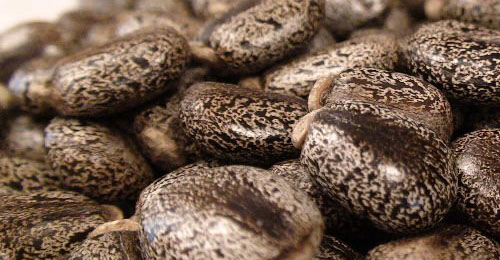
A New Functional Food? Triheptanoin - A Novel Medium Chain Triglyceride with Odd Chain Fatty Acids - Castor Bean Oil


The first article here is from Science Codex and reports on new research suggesting that triheptanoin, a novel medium chain triglyceride with odd chain fatty acids, derived from Castor Bean oil, can reduce the debilitating epileptic seizures associated with Glut 1 deficiency, a rare metabolic disorder.

The cool thing is that the researchers want this oil to be declared a functional food and not a drug (although Baylor Research Institute has filed a patent on it for one particular use). Dr. Juan Pascual is an Associate Professor of Neurology and Neurotherapeutics, Physiology, and Pediatrics at UT Southwestern and lead author of the study, published in JAMA Neurology. He says, "This study paves the way for a medical food designation for triheptanoin, thus significantly expanding therapeutic options for many patients."

This article made me curious, so I did a Google search and found that this oil has shown efficacy in other forms of seizure disorders and as a possible early-stage treatment (as part of a ketogenic diet) for Alzheimer's Disease.

Citations are below the main article.

Medicinal oil reduces debilitating epileptic seizures associated with Glut 1 deficiency

Posted By News On August 11, 2014


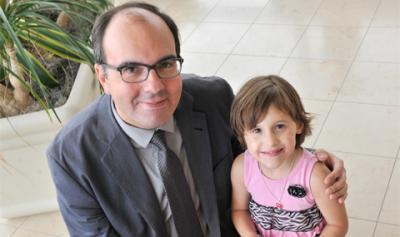
DALLAS – Aug. 11, 2014 – Two years ago, the parents of Chloe Olivarez watched painfully as their daughter experienced epileptic seizures hundreds of times a day. The seizures, caused by a rare metabolic disease that depleted her brain of needed glucose, left Chloe nearly unresponsive, and slow to develop.

Within hours, treatment with an edible oil dramatically reduced the number of seizures for then-4-year-old Chloe, one of 14 participants in a small UT Southwestern Medical Center clinical trial.

"Immediately we noticed fewer seizures. From the Chloe we knew two years ago to today, this is a completely different child. She has done amazingly well," said Brandi Olivarez, Chloe's mother.

For Chloe and the other trial participants who suffer from the disease called Glut1 deficiency (G1D), seizure frequency declined significantly. Most showed a rapid increase in brain metabolism and improved neuropsychological performance, findings that suggested the oil derived from castor beans called triheptanoin, ameliorated the brain glucose-depletion associated with this genetic disorder, which is often undiagnosed.

"This study paves the way for a medical food designation for triheptanoin, thus significantly expanding therapeutic options for many patients," said Dr. Juan Pascual, Associate Professor of Neurology and Neurotherapeutics, Physiology, and Pediatrics at UT Southwestern and lead author of a study on the findings, published in JAMA Neurology.

For the estimated 38,000 Americans suffering from this disease, the only proven treatment has been a high-fat ketogenic diet, which only works for about two-thirds of patients. In addition, this diet carries long-term risks, such as development of kidney stones and metabolic abnormalities.

Based on the results of this trial, triheptanoin appears to work as efficiently as the ketogenic diet; however, more research needs to be done before the oil is made available as a medical food therapy, researchers said.

A rare metabolic disease that caused hundreds of seizures daily for 6-year-old Chloe Olivarez is now significantly under control as part of a clinical trial led by Dr. Juan Pascual that uses a medicinal oil for treatment.

"Triheptanoin byproducts produced in the liver and also in the brain refill brain chemicals that we found are preferentially diminished in the disorder, and this effect is precisely what defines a medical food rather than a drug," said Dr. Pascual, who heads UT Southwestern's Rare Brain Disorders Program, maintains an appointment in the Eugene McDermott Center for Human Growth and Development, and holds The Once Upon a Time Foundation Professorship in Pediatric Neurologic Diseases.

The oil, approved for use in research only, is an ingredient in some cosmetic products and is added to butter in some European countries. It is not commercially available in the U.S. for clinical use.

Triheptanoin's success as an experimental treatment for other metabolic diseases, along with preclinical success in G1D mice, led Dr. Pascual and his trial collaborator, Dr. Charles Roe, Clinical Professor of Neurology and Neurotherapeutics, to first conceive the idea and then launch this trial for G1D patients. The 14 pediatric and adult patients in the study consumed varying amounts of the oil, based on their body weight, four times a day. Given the trial's success, Dr. Pascual plans further research to refine the optimal dosage toward the goal of facilitating medical food designation of triheptanoin as a new G1D treatment.

While some trial participants reported mild stomach upset as a side effect, for Chloe the oil has been a miracle medicine without negative effects. Her parents, Brandi and Josh Olivarez of Waco, Texas, continue to be amazed by her progress.

"Before, she was having so many seizures a day that she couldn't even talk. Now she sings all the time, she can eat whatever she wants, and her speech is greatly improved. She still has some learning delays, but has come a long way," said Mrs. Olivarez.

Many Glut1 patients suffer from movement disorders that limit their physical capabilities, but that does not appear to be the case with Chloe. As for the seizures, she still has minor ones occasionally, but they are not debilitating.

"She is now able to run a solid mile without stopping. This would not have been possible without the oil," Mrs. Olivarez said. "Before, she had almost no muscle tone, was lethargic and had a very wide gait due to trying to balance herself while walking, which was very tiring for her."

To better understand this disease, UT Southwestern established a patient-completed registry to track G1D incidence and what treatments work or do not work for those registered.

Study author Dr. Hanzhang Lu, Associate Professor in the Advanced Imaging Research Center and of Psychiatry and Radiology, a TI Scholar in Advanced Imaging Technologies, devised a novel MRI technique used in the trial to measure brain metabolism.

(Photo Credit: UT Southwestern)
Source: UT Southwestern Medical Center

Other research:

Aso, E, Semakova, J,  Joda, L, Semak, V, Halbaut, L, Calpena, A, Escolano, C, Perales, JC, and Ferrer, I. (2013, Mar). Triheptanoin supplementation to ketogenic diet curbs cognitive impairment in APP/PS1 mice used as a model of familial Alzheimer's disease. Current Alzheimer Research; 10(3):290-297. DOI: 10.2174/15672050112099990128 [abstract]

McDonald, T, Hodson, M, and Borges, K. (2014, Apr). Triheptanoin alters anaplerosis and glutamate production in the chronic pilocarpine model of epilepsy (LB78). The FASEB Journal; 28(1): Supplement LB78. DOI: 10.1096/fj.1530-6860 [abstract]


Borges, K, Sonnewald, U. (2012, Jul). Triheptanoin--a medium chain triglyceride with odd chain fatty acids: a new anaplerotic anticonvulsant treatment? Epilepsy Res.; 100(3):239-44. doi: 10.1016/j.eplepsyres.2011.05.023 [full text]

Hadera, MG, Smeland, OB, McDonald, TS, Tan, KN, Sonnewald, U, and Borges, K. (2014, Apr). Triheptanoin partially restores levels of tricarboxylic acid cycle intermediates in the mouse pilocarpine model of epilepsy. Journal of Neurochemistry; 129(1): 107–119. DOI: 10.1111/jnc.12610 [abstract]

Thursday, March 27, 2014

How Light Therapy Can Treat Disorders from Depression to Alzheimer’s Disease (Nautilus)

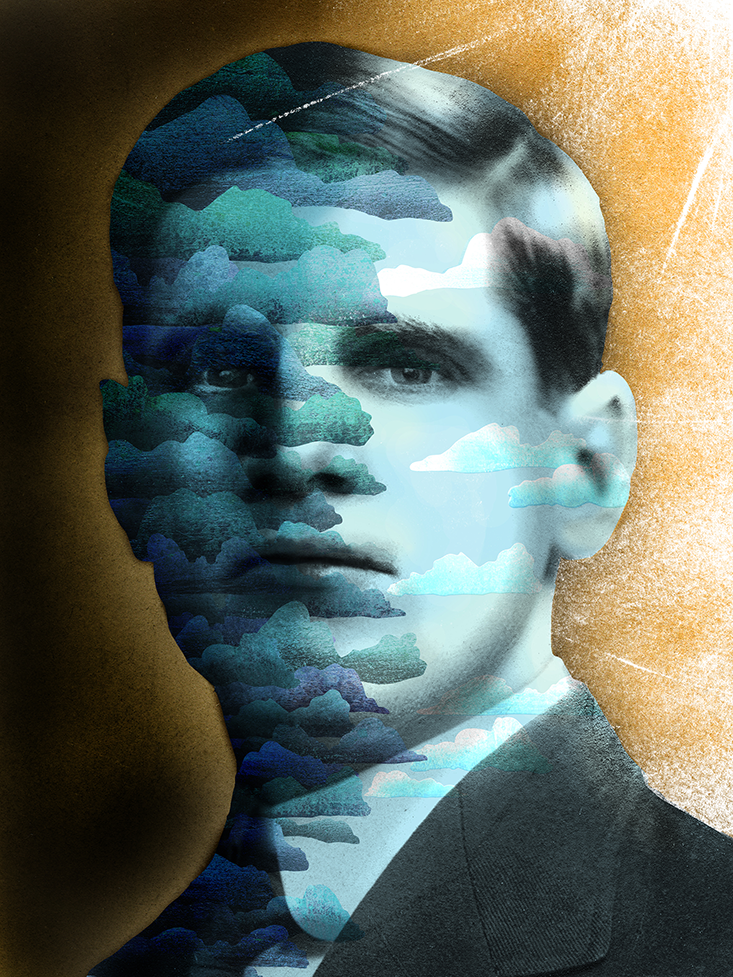
http://static.nautil.us/2851_d3d80b656929a5bc0fa34381bf42fbdd.png

Light therapy was a fringe science only a decade or so ago, but since then the research has increased and the therapeutic benefits are becoming more accepted. This article from Nautilus looks at the state of the science on light therapy.

Take Light, Not Drugs

How light therapy can treat disorders from depression to Alzheimer’s disease

By Katherine Hobson | Illustration by Shannon Freshwater March 20, 2014

FOR RYAN SHERMAN*, a 34-year-old lawyer, something changed eight years ago when he moved from Texas to Europe and then to Boston and New York City: The shorter winter days of the more northern latitudes were like a dead weight on his emotions. “I’d get these depressions,” he says. His sleep schedule changed, too, with his bedtime slipping progressively later and early morning wakeups becoming increasingly difficult.

He tried medication to improve his mood—“a Xanax type of thing”—but it didn’t make him feel better. Then, while searching online, he discovered the Center for Light Treatment and Biological Rhythms at Columbia University Medical Center, in Manhattan. After undergoing a psychiatric consultation and filling out a questionnaire, he was prescribed a light box.

Between October and March, he wakes up at 6:15 a.m. and, so as not to disturb his partner, immediately heads to his living room, where he spends 30 minutes basking in the box’s glow. His mood lifted within a week when he started the treatment about two years ago. “It was an overwhelming sense of going from being a pessimist to being an optimist,” he says. It’s a steady commitment, but a worthwhile one. He can feel the effects when he falls off the light box wagon, as he did recently during a particularly busy time at work. “I felt my mood significantly go downhill,” he says. Within three days of returning to his regular doses of light, in combination with a little bit of exercise, he says he felt “a significant transformation.”

Light therapy has become standard for treating seasonal depression like Sherman’s. The idea that light has a benevolent influence on mood during the dark days of winter instinctively makes sense: As hazardous as sunbathing is, it certainly feels good. Now, research into the circadian underpinnings of chronic depression, bipolar disorder, Alzheimer’s disease, and fatigue suggests that light could help these patients readjust too.

RESEARCHERS HAVE KNOWN for decades that light influences animal behaviors; exposing a rodent to light during its usual nighttime, for example, stops its brain’s pineal gland from producing melatonin, a hormone that oscillates with day and night cycles.[1] And in 1980, a psychiatrist named Alfred Lewy, then at the National Institute of Mental Health, published a report in Science showing that humans were similarly vulnerable to a bright light’s effects.[1]

Months before the paper was submitted, Lewy was contacted by Herb Kern, an engineer who had meticulously recorded his severe mood swings for years. Kern noticed that his depressions peaked during the short winter days and then retreated as the days grew longer. He had combed through studies on light and melatonin and wondered if it had any bearing on his sadness.

Lewy and his colleagues asked Kern to sit by a bright light in the winter mornings and evenings to mimic the longer days of spring. Kern responded quickly, his description of light’s effects sounding much like Ryan Sherman’s. “I began to be bubbly again,” he later reflected in a Science article. Kern’s experience, followed by further research, sparked the first scientific description of seasonal affective disorder, or SAD.[2]

As research into light treatment for SAD continued, it became clear that it wasn’t necessary to stretch the day at both ends. “You could get as quick and as effective a response by presenting light in the early morning only and keeping [lighting] dim later on,” says Michael Terman, the Columbia University psychologist who treated Sherman and co-author of Reset Your Inner Clock, a book about treatments targeting circadian rhythms.

Exactly how light works isn’t known, but many researchers suspect that bright lights help SAD sufferers by regulating their sluggish circadian clocks. Those clocks involve the suprachiasmatic nucleus, or SCN, which is a small area of the brain’s hypothalamus that dictates the rhythms of a host of bodily functions, including waking, sleeping, body temperature, and alertness. Absent external cues, those rhythms circulate for slightly longer than 24 hours for most people. (They stabilized at 24:30 for a man who lived in a dark cave for two months.) But normally these rhythms are harmonized with the external 24-hour day/night cycle when light hits a cluster of special retinal cells that are sensitive to sunlight but not always involved with vision.

People with SAD may have problems syncing their internal clocks in the winter, such that darker mornings allow their body’s natural rhythms to drift later. Exposure to an artificial bright light in the morning usually improves their moods, says Lewy, presumably by changing the ebb and flow of the stress hormone cortisol or other bodily processes orchestrated by the SCN.

However, circadian rhythms appear to be disturbed in non-seasonal maladies too, which means there is a potential for light therapy beyond SAD, says Anna Wirz-Justice, professor emeritus at the Psychiatric Hospital of the University of Basel. She adds that light therapy has appeal for good reason. When it works, it does so quickly—usually within a week or two. Also, the side effects appear to be mild: Some patients have headaches or a slight nausea at the beginning of treatment, and some report agitation. For researchers like Wirz-Justice, the choice to use light rather than drugs for depression and other mood disorders when possible is obvious. “Light is an active pharmacological agent hitting the brain,” she says. But does it work?

According to a handful of studies cited by the American Psychiatric Association’s (APA) practice guidelines for non-seasonal depression, it may. One of those trials, from 1992, exposed two dozen veterans with major depressive disorder or bipolar depression to bright light treatment ranging from 2,000 to 3,000 lux, and another two dozen to a dim, red light placebo. Those treated with bright light showed declines in three measures of depression during treatment; those exposed to the placebo did not. “In general, bright light therapy is a low-risk and low-cost option for treatment,” the APA concludes. They add that it may speed up patients’ responses to antidepressants.


HOWEVER, THE TRIALS on light therapy for nonseasonal depression have been small and generally short-term, the APA notes. And some studies, particularly early ones, had methodological limitations, such as a lack of consensus over the best placebo to use. (For example, if you use dim light as a placebo, patients may not expect as much improvement as they would with a brighter light.) The lack of proof may in part explain why so few psychiatrists recommend light boxes for anything beyond SAD. Plus, light therapy might get lost in the grab bag of options for depression, such as drugs, psychotherapy, and deep brain stimulation, says David Neubauer, a psychiatrist at Johns Hopkins Medicine in Baltimore, Md.

Then there’s the inconvenience of adding anything new. Doctors might not have heard about light therapy in medical school, so it doesn’t pop to mind, and some patients accustomed to pills may not be open to the time and logistics involved in sitting beside a light box early each morning.

Light therapy researchers say it’s tough to do big, lengthy studies, because they lack money for research. In contrast, the pharmaceutical industry has the financial backing to pay for large trials and then get the results in front of physicians’ eyes.

A lack of capital may also account for why no light box companies can claim that the boxes treat a disease. For that, they need a stamp of approval from the U.S. Food and Drug Administration (FDA), which requires large studies and application fees for filing paperwork. Therefore, people are left to venture out on their own, and they’re confronted with an unregulated heap of options ranging in price from less than $100 to $700. However, a Canadian light box manufacturer, The Litebook Company, is seeking FDA approval for a portable device.

Psychiatrists might eagerly turn to light therapy if there were more evidence to back it—particularly when faced with patients who want to avoid antidepressants. With this segment of the population in mind, several studies have kicked off in recent years. In one, published in 2011, researchers treated clinically depressed, elderly participants with an hour of 7,500 lux pale blue light, or a placebo, dim red light, every morning for three weeks.[3] Not only did the group exposed to the blue light report better sleep and a shift in their dour mood, the effects continued after the therapy ended. According to the study authors, the elderly might be particularly susceptible to the benefits of light therapy because their light perception declines with age, which might be throwing their internal clocks out of sync. Plus, antidepressants aren’t always an option for them because the drugs may interfere with some of the medications commonly prescribed to seniors.

Likewise, depressed women often wish to avoid drugs when they’re pregnant. A small placebo-controlled trial found that 69 percent of pregnant women treated with light therapy achieved remission from depression after a month, compared to 36 percent in the placebo arm.[4] And researchers at the University of Pittsburgh are now analyzing data from a recently completed trial testing the efficacy of light therapy on bipolar depression, which can be difficult to treat with drugs. Light is unlikely to be a silver bullet for complex psychiatric disorders, Terman says, but it may work in combination with other treatments.

SCIENTISTS LIKE Mariana Figueiro have started to wonder whether light therapy might heal ailments beyond depression by resetting circadian rhythms. Figueiro, a photobiologist at the Rensselaer Polytechnic Institute in Troy, N.Y., has shown that older adults with Alzheimer’s disease have disruptions in these rhythms, caused or compounded by the fact that they tend to get outside less often than healthy adults. She’s developed light therapy catered to Alzheimer’s patients: a “light table” built from a 70-inch flat-screen TV that patients can sit at during the day.

In other ongoing studies, scientists explore whether light therapy might reduce fatigue in patients who have recently completed cancer treatment, and in people with Parkinson’s disease, who may also have disrupted circadian rhythms.

To Terman, these studies test what he already believes to be true at some level: Light has been woven into human physiology since the beginning. In our artificially lit buildings, we tend to forget that humans once lived under the glowing moon, stars, and sun. Ironically, artificial light may now revive those ancient rhythms from the comfort of our living rooms.

*Ryan Sherman requested that his real name be concealed.

~ Katherine Hobson is a freelance health and science journalist in Brooklyn.

References
  1. Lewy, A.J., Wehr, T.A., Goodwin, F.K., Newsome, D.A., & Markey, S.P. Light suppresses melatonin secretion in humans. Science 210 (4475), 1267-1269 (1980).
  2. Rosenthal, N.E., et al. Seasonal affective disorder: a description of the syndrome and preliminary findings with light therapy. Archives of General Psychiatry 41, 72-80 (1984).
  3. Lieverse, R., et al. Bright light treatment in elderly patients with nonseasonal major depressive disorder. Archives of General Psychiatry 68, 61-70 (2011).
  4. Wirz-Justice, A. et al. A randomized, double-blind, placebo-controlled study of light therapy for antepartum depression. Journal of Clinical Psychiatry 72 (7), 986-993 (2011).

Saturday, January 18, 2014

N-acetylcysteine (NAC) in neurological disorders: mechanisms of action and therapeutic opportunities


This is an excellent review article on what we know about the potential of N-acetyl-cysteine for the treatment of various health issues. The most "exciting" work is in the ability of NAC to heal brain dysfunctions and neuropathies.


Full Citation:
Bavarsad Shahripour, R., Harrigan, M. R. and Alexandrov, A. V. (2014, Jan 13). N-acetylcysteine (NAC) in neurological disorders: mechanisms of action and therapeutic opportunities. Brain and Behavior. doi: 10.1002/brb3.208

N-acetylcysteine (NAC) in neurological disorders: mechanisms of action and therapeutic opportunities

Reza Bavarsad Shahripour, Mark R. Harrigan, Andrei V. Alexandrov

Abstract


Background

There is an expanding field of research investigating the benefits of medicines with multiple mechanisms of action across neurological disorders. N-acetylcysteine (NAC), widely known as an antidote to acetaminophen overdose, is now emerging as treatment of vascular and nonvascular neurological disorders. NAC as a precursor to the antioxidant glutathione modulates glutamatergic, neurotrophic, and inflammatory pathways.

Aim and discussion

Most NAC studies up to date have been carried out in animal models of various neurological disorders with only a few studies completed in humans. In psychiatry, NAC has been tested in over 20 clinical trials as an adjunctive treatment; however, this topic is beyond the scope of this review. Herein, we discuss NAC molecular, intracellular, and systemic effects, focusing on its potential applications in neurodegenerative diseases including spinocerebellar ataxia, Parkinson's disease, tardive dyskinesia, myoclonus epilepsy of the Unverricht–Lundbor type as well as multiple sclerosis, amyotrophic lateral sclerosis, and Alzheimer's disease.

Conclusion

Finally, we review the potential applications of NAC to facilitate recovery after traumatic brain injury, cerebral ischemia, and in treatment of cerebrovascular vasospasm after subarachnoid hemorrhage.

Introduction


Although N-acetylcysteine (NAC) is widely known as an antidote to acetaminophen overdose, it has multiple other uses supported by varying levels of evidence. These diverse clinical applications are linked to its ability to support the body's antioxidant and nitric oxide systems during stress, infections, toxic assault, and inflammatory conditions (Dekhuijzen 2004). Any situation resulting in a sudden or chronic overconsumption of oxygen can lead to the production reactive oxygen species (ROS). Production of ROS can occur in:
  1. mitochondria,
  2. inside the capillary system, and
  3. an oxidative burst induced by inflammatory cells.
Approximately 2–5% of oxygen passing through the electron transport system inside the mitochondria results in superoxide. Superoxide is the most well-known of the free radicals as it is commonly produced during the natural pathway of oxidative phosphorylation (Kerksick and Willoughby 2005). ROS are produced primarily by the mitochondria as a by-product of normal cell metabolism during conversion of molecular oxygen (O2) to water (H2O). These include superoxide radical (O2−•), hydrogen peroxide (H2O2), and hydroxyl radical (•OH). Peroxisomes produce H2O2 during fatty acid degradation. H2O2 is mostly degraded into water by catalase, but some molecules may also escape into the cell (Ames et al. 1993). Oxidative stress occurs when there is an imbalance between oxidants and antioxidants. ROS can modify or damage DNA, proteins, and lipids in cells by oxidation and peroxidation (Beckman and Ames 1997; Lander 1997; Adler et al. 1999; Frank et al. 2000). There are several antioxidant defense mechanisms; however, both oxidants and antioxidants have a profound impact on the expression of genes. Antioxidants include vitamins C and E, and enzymes such as superoxide dismutase (SOD), catalase, and glutathione peroxidase (GSHpx) (Yu 1994) as well as endogenous thiols, or sulfhydryl containing compounds such as glutathione (GSH) and thioredoxin (Pahl and Baeuerle 1994; Sen and Packer 1996; Arrigo 1999; Davis et al. 2001). NAC is a thiol, a mucolytic agent, and a precursor of l-cysteine and reduced GSH. NAC is a source of sulfhydryl groups in cells and scavenger of free radicals as it interacts with ROS such as OH• and H2O2 (Aruoma et al. 1989).

GSH is currently one of the most studied antioxidants as it is endogenously synthesized basically in all cells. Among many, established roles for GSH are the following:
  1. antioxidant defense,
  2. detoxification of electrophilic xenobiotics,
  3. modulation of redox (oxidation–reduction reaction)-regulated signal transduction,
  4. storage and transport of cysteine,
  5. regulation of cell proliferation, synthesis of deoxyribonucleotide synthesis,
  6. regulation of immune responses, as well as
  7. regulation of leukotriene and prostaglandin metabolism.
GSH has an important role in maintaining the redox state of the cell (Kerksick and Willoughby 2005). It thereby exerts a profound protective effect on cells. Of the three amino acids in the GSH structure (glutamate, glycine, and cysteine), cysteine has the lowest intracellular concentration (Aruoma et al. 1989). Cysteine availability can limit the rate of GSH synthesis during times of oxidative stress. NAC is an acetylated cysteine residue able to increase cell protection to oxidative stress. NAC is an effective scavenger of free radicals as well as a major contributor to maintenance of the cellular GSH status. NAC can minimize the oxidative effect of ROS through correcting or preventing GSH depletion (Kerksick and Willoughby 2005).

By doing so, NAC may decrease the inflammation that occurs in conditions such as chronic obstructive pulmonary disease (COPD), influenza, and idiopathic pulmonary fibrosis. In addition to its antioxidant action, NAC acts as a vasodilator by facilitating the production and action of nitric oxide. This property is an important mechanism of action in the prophylaxis of contrast-induced nephropathy and the potentiation of nitrate-induced vasodilation (Millea 2009).

Uses of NAC in different diseases including cancer, cardiovascular diseases, human immunodeficiency virus (HIV) infections, acetaminophen-induced liver toxicity and metal toxicity have been reviewed previously (Kelly 1998; N-acetylcysteine 2000). This review focuses on the recent studies on the effects of NAC in a variety of neurological disorders and brain functions in animals and humans (Table 1).

Table 1. Summary of NAC mechanisms of action across different neurological disorders.
DiseaseMechanism
Neurodegenerative disorders: SCD, tardive dyskinesia, myoclonus epilepsy, Unverricht–Lundbor typeAntioxidant effect by free-radical scavenging and increased levels of glutathione (Arakawa and Ito 2007)
Down syndromeIncrease and modulation of the level of super oxidase dismutase (Busciglio and Yankner 1995; Behar and Colton 2003)
Multiple sclerosisFree-radical scavenging and inhibition of TNF toxicity (Lehmann et al. 1994; Stanislaus et al. 2005)
Amyotrophic lateral sclerosisIncreasing the level of glutathione peroxidase and free-radical scavenging (Rosen et al. 1993; Louwerse et al. 1995)
Parkinson's diseaseIncreasing the level of glutathione and free-radical scavenging (Schapira et al. 1990; Martínez et al. 1999)
Huntington's diseaseFree-radical trapping and preventing mitochondrial dysfunction (Fontaine et al. 2000; Stanislaus et al. 2005)
Alzheimer's diseaseIncreasing the level of glutathione (Adair et al. 2001; Tchantchou et al. 2005; Tucker et al. 2005)
Focal cerebral ischemiaNOS inhibition, regeneration of endothelium-derived relaxing factor, increasing glutathione levels, improving microcirculatory blood flow, and tissue oxygenation (Dawson and Dawson 1997; Cuzzocrea et al. 2000b)
Subarachnoid hemorrhageFree-radicals scavenger, endothelial apoptosis inhibition, lipid peroxidation reduction, increasing glutathione levels, and SOD enzymatic activities, endothelial integrity protection (Findlay et al. 1989; Sen et al. 2006)
Traumatic brain injuryRepair of TBI-induced mitochondrial dysfunction, increasing the reduced antioxidant enzyme and glutathione levels, inhibition of the activation of NF-κB and TNF-α (Hoffer et al. 2002; Akca et al. 2005; Hsu et al. 2006; Chen et al. 2008)

Basic pharmacology of NAC


NAC exerts survival-promoting effects in several cellular systems (Mayer and Noble 1994). Cysteine is transported mainly by the alanine-serine-cysteine (ASC) system, a ubiquitous system of Na+-dependent neutral amino acid transport in a variety of cells (Bannai and Tateishi 1986; Ishige et al. 2005). NAC, however, is a membrane-permeable cysteine precursor that does not require active transport and delivers cysteine to the cell in a unique way (Fig. 1) (Sen 1997). After free NAC enters a cell, it is rapidly hydrolyzed to release cysteine, a precursor of GSH. GSH is synthesized by the coactions of c-glutamylcysteine synthetase and GSH synthetase. The synthesis of GSH is limited by the availability of substrates; cysteine is usually the limiting precursor (Meister 1995). C-glutamylcysteine synthetase is inhibited by feedback from GSH (Richman and Meister 1975). In addition, intracellular GSH is maintained in its thiol form by GSH reductase, which requires NADPH (Sen 1997). GSH participates nonenzymatically and enzymatically in protection against oxidative damage caused by ROS. GSH peroxidase catalyzes the destruction of H2O2 and hydroperoxides (Meister 1995). Thus, NAC is an antioxidant and a free-radical scavenging agent that increases intracellular GSH, a major component of the pathways by which cells are protected from oxidative stress (Arakawa and Ito 2007). Low bioavailability of NAC is one of the major limitations for maximizing its effects on oxidative stress-related diseases. Giustarini et al. (2012) reported that esterification of the carboxyl group of NAC to produce N-acetylcysteine ethyl ester (NACET) would increase the lipophilicity of NAC as the mechanism of increasing its pharmacokinetics. They showed that NACET is rapidly absorbed in rats after oral administration, but reaches very low concentrations in plasma. This is due to a unique feature of NACET: it rapidly enters the cells and transforms into NAC and cysteine (Giustarini et al. 2012). After oral treatment, NACET (but not NAC) was able to increase significantly the GSH content of most tissues in the rat (including brain), and protected them from paracetamol intoxication. To overcome this limitation of NAC, an amide derivative, N-acetylcysteine amide (NACA) has been synthesized to improve its lipophilicity, membrane permeability, and antioxidant properties. Recent studies have demonstrated the blood–brain barrier permeability and therapeutic potentials of NACA in neurological disorders (Sunitha et al. 2013).

Figure 1. Mechanism of action of N-acetylcysteine (NAC). ASC, alanine-serine-cysteine (ASC) transport system; c-GCS, c-glutamylcysteine synthetase; cys, cysteine; glu, glutamine; gly, glycine; GSH, glutathione.

Does NAC cross cell membranes and the blood–brain barrier?


The ability to cross the blood–brain barrier (BBB) by a compound is thought critical to a treatment targeting dysfunction of brain parenchyma. NAC's ability to cross BBB is being disputed, and this controversy likely stems from differential ability of NAC to cross BBB that could be dependent on its dose and administration.

N-deacetylation and a carrier-mediated active transport are the only pathways of compound crossing the blood vessel wall. Different forms of NAC and different routes of administration may result in different concentrations and variable utilization of these mechanisms. For example, after 2 h following oral administration of S-NAC to rats, the highest concentration was seen in the kidney and liver, followed by the adrenal glands, lung, spleen, blood, muscle, and brain (Sheffner et al. 1966). Intraperitoneal or intravenous injection of 14C-NAC resulted in its uptake by most tissues except the brain and spinal cord in mice (Sunitha et al. 2013). In contrast, some studies reported that intra-arterial (intracarotid) and intravenous (jugular) administration of 14C-NAC resulted in good BBB permeability (McLellan et al. 1995).

BBB crossing by 14C-NAC increased following intraperitoneal administration of lipopolysaccharide (LPS). Interestingly, NAC-amide (NACA is an active derivation of NAC) has been measured in brain after oral or interperitoneal administration, but not NAC itself (Samuni et al. 2013). When NAC was replaced with NAC ethyl ester, a dramatic increase in the brain levels of NAC and cysteine was detected probably due to a rapid hydrolysis of NAC ethyl ester (Samuni et al. 2013).

Effect of NAC on the functions of vascular smooth muscle cells


Excessive proliferation of vascular smooth muscle cells (VSMCs) contributes to atherosclerosis, a major cause of cerebrovascular disease. NAC partially inhibits ox-low-density lipoprotein (ox-LDL, a pro-oxidant) and urotensin-(a potent vasoconstrictor) stimulated proliferation of VSMCs. These effects of NAC raise the possibility of a therapeutic benefit to prevent stroke or atherosclerosis progression in patients with hypertension and hypercholesterolemia (N-acetylcysteine 2000). Additionally, NAC inhibited serum PDGF- and thrombin-stimulated extracellular single-regulated kinase (ERK2), c-JUN N-terminal kinase (JNK1), and p38 mitogen-activated protein kinase (MAPK) activation as well as expression of the c-Fos (70%), c-Jun (50%) and JunB (70%) genes, suggesting redox-sensitive mechanisms for protective effects of NAC in patients with major vascular risk factors (Su et al. 2001). Furthermore, NAC almost completely inhabits the Ag II-induced downregulation of AT (Dekhuijzen 2004)-R mRNA (Angiotensin II receptor, type 1) (Ichiki et al. 2001). NAC also blocks serotonin-stimulated superoxide production and ERK-MAPK phosphorylation in VSMCs (Lee et al. 1999). As a result of these multiple mechanisms of action, NAC reduced thickening of the neointima by 39% in rabbit aorta after injury produced by balloon (Ghigliotti et al. 2001). Finally, NAC inhibits cyclooxygenase-2 induction by benzopyrene, an atherogenic component of cigarette smoking (Yan et al. 2000).

Role of NAC in atherosclerotic plaque stability


ROS such as superoxide, nitric oxide (NO), and H2O2 can modulate the activities of matrix-degrading proteases, matrix metalloproteinases (MMPs) and contribute to the instability of a vulnerable atherosclerotic plaque (Xu et al. 1999). Ox-LDL activates AP-1 and NF-kB transcription factors, promotes macrophage-mediated matrix disruption in the rupture-prone atherosclerotic plaques (Xu et al. 1999). NAC inhibits the homocysteine-enhanced expression of an ox-LDL receptor, lox-1 in the endothelium (Nagase et al. 2001). NAC can inhibit MMP-9 (gelatinase B) activity and expression in lipid-laden macrophage-derived foam cell by 60% (Galis et al. 1998) demonstrating a potential for antioxidants to stabilize vulnerable plaques. In a rabbit model, NAC reduced angioplasty-induced vascular inflammation, thrombus formation, and laminal damage (Mass et al. 1995). In hypertensive rats, NAC administration was partially protective against peroxynitrite-induced aortic vascular dysfunction related to hypertension (Cabassi et al. 2001). In a rat model with ischemic heart, NAC provided protection to ischemic and reperfusion injury in part by inhibiting adhesion molecules (Cuzzocrea et al. 2000a).

In patients with elevated remnant-like lipoprotein (RLP), adhesion molecules levels decreased after treatment with another antioxidant, a-tocopherol (Cabassi et al. 2001). In cultured endothelial cells, NAC decreased RLP-induced adhesion molecules by 50–70% and repaired endothelium-dependent vasorelaxation (Doi et al. 2000). A clinical trial showed that daily oral NAC administration at 1.2 mg dose increased GSH and decreased plasma vascular cell adhesion molecule-1 (VCAM-1) levels in noninsulin-dependent diabetic patients (De Mattia et al. 1998). In the previous studies, NAC supplementation significantly improved coronary and peripheral vasodilatation by enhancing the effects of NO (Andrews et al. 2001).

Role of NAC in neural cell survival and antiapoptotic activities


Oxidative stress causes encoded cell death or apoptosis in several pathological processes such as aging, inflammation, carcinogenesis, and neurodegeneration (Chandra et al. 2000). Studies of various cell types showed NAC growth-promoting activities. NAC increases concanavalin A-induced mitogenesis and simultaneously reduces apoptosis of B-lymphocytes (Li et al. 1999; Martin et al. 2000). Interestingly, NAC and dithiothreitol (DTT) block apoptosis of endothelial cells by LPS (Abello et al. 1994).

Ox-LDL-induced superoxide production and apoptosis of human umbilical vein endothelial cells (HUVEC) were blocked by NAC (Galle et al. 1999). In contrast with endothelial cells, NAC induced apoptosis and reduced viability of rat and human VSMCs (Tsai et al. 1996). NAC was found to maintain VSMCs in inactive state, and its removal led to their return into the cell cycle (Lee et al. 1998). During investigation of the mechanisms of hyperhomocysteinemia-associated atherosclerosis, NAC suppressed homocysteine-stimulated collagen production and proliferation of VSMCs (Tyagi 1998). Such selective impact of NAC can be useful for blocking proliferation of VSMCs in atherosclerosis and lesions prone to restenosis (Yan and Greene 1998; Shirvan et al. 2000). NAC also prevented tumor necrosis factor (TNF)- and thrombin-induced neuronal cell death (Talley et al. 1995; Sarker et al. 1999). Arabinoside-induced neuron apoptosis and neurotoxicity were inhibited in vitro by NAC through ROS inhibition (Geller et al. 2001), a mechanism that supports survival of neurons. While NAC at low concentrations promotes cell growth, its high doses can lead to apoptosis (Kim et al. 2000).

Role of NAC in cell signal cascade


The effects of NAC are most commonly attributed to its capability to scavenge ROS and elevate cellular GSH levels. However, the redox state is the principal mechanism through which ROS are integrated into cellular signal transduction pathways. As NAC affects redox-sensitive signal transduction and gene expression both in vitro and in vivo, its functions on cell signaling should also be considered.

The Rel homology domain (RHD) is a protein domain found in a family of eukaryotic transcription factors that includes a nuclear factor kappa-light-chain enhancer of activated B cells (NF-κB) and a nuclear factor of activated T cells (NFAT). Some of these transcription factors appear to form multiprotein DNA-bound complexes (Wolberger 1998). NF-κB represents proteins sharing RHD that bind to DNA as homo or heterodimers (p50/p65) and activate a multitude of cellular stress-related and early response genes, such as genes for cytokines, growth factors, adhesion molecules, and acute-phase proteins (Sheffner et al. 1966). NAC exerts an effect on NF-κB, which has a cardinal role in regulation and expression of stress response genes under inflammatory and oxidative challenges. Interestingly, NAC affects other signal transduction pathways to expression of various genes. It can directly modulate the activity of common transcription factors both in vitro and in vivo (Samuni et al. 2013).

Oxidative stress is an effective inducer of NF-κB, and NAC treatment suppressed its activation in cultured cells in vitro and in clinical sepsis also reducing subsequent cytokine production. NF-κB is naturally bound to its inhibitor (I-κB) that prevents its nuclear translocation. Dissociation of I-κB following its phosphorylation by specific kinase of NF-κB (IKK) allows NF-κB transport to the nucleus. (Samuni et al. 2013).

Misfolded proteins and neurodegenerative diseases


The alpha-helix structure of proteins is related to their function. When a protein becomes toxic, an extensive conformational change occurs and it will change to the beta-sheet (Reynaud 2010). Note that the beta-sheet conformation also exists in many functional native proteins such as the immunoglobulins. The transition from alpha-helix to beta-sheet is characteristic of amyloid deposits. Misfolded proteins appear when a protein follows the wrong folding pathway or energy-minimizing funnel, and misfolding can happen spontaneously (Reynaud 2010). As millions of copies of each protein are made during our lifetimes, sometimes a random event occurs and one of these molecules follows the wrong path, changing into a toxic configuration. This kind of conformational change is most likely to occur in proteins that have repetitive amino acid design, such as polyglutamine in Huntington's disease (HD). Under normal circumstances, proteins that have problems achieving their native configuration are helped by chaperones to fold properly. Chaperones can prevent protein misfolding by using energy (ATP). Despite chaperone actions, some proteins still misfold. Accumulation of misfolded proteins can cause disease such as amyloid diseases; Alzheimer's, Parkinson's, and HD have similar amyloid origins. Regardless of the type, the risk of getting any of these diseases increases dramatically with age (Unnithan et al. 2012). With aging or mutations, the fine balance of the synthesis, folding, and degradation of proteins will decrease resulting in the production and accumulation of misfolded proteins. Postmortem tissues from patients with neurodegenerative diseases demonstrate protein-misfolding stress and reduced proteasome activity. This broad-spectrum effect of proteotoxic stress has led to the term “proteinopathies” for neurodegenerative diseases. Unnithan and his team believe that toxic-related proteinopathies with GSH loss could have good response to NAC by reversing this GSH loss and preventing this toxicity (Unnithan et al. 2012).

Effect of NAC on diseases of the central nervous system


Oxidative stress plays a critical role in neuronal dysfunction and death in various neurodegenerative diseases, including spinocerebellar disease (SCD), myoclonus epilepsy of the Unverricht–Lundbor type (ULD), Alzheimer's disease (AD), Parkinson's disease (PD), tardive dyskinesia (TD), and Down's syndrome (DS) (Arakawa and Ito 2007) (Table 2).
Table 2. Clinical trials in neurological disorders.
TrialStatus
N-acetylcysteine for neuroprotection in Parkinson's disease (NAC for PD)-NCT01470027Recruiting participants
Intravenous N-acetylcysteine for the treatment of Gaucher's disease and Parkinson's disease. NCT01427517Completed (Holmay et al. 2013)
N-acetylcysteine (NAC) for children with Tourette syndrome. NCT01172288Recruiting participants
The role of N-acetyl-l-cysteine (NAC) as an adjuvant to opioid treatment in patients with chronic neuropathic pain. NCT01840345Not yet open for participant recruitment
Single-port thoracoscopic sympathicotomy in complex regional pain syndrome type I (CRPS). NCT01886625Not yet open for participant recruitment
A clinical trial of a vitamin/nutriceutical formulation for Alzheimer's disease. NCT01320527Completed. Pilot Study is published (Remington et al. 2009)
NAC-003 P.L.U.S. program (Progress through Learning Understanding and Support). NCT01370954Completed. Final results not yet published
Biomarker validation for Niemann–Pick disease, type C: safety and efficacy of N-acetylcysteine. NCT00975689Completed (Fu et al. 2013)
Overcoming membrane transporters to improve CNS drug delivery—improving brain antioxidants after traumatic brain injury (Pro-NAC). NCT01322009Recruiting participants
Efficacy mechanism of N-acetylcysteine in patients with posttraumatic stress disorder. NCT01664260Not yet open for participant recruitment

Spinocerebellar disease

SCD is a diverse group of rare, slowly progressive neurological diseases, often inherited but of incompletely understood pathophysiology, which affect the cerebellum and its related pathways. Several studies have found evidence of oxygen-mediated damage in SCD (Arakawa and Ito 2007). If free-radical species play an important role in cerebellar degeneration in SCD, then NAC may be therapeutically effective. However, there have been no basic or clinical studies aside from one report of 18 patients with SCD who received NAC (Eldridge et al. 1983). Despite varying degrees of ataxia, dysarthria, and oculomotor disturbance among the patients, all claimed subjective improvement with NAC. The most severely affected patient was treated with NAC for 26 months, leading to a marked improvement in the eye movement control (Eldridge et al. 1983).

One case report described NAC administration in a patient with olivopontine cerebellar atrophy (OPCA) who had difficulties with balance and walking, progressive speech disruption, and diminished proprioception and pain sensitivity. A marked improvement in dysarthria and balance was seen 1 month after using NAC. By 3 months, the patient could discriminate between hot and cold, and had regained some touch and position sense (Yang et al. 1984). NAC was also administered in a case of Friedreich's ataxia, a multisystem disorder, for 8 months with an improvement in proprioception and a slight decline in ataxia (Yang et al. 1984).

Ataxia-telangiectasia (AT) is a complex multisystem disorder characterized by ataxia, ocular telangiectasia, immunodeficiency involving both T- and B-cell functions, 50- to 100-fold increased cancer incidence and increased sensitivity to ionizing radiation (Woods and Taylor 1992). Three siblings aged 7, 11, and 13 with AT, confirmed by chromosomal analysis and lymphocyte radiation fragility testing, had questionable improvement in their condition after 3 months of receiving NAC. When two patients were taken off NAC for a period of 2 weeks, rapid deterioration in their conditions ensued including a return of copious drooling in the youngest patient (Eylar et al. 1993; Sölen 1993).

Myoclonus epilepsy of the Unverricht–Lundbor type (PME-ULD)

PME-ULD is an autosomal recessive disorder that typically develops between the ages of 6 and 15 years with stimulus-sensitive myoclonus and tonic colonic seizures followed by progressive cerebellar syndrome (Lehesjoki and Koskiniemi 1998; Arakawa and Ito 2007). A Florida family with four siblings with PME-ULD received treatment for 20 years with phenytoin, phenobarbital, carbamazepine, and other anticonvulsants without benefit (Lehesjoki et al. 1993). After starting NAC, improvement in myoclonus was reported in the least affected patient such that she has been able to walk unaided for several days at a time. Objective measurements of improvement included some normalization of somatosensory evoked potentials (Lehesjoki et al. 1993).

Tardive dyskinesia

The basal ganglia are exceptionally vulnerable to free-radical overload because they are rich in dopamine as well as other catecholamines. By blocking dopamine receptors, neuroleptics may cause dopamine buildup in the basal ganglia, which then increase free-radical production. NAC decreased disease severity in both in vivo and in vitro TD models suggesting that further clinical trials may be warranted (Galili-Mosberg et al. 2000; Sadan et al. 2005).

Down syndrome

Down syndrome is known to involve increased systemic oxidative stress (Busciglio and Yankner 1995). The 50% overexpression of super oxidase dismutase (SOD) on chromosome 21 contributes to heightened fluxes of superoxide in all tissues. However, DS is not manifested until after birth, as the mother's antioxidant defenses might guard the fetus until delivery. Children with DS are also at significantly increased risk of Alzheimer-type dementia (Lehesjoki et al. 1993). Although NAC protects neuronal migration in DS models in vitro (Behar and Colton 2003), further clinical trials should help to clarify whether supplementation of NAC from birth can delay the beginning of Alzheimer-type dementia in DS patients.

Multiple sclerosis

There is a marked increase in expression of TNF in active multiple sclerosis (MS), and a correlation exists between cerebrospinal fluid levels of TNF and the severity and progression of disease (Sharief and Hentges 1991). With cytokine activation, free-radical production increases and this has been demonstrated in MS (Glabiński et al. 1993). NAC inhibits the toxicity of TNF and in an animal model of MS, it inhibited the development of MS-like pathology (Lehmann et al. 1994).

Ten patients with MS were treated with NAC for a period of up to 16 months. Due to relapsing–remitting course in many MS patients, it is difficult to determine efficacy of NAC in a small sample without concurrent controls. However, two MS patients with longstanding inability to speak coherently had a rather dramatic improvement in speech shortly after they started to take NAC. Controlled trials are needed to ascertain if NAC can decrease the number of exacerbations in MS (Stanislaus et al. 2005).

Huntington's disease

Mitochondrial dysfunction is a major event involved in the pathogenesis of HD. In 2000, Butterfield and his team tried to create an animal model of Huntington's disease by nitropropionic acid (3-NP) injection to rats. 3-NP is an irreversible inhibitor of complex II in the mitochondria (Fontaine et al. 2000). They reported that rats injected with 3-NP exhibited increased oxidative stress in both striatum and cortical synaptosomes. Treatment of these rats with a free-radical spin trap agent, 5-diethoxyphosphoryl-5-methyl-1-pyrroline N-oxide (DEPMPO) in a dose of 30 mg/kg, i.p., daily or with NAC (100 mg/kg, i.p., daily) starting 2 h before 3-NP injection protected against oxidative damage. Furthermore, both DEMPMPO and NAC treatments significantly reduced striatal lesion volumes (Fontaine et al. 2000). In 2012, Sandhir and his team evaluated the role of NAC in preventing mitochondrial dysfunction in a 3-NP-induced HD model in rat (Sandhir et al. 2012). They found an increased generation of ROS and lipid peroxidation in mitochondria of 3-NP-treated animals. Endogenous antioxidants (thiols and manganese-SOD) were decreased in mitochondria of 3-NP-treated rats. 3-NP-treated animals showed increased cytosolic cytochrome c levels and mitochondrial swelling. Increased expressions of caspase-3 and p53 were also observed in 3-NP-treated animals. Increased neural space, neurodegeneration, and gliosis accounted for most histopathologic findings in these rats. These findings were accompanied by cognitive and motor deficits. NAC treatment was capable of reversing 3-NP-induced mitochondrial dysfunction and neurobehavioral deficits in this study (Stanislaus et al. 2005), thus suggesting a beneficial effect of NAC in HD.

Amyotrophic lateral sclerosis

Linkage of familial amyotrophic lateral sclerosis (FALS) with mutations in the gene encoding superoxide dismutase (SOD1) support the role of free radicals in the progression of ALS (Rosen et al. 1993). Levels of SOD1 are reduced in patients with FALS, but are often normal in sporadic ALS. In two patients with sporadic ALS, SOD1 activity was normal, but GSHpx and GSH reductase activities were markedly reduced. In these patients, NAC treatment may have modified the course of the disease as one patient (duration of treatment 12 months) has remained stable with an increase in grip strength. The second patient has only marginally progressed during 17 months of treatment with NAC. Louwerse et al. (1995) reported a double-blind trial of NAC in 111 patients with ALS. Patients with limb onset but not bulbar onset of ALS had a 50% decrease in the 1 year mortality rate after beginning NAC treatment (Cray et al. 1980; May and Gray 1985; Louwerse et al. 1995).

Parkinson's disease

Multiple neuronal systems are involved in sporadic PD. Alpha-synuclein-immunopositive Lewy neurites and Lewy bodies are the cardinal histopathology in PD. Lesions initially occur in the dorsal motor nucleus of the glossopharyngeal and vagal nerves and anterior olfactory nucleus. Anteromedial temporal mesocortex is involved too. Neural degeneration in substantia nigra, which is a common finding in sporadic PD, could be a coincidental finding rather than a casual finding (Braak et al. 2003). Increased lipid peroxidation and dramatically decreased GSH levels have been reported in PD (Arakawa and Ito 2007). Some published reports have mentioned that GSH levels were reduced by 40% in substantia nigra compared to controls (Sian et al. 1994).

Decreased GSH levels may be due to mitochondrial dysfunction and oxidative stress. Oxidative stress will increase the accumulation of toxic forms of alpha-synuclein (SNCA). Simon and his team hypothesized that supplementation with NAC could protect against SNCA toxicity. They found that in transgenic mice, NAC increases the SN levels of GSH within 5–7 weeks of treatment; however, this increase was not sustained at 1 year. Despite this transient effect, they found that the loss of dopaminergic terminals at 1 year associated with SNCA overexpression was significantly attenuated by NAC supplementation (Clark et al. 2010).

Dopaminergic neuronal death in PD is accompanied by oxidative stress and preceded by GSH depletion. Earlier studies confirmed that mice have age-dependent loss of dopaminergic neurons in pars compacta of the substantia nigra (Jiang et al. 2005). This neuronal loss is accompanied by increased nitrotyrosine formation, nitrosylated a-synuclein, and microglial activation. These changes are considerably reduced in mice that received NAC. Martinez et al. hypothesized that treatment with a sulfur-containing antioxidant such as NAC may provide a new neuroprotective therapeutic strategy for PD (Schapira et al. 1990; Martínez et al. 1999). Generation of hydrogen peroxide by monoamino oxidase (MAO) and ROS production by catecholamines in the substantia nigra are other precipitating factors in PD (Martínez et al. 1999). Moreover, the substantia nigra in PD patients is rich in iron and in neuromelanin, two other sources that may mediate the formation of ROS. Clinical trials using antioxidants such as vitamin E (The Parkinson Study Group 1993; Pappert et al. 1996) and vitamin C for the treatment of PD have been reported (Reilly et al. 1983). However, no benefit has been found, possibly because of the poor ability of antioxidants to penetrate the BBB. On the other hand, NAC may cross the BBB (Martínez et al. 1999; Farr et al. 2003), and NAC exerts a preventive effect in a 1-methyl-4-phenyl-1,2,3,6-tetrahydropyridine (MPTP)-induced mouse model of PD (Pan et al. 2009). One ongoing randomized clinical trial to evaluate the role of NAC as a neuroprotective agent in PD is currently recruiting participants (NCT01470027, http://www.clinicaltrials.gov). Further controlled trials involving administration of NAC or GSH precursors or in combination with other antioxidants are needed (Martínez et al. 1999).

Alzheimer's disease

AD is a multifactorial disease. There is both direct and indirect evidence of free-radical involvement in AD. Increased levels of lipid peroxides in the temporal and cerebral cortex, and decreases in GSH in cortical areas and the hippocampus have been reported in AD (Adams et al. 1991; Jenner 1994; Lohr and Browning 1995).

Most clinical trials of antioxidants for the treatment of AD have employed either tocopherol (a class of chemical compounds which many have vitamin E activity) or selegiline (also known as l-deprenyl, an irreversible and relatively selective MAO-B inhibitor). NAC has been tested in some murine models of AD, and these studies provided supportive evidence that administration of NAC blocks oxidative damage in AD (Tchantchou et al. 2005; Tucker et al. 2005). Adair et al. (2001) administered NAC in a blinded placebo-controlled trial in patients with AD. In patients with clinically diagnosed AD, treatment with NAC failed to alter the primary outcome measures. However, the results may still support future testing of NAC in AD. First, all subjects tolerated the drug well, experiencing only minor and transient adverse effects. Second, the group taking NAC showed positive effects on some secondary outcome measures. Further testing of NAC in patients with AD may determine whether it provides more benefit than vitamin E and other antioxidants (Adair et al. 2001).

Beneficial effect of NAC after focal cerebral ischemia

Cerebral ischemia alters the mitochondria leading to increased ROS generation (Morris et al. 2011). Initiation of the ischemic cascade affects not only neuronal signaling but also several humoral mediators and diverse humoral pathways including opioids, NO, adenosine, bradykinin, catecholamines, heat-shock proteins, heme oxygenase, tumor necrosis factor-alpha (TNF-α), angiotensin, and prostaglandins (Vasdekis et al. 2013).

Neural damage following stroke is promoted by a massive release of excitatory neurotransmitters such as glutamate that acts on the N-methyl-d-aspartate (NMDA) receptor and other receptor subtypes (Cuzzocrea et al. 2000b). Animal studies have shown that glutamate receptor antagonists reduce neuronal damage following ischemic stroke and reduce neurotoxicity (Cuzzocrea et al. 2000b). Treatment of mice with nitric oxide synthase (NOS) inhibitors and neuronal (nNOS) gene disruption can protect ischemic brain against NMDA neurotoxicity (Dawson and Dawson 1997; Cuzzocrea et al. 2000b). Most of the toxic effects of NO appear to be a result of the reaction of NO with superoxide to form a very toxic compound peroxynitrite. Cytotoxicity of peroxynitrite is related to its roles in the initiation of lipid peroxidation, inactivation of a variety of enzymes, and depletion of GSH (Cuzzocrea et al. 2000b). Interventions to reduce the generation or the effects of peroxynitrite have showed beneficial effects in a model of cerebral ischemia as well as variety of models of inflammation and shock (Dawson and Dawson 1997). NAC's antioxidant property of being a sulphydryl donor may contribute to the regeneration of endothelium-derived relaxing factor and GSH (Aruoma et al. 1989).

Positive changes in microcirculatory blood flow and tissue oxygenation after the start of NAC treatment were documented in animals (Cuzzocrea et al. 2000b). In a Mongolian gerbil model, NAC treatment increased survival and reduced hyperactivity linked to neurodegeneration induced by cerebral ischemia and reperfusion. Histological observations of the pyramidal layer of cortex showed a reduction of neuronal loss in animals that received NAC. Generally, these results show that NAC improves brain injury induced by transient cerebral ischemia (Harrison et al. 1991). Similar results were obtained in a rat model of cerebral ischemia (Khan et al. 2004). However, no data are yet available on the use of NAC in acute ischemic stroke patients.

Subarachnoid hemorrhage

The pathological production of free radicals and consequent lipid peroxidation are causally related to the development of cerebral vasospasm (Sen et al. 2006). Damage in the endothelium and apoptosis of endothelial cells are also contributing to cerebral vasospasm after subarachnoid hemorrhage (SAH) (Halliwell and Gutteridge 1986; Findlay et al. 1989), while protection of endothelium from apoptosis might attenuate vasospasm (Sen et al. 2006). Intraperitoneal administration of NAC was markedly effective against cerebral vasospasm development following SAH in rabbits. NAC can significantly reduce elevated lipid peroxidation and increase the level of tissue GSH and SOD enzymatic activities. Also, NAC treatment increased the luminal area and reduced wall thickness of the basilar artery. NAC markedly reduced apoptotic index and protected the endothelial integrity (Güney et al. 2010).

Our group reported a 43-year-old woman with Hunt-Hess grade 3 SAH due to a ruptured right middle cerebral artery aneurysm that was coiled and she subsequently developed severe vasospasm. She was treated with oral NAC, 600 mg twice a day, with dramatic vasospasm resolution for 24 h, confirmed by Computed Tomography Angiography and Transcranial Doppler sonography (Friehs 2014). To our knowledge, this is the first report of NAC use and its possible effect on vasospasm in a patient with SAH. We hypothesize that NAC may be a part of the preventive therapy for vasospasm by its multiple complex action mechanisms and the subject deserves further investigation.

Traumatic brain injury

Several experimental studies have found that NAC plays a neuroprotective role by repairing traumatic brain injury (TBI)-induced mitochondrial dysfunction and by increasing the reduced antioxidant enzyme (Xiong et al. 1999; Hicdonmez et al. 2006; Yi et al. 2006). Previous studies focused on NAC modulating oxidative stress in the brain following TBI, but did not examine the influence of NAC on inflammation, which plays an important role in the mechanisms of secondary brain damage after TBI (Morganti-Kossmann et al. 2001). Several experimental studies have confirmed that secondary brain injury can be magnified after TBI by numerous immune mediators including interleukin-1β (IL-1β), TNF-α, interleukin-6 (IL-6), and intercellular adhesion molecule-1 (ICAM-1) (Merrill and Benveniste 1996; Hans et al. 1999; Rancan et al. 2001). In a rat model, cortical contusions induce a concomitant and persistent upregulation of NF-κB, TNF-α, IL-6, and ICAM-1 (Chen et al. 2008). NAC, by increasing the amount of GSH, works as a ROS scavenger resulting in cytoprotection as it also inhibits the activation of NF-κB and TNF-α production by LPS (Hoffer et al. 2002; Akca et al. 2005; Hsu et al. 2006). These results suggest that post-TBI NAC administration may decrease inflammatory response in the injured brain, one potential mechanism by which NAC improves secondary brain damage following TBI (Chen et al. 2008). The use of NAC in humans with TBI has not been reported.

NAC in psychiatric disorders


Psychiatric disorders have a multifactorial etiology that involves inflammatory pathways, glutamatergic transmission, oxidative stress, GSH metabolism, mitochondrial function, neurotrophins, apoptosis, dopamine pathway, and intracellular Ca modulation (Dean et al. 2011). As NAC plays a role in most of these pathways, its effect on psychiatric disorders has been studied more extensively in the clinical setting.

More than 20 clinical trials have employed NAC as an adjunctive treatment in various psychiatric disorders. These include methamphetamine and cannabis dependence, nicotine and cocaine addiction, pathological gambling, obsessive–compulsive disorder, trichotillomania, nail biting and skin picking, schizophrenia, bipolar disorder, autism, and AD. In most of these studies, NAC had positive effects on clinical outcomes (Gere-Paszti and Jakus 2009; Samuni et al. 2013). A detailed discussion of these results is beyond the scope of this review as it is focused on neurological disorders.

Pharmacokinetics and side effects


With oral NAC doses of 200–400 mg, the peak plasma concentration of 0.35–4 mg/L is achieved within 1–2 h after ingestion. Information on interaction with food is lacking. The volume of distribution ranges from 0.33 to 0.47 L/kg and protein binding is significant being 50% at 4 h after the dose administration.

Intravenously infused NAC rapidly forms disulfides in plasma, which prolong the existence of the drug in plasma for up to 6 h (Sarker et al. 1999). Renal clearance has been reported at 0.190–0.211 L/h per kg; however, up to 70% of the total body clearance is nonrenal.

With oral administration, reduced NAC has a terminal half-life of 6.25 h. It is believed to be rapidly metabolized and incorporated onto proteins. After oral ingestion of 200 mg NAC, the free thiol is largely undetectable, and only low levels of oxidized NAC are detectable for several hours after administration (Cotgreave and Moldeus 1987). The data also indicate that the drug is less than 5% bioavailable from the oral formulation. Further pharmacokinetic data suggest that the drug itself does not accumulate in the body, but rather in its oxidized forms and in reduced and oxidized metabolites (Holdiness 1991; Watson and McKinney 1991).

Pharmacokinetic information is controversial regarding NAC ability to cross placenta or being excreted into breast milk. NAC in the Ames test is negative; however, animal studies on embryotoxicity are equivocal (Ziment 1988). In addition, studies in pregnant women are inadequate. Therefore, NAC should be used with caution during pregnancy, and only if clearly indicated. Its major excretory product is inorganic sulfate.

NAC is generally safe and well tolerated even at high doses. Most frequently reported side effects are nausea, vomiting, and diarrhea. Therefore, oral administration is contraindicated in persons with active peptic ulcer (Ziment 1988). Biochemical and hematological adverse effects are observed, but are not clinically relevant. Drug interactions of clinical significance have been observed with paracetamol, GSH, and anticancer agents (Holdiness 1991).

Infrequently, anaphylactic reactions due to histamine release occur and can consist of rash, pruritis, angioedema, bronchospasm, tachycardia, and changes in blood pressure. In rare circumstances, intravenous administration of NAC can lead to an allergic reaction generally in the form of rash or angioedema. In addition, as with any antioxidant nutrient, NAC at therapeutic doses (even as low as 1.2 g daily) has the potential to have pro-oxidant activity and therefore it is not recommended in the absence of a significant confirmed oxidative stress (Ziment 1988). NAC strongly potentiates the effect of nitroglycerin and related medications, and caution should be used in patients receiving these agents in whom it may cause hypotension (Atkuri et al. 2007).

Conclusions


NAC has a broad spectrum of actions and possible applications across multiple conditions and systems. As a drug, NAC represents perhaps the ideal xenobiotic, capable of directly entering endogenous biochemical processes as a result of its own metabolism. In addition, NAC may cross the BBB. In neurological diseases, there is a potential to explore doses and duration of treatment with NAC to achieve cytoprotection.

Conflict of Interest

None declared.

References available at the Brain and Behavior site.