Showing posts with label precognition. Show all posts

Tuesday, June 10, 2014

Proof of Precognition or Statistical Manipulation?


In 2011, a widely publicized study by Daryl Bem claimed evidence of precognition (Bem, 2011). The article was widely reported in the popular press, but widely dismissed in the scientific research world due to questions about the statistical approach applied in testing these effects (Bem et al., 2011; Rouder and Morey, 2011; Wagenmakers et al., 2011).

A series of attempts to replicate the findings ensued, most of which (especially those conducted by researchers skeptical of precognition) have failed (Galak et al., 2012; Ritchie et al., 2012; Wagenmakers et al., 2012).

Over the last two years, two articles in Frontiers in Psychology and Frontiers in Human Neuroscience reported a meta-analysis of experiments on “predictive anticipatory activity” or “presentiment” (Mossbridge et al., 2012, 2014).
In that paradigm participants are exposed to a series of random stimuli, some arousing (violent/erotic images, loud sounds), others calm controls (neutral images, silence). Apparently, physiological responses evoked by the two trial types prior to stimulus onset predict the upcoming stimulus.
It's easy to get caught up in the possibilities of a reality where this were the case - the second law of thermodynamics would no longer be an absolute law, and if these claims were true, one must be prepared to accept the existence of perpetual motion and time travel.

But the data and the statistical manipulations are not supportive - at this point - of the conclusion of precognition. In this opinion article from Frontiers in Human Neuroscience, D. Samuel Schwarzkopf outlines some steps that should be met before one accepts precognition as a real phenomenon.

Full Citation: 

Schwarzkopf, DS. (2014, May 27). We should have seen this coming. Frontiers in Human Neuroscience; 8:332. doi: 10.3389/fnhum.2014.00332

We should have seen this coming

D. Samuel Schwarzkopf
  • Experimental Psychology, University College London, London, UK
The possibility of precognition has fascinated humanity since ancient times making it a recurring theme in fiction and mythology. It has also been a topic for scientific investigation. While the majority of such parapsychological studies have been ignored by the larger scientific community, several recent studies of purported precognitive phenomena were published by major international psychology journals. A widely publicized study by Daryl Bem claimed to have found evidence of precognition (Bem, 2011). In its wake have been discussions about the appropriate statistical approach for testing these effects (Bem et al., 2011; Rouder and Morey, 2011; Wagenmakers et al., 2011), and it caused a wave of replication attempts most of which, at least those conducted by researchers skeptical of precognition, have failed (Galak et al., 2012; Ritchie et al., 2012; Wagenmakers et al., 2012). More recently, two articles in Frontiers in Psychology and Frontiers in Human Neuroscience reported a meta-analysis of experiments on “predictive anticipatory activity” or “presentiment” (Mossbridge et al., 2012, 2014). In that paradigm participants are exposed to a series of random stimuli, some arousing (violent/erotic images, loud sounds), others calm controls (neutral images, silence). Apparently, physiological responses evoked by the two trial types prior to stimulus onset predict the upcoming stimulus.

Such findings of “psi” effects fuel the imagination and most people probably agree that there are things that current scientific knowledge cannot explain. However, the seismic nature of these claims cannot be overstated: future events influencing the past breaks the second law of thermodynamics. If one accepts these claims to be true, one should also be prepared to accept the existence of perpetual motion and time travel. It also completely undermines over a century of experimental research based on the assumption that causes precede effects. Differences in pre-stimulus activity would invalidate baseline correction procedures fundamental to many different types of data analysis. While the meta-analysis briefly discusses this implication (Mossbridge et al., 2012), the authors are seemingly unaware of the far-reaching consequences of their claims: they effectively invalidate most of the neuroscience and psychology literature, from electrophysiology and neuroimaging to temporal effects found in psychophysical research. Thus, it seems justified to ask for extraordinary evidence to support claims of this magnitude (Truzzi, 1978; Sagan, 1995).

But what constitutes extraordinary evidence? The results of this and other similar meta-analyses on psi effects are highly significant under commonly used inferential statistics and in many cases also strongly supported by Bayesian inference. Applying the standards accepted by the larger scientific community, should this not suffice to convince us that precognition/presentiment are real?

To me this interpretation betrays a deep-seated misapprehension of the scientific method. Statistical inference, regardless of whatever form it takes, only assigns probabilities. It cannot ever prove or disprove a theory. In fact, unlike mathematical theorems, scientific theories are never proven. They can only be supported by evidence and must always be subjected to scientific skepticism. The presentiment meta-analysis (Mossbridge et al., 2012, 2014) illustrates how this process can be misapplied. A significant effect does not confirm psi but it raises many new questions.

First, any meta-analysis can only be as good as the primary studies it analyzes. Several of the studies included are of questionable quality, e.g., the fMRI experiment (Bierman and Scholte, 2002) commits major errors with multiple comparison correction and circular inference (Kriegeskorte et al., 2009; Vul et al., 2009) and has such poor presentation that it is unlikely it would have been accepted for publication in any major neuroimaging journal. Moreover, many studies were in fact published in conference proceedings and did not pass formal peer review. Admittedly, the authors go to some lengths to assess the quality of each study but it is unclear how appropriate those quality scores were. In fact the rationale for the formula used to combine the different measures is debatable. A more detailed breakdown of how these different parameters influence the results would have been far more interesting. Does the type of random number generator used, or whether a study was peer reviewed, make any difference to the results? Related to this, additional factors would have been of importance, such as whether the experimenters expected to find a presentiment effect (see also: Galak et al., 2012).

Second, the meta-analysis should be much broader including myriad studies not conducted by psi researchers that used similar designs. While the authors tested for potential publication bias (the possibility that many null-results that would have made the results non-significant are missing from the database), there must be a large number of data sets from similar protocols in the wider literature, in particular in emotion research, whose inclusion would greatly enhance the power of this analysis. An often used argument, that these studies are invalid because they used counterbalanced designs and are thus confounded by expectation bias, is a straw man and also rather ironic given the topic of investigation: unless participants knew in advance that stimuli were counterbalanced this could not possibly change their expectations.

Third, a particular critical factor that should have been analyzed directly is the imbalance between control (calm) and target (arousing) trials typically used in these studies. While the authors themselves acknowledge that this is usually approximately 2:1 (Mossbridge et al., 2012), this is neglected by the meta-analysis and seemingly most primary studies even though such an imbalance means that an attentive participant will quickly learn statistical properties of the sequence and thus affects how the brain responds to the different stimulus classes. Rather than predicting future events, what such pre-stimulus physiological activity may actually reflect is that the brain can make predictions of probable events. One important factor to be included in the meta-analysis therefore should have been whether the ratio of target and control trials affects the magnitude of these pre-stimulus effects.

Fourth, could these effects be at least partially explained by analytical artifacts? In many of these studies (Bierman and Scholte, 2002; Radin, 2004) the data are not only baseline corrected to the mean activity level prior to stimulus onset, but they are further “clamped” to a particular time point prior to the stimulus. This should not necessarily influence the results if this point is a true baseline. However, if this pre-stimulus period is still affected by the response to the previous stimulus (e.g., the signal could decay back to baseline more slowly after an arousing than a calm trial) such a correction would inadvertently introduce artifacts in the pre-stimulus period. As such it may also be a much greater problem for slow than fast physiological measures. Either way, it would have been another factor worthy of attention in the meta-analysis.

Fifth, the effect of expectation and trial order must be tested explicitly. Many of these studies test for the presence of expectation bias by correlating the presentiment effect with the time between target events (Mossbridge et al., 2012). The rationale is that expectation bias increases with the number of control trials—a gambler's fallacy. Therefore, so the reasoning goes, the pre-stimulus activity should also increase. However, this is based on an unproven assumption that these physiological effects scale linearly with expectation. Further, because the probability of sequences of control trials falls off exponentially with their length, the presentiment effect cannot be estimated with the same reliability for long sequences as for short ones. This means that even if a linear relationship exists, the power to detect it is low as the presentiment response is subject to variability. Critically, this analysis cannot possibly detect whether participants learn statistical regularities in the trial sequence. The best approach to understand the role of trial order and expectation would be to design experiments that directly test these factors. Order effects are quantified by exposing participants to different stimulus pairs. Expectation bias can be manipulated by cuing participants to the probability that the upcoming trial is a target. If the predictive activity were similar to the presentiment effect when participants strongly expect a target trial, this would indicate that it may in fact be an expectation effect. Crucially, does presentiment persist when participants do not expect a target even when the next trial is one?

Lastly, are the purported effects even biologically plausible? These studies employ vastly different measurements from skin conductance and electrophysiology to hemodynamic responses. Under conventional knowledge these are assumed to be caused by preceding neural events, e.g., a typical hemodynamic response peaks ~6 s after a neural event (Boynton et al., 1996). Conversely, electrophysiological measures have a latency of fractions of a second, while skin conductance measures, heart rates, pupil dilation etc. probably fall somewhere in between. Thus, the same precognitive neural event probably cannot cause all of these responses. Alternatively, if these responses themselves reverse the arrow of time and are caused by future stimuli, this will require a complete overhaul of current theory. Why should blood oxygenation increase before neural activity in such a way that predicts the up-coming stimulus?

In my mind, only if all these points were addressed appropriately, should one even entertain the thought that such presentiment effects have been empirically demonstrated. The first four could have certainly formed part of the meta-analysis; it is frankly a clear failure of the peer review process that they were not. The final two points should at the very least be discussed as critical further steps before assuming that the effects reverse causality.

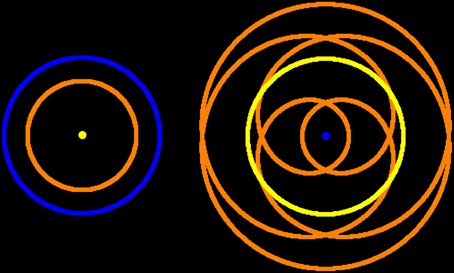
Much of parapsychology research is concerned with proving that psi is real (Alcock, 2003), that is, it rests on the notion that “there is an anomalous effect in need of an explanation” (Utts, 1991). But there is always unexplained variance in any data regardless of how significant the results are. It is the purpose of scientific investigation to explain as much as possible, not to conclude that there remains something we do not currently understand. Science works by formulating falsifiable hypotheses and testing them. This in turn will produce new findings that can be used to generate better theories. Further, one should always start from the most parsimonious explanation for a result. Only if a more complex model has greater explanatory power should we stray from the one requiring the least assumptions (Figure 1). Since the psi hypothesis merely postulates that some results remain unexplained, it does not lead to any falsifiable hypothesis that could help explain these effects. Post-hoc speculations of quantum biology or psychokinesis are insufficient unless they can make testable predictions and they are hardly the most parsimonious explanations.
FIGURE 1
http://www.frontiersin.org/files/Articles/97849/fnhum-08-00332-HTML/image_m/fnhum-08-00332-g001.jpg
Figure 1. Simplistic schematic of the heliocentric model (left) and the geocentric model (right). The motion of the Sun (yellow) and the planets Earth (blue) and Venus (orange) is shown. Under the heliocentric model both Earth and Venus have simple circular orbits around the Sun. In contrast, under the geocentric model Venus describes a complicated (albeit beautiful) path. The heliocentric model is by far the more parsimonious explanation for our observation of the motions of celestial bodies, especially when taking Newtonian physics into account. It is important to note that this heliocentric model is not the “true” model as for instance the orbits are not circular and the planets do not strictly revolve around the center of the sun. However, it is certainly the better model of the two as it requires fewer assumptions.
Certainly, science should be open-minded and no hypothesis must be dismissed out of hand—but this does not mean that every possible hypothesis is equally likely. A former colleague of mine once wrote very eloquently: “Science is not about finding the truth at all, but about finding better ways of being wrong” (Schofield, 2013). Not only does our present understanding fail to explain everything about the universe, we must accept that we will never explain everything. Importantly, this also means that we must always remain skeptical of any claims but especially our own.

It would be an easy mistake for “mainstream” researchers to accuse parapsychologists of being solely responsible for perpetuating this non-skeptical thinking. Yet it is only human to cling to theories against compelling evidence to the contrary. We all must be more critical. As Richard Feynman put it: “The first principle is that you must not fool yourself and you are the easiest person to fool” (Feynman, 2010). If some result is too good to be true, it probably is. We should actively strive for our hypotheses to be proven incorrect. And we should stop relying on statistics at the expense of objective reasoning. If we do not, I predict we will see many more such studies (on psi or something else) published in major science journals. They will not bring us any closer to understanding the cosmos.

Conflict of Interest Statement

The author declares that the research was conducted in the absence of any commercial or financial relationships that could be construed as a potential conflict of interest.

Acknowledgments

I dedicate this article to two individuals whose words have greatly inspired my thinking: Carl Sagan (1934–1996) and my colleague Tom Schofield (1976–2010). The author is supported by a ERC Starting Grant.

References available at the Frontiers site.
Friday, August 09, 2013

Believing We Can Predict the Future Makes Us Believe We Can Control the Future


Ever wonder why people read their horoscopes daily? Or why people pay psychics, Tarot card readers, and other purveyors of future predictions, even though there is no research anywhere supporting these prognosticators or their methods?

Apparently, these researchers did:
Every year thousands of dollars are spent on psychics who claim to “know” the future. The present research questions why, despite no evidence that humans are able to psychically predict the future, do people persist in holding irrational beliefs about precognition? 
What they found is that a belief in our ability to predict the future provides us with a sense of control, especially for those who feel low in control. Three different experimental designs all supported this basic finding.

Now you know.

Loss of Control Increases Belief in Precognition and Belief in Precognition Increases Control


Katharine H. Greenaway, Winnifred R. Louis, Matthew J. Hornsey

Abstract

Every year thousands of dollars are spent on psychics who claim to “know” the future. The present research questions why, despite no evidence that humans are able to psychically predict the future, do people persist in holding irrational beliefs about precognition? We argue that believing the future is predictable increases one’s own perceived ability to exert control over future events. As a result, belief in precognition should be particularly strong when people most desire control–that is, when they lack it. In Experiment 1 (N = 87), people who were experimentally induced to feel low in control reported greater belief in precognition than people who felt high in control. Experiment 2 (N = 53) investigated whether belief in precognition increases perceived control. Consistent with this notion, providing scientific evidence that precognition is possible increased feelings of control relative to providing scientific evidence that precognition was not possible. Experiment 3 (N = 132) revealed that when control is low, believing in precognition helps people to feel in control once more. Prediction therefore acts as a compensatory mechanism in times of low control. The present research provides new insights into the psychological functions of seemingly irrational beliefs, like belief in psychic abilities.

Full Citation: 
Greenaway KH, Louis WR, Hornsey MJ. (2013, Aug 7). Loss of Control Increases Belief in Precognition and Belief in Precognition Increases Control. PLoS ONE 8(8): e71327. doi: 10.1371/journal.pone.0071327

Introduction

The human mind is predisposed toward prediction. We are constantly driven to look forward, envisage the future, and infer what will happen [1]. These cognitive mechanisms serve important functions in enabling survival and reproductive advantage, and also act to reduce psychological uncertainty about the future. Our natural orientation towards prediction can sometimes manifest in extreme ways, with some people going so far as to postulate that humans may have developed an ability to predict the future. The multi-million dollar industry of psychic readings, clairvoyance, and astrology testifies to people’s fascination with this idea. One in four Americans believes in precognition [2]. Even the attention of the scientific community has been captured by recent claims that precognition exists [3], [4]. It seems strange considering humans are more scientifically and intellectually advanced than ever before, that irrational beliefs about precognition can persist and be maintained. The present research seeks to explain this phenomenon.

Psychological Pull of Paranormal Beliefs

It is clear that people are drawn to the idea that it is possible to psychically predict the future, that is, access information about what will happen before it has happened. What is less well understood is why people hold these beliefs, and what function these beliefs serve. Although precognitive abilities would confer decided adaptive advantages from an evolutionary perspective, current scientific knowledge indicates that humans do not and probably cannot predict the future through psychic means [5], [6]. From a purely rational perspective, it is unclear what benefit people might gain from believing in something that does not exist. From a psychological perspective, it makes sense that beliefs that help people attain a desired end state such as feeling happy, safe, and secure will be differentially endorsed.

Even the most extreme beliefs may be beneficial when they help people deal with stress or threat. For example, superstitious beliefs and behaviors such as wearing a “lucky charm” have been found to enhance performance [7], to protect against negative outcomes under stress [8],[9], and to be positively correlated with feelings of control [10], [11]. Sports players use superstitious strategies to attempt to bring about a desired outcome in a game [12], [13]. Times of economic stress reliably coincide with an increase in the number of articles on astrology and other psychic phenomena [14]. Many Western societies may be experiencing another such peak in the wake of the Global Financial Crisis and the events of September 11, 2001 [15][17].

Stressful or challenging experiences therefore often seem to go hand-in-hand with interest in paranormal phenomena. Some researchers even argue that paranormal beliefs, and belief in precognition in particular, may develop as part of a specialized psychological coping mechanism in the service of managing feelings of threat [18], [19], [20]. Specifically, such beliefs are thought to aid people in threatening circumstances by conferring a sense of control.

If it is possible to predict what the future holds, then one can exert control. That is, by knowing what will happen, people can act in a way to bring about positive outcomes and avoid negative outcomes. For instance, one could earn money by knowing the outcome of a particular sporting match, or remain safe by choosing to avoid the site of a future accident. Having insight into what will happen in the future would therefore allow people to control their outcomes in a way that would guarantee personal success and survival. Accordingly, we argue that believing the future is predictable, even through psychic means, should increase people’s perceived ability for control.

A wealth of correlational evidence exists to show that belief in precognition is positively associated with perceived control [19][21], [23]. It is clear, therefore, that belief in precognition and control are reciprocally intertwined. Yet, the existence of a correlation does not provide information about whether belief in precognition provides people with a sense of control, or whether challenges to control lead to the endorsement of precognitive beliefs, or whether both processes operate. The present research tested these relationships experimentally.

Compensating for Compromised Control

Humans are motivated to feel in control of their environments and outcomes [24], [25]. The impulse is unsurprising, given that people who experience high perceived control tend to live happier, healthier, and more productive lives than people who do not [25][29]. As a result of this drive, people act in order to regain perceived control when deprived of it [24], [30], [31]. Accordingly, humans have developed a variety of psychological strategies to combat feelings of uncontrollability.

When control is deprived, people may attempt to regain it through primary or secondary means. A primary method would be to change the situation that engendered feelings of uncontrollability[24], [31]. Alternatively, people may engage in secondary–or compensatory–strategies to increase perceived control [32][40]. Secondary control strategies are often used when people lack actual control over their circumstances. They involve changing one’s desires to fit with the current circumstances, rather than changing the circumstances to fit with one’s desires (i.e., primary control). To this end, individuals adjust their own attitudes, beliefs, and desires to help themselves feel more in control of an uncontrollable situation.

Rothbaum and colleagues [24] published a comprehensive review of secondary strategies that people use to cope with situations of uncontrollability. One secondary response that they outlined is a strategy termed predictive control, in which people strive to predict future events in order to be able to better exert control. Some scholars have even defined desire for control as the motive to “render the world predictable” ([41], p.551). If a predictive control strategy is utilized, then beliefs that are associated with predictability should be preferentially favored when people find themselves in situations of low control.

Precognition as Predictive Control

Precognitive abilities would allow people to predict the future, thus belief in these abilities should be differentially endorsed when people most desire prediction–that is, in situations of low control. We posit therefore that belief in precognition is a predictive control strategy that people can turn to when feeling low in control. As a result, we hypothesize that loss of control will cause an increase in belief in precognition. Certainly loss of control has been found to increase other types of paranormal beliefs–like superstition–which also include an element of being able to predict, or at least guide, the future [11]. In the case of precognition, people have a direct and exact channel to knowing the future through psychic means. These types of beliefs should therefore be particularly attractive as predictive control strategies in so far as they give people the illusion of being able to predict (and therefore control) the future.

The present research aimed first to determine whether loss of control increases belief in precognition. Our second aim was to determine whether these beliefs do indeed serve as a predictive control strategy, by testing whether belief in precognition increases perceived control. In combining these research questions we will be theoretically advancing the control literature. To date, control researchers have focused on cataloguing the range of strategies people engage in when low in control [11], [32], [35], [39], [40]. Implicit in this literature is the assumption that these compensatory control strategies act to restore perceived control when it has been lost. Research suggests that control strategies do serve this function: They are associated with feelings of control [42], reduce anxious arousal when control has been depleted [37] and can help to meet a need for order and structure [38]. Although this evidence is suggestive, it still requires concrete evidence that engaging in control strategies can act to increase perceived control after a direct loss of control.

The present research aimed to show that the psychological strategies people engage in when low in control can and do serve to increase perceived control. This work therefore provides a new theoretical lens through which to view belief in precognition as more than just an irrational indulgence. It reveals that such beliefs are not necessarily an irrational response to loss of control, but serve a psychological purpose of boosting perceived control in times of uncontrollability.

Experiment 1

Experiment 1 investigated the effect of loss of control on belief in precognition. Given the existence of a positive correlation between perceived control and belief in precognition, there are two possible directions that this effect might take. First, if control and precognition have a straightforward one-to-one relationship, then depriving people of control could reduce their endorsement of precognitive abilities. However, another relationship is possible, that depriving people of control may increase belief in precognition. This is because the existence of a positive association does not preclude the possibility that reducing one variable will trigger an increase in the other variable to take its place [36]. Such a hydraulic effect would be consistent with theorizing by Irwin and colleagues [19], [20] that paranormal beliefs like precognition develop as part of a coping mechanism to help people manage threat. It would also parallel findings by Kay and colleagues of hydraulic relationships between cognitions that provide order and stability following a loss of control [36]. To test whether loss of control increases or decreases belief in precognition, Experiment 1 measured these beliefs after people were exposed to a manipulation designed to prime feelings of high control or low control.

Method

Ethics Statement

The School of Psychology Student Research Ethics Review at the University of Queensland, Australia approved the procedures for the experiment. It is the policy of this Review Committee to obtain verbal rather than written consent and as such, participants provided verbal informed consent, recorded by the experimenter on a written log sheet.

Participants and Procedure

Eighty-five first-year psychology students participated in the experiment in exchange for partial course credit (63 female; Mage = 18.61, SD = 2.75). Control (high vs. low) was manipulated via a priming task in which participants recalled and wrote about a time they felt in control or a time that they felt they had no control [11], [35]. This experiment was part of a larger project that also manipulated financial threat (high vs. low) in the context of the Global Financial Crisis. There were no significant main (p = .684) or interactive effects (p = .165) of the threat manipulation on belief in precognition.

Belief in precognition was measured using four items from the Revised Paranormal Belief Scale ([46], “Some people have an unexplained ability to predict the future”; “Astrology is a way to accurately predict the future”; “The horoscope accurately tells a person’s future”; and “Some psychics can accurately predict the future”; α = .74) measured on a scale ranging from 1 (strongly disagree) to 7 (strongly agree).

Results and Discussion

The relevant data and syntax reported in this paper are available from the authors by request. As predicted, there was a significant effect of the control manipulation, F(1,83) = 4.93, p =.029, ηp2 = .056. Participants who recalled a time of low control reported greater belief in precognition (M = 2.75, SD = 1.27) than participants who recalled a time of high control (M = 2.17, SD = 1.12). This finding provides experimental evidence that people who feel low in control report believing in precognition more so than people who feel high in control. It is in these uncontrollable contexts that people most crave the comfort of knowing that the future is predictable.

The results echo findings by Whitson and Galinksy [11] that threats to control increase superstition, beliefs about events that cause bad luck. It is not surprising that precognitive beliefs would show a similar pattern to superstitious beliefs. First, correlational research has shown belief in superstitions and belief in precognition to be highly correlated [44]. Most superstitions share a common underlying theme of rendering people’s lives more predictable (i.e., both are predictive control strategies [24]). Nevertheless, the two beliefs are not isomorphic. Experiment 1 demonstrated an effect of control deprivation on precognition specifically.

In the following two experiments, our research goes beyond previous experimental work that demonstrates that loss of control heightens paranormal beliefs to test why this effect occurs. Specifically, in the following two experiments we tested our hypothesis that belief in precognition actually boosts perceived control and for this reason is endorsed to a greater degree when people feel as though they lack control.

Experiment 2

Researchers have argued that people use secondary strategies when control has been threatened because these strategies act to restore or otherwise compensate for loss of control[32][37]. More specifically, researchers have hypothesized that paranormal beliefs like precognition provide people with an enhanced sense of control [5], [19][22]. It seems plausible therefore that people are drawn to a belief in precognition because it provides them with a heightened sense of control.

To test whether belief in precognition increases perceived control, Experiment 2 included a manipulation designed to increase belief in precognition. We exploited a recent debate in the psychology literature to test this research question. Recently, Daryl Bem [3] published an article in the premier social psychology journal, the Journal of Personality and Social Psychology, reporting scientific evidence for the existence of precognition. The paper inspired much attention and controversy, including a rebuttal article by Wagenmakers and colleagues[4] published in the same issue of JPSP. In Experiment 1, half of the participants read the abstract of Bem’s article showing experimental evidence for precognition. The other half read the abstract by Wagenmakers and colleagues debunking the notion that precognition exists. We hypothesized that people who read Bem’s claim that precognition exists would report greater perceived control than people who read the alternative claim that it does not exist.

Method

Ethics Statement

The School of Psychology Student Research Ethics Review at the University of Queensland, Australia approved the procedures for the experiment. It is the policy of this Review Committee to obtain verbal rather than written consent and as such, participants provided verbal informed consent, recorded by the experimenter on a written log sheet.

Participants and Procedure

Fifty-three participants (33 female; Mage = 18.96, SD = 3.01) were approached on the campus of a large Australian university and asked to participate in the experiment in exchange for a chocolate bar. Participants in the precognition condition read a paragraph stating that researchers had found evidence for the existence of precognition. Featured below the paragraph was the abstract of Bem’s [3] article on this topic. Participants in the no precognition conditionread that researchers had debunked the notion that precognition exists. Featured below the paragraph was the abstract of the rebuttal article by Wagenmakers and colleagues [4].

Following the precognition manipulation, perceived control was measured using three items (“I am in control of my own life”; “I am able to live my life how I wish”, “My life is determined by my own actions”, α = .76) on a scale ranging from 1 (strongly disagree) to 7 (strongly agree).

Results and Discussion

As predicted, there was a significant effect of the precognition manipulation on perceived control, F(1,51) = 4.19, p = .046, ηp2 = .076. Participants who read that precognition exists reported higher perceived control (M = 5.37, SD = 0.61) than participants who read that precognition does not exist (M = 4.75, SD = 1.41).

Experiment 2 demonstrated experimentally that informing people that precognition exists increases perceived control relative to informing them that precognition does not exist. This effect augments previous correlational findings of a positive association between belief in precognition and perceived control [21], [23]. Moreover, it helps to clarify why people are more likely to adopt paranormal beliefs of this sort in times of uncontrollability–because these beliefs act to increase perceived control. The finding supports theorizing that such beliefs are protective and help people to cope with loss of control [18][20]. To provide concrete evidence for this theorizing, however, it is necessary to test whether feelings of control are protected if people endorse a belief in precognition after experiencing a loss of control. The final experiment tested this full model that belief in precognition boosts perceived control particularly in times of uncontrollability.

Experiment 3

Experiment 1 provided evidence that loss of control increases belief in precognition. Experiment 2 demonstrated that belief in precognition increases perceived control. Experiment 3 combined these observations and tested a full theoretical model of control restoration. The main argument we put forward is that when people lack control, believing in precognition helps them to feel in control once more.

In generating this hypothesis, we drew on theorizing and research in the control literature. A weight of empirical evidence indicates that people seek to restore perceived control when it has been deprived [24], [30], [31], [47], [48]. More recent research has documented a range of strategies that people use to compensate for a lack of control [11], [32], [35], [39], [40]. We propose that heightened belief in precognition is another such compensatory strategy. Implicit in the control literature is the idea that people engage in these compensatory strategies because they act to increase feelings of control. We aimed to directly test whether these types of control strategies do indeed boost perceived control.

In order to demonstrate this full model, Experiment 3 manipulated both control and belief in precognition as in the previous experiments. We then measured subsequent ratings of perceived control. We hypothesized that belief in precognition would increase perceived control when participants were induced to feel low in control (but not when they were induced to feel high in control). The present research therefore directly tests whether compensatory control strategies act to boost perceived control. In addition to this theoretical advancement, Experiment 3 made a methodological improvement on Experiment 2 by including a baseline condition–a condition in which there was no mention of precognition–to compare against the precognition and no precognition conditions.

Method

Ethics Statement

The School of Psychology Student Research Ethics Review at the University of Queensland, Australia approved the procedures for the experiment. It is the policy of this Review Committee to obtain verbal rather than written consent and as such, participants provided verbal informed consent, recorded by the experimenter on a written log sheet.

Participants and Design

One hundred and thirty-two students (83 female; Mage = 20.28, SD = 4.34) completed the experiment in exchange for course credit. The experiment employed a 2 (induced low control vs. induced high control)×3 (precognition vs. no precognition vs. baseline) design with perceived control as the dependent variable.

Manipulations and Measures

Control was manipulated using the priming task from Experiment 1 in which participants recalled and wrote about a time they experienced control or no control. The precognition manipulation was similar to that in Experiment 2. Participants in the precognition condition read the abstract by Bem [3] with an explanatory paragraph titled “Precognition exists, psychologists find”. Participants in the no precognition condition read the abstract by Wagenmakers and colleagues [4] with an explanatory paragraph titled “Precognition does not exist, psychologists find”. We also added a baseline condition in which participants read the abstract of an article from the same issue of JPSP by Mahajan and colleagues [49]. The paper revealed that rhesus macaques can discriminate between members of their own and other social groups and was preceded by an explanatory paragraph titled “Psychologists find social discrimination in monkeys”.

Following the manipulations, perceived control was measured using five items (“I am in control of my own life”; “I am free to live my life how I wish”; “My life is determined exclusively by my own actions”; “I enjoy making my own decisions”; and “I enjoy having control over my own destiny”; α = .73) on a scale ranging from 1 (strongly disagree) to 7 (strongly agree). Analyses using only the first three items (replicating the perceive control scale from Experiment 2) yields a significant interaction, F(2,126) = 3.94, p = .022, ηp2 = .059, which follows the same pattern of results as those reported in the results section below.

Results and Discussion

There was no significant main effect of the control manipulation, F(1,126) = 0.09, p = .772, ηp2= .001, or the precognition manipulation, F(2,126) = 0.60, p = .549, ηp2 = .009. However, as expected, there was a significant interaction between the control and precognition manipulations, F(2,126) = 3.41, p = .036, ηp2 = .051.

Simple effects revealed that the effect of the precognition manipulation was not significant in the high control condition, F(2,126) = 0.76, p = .472, ηp2 = .012. In line with predictions, the effect of the precognition manipulation was significant in the low control condition, F(2,126) = 3.25, p = .042, ηp2 = .049. Simple comparisons revealed that within the low control condition, people in the precognition condition reported greater levels of perceived control (M = 5.76, SD = 0.66) than people in the no precognition condition (M = 5.19, SD = 0.69), p = .026, and the baseline condition (M = 5.21, SD = 1.09), p = .030; see Table 1.
Table 1 Means and simple comparisons of the effect of precognition condition within the low and high control conditions.
Download:
PPTPowerPoint slidePNGlarger image (16KB)TIFForiginal image (44KB) 
Table 1. Means and simple comparisons of the effect of precognition condition within the low and high control conditions. doi: 10.1371/journal.pone.0071327.t001
Inspection of the alternative set of simple effects revealed that the effect of control was non-significant in the no precognition condition, F(1,126) = 046, p = .501, ηp2 = .004, and the baseline condition, F(1,126) = 1.28, p = .261, ηp2 = .010, but was significant in the precognition condition, F(1,126) = 5.15, p = .025, ηp2 = .039. Within the precognition condition, participants in the low control condition reported greater perceived control (M = 5.76, SD = 0.66), than participants in the high control condition (M = 5.18, SD = 0.87).

As expected, participants who were told that precognition exists reported feeling more in control compared to baseline participants or participants who were told that precognition does not exist. However, this effect emerged only when people were induced to feel low in control. When control was affirmed by having people recall a time that they felt capable and in charge, there was no effect of belief in precognition on perceived control. Under such conditions, people have no need for belief systems that will boost feelings of controllability, because they already feel capable of exerting control. It is when control is deprived that people cling to the belief that the future is predictable, and under such conditions holding this belief is palliative and functional in that it increases perceptions of control.

General Discussion

The present research demonstrated that loss of control increases belief in precognition and belief in precognition increases perceived control. Our first step was to demonstrate that when people lack control they report greater belief in precognition. In Experiment 1, people who were experimentally induced to feel low in control were more likely to believe in precognitive abilities. These findings add belief in precognition to the long list of compensatory control strategies that people use under conditions of uncontrollability [11], [32], [35], [39], [40].

Confirming long-standing observations of a correlational relationship between control and precognition [19], [23], [43], [45], Experiment 2 revealed that perceived control was higher when people were told that precognition exists relative to when they were told that precognition does not exist. Experiment 3 provided evidence for a full theoretical chain of control restoration. When control was deprived, belief in precognition increased the perception that one is in control of their life.

This finding makes an important addition to the compensatory control literature. There is a widespread assumption in the literature, supported indirectly, that many of the secondary strategies people engage in after a loss of control are in fact designed to increase perceived control. We made a direct test of this hypothesis, and demonstrated concretely that these strategies can succeed in increasing perceived control.

This work provides evidence that belief in precognition is a novel type of predictive control strategy [24]. Our findings demonstrate that people are drawn to prediction when they lack control, even when that prediction involves acknowledging the existence of paranormal abilities like precognition. This is because if the future is predictable, it can be controlled; a belief that is particularly attractive to people when they feel deprived of control.

The data in the present paper show that, on average, people tend to react to situational loss of control with heightened belief in precognition. In such contexts, precognitive belief is a reactive attempt to boost perceived control when it has been threatened. The fact that a positive correlation exists in the general population suggests the hypothesis that the boost in control may be short-lived. There may even be a distal cost to embracing a belief in precognition specifically as a defence against control deprivation. If this belief is subsequently disconfirmed, the threat to control may be even more intense. Longitudinal research is needed to identify how long the sensation of boosted control derived from reactive paranormal beliefs might last, and whether there is a rebound of vulnerability to threatened control in the longer term.

Conclusions

The present research has shown that beliefs about psychic predictability can provide the psychological system with a compensatory boost in perceived control. We found that people were drawn to predictability when they experienced loss of control–even to the extent of endorsing seemingly irrational beliefs about precognition. We propose, therefore, that these kinds of beliefs are not an unreasonable response to control deprivation. Indeed, to the extent that belief in precognition increases perceived control, people could be described as becomingfunctionally irrational by holding this or related beliefs when control is threatened.

On a practical note, our findings help to explain why interest in the predictive arts is highest in times of threat and uncertainty [12][17]. It is at these moments that individuals most feel the need to control the course of their lives. Belief in precognition meets this need by enabling people to feel that the future is predictable, and can therefore be controlled. Regardless of whether precognitive abilities actually exist, therefore, belief in their existence serves an important psychological function of boosting perceived control in times of uncertainty.

Author Contributions

Conceived and designed the experiments: KG WL MH. Performed the experiments: KG. Analyzed the data: KG. Contributed reagents/materials/analysis tools: KG WL MH. Wrote the paper: KG WL MH.