Showing posts with label psychodynamic. Show all posts

Saturday, March 22, 2014

Giovanni B Caputo - Archetypal-Imaging and Mirror-Gazing


Interesting article from Behavioral Sciences that uses Carl G. Jung's investigation into mirrors in relation to the unconscious (see Psychology and Alchemy) as a jumping off point for research into the use of mirrors to understand the possible "psychodynamic projection of the subject’s unconscious archetypal contents into the mirror image."

Full Citation:
Caputo, GB. (2013, Dec 24). Archetypal-Imaging and Mirror-Gazing. Behavioral Sciences; 4(1), 1-13; doi:10.3390/bs4010001


Archetypal-Imaging and Mirror-Gazing

Giovanni B. Caputo

(This article belongs to the Special Issue Analytical Psychology: Theory and Practice)

Abstract: 
Mirrors have been studied by cognitive psychology in order to understand self-recognition, self-identity, and self-consciousness. Moreover, the relevance of mirrors in spirituality, magic and arts may also suggest that mirrors can be symbols of unconscious contents. Carl G. Jung investigated mirrors in relation to the unconscious, particularly in Psychology and Alchemy. However, the relationship between the conscious behavior in front of a mirror and the unconscious meaning of mirrors has not been clarified. Recently, empirical research found that gazing at one’s own face in the mirror for a few minutes, at a low illumination level, produces the perception of bodily dysmorphic illusions of strange-faces. Healthy observers usually describe huge distortions of their own faces, monstrous beings, prototypical faces, faces of relatives and deceased, and faces of animals. In the psychiatric population, some schizophrenics show a dramatic increase of strange-face illusions. They can also describe the perception of multiple-others that fill the mirror surface surrounding their strange-face. Schizophrenics are usually convinced that strange-face illusions are truly real and identify themselves with strange-face illusions, diversely from healthy individuals who never identify with them. On the contrary, most patients with major depression do not perceive strange-face illusions, or they perceive very faint changes of their immobile faces in the mirror, like death statues. Strange-face illusions may be the psychodynamic projection of the subject’s unconscious archetypal contents into the mirror image. Therefore, strange-face illusions might provide both an ecological setting and an experimental technique for “imaging of the unconscious”. Future researches have been proposed.

Download PDF Full-Text

Sunday, November 10, 2013

Shrink Rap Radio #376 – A Psychodynamic Understanding of Personality Structure with Nancy McWilliams PhD

Nancy McWilliams PhD is a seminal figure in contemporary psychoanalytic circles. Two her books, Psychoanalytic Diagnosis, Second Edition: Understanding Personality Structure in the Clinical Process (1994; 2nd ed. 2011), and Psychoanalytic Psychotherapy: A Practitioner’s Guide (2004) were used in the 2 1/2 year training I did in psychoanalytic psychotherapy (focused on Self Psychology and intersubjective theory). I regularly consult the Psychodynamic Diagnostic Manual (2006) when I want to better understand the etiology of specific behavioral adaptations. She is also author of Psychoanalytic Case Formulation (1999).

I was glad to stumble upon this podcast!

Shrink Rap Radio #376 – A Psychodynamic Understanding of Personality Structure with Nancy McWilliams PhD

A psychology podcast by David Van Nuys, Ph.D.
copyright 2013: David Van Nuys, Ph.D.

Nancy McWilliams

Posted on November 7, 2013

Nancy McWilliams PhD, who teaches at the Graduate School of Applied & Professional Psychology at Rutgers, the State University of New Jersey, is author of Psychoanalytic Diagnosis: Understanding Personality Structure in the Clinical Process (1994, rev. ed. 2011), Psychoanalytic Case Formulation (1999), and Psychoanalytic Psychotherapy: A Practitioner’s Guide (2004), all with Guilford Press, and is Associate Editor of the Psychodynamic Diagnostic Manual (2006). She is Past President of the Division of Psychoanalysis (39) of the American Psychological Association and is on the editorial board of Psychoanalytic Psychology.

Recipient of many awards, Dr. McWilliams specializes in psychoanalytic psychotherapy and supervision; the relationship between psychodiagnosis and treatment; alternatives to DSM diagnostic conventions; integration of feminist theory and psychoanalytic knowledge; the application of psychoanalytic understanding to the problems of diverse clinical populations; altruism; narcissism; and trauma and dissociative disorders.
Podcast: Play in new window | Download
Check out the following Psychology CE Courses based on listening to Shrink Rap Radio interviews:

Thursday, October 24, 2013

Evidence for the Effectiveness of Jungian Psychotherapy: A Review of Empirical Studies


This article comes from a Special Issue of Behavioral Sciences: Analytical Psychology: Theory and Practice. This is the first article I have seen that examines the efficacy of Jungian psychodynamic psychotherapy, which Jung had named Analytical Psychotherapy.

Just for clarification, these are some of the characteristics of Psychodynamic therapy models, which can be quite diverse, although all of them believe to some extent in early attachment issues as a foundation for later mental health issues. To be clear, I disagree with some of the items in the list below, which comes from Wikipedia:
Although psychodynamic psychotherapy can take many forms, commonalities include:[3]
  • An emphasis on the centrality of intrapsychic and unconscious conflicts, and their relation to development. [The conflict model has fallen out of favor since Kohut developed his Self Psychology model in the 1970s, which looks more toward the interpersonal or relational dysfunctions as the source of psychological issues.]
  • Seeing defenses as developing in internal psychic structures in order to avoid unpleasant consequences of conflict. [Defense mechanisms are now seen more as coping strategies to navigate psychologically painful traumas.]
  • A belief that psychopathology develops especially from early childhood experiences.
  • A view that internal representations of experiences are organized around interpersonal relations.
  • A conviction that life issues and dynamics will re-emerge in the context of the client-therapist relationship as transference and counter-transference.
  • Use of free association as a major method for exploration of internal conflicts and problems. [This is more a part of the psychoanalytic tradition.]
  • Focusing on interpretations of transference, defense mechanisms, and current symptoms and the working through of these present problems.
  • Trust in insight as critically important for success in therapy.

Typically when one sees the term "empirically-based therapy" or "evidence-based practice," what is being referred to is some form of cognitive therapy, often Cognitive Behavioral Therapy (CBT) or Dialectical Behavioral Therapy (DBT). However, as Jonathan Shedler demonstrated in his 2010 article, The Efficacy of Psychodynamic Therapy, psychodynamic therapies are as effective as CBT in the short term and more effective than CBT in the long-term.

Here is the abstract to the Shedler article, originally published in Scientific American Mind:
Empirical evidence supports the efficacy of psychodynamic therapy. Effect sizes for psychodynamic therapy are as large as those reported for other therapies that have been actively promoted as “empirically supported” and “evidence based.” In addition, patients who receive psychodynamic therapy maintain therapeutic gains and appear to continue to improve after treatment ends. Finally, nonpsychodynamic therapies may be effective in part because the more skilled practitioners utilize techniques that have long been central to psychodynamic theory and practice. The perception that psychodynamic approaches lack empirical support does not accord with available scientific evidence and may reflect selective dissemination of research findings.

Si it's good to see another model of psychodynamic therapy has proven itself to be "evidence-based" and beneficial for clients.

Full Citation:
Roesler, C. (2013, Oct 24). Evidence for the Effectiveness of Jungian Psychotherapy: A Review of Empirical Studies. Behavioral Sciences; 3(4): 562-575. doi:10.3390/bs3040562


Evidence for the Effectiveness of Jungian Psychotherapy: A Review of Empirical Studies

Christian Roesler 1,2
1. Clinical Psychology, Catholic University of Applied Sciences, Karlsstraße 63, 79104 Freiburg, Germany 
2. Faculty of Psychology, University Basel, Switzerland

Abstract


Since the 1990s several research projects and empirical studies (process and outcome) on Jungian Psychotherapy have been conducted mainly in Germany and Switzerland. Prospective, naturalistic outcome studies and retrospective studies using standardized instruments and health insurance data as well as several qualitative studies of aspects of the psychotherapeutic process will be summarized. The studies are diligently designed and the results are well applicable to the conditions of outpatient practice. All the studies show significant improvements not only on the level of symptoms and interpersonal problems, but also on the level of personality structure and in every day life conduct. These improvements remain stable after completion of therapy over a period of up to six years. Several studies show further improvements after the end of therapy, an effect which psychoanalysis has always claimed. Health insurance data show that, after Jungian therapy, patients reduce health care utilization to a level even below the average of the total population. Results of several studies show that Jungian treatment moves patients from a level of severe symptoms to a level where one can speak of psychological health. These significant changes are reached by Jungian therapy with an average of 90 sessions, which makes Jungian psychotherapy an effective and cost-effective method. Process studies support Jungian theories on psychodynamics and elements of change in the therapeutic process. So finally, Jungian psychotherapy has reached the point where it can be called an empirically proven, effective method.

Download PDF Full-Text [230 KB, uploaded 24 October 2013]

Tuesday, October 22, 2013

Largest Therapy Trial Worldwide: Psychotherapy Treats Anorexia Effectively


An excellent new study validates psychotherapy for the successful treatment of anorexia nervosa, a disease with a 20% mortality rate. Despite this apparent success, roughly 25% of the participants did not show rapid results and these subjects continued to show full anorexia at the one-year follow-up.

The Anorexia Nervosa Treatment of Out Patients (ANTOP) study was conducted at ten German university eating disorder centers and was designed by the departments for psychosomatic medicine at the university hospitals of Heidelberg (Director: Prof. Wolfgang Herzog) and Tübingen (Director: Prof. Stephan Zipfel) - results were published in The Lancet (reference below).

The study compared three different therapeutic approaches:
1. Focal psychodynamic therapy addresses the way negative associations of relationships and disturbances affect the way patients process emotions. The working relationship between the therapist and the patient plays a key role in this method. The patients are specifically prepared for everyday life after conclusion of the therapy.

2. Cognitive behavior therapy has two focuses: normalization of the eating behavior and weight gain, as well as addressing the problem areas connected to the eating disorders, such as deficits in social competence or in problem-solving ability. The patients are also assigned "homework" by their therapists.

3. Standard psychotherapy was conducted as optimized treatment as usual by experienced psychotherapists selected by the patients themselves. The patients' family physicians were included in the treatment. The patients also visited their respective study center five times during the study.
Both the psychodynamic and the cognitive behavioral approaches were more successful than the "standard psychotherapy" during the 10 months of therapy, as well as at the one-year follow-up. However, overall the psychodynamic model proved more effective.
"Overall, the two new types of therapy demonstrated advantages compared to the optimized therapy as usual," said Prof. Zipfel. "At the end of our study, focal psychodynamic therapy proved to be the most successful method, while the specific cognitive behavior therapy resulted in more rapid weight gain." Furthermore, the patients undergoing focal psychodynamic therapy required additional in-patient treatment less often.
These results are heartening for those of us who practice a relational version of psychodynamic therapy.


Full Citation: 
Zipfel, S, Wild, B, Groß, G, Friederich, HC, Teufel, M, Schellberg, D, Giel, KE, de Zwaan, M, Dinkel, A, Herpertz, S, Burgmer, M, Löwe, B, Tagay, S, von Wietersheim, J, Zeeck, A, Schade-Brittinger, C, Schauenburg, H, Herzog, W. (2013). Focal psychodynamic therapy, cognitive behaviour therapy, and optimised treatment as usual in outpatients with anorexia nervosa (ANTOP study): Randomised controlled trial. The Lancet, 2013; DOI: 10.1016/S0140-6736(13)61746-8

Largest therapy trial worldwide: Psychotherapy treats anorexia effectively

Posted By News On October 21, 2013

A large-scale study has now shown that adult women with anorexia whose disorder is not too severe can be treated successfully on an out-patient basis. Even after conclusion of therapy, they continue to make significant weight gains. Two new psychotherapeutic methods offer improved opportunities for successful therapy. However, one quarter of the patients participating in the study did not show rapid results. These are the findings of the world's largest therapy trial on anorexia nervosa published in the renowned medical journal The Lancet. The Anorexia Nervosa Treatment of OutPatients (ANTOP) study was conducted at ten German university eating disorder centers and was designed by the departments for psychosomatic medicine at the university hospitals of Heidelberg (Director: Prof. Wolfgang Herzog) and Tübingen (Director: Prof. Stephan Zipfel).

Psychotherapy has been recognized as the treatment of choice for anorexia nervosa and in Germany, is covered by health insurance. However, to date there have been no large-scale clinical studies that examine the efficacy of different treatment methods on a comparative basis, constituting a glaring research gap considering the severity of the disease.

Anorexia nervosa – the most lethal mental disorder


"In the long-term course, in up to 20 percent of the cases, anorexia leads to death, making it the most lethal of all of the mental disorders. Patients with anorexia often suffer from the psychological or physical consequences of the disease their entire lives," explained Prof. Zipfel. To date, no convincing studies on specific therapy programs have been available in adults. Furthermore, randomized controlled studies comparing promising therapy methods are rare. "Well-controlled, clinical studies with a high level of reliability are rare, especially for out-patient therapy, creating enormous problems," said Prof. Herzog.

Around 1 percent of the population has anorexia nervosa, with the disorder affecting nearly only girls and young women. Patients with anorexia are very underweight due to their long-term food restriction and, in many cases, their urge to over-exercise. Self-induced vomiting, the use of laxatives, diuretics or appetite suppressants exacerbate the weight loss. The patients' body weight is no more than 85 percent of normal weight (body mass index (BMI) of less than 17.5 kg/m²). Patients with anorexia have an intense fear of gaining weight and their perception of their own figure is distorted. They often have other mental disorders such as depression, anxiety and compulsive disorders.

Treatment by experienced psychotherapists in cooperation with family physicians


The ANTOP study, which accompanied 242 adult women over a period of 22 months (10 months of therapy, 12 months of follow-up observation) now allows scientific conclusions to be drawn about the efficacy of different types of psychotherapy for the first time. Three groups of either 82 or 80 patients each underwent a different method of out-patient psychotherapy. The therapy involved two new psychotherapy methods that were specially developed for out-patient treatment of anorexia and an optimized form of the currently practiced standard psychotherapy ("optimized treatment as usual"). For the specific therapies, treatment manuals were developed in conjunction with international eating disorder experts. The therapy comprises 40 out-patient individual therapy sessions over a period of 10 months.

For all 242 patients, specially trained psychotherapists conducted the therapy with the patients. The patients' family physicians were informed about the therapy and were involved in the treatments and the patients were examined by their family physician at least once a month. Around one third of the patients had to be admitted for in-patient treatment temporarily due to their poor state of health. Approx. one quarter of the patients discontinued their participation before the trial had ended.

Three psychotherapy methods were compared:


1. Focal psychodynamic therapy addresses the way negative associations of relationships and disturbances affect the way patients process emotions. The working relationship between the therapist and the patient plays a key role in this method. The patients are specifically prepared for everyday life after conclusion of the therapy.

2. Cognitive behavior therapy has two focuses: normalization of the eating behavior and weight gain, as well as addressing the problem areas connected to the eating disorders, such as deficits in social competence or in problem-solving ability. The patients are also assigned "homework" by their therapists.

3. Standard psychotherapy was conducted as optimized treatment as usual by experienced psychotherapists selected by the patients themselves. The patients' family physicians were included in the treatment. The patients also visited their respective study center five times during the study.

Specific psychotherapies offer realistic chances for cure


The patients with anorexia in all three groups had made significant weight gains after the end of therapy and at a 12-month follow-up visit. Their BMI had increased by 1.4 BMI points on average (the equivalent of an average of 3.8 kg). "Overall, the two new types of therapy demonstrated advantages compared to the optimized therapy as usual," said Prof. Zipfel. "At the end of our study, focal psychodynamic therapy proved to be the most successful method, while the specific cognitive behavior therapy resulted in more rapid weight gain." Furthermore, the patients undergoing focal psychodynamic therapy required additional in-patient treatment less often. While the acceptance of the two new psychotherapy methods by the patients was very high, at 1 year after the end of therapy, approx. one quarter of the patients continued to have full syndrome anorexia nervosa.

The scientists from Tübingen and Heidelberg drew the following conclusion: The specific therapies give adult patients a realistic chance of recovery or long-term improvement. However, great challenges for the prevention and early treatment of anorexia nervosa remain.

~ Source: Heidelberg University Hospital

Tuesday, September 03, 2013

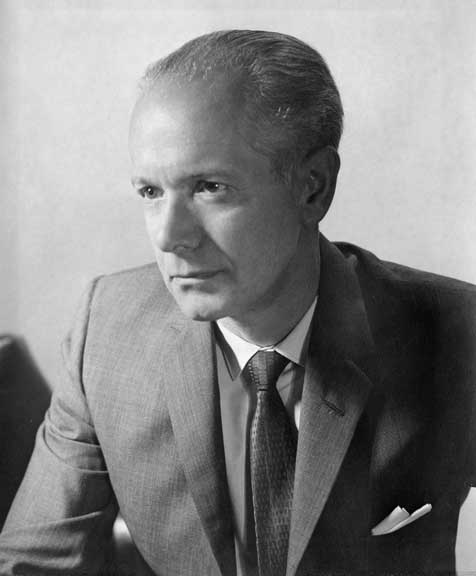
Heinz Kohut - Reflections on Empathy


When Heinz Kohut broke with the Freudian tradition in which he had become a leader, he opened a new world for future generations. In the 1940s, Kohut had become a prominent member of the Chicago Institute for Psychoanalysis, having become such a strong proponent of the traditional psychoanalytic perspective that was then dominant that he jokingly called himself, “Mr. Psychoanalysis.”

As a bit of background, here is a generalized summary of the development of his Self Psychology model, via Wikipedia:
Though he initially tried to remain true to the traditional analytic viewpoint with which he had become associated and viewed the self as separate but coexistent to the ego, Kohut later rejected Freud's structural theory of the id, ego, and superego. He then developed his ideas around what he called the tripartite (three-part) self.[7]

According to Kohut, this three-part self can only develop when the needs of one's “self states”, including one's sense of worth and well-being, are met in relationships with others. In contrast to traditional psychoanalysis, which focuses on drives (instinctual motivations of sex and aggression), internal conflicts, and fantasies, self psychology thus placed a great deal of emphasis on the vicissitudes of relationships.

Kohut demonstrated his interest in how we develop our “sense of self” using narcissism as a model. If a person is narcissistic, it will allow him to suppress feelings of low self-esteem. By talking highly of himself, the person can eliminate his sense of worthlessness.
 
Historical Context

Kohut expanded on his theory during the 1970s, a time in which aggressive individuality, overindulgence, greed, and restlessness left many people feeling empty, fragile, and fragmented.[7]

Perhaps because of its positive, open, and empathic stance on human nature as a whole as well as the individual, self psychology is considered one of the “four psychologies” (the others being drive theory, ego psychology, and object relations); that is, one of the primary theories on which modern dynamic therapists and theorists rely. According to biographer Charles Strozier, “Kohut...may well have saved psychoanalysis from itself”.[2] Without his focus on empathic relationships, dynamic theory might well have faded in comparison to one of the other major psychology orientations (which include humanism and cognitive behavioral therapy) that were being developed around the same time.

Also according to Strozier, Kohut's book, The Analysis of the Self: A Systematic Analysis of the Treatment of the Narcissistic Personality Disorders,[3] “had a significant impact on the field by extending Freud's theory of narcissism and introducing what Kohut called the 'selfobject transferences' of mirroring and idealization”. In other words, children need to idealize and emotionally “sink into” and identify with the idealized competence of admired figures. They also need to have their self-worth reflected back (“mirrored” Note : This term isn't a synonym of "mirroring") by empathic and care-giving others. These experiences allow them to thereby learn the self-soothing and other skills that are necessary for the development of a healthy (cohesive, vigorous) sense of self. For example, therapists become the idealized parent and through transference the patient begins to get the things he has missed. The patient also has the opportunity to reflect on how early the troubling relationship led to personality problems. Narcissism arises from poor attachment at an early age. Freud also believed that narcissism hides low self-esteem, and that therapy will re-parent them through transference and they begin to get the things they missed. Later, Kohut added the third major selfobject theme (and he dropped the hyphen in selfobject) of alter-ego/twinship, the theme of being part of a larger human identification with others.

Though dynamic theory tends to place emphasis on childhood development, Kohut believed that the need for such selfobject relationships does not end at childhood but continues throughout all stages of a person's life.[8]
With that background, here is a brief video of Kohut talking about empathy in his final public speech.


Heinz Kohut - Reflections on Empathy


Uploaded on Jan 9, 2009

Kohut's final speech, "Reflections on Empathy", was given at the 1981 Self Psychology conference in Berkeley, California. He was aware he was dying, and at the conclusion of his speech he announced his final farewell. This is a Lifespan Learning Institute video.

Friday, May 31, 2013

Different Types of Psychotherapy Have Similar Benefits for Depression


Most studies one reads on depression are examining the benefits or effects of antidepressant medications on depression, and sometimes they even analyze the added benefits of medication with psychotherapy (usually CBT).

In this new study from PLos MED, researchers looked at how seven different types of "talk therapy" (interpersonal psychotherapy, behavioural activation, cognitive behavioural therapy, problem solving therapy, psychodynamic therapy, social skills training and supportive counselling) and how they impact subjective experience of depression. According to the study, they all performed equally well:  "Overall, we found that different psychotherapeutic interventions for depression have comparable, moderate-to-large effects."

That's good news for those who would rather not deal with the troubling and sometimes disabling side effects of antidepressant medications.

On a related side note there are several studies suggesting that psychodynamic/psychoanalytic therapy continues to decrease symptoms and increase well-being even after leaving therapy (Jonathan Shedler, [2009], The Efficacy of Psychodynamic Psychotherapy). This would seem to give an advantage to that form of therapy over the other six used in the study.

Full Citation:
Barth J, Munder T, Gerger H, Nüesch E, Trelle S, et al. (2013). Comparative Efficacy of Seven Psychotherapeutic Interventions for Patients with Depression: A Network Meta-Analysis. PLoS Med 10(5): e1001454. doi:10.1371/journal.pmed.1001454

Different Types of Psychotherapy Have Similar Benefits for Depression


May 28, 2013 — Treatments for depression that don't involve antidepressant drugs but rather focus on different forms of talking therapy (referred to as psychotherapeutic interventions) are all beneficial, with no one form of therapy being better than the others, according to a study by international researchers published in this week's PLOS Medicine.

These findings are important as they suggest that patients with depression should discuss different forms of non-drug therapy with their doctors and explore which type of psychotherapy best suits them.

The researchers, led by Jürgen Barth from the University of Bern in Switzerland, reached these conclusions by reviewing 198 published studies involving over 15,000 patients receiving one of seven types of psychotherapeutic intervention: Interpersonal psychotherapy, behavioural activation, cognitive behavioural therapy, problem solving therapy, psychodynamic therapy, social skills training and supportive counselling (definitions of each type of therapy are below). The authors compared each of the therapies with each other and with a control -- patients on a waiting list or continuing usual case -- and combined the results.

The authors found that all seven therapies were better at reducing symptoms of depression than waiting list and usual care and that there were no significant differences between the different types of therapy. They also found that the therapies worked equally well for different patient groups with depression, such as for younger and older patients and for mothers who had depression after having given birth. Furthermore, the authors found no substantial differences when comparing individual with group therapy or with face-to-face therapy compared with internet-based interactions between therapist and patient.

The authors say: "We found evidence that most of the seven psychotherapeutic interventions under investigation have comparable effects on depressive symptoms and achieve moderate to large effects vis-à-vis waitlist."

They continue: "All seven psychotherapeutic interventions achieved a small to moderate effect compared to usual care."

The authors add: "Overall, we found that different psychotherapeutic interventions for depression have comparable, moderate-to-large effects."

Notes:

"Interpersonal psychotherapy" is short and highly structured, using a manual to focus on interpersonal issues in depression.

"Behavioral activation" raises the awareness of pleasant activities and seeks to increase positive interactions between the patient and his or her environment.

"Cognitive behavioural therapy" focuses on a patient's current negative beliefs, evaluates how they affect current and future behaviour, and attempts to restructure the beliefs and change the outlook. "Problem solving therapy" aims to define a patient's problems, propose multiple solutions for each problem, and then select, implement, and evaluate the best solution.

"Psychodynamic therapy" focuses on past unresolved conflicts and relationships and the impact they have on a patient's current situation.

In "social skills therapy," patients are taught skills that help to build and maintain healthy relationships based on honesty and respect.

"Supportive counselling" is a more general therapy that aims to get patients to talk about their experiences and emotions and to offer empathy without suggesting solutions or teaching new skills.

Funding: This research was supported by a Swiss National Science Foundation Grant (no. 105314-118312/1) awarded to JB, HJZ, and PJ.
Here is the beginning of the source research article:

Comparative Efficacy of Seven Psychotherapeutic Interventions for Patients with Depression: A Network Meta-Analysis


Jürgen Barth, Thomas Munder, Heike Gerger, Eveline Nüesch, Sven Trelle, Hansjörg Znoj, Peter Jüni, Pim Cuijpers


Abstract


Background

Previous meta-analyses comparing the efficacy of psychotherapeutic interventions for depression were clouded by a limited number of within-study treatment comparisons. This study used network meta-analysis, a novel methodological approach that integrates direct and indirect evidence from randomised controlled studies, to re-examine the comparative efficacy of seven psychotherapeutic interventions for adult depression.

Methods and Findings

We conducted systematic literature searches in PubMed, PsycINFO, and Embase up to November 2012, and identified additional studies through earlier meta-analyses and the references of included studies. We identified 198 studies, including 15,118 adult patients with depression, and coded moderator variables. Each of the seven psychotherapeutic interventions was superior to a waitlist control condition with moderate to large effects (range d = −0.62 to d= −0.92). Relative effects of different psychotherapeutic interventions on depressive symptoms were absent to small (range d = 0.01 to d = −0.30). Interpersonal therapy was significantly more effective than supportive therapy (d = −0.30, 95% credibility interval [CrI] [−0.54 to −0.05]). Moderator analysis showed that patient characteristics had no influence on treatment effects, but identified aspects of study quality and sample size as effect modifiers. Smaller effects were found in studies of at least moderate (Δd = 0.29 [−0.01 to 0.58]; p = 0.063) and large size (Δd = 0.33 [0.08 to 0.61]; p = 0.012) and those that had adequate outcome assessment (Δd = 0.38 [−0.06 to 0.87]; p = 0.100). Stepwise restriction of analyses by sample size showed robust effects for cognitive-behavioural therapy, interpersonal therapy, and problem-solving therapy (all d>0.46) compared to waitlist. Empirical evidence from large studies was unavailable or limited for other psychotherapeutic interventions. 
Conclusions

Overall our results are consistent with the notion that different psychotherapeutic interventions for depression have comparable benefits. However, the robustness of the evidence varies considerably between different psychotherapeutic treatments.


Editors' Summary

Background

Depression is a very common condition. One in six people will experience depression at some time during their life. People who are depressed have recurrent feelings of sadness and hopelessness and might feel that life is no longer worth living. The condition can last for months and often includes physical symptoms such as headaches, sleeping problems, and weight gain or loss. Treatment of depression can include non-drug treatments (psychotherapy), antidepressant drugs, or a combination of the two. Especially for people with mild or intermediate depression, psychotherapy is often considered the preferred first option. Psychotherapy describes a range of different psychotherapies, and a number of established types of psychotherapies have all shown to work for at least some patients.

Why Was This Study Done?

While it is broadly accepted that psychotherapy can help people with depression, the question of which type of psychotherapy works best for most patients remains controversial. While many scientific studies have compared one psychotherapy with control conditions, there have been few studies that directly compared multiple treatments. Without such direct comparisons, it has been difficult to establish the respective merits of the different types of psychotherapy. Taking advantage of a recently developed method called “network meta-analysis,” the authors re-examine the evidence on seven different types of psychotherapy to see how well they have been shown to work and whether some work better than others.

What Did the Researchers Do and Find?

The researchers looked at seven different types of psychotherapy, which they defined as follows. “Interpersonal psychotherapy” is short and highly structured, using a manual to focus on interpersonal issues in depression. “Behavioral activation” raises the awareness of pleasant activities and seeks to increase positive interactions between the patient and his or her environment. “Cognitive behavioral therapy” focuses on a patient's current negative beliefs, evaluates how they affect current and future behavior, and attempts to restructure the beliefs and change the outlook. “Problem solving therapy” aims to define a patient's problems, propose multiple solutions for each problem, and then select, implement, and evaluate the best solution. “Psychodynamic therapy” focuses on past unresolved conflicts and relationships and the impact they have on a patient's current situation. In “social skills therapy,” patients are taught skills that help to build and maintain healthy relationships based on honesty and respect. “Supportive counseling” is a more general therapy that aims to get patients to talk about their experiences and emotions and to offer empathy without suggesting solutions or teaching new skills.

The researchers started with a systematic search of the medical literature for relevant studies. The search identified 198 articles that reported on such clinical trials. The trials included a total of 15,118 patients and compared one of the seven psychotherapies either with another one or with a common “control intervention”. In most cases, the control (no psychotherapy) was deferral of treatment by “wait-listing” patients or continuing “usual care.” With network meta-analysis they were able to summarize the results of all these trials in a meaningful way. They did this by integrating direct comparisons of several psychotherapies within the same trial (where those were available) with indirect comparisons across all trials (using no psychotherapy as a control intervention).

Based on the combined trial results, all seven psychotherapies tested were better than wait-listing or usual care, and the differences were moderate to large, meaning that the average person in the group that received therapy was better off than about half of the patients in the control group. When comparing the therapies with each other, the researchers saw small or no differences, meaning that none of them really stood out as much better or much worse than the others. They also found that the treatments worked equally well for different patient groups with depression (younger or older patients, or mothers who had depression after having given birth). Similarly, they saw no big differences when comparing individual with group therapy, or person-to-person with internet-based interactions between therapist and patient.

However, they did find that smaller and less rigorous studies generally found larger benefits of psychotherapies, and most of the studies included in the analysis were small. Only 36 of the studies had at least 50 patients who received the same treatment. When they restricted their analysis to those studies, the researchers still saw clear benefits of cognitive-behavioral therapy, interpersonal therapy, and problem-solving therapy, but not for the other four therapies.

What Do these Findings Mean?

Similar to earlier attempts to summarize and make sense of the many study results, this one finds benefits for all of the seven psychotherapies examined, and none of them stood as being much better than some or all others. The scientific support for being beneficial was stronger for some therapies, mostly because they had been tested more often and in larger studies.

Treatments with proven benefits still do not necessarily work for all patients, and which type of psychotherapy might work best for a particular patient likely depends on that individual. So overall this analysis suggests that patients with depression and their doctors should consider psychotherapies and explore which of the different types might be best suited for a particular patient.

The study also points to the need for further research. Whereas depression affects large numbers of people around the world, all of the trials identified were conducted in rich countries and Western societies. Trials in different settings are essential to inform treatment of patients worldwide. In addition, large high-quality studies should further explore the potential benefits of some of therapies for which less support currently exists. Where possible, future studies should compare psychotherapies with one another, because all of them have benefits, and it would not be ethical to withhold such beneficial treatment from patients. 
Additional Information

Please access these Web sites via the online version of this summary at http://dx.doi.org/10.1371/journal.pmed.1​001454.

Citation: Barth J, Munder T, Gerger H, Nüesch E, Trelle S, et al. (2013) Comparative Efficacy of Seven Psychotherapeutic Interventions for Patients with Depression: A Network Meta-Analysis. PLoS Med 10(5): e1001454. doi:10.1371/journal.pmed.1001454

Competing interests: PJ is an unpaid member of steering group or executive committee of trials funded by Abbott Vascular, Biosensors, Medtronic and St. Jude Medical. CTU Bern, which is part of the University of Bern, has a staff policy of not accepting individual honoraria or consultancy fees. However, CTU Bern is involved in design, conduct, or analysis of clinical studies funded by Abbott Vascular, Ablynx, Amgen, AstraZeneca, Biosensors, Biotronic, Boehrhinger Ingelheim, Eisai, Eli Lilly, Exelixis, Geron, Gilead Sciences, Nestlé, Novartis, Novo Nordisc, Padma, Roche, Schering-Plough, St. Jude Medical, and Swiss Cardio Technologies. The other authors declare that no competing interests exist.

Abbreviations: ACT, behavioural activation; CBASP, cognitive behavioural-analysis system of psychotherapy; CBT, cognitive-behavioural therapy; CI, confidence interval; CrI, credibility interval; d, effect size; D, Somer's D; DYN, psychodynamic therapy; ES, d effect size; IPT, interpersonal therapy; k, number of comparisons; M, mean; p, p-value; PLA, placebo; PST, problem solving therapy; SD, standard deviation; SST, social skills training; SUP, supportive counselling; UC, usual care; WL, wait-list; T2, tau square

Sunday, March 24, 2013

Book - Coparticipant Psychoanalysis: Toward a New Theory of Clinical Inquiry, by John Fiscalini

This is not a new book (it was published in 2004), but it is new to me. I have posted many times on here about intersubjective systems theory as developed by psychoanalysts Robert Stolorow, Donna Orange, George Atwood, and others. According to the publication notes below, this book from John Fiscalini outlines a new movement in psychoanalytic theory, a coparticipant model.

From below:
Coparticipant inquiry integrates the individualistic focus of the classical tradition and the social focus of the participant-observer perspective. It is marked by a radical emphasis on analysts' and patients' analytic equality, emotional reciprocity, psychic symmetry, and relational mutuality.
This idea makes a lot of sense to me - nearly all forms of psychodynamic psychotherapy are moving in the direction of co-therapy between client and therapist.

Yet another book to add to my Amazon Wish List (you can find some used copies at Amazon for around $29 plus shipping).

Coparticipant Psychoanalysis: Toward a New Theory of Clinical Inquiry

by John Fiscalini
Published: September, 2004


Paper, 264 pages, 1 illus.
ISBN: 978-0-231-13263-3
$39.00 / £27.00

Cloth, 264 pages, 1 illus.
ISBN: 978-0-231-13262-6
$115.00 / £79.50

Traditionally, two clinical models have been dominant in psychoanalysis: the classical paradigm, which views the analyst as an objective mirror, and the participant-observation paradigm, which views the analyst as an intersubjective participant-observer. According to John Fiscalini, an evolutionary shift in psychoanalytic consciousness has been taking place, giving rise to coparticipant inquiry, a third paradigm that represents a dramatic shift in analytic clinical theory and that has profound clinical implications.

Coparticipant inquiry integrates the individualistic focus of the classical tradition and the social focus of the participant-observer perspective. It is marked by a radical emphasis on analysts' and patients' analytic equality, emotional reciprocity, psychic symmetry, and relational mutuality. Unlike the previous two paradigms, coparticipant inquiry suggests that we are all inherently communal beings and, yet, are simultaneously innately self-fulfilling, unique individuals. The book looks closely at the therapeutic dialectics of the personal and interpersonal selves and discusses narcissism—the perversion of the self—within its clinical role as the neurosis that contextualizes all other neuroses. Thus the goal of this book is to define coparticipant inquiry; articulate its major principles; analyze its implications for a theory of the self and the treatment of narcissism; and discuss the therapeutic potential of the coparticipant field and the coparticipant nature of transference, resistance, therapeutic action, and analytic vitality. Fiscalini explores "analytic space," which marks the psychic limit of coparticipant activity; the "living through process," which, he suggests, subtends all analytic change; and "openness to singularity," which is essential to analytic vitality.

Coparticipant Psychoanalysis brings crucial insights to clinical theory and practice and is an invaluable resource for psychoanalysts and therapists, as well as students and practitioners of psychology, psychiatry, and social work.


Contents

  1. Introduction
  2. Coparticipation
  3. Coparticipation and Coparticipant Inquiry
  4. The Core Principles of Coparticipant Inquiry
  5. The Evolution of Coparticipant Inquiry in Psychoanalysis: A Comparative Study
  6. The Self
  7. The Multidimensional Self
  8. Clinical Dialectics of the Self
  9. Narcissism
  10. The Self and Narcissism
  11. Clinical Narcissism: Psychopathology of the Self
  12. Coparticipant Inquiry and Narcissism
  13. The Analytic Working Space
  14. Narcissistic Dynamics and Coparticipant Therapeutics: Further Considerations
  15. Explorations in Therapy
  16. Openness to Singularity: The Facilitation of Aliveness in Analysis
  17. Coparticipant Transference Analysis: Observations and Conjectures
  18. The "Living Through" Process: The Experiential and Relational Foundations of Therapeutic Action


About the Author


John Fiscalini is a training and supervising analyst and faculty member at the William Alanson White Institute of Psychiatry, Psychoanalysis, and Psychology; director of clinical training at the Manhattan Institute for Psychoanalysis; and an associate clinical professor at the New York University postdoctoral program in psychoanalysis. He is the coeditor of Narcissism and the Interpersonal Self and a coeditor of The Handbook of Interpersonal Psychoanalysis.John Fiscalini is a training and supervising analyst and faculty member at the William Alanson White Institute of Psychiatry, Psychoanalysis, and Psychology; director of clinical training at the Manhattan Institute for Psychoanalysis; and an associate clinical professor at the New York University postdoctoral program in psychoanalysis. He is the coeditor of Narcissism and the Interpersonal Self (Columbia, 1993) and a coeditor of The Handbook of Interpersonal Psychoanalysis (Analytic Press, 1995). He is a practicing psychoanalyst in New York City.


Reviews


"In developing the concept of 'coparticipant inquiry' and placing it in the foreground of this scholarly, lively, and extremely readable new work, Fiscalini achieves a remarkable synthesis of a wide range of ideas and values that contribute to the emerging paradigm that is radically altering the landscape of contemporary psychoanalytic practice. Tracing the historical roots, theoretical underpinnings and cutting-edge therapeutic implications of an approach to analytic therapy that emphasizes analytic egalitarianism, emotional reciprocity, relational mutuality, and psychic symmetry, Fiscalini’s creative integration of these trends and his elaboration of an original theory of clinical inquiry informed by them makes an important contribution to the field of contemporary psychoanalysis and related therapies. It is a book that should not be missed by practitioners or students of the contemporary psychoanalytic scene." — Anthony Bass, Ph.D., executive editor, Psychoanalytic Dialogues: A Journal of Relational Perspectives

"Coparticipant Psychoanalysis is a major contribution to the field of psychoanalytic thinking and practice and commands our attention. At a time when much of psychoanalysis is entrenched in the dichotomy of drive and relational models, John Fiscalini elaborates an emerging third paradigm: coparticipant inquiry. Fiscalini’s original and creative voice deepens our understanding of the interpersonal analytic process by articulating the role of the personal self and agency in the clinical setting. In weaving together a rich array of clinical experience with lucid theoretical perspectives on the self, Fiscalini provides an exciting and timely alternative to the reductionisms present in much classical and postmodernist psychoanalysis. This book is indispensable for anyone interested in understanding the necessary evolution of psychoanalytic thinking and practice and for all who wish to appreciate the complex nature of personal and interpersonal experience." — Roger Frie, Ph.D., Psy.D., editor, Understanding Experience: Psychotherapy and Postmodernism

"In this well written and scholarly book, John Fiscalini extends interpersonal and relational theories of therapeutic action. Built on the seminal work of his mentor, Benjamin Wolstein, Fiscalini elaborates a most original way of conceptualizing psychoanalytic interaction, subtly navigating some of the shortcomings of more traditional explications of praxis. His coparticipant psychoanalytic model privileges the idiosyncratic humanity and the unique individuality of both parties in the analytic dyad. This challenging and exciting book merits wide readership among analysts representing all schools of though and all levels of clinical experience." — Irwin Hirsch, Ph.D., Distinguished Visiting Faculty, William Alanson White Institute

Sunday, January 13, 2013

Jonathan Shedler, PhD - Where is the Evidence for Evidence Based Therapies?


Jonathan Shedler, PhD, is somewhat of a hero of mine. He has offered the best meta-analysis and most convincing evidence available that not only is cognitive behavioral therapy (CBT) not very effective, in general (and that few CBT therapists actually practice manualized CBT), but that psychodynamic is considerably more effective in nearly every measure (see The Efficacy of Psychodynamic Psychotherapy, 2010).

He also authored That Was Then, This Is Now: Psychoanalytic Psychotherapy for the Rest of Us (2006/2010), a work-in-progress on the current state of psychoanalytic psychotherapy. For anyone who thinks psychoanalytic therapy is still about laying on a couch with the therapist acting as a "blank slate" and offering little in the way of interaction, aside from abstract interpretations, this article will get you up to speed.

If you would like a little more, see his Scientific American article, Getting to Know Me: Psychodynamic therapy has been caricatured as navel-gazing, but studies show powerful benefits (2010). This is a shorter, more accessible version of "The Efficacy of Psychodynamic Psychotherapy."

In the post below, Dr. Shedler has started what may be a multi-part series (we know there will be at least two parts) looking at the lack of evidence for the so-called evidence-based therapies, such as CBT, REBT, and so on.

Where is the Evidence for Evidence Based Therapies? 


A study from a prestigious psychology journal recently crossed my desk. It found that clinicians who provide Cognitive Behavior Therapy—including the most experienced clinicians—routinely depart from CBT techniques described in treatment manuals. “Only half of the clinicians claiming to use CBT use an approach that even approximates to CBT,” the authors wrote.

The finding is not surprising, since there is no evidence that manualized therapy leads to better outcomes, and therapists in the real world naturally adapt their approaches to the needs of individual patients. Their practice methods also evolve over time as they learn through hard-won experience what is helpful to patients and what isn’t.

In fact, studies show that when CBT is effective, it is at least in part because the more skilled practitioners incorporate methods that are fundamentally psychodynamic. These include open-ended, unstructured sessions (versus following an agenda from a manual), working with defenses, discussing the therapy relationship, and drawing connections between the therapy relationship and other relationships.

So the research finding was no surprise. Something would be seriously amiss if experienced clinicians practiced like beginners, following an instruction manual like a consumer trying to assemble a new appliance. What caught my eye was the authors’ conclusion that clinicians should be trained to adhere to CBT interventions “to give patients the best chance of recovery.”

The study did not evaluate treatment outcome, so the authors had no way of knowing which clinicians were effective or which patients got better. They just presumed, a priori, that departure from treatment manuals means poorer therapy. And this presumption—which flies in the face of actual scientific evidence—slipped right past the “evidence oriented” reviewers and editors of a top-tier research journal. They probably never gave it a second thought.

The Big Lie

Academic researchers have usurped and appropriated the term “evidence based” to refer to a group of therapies conducted according to step-by-step instruction manuals (manualized therapies). The other things these therapies have in common are that they are typically brief, highly structured, and almost exclusively identified with CBT. The term “evidence based therapy” is also, de facto, a code word for “not psychodynamic.” It seems not seem to matter that scientific evidence shows that psychodynamic therapy is at least as effective as CBT. Proponents of “evidence based therapies” tend to denigrate psychodynamic approaches (or more correctly, their stereotypes and caricatures of psychodynamic approaches). When they use the term “evidence based,” it is often with an implicit wink and a nod and the unspoken message: “Manualized treatments are Science. Psychodynamic treatment is superstition.”

Some explanation is in order, since this is not how things are usually portrayed in textbooks or psychology classes. In past decades, most therapists practiced psychodynamic therapy or were strongly influenced by psychodynamic thought. Psychodynamic therapy aims at enhancing self-knowledge in the context of a deeply personal relationship between therapist and patient.

Psychodynamic or psychoanalytic clinicians in the old days were not especially supportive of empirical outcome research. Many believed that therapy required a level of privacy that precluded independent observation. Many also believed that research instruments could not measure important treatment benefits like self-awareness, freedom from inner constraints, or more intimate relationships. In contrast, academic researchers routinely conducted controlled trials comparing manualized CBT to control groups. These manualized forms of CBT were therefore described as “empirically validated” (the preferred term later morphed into “empirically supported” and later, “evidence based”).

Research findings never suggested that manualized CBT was more effective than psychodynamic therapy. It was just more often studied in controlled trials. There is obviously a world of difference between saying that a treatment has not been extensively researched and saying it has been empirically invalidated. But academic researchers routinely blurred this distinction. A culture developed in academic psychology that promoted a myth that research had proven manualized CBT superior to psychodynamic therapy. Some academics and researchers (those with little regard for actual scientific evidence) went so far as to assert that it was unethical to practice psychodynamic therapy since research had shown CBT to be more effective. The only problem is that research showed nothing of the sort.

This may shed some light on why the authors of the study I described above could so cavalierly assert that clinicians should adhere to CBT treatment manuals to give patients the best chance of recovery—and how such an empirically false assertion could sail right through the editorial review process of a prestigious research journal.

Where is the Evidence for Evidence-based Therapies, Part 2

Stay tuned. In the next installment, I will discuss whether “evidence based therapies” help people. The answer may surprise you.

Wednesday, April 04, 2012

Joseph Burgo, Ph.D. - Video "Lectures" on the Process of Psychodynamic Psychotherapy


Joseph Burgo, Ph.D. is one of the bloggers at Psych Central (Therapy Case Notes) and he also blogs at his own site, After Psychotherapy. Recently, he has launched a new series of short video "lectures" on the process of psychodynamic psychotherapy and what to expect as you enter therapy.

If you know someone interested in therapy, share these videos with them so they can ease their concerns about lying on a couch talking to some old guy smoking a cigar and asking about your mother. Well, okay, most therapists will ask you about your mother . . . but it's important. 

His YouTube page is also After Therapy.

New Video Series on Psychodynamic Psychotherapy


Posted on by Joseph Burgo, Ph.D.

Thanks to everyone who offered suggestions for future videos. I think I’ve settled on a series of lectures about the process of psychodynamic psychotherapy and what to expect from the process. I think this overall subject will allow me to incorporate most of the suggestions I received.

In this video, I abandoned my script and teleprompter; instead, I ran through the outline of the subject I wanted to discuss beforehand — the first session — with all of the main points, then I pushed the “record” button and just started talking. It may not be as verbally smooth as the scripted videos, but in this one, I feel as if I am being exactly who I am. The setting is my office — more or less what you would see if we were doing Skype therapy (except that I had to remove the painting from the wall behind me because the lights were reflecting in the glass).

The more I think about the subject for this series, the more of a natural fit it feels for me. The next one will deal with the sorts of issues that we typically confront in the early sessions of psychotherapy.