Showing posts with label men. Show all posts

Wednesday, September 24, 2014

Epigenomic Profiling of Men Exposed to Early-Life Stress Reveals DNA Methylation Differences in Association with Current Mental State

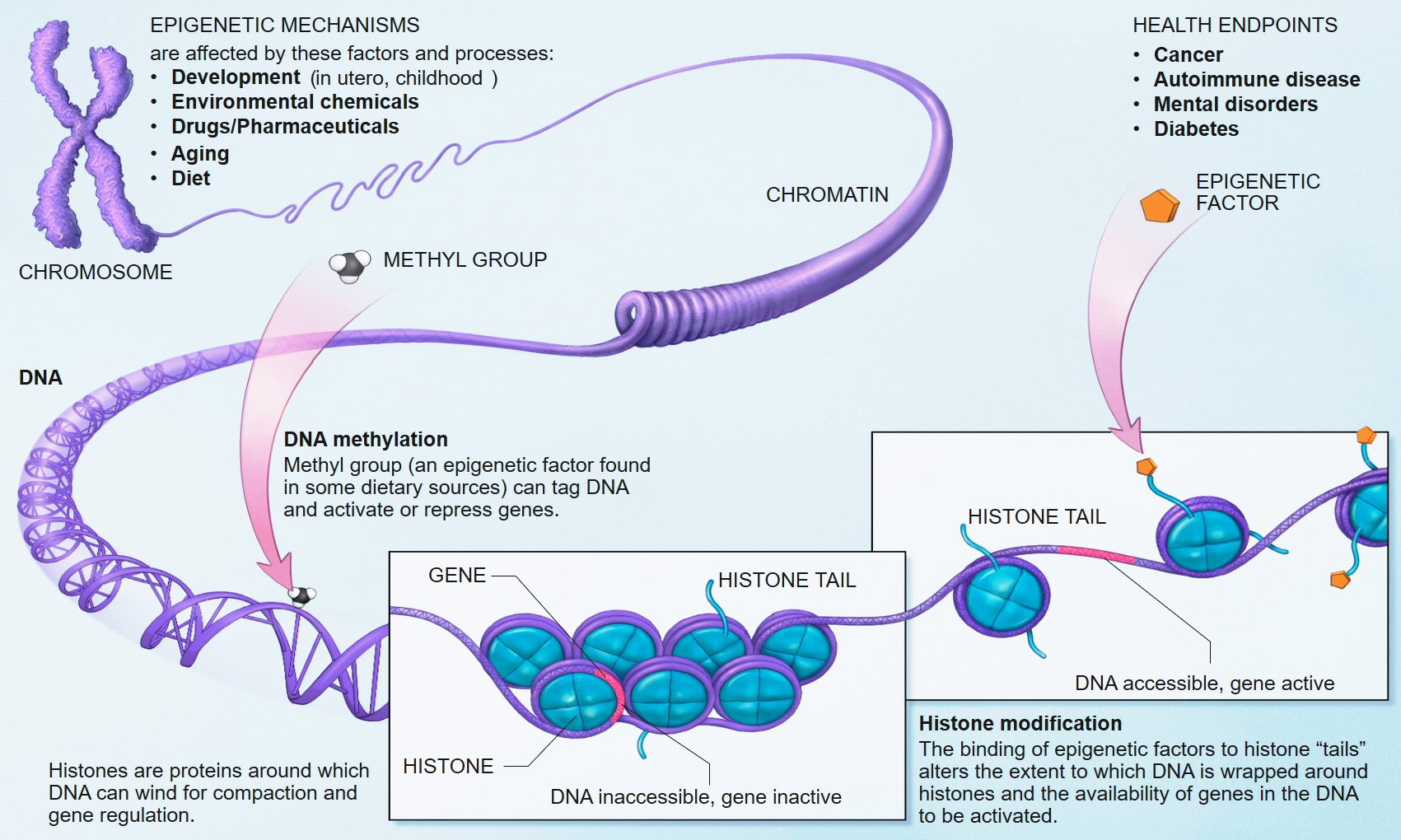
http://upload.wikimedia.org/wikipedia/commons/d/dd/Epigenetic_mechanisms.jpg

We know that early life adversity for children can cause long-lasting psychological issues, and one of the mechanisms of this outcome is inhibited DNA methylation. In biological systems, methylation is catalyzed by enzymes; such methylation can be involved in regulation of gene expression, regulation of protein function, and RNA processing, among other processes.
Research in humans has shown that repeated high level activation of the body's stress system, especially in early childhood, can alter methylation processes and lead to changes in the chemistry of the individual's DNA. The chemical changes can disable genes and prevent the brain from properly regulating its response to stress. Researchers and clinicians have drawn a link between this neurochemical dysregulation and the development of chronic health problems such as depression, obesity, diabetes, hypertension, and coronary artery disease.[9][10][11][12][13]
This new study adds to the evidence of how stress can derail normal developmental processes.

Full Citation:
Khulan, B, Manning, JR, Dunbar, DR, Seckl, JR, Raikkonen, K, Eriksson, JG, and Drake, AJ. (2014, Sep 23). Epigenomic profiling of men exposed to early-life stress reveals DNA methylation differences in association with current mental state. Translational Psychiatry; 4, e448; doi:10.1038/tp.2014.94


Epigenomic profiling of men exposed to early-life stress reveals DNA methylation differences in association with current mental state


B Khulan [1], J R Manning [1], D R Dunbar [1], J R Seckl [1], K Raikkonen [2], J G Eriksson [3,4,5,6,7] and A J Drake [1]
1. Endocrinology Unit, University/BHF Centre for Cardiovascular Science, Queen's Medical Research Institute, University of Edinburgh, Edinburgh, UK
2. Institute of Behavioural Sciences, University of Helsinki, Helsinki, Finland
3. Department of Chronic Disease Prevention, National Institute for Health and Welfare, Helsinki, Finland
4. Department of General Practice and Primary Health Care, University of Helsinki, Helsinki, Finland
5. Vasa Central Hospital, Vasa, Finland
6. Folkhälsan Research Center, Helsinki, Finland
7. Unit of General Practice, Helsinki University Central Hospital, Helsinki, Finland

Abstract


Early-life stress (ELS) is known to be associated with an increased risk of neuropsychiatric and cardiometabolic disease in later life. One of the potential mechanisms underpinning this is through effects on the epigenome, particularly changes in DNA methylation. Using a well-phenotyped cohort of 83 men from the Helsinki Birth Cohort Study, who experienced ELS in the form of separation from their parents during childhood, and a group of 83 matched controls, we performed a genome-wide analysis of DNA methylation in peripheral blood. We found no differences in DNA methylation between men who were separated from their families and non-separated men; however, we did identify differences in DNA methylation in association with the development of at least mild depressive symptoms over the subsequent 5–10 years. Notably, hypomethylation was identified at a number of genes with roles in brain development and/or function in association with depressive symptoms. Pathway analysis revealed an enrichment of DNA methylation changes in pathways associated with development and morphogenesis, DNA and transcription factor binding and programmed cell death. Our results support the concept that DNA methylation differences may be important in the pathogenesis of psychiatric disease.


Introduction


Early-life stress (ELS) is recognised as a risk factor for later mental health disorders. Findings from a number of studies have linked events in childhood, such as physical or sexual abuse, parental separation, neglect or adoption, with an increased risk of subsequent mental health disorders.1, 2, 3 The long-term adverse effects of ELS are not limited to neuropsychiatric problems and childhood exposure to socioeconomic disadvantage, maltreatment or social isolation is also associated with an increased risk of an adverse cardiometabolic disease risk profile in adulthood.3

Longitudinal cohort studies are an invaluable resource for the study of factors impacting on health, particularly in addressing the long-term impact of ELS. The Helsinki Birth Cohort Study (HBCS), comprising 13 345 individuals born in Helsinki between 1934 and 1944, is one such resource.4 During the Second World War, almost 70 000 Finnish children of varying socioeconomic status were evacuated from their homes to temporary foster families, mainly in the nearby countries of Sweden and Denmark. The evacuations, which occurred between 1939 and 1944, were arranged by the Finnish government or independently by families. Evacuations were voluntary, but heavily promoted by the government and particularly targeted at children living in cities. Documents on the evacuations and their timing and length have been retained in the Finnish National Archives’ Register. Linking evacuation data with the HBCS has allowed the identification of 11 028 individuals within the HBCS who were not separated from their parents as children, and 1719 individuals who were temporarily separated from their parents. The average age at separation was 4.6 years (s.d.=2.4, range=0.17–10.6) and the average length of separation 1.7 years (s.d.=1.6, range=0.05–8.1).

Previous studies in this cohort have identified a number of long-term consequences of early-life separation. Separated individuals have a higher prevalence of mental health disorders including depressive symptoms and personality disorders5 and an increased risk of substance abuse.6 The risk of any mental and substance use disorder was highest among those with an upper childhood socioeconomic background, perhaps suggesting increased vulnerability.6 Separation is also associated with effects on stress biology; separated individuals have higher average salivary cortisol and plasma ACTH concentrations and higher salivary cortisol reactivity to a Trier Social Stress Test.7 In men, separation associates with poorer cognitive performance8 and with negative effects on physical and psychosocial functioning.9 The consequences of separation were not limited to effects on mental health and the hypothalamic–pituitary–adrenal (HPA) axis, as cohort members who were separated from their parents in childhood also had a higher cardiovascular morbidity, including coronary artery disease, hypertension and type 2 diabetes,10,11 with the highest prevalence of cardiovascular disease in those who were evacuated for the longest period.11 Finally, early-life separation also associated with differences in reproductive and marital traits in both sexes.12

One of the potential mechanisms by which the environment in early life might have a lasting impact on the phenotype of an individual is through effects on the epigenome, particularly changes in DNA methylation13 and consistent with this, a few studies have shown alterations in DNA methylation in association with exposure to ELS.14,15 In this study of a unique cohort of men in their 70s from the HBCS we have investigated the long-term impact of early-life separation on genome-wide DNA methylation and whether this associated with a number of clinical and psychological variables.


Materials and Methods

Cohort

The HBCS comprises 13 345 individuals (6370 women and 6975 men), born as singletons between 1934 and 1944 in one of the two main maternity hospitals in Helsinki and who were living in Finland in 1971 when a unique personal identification number was allocated to each member of the Finnish population. The HBCS, which has been described in detail elsewhere,4 has been approved by the Ethics Committee of the National Public Health Institute. Register data were linked with permission from the Finnish Ministry of Social Affairs and Health and the Finnish National Archives.

In 2001–2004 at an average age of 61.5 years (s.d.=2.9 and range=56.7–69.8 years), a randomly selected subsample of the cohort comprising 2003 individuals (1075 women and 928 men) was invited to a clinical examination including collection of a blood sample for (epi)genetic and biochemical studies and a psychological survey including a measure of depressive symptoms. For 283 participants, extraction of DNA was not successful, or DNA showed gender discrepancy or close relatedness. The excluded and the included participants did not differ from each other in any of the study variables (P-values>0.13). From the remaining sample of 1720 individuals, 115 women and 97 men had been evacuated according to the Finnish National Archives’ register. Of them nine women and 12 men had missing data on age at and length of evacuation, respectively, and one man had missing data on father’s occupational status in childhood. In this study, the analyses are based on 83 evacuated men and 83 non-evacuated controls matched for sex, birth year and father’s occupational status in childhood. For this group the mean age was 64.0 years (s.d.=2.9) for separated and 62.9 (s.d.=2.5) for non-separated individuals. The mean difference in birth year is 1.21 years (P-value=0.01) such that evacuated individuals were born on average earlier. This reflects the fact that ‘matching’ in terms of birth year was not ‘perfect’ as older children were evacuated more frequently than younger children.

In 2009–2010 at an average age of 70.2 years (s.d.=2.8 and range=65.0–76.0 years), the evacuated cases and non-evacuated controls who were still traceable (n=65, 78.3% and n=63, 75.9%, respectively) were invited for a psychological follow-up, including a re-test on depressive symptoms. Of the evacuated cases and controls, 20 and 20 had died, their addresses were not traceable or they had refused participation in further follow-ups, respectively. Of them, 45 and 52 had data available on depressive symptoms.

The clinical variables available for the cohort included age at separation, length of separation, socioeconomic status and education level, history of mental health disorders and a number of biological measures including glucose, insulin, IL6, TNFα and CRP. The Beck Depression Inventory16 (BDI; performed at the 2001–2004 clinical assessment) and the BDI II17 (performed at the 2009–2010 clinical assessment) were used to measure the frequency of depressive symptoms. The BDI and BDI II consist of 21 items assessing symptoms of depression during the past two weeks. Each item contains four statements reflecting varying degrees of symptom severity. Respondents are instructed to circle the number that corresponds with the statement that best describes them. Ratings are summed to calculate a total score which can range from 0 to 63. Although the BDI and the BDI II are designed to screen but not diagnose major depression, BDI and BDI II cutoff scores of 10 and 14 or more, respectively, are suggestive of mild-to-severe depressive symptoms.17, 18, 19, 20, 21, 22

DNA extraction

Genomic DNA was extracted from EDTA-anti-coagulated whole peripheral blood collected at the first clinical assessment (2001–2004) using the QIAamp DNA Blood Maxi Kit (Qiagen, Crawley, UK). The samples were stored at −20 °C before and after DNA extraction.

DNA methylation analysis

DNA methylation analysis was performed at the Genetics Core of the Wellcome Trust Clinical Research Facility (Edinburgh, UK). Bisulphite conversion of 500 ng input DNA was carried out using the EZ DNA Methylation Kit (Zymo Research, Freiburg, Germany). Four microlitres of bisulphite-converted DNA was processed using the Infinium HD Assay for Methylation. This was performed using the Illumina Methylation 450 k beadchip and Infinium chemistry (Illumina, Inc., San Diego, CA, USA). Each sample was interrogated on the arrays against 485 000 methylation sites. The arrays were imaged on the Illumina HiScan platform and genotypes were called automatically using GenomeStudio Analysis software version 2011.1.


Data analysis

Data processing

Data were processed with the Lumi23 package of Bioconductor,24 with Infinium-centric routines. CpG loci were annotated with the gene of the nearest transcription start site, as defined in UCSC hg19 and retrieved with the ‘Genomic Features’25 Bioconductor package. Variables associated with each individual were examined independently for association with M values of methylation using the ‘phenotest’ Bioconductor package. P-values were corrected for probe-wise multiple testing with the Benjamini–Hochberg (BH) method. To remove any variable associations indicated by chance, a variable was only considered further if at least one probe passed a variable-wise Bonferroni correction. Having removed such spurious associations, downstream analyses were applied to values without this second correction. Individual pairwise contrasts were then constructed from the pairs of values for all categorical variables and examined for differential methylation using (a) linear modelling using Limma,26 including adjustment for multiple testing and (b) the methyAnalysis package to smooth processed data and identify differentially methylated regions by use of t-tests applied between groups (also BH-corrected for multiple testing).

Gene set enrichment

Gene set enrichment was analysed using annotations from the Kyoto Encyclopedia of Genes and Genomes (KEGG)27 and Gene Ontology.28 Only probes with methylation above a background of 0.2 in at least 17 (~10%) of samples were used in the enrichment background set. Enrichment was assessed by the use of hypergeometric statistic as implemented in the GO stats package of Bioconductor.

Genome location

To examine the genomic location of significantly associated loci independent of gene annotations, the genome was binned into overlapping bins of 100 kb in size and bins with three or more significant loci were reported.

Validation by pyrosequencing

Pyrosequencing was used to validate DNA methylation at five CpG sites within 200 bp of the TSS of the leucine-rich, glioma inactivated 1 (LGI1) gene and additionally at a number of CpG sites with a spectrum of high, low and intermediate methylation levels on the array (IL17C, SAGE1, MIR4493, MIR548M, CLDN9 and TACC3). Bisulphite conversion was performed on 1 μg of genomic DNA with the EZ DNA methylation kit (Zymo Research). The converted DNA was amplified using the AmpliTaq Gold 360 kit (Applied Biosystems, Warrington, UK) with primers mapping to target regions containing CpGs assayed within the array. PCR primers (Supplementary Table 1) were designed using PyroMark Assay Design Software 2.0 (Qiagen). Pyrosequencing was performed using PyroMark Q24Gold reagents on a PyroMark Q24 Pyrosequencer (Qiagen) according to the manufacturer’s instructions. Data were extracted and analysed using PyroMark Q24 1.0.10 software (Qiagen). Background non-conversion levels were <3%.


Results

Association of methylation with clinical variables

Principal components analysis showed no clear clusters and no obvious differences between the way separated and non-separated individuals or different socioeconomic groupings clustered. Linear modelling between clinical variables and methylation showed no associations between DNA methylation and most clinical variables including separation status and socioeconomic status. There were significant associations between DNA methylation in peripheral blood taken at the first clinical assessment (2001–2004) and categorical scores on the BDI II performed at the second assessment some years later (Table 1). When specific contrasts in categorical variables were queried using linear modelling, differential methylation was identified at 474 probes representing 445 genes, all of which associated with the clinical cutoffs indicative of at least mild depressive symptoms on the BDI II (representing a score of 14–25; Table 1 and Supplementary Table 2). This contrast involves a relatively small number of eight individuals, compared to 88 individuals with minimal depressive symptomatology (a score of 1–13). Running methyAnalysis with its associated smoothing produced a larger number of significant probes (491 probes representing 351 genes; Table 1), again predominantly in association with BDI II categorical score indicative of at least mild depressive symptoms. Of these, 80 genes showed differential methylation at more than one probe. There were 170 of the significant probes and 175 associated genes present in the lists from both methods. MethyAnalysis results were used in subsequent analyses.
Table 1 - Significant associations between methylation and BDI II score.

  
Full table
For genes, which had methylation changes observed in the same direction for more than one CpG site, DNA methylation was decreased in ~2/3 and increased in ~1/3 in association with a BDI II score indicative of at least mild symptomatology (Table 1). Differential methylation in association with a BDI II score indicative of mild depressive symptoms was identified at a number of genes with possible roles in brain development and/or function (Table 2), all of which showed hypomethylation (Figure 1). Among the most well-supported genes in terms of multiple significant probes were LGI1 and LGI2 which are thought to have important roles in brain development and function.29,30 Hypomethylation was present at five probes within the promoter of LGI1,31 and at three probes in a CpG island shore close to LGI2. Overall, significant loci were more likely to be identified in CpG island shores rather than in CpG islands or at the TSS (χ2 P-value=6 × 10⁻⁸; Supplementary Table 3), in agreement with the data from a study in postmortem brains.32 A number of 100 Kb bins in the genome contained three or more significant loci in the output from methyAnalysis associated with Beck Depression Questionnaire (Table 3).


Unfortunately we are unable to provide accessible alternative text for this. If you require assistance to access this image, please contact help@nature.com or the author

Figure 1. - Differential methylation in association with Beck Depression Inventory II (BDI II) score. Hypomethylation was present at multiple probes corresponding to genes with possible roles in brain development and/or function. BDI II=1 indicates a score of 1–13, that is, minimal symptomatology; BDI II=2 indicates a score of 14–25, that is, at least mild symptomatology. Full figure and legend (106K)
Table 2 - Genes with differential methylation in relation to depression scores which may be involved in the development and functioning of the brain.

 
Full table
Table 3 - 100 Kb bins in the genome containing three or more significant loci in the output from methyAnalysis associated with Beck Depression Questionnaire.

 
Full table

Pathway analysis

Analysis of gene ontology for the genes associated with altered DNA methylation and BDI II score using the molecular function, cellular component and biological processes categories of the Gene Ontology database28 revealed enrichment of a number of gene ontology terms, particularly within the molecular function and biological processes categories (Table 4). Mean methylation was decreased for all the genes within enriched pathways. The set of overrepresented categories included a significant number associated with development and morphogenesis, and DNA and transcription factor binding. In addition, consistent with the findings of a recent study in postmortem brain from individuals with depression compared with individuals without, a number of the identified gene sets are involved in programmed cell death;32 notably, hypomethylation was also found in association with depression in this study.
Table 4 - Gene enrichment: gene ontology overrepresented categories following assessment of DNA methylation differences in association with mild depression on the BDI II scale.

 
Full table

Array validation

To validate the array findings, pyrosequencing was performed to confirm the findings at LGI1 and additionally for a number of genes which had low, high or intermediate methylation levels. DNA methylation levels at the five CpG sites within the promoter of LGI1 were highly correlated with each other (r=0.68–0.98; P<0.01) and highly significant correlations between array and pyrosequencing data were confirmed for all five CpGs (r=0.86–0.97; all P<0.0001). Significant correlations were also confirmed for probes located in IL17C, SAGE1, MIR4493 and MIR548M (r ranging from 0.28–0.97, all P<0.05. Combining all loci: r=0.9770; P<0.0001). Although no correlations were observed between the array and pyrosequencing for CLDN9 and TACC3, this is not surprising as pyrosequencing analysis revealed that DNA methylation levels were <5% at these loci, which is below the reliable limit of detection.

Discussion

Studies in animal models have shown a significant influence of early-life adversity on behaviour and stress axis responsiveness (reviewed in ref. 44). ELS in rodents is associated with effects on DNA methylation in the brain in both candidate gene45, 46, 47 and genome-wide studies.48 In humans, genome-wide methylation profiling of hippocampal tissue from suicide victims has revealed that experience of abuse during childhood is associated with altered DNA methylation at multiple gene promoters.49 Importantly, and perhaps not surprisingly given that the long-term effects of ELS are seen in multiple systems, changes in DNA methylation have also been reported in cells which are more accessible for large studies in human populations, for example, lymphocytes and buccal cells. Altered DNA methylation has been found in DNA from buccal cells from adolescents whose parents reported experiencing high levels of stress during their children’s early years50 and a recent small study in children showed differences in DNA methylation in peripheral blood between children raised by their parents and children who had been institutionalized.51 Furthermore, candidate gene studies in peripheral blood DNA have identified associations between ELS and DNA methylation at the glucocorticoid receptor52, 53, 54, 55 and the serotonin transporter.56, 57, 58 Nevertheless, not all studies report differences in DNA methylation as a consequence of ELS, for example, Smith et al.59 found no association between child abuse and global or gene-specific DNA methylation in peripheral blood from African-American adults.

Although the deleterious effects of separation in infancy and childhood persist throughout life, so that more than 60 years later, those who were evacuated in infancy/childhood, when compared with non-evacuated individuals, display over 20% higher levels of depressive symptoms,5 a more than twofold higher risk of cardiovascular morbidity and a 1.4-fold in type 2 diabetes risk,11 we did not identify differences in DNA methylation between men who were separated from their families compared with men who remained with their families. In addition, although several studies have reported associations between early-life socioeconomic status and DNA methylation in adulthood,60,61 we found no evidence for this in these men from the HBCS. This is one of the largest studies of genome-wide methylation in the context of ELS and the individuals participating in the study have been extremely well phenotyped. The men studied here were not selected on the basis of current mental health status and although other studies have reported small differences in DNA methylation at candidate genes in otherwise healthy adults with a reported history of ELS,56,57 others have reported effects of ELS on DNA methylation specifically in the context of ongoing mental health disorders,52,62 so that this may be one explanation for the lack of any association between ELS and DNA methylation in the HBCS.

We did identify differences in DNA methylation at a number of genes in association with the development of at least mild depressive symptomatology over the subsequent 5–10 years. Differential methylation in association with a BDI II score indicative of mild depressive symptoms was identified at a number of genes with possible roles in brain development and function, all of which showed hypomethylation, consistent with recent studies in brain tissue from individuals with depression, although the mechanisms accounting for this loss of methylation is not clear.32 Notably, differential methylation was noted at a number of CpGs within the promoter of LGI1, a gene associated with epilepsy and psychiatric disorders.30 LGI1 appears to function in the synapse and has important roles in brain development and function, including in the regulation of postsynaptic function during development, in dendritic pruning and in the maturation of pre- and postsynaptic membrane functions of glutamatergic synapses during postnatal development.29,30 Differential methylation was also noted near the gene encoding LGI2; intriguingly, differential methylation at LGI2 has previously been identified in association with major depressive disorder (MDD).36

Consistent with studies showing alterations in DNA methylation in postmortem brain or blood of individuals with MDD, major psychosis and posttraumatic stress disorder, the observed differences in DNA methylation in our study were small (generally <10%).36,62, 63, 64 Three recent studies have analysed DNA methylation in individuals with MDD compared with a control population.32,36,65 Using DNA from peripheral blood Byrne et al.65 found no significant methylation differences between twins discordant for MDD although the twins with MDD showed increased variation in methylation across the genome. Another slightly larger study identified DNA methylation differences at 224 candidate regions, which were highly enriched for neuronal growth and development genes in DNA from frontal cortex collected from postmortem brains.36 While the differentially methylated gene regions identified in brain in the latter study showed little overlap with those identified in the HBCS, analysis of gene ontology identified an overrepresentation of developmental pathways in both studies, suggesting potential common mechanisms in the pathogenesis of depression.

There are tissue-specific differences in DNA methylation profiles, which are likely to reflect cellular identity and tissue function,66,67 so that it is difficult to infer causality from studies performed on DNA from peripheral blood with respect to conditions primarily affecting other organs. For studies in the brain, this is further complicated by differences in DNA methylation across different brain regions, which may be one explanation for the disparities between studies.68 Detailed studies of different regions of the brain in specific disease states are needed to identify additional and/or more subtle epigenetic changes which may be particularly pertinent to particular phenotypes and which can be related to gene expression and function in the region of interest.49,63 Nevertheless, as data from an increasing number of studies suggest that some disease-relevant epigenetic changes are conserved across different tissues,64,69, 70, 71, 72 the findings from studies using accessible tissues such as blood may indeed give important insights into disease pathogenesis and lead to the development of new biomarkers which can be utilized in population studies.

In conclusion, although we were unable to identify differences in DNA methylation as a consequence of early-life separation in a large study of well-phenotyped men from the HBCS, methylation differences were identified in peripheral blood in association with the finding of depressive symptoms some 5–10 years later. Although the numbers of men with at least mild depressive symptoms was small compared with those without, the numbers are comparable to other studies of this nature in individuals with psychiatric disorders.32,64,65 Our study involved only a cohort of well-studied men, closely matched for a number of factors including age, for whom longitudinal data were available and such prospective cohort studies have been highlighted as being of particular importance in improving the understanding of the role of age-related epigenetic changes in the development of disease;73 further studies will be necessary to study any similar effects in women. The findings of hypomethylation in association with the subsequent development of depressive symptoms, and the identification of common pathways and candidate genes are in agreement with other studies. Our results support the concept that DNA methylation differences may be important in the pathogenesis of psychiatric disease and raise the intriguing possibility that changes in DNA methylation may be predictive of the development of depression.

Conflict of interest

The authors declare no conflict of interest.

References at the Nature Translational Psychiatry site.

Monday, October 14, 2013

Kissing Helps Us Find the Right Partner – And Keep Them


Kissing is a nearly universal trait in human cultures, but scientists have never been clear on why it is so prevalent and what role(s) it serves. A new study by Oxford University researchers (published in two separate papers, Archives of Sexual Behavior and Human Nature) suggests that kissing helps us size up potential partners and, when we are in a relationship, kissing may also be the glue that persuades a partner to stay.

While I am not convinced this study fully explains the complexity of kissing as a feature of human relationships, one of the more interesting results from this research is that frequency of kissing is a better indicator of relationship health than is frequency of sex.

Journal References:

  1. Wlodarski, R. & Dunbar, R.I.M. Examining the Possible Functions of Kissing in Romantic Relationships. Archives of Sexual Behavior, 2013 DOI: 10.1007/s10508-013-0190-1
  2. Rafael Wlodarski, Robin I. M. Dunbar. Menstrual Cycle Effects on Attitudes toward Romantic Kissing. Human Nature, 2013; DOI: 10.1007/s12110-013-9176-x

Kissing Helps Us Find the Right Partner – And Keep Them


Oct. 10, 2013 — What's in a kiss? A study by Oxford University researchers suggests kissing helps us size up potential partners and, once in a relationship, may be a way of getting a partner to stick around.


"Kissing in human sexual relationships is incredibly prevalent in various forms across just about every society and culture," says Rafael Wlodarski, the DPhil student who carried out the research in the Department of Experimental Psychology at Oxford University. "Kissing is seen in our closest primate relatives, chimps and bonobos, but it is much less intense and less commonly used.

"So here's a human courtship behavior which is incredibly widespread and common and, in extent, is quite unique. And we are still not exactly sure why it is so widespread or what purpose it serves."

To understand more, Rafael Wlodarski and Professor Robin Dunbar set up an online questionnaire in which over 900 adults answered questions about the importance of kissing in both short-term and long-term relationships.

Rafael Wlodarski explains: "There are three main theories about the role that kissing plays in sexual relationships: that it somehow helps assess the genetic quality of potential mates; that it is used to increase arousal (to initiate sex for example); and that it is useful in keeping relationships together. We wanted to see which of these theories held up under closer scrutiny."

The researchers report their findings in two papers, one in the journal Archives of Sexual Behavior and the second in the journal Human Nature, both published by Springer. They were funded by the European Research Council.

The survey responses showed that women rated kissing as generally more important in relationships than men. Furthermore, men and women who rated themselves as being attractive, or who tended to have more short-term relationships and casual encounters, also rated kissing as being more important.

In humans, as in all mammals, females must invest more time than men in having offspring - pregnancy takes nine months and breast-feeding may take up to several years. Previous studies have shown women tend to be more selective when initially choosing a partner. Men and women who are more attractive, or have more casual sex partners, have also been found to be more selective in choosing potential mates. As it is these groups which tended to value kissing more in their survey responses, it suggests that kissing helps in assessing potential mates.

It has been suggested previously that kissing may allow people to subconsciously assess a potential partner through taste or smell, picking up on biological cues for compatibility, genetic fitness or general health.

"Mate choice and courtship in humans is complex," says Professor Robin Dunbar. "It involves a series of periods of assessments where people ask themselves 'shall I carry on deeper into this relationship?' Initial attraction may include facial, body and social cues. Then assessments become more and more intimate as we go deeper into the courtship stages, and this is where kissing comes in."

He adds: "In choosing partners, we have to deal with the 'Jane Austen problem': How long do you wait for Mr Darcy to come along when you can't wait forever and there may be lots of women waiting just for him? At what point do you have to compromise for the curate?

"What Jane Austen realised is that people are extremely good at assessing where they are in the 'mating market' and pitch their demands accordingly. It depends what kind of poker hand you've been dealt. If you have a strong bidding hand, you can afford to be much more demanding and choosy when it comes to prospective mates.

"We see some of that coming out in the results of our survey, suggesting that kissing plays a role in assessing a potential partner," Professor Dunbar explains.

Past research has also found that women place greater value on activities that strengthen long-term relationships (since raising offspring is made easier with two parents present). In the current study, the team found that kissing's importance changed for people according to whether it was being done in long-term or short-term relationships. Particularly, it was rated by women as more important in long-term relationships, suggesting that kissing also plays an important role in mediating affection and attachment among established couples.

While high levels of arousal might be a consequence of kissing (particularly as a prelude to sex), the researchers say it does not appear to be a driving factor that explains why we kiss in romantic relationships.

Other findings included:
  • In short relationships, survey participants said kissing was most important before sex, less so during sex, was less important again after sex and was least important at other times. In committed relationships, where forming and maintain a lasting bond is an important goal, kissing was equally important before sex and at times not-related to sex.    
  • More frequent kissing in a relationship was linked to the quality of a relationship, while this wasn't the case for having more sex. However, people's satisfaction with the amount of both kissing and sex did tally with the quality of that relationship. 
  • In a companion paper in the journal Human Nature, the researchers report that women's attitudes to romantic kissing also depend on where in their menstrual cycle and their relationship they are. Women valued kissing most at initial stages of a relationship when they were in the part of their cycle when they are most likely to conceive. Previous studies have shown that hormonal changes associated with the menstrual cycle can change a woman's preferences for a potential mate. When chances of conceiving are highest, women seem to prefer men who display supposed signals of underlying genetic fitness, such as masculinized faces, facial symmetry, social dominance, and genetic compatibility. It appears that kissing a romantic potential partner at this time helps women assess the genetic quality of a potential mate, the researchers say.

Wednesday, October 02, 2013

Being Human 2013 - Human Relationships with Helen Fisher, Ph.D.


Human Relationships from Being Human on FORA.tv

Human Relationships


Sexual behavior, romance, and partnerships are among the strongest human social drives. In this session we delve into the biology of sexual behavior and such topics as love addictions, serial monogamy, clandestine adultery, hookup culture, and how human partnering psychology is reflected in our animal cousins.

Session led by: Helen Fisher, Ph.D., Professor of Anthropology, Rutgers University
Justin Garcia, Ph.D., Assistant Professor of Gender Studies, The Kinsey Institute, Indiana University
Laurie Santos, Ph.D., Professor of Psychology, Director of the Comparative Cognition Laboratory, Yale University

Helen Fisher


Helen Fisher (author of
Anatomy of Love: A Natural History of Mating, Marriage, and Why We Stray [1994] and Why We Love: The Nature and Chemistry of Romantic Love [2004], among many other books) is an anthropologist specializing in the study of interpersonal romantic attraction. Her research into love and behavior leads her to the conclusion that the desire for love is a universal human drive, stronger than even the drive for sex. She has conducted extensive research into the evolution of sex, love, marriage, gender differences, and how your personality shapes who you love. Fisher believes that there are three main systems in the brain that deal with mating and reproduction: the sex drive, romantic love, and long-term attachment. Understanding the different qualities and goals of these three systems is crucial for navigating the ins and outs of love and relationships. It’s especially important to realize that the evolutionary background of love relationships is all about reproduction of the species, which at times may conflict with our wishes and expectations. As Fisher puts it, “I don’t think we’re an animal that was built to be happy; we are an animal that was built to reproduce.”

Justin Garcia


Justin Garcia (co-author of
Evolution and Human Sexual Behavior, 2013) is an evolutionary biologist, specializing in the study of how human evolution has shaped our sexual and romantic behavior. His research focuses on the evolutionary and biocultural foundations of human behavior, particularly romantic love, intimacy, and sexuality. He is especially interested in notions of commitment and attachment in romantic and sexual relationships. Garcia has said that "the most consistent feature of human sexuality is the remarkable diversity which exists among individuals and cultures." He notes that environmental and cultural forces contextualize and shape our sexuality in unique ways; for example, his research explores the development of a new Western "hook-up culture" that is accepting of casual sex. Garcia is also a scientific advisor at the dating site Match.com.

Laurie Santos


Laurie Santos researches the evolutionary background of the human brain by studying non-human primates in her Comparative Cognition Lab at Yale. In a series of fascinating experiments, Santos’ team has investigated economic decision making in capuchin monkeys. Researchers created a form of money: tokens that the monkeys could trade for food. They found that the monkeys made consistently irrational decisions, mirroring the same bad financial choices that people make. For example, the monkeys demonstrate the same loss-aversion behavior—treating losses as more important than gains— as human beings. This suggests that some of the core biases of the brain that shape human behavior were also present in our remote pre-human ancestors, and have been maintained through evolution. Santos believes that understanding the built-in biases of the human brain is crucial to encouraging rational behavior. As she puts it, “...the irony is that it might only be in recognizing our limitations that we can really actually overcome them.” She is currently researching whether primates have a precursor to theory of mind, the ability to imagine the thoughts and feelings of others. In 2012, she spoke at the Being Human conference in San Francisco.


Monday, September 16, 2013

Brené Brown: The Journey to Worthiness (from Sounds True)

From Sounds True, this week's Producer's Pick is Brené Brown talking about The Journey to Worthiness, an excerpt from her audio course Men, Women, and Worthiness. Very cool conversation.

Brené Brown: The Journey to Worthiness


A trustworthy guide can make all the difference when we are facing the more difficult parts of our human journey. When Sounds True producer Stephen Lessard worked with Dr. Brené Brown on her audio course Men, Women, and Worthiness, he discovered a teacher who immediately created that all-important bond of trust. “Brené has a clear, simple style that makes me feel like I’m sitting across the table from a dear friend,” Stephen reports. Because of the presence she brings, Brené has a gift for helping us navigate the difficult experiences of shame and vulnerability that we often try to avoid. In this selection, she talks about why facing the swamp of our shameful feelings empowers us to live a full and wholehearted life.

Download

More from Brené Brown:

 
The Power of Vulnerability
$46.87

Men, Women, and Worthiness
$13.37

The Power of Vulnerability with Brené Brown
$49.00

Monday, November 15, 2010

At Elephant - Masculinities in Hollywood—Are We in the Middle of a Transition?

Check out my recent article article at Elephant Journal on the shifting nature of masculinities in Hollywood. Here is a taste to get you over there:

Masculinities in Hollywood—Are We in the Middle of a Transition?

In researching an essay for one of my psych classes, I came across an article posted at Big Hollywood, an Andrew Breitbart property (for those not familiar, he is an extreme right winger intent on creating a conservative empire to rival Huffington Post). While the article is too inane to be useful for an academic article, it did prompt the following response, which originally appeared, in a vaguely different form, at The Masculine Heart.

* * * * *

Ben Shapiro blogs at the Andrew Breitbart blog Big Hollywood, which offers a far right perspective on Hollywood and the entertainment industry (as you might guess, they’re not often fans). He likes his leading men to be manly men, not metrosexuals like Johnny Depp.

In his recent article, America Loves Manly Men Not Metrosexual Emos Shapiro laments the decline of traditionally masculine men in Hollywood films and as stars in the film industry. He refers to the current crop of male stars as “douchefaces” (an insult which he qualifies by adding, “in Greg Gutfeld’s terminology” – nice cop-out). Among those he singles out are Johnny Depp, Taylor Lautner, Jude Law, Leonardo DiCaprio, and Zach Braff. He says that Hollywood now prefers male leads who look like women.

Interestingly, he blames two of the most successful and influential actors of the last thirty years – Dustin Hoffman and Jack Nicholson – for the decline in testosterone-fueled male leads.

Go read the whole article and share your comments.


Monday, September 20, 2010

The Masculine Heart - Multiplicity & Fluidity in Masculine Identity Development

Over at The Masculine Heart, my other blog, I have posting a series of meditations on masculine identity development. Yesterday afternoon, I posted the most complete examination of my model so far, pulling from Robert Kegan's developmental model, Kenneth Gergen's social constructionist psychology, and Chris Blazina's recent article on multiple masculinities.

Here are a couple of excerpts from "Thoughts Toward a Developmental Model of Masculine Identity, Part Nine: Multiplicity & Fluidity in Masculine Identity Development"

* * * * *

Here is the main point of Blazina's article from 2001, which gets explored and expanded in his contribution to An International Psychology of Men:
In this model, the concept of the masculine self is explored. It is suggested that a man's masculine self is separate but related to his overall sense of self. The masculine self, just as the overall sense of self, is built upon developmental experiences such as emotional attunement that facilitate its growth. This model draws heavily upon analytic psychology, especially self-psychology as a model, in that young men can develop a cohesive sense of masculine self through self-object experiences that include merging with an idealized other, being mirrored by a significant other, and developing a sense of twinship. It is also suggested that just as the overall self can be fragmented through lack of good self-object experiences, so can the masculine self experience fragmentation in the same way. (p. 50)
In his new essay from the book, Blazina gives a detailed account of how the Self-Other-Masculinity-Schema (SOMS) get internalized (based on the idea of internalized objects from Object Relations and Self Psychology). He offers the following definition:
This model stresses how individuals internalize important experiences/people and then apply them to issues of masculinity. These exchanges result in the development of SOMS which: (1) are defined as intrapsychic structures developed from the self-other images; (2) consist of emotions and cognitions; and (3) form a template that has the potential for guiding behavior. (Blazina, 2010, p. 106)
After laying out some of the evidence for this perspective, he then demonstrates how the SOMS are enacted from the perspective of the self-image, which is separate from but related to masculine gender identity. Although I am in general agreement, I might revise the general mechanisms slightly in light of my own bias toward the various parts theories - ego states (Watkins & Watkins), subpersonalities (Stone & Stone), Internal Family Systems (Schwartz), or Dialogic Self Theory (Hermans).

* * * * *

And this brings me to one of my primary arguments, one that is only expressed indirectly in Blazina's essay - we are multiple selves, and those selves are situational and embodied. I want to rely here on Ciaran Benson's Cultural Psychology of the Self (Routledge, 2001), in which he offers this definition:
In a sentence, cultural psychology examines how people, working together, using a vast range of tools, both physical and symbolic – tools which have been developed over time and which carry with them the intelligence that solved specific problems – make meaningful the world they find, make meaningful worlds and, in the course of doing all these things, construct themselves as types of person and self who inhabit these worlds. (p. 11)
After reading his book, and then going to some of his sources (Jerome Bruner, Rom Harre, George Lackoff, Antonio Damasio, William James, and many others), my own definition of the self, and of consciousness in general, is as follows: a body-mind embedded in temporal space, interpersonal space, cultural context, and physical environment.

[A note on the term "body-mind" is useful here: In my view, the "mind" is the brain and the rest of the body in multi-directional communication, including the central nervous system (brain and spinal cord), the peripheral nervous system, and the enteric nervous system (which is actually part of the peripheral nervous system, but deserves its own recognition).]


* * * * *

So far what has been presented is a multiplicity model of masculine identity as seen from a social constructionist perspective - i.e., we each contain many masculine selves that have been created as a result of our interpersonal and cultural experiences. For the majority of people, these selves and their perspectives (their unique way of viewing the world) remain mostly or completely unconscious.

According to Robert Kegan, perhaps the leading theorist in adult development, there are five basic orders of consciousness. Kegan's model is a constructive-developmental subject/object approach based in the work of Piaget, but making it more interactive than a strict structural model. Of primary importance is the subject/object split - this is the source of all personal transformation.

Self as subject is the 'I' of awareness, our proximate sense of self, an invisible entity with which our subjectivity is fused. Self as object is the 'me' of awareness, the distal sense of self, that which we can describe as an object of awareness (which generally puts it slightly behind the proximate self in its development). According to Kegan: "We have object; we are subject" (1994, p.32).


* * * * *

Stage 3: Primary Exposure. For the first time there is a conscious recognition that some men enact their masculinity in ways different than I do. Exposure comes from family members, community, culture, and media, to name a few sources. While the person may not embrace these roles, they are seen for the first time as different ways that men are in the world, and that the variations among male expression of "transgressive" masculinity does not make them “other” or “evil” as it might in the previous stage.

Stage 4a: Entrenchment. Primary exposure may challenge the person enough that he becomes entrenched in his biological sex role. This person is essentially a "closed system," and he is not open to accepting alternative ways of being masculine. This is a transitional space between 2nd Order and 3rd Order Consciousness – the person may not hate all “gays,” but he also has no desire to befriend a gay man.

OR . . . following secondary exposure . . .

Stage 4b: Differentiation. On the other hand, this person is an open system, willing to allow that there is more than one way to be masculine. The person begins to think about what it is that constitutes masculinity or being a man, not from a simple biological level, but in terms of values and behaviors. A person at this stage may also come out as gay or bisexual. This is the 3rd Order Consciousness and Kegan’s model. There is some understand that being gay, which often results in being beat up, denied jobs, and so on, is not a “lifestyle choice” and is, in fact, biologically determined.

Stage 5a: Conscious Traditional Masculinity. A man at this point accepts the dominant hegemonic masculine model as his gender identity. However, he accepts that others do it differently than he does - different but equal. Some men at this stage will see feminism as either harmful to women or destructive to men. Different cultures will embrace their own unique definition of what traditional masculinity looks like to them.

At this stage a man is pretty comfortable with 3rd Order Consciousness and has no real desire to be anything other than what he is, and most liberal, educated American men are near this position.

OR . . . following further exposure . . .

Stage 5b: Gender Styles: "I am a man, but I can be masculine, feminine, androgynous, or something else." Men at this stage can try out different styles until they find the one that fits for them. They may begin to read about masculinities, accepting that there are many ways to enact masculinity. Men at this stage may see feminist studies and/or queer studies as tools toward exploring their own identity.


For the first time, we see men entering the realm of Self-authoring, as Kegan termed it, the ability to make some choices about who we are as human beings and how we want to identify ourselves or shape our experiences. This is 4th Order Consciousness, or at least the transition into the stage.

* * * * *

It's a long article, and the theory is still in development, but I feel I am getting closer to where I want to end up with this model.


Friday, July 30, 2010

Integral Masculinity Panel: Are Deida & Farrell Integral? Mark Forman, Bert Parlee, Diane Hamilton, Pelle Billing, Gilles Herrada & Me #itc2010

http://integralecology.org/integralresearchcenter/sites/default/files/images/integral-theory-conference.jpg

Wow, that was fun. And that comes from someone with social anxiety who watched the room fill up and became increasingly terrified.

I had no idea so many people would attend, but then Diane Hamilton and Bert Parlee fall into the category of integral rock stars, so I should have guessed that might happen. And, Luke Fullager was missed - as he was unable to make the trip from Australia.

We really didn't talk that much about Deida and Farrell, aside from using them as touchstones for various issues. The general consensus is that they are not AQAL-integral, but that they are perhaps working from an integral perspective. In fact, Diane called David before the conference and asked him - his response was, "Of course I am not integral, integral is a map." He basically went on to say that he helps people untie spiritual and sexual knots in their lives - that is his mission.

OK now, time to be brutally honest.

When I am in situation such as that (feeling anxious and a bit overwhelmed), I try to be as present in the moment as humanly possible, which means I end up with very little recall of what happened. There is a way that I have learned to get out of the way and let whatever is going to come out, to come out . . . which maybe takes my short-term memory offline or something.

So, in reality, Sean and Mark should have asked someone else to do this session.

We began with a question from Mark on "Do we need an integral masculinity, and if so, what does that look like?" From there we were off - as I said, I have very little memory for what happened or what was said. But I'll take a stab at it.

Diane made a good point in observing that we had a woman on the panel (her), but that the women's panel felt no need to have a man on theirs. That says a lot about where men are in our development of masculine identity - it's almost like we feel we need a woman's perspective so that we don't piss anyone off, especially feminists.

We talked a little about mentoring - this is a topic I like. Pelle and I agreed that mentoring is good and often important, in that boys do not learn to be men in a vacuum. My perspective is that we do not need to TEACH boys how to be men, but rather, we need to create a safe space for them to discover their own sense of what it means to be a man.

We also talked about how to respond to the feminist attacks on men as dominaters and oppressors. Bert used some humor and an audience poll (I think it was on this question) to suggest that there is a little more openness to talk about the feminine shadow than their used to be, and that it may part of our community. I suggested that we not take a stand on this issue, but that we take a stance, that we remain open and fluid to the criticisms rather than become defensive or go on the offensive,

Gilles - whom I had never met before, or even heard of, but is someone I quite like and feel a kindred sense with - brought a gay man's perspective to the panel, which was excellent - he also brought humor. He talked about being ostracized by the "boy's club" for not being a good athlete and all of that when he was young, so that he learned a great deal about masculinity and agency from powerful women. It turned out that many of the guys in the room, mostly younger, had also had the influence of a strong woman in their lives. As someone who through his teen years in a household of women, with a weak mother, that's interesting to me.

One of Farrell's ideas that we did touch on was the "expendable male," with both Bert (I believe) and Pelle making good points. This is one area where a lot of men resonate with Farrell. We are seen historically as oppressors of women, which is only partly true (there was no choice in gender roles and actions until about the 1,600s or so), but we were dying in wars, in the fields, or whatever to support families, or to pay taxes, or whatever.

We made the income, women made the home and the babies. Women were freed from making babies with birth control (a point Gilles made very well), and from there they had many more options to explore their roles, while men still made the income. This is a main point of Farrell, as well.

In the audience Q&A portion, a young man asked about integral role models, and where we should look. Pelle made the excellent point that working with peers to tease out what our ideal might look like is a good way to go about it. My sense is that we do not one or two role models - what we need is a willingness to figure out how it works best for each of us to manifest our unique masculinity in an "integral" way, whatever that means. We might want to try on traits of various people we admire and assemble an integrated perspective that is our own.

All in all, that was a blast - I hope the attendees had a good time as well.


Monday, July 26, 2010

Guest Post: Mark Walsh - Leadership and Communication Skills

https://mail.google.com/mail/?ui=2&ik=0711a8657c&view=att&th=12a096c4fdc125dc&attid=0.3&disp=inline&zw

[Cross-posted at The Masculine Heart.]

Mark Walsh heads leadership training providers Integration Training: based in Brighton, London and Birmingham UK. Specializing in "embodied" ways of working, they help organizations get more done without going insane (stress and time management), coordinate action more effectively (team building and communication training), and help leaders build impact, influence and presence.

Leadership and Communication Skills

I run a leadership training company helping people around the world develop their personal impact, influence, and presence. We take an integral approach looking at embodied aspects of leadership, interpersonal communication skills, psychological development, and cultural factors. Much of what we do in the business training and non-profit sector world applies equally to men and women . . . but I suspect not all. I’ve been looking forward to writing this article unashamedly with only men in mind . . . though of course if you’re a woman feel free to snoop and get some insight.

Men are from Snickers

Making far-reaching generalisations about men’s and women’s communication in the style of trite magazines and populist psychology is dangerous and unfair...but that’s what I’m going to do, because I trust you not to hold it too tightly or start a PC warlock-hunt. The following is based on my limited personal experience, a less than thorough review of the scientific literature and frankly, a big set of nuts.

Heartfelt Leadership

If you don’t have direction you’re useless. Typologically and developmentally of course, some men are more inclined towards going with the flow and that’s fine - if it it really makes you happy, go back to the hot-tub. The vast majority of men I’ve gotten to know well, however, are far happier, sexier, and richer if they are leading their lives with passionate focused intent. This to me, rather than having followers or being on a grand crusade, is the essence of personal leadership. To take action on a sea of troubles based on what breaks your heart and demands you set sail. I would encourage men out there to lead from your passion and your pain . . . and if you’re not regularly, privately fearful and publicly first mocked then attacked, you’re not yet leading.

Leadership Training

After an education based on encouraging conformity, preparation for a mechanised soulless workplace, and de-individualisation, some from of leadership training is often beneficial (and if you avoided that and were raised by nice soft hippy parents instead, it is definitely necessary). My own leadership training was in the form of an extended period of residential martial arts study, apprenticing with a number of aikido teachers in the UK and abroad, followed by peace-work in conflicted countries using what I’d learned. I now see that I actively sought this difficult, painful, and poverty-stricken initiation in order to find a form of leadership training that wasn’t available from my schooling or family. Before I crossed this bridge, there was a lot of wasted time, alcohol, and womanising under it, and I was utterly miserable. Until a man has made some type of hero’s journey (and it may look VERY different from mine if you have the soul of an artist, farmer, or monk for example) he has no claim to leadership and is merely a dangerous boy.

The Embodied Leadership Challenge

Leadership isn’t a theoretical affair that you can learn from a book but rather a lived and continual sharpening of experience and in whatever you make your dojo. Peak events and weekend workshops won’t cut it...regular dedicated practice is essential to build the embodied leadership presence that is both necessary to lead and obvious to others.

I would recommend the courses of Integral College and Newfield Network in Europe and the Strozzi Institute in the states for those looking for open public programmes with an embodied component and genuine transformational element.

Communication Training

Let’s face it, most men are shit at communication (take that utterance for example) - the cliche is based in truth. By the standards of expressing ourselves, building relationships, and coordinating action (the I, we and it of communication) we are often tested and found wanting. I would therefore highly recommend some kind of communication training for all men. I have made a journey in this regard from “a 1 out of 10 to at least a 5,” as some old female friends joke, and this has been very valuable to me personally and professionally.

Unfortunately much of the communication training that exists seems like it is designed as a form of slow painful penis removal by people stuck in a touchy-feely relativist swamp. Challenge and accountability are two aspects of communication found in a number of forms of men’s work that I enjoy, and I think add to the equally important aspects of emotional self-awareness, empathy, and support that are encouraged in more feminine communication training. I, we, and it aspects of communication are all vital.

I would also like to say that communication, like leadership, is poetry not prose, and you won’t find yours here. No man is an island, or an undifferentiated ocean either. Leadership training turns up from flotsam to navigators . . . and communication means we will not sail alone. For me this is worth the trouble, and if you’re a man not in this kind of trouble yet . . . I challenge you to dive in.


* * *

Mark Walsh heads leadership training providers Integration Training: based in Brighton, London and Birmingham UK. Specialising in "embodied" ways of working they help organisations get more done without going insane (stress and time management), coordinate action more effectively (team building and communication training) and help leaders build impact, influence and presence. His background includes work with blue-chip companies, non-profit sector work in war zones, an academic degree in psychology and an aikido black-belt. In his spare time he dances, meditates and enjoys being exploited by two cats and one baby niece. His life ambition is to make it normal to be a human being at work.

Thursday, June 10, 2010

FORA.tv - Sebastian Junger Discusses War

Sebastian Junger discusses his recent book, War, about his 15 months being embedded with a unit in Afghanistan.
Sebastian Junger, the author who brought us The Perfect Storm, explores the harsh realities of soldiers dealing with war and combat.

For 15 months, Junger followed a single platoon through its tour of duty in Afghanistan's dangerous Korengal Valley. Through the harrowing experiences of the young men he joined, Junger examines the physical and mental strength needed to fight, serve and survive on a daily basis. This experience also led to his documentary "Restrepo."