Showing posts with label interpersonal neurobiology. Show all posts

Monday, October 27, 2014

Mindsight, Interpersonal Neurobiology and How Relationships Shape Our Brains w/ Dr. Dan Siegel

http://www.dynmeditation.com/wp-content/uploads/2013/08/Dan-Siegel-at-MIP09.jpg

Nice interview with Dan Siegel from the Little Sprigs podcast.

Dr. Siegel in the author of The Developing Mind, Second Edition: How Relationships and the Brain Interact to Shape Who We Are (2012), Pocket Guide to Interpersonal Neurobiology: An Integrative Handbook of the Mind (2012), Mindsight: The New Science of Personal Transformation (2010), The Mindful Brain: Reflection and Attunement in the Cultivation of Well-Being (2007), and several other books.

Mindsight, Interpersonal Neurobiology and How The Relationships We Form Shape Our Brains w/ Dr. Dan Siegel


Podcast: Play in new window | Download | Embed

Today’s guest is Dr. Dan Siegel. Dr. Siegel received his medical degree from Harvard University and completed his postgraduate medical education at UCLA with training in pediatrics and child, adolescent and adult psychiatry. He served as a National Institute of Mental Health Research Fellow at UCLA, studying family interactions with an emphasis on how attachment experiences influence emotions, behavior, autobiographical memory and narrative.

In this episode you’ll learn:
  • How to define “mindsight”?
  • What is interpersonal neurobiology and how these two ideas relate to our human experience?
  • The difference between the “mind” and the brain.
  • How to recognize and acknowledge feelings and experiences without being consumed by them?
  • What role does media play in how we view the world?
  • Do we have an opportunity to shift the flow of information from a predominantly externally focused paradigm to one that helps us gain awareness of our own internal processes and attachments?
Links:

I have to say Dr. Siegel has such a beautifully articulate mind. This interview was such a pleasure for me.

Hope you enjoy it.

Thanks and have a great day!

Tuesday, June 24, 2014

The Neurobiology of Human Relationships - Dr. Ruth Buczynski interviews Dr. Louis Cozolino


This is a too brief video, but what's here is cool. Louis Cozolino is one of the co-founders, along with Dan Siegel and Allan Schore, of interpersonal neurobiology. Dr. Cozolino is the author of The Neuroscience of Human Relationships: Attachment and the Developing Social Brain (now in a 2nd edition, 2014) and The Neuroscience of Psychotherapy: Healing the Social Brain (also in a 2nd edition, 2010), among several other books.

The Neurobiology of Human Relationships

Uploaded on Aug 5, 2009


In this video, Dr. Ruth Buczynski interviews Dr. Louis Cozolino about the Neurobiology of Human Relationships. Neurobiology can give us insight into how our minds and brains interact. Dr. Cozolino talks about how the brain is a social organ and can only be fully understood when examined during interactions with others. Neurobiology gives us more information on the function of different regions of our brains including our amygdala and prefrontal cortex.

Friday, June 06, 2014

Jaak Panksepp - Affective Continuity? From SEEKING to PLAY -- Science, Therapeutics and Beyond


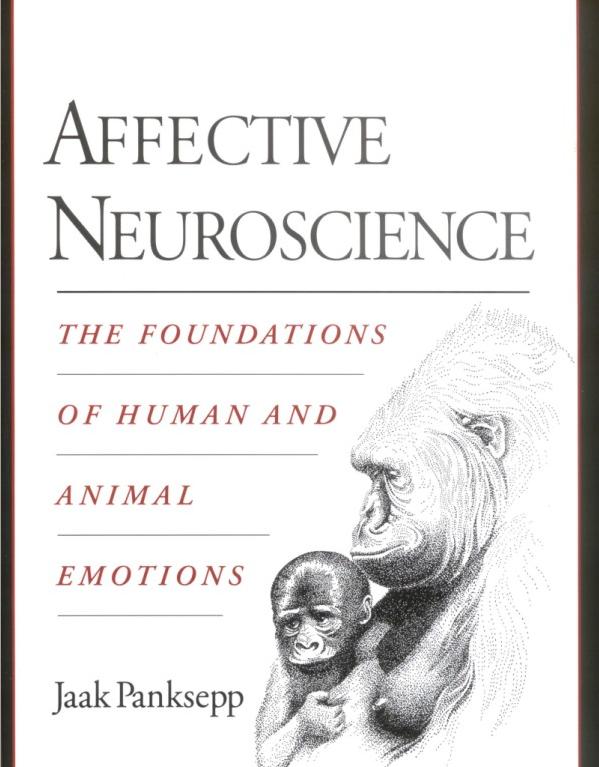
This is a cool two-part talk from the putative founder of affective neuroscience, Jaak Panksepp. His work has been essentially absorbed into the field of interpersonal neurobiology, and his recent book, The Archaeology of Mind: The Neuroevolutionary Origins of Human Emotion (2012), was released as part of that series at WW Norton (this is a revised and updated [less sciency] version of Panksepp's seminal 1998 text, Affective Neuroscience: The Foundations of Human and Animal Emotions).


Affective Continuity? From SEEKING to PLAY -- Science, Therapeutics and Beyond

Published on Nov 16, 2012

The reward SEEKING system of the brain is a general purpose emotional process that all mammals use to acquire all the resources needed for survival from daily meals to social bonds—a " go-and-find-and-get what you need and want" system for all rewards. It provides a solid foundation of eager organismic coherence for all the other primary-process emotional functions including positive ones such as LUST, CARE, and PLAY as well as negative ones such as RAGE, FEAR, and PANIC/GRIEF.
This summary will focus on the hierarchical arrangement of the affective BrainMind which provides solid affective foundations for learning and higher mental processes which then can help regulate emotions via developmental progressions where bottom-up maturational processes grounded on affective feelings give way at maturity to various top-down regulations of behavior and feelings. This kind of two-way circular-causality provide important considerations for not only envisioning the maturation of the MindBrain but potentially new Affective Balance Therapies that deploy our increasing appreciation of the importance of social joy and emotional-homeostasis in mental health and disorder. In this vision the positive forces of SEEKING especially in the form of CARE and PLAY can be used to counteract depressive despair that arises from fragile and broken social-bonds key sources of affective insecurity. Direct manipulations of the SEEKING and the closely associated PLAY system may alleviate depressive despair. Clearer images of the evolved infrastructure of the affective mind provide i) controversial new avenues for therapeutic mental-health interventions ii) more naturalistic visions of child rearing practices and iii) new visions of the cognitive facets of human minds and cultures. Some of these issues are further elaborated in The Archaeology of Mind: The Neuroevolutionary Origins of Human Emotion (2012).

Part One


Part Two


Friday, March 28, 2014

Authors at Google: Dan Siegel - The Adolescent Brain and the Essence of Life


Dr. Dan Siegel stopped by Google earlier this month to talk about his newest book, Brainstorm: The Power and Purpose of the Teenage Brain (2013). Here is a synopsis of the book:
Between the ages of 12 and 24, the brain changes in important, and oftentimes maddening, ways. It’s no wonder that many parents approach their child’s adolescence with fear and trepidation. According to renowned neuropsychiatrist Daniel Siegel's New York Times bestseller Brainstorm, if parents and teens can work together to form a deeper understanding of the brain science behind all the tumult, they will be able to turn conflict into connection and form a deeper understanding of one another.
In Brainstorm, Siegel illuminates how brain development impacts teenagers’ behavior and relationships. Drawing on important new research in the field of interpersonal neurobiology, he explores exciting ways in which understanding how the teenage brain functions can help parents make what is in fact an incredibly positive period of growth, change, and experimentation in their children’s lives less lonely and distressing on both sides of the generational divide.

Brainstorm is a New York Times bestseller and current nominee for a Books for a Better Life award.
Enjoy the talk!

Dan Siegel - The Adolescent Brain and the Essence of Life

Published on Mar 27, 2014


Dan Siegel visited Google LA to discuss his book "Brainstorm - The Power and Purpose of the Teenage Brain." This talk took place on March 10, 2014.

Monday, December 30, 2013

2013 - The Year in Books (Off the Beaten Path)

This is my annual "best of" list for books in 2013 - accept this year a lot of what I read was not stuff you will see on best-seller lists or on other people's best of lists. I don't have time to write reviews for all of these, so I am including info from the publisher's page about the book, including contents.

Large Image

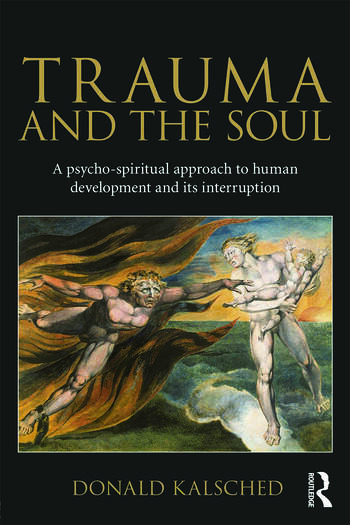
The first book in my collection of 2013 books you likely did not see reviewed anywhere in the mainstream press, if they have been reviewed at all, is also the best of the year, Trauma and the Soul, his follow-up to the well-loved The Inner World of Trauma.

Kalsched offers a rare interdisciplinary approach to psychotherapy, one that integrates psychoanalysis (the postmodern relational version), Jungian analytical psychology, trauma-focused models, somatic therapies, and even some cognitive approaches.

More than the previous book, this one has more of a spiritual depth and relies on the mytho-poetic realm of the imaginal. This adds depth and relevance to his work with trauma survivors.

Trauma and the Soul: A psycho-spiritual approach to human development and its interruption

by Donald Kalsched
Routledge, 2013

About the Book:

In Trauma and the Soul, Donald Kalsched continues the exploration he began in his first book, The Inner World of Trauma (1996)—this time going further into the mystical or spiritual moments that often occur around the intimacies of psychoanalytic work. Through extended clinical vignettes, including therapeutic dialogue and dreams, he shows how depth psychotherapy with trauma’s survivors can open both analytic partners to "another world" of non-ordinary reality in which daimonic powers reside, both light and dark. This mytho-poetic world, he suggests, is not simply a defensive product of our struggle with the harsh realities of living as Freud suggested, but is an everlasting fact of human experience—a mystery that is often at the very center of the healing process, and yet at other times, strangely resists it.

With these "two worlds" in focus, Kalsched explores a variety of themes as he builds, chapter by chapter, an integrated psycho-spiritual approach to trauma and its treatment including:
  • images of the lost soul-child in dreams and how this "child" represents an essential core of aliveness that is both protected and persecuted by the psyche’s defenses;
  • Dante’s guided descent into the Inferno of Hell as a paradigm for the psychotherapy process and its inevitable struggle with self-destructive energies;
  • childhood innocence and its central role in a person’s spiritual life seen through the story of St. Exupéry’s The Little Prince;
  • how clinical attention to implicit processes in the relational field, as well as discoveries in body-based affective neuroscience are making trauma treatment more effective;
  • the life of C.G. Jung as it portrays his early trauma, his soul’s retreat into an inner sanctuary, and his gradual recovery of wholeness through the integration of his divided self.
This is a book that restores the mystery to psychoanalytic work. It tells stories of ordinary patients and ordinary psychotherapists who, through working together, glimpse the reality of the human soul and the depth of the spirit, and are changed by the experience. Trauma and the Soul will be of particular interest to practicing psychotherapists, psychoanalysts, analytical psychologists, and expressive arts therapists, including those with a "spiritual" orientation.

Contents


Introduction.
1. Trauma and Life-Saving Encounters with the Numinous.
2. Loss and Recovery of the Soul-Child.
3. Dissociation and the Dark Side of the Defensive System: Dante's Encounter with "Dis" in the Inferno.
4. Trauma, Transformation and Transcendence: The Case of Mike.
5. Wholeness and Anti-Wholeness Defenses.
6. Psychoanalytic Approaches to the Inner World: Applying Theory to the Cases so Far.
7. Innocence, Its Loss and Recovery: Reflections on St. Exuperey's The Little Prince.
8. C. G. Jung Between the Worlds: Was Jung's Divided Self Pathological?
9. Dismemberment and Re-memberment: Reflections on a Case of Embodied Dream Work in Light of Grimm's Fairy Tale The Woman Without Hands.

* * * * *

This next book is new to me and I found it at the Evolution of Psychotherapy Conference. The author has been using Allan Schore's Affect Regulation and the Origin of the Self: The Neurobiology of Emotional Development (1994) in her graduate classes and wrote this book to bring that material into the clinical setting more easily.


Some of it feels pretty basic, but then I have read all of Allan Schore's books, so the material is not new to me. Where the book shines is in making the connections between brain science and psychological processes that we deal with in the therapy room.

Neurobiology Essentials for Clinicians: What Every Therapist Needs to Know

by


A primer on brain functionality as it relates to therapeutic work.

This book presents an overview of the latest theories of affect regulation and focuses on how these theories work in clinical settings and how therapists can be taught to implement them. The notion of teaching and learning will be extended by the theories themselves—the author presents methods of education that enact the theories being taught.

The book is divided into eight chapters, each one highlighting a particular structure or related structures of the brain. Suggestions for learning how to clinically apply the neurobiological/neuroanatomical information are offered. What is so unique about this book is that the bulk of the chapters are clinical dialogue, accompanied by neurobiological commentary. Thus, readers can see for themselves, during the course of parts of sessions, just how a “neurobiological outlook” can inform therapeutic understandings of what clients are doing and saying. The result is a very user-friendly learning experience for readers, as they are taken along a journey of understanding various brain systems and how they relate to psychotherapeutic principles.

Elegantly bridging the gap between the academic and clinical domains, this book is essential for anyone interested in the application of neurobiological principles to psychotherapy and wishes to learn about neurobiology without feeling overwhelmed or intimidated.


Contents:

Part I. Neurobiological Underpinnings of Selected Clinical Experiences
1. Affect Regulation and the Autonomic Nervous System
2. Defense Mechanisms and the Limbic System
3. Threat Management and the Amygdala
4. Therapeutic Engagement Issues and the Vagal System
5. Personality Disorders as Affect Management Strategies
 

Part II : Special Populations
6. Neurobiological Considerations in Working with Adolescents
7. Working with Groups: How Selected Principles of Regulation Theory can be Applied to Group Work
8. Integrating Selected Neurobiological Concepts into the Supervisory Process

* * * * *

You might be seeing a theme here - many of the books I read this year (the majority of them being much older and not included here) are therapy related, as is this one.

Self and Emotional Life: Philosophy, Psychoanalysis, and Neuroscience
by Adrian Johnston and Catherine Malabou
Columbia University Press, 2013

About the Book:

Adrian Johnston and Catherine Malabou defy theoretical humanities’ deeply-entrenched resistance to engagements with the life sciences. Rather than treat biology and its branches as hopelessly reductive and politically suspect, they view recent advances in neurobiology and its adjacent scientific fields as providing crucial catalysts to a radical rethinking of subjectivity.

Merging three distinct disciplines—European philosophy from Descartes to the present, Freudian-Lacanian psychoanalysis, and affective neuroscience—Johnston and Malabou triangulate the emotional life of affective subjects as conceptualized in philosophy and psychoanalysis with neuroscience. Their experiments yield different outcomes. Johnston finds psychoanalysis and neurobiology have the potential to enrich each other, though affective neuroscience demands a reconsideration of whether affects can be unconscious. Investigating this vexed issue has profound implications for theoretical and practical analysis, as well as philosophical understandings of the emotions.

Malabou believes scientific explorations of the brain seriously problematize established notions of affective subjectivity in Continental philosophy and Freudian-Lacanian analysis. She confronts philosophy and psychoanalysis with something neither field has seriously considered: the concept of wonder and the cold, disturbing visage of those who have been affected by disease or injury, such that they are no longer affected emotionally. At stake in this exchange are some of philosophy’s most important claims concerning the relationship between the subjective mind and the objective body, the structures and dynamics of the unconscious dimensions of mental life, the role emotion plays in making us human, and the functional differences between philosophy and science.


Contents:
Preface: From Nonfeeling to Misfeeling—Affects Between Trauma and the Unconscious
Acknowledgments

Part I. Go Wonder: Subjectivity and Affects in Neurobiological Times (Catherine Malabou)

Introduction: From the Passionate Soul to the Emotional Brain
1. What Does “of” Mean in Descartes’s Expression “The Passions of the Soul”?
2. A “Self-Touching You”: Derrida and Descartes
3. The Neural Self: Damasio Meets Descartes
4. Affects Are Always Affects of Essence: Book 3 of Spinoza’s Ethics
5. The Face and the Close-Up: Deleuze’s Spinozist Approach to Descartes
6. Damasio as a Reader of Spinoza
7. On Neural Plasticity, Trauma, and the Loss of Affects: The Two Meanings of Plasticity
Conclusion

Part II. Misfelt Feelings: Unconscious Affect Between Psychoanalysis, Neuroscience, and Philosophy (Adrian Johnston)

8. Guilt and the Feel of Feeling: Toward a New Conception of Affects
9. Feeling Without Feeling: Freud and the Unresolved Problem of Unconscious Guilt
10. Affects, Emotions, and Feelings: Freud's Metapsychologies of Affective Life
11. From Signifiers to Jouis-sens: Lacan’s Senti-ments and Affectuations
12. Emotional Life After Lacan: From Psychoanalysis to the Neurosciences
13. Affects Are Signifiers: The Infinite Judgment of a Lacanian Affective Neuroscience
Postface: The Paradoxes of the Principle of Constancy

* * * * *

This is one has only been out for the last month or two, and it's dated 2014, but I have a pdf review copy of it. It's a good overview of the ethical issues surrounding biotechnology.

Human Nature in an Age of Biotechnology: The Case for Mediated Posthumanism

by Tamar Sharon
Springer, 2014
Content Level: Research

About the Book:
  • Presents a comparison of models via an exploration of key issues, from human enhancement, to eugenics, and new configurations of biopower
  • Offers a new perspective on human-technology relations that evades the dichotomy of “protecting” ourselves from technology vs. embracing technology as progress
  • Includes a special chapter on molecular biomedicine and evolutionary biology links STS and philosophy of technology to current trends in biology
New biotechnologies have propelled the question of what it means to be human – or posthuman – to the forefront of societal and scientific consideration. This volume provides an accessible, critical overview of the main approaches in the debate on posthumanism, and argues that they do not adequately address the question of what it means to be human in an age of biotechnology. Not because they belong to rival political camps, but because they are grounded in a humanist ontology that presupposes a radical separation between human subjects and technological objects.

The volume offers a comprehensive mapping of posthumanist discourse divided into four broad approaches—two humanist-based approaches: dystopic and liberal posthumanism, and two non-humanist approaches: radical and methodological posthumanism. The author compares and contrasts these models via an exploration of key issues, from human enhancement, to eugenics, to new configurations of biopower, questioning what role technology plays in defining the boundaries of the human, the subject and nature for each.

Building on the contributions and limitations of radical and methodological posthumanism, the author develops a novel perspective, mediated posthumanism, that brings together insights in the philosophy of technology, the sociology of biomedicine, and Michel Foucault’s work on ethical subject constitution. In this framework, technology is neither a neutral tool nor a force that alienates humanity from itself, but something that is always already part of the experience of being human, and subjectivity is viewed as an emergent property that is constantly being shaped and transformed by its engagements with biotechnologies. Mediated posthumanism becomes a tool for identifying novel ethical modes of human experience that are richer and more multifaceted than current posthumanist perspectives allow for.

The book will be essential reading for students and scholars working on ethics and technology, philosophy of technology, poststructuralism, technology and the body, and medical ethics.

Table of Contents

Chapter 1. Introduction.
Chapter 2. A Cartography of the Posthuman.
Chapter 3. The Human Enhancement Debate: For, Against and from Human Nature.
Chapter 4. Towards a Non-Humanist Posthumanism: The Originary Prostheticity of Radical and Methodological Posthumanism.
Chapter 5. From Molar to Molecular Bodies: Posthumanist Frameworks in Contemporary Biology.
Chapter 6. Posthuman Subjectivity: Beyond Modern Metaphysics.
Chapter 7. Technologically Produced Nature: Nature Beyond Schizophrenia and Paranoia.
Chapter 8. New Modes of Ethical Selfhood: Geneticization and Genetically Responsible Subjectivity.
Chapter 9. Conclusion.

 * * * * *

Yes, a book by a Catholic contemplative is one of the best things I have read this year. I began reading his books to vet them for my clients who are Christian and who have never been introduced to nondual thinking or the Perennial Philosophy.

Immortal Diamond: The Search for Our True Self

by Richard Rohr
Jossey-Bass, 2013

About the Book:

Dissolve the distractions of ego to find our authentic selves in God

In his bestselling book Falling Upward, Richard Rohr talked about ego (or the False Self) and how it gets in the way of spiritual maturity. But if there's a False Self, is there also a True Self? What is it? How is it found? Why does it matter? And what does it have to do with the spiritual journey? This book likens True Self to a diamond, buried deep within us, formed under the intense pressure of our lives, that must be searched for, uncovered, separated from all the debris of ego that surrounds it. In a sense True Self must, like Jesus, be resurrected, and that process is not resuscitation but transformation.

  • Shows how to navigate spiritually difficult terrain with clear vision and tools to uncover our True Selves
  • Written by Father Richard Rohr, the bestselling author of Falling Upward
  • Examines the fundamental issues of who we are and helps us on our path of spiritual maturity
Immortal Diamond (whose title is taken from a line in a Gerard Manley Hopkins poem) explores the deepest questions of identity, spirituality, and meaning in Richard Rohr's inimitable style.

Contents:

Invitation: The Immortal Diamond of the True Self
Preface 

1 What Is ‘‘The True Self’’? 
2 What Is ‘‘The False Self’’?
3 What Dies and Who Lives?
4 The Knife Edge of Experience
5 Thou Art That
6 If It Is True, It Is True Everywhere
7 Enlightenment at Gunpoint
8 Intimate with Everything
9 Love Is Stronger Than Death
Epilogue 

Appendix A The True Self and the False Self
Appendix B A Mosaic of Metaphors
Appendix C Watching at the Tomb: Attitudes for Prayer
Appendix D Head into Heart: ‘‘The Sacred Heart’’
Appendix E Adam’s Breathing: Praying from the Clay
Appendix F Twelve Ways to Practice Resurrection Now

* * * * *

Science has a shadow as well as being the gift that has made our lives much easier - this book, originally published in Italy in 2010, takes a meta-perspective on this topic.

The Tree of Knowledge: The Bright and the Dark Sides of Science

by Claudio Ronchi
Springer, 2014 (original Italian publication was 2010)
Content Level: Popular/general

About the Book:
  • A fascinating long view of science by an author with extensive "insider" knowledge
  • Warns against the assumption that science equates with salvation
  • Paints plausible pictures of different futures, showing how they relate to our use and abuse of science
Whether considered a divine gift or a Promethean conquest, science has indisputably and indelibly marked the course of human history. A product of the intellectual elite, but always nourished by the many fruits of its applications, science appears today to be a perfect system, whose laws and discoveries guide all human activities. Yet the foundations of its authority remain an open question, entailing disquieting aspects that are also to be identified in modern science. Furthermore it is seen to be exerting an increasing power over mankind. Readers are invited to follow an itinerary through the history of science, a voyage which, in the end, enables them to catch a glimpse of two divergent futures: One in which science accelerates the downfall of Homo sapiens, and another in which it helps our species to engage in a new and positive adventure, whose outcome nobody can know.

Table of Contents:

1. Time of Growth
2. Birth and Floruit of Science in the Occident
3. Scientific Research as a Global Enterprise
4. The Crisis of Growth
5. Orthodoxy Versus Heresy
6. The Dissemination of Knowledge
7. Beyond Mankind
8. Artificial Intelligence and Post-Humanity
9. The Beginning and the ‘‘End’’
Epilogue
Appendix A: Glossary
* * * * *


This one is fun, and who doesn't love a superhero? But it's also a bit lame in places - however, it is worth the read.


Edited by Robin S. Rosenberg, PhD
Oxford University Press, 2013

About the Book:
  • Explores why children and adults are captivated by superheroes
  • Brief essays raise fascinating questions about human nature
Superhero fans are everywhere, from the teeming halls of Comic Con to suburban movie theaters, from young children captivated by their first comic books to the die-hard collectors of vintage memorabilia. Why are so many people fascinated by superheroes?

In this thoughtful, engaging, and at times eye-opening volume, Robin Rosenberg--a writer and well-known authority on the psychology of superheroes--offers readers a wealth of insight into superheroes, drawing on the contributions of a top group of psychologists and other scholars. The book ranges widely and tackles many intriguing questions. How do comic characters and stories reflect human nature? Do super powers alone make a hero super? Are superhero stories good for us? Most contributors answer that final question in the affirmative. Psychologist Robert J. Sternberg, for instance, argues that we all can learn a lot from superheroes-and what we can learn most of all is the value of wisdom and an ethical stance toward life. On the other hand, restorative justice scholar Mikhail Lyubansky decries the fact that justice in the comic-book world is almost entirely punitive, noting extreme examples such as "Rorschach" in The Watchmen and the aptly named "The Punisher, who embrace a strict eye-for-an-eye sense of justice, delivered instantly and without mercy.

In the end, the appeal of Superman, Batman, Spiderman, and legions of others is simple and elemental. Superheroes provide drama, excitement, suspense, and romance and their stories showcase moral dilemmas, villains we love to hate, and protagonists who inspire us. Perhaps as important, their stories allow us to recapture periods of our childhood when our imaginations were cranked up to the maximum--when we really believed we could fly, or knock down the bad guy, or save the city from disaster.

Table of Contents
Part I: Our Relationship with Superheroes
Introduction: Robin Rosenberg
Chapter 1. our fascination with superheroes: Robin Rosenberg
Chapter 2. Superhero comics as Moral Pornography: David Pizarro and Roy Baumeister
Chapter 3. Are Superhero Stories Good for Us?: Reflections from Clinical Practice: Lawrence Rubin
Chapter 4. Emotions in Comics: Why the Silver Age of comics made a difference: Peter Jordan
Chapter 5. The Effects of Superhero Sagas on Our Gendered Selves: Elizabeth Behm-Morawitz and Hillary Pennell

Part II: The Humanity of Superheroes
Chapter 6. Our Superheroes, Our Supervillains: Are They All That Different? Travis Langley
Chapter 7. Are Superheroes Just Supergifted? Robin Rosenberg and Ellen Winner
Chapter 8. The Very Real Work Lives of Superheroes: Illustrations of Work Psychology: Gary Burns
Chapter 9. How super are superheroes? Robert Sternberg
Chapter 10. Superhero Justice: Mikhail Lyubansky

* * * * *

This one is also new (out since October, but listed as 2014). ACT is a cognitive based therapy model developed by Steven C. Hayes (University of Nevada), who strangely does not have a chapter in this book. It adds a mindfulness component (as everything does these days), and this discusses how to use this model with the symptoms of psychosis.

Acceptance and Commitment Therapy and Mindfulness for Psychosis

Editors: Eric M. J. Morris, Louise C. Johns, Joseph E. Oliver
Wiley-Blackwell, 2013

About the Book:

Emerging from cognitive behavioural traditions, mindfulness and acceptance-based therapies hold promise as new evidence-based approaches for helping people distressed by the symptoms of psychosis. These therapies emphasise changing the relationship with unusual and troublesome experiences through cultivating experiential openness, awareness, and engagement in actions based on personal values. In this volume, leading international researchers and clinicians describe the major treatment models and research background of Acceptance and Commitment Therapy (ACT) and Person-Based Cognitive Therapy (PBCT), as well as the use of mindfulness, in individual and group therapeutic contexts. The book contains discrete chapters on developing experiential interventions for voices and paranoia, conducting assessment and case formulation, and a discussion of ways to work with spirituality from a metacognitive standpoint. Further chapters provide details of how clients view their experiences of ACT and PBCT, as well as offering clear protocols based on clinical practice. This practical and informative book will be of use to clinicians and researchers interested in understanding and implementing ACT and mindfulness interventions for people with psychosis. 

Table of Contents

Foreword: Acceptance, Mindfulness and Psychotic Disorders: Creating a New Place to Begin
1. Introduction to Mindfulness and Acceptance-based Therapies for Psychosis: Joseph E. Oliver, Candice Joseph, Majella Byrne, Louise C. Johns and Eric M. J. Morris
2. Theory on Voices: Fran Shawyer, Neil Thomas, Eric M. J. Morris and John Farhall
3. Emotional Processing and Metacognitive Awareness for Persecutory Delusions: Claire Hepworth, Helen Startup and Daniel Freeman
4. Clinical Assessment and Assessment Measures: John Farhall, Fran Shawyer, Neil Thomas and Eric M. J. Morris
5. Acceptance and Commitment Therapy Case Formulation: Patty Bach
6. Engaging People with Psychosis in Acceptance and Commitment Therapy and Mindfulness: Brandon A. Gaudiano and Andrew M. Busch
7. Acceptance and Commitment Therapy for Voices: Neil Thomas, Eric M. J. Morris, Fran Shawyer and John Farhall
8. Acceptance and Commitment Therapy for Delusions: José Manuel García Montes, Marino Pérez Álvarez and Salvador Perona Garcelán
9. Acceptance and Commitment Therapy for Emotional Dysfunction following Psychosis: Ross White
10. Person-based Cognitive Therapy for Distressing Psychosis: Lyn Ellett
11. Spirituality: A New Way into Understanding Psychosis: Isabel Clarke
12. The Service User Experience of Acceptance and Commitment Therapy and Person-based Cognitive Therapy: Joseph E. Oliver, Mark Hayward, Helena B. McGuiness and Clara Strauss
13. Acceptance and Commitment Therapy for First-episode Psychosis: Joseph E. Oliver and Eric M. J. Morris
14. Acceptance and Commitment Therapy for Psychosis in Acute Psychiatric Admission Settings
Gordon Mitchell and Amy McArthur
15. Developing Acceptance and Commitment Therapy for Psychosis as a Group-based Intervention: Amy McArthur, Gordon Mitchell and Louise C. Johns
16. Group Person-based Cognitive Therapy for Distressing Psychosis: Clara Strauss and Mark Hayward

Appendix A: Chessboard Metaphor
Appendix B: Leaves-on-the-Stream Metaphor 
Appendix C: Passengers-on-the-Bus Metaphor
Appendix D: Person-in-the-Hole Metaphor 
Appendix E: Polygraph Metaphor 
Appendix F: See the Wood for the Trees (And Other Helpful Advice for Living Life)
Appendix G: Skiing Metaphor
Appendix H: Tug-of-War-with-the-Monster Metaphor


Friday, December 20, 2013

Shrink Rap Radio #382 – Healing Developmental Trauma with Laurence Heller


I read Laurence Heller's Healing Developmental Trauma: How Early Trauma Affects Self-Regulation, Self-Image and the Capacity for Relationship last year and found it helpful in understanding the challenges of self-regulation for survivors of early childhood trauma.

About the book
Witten for those working to heal developmental trauma and seeking new tools for self-awareness and growth, this book focuses on conflicts surrounding the capacity for connection. Explaining that an impaired capacity for connection to self and to others and the ensuing diminished aliveness are the hidden dimensions that underlie most psychological and many physiological problems, clinicians Laurence Heller and Aline LaPierre introduce the NeuroAffective Relational Model® (NARM), a unified approach to developmental, attachment, and shock trauma that, while not ignoring a person’s past, emphasizes working in the present moment. NARM is a somatically based psychotherapy that helps bring into awareness the parts of self that are disorganized and dysfunctional without making the regressed, dysfunctional elements the primary theme of the therapy. It emphasizes a person’s strengths, capacities, resources, and resiliency and is a powerful tool for working with both nervous system regulation and distortions of identity such as low self-esteem, shame, and chronic self-judgment.
I enjoyed this conversation and thought you might, too.

Shrink Rap Radio #382 – Healing Developmental Trauma with Laurence Heller

A psychology podcast by David Van Nuys, Ph.D. 
Posted on December 19, 2013


Laurence Heller, Ph.D. is the founder of the NeuroAffective Relational Model (NARM™). He is the co-author of Crash Course: A Self-Healing Guide to Automobile Accident Trauma with Diane Poole Heller published in multiple languages and the recent book Healing Developmental Trauma: How Early Trauma Affects Self-Regulation, Self-Image and the Capacity for Relationship. This recent book written with Aline LaPierre, Psy.D. has also been published in multiple languages.

He was the founder of the Gestalt Institute of Denver, is a Senior Faculty member of the Somatic Experiencing Training Institute and has been a clinician for over 30 years. He teaches all over the world and regularly in many countries in Europe.

NARM™ is a neuroscientifically informed, somatically oriented, and psychodynamically informed approach for working with developmental trauma and works both top-down and bottom-up. He is currently teaching NARM™ in the U.S. and throughout Europe.


Play
Podcast: Play in new window | Download
Check out the following Psychology CE Courses based on listening to Shrink Rap Radio interviews:

Saturday, December 14, 2013

Daniel J. Siegel: What Is Interpersonal Neurobiology?


Since I was fortunate enough to get to see and hear Dan Siegel a couple of times this conference, I thought I would share the joy as much as possible. This podcast is the Producer's Pick this week at Sounds True - a great conversation between Tami Simon and Dr. Siegel.

dan-siegel2.jpg
By following both his scientific curiosity and his heart, Dr. Daniel Siegel began to question one of the most fundamental assumptions about human psychology and even biology: that we are an individual, separate self. Dr. Siegel discovered that our concept of “I” turns out to be more accurately a “we”—encompassing not only our own senses, brain, and awareness, but also—surprisingly enough—the world itself, including everyone around us that we interact with and merge with in every moment of our lives. In this excerpt from the audio course The Neurobiology of “We,” selected by Sounds True producer Randy Roark, Dr. Siegel explores some of the key observations that have caused us to alter the essential definition of who we are.


Download »

Friday, November 29, 2013

Are We Our Mind?: Dan Siegel at TEDxPrague 2013


From TEDxPrague, 2013, Dr. Daniel Siegel, one of the co-founders of interpersonal neurobiology, and author of several excellent books, spoke on the connections between brain and mind.

Dr. Siegel is the author of The Developing Mind, Second Edition: How Relationships and the Brain Interact to Shape Who We Are (1999/2012), Parenting From the Inside Out (2004), The Mindful Brain: Reflection and Attunement in the Cultivation of Well-Being (2007), The Mindful Therapist: A Clinician's Guide to Mindsight and Neural Integration (2010), Mindsight: The New Science of Personal Transformation (2010), Pocket Guide to Interpersonal Neurobiology: An Integrative Handbook of the Mind (2012), and Healing Moments in Psychotherapy (2013), among other books.

Are We Our Mind?: Dan Siegel at TEDxPrague 2013

Dan Siegel - Are we our mind?

Published on Nov 28, 2013
Daniel J. Siegel is a respected global neuroscientist, professor of psychiatry at the University of California at Los Angeles (UCLA) and the Executive Director of the Mindsight Institute which offers development for individuals and groups focused on exploring the links between mind, human relationships and basic neurobiological processes. He has published extensively on psychotherapy and children's psychology.

What made Dr. Siegel attractive for us was his unique ability to make complicated scientific concepts exciting for the general public. His book Mindsight offers the general reader an in-depth exploration of the power of the mind to integrate the brain and promote well-being. He has been invited to lecture for the King of Thailand, Pope John Paul II, His Holiness the Dalai Lama, Google University, TED and TEDx.

Saturday, October 26, 2013

A Developmental Perspective on Intersubjectivity from Birth Onward (Daniel N. Stern)


Daniel N. Stern was the author of The Interpersonal World Of The Infant A View From Psychoanalysis And Developmental Psychology (2000/1985), one of the most profound books on the healthy and unhealthy development of the infant available. Stern's model is in line with current trends in postmodern psychoanalysis - it's based in attachment theory, relationality, intersubjectivity, and neuroscience. 

Along with Allan Schore, Stern is must reading for anyone who wants to understand the development and pathologies of development in children - the foundation for trauma therapy.

Stern passed away in 2012 - among his other books are The Present Moment in Psychotherapy and Everyday Life (Norton Series on Interpersonal Neurobiology) (2010) and Diary Of A Baby: What Your Child Sees, Feels, And Experiences (1992), told from the baby's point of view.

50 Jahre SFI - A Developmental Perspective on Intersubjectivity from Birth on (Daniel N. Stern)


Published on May 22, 2013


50 Jahre Sigmund-Freud-Institut - 50 Jahre "Forschen und Heilen"

Daniel N. Stern (Boston/Genf)
A developmental perspective on intersubjectivity from birth on

Festakt zum 50-jährigen Bestehen des Sigmund-Freud-Instituts am 24. April 2010 auf dem Campus Westend der Goethe Universität Frankfurt am Main.

Monday, September 09, 2013

Biological Psychiatry and the New Science of Mind (Yeah, Not So Much)


At Frontiers in Theoretical and Philosophical Psychology, Henrik Walter (Research Division of Mind and Brain, Department of Psychiatry and Psychotherapy, Charité Universitaetsmedizin Berlin, Germany; Berlin School of Mind and Brain, Humboldt University) offers a theory article on a proposed third wave of biological psychiatry. From Walter's abstract:
A look at current conceptualizations in biological psychiatry as well as at some discussions in current philosophy of mind on situated cognition, reveals that the thesis, that mental brain disorders are brain disorders has to be qualified with respect to how mental states are constituted and with respect to multilevel explanations of which factors contribute to stable patterns of psychopathological signs and symptoms.
Full Citation: 
Walter H. (2013, Sep 5). The third wave of biological psychiatry. Frontiers in Theoretical and Philosophical Psychology; 4:582. doi: 10.3389/fpsyg.2013.00582

As a little bit of background, Walter offers a brief sketch of each of the first two waves of biological psychiatry:
The first wave in the second half of the nineteenth century can be best understood as a new research agenda. It was not so much characterized by the idea that the mental and the nervous system are closely linked – this was already believed by ancient philosophers – but rather by the ambition to uncover the relation between mind and brain by doing systematic research linking neuropathology and mental disorder and by using the experimental method in animals and humans. Wilhelm Griesinger (1817–1868), one of the most important figures of this first wave, famously declared: mental disorders are disorders of the brain.
And . . .
The second wave of biological psychiatry started only in the second half of the twentieth century and was, according to Shorter, driven by two new discoveries. The first was genetics, which could show that severe mental disorders, in particular schizophrenia, have a strong genetic component. The second was the discovery of efficient medication for various mental disorders (1949 lithium, 1952 chlorpromazin, 1957 imipramin, 1958 haloperidol, 1963 diazepam). They quickly became a major pillar of psychiatric treatment and contributed strongly to the opening and later disappearance of the large mental asylums in the second half of the last century. Soon, the concept of a neurochemical imbalance of neurotransmitters became the favored explanatory model for psychiatric disorders.
Walter argues that there have been two recent (in the last two decades) developments that signal the transition into a Third Wave - (1) the advances in if the molecular neurosciences, and (2) the development and advances in the fields of cognitive neuroscience and neuroimaging. In support of the first point:
It became increasingly clear that the effects of psychiatric drugs are not primarily exerted via the level of neurotransmitters in the synaptic cleft, but that there is up- and down-regulation of receptors, effects on intracellular cascades, and even regrowth of neurons in the hippocampus. The picture of the neurobiological changes underlying psychiatric disorders and treatment thus became much more complex and differentiated and it became apparent that different levels of brain organization are important which interact in a complex way. 
In support of his second point:
With the first human study published in 1991, fMRI has today become a major research tool in psychology as well as in psychiatry. This development could not have taken place without a large increase in computational power. In fact, computational neuroscience which tries to develop mathematical models of brain function, has become an important tool in explaining neurocognitive processes and recently the program of computational psychiatry has begun to evolve (Montague et al., 2012). Further methods and technologies have become available to investigate the interplay of genetics, experience and environment in the etiology and neural explanation of psychiatric disorders like imaging genetics, epigenetics, optogenetics, or deep brain stimulation.
Rightly, Walter comments in this section of the paper on the ways popular media reporting misrepresents the findings from these new technologies (he offers as examples: “love is in the ACC,” “the God spot,” “gene for schizophrenia discovered”). With this over-reach in interpreting results, the new field of critical neuroscience (see [article] Slaby, 2010, Steps towards a Critical Neuroscience, Phenomenology and the Cognitive Sciences, 9(3); or [book] Slaby and Choudhury, 2011, Critical Neuroscience: A Handbook of the Social and Cultural Contexts of Neuroscience). 

The Third Wave


Walter offers a concise definition of his proposed third wave as it relates to mental disorders in this single sentence:
According to the third wave of biological psychiatry, mental disorders are relatively stable prototypical, dysfunctional patterns of experience and behavior that can be explained by dysfunctional neural systems at various levels. 
Representative of this model (Walter calls it a paradigmatic example) is Thomas Insel's research domain criteria (RDoC), the development of which he has overseen in his role as Director of the National Institutes of Mental Health (NIMH). Insel generated a lot of discussion when he announced that the NIMH would not be using the American Psychiatric Association's the DSM-5, claiming that:
the weakness (of DSM-5) is its lack of validity. Unlike our definitions of ischemic heart disease, lymphoma, or AIDS, the DSM diagnoses are based on a consensus about clusters of clinical symptoms, not any objective laboratory measure. In the rest of medicine, this would be equivalent to creating diagnostic systems based on the nature of chest pain or the quality of fever. Indeed, symptom-based diagnosis, once common in other areas of medicine, has been largely replaced in the past half century as we have understood that symptoms alone rarely indicate the best choice of treatment (Insel, 2013, Transforming Diagnosis).
Rather than using the DSM categories as the "gold standard," Insel argues that we need to move away from the symptom-based approach that has been dominant for more than 100 years in Western psychology and, instead, seek to understand the causal explanatory structures that underlay the symptoms.

Walter offers this summary of the basic philosophy of the RDoC model:
RDoC can be regarded as a generalization of these initiatives being constructed for application to all mental disorders. It is based on three central assumptions: (1) mental disorders are presumed to be disorders of brain circuits. (2) Tools of neuroscience, including neuroimaging, electrophysiology and new methods for measuring neural connections can be used to identify dysfunctions of neural circuits. (3) Data from genetics research and clinical neuroscience will yield biosignatures that will augment clinical signs and symptoms for the purposes of clinical intervention and management.
These three central objectives smell a lot like a methodology for developing pharmaceutical interventions (which is my belief). However, there are also environmental and developmental factors considered as orthogonal dimensions (a way to graphically display large amounts of information) that will inform the neurological findings derived from the RDoC organization structure.

In this case, the data is organized as a 2-dimensional schema:
One dimension includes constructs that represent five core domains of mental functioning: Negative valence systems, positive valence systems, cognitive systems, systems for social processes and attention/arousal systems. Each of these domains includes subconstructs (around five). For example the negative valence systems include: active threat (“fear”), potential threat (“anxiety”), sustained threat, loss and frustrative non-reward. To take another example: the cognitive systems domain comprises attention, perception, working memory, declarative memory, language behavior, and cognitive (effortful) control. The second dimension consists of units of levels of organization on which the constructs can be measured. These levels are defined as follows: genes, molecules, cells, circuits, physiology, behavioral, self-reports, and paradigms. The “circuits” unit of analysis refers to measures that can index the activity of neural circuits, either through functional neuroimaging or through recordings previously validated as circuit indices (e.g., fear-potentiated startle). “Physiology” refers to well-established measures that have been validated by assessing various constructs, but that do not measure brain circuit activity directly (e.g., heart rate, cortisol). “Behavior” may refer either to systematically observed behavior or to performance on a behavior task such a working memory.
As powerful as is the NIMH (grant proposals not adhering to their new framework will not be funded), there are still many researchers, including neuroscientists, who offer objections to the RDoC model. Here is a summary of the four most common objections to the third wave perspective, as suggested by Walter:
(1) It could still be argued that the framework favors the neurobiological over other factors, as it entails the idea that psychiatric disorders are brain disorders. It will make no difference if you call psychiatric disorders “disorders of the brain” or “disorders of brain circuits” and thus do not justice to the mental within the concept of mental disorders. 
(2) The third wave does not include a solution to the normativity problem, namely the question of when a constellation of psychological signs and symptoms is already a disorder or when it is still part of “normal experience,” so it will still promote a medicalization of life problems. 
(3) Even if we somehow could solve the first two problems, it might be argued that a focus on the brain will lead to inefficient resource allocation because the outcome for patients is not worth the effort be put in. History has shown that all general claims that we will in the near future know “the” causes of mental disorders have failed, and the continuous failure of neurobiology (with some exceptions) to sufficiently explain or predict mental disorders shows that it cannot account for such complex phenomena. 
(4) We should rather focus on the well-known psychosocial factors contributing to the development or sustainment of psychiatric disorders which are much more relevant in practice.
I tend to agree with these basic objections. Fundamentally, the third wave model (and especially the RDoC) is premised on the unproven and highly questionable proposition that the mind is equivalent to the brain.

To his credit, Walter addresses this fundamental issue, that all we need to do in understanding the mind is look at the brain. He brings in the philosophical idea of situated cognition:
There is not yet a consistent or complete theory of situatedness, rather there are several strands of research and theorizing that can be subsumed under the catchword “the 4Es”: the embodied, extended, embedded and enacted mind (Lyre and Walter, 2013). The main idea is that in order to understand what cognition (the mental) is, it is necessary to take into account that cognitive capacities of a system may depend on the fact that those systems (our brains) are (i) embodied, i.e., coupled to our bodily constitution and that it therefore is necessary to regard the bodily realization of cognitive abilities as an integral part of the cognitive architecture; (ii) situationally embedded, i.e. are dependent in a specific way on their environment, i.e., cognitive systems exploit the specific circumstances of their environmental context in order to increase their performative abilities, (iii) extended, i.e., extend over the boundaries of our body into the technological or social environment and thus are constituted not only by internal factors but also by external, environmental factors and (iv) enacted, i.e., arise only by the active interaction of an autonomous systems with its environment (Walter, 2010).
I have long been arguing that all four of these types of situatedness are essential to any definition of mind or consciousness. If we do not even know how the mind is generated, and why, how can we ever begin to say that specific brain  circuits or brain states are pathological?

The New Science of Mind?


In an opinion article in the Sunday (Sept. 8, 2013) New York Times, Dr. Eric Kandel (2000 Nobel Prize in Physiology or Medicine for his research on the physiological basis of memory storage in neurons) outlines his perspective on the currently emerging "new science of mind."

In the first part of the article, Kandel outlines four key findings that have emerged over the course of our increasing exploration of neuroscience and the brain-based correlates of mental distress:
  • First, the neural circuits disturbed by psychiatric disorders are likely to be very complex.
  • Second, we can identify specific, measurable markers of a mental disorder, and those biomarkers can predict the outcome of two different treatments: psychotherapy and medication.
  • Third, psychotherapy is a biological treatment, a brain therapy. It produces lasting, detectable physical changes in our brain, much as learning does.
  • And fourth, the effects of psychotherapy can be studied empirically. Aaron Beck, who pioneered the use of cognitive behavioral therapy, long insisted that psychotherapy has an empirical basis, that it is a science. Other forms of psychotherapy have been slower to move in this direction, in part because a number of psychotherapists believed that human behavior is too difficult to study in scientific terms. 
Numbers three and four here are crucial to any forward movement we are going to make in our understanding of non-invasive ways to alter unhealthy psychological functioning. Unfortunately, he goes on in the second half of the article to espouse the mainstream materialist view, although he stops just short of saying the brain = mind.
This new science of mind is based on the principle that our mind and our brain are inseparable.
Inseparable? Yes - when the brain dies, we cease to exist. But identical? No.

There really is a new science of mind, but it is not the RDoC model of Thomas Insel and the NIMH, nor is it the third wave of biological psychiatry. Rather, it is a field known as interpersonal neurobiology, proposed and named by Daniel Siegel and co-developed with Allan Schore, with support form Louis Cozolino, Marco Iacoboni, Stephen Porges, Pat Ogden, Daniel Stern, and Diana Fosha.

From Dan Siegel's personal site, here is a long definition of interpersonal neurobiology:

About Interpersonal Neurobiology

An Introduction to Interpersonal Neurobiology

An Interdisciplinary Field:  Seeking Similar Patterns 
Daniel J. Siegel, M.D. is a pioneer in the field called interpersonal neurobiology (The Developing Mind, 1999) which seeks the similar patterns that arise from separate approaches to knowledge. This interdisciplinary field invites all branches of science and other ways of knowing to come together and find the common principles from within their often disparate approaches to understanding human experience. Sciences contributing to this exciting field include the following: 

  • Anthropology
  • Biology (developmental, evolution, genetics, zoology)
  • Cognitive Science
  • Computer Science
  • Developmental Psychopathology
  • Linguistics
  • Neuroscience (affective, cognitive, developmental, social)
  • Mathematics
  • Mental Health
  • Physics
  • Psychiatry
  • Psychology (cognitive, developmental, evolutionary, experimental, of religion, social, attachment theory, memory)
  • Sociology
  • Systems Theory (chaos and complexity theory)
Interpersonal neurobiology weaves research from these areas into a consilient framework that examines the common findings among independent disciplines.  This framework provides the basis of interpersonal neurobiology. The mind is defined and its components necessary for health are illuminated.  

The Mindsight Approach Exists Within the Field of Interpersonal Neurobiology 
Under the umbrella of interpersonal neurobiology, Dr. Siegel’s mindsight approach applies the emerging principles of interpersonal neurobiology to promote compassion, kindness, resilience, and well-being in our personal lives, our relationships, and our communities. At the heart of both interpersonal neurobiology and the mindsight approach is the concept of “integration” which entails the linkage of different aspects of a system—whether they exist within a single person or a collection of individuals.  Integration is seen as the essential mechanism of health as it promotes a flexible and adaptive way of being that is filled with vitality and creativity. The ultimate outcome of integration is harmony. The absence of integration leads to chaos and rigidity—a finding that enables us to re-envision our understanding of mental disorders and how we can work together in the fields of mental health, education, and other disciplines, to create a healthier, more integrated world.
 

Integration:  At the Core of Our Well-Being 
Integration is at the heart of both interpersonal neurobiology and Dr. Siegel’s mindsight approach. Defined as the linkage of differentiated components of a system, integration is viewed as the core mechanism in the cultivation of well-being. In an individual’s mind, integration involves the linkage of separate aspects of mental processes to each other, such as thought with feeling, bodily sensation with logic. In a relationship, integration entails each person’s being respected for his or her autonomy and differentiated self while at the same time being linked to others in empathic communication.

What Does Integration Mean for the Brain? 
For the brain, integration means that separated areas with their unique functions, in the skull and throughout the body, become linked to each other through synaptic connections. These integrated linkages enable more intricate functions to emerge—such as insight, empathy, intuition, and morality. A result of integration is kindness, resilience, and health. Terms for these three forms of integration are a coherent mind, empathic relationships, and an integrated brain.

Focus Your Attention:  Actually Change Your Brain 
This highly integrative field is not a division of one particular area of research, but rather is an open and evolving way of knowing that invites all domains of both academic and reflective explorations of reality into a collective conversation about the nature of the mind, the body, the brain, and our relationships with each other and the larger world in which we live. This emerging approach is fundamental to exploring a range of human endeavors, including the fields of mental health, education, parenting, organizational leadership, climate change intervention, religion, and contemplation. Knowing about the way the focus of attention changes the structure and function of the brain throughout the lifespan opens new doors to healing and growth at the individual, family, community, and global levels.

"Inspire to Rewire" 
 By combining the exciting new findings of how awareness can shape the connections in the brain toward integration together with the knowledge of how interpersonal relationships shape our brains throughout the lifespan, we can actively “inspire each other to rewire” our internal and interpersonal lives toward integration. 
 Dr. Siegel edits the Norton Series on Interpersonal Neurobiology, from W.W. Norton Publishers. For counselors and psychotherapists, this series offers some of the most useful books available.

http://72.52.91.66/~drdan/images/IPNB_Series_LG.jpg

When Dr. Kandel mentioned that psychotherapy is a biological approach because it literally can change and even rewire the brain, he was referring primarily to Aaron Beck's cognitive behavioral therapy (CBT). I have not seen any evidence that CBT can effectively rewire the brain, but there is a growing body of evidence that suggests that depth psychology, specifically psychodynamic and relational psychoanalytic approaches, can rewire the brain through the repair of faulty attachments schemas.

If we are to be healthy and functional human beings, we will by necessity be in relationship with others.
Relational-needs are present throughout the entire life cycle from early infancy to old age. People do not outgrow their need for relationship. These needs are the basis of our humanness. Even as adults we attach to others because we perceive them as being able to satisfy our variety of needs. (Erskine, Attachment, Relational-Needs, and Psychotherapeutic Presence, 2011).
Relational psychoanalysis is based on the premise that much of who we are as human beings is formed by our relationships to primary caregivers, our environment, and our peers. By this measure, then, dysfunction is based in unhealthy relationships and/or coping strategies in one of these areas. The psychotherapeutic process is also a relationship, and it is in the relationship more than the theory employed that allows for healing to occur.

According to Mikulincer and Shaver (2007, Attachment in Adulthood: Structure, Dynamics, and Change), some clients (many more so in trauma work) experience relational bonds with their therapists that are similar to infant attachment bonding patterns.
Specifically, some clients: (i) regard their therapist as stronger and wiser; (ii) seek proximity through emotional connection and regular meetings; (iii) rely upon their therapist as a safe haven when they feel threatened; (iv) derive a sense of felt security from their therapist, who serves as a secure base for psychological exploration; and (v) experience separation anxiety when anticipating loss of their therapist. [Cited in Mallinckrodt, 2010, Journal of Social and Personal Relationships; 27(2)]
In concluding the article, which has turned out to be much longer than I had anticipated, here is a video of David Wallin talking about Attachment in Psychotherapy (2007).

 
Attachment in Psychotherapy from Books Inc on FORA.tv