Thursday, January 01, 2015

Shrink Rap Radio #436 – Brain, Mind, and Body in The Healing of Trauma with Bessel van der Kolk MD

http://ecx.images-amazon.com/images/I/41o4bDfHj9L._SY344_BO1,204,203,200_.jpg

Dr. Bessel van der Kolk is not only one of the main figures in the treatment of trauma and traumatic stress, he was one of the architects of the post-traumatic stress disorder (PTSD) diagnosis. Before the return of soldiers from the Vietnam War, PTSD was often seen as cowardice, battle fatigue, or shell shock.

When the then young Dr. van der Kolk began treating returning soldiers at a VA hospital with pharmacological interventions, he quickly realized these drugs - as powerful as they were - could not touch the trauma these men (and some women) were experiencing.

For nearly a decade (late 1970s and into the 1980s), PTSD was seen primarily as a battle related disorder (a fact that allowed the military, until quite recently, to discharge the victims of sexual assault within the ranks with a diagnosis of a personality disorder). However, due to Dr. van der Kolk, Dr, Judith Herman, and others, the diagnosis began to be applied to ANY form of trauma that presents the survivor with witnessing or experiencing a threat of severe bodily harm and/or death.

If it were not for Dr. van der Kolk and others in his generation of psychiatrists and psychologists, there would not be a sexual trauma field and I would not be doing the work I am doing.

Shrink Rap Radio #436 – Brain, Mind, and Body in The Healing of Trauma with Bessel van der Kolk MD

A psychology podcast by David Van Nuys, Ph.D.
copyright 2014: David Van Nuys, Ph.D.

Bessel van der Kolk

Bessel van der Kolk, MD is a world renowned researcher and clinician in the field of traumatic stress. His innovative work to integrate mind, brain, body, and social connections in the healing of trauma has had a profound impact on the care and treatment of trauma victims all over the world. Dr. van der Kolk’s research includes brain imaging studies on trauma’s impact on childhood development and the effects of therapies such as yoga, neurofeedback, EMDR, theater and movement on traumatic stress. Dr. van der Kolk, a professor in the department of psychiatry at Boston University Medical School, is the founder and medical director of the Trauma Center in Boston and the director of the National Child Traumatic Stress Network (NCTSN), established by Congress to raise the standard of care and improve access to services for traumatized children, their families and communities. Dr. van der Kolk’s newest book, The Body Keeps The Score: Brain, Mind and Body in the Healing of Trauma (Viking, 2014)—a New York Times Best Seller—offers a sweeping and revolutionary new understanding of the causes and consequences of trauma and how to heal the traumatized brain.

Check out the following Psychology CE Courses based on listening to Shrink Rap Radio interviews:

Wednesday, December 31, 2014

WebMD - Fat-Fighting Foods

Tomorrow begins the New Year and a lot of people make resolutions for weight loss and/or healthier nutrition. WebMD offered this list of healthy fat-fighting foods to help you get the results you seek.

Fat-Fighting Foods
December 31, 2014

Greek Yogurt

Greek yogurt has twice as much protein as other yogurts. It takes longer to leave your stomach, keeping you satisfied longer. Plus, you burn= more calories digesting protein than carbs. Choose nonfat, low-fat, and low-sugar types.

Quinoa

Quinoa (pronounced keen-wa) is a nutritional all-star that belongs in your weight loss plan. This whole grain has 8 grams of hunger-busting protein and 5 grams of fiber in one cup, and you'll also get iron, zinc, selenium, and vitamin E. Quinoa is as easy to cook as rice. For a quick dinner, mix in some vegetables, nuts, or lean protein. 

Cinnamon

Some studies suggest cinnamon may have a stabilizing effect on blood sugar levels. This could curb your appetite, particularly in people with type 2 diabetes, Bonci says. Nearly everyone can benefit from cinnamon in its traditional role. Stir some into your coffee, tea, or yogurt to add sweetness without adding calories.


Hot Peppers

Hot peppers have a flavorless chemical called capsaicin. It's more plentiful in habaneros, but jalapeƱos also have it. Capsaicin seems to curb appetite and speed up metabolism slightly, but only for a short time. It probably doesn't have a big impact on weight, unless you eat less food because it's spicy. 

Green Tea

Several studies suggest green tea may promote weight loss by stimulating the body to burn abdominal fat. Green tea contains catechins, a type of phytochemical that may briefly affect the metabolism. To get the most benefit, you may need to drink green tea several times a day. Bonci recommends taking your tea hot, because it takes longer to drink, providing a soothing, mindful experience.

Grapefruit

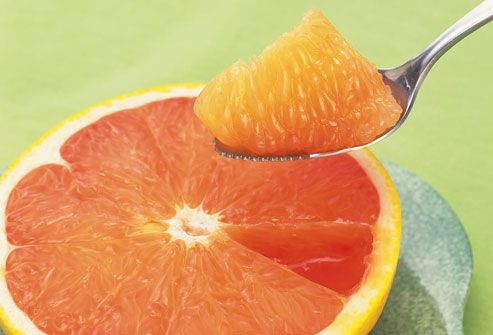
Grapefruit doesn't have any magical fat-burning properties, but it can help you feel full with fewer calories. That's because its soluble fiber takes longer to digest. Having half a grapefruit or a glass of grapefruit juice before a meal fills you up, so you eat fewer calories during the meal.


Watermelon

Foods that are rich in water take up more room in your gut. This signals the body that you've had enough to eat and leaves less room for other foods. Many raw fruits and vegetables are full of water and nutrients, and low in calories. Watermelon is a great example. It's a good source of the antioxidant lycopene and gives you some vitamin A and C, too.

Pears and Apples

Pears and apples are also high in water content. Eat them with the peels for extra fiber, which will keep you full longer. Go for whole fruits rather than fruit juice. You'll get more fiber, and you have to chew the fruits. This takes longer and you'll burn a few calories chewing, as opposed to gulping down a smoothie.

Grapes vs. Raisins

Compare two cups of grapes to 1/4 cup of raisins. Either choice has a little more than 100 calories, but you'll probably be more satisfied with the grapes. Dried fruit has its place. When used sparingly, a few raisins or dried cranberries can liven up a salad.


Berries

Like other fruits, berries are high in water and fiber, which can keep you full longer. They're also very sweet, satisfying your sweet tooth for a fraction of the calories you would get from cookies or brownies. Blueberries are a good example because most stores carry them and they're loaded with antioxidants.

Raw Vegetables

Raw vegetables make an outstanding snack. They satisfy the desire to crunch, they're full of water to help you feel full, and they're low in calories. Half a cup of diced celery has just eight calories. Coat celery with a little peanut butter or dunking carrots in salsa. When you're in the mood for chips and dip, replace the chips with raw veggies.

Sweet Potatoes

Think of the typical toppings on your baked potato -- butter, sour cream, maybe cheese and bacon bits. If you substitute a sweet potato, you might not need any of that. Baked sweet potatoes are so full of flavor, they don't need a lot. This can save you loads of calories. As a bonus, sweet potatoes are packed with potassium, beta carotene, vitamin C, and fiber.


Eggs

One egg has only 75 calories and 7 grams of protein, along with other vital nutrients. Remember, your body will burn more calories digesting eggs than a carb-heavy breakfast. If you have high cholesterol, one egg is almost all the cholesterol you should have in a day. Choose egg whites, which are cholesterol free.

Coffee

It sounds too good to be true -- one of your favorite beverages may actually help rev the metabolism and help you lose weight. Coffee does stimulate the metabolismm, but only a little. Don't count on this for weight loss, especially if you add calories with toppings.

Oatmeal

Oatmeal has three things going for it: fiber-rich whole-grain oats, lots of water, and it's hot. It's a very filling combination. Hot food takes longer to eat, and all that liquid and fiber will help you feel full longer. Avoid super-sugary oatmeal. Stirring in cinnamon or nutmeg will give you a sweet taste with less sugar.


Crispbreads

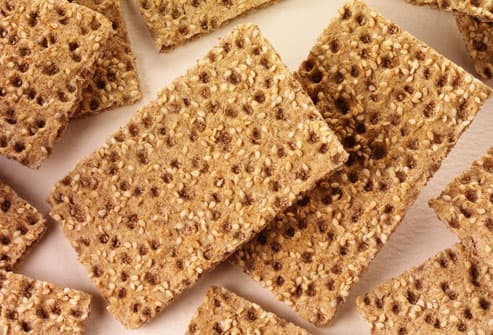
Whole-grain rye crackers, sometimes called crispbreads, offer a low-fat, fiber-packed alternative to traditional crackers. Research suggests people who replace refined grains with whole grains tend to have less belly fat. Whole grains also provide a richer assortment of plant nutrients. This doesn't just apply to crackers. You can get the same benefits by switching to whole-grain breads, cereals, and pastas.

Tabouli

A standout whole grain is bulgur wheat, the type found in tabouli. It's high in fiber and protein, but low in fat and calories. That helps you fill up with a minimum of calories. It also tastes great. To turn this dish into a meal, you could add beans and stir in extra tomato, cucumber, and parsley.

Soup

Soup -- we're talking broth-based, not creamy -- has a lot going for it. It's full of water, which fills you up with the fewest possible calories. It's hot, which prevents you from eating too much. Have it before a meal, and soup can take up space that might have gone to higher calorie foods. You can also make a satisfying, low-calorie meal out of soup alone by adding chicken, fish, cut-up vegetables, or beans.

Salad

Another way to fill up before a meal is by eating salad. Lettuce has plenty of water content to take up space in the stomach. That leaves less room for fattier foods that might come later in the meal. Make your salad interesting by adding a variety of fruits and vegetables or grated cheese. Be careful about dressing, which can add a lot of calories. 

Vinegar

Dress your salad with oil and vinegar. It's easy to make and it's full of flavor that can make salad more satisfying -- and it has no calories.

Nuts

Nuts are an excellent way to curb hunger between meals. They're high in protein, fiber, and heart-healthy fats. Studies suggest nuts can promote weight loss and improve cholesterol levels when eaten in moderation. They're also rich in calories, so limit your portions. If you have to get them out of their shell, you'll slow down and not eat as much.
 

Air-Popped Popcorn

Three cups of plain, air-popped popcorn may seem like a lot, but you're not getting a lot of calories. All that air adds volume without adding fat or sugar. 

Skim Milk

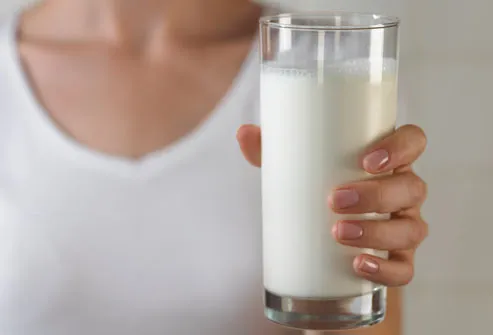
Skim milk provides plenty of protein, calcium, and vitamin D with none of the fat found in whole milk. And even though it's fat-free, skim milk can help you feel full. It takes longer to leave the stomach than drinks with less protein.

Lean Meat

You know that protein can keep you full longer and burn more calories during digestion. Choose your protein carefully. Dark meat tends to be high in fat, which could cancel out some of the benefits. Skinless chicken breast is a great choice. And some cuts of beef can make the grade. Flank steak, eye of round, and top sirloin are extra-lean with less than 4 grams of saturated fat per serving. Stick with a 3- to 4-ounce portion.


Fish

One of the best sources of protein is fish. Most fish is low in fat, and the exceptions usually have a good form of fat -- omega-3 fatty acids. Omega-3's, which are found in salmon, herring, and other fatty fish, may help protect against heart disease and other chronic conditions.

Beans

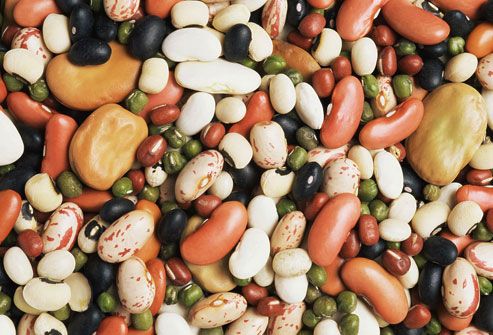
Beans are a vegetable, a protein, and a great source of fiber. You feel full for very few calories. TOpen a can of garbanzo beans (chickpeas) and toss them into soup or salad or mash them up to use as a dip. One cup packs 12 grams of fiber, just 4 grams of fat, and 15 grams of protein.
Reviewed by Michael W. Smith, MD on February 13, 2014

IMAGES PROVIDED BY:
1)         FoodCollection
2)         Joy Skipper/Fresh Food Images
3)         Fotosearch
4)         Robert J Bennett/Age Fotostock
5)         Junko Mugita/AFLO
6)         Fotosearch
7)         Image100
8)         Hallmark Institute/Index Stock Imagery
9)         Steve Pomberg/WebMD
10)       IStockfoto
11)       Radius Images
12)       Dorling Kindersley
13)       Nicolas Lemonnier/StockFood Creative
14)       Jupiterimages/Photos.com
15)       Foodfolio
16)       Foodfolio
17)       Dorling Kindersley
18)       Hall/SoFood Collection
19)       Imagebroker
20)       Adam Adam/Photocuisine
21)       Laszlo Selly/FoodPix
22)       Clover/Amanaimages
23)       Burke/Triolo Productions/Brand X
24)       Stockbrokerextra Images
25)       Stockbrokerextra Images
26)       Photolibrary


REFERENCES:
American Diabetes Association web site.
American Dietetic Association web site.
Brown, J. Diabetes Care, 2004.
Center for Science in the Public Interest web site.
David Heber, MD, PhD, professor of medicine and public health; chief and founding director, Center for Human Nutrition, Division of Clinical Nutrition, UCLA; author of What Color Is Your Diet?
Diane L. McKay, PhD,  Human Nutrition Research Center, Tufts University; assistant professor, Friedman School of Nutrition Science and Policy, Tufts University.
Faghih, S. Nutrition, Metabolism, and Cardiovascular Diseases, March 2010.
Flood, J.E. Appetite, November 2007.
Hoffman, J. Journal of the International Society of Sports Nutrition, May 2006.
Journal of Agricultural and Food Chemistry, July 8, 2009.
Journal of the American College of Nutrition, September 2010; February 2010.
Judith Rodriguez, PhD, RD, past president, American Dietetic Association; nutrition professor, University of North Florida.
Leslie Bonci, MPH, RD, director of sports nutrition, University of Pittsburgh Medical Center.
McKeown, N. American Journal of Clinical Nutrition, November 2010.
Norris, S. American Journal of Medicine, 2004.
Rolls, Barbara. The Volumetrics Eating Plan. HarperCollins Publishers, 2005.
Shahar, D. American Journal of Clinical Nutrition, November 2010.
Slavin, J.L. Journal of the American Dietetic Association, 2008.
The Journal of Nutrition, July 2011.
USDA Nutrient Data Laboratory.
Vander Wal, J.S. Journal of the American College of Nutrition, August 2005.
Weight-control Information Network web stie.
Whole Grain Council web site.
Yeh, Y. Diabetes Care, April 1, 2003.


This tool does not provide medical advice. See additional information:Disclaimer
© 2014 WebMD, LLC. All rights reserved.

Saturday, December 27, 2014

Check Out "The Couch," A New Blog on Mental Health and Addiction

My partner (read: girlfriend) has started a new blog called The Couch. Jami Parrish, LPC, CSAT, CMC, is a therapist and coach whose aim is to help others live fully and authentically. She's also really smart.

She practices in Tucson, AZ.

Here is the beginning of a recent post:

Affective Neurobiology and Sex Addiction

12/26/2014

“I hate feeling this way.”  She said,  “…it is like I am wired to feel like this.”

I have heard variations of this sentiment many, many times. (Each time I am reminded, Yes! Yes you are wired to feel like this.)  We as mammals ARE wired to feel like this, but that doesn’t mean it is never ending, that there is no hope.  I then explain the process that occurs deep in our brain and she expresses a sense of relief. “THAT makes sense!” she exclaims.   Understanding the underlying neurobiology to our processes helps us not just understand but regulate our nervous systems and those of our clients.  Dan Siegel’s Interpersonal Neurobiology uses this principal as the basis for conceptualization and treatment (Badenbock, 2008)

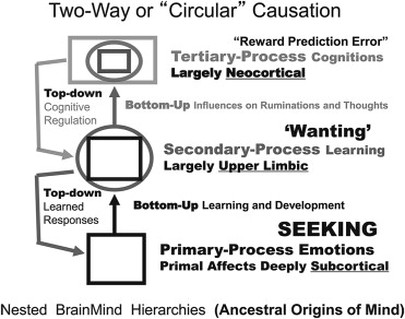
According to Jaak Panksepp, PhD, ALL mammals have seven primary affective (emotional) neurocircuits deep in the brain.  They are adaptive, essential to our survival, and part of our basic brain structure. (Panksepp, 2014)  While it is relatively well known now that the emotional center of the brain is in the limbic system, what Panksepp has found is that emotions are much more primitive, and hence much more powerful.  The emotional pathways extend far beyond the limbic system into the upper and middle brain stem. (Panksepp, personal communication, 2014)  These circuits reside in “ancient parts of the brain;” they are unconscious, hence the term primary. (Panksepp, 2014; Panksepp, 2012; Panksepp, 2010a)    “All aspects of mental life can be influenced by our primary-process feelings and the overall affective spectrum of the lower MindBrain is foundational for higher mental health issues” (Panksepp, 2012, p. xii). Emotions do not originate by a cognitive process. They begin in basic biological experiences deep in our brains and the subtleties (determining if we are feeling shame or guilt, anxiety or excitement) are then determined by our life experiences and our interpretations (secondary and tertiary processes, respectively, which I will explain below). The term MindBrain or BrainMind is Panksepp’s acknowledgment that we can not separate mind from brain and body. His theory is controversial in the field of affective neurobiology, but his decades of research supports his proposals.  This model will make sense to those who feel their emotions take over and to those therapists working with trauma and addiction.  It also helps to explain the power of sex addiction and other process addictions.
Picture

Friday, December 26, 2014

Environmental Influences on Adult Neurogenesis

The article below is the introduction to the current issue of Neural Plasticity, a special issue on adult neurogenesis - and the articles are open access! Enjoy.

Neural Plasticity
Volume 2014 (2014, Dec 18), Article ID 808643, 3 pages
http://dx.doi.org/10.1155/2014/808643

Editorial

Environmental Control of Adult Neurogenesis: From Hippocampal Homeostasis to Behavior and Disease


Sjoukje D. Kuipers [1,2,3], Clive R. Bramham [1,3], Heather A. Cameron [4], Carlos P. Fitzsimons [5], Aniko Korosi [5], and Paul J. Lucassen [5]
1. Department of Biomedicine, University of Bergen, 5009 Bergen, Norway 2. Department of Biology, University of Bergen, 5020 Bergen, Norway 3. K. G. Jebsen Centre for Research on Neuropsychiatric Disorders, 5009 Bergen, Norway 4. National Institute of Mental Health, National Institutes of Health, Bethesda, MD, USA 5. Swammerdam Institute for Life Sciences (SILS), Center for Neuroscience, University of Amsterdam, Science Parc 904, 1098 XH Amsterdam, The Netherlands
Copyright © 2014 Sjoukje D. Kuipers et al. This is an open access article distributed under the Creative Commons Attribution License, which permits unrestricted use, distribution, and reproduction in any medium, provided the original work is properly cited.

There are few fields in neuroscience that have witnessed a faster development than the field of adult neurogenesis in the past decade. The discovery of stem cells present in the adult brain that give rise to new neurons has raised a lot of interest as it changed current concepts of brain plasticity and possible strategies for brain repair. While neurogenesis, today, has become a well-acknowledged phenomenon, many open questions remain. In this special issue, we have compiled a selection of articles that address several timely topics related to neurogenesis and discuss some of the unresolved questions concerning the functional relevance of adult neurogenesis, its regulation, and its role in the diseased brain.

The history of the field of adult neurogenesis is filled with controversies. By the end of the nineteenth century, largely due to influential scientists like y Cajal [1], it was firmly believed that no new neurons were added to the adult mammalian brain. A central dogma in neuroscience was that brains of mammals remained structurally constant from soon after birth. Neurogenesis was believed to occur only in early development and to rapidly decrease shortly thereafter. In the early 1960s, ground-breaking studies challenged this well-accepted doctrine by reporting the presence of newborn cells in various brain structures of young and adult rats, including the cerebral cortex, hippocampus, and olfactory bulb [2, 3]. These reports, however, were essentially ignored by the scientific community, and it was not until the end of the twentieth century, more than 100 years after the initial formulation of y Cajal’s tenacious dogma, that a novel concept could develop. In the late 1990s, a series of papers initiated an explosion of research on the existence, function, and implications of adult mammalian neurogenesis. Over the years, accumulating evidence has since established adult neurogenesis as a concept, and it is now widely accepted that the adult brain is far from being fixed but is rather a highly plastic organ in which new neurons are indeed added to the existing network throughout life in all mammals including humans. An overview of the controversial history of adult neurogenesis is reviewed in this issue by E. Fuchs and G. Flügge.

Today, we know that neurogenesis occurs in the adult central nervous system throughout life in at least a few discrete regions, like the hippocampus and subventricular zone. From rodents to primates, neurons are continuously produced in the subgranular zone of the hippocampal dentate gyrus. New neurons are also generated in the subventricular zone, the largest germinal zone of the adult mammalian brain, from which they extensively migrate along the rostral migratory stream into the olfactory bulb.

A highly dynamic process, adult neurogenesis is further regulated by several endogenous as well as exogenous factors, such as age, exercise, (early) stress, and disease [4–7]. Environmental stimuli (e.g., diet and stress) and social interactions can greatly affect adult neurogenesis at multiple levels. These include proliferation, fate specification, migration, integration, and survival. In this issue, T. Murphy and colleagues address dietary interventions as effective environmental modifiers of brain plasticity. The authors evaluate the gap in our mechanistic understanding and discuss recent findings from animal and human studies reporting beneficial effects of dietary factors on cognition, mood and anxiety, aging, and Alzheimer’s disease. Finally, they discuss the obstacles involved in harnessing these promising effects of diet on brain plasticity as seen in animal studies, into effective recommendations for humans and interventions to promote brain health. P. Peretto et al. review how the social environment impacts adult olfactory bulb neurogenesis. They discuss how social behaviors related to reproduction promote the proliferation and integration of newborn neurons into functional circuits. These social influences on adult olfactory bulb neurogenesis may ultimately enhance individuals’ fitness, as these “fresh” neurons contribute to critical activities such as parental behavior and partner recognition. Environmental influences on neurogenesis may already occur before conception but also continue during the peripartum period (pregnancy, birth, and lactation) which is characterized by numerous alterations in maternal neuroplasticity and neurogenesis, crucial for the physiological and mental health of the mother.

K. M. Hillerer et al. review common peripartum adaptations in mothers’ physiology and behavior, focusing on changes in neurogenesis and their possible underlying molecular mechanisms. From conception onwards, our physical and social environments trigger a series of physiological responses that modify our later responsivity by acting on the genetic blueprint to adjust developmental and lifelong programming of mental function. Early life represents a particularly sensitive period to the programming influences of environmental factors. Interestingly, the immune system plays an important role in the communication between the human body and its environment. While this holds true during both early development and adulthood, preliminary evidence suggests that early-life activation of the immune system can affect hippocampal neurogenesis and increase the risk for psychiatric disorder development later on. K. Musaelyan et al. further examine the effects associated with such immune system activation during early life, providing evidence to support a neurogenic hypothesis of immune developmental programming.

One of the most important and extensively studied environmental influences on neurogenesis is stress, both acute and chronic. Whereas brief stressful challenges appear beneficial for brain plasticity, allow adaptation, and in some instances even increase neurogenesis, chronic stress exerts deleterious inhibitory effects on plasticity, especially in the hippocampus. These detrimental influences are largely attributed to the elevation of glucocorticoids, through molecular mechanisms that are still not entirely clear. In the final part of their review, E. Fuchs and G. Flügge provide an overview of the influences of stress and stress hormones on the regulation of adult hippocampal neuroplasticity. The deleterious actions of chronic stress on neurogenesis have led to speculations regarding involvement of hippocampal neurogenesis in the aetiology of depression as well as antidepressants’ mode of action. In this issue, P. Rotheneichner et al. analyze the relationship between the various mechanisms of action of electroconvulsive therapy (ECT), a powerful second-line treatment for major depression disorders that strongly stimulates neurogenesis. They explore the intricate interactions between electroconvulsive shocks, hypothalamic-pituitary adrenal axis, neurogenesis, angiogenesis, and microglia activation as well the role of neurogenesis in age-related changes of ECT response in mice. J. L. Pawluski et al. instead explore the effects of fluoxetine, the most common antidepressant in the treatment of mood disorders, on hippocampal neuroplasticity and neurogenesis in female rats. They provide new evidence indicating that different modes of administration (oral versus minipump) of this antidepressant differentially modulate hippocampal neurogenesis in adult female rats.

Although somewhat counterintuitive, neurogenesis is especially responsive to neurodegeneration affecting the hippocampus. In fact, emerging evidence suggests that impaired neurogenesis may represent an early event in the course of various neurodegenerative disorders. From a functional perspective, adult neurogenesis provides new cells which are important for structural plasticity and network function. Newborn neurons in the adult hippocampus and subventricular zone participate in memory processing, mood regulation, and olfaction, functions commonly impaired in subjects suffering from Parkinson’s (PD) or Alzheimer’s disease (AD), two of the most common neurodegenerative disorders in humans. Disturbed regulation of new neuron production may exacerbate network vulnerability and promote early subtle disease manifestations. In this issue, M. Regensburg et al. summarize and interpret existing data on adult neurogenesis in patients with Parkinson’s disease and related animal models. A fundamental process in PD and AD, neuroinflammation, has been implicated in the progression of both diseases. Microglial cells, the major orchestrator of the brain inflammatory response, promote neuroprotective or neurotoxic microenvironments, thus controlling neuroprogenitor cell proliferation and neuronal fate. K. J. Doorn et al. address whether early microglial activation may play a role in the development of hippocampal pathology in Parkinson’s disease and study the proliferative responses occurring in the hippocampus of PD patients. Remarkably, they use double-labeling techniques to show that the proliferation in the PD hippocampus is largely due to microglial cells. A. Sierra et al. explore the interplay between microglia and neurogenesis and discuss both the beneficial and detrimental roles of microglial cells on adult hippocampal neurogenesis regulation, in the context of stress, aging and neurodegeneration, and particularly Alzheimer’s disease. Finally, M. W. Marlatt et al. discuss cell proliferation observed in the hippocampus of AD patients and describe the close proximity of dividing cells to amyloid plaques. Using novel triple immunocytochemical protocols, they further demonstrate that it is not astrocytes but rather the microglia cells, which appear to underlie the proliferative response in the AD hippocampus.

This special issue includes 11 exciting articles covering various aspects of adult neurogenesis, from its physiological regulation to its relevance for the pathophysiology of various brain disorders. We are convinced that this selection of papers will help the readers gain a better understanding of the crucial role of adult neurogenesis in both the healthy and diseased brain.


Sjoukje D. Kuipers
Clive R. Bramham
Heather A. Cameron
Carlos P. Fitzsimons
Aniko Korosi
Paul J. Lucassen

References

    S. R. y Cajal, Degeneration and Regeneration of the Nervous System, translated by R. M. Day from the 1913 Spanish, Oxford University Press, Oxford, UK, 1928.
    J. Altman, “Are new neurons formed in the brains of adult mammals?” Science, vol. 135, no. 3509, pp. 1127–1128, 1962. View at Publisher · View at Google Scholar · View at Scopus
    J. Altman and G. D. Das, “Autoradiographic and histological evidence of postnatal hippocampal neurogenesis in rats,” Journal of Comparative Neurology, vol. 124, no. 3, pp. 319–335, 1965. View at Publisher · View at Google Scholar · View at Scopus
    P. J. Lucassen, E. F. G. Naninck, J. B. van Goudoever, C. Fitzsimons, M. Joels, and A. Korosi, “Perinatal programming of hippocampal structure and function; emerging roles of stress, neurogenesis, epigenetics and early nutrition,” Trends in Neurosciences, vol. 36, no. 11, pp. 621–631, 2013.
    S. D. Kuipers, J. E. Schroeder, and A. Trentani, “Changes in hippocampal neurogenesis throughout early development,” Neurobiology of Aging, 2014. View at Publisher · View at Google Scholar
    P. J. Lucassen, P. Meerlo, A. S. Naylor et al., “Regulation of adult neurogenesis by stress, sleep disruption, exercise and inflammation: implications for depression and antidepressant action,” European Neuropsychopharmacology, vol. 20, no. 1, pp. 1–17, 2010. View at Publisher · View at Google Scholar · View at Scopus
    C. Zhao, W. Deng, and F. H. Gage, “Mechanisms and functional implications of adult neurogenesis,” Cell, vol. 132, no. 4, pp. 645–660, 2008. View at Publisher · View at Google Scholar · View at Scopus

Monday, December 22, 2014

Two Views on Global Mental Health - Evidence-Based vs. Cultural Sensitivity


The two articles cited below were referenced in one of the weekly "best of" lists that I read, sorry that I can't remember which one. But these two articles offer very different takes on the topic of mental health as a global health concern.

In 2010, a team of scholars from the Harvard School of Public Health and the World Economic Forum issued a report on the current and future global economic burden of disease.
In 2010, the report’s authors found, noncommunicable diseases caused 63 percent of all deaths around the world, and 80 percent of those fatalities occurred in countries that the World Bank characterizes as low income or middle income. Noncommunicable diseases are partly rooted in lifestyle and diet, and their emergence as a major risk, especially in the developing world, represents the dark side of the economic advances that have also spurred increased longevity, urbanization, and population growth. The scale of the problem is only going to grow: between 2010 and 2030, the report estimated, chronic noncommunicable diseases will reduce global GDP by $46.7 trillion.
One surprise was that the report predicted that the largest source of future financial costs would be mental disorders, which the report suggested would account for at least a third of the global economic burden of "noncommunicable diseases" by 2030.
Taken together, the direct economic effects of mental illness (such as spending on care) and the indirect effects (such as lost productivity) already cost the global economy around $2.5 trillion a year. By 2030, the team projected, that amount will increase to around $6 trillion, in constant dollars—more than heart disease and more than cancer, diabetes, and respiratory diseases combined. 

The above quotes are taken from a very recent article in the Jan/Feb 2015 issue of Foreign Affairs, "Darkness Invisible: The Hidden Global Costs of Mental Illness." The article is written by Thomas R. Insel (Director of the National Institutes of Mental Health), Pamela Y. Collins (Director, Office for Research on Disparities & Global Mental Health National Institute of Mental Health), and Steven E. Hyman (Director of the Stanley Center for Psychiatric Research and a core member at the Broad Institute of MIT and Harvard).

All three of these authors have skin in the game, so to speak - their jobs are based on the existence of mental disorders on a wide scale that must be treated. That makes me suspect of their opinions. 

Still, their article is worth a read.  

In the post that referenced that article, the author also mentioned an alternative view presented by and at a collaborative website called Somatosphere, "Global Mental Health and its Discontents." Their article was spurred by a then-recent series of articles and conferences on the topic of Global Mental Health.
Recently, an article in Nature entitled “Grand Challenges in Global Mental Health” (2011) identified mental health priorities for research in the next 10 years, sparking controversy and debate about the appropriate methods for establishing priorities, research themes, and interventions in GMH. This year’s annual Advanced Study Institute (ASI) and Conference, hosted by McGill’s Division of Social & Transcultural Psychiatry (July 5-7 2012) in Montreal, Canada, sought to address these concerns and focused on ways to generate critique of the GMH movement to ensure that its goals and methods are responsive to diverse cultural contexts.
Here is the rest of the introductory paragraph from their article:
The ASI workshop and conference entitled “Global Mental Health: Bridging the Perspectives of Cultural Psychiatry and Public Health.”, was chaired by Laurence Kirmayer and Duncan Pedersen, and was animated with intense discussions about various themes related to the GMH endeavour. The three-day ASI series sought to address ongoing controversies and tensions between a public health approach to mental health (grounded in current evidence-based practices largely produced by high-income countries and exported and adapted to local situations) and a culturally-based approach (which emphasizes local priorities and community-based resources and solutions). The first two days took the form of a workshop bringing together experts in cultural psychiatry, public health and medical anthropology for a consideration of ways to bridge various perspectives on GMH.
The authors present their coverage of the conference discussion "in the form of a debate, giving voice to those in attendance." It's definitely worth the time to read.

Broader Topic

This topic points out one of the many issues with the standard position taken on tackling mental health issues, locally or globally - the opposition between one-size-fits-all, "evidence-based" models approach and an individually and culturally sensitive approach that may not fit the "evidence-based" standards of the NIMH.

Living and working in Tucson has provided me with an opportunity to see this conflict in my daily work. A large percentage of our clients are Hispanic, many of whom are Catholic, but others hold beliefs tied to their indigenous heritage (pre-Spanish influence). Even within our Anglo clients there are wide differences in cultural beliefs, religious beliefs, and socioeconomic status, all of which affects their understanding of themselves and of their place in the world.

The treatments favored by the authors of the first article are very often psychopharmacological, i.e., medications, many (if not most) of which create more problems than they solve. For example, antipsychotic drugs used to treat schizophrenia (the costliest of the mental health issues faced in any nation) actually perpetuate the problems they are meant to treat.
During the mid 1990s, MRI studies found that antipsychotics can cause basal ganglion structures and the thalamus to swell, and the frontal lobes to shrink. Then, in 1998, Raquel Gur at the University of Pennsylvania reported that the swelling of the basal ganglia and thalamus was "associated with greater severity of both negative and positive symptoms." In other words, this research showed that the drugs cause morphological changes in the brain that are associated with a worsening of the very symptoms the drugs are supposed to treat. (Robert Whitaker, Psychology Today, May 18, 2010)
The effects of long-term pharmacological interventions are often cited to explain the apparent disparity between outcomes for psychosis between developing nations (better outcomes) and developed nations (poorer outcomes). The research cited by Whitaker supports that belief.

In a longitudinal study of schizophrenia outcomes by Harrow, Jobe, and Faull (2012), it was found that "SZ patients not on antipsychotics for prolonged periods were significantly less likely to be psychotic and experienced more periods of recovery; they also had more favorable risk and protective factors. SZ patients off antipsychotics for prolonged periods did not relapse more frequently."

In his Psychology Today article, Whitake cited another study, in Lapland, Finland, which treated first-time psychosis with a very conservative degree of pharmacological interventions- and the results are striking.
Since 1992, the medical community in the western Lapland region of northern Finland has been using antipsychotics in a selective, cautious manner. At the end of five years, only about one-third of their first-episode psychotic patients have been exposed to antipsychotics, and only about 20% are regularly maintained on the drugs. This is a "continual use" rate similar to the rate for schizophrenia patients from developing countries in the second WHO study, and here are the long-term outcomes for western Lapland's first-episode psychotic patients: Eighty-six percent are working or back in school at the end of five years, and only fourteen percent are on long-term disability. These outcomes are far better than the norm in Western Europe and the rest of the developed world.
Because Finland is a developed nation, this research supports the belief that the deciding factor in why people in developing nations have better outcomes in psychosis is not necessarily due to cultural factors (such as wider family support or better social support), but may largely be due to the pharmacological interventions that are the primary line of treatment in developed nations.

In fact, Parmanand Kulhara (2009), whose research suggests that the difference in outcomes between developed and developing nations is real, notes in his review that “culture should not be used as a synonym for unexplained variance” (Asian Journal of Psychiatry, 2(2); 55-62) - further, "exact factors and the mechanisms subsumed under “culture” that influence outcome and course are still hidden; thus, the “black box” still remains unopened."

It is unlikely that treatment methods in the U.S. are going to change any time soon - pharmacological interventions are considered the primary method, and the only beneficial treatment, for schizophrenia and psychosis.

If you develop symptoms and are lucky enough to find a therapist who understands that psychosis is "a natural though very risky and haphazard process initiated by their psyche in an attempt to cope and/or heal from a way of being in the world that was simply no longer sustainable for them" (Full Recovery from Schizophrenia?,

Thursday, December 11, 2014

Perspectives on Artificial Intelligence

Artificial intelligence.

Kevin Kelly  
 
Conversations at the Edge 2.3.14
 
* * * * * 

Superintelligence by Nick Bostrom and A Rough Ride to the Future by James Lovelock – review

Will technology remain our slave? Caspar Henderson on two attempts to read the future for humanity

Caspar Henderson | The Guardian
Thursday 17 July 2014

* * * * *

What Your Computer Can’t Know


John R. Searle | New York Review of Books
October 9, 2014
The 4th Revolution: How the Infosphere Is Reshaping Human Reality
by Luciano Floridi
Oxford University Press, 248 pp., $27.95

Superintelligence: Paths, Dangers, Strategies
by Nick Bostrom
Oxford University Press, 328 pp., $29.95

* * * * *

Machine-Learning Maestro Michael Jordan on the Delusions of Big Data and Other Huge Engineering Efforts

Big-data boondoggles and brain-inspired chips are just two of the things we’re really getting wrong

By Lee Gomes | IEEE Spectrum
Posted 20 Oct 2014

* * * * *

The Myth Of AI

A Conversation with Jaron Lanier

Conversations at the Edge 11.14.14

* * * * *

Artificial Intelligence, Really, Is Pseudo-Intelligence


Alva Noƫ | NPR 13.7 Cosmos and Culture Blog
November 21, 2014

* * * * *

Enthusiasts and Skeptics Debate Artificial Intelligence

Kurt Andersen wonders: If the Singularity is near, will it bring about global techno-Nirvana or civilizational ruin?

By Kurt Andersen
November 26, 2014

* * * * *

Is AI a Myth?


By Rick Searle | IEET
Utopia or Dystopia
Nov 30, 2014

* * * * *

Stephen Hawking warns artificial intelligence could end mankind


By Rory Cellan-Jones
BBC News | 2 December 2014