Showing posts with label environmental factors. Show all posts

Sunday, August 31, 2014

Epigenetics, Stress, and Their Potential Impact on Brain Network Function: A Focus on the Schizophrenia Diatheses


The current thinking on the etiology of schizophrenia is the diatheses-stress model, which suggests that a genetic vulnerability (diatheses) is triggered by environmental stress (the leading candidates after birth are neglect and/or sexual and physical abuse) and develops into schizophrenia at some point in the person's life (generally between 15-35).

Recent findings suggest there are at least 108 genes associated with schizophrenia, which only shows the complexity of this particular illness (with at least 108 genes playing a role, the possible combinations of genes either turned or off to produce the symptoms of the disease are staggering).

Further, this topic is confounded by the evidence that genes involved in schizophrenia are also involved in bipolar disorder and alcoholism, another gene links schizophrenia to cannabis addiction, still others link schizophrenia to anxiety disorders or depression/mood disorders and suicide, or that a combination of a particular virus in the mother and a specific gene variant in the child, not to mention the oft reported links between schizophrenia and creativity (often attributed to defective genes in the dopaminergic system) [Richards, R. (2000-2001). Creativity and the Schizophrenia Spectrum: More and More Interesting. Creativity Research Journal; 13(1): 111–132].

This article extends the considerable evidence for stress-related triggers of genetic vulnerabilities in the epigenetic etiology of schizophrenia.

Full Citation: 
Diwadkar VA, Bustamante A, Rai H and Uddin M. (2014, Jun 24). Epigenetics, stress, and their potential impact on brain network function: a focus on the schizophrenia diatheses. Frontiers in Psychiatry; 5:71. doi: 10.3389/fpsyt.2014.00071

Epigenetics, stress, and their potential impact on brain network function: a focus on the schizophrenia diatheses


Vaibhav A. Diwadkar[1], Angela Bustamante [2], Harinder Rai [1] and Monica Uddin [1,2]
1. Department of Psychiatry and Behavioral Neurosciences, Wayne State University School of Medicine, Detroit, MI, USA
2. Center for Molecular Medicine and Genetics, Wayne State University School of Medicine, Detroit, MI, USA
The recent sociodevelopmental cognitive model of schizophrenia/psychosis is a highly influential and compelling compendium of research findings. Here, we present logical extensions to this model incorporating ideas drawn from epigenetic mediation of psychiatric disease, and the plausible effects of epigenetics on the emergence of brain network function and dysfunction in adolescence. We discuss how gene–environment interactions, effected by epigenetic mechanisms, might in particular mediate the stress response (itself heavily implicated in the emergence of schizophrenia). Next, we discuss the plausible relevance of this framework for adolescent genetic risk populations, a risk group characterized by vexing and difficult-to-explain heterogeneity. We then discuss how exploring relationships between epigenetics and brain network dysfunction (a strongly validated finding in risk populations) can enhance understanding of the relationship between stress, epigenetics, and functional neurobiology, and the relevance of this relationship for the eventual emergence of schizophrenia/psychosis. We suggest that these considerations can expand the impact of models such as the sociodevelopmental cognitive model, increasing their explanatory reach. Ultimately, integration of these lines of research may enhance efforts of early identification, intervention, and treatment in adolescents at-risk for schizophrenia.

Introduction

Schizophrenia remains the most profoundly debilitating of psychiatric conditions (1, 2). General theories have struggled to capture the complexity of the disorder: genetic polymorphisms (3), neurodevelopment (4), and altered neurotransmission [dopamine (DA) and glutamate] (5, 6) have all being proposed as mediating factors in its emergence. A recently proposed “sociodevelopmental cognitive model” (7) has made compelling additions to the discourse on schizophrenia, with a specific emphasis on psychosis. A factorial combination of genetic and neurodevelopmental effects sensitize the DA system in early life. The disordered sensitivity subsequently leads to a disordered stress response that is further amplified by misattributed salience and paranoia. This cascading and recursive series of events eventually leads to the entrenchment of psychosis (and schizophrenia), explaining the life-long nature of the illness. This model is uniquely important because it integrates environmental, genetic, developmental, and molecular mechanisms (all converging on dysregulated DA release), providing a synthesis for several multi-disciplinary research agendas. Here, we attempt an incremental contribution to this synthesis suggesting that an expansion of this model may help elucidate the following:
(a) How do gene–environment interactions, effected by epigenetic mechanisms, mediate the stress response? The role of epigenetic mechanisms may be crucial in understanding why certain individuals at genetic risk eventually convert to schizophrenia but others with similar genetic vulnerability do not.

(b) In this context, the vexing problem of specific genetic at-risk populations is considered. Specifically, adolescents with one or both of whose parents have a diagnosis of schizophrenia form a “perfect storm” of genetic and neurodevelopmental contributors to risk for schizophrenia. These individuals present with extensive pre-morbid cognitive deficits (8) and sub-threshold clinical symptoms (9), yet a majority of them do not appear to develop the disorder. Whereas unexplained neurodevelopmental variation and resilience may explain this (10), we suggest that epigenetic mediation, particularly of genes mediating the stress response in adolescence, may explain some of this uncharacterized variance.

(c) Finally, we note the vast evidence of functioning brain network disruptions in schizophrenia, and the fact that these disruptions are now being characterized in at-risk populations, including children of patients, and suggest that epigenetic effects may mediate the shaping of functioning brain networks in the adolescent risk state, resulting in a highly variable and (currently) unpredictable pattern of conversion to psychosis (hence explaining the difficulty in estimating incidence rates of schizophrenia in at-risk groups).
In short, the proposed addendum motivates the role of epigenetics in the schizophrenia diathesis, the (potentially crucial) role of epigenetics in setting gene-expression levels that mediate the stress response, and ultimate causal (though presently unproven) effect on developing brain networks that sub-serve many of the cognitive functions impaired in schizophrenia. We note at the outset, that the proposed extensions remain speculative, yet seek to account for the relative under-representation of epigenetic considerations in schizophrenia-related research to date. In fact, epigenetics may provide a more proximate mediator of neuronal and behavioral effects than changes in the DNA sequence, and in turn these neuronal alterations may predispose individuals to schizophrenia, a question that has received comprehensive coverage in a recent canonical review (11). Moreover, the proposed additions also provide a prospective research impetus for studying particular sub-groups such as children of schizophrenia patients, a group that provides a particularly unique intersection of genetic risk, altered neurodevelopment, and environmental contributions (1214). Finally, the notion of stress reactivity impacting brain network function is a particular extension of the seminal concept of “allostatic load” (15, 16), morphologic degeneration as a response to repeated adaptive responses to stress.

Genetics, Development, Environment: An Array of Interactions

Schizophrenia is an “epigenetic puzzle” (17). Apart from the rare variant of the illness that is childhood onset schizophrenia (18), the typical manifestations of schizophrenia occur in late adolescence and early adulthood (1). This relatively late onset suggests that a seemingly intractable array of interactions between genetically endowed vulnerability, and environmental effects may amplify genetic predisposition, leading to post-natal effects on brain plasticity and development in the critical adolescent period (2, 19). The role of genes in mediating the emergence of the disorder is likely to be extremely complex. After all, genes do not code for complex psychiatric disorders but for biological processes (20). Thus, dysfunctional genetic expression is likely to lead to dysfunctional biological processes, with psychiatric disorders an emergent phenomenon in this causal pathway (20, 21). Moreover, the lack of complete concordance even in monozygotic twins (22, 23), suggests that genes primarily confer vulnerability to the illness and that other factors that mediate gene-expression during pre- and post-natal developmental, life span, and environmental effects play a significant role in the transition to the illness.

Several proximate environmental factors may be highly relevant as noted in the sociodevelopmental cognitive model. Stress – narrowly defined as a real or employed threat to homeostasis (24) – assumes particular importance, primarily because adolescence is a period of dynamic stress both in terms of substantive neurodevelopmental turnover (25), and environmental influence (26). Repeated stress exposure in particular during critical developmental periods exerts untenable biophysical costs. These costs typically referred to as allostatic load, increase vulnerability for somatic disease (27), and notably exert tangible biological effects. For example, glucocorticoid elevations that result from chronic stress have been associated with medial temporal lobe atrophy across multiple disorders including mood disorders, post-traumatic stress disorder, and schizophrenia (2830). Beyond medial temporal lobe regional atrophy, the documented molecular effects in the prefrontal cortex are suspected to ultimately impact frontal–striatal brain networks (31, 32). Elevated DA release during acute stress (33) adversely affects prefrontal pyramidal cells leading to a series of degenerative molecular events. The resultant dendritic spine loss in the infra-granular prefrontal cortex results in reductions in prefrontal-based network connectivity, particularly on prefrontal efferent pathways (34). These molecular effects are likely to have mesoscopic expressions; among them disordered prefrontal cortex related brain network function and organization that are hallmarks of schizophrenia (3, 3537).

Stress and the Risk State for Schizophrenia

The risk state for schizophrenia offers a powerful framework for synthesizing multiple theoretical constructs of the disease (38), and disordered stress reactivity may play a key role in amplifying disposition for psychosis in the risk state (39). A critical challenge for high-risk research is navigating the relationship between multiple (and potentially non- or partially overlapping) risk groups each with different etiologies and defined based on different criteria (40). Here we consider prodromal subjects (4146) in whom the role of stress has been heavily assessed, separately from adolescents with a genetic history of schizophrenia (including twins discordant for the illness and offspring of patients). The role of stress in the latter groups is relatively understudied. We note that the distinction does not imply exclusivity but rather criteria used to identify risk. Prodromal or clinical high-risk subjects (also on occasion referred to as “ultra high-risk”) are classified as such because they show non-specific yet considerably advanced clinical symptoms (47). Rates of conversion to psychosis within a short period after the emergence of clinical symptoms are high (estimates at 35%) (48). Genetic high-risk groups are identified typically on account of a family history of the illness itself; that is, not using clinical criteria. However, genetic high-risk groups may present with prodromal symptoms, hence these groups are not exclusive.

We will ultimately seek to drive our ideas in the direction of genetic risk in adolescence, largely because the prodromal question is heavily addressed in the sociodevelopmental model, whereas adolescent genetic risk is not. The adolescent genetic risk state presents a particularly vexing challenge, with substantial heterogeneity, and relative low rates of conversion to psychosis (9). The early identification of individuals who are likely to convert from the genetic risk state to actual schizophrenia (or psychosis?) thus remains a key issue to be addressed by future research efforts, as we propose here.

Prodromal subjects (sometimes referred to as “clinical high-risk”) present with a variety of symptoms that do not specifically warrant a diagnosis of schizophrenia, but include paranoia and impairment in social function. In general, prodromal patients have high rates of conversion to schizophrenia itself (48). For instance, multiple studies suggest that the average 12-month conversion rate in ultra high-risk samples not receiving any special anti-psychotic treatment is between 35 and 38% (48, 49). That a significant percentage of these individuals convert to psychosis is unsurprising because as noted, the prodromal state consists of highly advanced stage of clinical symptoms. Thus, these relatively non-specific symptoms that lead, and predict the presentation of the illness itself (38, 48, 50, 51) are considered the best clinical predictor of schizophrenia itself. Impaired neurobiology of the prodromal state is also relatively well understood: subjects are characterized by profound deficits in brain structure that are typically intermediate between healthy controls, and those observed in patients. Recent fMRI studies indicate substantive deficits in regional and brain network interactions (5254) including frontal–striatal and frontal–limbic; cognitive and social neuroscience has established a crucial role for these networks in sub-serving basic mechanisms of memory, attention, and emotion. Heightened stress reactivity itself may be exacerbated by the presence of sub-threshold symptoms. For instance, prodromal subjects indicate heightened sensitivity to inter-personal interaction, an indirect measure of heightened stress (55), and a significant percent of prodromal subjects who have experienced trauma in their lives convert to psychosis (41). As noted, DA synthesis is increased in prodromal subjects, and the degree of synthesis is positively associated with the severity of sub-threshold clinical symptoms (56). Moreover, impaired stress sensitivity is also associated with a wide range of prodromal symptoms (44). The role of stress sensitivity, the hypothalamic–pituitary–adrenal (HPA) axis, and its impact on brain structures, has been heavily treated in the empirical and theoretical literature (43, 45, 5759).

In contrast to the prodromal state, which includes individuals with a degree of existing symptoms, the genetic high-risk state encompasses individuals who are defined by having one (or more) parent(s) with schizophrenia, and who themselves may or may not evince symptoms of the disorder. The genetic high-risk state constitutes a partial complement of the clinical high-risk or prodromal state (these samples are often “enriched” by subjects with a family history of schizophrenia or psychosis providing overlap) (60). Genetic distance from a schizophrenia patient is a strong predictor of risk for the disease, and of the degree of biological impairments including brain structure, function, and behavior (61, 62). For example, children of schizophrenia patients being reared by the ill parent constitute a very particular and enigmatic high-risk sub-group (9, 13). These individuals have a genetic loading for the disease, but are also likely exposed to increased environmental stressors by virtue of being raised by their ill parent. Unlike with prodromal patients, conversion to psychosis in genetic high-risk groups is variable and lower.

Three principle longitudinal genetic high-risk studies are informative regarding lifetime incidence of schizophrenia in these groups. Between them, the New York (63), the Copenhagen high-risk projects (64), and a notable Israeli study (65) have provided evidence of lifetime incidences of narrowly defined schizophrenia at between 8 and 21%. While low, these rates constitute significantly elevated incidence rates relative to the sporadic incidence in the population (~1–2%). However, these rates are still notably lower than conversion rates in prodromal populations, a discrepancy that is somewhat surprising because the developmental psychopathology that characterizes prodromal patients is the very same one that is in play in adolescent high-risk subjects (45, 46). Subjects at genetic risk also show increased HPA axis sensitivity (59, 66), similar to what is observed in prodromal subjects, though the relationship to regional measures of brain integrity (e.g., pituitary size), is highly variable, and perhaps not informative as a biomarker (67). Heterogeneity is a cardinal characteristic of genetic risk groups (68, 69). Significant percentages of these subjects show attention deficits, working memory impairment, emotion dysregulation, and sub-threshold symptoms including negative symptoms (9, 7075). Notably each of these cognitive, emotional, and clinical domains is highly impacted by stress sensitivity in adolescence (76, 77). Adolescent risk subjects also present with increased frequency of sub-threshold clinical symptoms including schizotypy and both positive and negative symptoms such as anhedonia (7880), some of which have been associated with perceived stress (81, 82).

Understanding of altered DA synthesis in genetic risk groups is limited. A recent study in twins discordant for schizophrenia showed no increase in the elevation of striatal DA synthesis in the healthy twin (83) though the age range was well past the typical age of onset of the illness, and the healthy twin must retrospectively be classified as “low risk.” It is plausible the elevated striatal DA is not a marker of genetic risk per se, but might distinguish between adolescent sub-groups. Given that animal models and human studies have been highly informative in elucidating the impact of stress on neurobiology (32, 84), it is plausible that these effects might be quantifiable in neuroimaging data derived from such models in the context of risk for schizophrenia.

Brain Network Dysfunction in the Adolescent Risk State for Schizophrenia

The origins of psychiatric disorders lie in adolescence (85, 86), a developmental stage characterized by a unique set of vulnerabilities, where highly dynamic neurodevelopmental processes intersect with increasing environmental stressors (26, 87). The idea of “three-hits” in schizophrenia, which includes pre-natal insults (e.g., obstetric complications, exposure to infections in utero), neurodevelopmental processes and disease-related degeneration, predicts the emergence of reliable and identifiable abnormalities through the life span (10, 88, 89). Notably, the period from birth to early adulthood is characterized by significant potential for epigenetic dysfunction that can increase symptom severity, beginning with the emergence of sub-threshold symptoms in adolescence, and culminating (in some individuals) in psychotic symptoms in young adulthood (11). Moreover, brain network development remains highly tumultuous in this period and disordered brain network dynamics are likely to be a cardinal biological characteristic in adolescents at genetic risk for the illness (13).

Disordered frontal–striatal and frontal–limbic brain network interactions, a defining characteristic of schizophrenia (90, 91), are increasingly established in the adolescent genetic risk state. These interactions are well-understood for working memory and sustained attention, both domains particularly associated with these regions (92), with risk for schizophrenia (70), and with DA (93, 94). During working memory, adolescents at genetic risk for schizophrenia show inefficient regional responses as well as network interactions in frontal and striatal regions. During working memory-related recall, at-risk subjects hyper-activate frontal–striatal regions, specifically for correctly recalled items (95), an effect highly consistent with what has been documented in schizophrenia itself (96, 97) and with large studies assessing the relationship between genetic risk and prefrontal efficiency (98).

More impressively, network interactions are also inefficient. For instance, the degree of modulation by the dorsal anterior cingulate, the brain’s principle “cognitive control” structure (99), during working memory is significantly increased in at-risk subjects (100). Thus, when performing the task at levels comparable to typical control subjects, control-related “afferent signaling” from the dorsal anterior cingulate cortex is aberrantly increased in adolescents at genetic risk. This evidence of inefficient pair-wise network interactions is highly revealing of “dysconnection” in the adolescent risk state. Similar results have been observed in the domain of sustained attention, where again, frontal–striatal interactions are impaired in the risk state (80, 101). Genetic high-risk subjects are also characterized by disordered “effective connectivity” estimated from fMRI signals. Effective connectivity is noted as the most parsimonious “circuit diagram” replicating the observed dynamic relationships between acquired biological signals (102). Recent evidence suggests reduced effective thalamocortical (54) and frontal–limbic (103) effective connectivity in genetic risk groups. These and other studies establish a pattern of general brain network dysfunction in adolescents at genetic risk for schizophrenia, suggesting that dysfunction in cortical networks is a plausible “end-point” in a cascade of genetic and neurodevelopmental events.

However, this story on brain networks is incomplete, because these high-risk groups present with considerable heterogeneity in sub-clinical symptoms, and recent evidence suggests that this heterogeneity predicts fMRI responses. For example, high-risk subjects with sub-threshold negative symptoms show attenuated responses to rewarding social stimuli, particularly in regions of the limbic system, including the amygdala and the ventral prefrontal cortex (75). This pattern of responses is in fact similar to those seen in patients with frank depression, and suggests additional compelling evidence in support of stress mediating the emergence of negative symptoms that in turn affect functioning brain networks (44, 104107).

Pathways and Epigenetic Mediation

Psychological stress is a major mediator of externally experienced (i.e., environmental) events, with relevance to both the central and peripheral nervous systems (108). Stress induces the release of corticotrophin releasing factor that activates the HPA axis to produce cortisol, and the sympathetic nervous system to produce norepinephrine and epinephrine. In some individuals, the initiation of an acute, adaptive “fight-or-flight” response in the face of threatening events becomes persistent and pathological. How this failure to return to homeostasis occurs in only a subset of individuals, resulting in a psychopathological state, remains to be fully elucidated. Stress is a clear risk factor for schizophrenia (109), and the biologic mechanisms linking stress, schizophrenia, and risk for schizophrenia are still being comprehensively characterized.

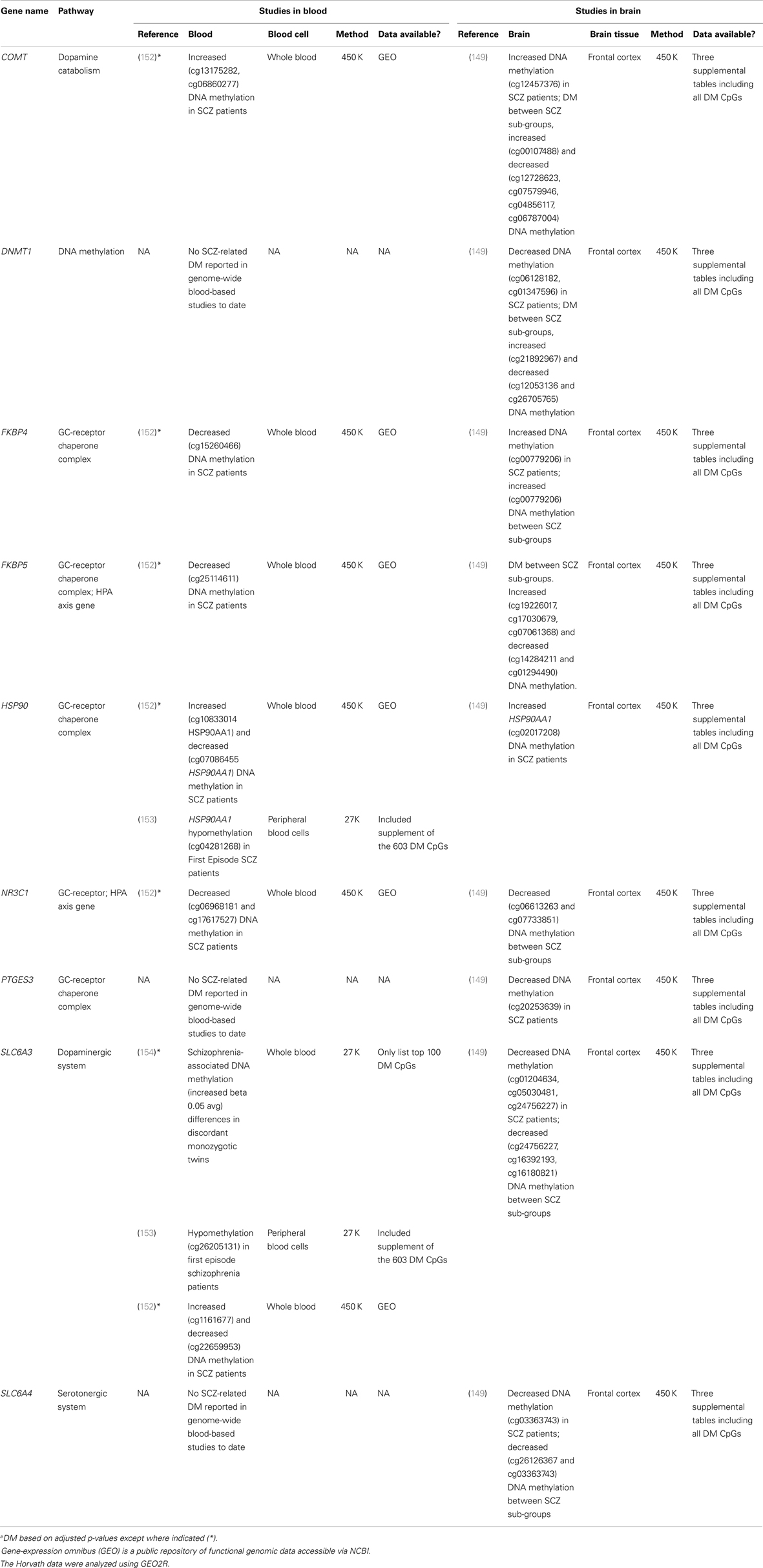
One candidate factor that may be a mediator in this causal chain is epigenetics, a field of increasing interest in mental illness, including risk for schizophrenia (110112). Epigenetics, a term proposed nearly 70 years ago by Conrad Waddington, was born out of the terms “genetics” and “epigenesist,” narrowly referring to the study of causal relationships between genes and their phenotypic effects (113), but more recently associated with changes in gene activity independent of the DNA sequence, that may or may not be heritable, and that may also be modified through the life span. Epigenetic factors include DNA methylation which in vertebrates typically involves the addition of a methyl group to cytosine where cytosine and guanine occur on the same DNA strand; histone modifications, involving the addition (or removal) of chemical groups to the core proteins around which DNA is wound; and non-coding RNAs such as microRNAs (miRNAs), which bind to mRNAs to suppress gene-expression posttranscriptionally. Among these several mechanisms, DNA methylation is the most stable and the best studied within the context of psychiatric disorders, including schizophrenia, although emerging work suggests that miRNAs, which target multiple mRNA transcripts, serve as master regulators of developmental gene-expression patterns, and are responsive to stress (114), play an etiologic role in SCZ (115).

As mounting evidence fails to conclusively link individual genes to specific mental illnesses (116), epigenetic effects during critical developmental periods assumes increasing significance (11). In such a model, genetic etiology may be expressed in differentiated psychiatric phenotypes because epigenetic factors changing in response to external experiences vary across these phenotypes. Indeed, as potential regulators of DNA accessibility and activity, epigenetic factors through influences on gene-expression, offer a mechanism by which the environment – and, in particular, one’s response to the environment – can moderate the effects of genes (117). In the context of schizophrenia, models suggest that epigenetic deregulation of gene-expression at specific loci is highly unlikely, again given the highly polygenic nature of the illness. Rather, epigenetic effects may progressively impact gene-expression in salient neurodevelopmental gene networks during critical developmental periods, in response to environmental inputs (11). For example, the loss of synchronal activity of GABAergic interneurons in the prefrontal cortex might result from environmental stressors such as cannabis (118), which interact with the expression of vulnerability genes such as GAD1 that control GABA synthesis (119).

Previous work has shown that glucocorticoids (GC) such as cortisol induce epigenetic, DNA methylation changes in HPA axis genes (e.g., FK506 binding protein 5, FKBP5), both in neuronal [i.e., hippocampal (120, 121)] and peripheral [i.e., blood (121123)] tissues, as well as in additional cells relevant to the HPA axis [i.e., pituitary cells (120)]. Moreover, GC-induced DNA methylation changes persist long after cessation of GC exposure (121123), suggesting that stress-induced GC cascades have long lasting consequences for HPA axis function that may be accompanied by behavioral (mal)adaptations (121, 124).

These epigenetic mechanisms are of relevance to the previously noted role of stress as a major contributor in the emergence of cognitive impairments in first episode psychosis, in particular resulting from high stress sensitivity in this group (125). Stress sensitivity, a tendency to experience negative affect in response to negative environmental events (126), is a well-established risk factor for psychopathology (127), including schizophrenia (44, 128). This role has been clarified in recent work using experience sampling methods (ESM), where participants in prospective studies note their life experiences in real time. Using a twin-study design in a large longitudinal cohort of mono- and dizygotic twins, participants recorded multiple mood and daily life events with stress sensitivity defined as an increase in recorded negative affect to event unpleasantness. Notably, stress sensitivity showed relatively little genetic mediation and was almost exclusively environmentally determined (126). Whereas non-ESM investigations and some animal studies in models of schizophrenia (129) suggest a genetic, heritable component, the majority of variance still appears to be environmentally determined (130, 131). Thus, stress sensitivity is a labile characteristic that can change in response to environmental experiences to alter risk for psychopathology. Tracking epigenetic changes in stress-sensitive genes of the HPA axis, as well as additional stress-sensitive genes that interact with the HPA axis, might enable identification of a biologic mechanism that mediates risk for, and the emergence, of schizophrenia. Indeed, strong signatures of gene-expression differences in stress-related genes have been recently identified in post-mortem brain tissue in a manner that distinguishes schizophrenia patients from controls and from individuals with other psychiatric disorders (132). Many of these are likely accompanied by DNA methylation differences, as has been reported by studies performed on related genes in animal models (133).

Emerging evidence suggests that brain endophenotypes, as well as psychiatric outcomes, can be predicted by peripheral DNA methylation measurements. Notably, genes belonging to the HPA axis, as well as DA- and serotonin (5HT)-related genes, whose products interact those of the HPA axis, shape the stress response (109, 134, 135) and are known to show psychopathology-associated differences in blood (136138). For example, recent work has shown that leukocyte DNA methylation in the serotonin transporter locus (SLC6A4) was higher among adult males who had experienced high childhood-limited physical aggression; moreover SLC6A4 DNA methylation was negatively correlated with serotonin synthesis in the orbitofrontal cortex, as measured by positron emission tomography (PET) (139). Similarly, leukocyte DNA methylation in the promoter region of the MAOA gene – whose product metabolizes monoamines such as serotonin and DA, is negatively associated with brain MAOA levels as measured by PET in healthy male adults (140). Structural imaging data analyses in relation to the FKBP5 locus discussed above have identified a negative association between DNA methylation in peripheral blood and volume of the right (but not left) hippocampal head (121). This observation is particularly noteworthy, as it suggests that lower FKBP5 DNA methylation in peripheral blood is associated not only with altered stress sensitivity (as indexed by a glucocorticoid receptor sensitivity assay within the same study), but also with structural brain differences in a brain region known to mediate stress reactivity (121). Finally, investigation of the COMT locus, a gene encoding an enzyme critical for degradation of DA and other catecholamines, has shown that, among Val/Val genotypes, subjects (all healthy adult males) with higher stress scores have reduced DNA methylation at a CpG site located in the promoter region of the gene (141). Moreover, DNA methylation at this site was positively correlated with working memory accuracy, with greater methylation predicting a greater percentage of correct responses (with results again limited to analysis of the Val/Val subjects); furthermore, fMRI demonstrated a negative correlation between DNA methylation at this site and bilateral PFC activity during the working memory task (141). Additional analyses showed an interaction between methylation and stress scores on bilateral prefrontal activity during working memory, indicating that greater stress, when combined with lower methylation, are associated with greater activity (141).

This last finding is especially noteworthy, because whereas stress–DNA methylation interactions have been reported for other stress-sensitive loci (142), the referenced study represents a direct demonstration of a heterogeneity in stress load that, when moderated by DNA methylation, impacts working memory. Clearly, greater stress and lower COMT DNA methylation correlate with reduced efficiency of prefrontal activity (141). This mechanism may be explained by the fact that disordered stress responses following prolonged stress exposure induces hyper-stimulation of prefrontal DA receptors (143, 144) that may be mediated by prefrontal glutamate neurotransmission (145). This hyper-stimulation in turn appears to affect the receptive field properties of prefrontal neurons during working memory (94). Patterns of network dysfunction in the genetic risk state may reflect brain network sensitivity to stress in the “pre-morbid” risk state that may be under as yet undiscovered epigenetic control. Thus, much of the unaccounted variance in schizophrenia previously construed as genetic, may likely be epigenetic (11, 146). Is it possible to assess epigenetic factors mediating the stress response in risk for schizophrenia, and the effects on brain network function?

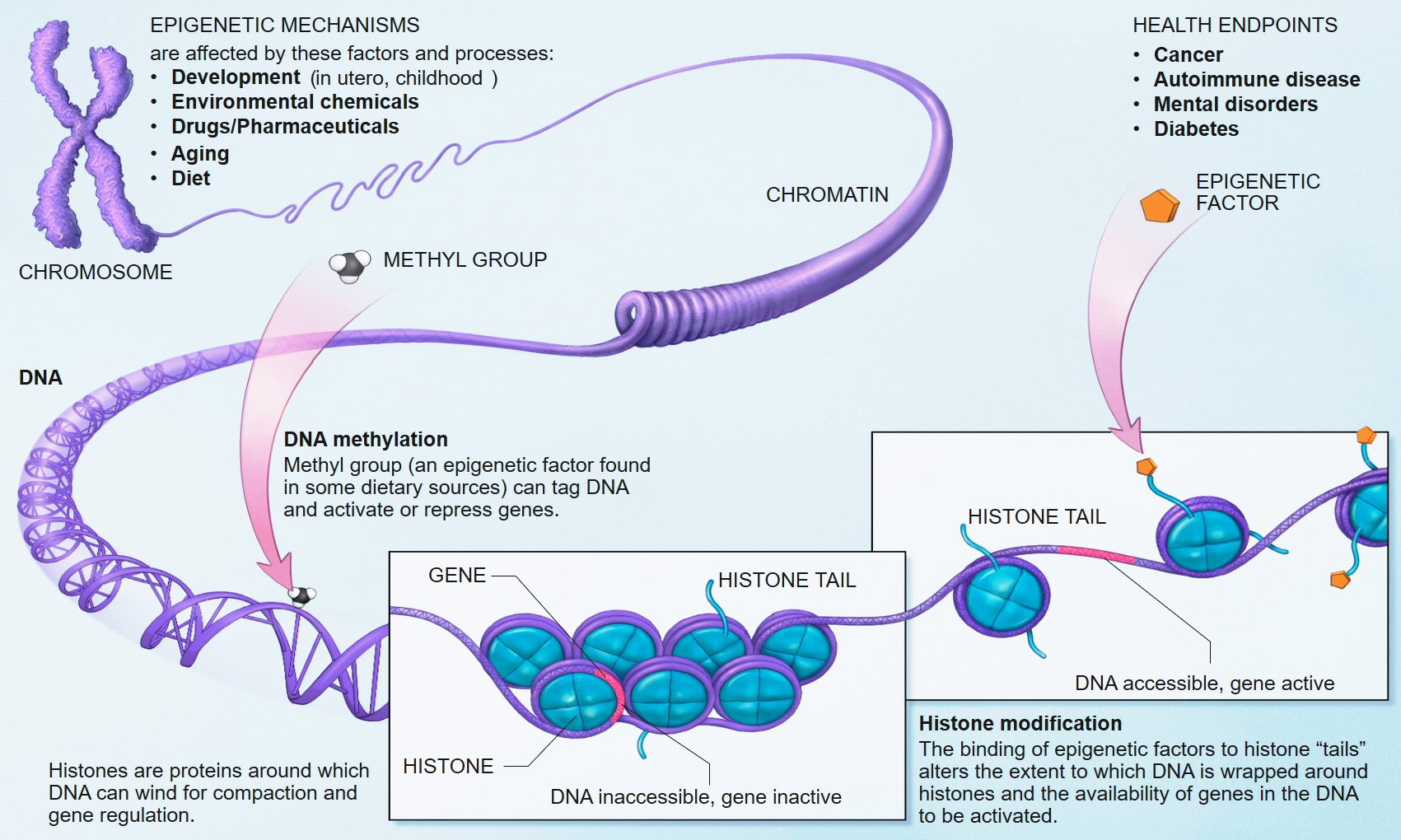
The influence of stress on DNA methylation on HPA axis genes in blood is well established (121123). Indeed, blood disperses GC hormones produced by the HPA axis throughout the body, which then regulates gene-expression in virtually all cell types (108). Thus, the broad reach of HPA axis activity, together with evidence that blood-derived DNA methylation in HPA axis genes is altered through stress (121, 147), provides ample biologic and clinical plausibility to our proposed hypothesis that stress sensitivity, measured in the periphery, can serve as an important – perhaps even predictive – index of transition from the genetic risk state into actual schizophrenia. Importantly, although GCs also influence DNA methylation and gene-expression in the CNS and neuronal cells (120, 121), our model does not suppose that this epigenetic measure in CNS tissues will match those in the periphery; rather, it proposes that DNA methylation in stress-sensitive, HPA-axis genes in the periphery will index the known dysregulation in brain function and connectivity in stress-sensitive regions of the brain among adolescents at genetic risk. Figure 1 provides an overview of an integrative approach and builds on previous considerations of epigenetic mechanisms in developmental psychopathology (11).
FIGURE 1
http://www.frontiersin.org/files/Articles/92099/fpsyt-05-00071-HTML/image_m/fpsyt-05-00071-g001.jpg

Figure 1. Overview of working model. HPA axis reactivity is determined both by intrinsic genetic factors and stressful environmental (including pre-natal) experiences. Stressful exposures induce a glucocorticoid (i.e., cortisol) cascade that then induces DNAm changes in HPA axis genes in the blood. These changes are expected to be more pronounced in at-risk adolescents, particularly those who may already exhibit sub-clinical psychopathology, such as negative symptoms. Risk-associated, blood-derived DNAm differences in HPA axis and related stress sensitivity genes are hypothesized to index metrics of brain function including activation patterns and effective connectivity in stress-sensitive brain regions. The activation patterns are reproduced from Diwadkar (13) and reflect engagement of an extended face-processing network in controls and high-risk subjects during a continuous emotion-processing task. These activations are most likely generated by complex dynamic interactions between brain networks that are represented in the figure below. The figure presents a putative combination of intrinsic connections between brain regions activated during such a task, and the contextual modulation of specific intrinsic connections by dynamic task elements. The role of effective connectivity analyses is to recover and estimate parameter values for intrinsic and modulatory connections that a) may be different in the diseased or risk state and b) may plausibly be under epigenetic mediation. The figure is adapted and reprinted from: Mehta and Binder (124), with permission from Elsevier; adapted by permission from Macmillan Publishers Ltd.: Frontiers in Neuropsychiatric Imaging and Stimulation (108). Reproduced with permission, Copyright © (2012) American Medical Association. All rights reserved.
Existing data support the hypothesis that schizophrenia-associated DNA methylation differences exist in stress-sensitive genes. Table 1 summarizes results from existing genome-scale studies that have been conducted in blood and brain in relation to schizophrenia, focusing specifically on the HPA axis genes involved in the glucocorticoid receptor complex (148), as well as representative DA- and serotonin-related genes, and genes that produce DNA methylation and have been shown to be responsive to glucocorticoid induction in both the brain and periphery [i.e., DNA methyltransferase 1, DNMT1; (120)]. As can be seen from the table, all of the genes show SCZ-related DNA methylation differences in brain derived tissue (149), and the majority (four of five) of GC-receptor chaperone complex genes show DNA methylation differences in the blood as well. Although we have limited our analysis to genome-wide studies of DNA methylation, additional candidate gene studies have linked stress-sensitive mental disorders to methylation differences in blood (142, 150, 151), suggesting that similar findings may be forthcoming for schizophrenia as additional studies are completed. Importantly, among these genes, some (but not all) have shown that DNA methylation levels can vary depending on local [e.g., Ref. (141)] or distal [e.g., Ref. (121)] DNA sequence variation – so-called “methQTLs” (methylation quantitative trait loci). Thus, as evidence accumulates regarding the existence of methQTLs, we note that analyses based on these proposed genes should take these into consideration.
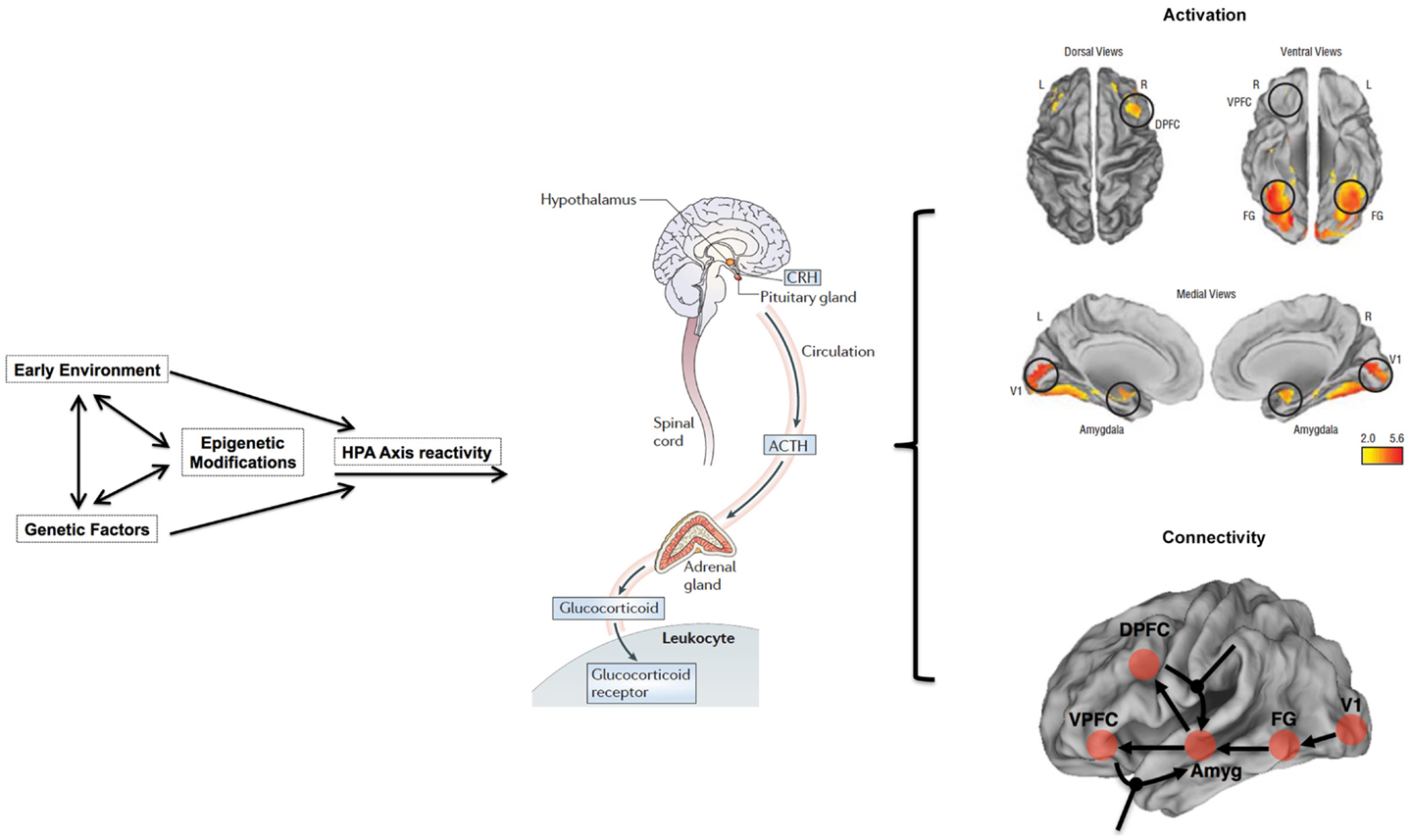
TABLE 1  
http://www.frontiersin.org/files/Articles/92099/fpsyt-05-00071-HTML/image_m/fpsyt-05-00071-t001.jpg
Table 1. Summary of genome-wide studies reporting differential DNA methylationa (DM) within stress-sensitive genes in blood or brain.

Conclusion

Incorporating epigenetic considerations into the sociodevelopmental model might provide a particular powerful explanatory framework for understanding genetic risk in adolescence. Regressive pressures from a combination of fixed genetic vulnerability for schizophrenia and epigenetic effects during adolescence are most likely to impact the development of neuronal network profiles (155, 156). As we noted earlier, advances in the analyses of fMRI signals now permit the estimate of effective connectivity and dysconnectivity between healthy, clinical, and at-risk populations, providing a significant framework for exploring brain dysfunction using a priori hypothesis (157). A focus on frontal–striatal and frontal–limbic dysconnectivity may be particularly warranted. A disordered stress response may cleave apart frontal–striatal and frontal–limbic neuronal network profiles in high-risk adolescents, providing a convergence of biological markers across multiple levels (genetic, epigenetic, and brain networks). Here, we have proposed that increased stress sensitivity (which can be indexed in the periphery) can help to unpack the heterogeneity among individuals at genetic high-risk of SCZ when linked to a strongly validated finding in genetic risk populations, namely brain network dysfunction. This framework may help to identify, among individuals at high genetic risk for SCZ, a subset who are likely to go on to develop the disorder. Our focus on stress-relevant genes does not exclude the possibility that genes in other pathways (e.g., dopaminergic, serotonergic, glutamatergic) may also be important; indeed, this focus may be considered a limitation of the proposed hypothesis. However, we believe that our proposed framework is a logical starting point for merging central and peripheral indicators of the potential for SCZ among HRS individuals. This framework may help extend the sociodevelopmental cognitive model into the realm of high-risk research. The presence of non-specific, sub-threshold symptoms continues to remain a significant clinical challenge for disorders such as schizophrenia and bipolar disorder (38, 158). Early intervention strategies will be boosted if biological markers can be interlinked to identify ultra high-risk adolescents. Our intent is to motivate this search for biological convergence hoping that this may lead to psychosis prediction and, ultimately, prevention.

Conflict of Interest Statement

The authors declare that the research was conducted in the absence of any commercial or financial relationships that could be construed as a potential conflict of interest.

Acknowledgments

This work was supported by the National Association for Research on Schizophrenia and Depression (NARSAD, now Brain Behavior Research Fund; Vaibhav A. Diwadkar), the Prechter World Bipolar Foundation (Vaibhav A. Diwadkar), the Lyckaki Young Fund from the State of Michigan, and the Children’s Research Center of Michigan (Monica Uddin). The agencies played no role in the shaping of the ideas presented herein.


Wednesday, July 30, 2014

Epigenetic Tie to Neuropsychiatric Disorders Found


Scientists are beginning to identify some of the environmental influences on genes (epigenetics) that can lead to neuropsychiatric disorders. It's long been clear (to some of us) that this is a better explanatory factor for these disorders than pure heredity.

Epigenetic tie to neuropsychiatric disorders found

Date: July 21, 2014
Source: University of California - Irvine
Summary:
Dysfunction in dopamine signaling profoundly changes the activity level of about 2,000 genes in the brain's prefrontal cortex and may be an underlying cause of certain complex neuropsychiatric disorders, such as schizophrenia, according to scientists. This epigenetic alteration of gene activity in brain cells that receive this neurotransmitter showed for the first time that dopamine deficiencies can affect a variety of behavioral and physiological functions regulated in the prefrontal cortex.
DYSFUNCTION in dopamine signaling profoundly changes the activity level of about 2,000 genes in the brain's prefrontal cortex and may be an underlying cause of certain complex neuropsychiatric disorders, such as schizophrenia, according to UC Irvine scientists.

This epigenetic alteration of gene activity in brain cells that receive this neurotransmitter showed for the first time that dopamine deficiencies can affect a variety of behavioral and physiological functions regulated in the prefrontal cortex.

The study, led by Emiliana Borrelli, a UCI professor of microbiology & molecular genetics, appears online in the journal Molecular Psychiatry.

"Our work presents new leads to understanding neuropsychiatric disorders," Borrelli said. "Genes previously linked to schizophrenia seem to be dependent on the controlled release of dopamine at specific locations in the brain. Interestingly, this study shows that altered dopamine levels can modify gene activity through epigenetic mechanisms despite the absence of genetic mutations of the DNA."

Dopamine is a neurotransmitter that acts within certain brain circuitries to help manage functions ranging from movement to emotion. Changes in the dopaminergic system are correlated with cognitive, motor, hormonal and emotional impairment. Excesses in dopamine signaling, for example, have been identified as a trigger for neuropsychiatric disorder symptoms.

Borrelli and her team wanted to understand what would happen if dopamine signaling was hindered. To do this, they used mice that lacked dopamine receptors in midbrain neurons, which radically affected regulated dopamine synthesis and release.

The researchers discovered that this receptor mutation profoundly altered gene expression in neurons receiving dopamine at distal sites in the brain, specifically in the prefrontal cortex. Borrelli said they observed a remarkable decrease in expression levels of some 2,000 genes in this area, coupled with a widespread increase in modifications of basic DNA proteins called histones -- particularly those associated with reduced gene activity.

Borrelli further noted that the dopamine receptor-induced reprogramming led to psychotic-like behaviors in the mutant mice and that prolonged treatment with a dopamine activator restored regular signaling, pointing to one possible therapeutic approach.

The researchers are continuing their work to gain more insights into the genes altered by this dysfunctional dopamine signaling.


Story Source:

The above story is based on materials provided by University of California - Irvine. Note: Materials may be edited for content and length.


Journal Reference:
Brami-Cherrier, K, Anzalone, A, Ramos, M, Forne, I, Macciardi, F, Imhof, A, Borrelli, E. (2014, Jul 15).  Epigenetic reprogramming of cortical neurons through alteration of dopaminergic circuits. Molecular Psychiatry; DOI: 10.1038/mp.2014.67

* * * *


Here is the original abstract of the article.


Epigenetic reprogramming of cortical neurons through alteration of dopaminergic circuits

K Brami-Cherrier, A Anzalone, M Ramos, I Forne, F Macciardi, A Imhof and E Borrelli

Abstract

Alterations of the dopaminergic system are associated with the cognitive and functional dysfunctions that characterize complex neuropsychiatric disorders. We modeled a dysfunctional dopaminergic system using mice with targeted ablation of dopamine (DA) D2 autoreceptors in mesencephalic dopaminergic neurons. Loss of D2 autoreceptors abolishes D2-mediated control of DA synthesis and release. Here, we show that this mutation leads to a profound alteration of the genomic landscape of neurons receiving dopaminergic afferents at distal sites, specifically in the prefrontal cortex. Indeed, we observed a remarkable downregulation of gene expression in this area of ~2000 genes, which involves a widespread increase in the histone repressive mark H3K9me2/3. This reprogramming process is coupled to psychotic-like behaviors in the mutant mice. Importantly, chronic treatment with a DA agonist can revert the genomic phenotype. Thus, cortical neurons undergo a profound epigenetic reprogramming in response to dysfunctional D2 autoreceptor signaling leading to altered DA levels, a process that may underlie a number of neuropsychiatric disorders.

Thursday, June 05, 2014

The Social Brain Meets the Reactive Genome: Neuroscience, Epigenetics and the New Social Biology


This is an interesting new research article from Frontiers in Human Neuroscience looks at the convergence of neuroscience, epigenetics, and sociobiology. This is certainly a big piece of the future of understanding the brain; of understanding what genes get turned on or off by trauma, diet, environment, and so on; and how all of this relates to human beings in relationship with each other.

Cool stuff, in my opinion, but also pretty geeky, so be warned.

Full Citation:
Meloni, M. (2014, May 21). The social brain meets the reactive genome: neuroscience, epigenetics and the new social biology. Frontiers in Human Neuroscience; 8:309. doi: 10.3389/fnhum.2014.00309

The social brain meets the reactive genome: Neuroscience, epigenetics and the new social biology

Maurizio Meloni
  • School of Sociology and Social Policy, Institute for Science and Society, University of Nottingham, Nottingham, UK

Abstract


The rise of molecular epigenetics over the last few years promises to bring the discourse about the sociality and susceptibility to environmental influences of the brain to an entirely new level. Epigenetics deals with molecular mechanisms such as gene expression, which may embed in the organism “memories” of social experiences and environmental exposures. These changes in gene expression may be transmitted across generations without changes in the DNA sequence. Epigenetics is the most advanced example of the new postgenomic and context-dependent view of the gene that is making its way into contemporary biology. In my article I will use the current emergence of epigenetics and its link with neuroscience research as an example of the new, and in a way unprecedented, sociality of contemporary biology. After a review of the most important developments of epigenetic research, and some of its links with neuroscience, in the second part I reflect on the novel challenges that epigenetics presents for the social sciences for a re-conceptualization of the link between the biological and the social in a postgenomic age. Although epigenetics remains a contested, hyped, and often uncritical terrain, I claim that especially when conceptualized in broader non-genecentric frameworks, it has a genuine potential to reformulate the ossified biology/society debate.


After Gene-Centrism: the New Social Biology


Profound conceptual novelties have interested the life-sciences in the last three decades. In several disciplines, from neuroscience to genetics, we have witnessed a growing (and parallel) crisis of models that tended to sever biological factors from social/environmental ones. This possibility of disentangling neatly what seemed to belong to the “biological” from the “environmental” and to attribute a sort of causal primacy to biological factors (equated with genetic) in opposition to social or cultural ones (thought of as being more superficial, or appearing later in the ontology of development) was part and parcel of very vocal research-programs in the 1990s. These programs were all more or less heirs of the gene-centrism of sociobiology: from evolutionary psychology, to a powerful nativism that was very influential in psychology and cognitive neuroscience with its obsessive emphasis on hardwiring culture or morality into the brain.

These programs have always received a barrage of criticisms from several intellectual traditions (Griffiths, 2009; Meloni, 2013a), particularly those with roots in ethology (Lehrman, 1953, 1970; Bateson, 1991; Bateson and Martin, 1999), and developmental biology (West and King, 1987; Griffiths and Gray, 1994; Gottlieb, 1997; Oyama, 2000a[1985],b; Oyama et al., 2001; Griffiths, 2002; Moore, 2003). However, never as in this last decade, we have had scientific evidence that the dichotomous view of biology vs. society and biology vs. culture is biologically fallacious (Meaney, 2001a).

Paradoxically, it was exactly the completion of the Human Genome Project that showed that the view of the gene as a discrete and autonomous agent powerfully leading traits and developmental processes is more of a fantasy than actually being founded on scientific evidence, as highlighted by the “missing heritability” case (Maher, 2008). The image of a distinct, particulate gene marked by “clearly defined boundaries” and performing just one job, i.e., coding for proteins, has been overturned in recent years (Griffiths and Stotz, 2013: 68; see also Barnes and Dupré, 2008; Keller, 2011). Although discussions are far from being settled, the work of the ENCODE consortium for instance has been crucial in showing the important regulatory functions of what, in a narrow “gene-centric view”, was supposed to be mere “junk DNA” (Encode, 2007, 2012; Pennisi, 2012). Not only does a very small percentage of the genome (less than 2%) act according to the classical definition of the gene as a protein-coding sequence, but most of the non-protein coding DNA in fact plays an important regulatory function. The genome is therefore today best described as a “vast reactive system” (Keller, 2011) embedded in a complex regulatory network with distributed specificity (Griffiths and Stotz, 2013). An important part of this regulatory network is involved in responding to environmental signals, which can cover a very broad range of phenomena, from the cellular environment around the DNA, to the entire organism and, in the case of human beings, their social and cultural dynamics.

To sum up a decade of empirical and conceptual novelties the conceptualization of the gene has become dynamic and “perspectival” (Moss, 2003), in what can be called the new “postgenomic view1”; it addresses genes as part of a broader regulative context, “embedded inside cells and their complex chemical environments” that are, in turn, embedded in organs, systems and societies (Lewkowicz, 2010). Genes are now seen as “catalysts” more than “codes” in development (Elman et al., 1996), “followers” rather than “leaders” in evolution (West-Eberhard, 2003; Robert, 2004). The more genetic research has gone forward, the more genomes are seen to “respond in a flexible manner to signals from a massive regulatory architecture that is, increasingly, the real focus of research in ‘genetics’” (Griffiths and Stotz, 2013: 2; see also Barnes and Dupré, 2008; Dupré, 2012).

As Michael Meaney (2001a: 52, 58) wrote more than a decade ago: “There are no genetic factors that can be studied independently of the environment, and there are no environmental factors that function independently of the genome… . At no point in life is the operation of the genome independent of the context in which it functions.” Moreover, “environmental events occurring at a later stage of development … can alter a developmental trajectory” making meaningless any linear regression studies of nature and nurture. Genes are always “genes in context”, “context-dependent catalysts of cellular changes, rather “controllers” of developmental progress and direction” (Nijhout, 1990: 444), susceptible to be reversed in their expression by individual’s experiences during development (Champagne and Mashoodh, 2009).


Epigenetics


The recent surge of interest in molecular epigenetics is probably the most visible example of these conceptual changes in contemporary biology. After a delay of almost fifty years from its coining, epigenetics has become a “buzzword” in XXI century biology (Jablonka and Raz, 2009: 131): the vertical growth of publications in the field in the last decade certifies this epidemic of epigenetics (Haig, 2012; Jirtle, 2012). It is far from my intention to oversell the conceptual and evidential strength of a discipline still as embryonic, multiple, and contested as molecular epigenetics. Many things in epigenetics remain highly controversial and debated, and cautiousness in dealing with its relevance, especially for humans, remains a good scientific policy (Feil and Fraga, 2012). Moreover, the notion of epigenetics is elusive and plastic, meaning different things for different research contexts (Morange, 2002; Bird, 2007; Ptashne, 2007; Dupré, 2012; Griffiths and Stotz, 2013). Despite (or, more likely, just because of) this semantic ambiguity epigenetics prospers as a scientific and social phenomenon in need of careful reflective scrutiny (Meloni and Testa, in press).

Also, the genealogy of epigenetics in biological thought is complex, and its current molecular “crystallization” is the result of a series of important conceptual shifts (Jablonka and Lamb, 2002; Haig, 2012; Griffiths and Stotz, 2013). The notion was firstly coined by embryologist and developmental biologist C. H. Waddington (1905–1975) in the 1940s as a neologism from epigenesis to define, in a broader non-molecular sense, the “whole complex of developmental processes” that connects genotype and phenotype (reprinted in Waddington, 2012). For Waddington epigenetics was “the branch of biology which studies the causal interactions between genes and their products which bring the phenotype into being” (Waddington, 1968 see Jablonka and Lamb, 2002).

A parallel origin of the concept is having probably a stronger influence on the present understanding of epigenetics. This latter tradition originates with Nanney’s (1958) paper in Epigenetic Control Systems, and refers more specifically to the existence of a second non-genetic system, at the cellular level, that regulates gene expression (Nanney, 1958; see, Haig, 2004; Griffiths and Stotz, 2013).

It is this second narrower molecular meaning that is becoming increasingly influential in the contemporary literature (Griffiths and Stotz, 2013). This is why it is probably more correct to call contemporary epigenetics “molecular epigenetics” to differentiate it from the broader Waddingtonian sense and the developmentalist-embryological tradition in which the term was firstly conceived, although it is true that the two meanings are not in principle irreconcilable as they both emphasize the context (molecular or at the level of the organism) where genetic functioning takes place (Hallgrímsson and Hall, 2011).

In the present mainstream molecular sense, a rather standard and very often quoted definition of “epigenetics” is “the study of mitotically and/or meiotically heritable changes in gene function that cannot be explained by changes in DNA sequence” (my italics, Russo et al., 1996, quoted in Bird, 2007: 396; see also Feng and Fan, 2009). This definition in a negative form is pretty typical even in less technical books, where we find epigenetics called as the study of all the “long-term alterations of DNA that don’t involve changes in the DNA sequence itself” (Francis, 2011: X, my italics).

In a broader but still negative form, epigenetics can be defined as any “phenotypic variation that is not attributable to genetic variation” (Haig, 2012: 15, my italics). If we search for an operationally positive definition (more rare), we can call molecular epigenetics “the active perpetuation of local chromatin states” (Bird and Macleod, 2004 quoted in Richards, 2006: 395) or the self-perpetuation of gene expression “in the absence of the original signal that caused them” (Dulac, 2010: 729). The preferred recourse to a negative definition not only reflects the uncertainty surrounding the range and stability of epigenetic mutations, but more importantly it makes evident the difficulties of conceptualizing epigenetics in a way that might finally go beyond a gene-centric view of heredity and phenotypic development2.

DNA methylation, the addition of a methyl group to a DNA base that can silence gene expression, is the most well-known example of an epigenetic modification. Given its crucial function as regulator of gene expression, methylation has been defined as the “prima donna” of epigenetics (Santos, quoted in Sweatt, 2013). Other possible examples of epigenetic marks include histone modifications, alterations of chromatin structure, and gene regulation by non-coding RNA.

In evolutionary terms, epigenetic changes, far from being a biological anomaly, are fundamental for developmental plasticity, the “intermediate process” by which a “fixed genome” can respond in a dynamic way to the solicitations from a changing environment, and produce different phenotypes from a single genome (Meaney and Szyf, 2005; cfr. also Robert, 2004; Gluckman et al., 2009, 2011). Recent studies (Kucharski et al., 2008; Lyko et al., 2010) on the impact of DNA methylation on the development of different phenotypes between sterile worker and fertile queen honeybees (Apis mellifera) have shown the importance of epigenetic changes (via different nutrition in this case) on the mechanism underlying developmental plasticity.

Even more interestingly, these changes in gene expression (and the phenotypic alteration that results from it) have a twofold property whose importance in rethinking the nexus of biology and social factors cannot be underestimated: (1) some epigenetic modifications, like DNA methylation, can be maintained throughout life whereas others are susceptible to change even later in life being therefore reversible under certain circumstances; and (2) some epigenetic states, against established wisdom, appear to be transmissible inter-generationally.

Point 2 especially remains very controversial because received wisdom is that these epigenetic marks are reset at each generation and therefore incapable of offering the required stability to sustain transgenerational phenotypic changes. It is true that the issue of transgenerational epigenetic inheritance remains the source of more questions than answers so far (Daxinger and Whitelaw, 2010), but novel and interesting studies are challenging the established view of inheritance (Anway et al., 2005; Rassoulzadegan et al., 2006; Hitchins, 2007; Wagner et al., 2008; Franklin et al., 2010; Saavedra-Rodriguez and Feig, 2013) and pointing at the transgenerational effects on future generations (up to four) of environmental effects via epigenetic mechanisms in the two alternative forms of: (a) germline epigenetic inheritance (where the epigenetic mark is directly transmitted, see for instance Anway et al. (2005); and (b) experience-dependent non-germline epigenetic inheritance (where the epigenetic mark is recreated in each successive generation by the re-occurrence of the inducing behavior, or “niche recreation”: Champagne, 2008, 2013a, b; Champagne and Curley, 2008; Danchin et al., 2011; Gluckman et al., 2011).

Possible examples of these latter indirect or non germline epigenetic phenomena in humans include the often quoted research on transgenerational effects on chronic disease in individuals prenatally exposed to famine during the Dutch Hunger Winter in 1944–45 (Heijmans et al., 2008; Painter et al., 2008; Veenendaal et al., 2013). In the context of the growing interest in the developmental origins of chronic noncommunicable disease in humans (the so-called “developmental origins of health and disease”, DOHaD), epigenetic research is bringing to light how, during particularly plastic phases of development, environmental cues (for instance, in the above quoted example, levels of nutrition) set up stable epigenetic markers that shape (or “program”) the organism’s later susceptibility to disease (Gluckman et al., 2011).

In a broader evolutionary perspective, epigenetic marks, and DNA methylation in particular, are becoming recognized as “candidate mechanisms” (Kappeler and Meaney, 2010; see also Danchin et al., 2011) for parental effects, the phenomenon whereby exposures in one generation to certain environmental states (for instance in this case, famine) can affect the next generation’s phenotypes without affecting their genotypes (Badyaev and Uller, 2009; Danchin et al., 2011).

Consequences for Heredity

It appears evident even from this limited survey that the consequences of epigenetics for the notion of biological inheritance are profound. By challenging the idea that heredity is the mere transmission of nuclear DNA, epigenetics has opened the doors to a broader, extended view of heredity by which information is transferred from one generation to the next by many interacting inheritance systems (Jablonka and Lamb, 2005). Epigenetic variations act as a parallel inheritance system through which the organism can respond in a more flexible and rapid way to environmental cues and transmit to different cell lineages different “interpretations” of DNA information (ibid.).

It is no longer the mere DNA sequence that is transferred inter-generationally, but, expanding on the notions of “ontogenetic niche” coined in the 1980s (West and King, 1987), it is the whole “developmental niche” (Stotz, 2008), “the set of environmental and social legacies that make possible the regulated expression of the genome during the life cycle of the organism” (Griffiths and Stotz, 2013: 110). Taking seriously the idea of a developmental niche as the proper integrative framework for extended inheritance, as Griffiths and Stotz (2013) claim, means also understanding that environmental and social factors, not only merely “genetic” factors, “carry information in development” (ibid.: 179).

The environment is therefore now seen as directly inducing variations in evolution (Jablonka and Lamb, 2005), and its role as “initiator of evolutionary novelties” clearly recognized (see also Pigliucci, 2001; West-Eberhard, 2003; Pigliucci and Muller, 2010).

In sum, the narrow, gene-centric view of inheritance that was at the core of the Modern Synthesis in evolutionary thinking has been profoundly challenged and opened to a plurality of different non-genetic mechanisms (Bonduriansky, 2012; Bonduriansky and Day, 2009; Uller, 2013). By inviting one to think that “heredity involves more than genes”, and that “new inherited variations (…) arise as a direct, and sometimes directed, response to environmental challenge” epigenetic inheritance seems close to Lamarckian ideas of soft inheritance and inheritance of acquired features (Jablonka and Lamb, 1995: 1; see also Jablonka and Lamb, 2005; Gissis and Jablonka, 2011), although clearly the interpretation of epigenetics in such a broad and heterodox conceptual framework remains debated and controversial.


Where Epigenetics Meets Neuroscience


Some of the most influential studies that are behind the recent surge of interest in epigenetics originate from or directly cut-across neuroscience research. Epigenetic research offers a key missing link in the dynamic interplay between experience and the genome in sculpting neuronal circuits especially in critical period of plasticity (Fagiolini et al., 2009). It attempts to make visible the molecular pathway that explain how transient environmental factors can lead “long-lasting modifications of neural circuits and neuronal properties” (Guo et al., 2011).

The porousness of the brain to social signals has been at the core of social neuroscience since its beginning in the 1990s. I will focus here on three streams of research that have played a crucial role in taking this openness and plasticity of the social brain to a new level. Epigenetics in this sense can be seen as the climax of that very visible process of the “socialization” of biological and neurobiological concepts that we have witnessed in action in evolutionary thinking since at least the 1990s (Meloni, 2014).

Molecular Pathways of Maternal Care in the Brain

In current epigenetic studies the story of how Michael Meaney, a neuroscientist and clinical psychologist at McGill, and Moshe Szyf, a molecular biologist and professor of pharmacology at the same McGill, met in a bar during a conference in Spain, has been told many times (Buchen, 2010; Hoag, 2011) to show the almost serendipitous encounter of a neurobiological perspective with a genetic one that is behind social epigenetic research. This interdisciplinary approach lies at the very core of Meaney’s group’s maternal care studies on the intergenerational transmission of stress and inadequate mothering in rodents (Meaney, 2001b), amongst the most known in all the epigenetic literature (along with Waterland and Jirtle’s studies on agouti mice: Waterland and Jirtle, 2003, 2004). Also the story of how this study was first rejected by Science and Nature is told to illustrate the impervious terrain that marked the beginning of epigenetic research.

Meaney et al.’s study, finally published as Epigenetic programming by maternal behavior in Nature Neuroscience (Weaver et al., 2004) has become a massively quoted article (with more than 2500 citations), almost an icon of the new linkage between behavioral exposures (in this case: maternal care and neonatal handling) and genetic expression/development in the brain.

The basic findings of the study are that increased licking and nursing activity by rat mothers altered the offspring DNA methylation patterns in the hippocampus, thus affecting “the development of hypothalamic-pituitary-adrenal responses to stress through tissue-specific effects on gene expression” (Weaver et al., 2004: 847). Even more interestingly, cross-fostering pups of non-caring mothers to affective ones, the DNA methylation phenotype reflected that of the foster mother and was maintained stably into adulthood thus shaping life-long behavioral trajectories.

This direct linkage between maternal care and neurological development (via DNA methylation) was conceptualized in terms of environmental (or epigenetic) programming that is a stable non-sequence based modification (Francis et al., 1999) of gene expression that proceeds without germline transmission. Another take-home message of Meaney’s group study is the emphasis on a critical period, the first week of life, for the effects of early experience on methylation patterns in the hippocampus. Epigenetic modifications are stably encoded during early life experiences becoming therefore the critical factor in “mediating the relationship between these experiences and long-term outcomes” (Fagiolini et al., 2009). The sustained effects of these cellular modifications “appear to form the basis for the developmental origins of vulnerability to chronic disease” (Meaney et al., 2007).

Stigmas of Trauma in the Brain

But what about epigenetic research involving more specifically humans? In 2009, another study appeared with a significant impact on the field of social epigenetic. The research, originating again from Meaney’s lab, focused on the level of DNA methylation in postmortem hippocampal tissue from two groups of suicide victims (using samples from the Quebec Suicide Brain Bank), one of which with a history of abuse (McGowan et al., 2009).

The study found higher levels of DNA methylation of the regulatory region of the glucocorticoid receptor (resulting in decreased levels of glucocorticoid receptor mRNA) in the abused group compared to the nonabused and the control group. Early life adversities therefore (childhood abuse), not suicide per se, are the key factors to explain the alteration of DNA methylation in crucial genomic regions (neuron-specific glucocorticoid receptor gene, NR3C1) in the brain.

This work, which translates Meaney’s research into human studies for the first time, is consistent with the findings of the studies on rodents and has been welcomed as biological evidence of how traumatic life experiences become embedded in the “memory” of the organism, getting “under the skin” (Hyman, 2009).

The findings of this research, along with others of McGowan et al. (2008), are consistent with the non-human animal studies of Meaney’s group about the emphasis on early life events as a critical period for the establishment of stable DNA methylation patterns, and therefore different pathways of neural development. As the study claims: “early life events can alter the epigenetic state of relevant genomic regions, the expression of which may contribute to individual differences in the risk for psychopathology” (McGowan et al., 2009: 346).

Like in Meaney’s group previous studies, the emphasis is on the effects of disruption of parental care on methylation levels in critical areas of the brain implicated in the regulation of responses to stress and anxiety disorders. More importantly, the study aims to open up important connections between variations in DNA methylation in the hippocampus and the emergence of psychiatric disorders, a topic that is becoming increasingly relevant in epigenetic research (see for instance Tsankova et al., 2007; Nestler, 2009), as it can be seen from the third and final cluster of what can be named “epigenetic neuroscience” research.

Neuroepigenetics: Mechanisms of Plasticity for the Adult Brain

A final and parallel development at the crossroads of epigenetics and neuroscience comes from the newborn sub-field of (cognitive) neuroepigenetics (Day and Sweatt, 2011; Sweatt, 2013) that focuses on how epigenetic mechanisms impact the adult brain and the central nervous system.

Neuroepigenetics aims to investigate changes in epigenetic marks that accompany neuronal plasticity and the processes of learning and memory formation/maintenance in the brain (see also Levenson and Sweatt, 2005; Borrelli et al., 2008). In a sense, epigenetic marking itself can be seen as a “persistent form of cellular memory” by which memories of past environmental events are fixed on the genome. This would explain, it has been claimed, the fact that the nervous system has co-opted this mechanism “to subserve induction of synaptic plasticity, formation of memory and cognition in general” (Levenson and Sweatt, 2006). Another task of neuroepigenetics is the understanding how epigenetic mechanisms may vary depending on the different neural circuits and behavioral tasks involved (Day and Sweatt, 2011). The main difference compared to the other studies highlighted in this section is the emphasis on the adult brain. Here, given the non-divisibility of adult neuron cells, epigenetic tags although long-lasting are non-heritable, thus setting “the roles of epigenetic mechanisms in adult neurons apart from their roles in developmental biology” (Sweatt, 2013: 627). The term neuroepigenetics is what distinguishes therefore this specific aspect of epigenetic research from other areas of developmental biology (Day and Sweatt, 2011). A new wave of publications on the epigenetics of the adult brain illustrates well the high expectations surrounding epigenetic knowledge to explain the molecular mechanisms of plasticity. In a recent article, for instance, Woldemichael et al. (2014) look at the way epigenetic processes may subserve brain plasticity in relation to, amongst other things, drug addiction and cognitive dysfunctions (age-associated cognitive decline, Alzheimer’s disease, etc.). Moreover, they do so always with an eye to the potential of epigenetic therapies to reverse neurodegenerative disorders (see also Gapp et al., 2014). Other recent publications in the field examine the epigenetics of stress vulnerability and resilience (see also Stankiewicz et al., 2013; Zannas and West, 2014), neuropsychiatric disorders (Hsieh and Heisch, 2010), major psychosis (Labrie et al., 2012), autism spectrum disorders (Ptak and Petronis, 2010), mood disorders (Fass et al., 2014); again, with an eye to the development of novel therapeutics.

Although many of these publications reflect very early attempts to use epigenetic knowledge to explain the molecular mechanisms of brain plasticity, and although in much of this literature the supposed distinctiveness of epigenetic changes in the brain rather than in other organs is never really problematized, it is still helpful to survey this emerging literature as an illustration of the current process of rewriting, in epigenetic terms, of many themes from the last decade of research about the social brain, particularly its plasticity and permeability to environmental signals. Epigenetics in this sense can be seen as the last frontier in the construction of the narrative about the sociality of the brain, the discovery of a possible crucial mechanism mediating between environmental exposures, gene expression and neuronal development, that is likely to validate and give further strength, at the molecular level, to many of the intuitions that have been at the core of social neuroscience research since the 1990s.

Implications for Social Theory


In the last two decades of research in cognitive science, mind and cognition have been understood increasingly as an extended, enacted and embodied phenomena (Clark and Chalmers, 1998; Thompson, 2007; Clark, 2008; Noë, 2009; Menary, 2010). Neuroscience has joined this trend: the brain has ceased to be represented as an isolated organ and instead become a multiply connected device profoundly shaped by environmental influences. One of the membranes demarcating the biological from the social, the skull (Hurley in Noë, 2009), has been made increasingly permeable to a two-way interaction.

The brain is increasingly thought of as a tool specifically designed to create social relationships, to reach out for human relationships and company, literally made sick by loneliness and social isolation (Cacioppo and Patrick, 2008; Hawkley and Cacioppo, 2010). The emergence of this novel language certifies to the success of a discipline like social neuroscience (Matusall et al., 2011), with its landscape populated by empathic brains and moral molecules, mirror neurons and plastic synapses.

However, in the context of this trend toward an increasing openness of the biological to social signals, the rise of molecular epigenetics promises to bring this discourse to an entirely new and more powerful level. Undoubtedly, this promissory vocabulary, which has always been part of the rhetoric of the life-sciences (as highlighted by a consistent body of scholarship in Science and Technology Studies), has not to be taken at face value. The “economy of hope” that surrounds epigenetics as a possible relaunch of the genomics discourse is in particular something that deserves critical scrutiny (Meloni and Testa, in press). However, the appreciation of this more critical moment, cannot become a reason to deny the potential contained in the epigenetic discourse, especially when conceptualized in more sophisticated non gene-centric frameworks (Griffiths and Stotz, 2013).

When compared with recent arguments about the sociality of the brain, epigenetics seems to play a twofold function. Epigenetics not only supplements social neuroscience by highlighting the molecular mechanisms that orchestrate brain plasticity and memory formation, but also seeks to blur any residual distinction between biology and social/ecological contexts. If the first model of the cognitive brain was that of a computing machine, entirely severed from environmental influences, and the brain of social neuroscience still oscillated between plastic change and hardwiring metaphors, with the rise of what can be named the “epigenetic brain” or neuroepigenetics research the reciprocal penetration of the social and the biological reaches a point where trying to establish any residual distinction seems increasingly a meaningless effort.

Particularly when conceptualized within theoretical frameworks like Developmental Systems Theory (Oyama, 2000a[1985], b; Oyama et al., 2001) and other postgenomics approaches, epigenetic research illustrates exemplarily how we are moving toward a post-dichotomous view of biosocial processes that research in social neuroscience was only partially able to anticipate. With the rise of molecular epigenetics, the biological is opened to environmental influences, to social factors, and to the marks of personal experience like never before. The sovereign role of the gene has been decentralized (Van Speybroeck, 2002) and the genome made a “reactive genome” (a term first coined by Gilbert, 2003, and expanded on more recently by Keller, 2011; Griffiths and Stotz, 2013).

At the same time the notion of vitality has been expanded to a new range of actors and “democratized” (Landecker and Panofsky, 2013). In epigenetic research, the “social” seems to assume a causative role in human biology to a degree unseen before (Landecker and Panofsky, 2013). The same emergence of a new terminology of “social and environmental programming” reflects this unprecedented prominence of the social level. Such a discourse was quite unimaginable under the Weismannian’s conception of an impenetrable barrier between soma and germ-line, as well in what can be seen as the molecular translation of Weismann’s argument (Griesemer, 2002) in the so-called Central Dogma of Molecular biology (Crick, 1958) which stated the strict one-side flow of information from DNA to RNA. In reversing the informational asymmetry between genotype and phenotype, in stressing the relevance of context (interpretation) upon the level of DNA information (Jablonka and Lamb, 2005; Jablonka and Raz, 2009) and finally in giving a life-span to genetic process, making them radically dependent on temporal factors (Landecker and Panofsky, 2013), epigenetics displays unique features that promise to radically change the language of biology and, as a consequence, the system of rules that have so far regulated the biology/society boundary.

On one level, this unprecedented porousness of the biological to the social comes as a good news for social scientists with an interest in notions of embodiment and in exploring the pathways through which the social shapes and is literally inscribed into the body. The investigation of the ways in which social structures and socio-economic differences literally get under the skin (and in the brain), affecting the deep recesses of human physiology, has always been an important concern of sociological theory, from the French doctor and economist René Villermé and Friedrich Engels in the 1800s (see Krieger and Davey Smith, 2004), to social epidemiologists (Krieger, 2001, 2004, 2011; Shaw et al., 2003; Krieger and Davey Smith, 2004) and neuroscientists (Lupien et al., 2000; Noble et al., 2005, 2007, 2012; Farah et al., 2006; Kishiyama et al., 2009; Hackman et al., 2010; Rao et al., 2010) in the early twenty-first.

However, given the epistemological and political implications of gene-centrism and the mainstream view of biology as an unchangeable form of secular destiny in the twentieth-century, these more plastic biosocial approaches have remained so far exceptions (Boas, 1910 research on the changing bodily form of immigrants and their descendants in the USA, being one of these exceptions). Under these unfavourable epistemic circumstances, the possibility of sophisticated and enriching biosocial explorations has been profoundly limited and mostly faced with skepticism by social theorists. To import the biological into the social, across the twentieth century, meant almost exclusively refer to unacceptable class, race or gender biased explanations. Facing this view of biology, disembodied social constructionist explanations that rejected biology entirely seemed (almost) the only way out for social scientists.

However, in the present scenario marked by the rise of epigenetics and the new social biology, this marginalization no longer seems compulsory for social scientists. Undoubtedly, epigenetics is likely to revitalize a social science approach interested in how “phenomena of the outside (….) undergo transformations and are incorporated to re-appear or be reproduced on the inside” (Beck and Niewöhner, 2006: 224; Niewöhner, 2011; Guthman and Mansfield, 2012). It may supplement various findings from medicine, neuroscience, and various animal studies on the way in which social phenomena (social position, socio-economic status (SES), social isolation, rank, stress, etc.) are translated into the body and affect human health. On these novel bases, a fresh dialog between social and biological disciplines in which epigenetics can penetrate the “sometimes obdurate wall between the life and social sciences” (Landecker and Panofsky, 2013: 2) seems more realistic than in the past (Rose, 2013; Meloni, 2013b, 2014).

On the other level, however, a recognition of the great potential of epigenetic research to reframe and go beyond the sterile nature/nurture opposition, is no reason to deny the ambiguities and contradictory claims aligning in the field, and the difficult methodological and epistemic questions still awaiting to be answered before any major biosocial synthesis may be proposed.

Even leaving aside hypes and controversies surrounding epigenetics, social scientists and theorists need to be aware that an entire new array of problems is emerging in the postgenomic scenario. This new complex of social problems does not derive from the dichotomous separation of biological and social causes in which the biological is supposed to have a causal primacy (as in the hostile post 1970 debates on sociobiology, genetic reductionism, or evolutionary psychology). Rather they arise for the exact opposite reason, that is, because of the inextricable mixture of social and biological factors typical of the epigenetics and postgenomic conceptual landscape.

There is a specific and in a way unprecedented profile of problems in the postgenomic age (Meloni, 2013b, 2014; Meloni and Testa, in press) that without any ambition to be conclusive I will try to sketch below. Rather than as consolidated analyses of what is likely to happen in the epigenetic era, though, these different clusters of problems can be read as preliminary questions for a possible agenda of the social studies of the life-sciences in the future years.

Postgenomic Epistemology: Molecularizing Nurture?

Epigenetic research undermines the nature/nurture opposition on both sides of the dichotomy. To the extent that genes are now “defined by their broader context”, our understanding of nature becomes less essentialist and “more epigenetic” (Griffiths and Stotz, 2013: 228), that is, always entangled with social and environmental factors. However the epistemic conditions for environmental, social or experiential factors to become readable in the epigenetic paradigm is their translation into signals at the molecular level (Landecker, 2011). This trend finds confirmation in the fact that different social categories (from race to class), and environmental factors (from maternal care, to food and toxins) are being increasingly conceptualized today in molecular terms (Landecker, 2011; Niewöhner, 2011).

Only to the extent that our understanding of nurture becomes more “mechanistic” (Griffiths and Stotz, 2013: 5) can we therefore find a solution to the nature/nurture conundrum in the postgenomic era. It is important to notice here that mechanisms are understood by Griffiths, Stotz and other philosophers of biology not as a vulgar reductionist concept but as a more sophisticated, multilevel, and emergentist notion which includes looking “upward to higher levels” (Bechtel, 2008: 21) as well as making room for the active, autonomous role of human agency.

This new version of mechanism, as Griffiths and Stotz again claim, is producing an unexpected rapprochement with themes from the holistic tradition, or as they prefer “integrationist” (ibid.: 103).

Nonetheless, although social scientists will recognize in this anti-reductionist rethinking of the notion of mechanism an appealing theoretical move, two sources of skepticism remain to be addressed: (1) that in spite of the many sophistications of philosophers of science and biology, the bulk of epigenetic research will much more naively try to do business as usual, inscribing the effects of complex social phenomena at the digitalized level of methylation marks (Meloni and Testa, in press), with serious risk of over-simplification as well as attributing causal relevance to random biological processes; and (2) that mainstream social theory will remain not convinced by any idea of the tractability of social and cultural phenomena, given the legacy of traditions (from Weberian neo-Kantism to Durkheim, from Western Marxism to Boasian anthropology: Benton, 1991; Meloni, 2011, 2014) that made anti-naturalism and the incommensurable nature of social and cultural processes the hallmark of social research.

Given these opposite limitations, complex biosocial and biocultural approaches are likely to remain a minority strategy, caught between persisting reductionist tendencies in bioscience and the continuing legacy of bio-phobia in social theory.

Postgenomic Biopolitics: “Upgrade Yourself” or Born Damaged for Ever?

The epigenome is caught in a curious dialectic of stability and modifiability (Meloni and Testa, in press). Whereas genetic sequences are fixed and unchangeable, epigenetic marks are at the same time “long lasting” but “potentially reversible” (Weaver et al., 2005; McGowan and Szyf, 2010). In its social dimension, the plasticity of the epigenome, just like the plastic brain which Catherine Malabou (2008) has written about, can be understood in two alternative ways: (i) passively, as a capacity to receive form: the epigenome, in contrast to genes, is vulnerable to environmental insults; (ii) actively, as a capacity to give form: the epigenome can change and upgrade, through diet, exercise, therapeutic and social manipulations.

In the wider society, this dialectic within the language of epigenetics is likely to become even more amplified as an oscillation between determinism and hopes of individual/social amelioration: (i) determinism, because of the concerns that social and environmental insults can leave indelible scars on the body and brain (“Babies born into poverty are damaged forever before birth” titled the UK newspaper The Scotsman (Mclaughlin, 2012), to comment on a research on levels of methylation amongst different social groups in Glasgow, of which more below); (ii) amelioration, because the upgradable epigenome may become the basis for a new motivation to intervene, control and improve it through pharmacological agents or social interventions.

On the first dimension, political theorists and bioethicists have already started to reflect upon the “collective responsibility” to protect the vulnerable epigenome (Dupras et al., 2012; Hedlund, 2012) while legal theorists are speculating on the “number of novel challenges and issues” that epigenetic transgenerational effects may represent as a new possible “source of litigation and liability” (Rothstein et al., 2009: 37). The transmissibility via the epigenome of the insults of the past into the bodies of present or future generations raises therefore novel issues of intergenerational equity. This possible moralization of behaviors around the vulnerable epigenome is having a particularly visible example on the overwhelmingly centrality of the maternal body as a target of responsibility for harmful epigenetic consequences on the child’s health (Richardson, in press).

The second pole of this dialectic of plasticity, is instead represented by the many injunctions (it is enough to surf the web for some minutes to find many examples) to “upgrade”, “improve”, “train” or “change your epigenome”. The possibility of influencing the epigenome through diet, lifestyle, physical activity, stress, tobacco, alcohol, and pharmacological intervention becomes the likely basis for new forms of “therapeutic manipulations” (McGowan and Szyf, 2010). In David Shenk’s recent The Genius in All of Us one can see iconically the mobilization of epigenetics, celebrated as a “new paradigm” and “the most important discovery in the science of heredity since the gene” (Shenk, 2010: 129), at the service of a view of unlimited plasticity and constant struggle to enhance our capacity to reach talent and brilliance (see for a comment, Papadopoulos, 2011).

Which of the two poles of this dialectic of plasticity is going to prevail in the representation of epigenetics in the wider society, and in the shaping of epigenetic science itself, remains an open question. Science and society are constantly co-produced: this two-way interaction seems particularly visible in epigenetic research, thus representing a great opportunity to make of this newly emerging discipline a theoretical spyglass to observe the vivid emergence of the tensions and complexities of the postgenomic age.

Postgenomic Social Policies?

The increasing emphasis on the biological embedding of life’s adversities at the genomic level is bringing to public attention what has been called a new “biology of social adversity” (Boyce et al., 2012). Epigenetic mechanisms are a major part of this novel approach. Epigenetics has already been used in the service of explaining the persistent nature, within specific groups, of “connections that have previously been hard to explain” (Landecker, 2011), particularly the perpetuation of health disparities between the rich and the poor, between and within countries (Vineis et al., 2013). An important trend is the use of epigenetic and developmental findings in the so-called early-intervention programmes (Shonkoff et al., 2009).

Over the last few years, a new array of studies has started to look at the way in which social influences can become embodied via epigenetic mechanisms and have lifelong and even inter-generational effects (Miller et al., 2009; Wells, 2010; Borghol et al., 2012). Kuzawa and Sweet (2009) study on racial disparities in cardiovascular health in the USA is a major example of the reconfiguration of the relationship between biological and social factors brought about by epigenetics. This work has focused on epigenetic and other developmental mechanisms as the missing link between early life environmental factors (e.g., maternal stress during pregnancy) and adult race-based health disparities in “hypertension, diabetes, stroke, and coronary heart disease”. It is an important attempt to rethink race along a different, somatic and socio-cultural together, line of thought.

In the UK, the study of McGuinness et al. (2012) on the correlation between SES and epigenetic status (variations in the level of methylation) between socio-economically deprived and more affluent groups in Glasgow (but also between manual and non-manual workers) points more empirically to an association between social neglect, poverty, and “aberrant” levels of methylation. “Global DNA hypomethylation” the study claims “was associated with the most deprived group of participants, when compared with the least deprived”. Epigenetic markers are used in this and other studies as a “bio-dosimeter” (ibid., 157) to measure the impact of social adversity on lifestyle and disease susceptibility (see also: Landecker and Panofsky, 2013).

Looking at the past two decades of attempts to use genetics and neuroscience in the public arena as the ultimate bastion of evidence for social deprivations and inequalities, it is possible that epigenetic findings will become increasingly relevant in social policy strategies. How these findings will help convince policy-makers of the “non-ethereal” nature of environmental influences in order to make “more effective arguments” about the biological impact of social forces (Miller, 2010), and influence specific political agendas (as seen in the notion of neuropolicy, see Racine et al., 2005) is difficult to foresee at this stage. It is clear however that the seductive appeal of neurobiological explanations (Wastell and White, 2012) is likely to be amplified further when combined with the seductive appeal of epigenetics, where social differences and environmental insults are expected now to be seen literally “imprinted on DNA”.

It is important however to remember the huge gap existing between public sensationalism, especially in its public health implication, and the cautious takes of the experts (Feil and Fraga, 2012; Meloni and Testa, in press). Even more ambiguously, the emergence of a possible discourse that identifies, at the local level, subgroups with abnormal epigenetic marks (reflecting the perpetuation of historically disadvantageous conditions) may create a whole new set of social and public policy questions. The legacy of soft or Lamarckian inheritance in social policy discourses has not always been particularly progressive (Bowler, 1984), and its possible returning appeal today should become a matter of reflection for social scientists (Meloni and Testa, in press). Moreover, there is increasing concern among social scientists that constructs rather widespread in epigenetics and DOHaD literature, from “maternal capital” (Wells, 2010) to the growing emphasis on maternal behaviors and the maternal body as the “vector” through which epigenetic patterns are established in early life (as highlighted by Richardson, in press), could have problematic effects on public health strategies and moral reasoning about families, parenting, and women in particular.


Conclusion


In spite of my emphasis on some ambiguities of epigenetic research, the most important lesson for social scientists and theorists at this stage is probably that the future and therefore the social meaning of postgenomics and epigenetics is not already written. As Michel Morange (2006: 356) has claimed some years ago: “the very fashionable post-genomic programs can have very different stakes, some reductionist and other holistic, depending upon who is supporting them. The current state of biological research is very contrasted, because biology is hesitating at a crossroads between reductionism and holism”. It is therefore too early to say if molecular epigenetics will become mired in another form of reductionism (Lock, 2005) or will join new exciting theoretical collaborations capable to “transcend the divide between ‘nature’ and ‘nurture’ intellectually and methodologically” (Singh, 2012). Epigenetics is not set in stone, but an open field where theoretical debates and critiques are vital (Landecker and Panofsky, 2013). Given the multiple and plastic nature of its same concept, at the crossroads of different traditions and research-styles, epigenetics will likely be a terrain for conceptual battle between different stakeholders and intellectual agendas. This is probably one further reason for social scientists to be part of this debate from its very beginning.

Conflict of Interest Statement

The author declares that the research was conducted in the absence of any commercial or financial relationships that could be construed as a potential conflict of interest.

Acknowledgments

I thank Tobias Uller and Frances A. Champagne for kindly commenting on the first section of this article (of course, I am solely responsible for any possible inaccuracy there), and Andrew Turner for his help with the English language in the text. Thanks to the two referees for their extremely helpful remarks, many of which are reflected in the final iteration. I acknowledge the contribution of a Marie Curie ERG grant, FP7-PEOPLE-2010-RG (research titled “The Seductive Power of the Neurosciences: An Intellectual Genealogy”).

Footnotes
  1. ^ Here postgenomics has to be understood in a twofold meaning: chronologically it refers to what has happened after the deciphering of the Human Genome in 2003; epistemologically it illustrates the emergence of a number of gaps in knowledge and unforeseen complexities surrounding the gene that has led to the current contextual conceptualization of the genome as affected by environmental signals and part of a broader regulative architecture (Dupré, 2012; Griffiths and Stotz, 2013). It is particularly this latter meaning that is central here.
  2. ^ I thank one of the two anonymous reviewers for bringing this to my attention.
References are available at the Frontiers site