Over the last decade, research into curcumin (Curcuma longa, a constituent of turmeric that gives the curry spice its yellow-orange color) has demonstrated potent chemoprotective and chemopreventive effects, as well as use as an anti-cancer therapy.
Curcumin produces anti-cancer effects through several different channels:
- Inhibits the proliferation of tumor cells
- Decreases inflammation
- Inhibits the transformation of cells from normal to tumor
- Inhibits the synthesis of a protein thought to be instrumental in tumor formation
- Helps your body destroy mutated cancer cells so they cannot spread throughout your body
- Prevents the development of additional blood supply necessary for cancer cell growth (angiogenesis)
Most supplement manufacturers have developed a standardized 95-percent concentration of curcumin, and even with that level of concentration, it takes 2-3 grams of curcumin each day to get therapeutic benefits.
One way to increase absorption is to include black pepper extract (piperine) in the product. Piperine has been shown to inhibit CYP 450 enzymes that are crucial in metabolizing drugs. Research on using piperine with curcumin has demonstrated a 2000% increase in absorption {1}.
[As an aside, piperine may enhance the pharmacokinetic parameters of resveratrol by inhibiting glucuronidation, which slows its metabolism {2}.]
In an interview at Dr. Mercola's site, Dr. William LaValley made the following observation:
I found that a way to change that, to dramatically increase the bioavailability, is actually a very simple process of bringing water to a boil, putting those capsules or some dry powder (I use it by the teaspoon), and boiling it for 10 to 12 minutes. That increases the amount of curcumin dissolved in water from that one-percent amount up to 12 percent or so. That amount is a vast number of curcumin molecules that are now in a bioavailable or absorbable form.It turns out that curcumin is a fat-loving or lipophilic molecule, which suggests taking curcumin with some sort of oil or fat might improve its absorption and bioavailability. According to Dr. LaValley, incorporating a lipid-based delivery system may promote a seven to eight times higher absorption rate than the 95-percent-concentration of dry powder.
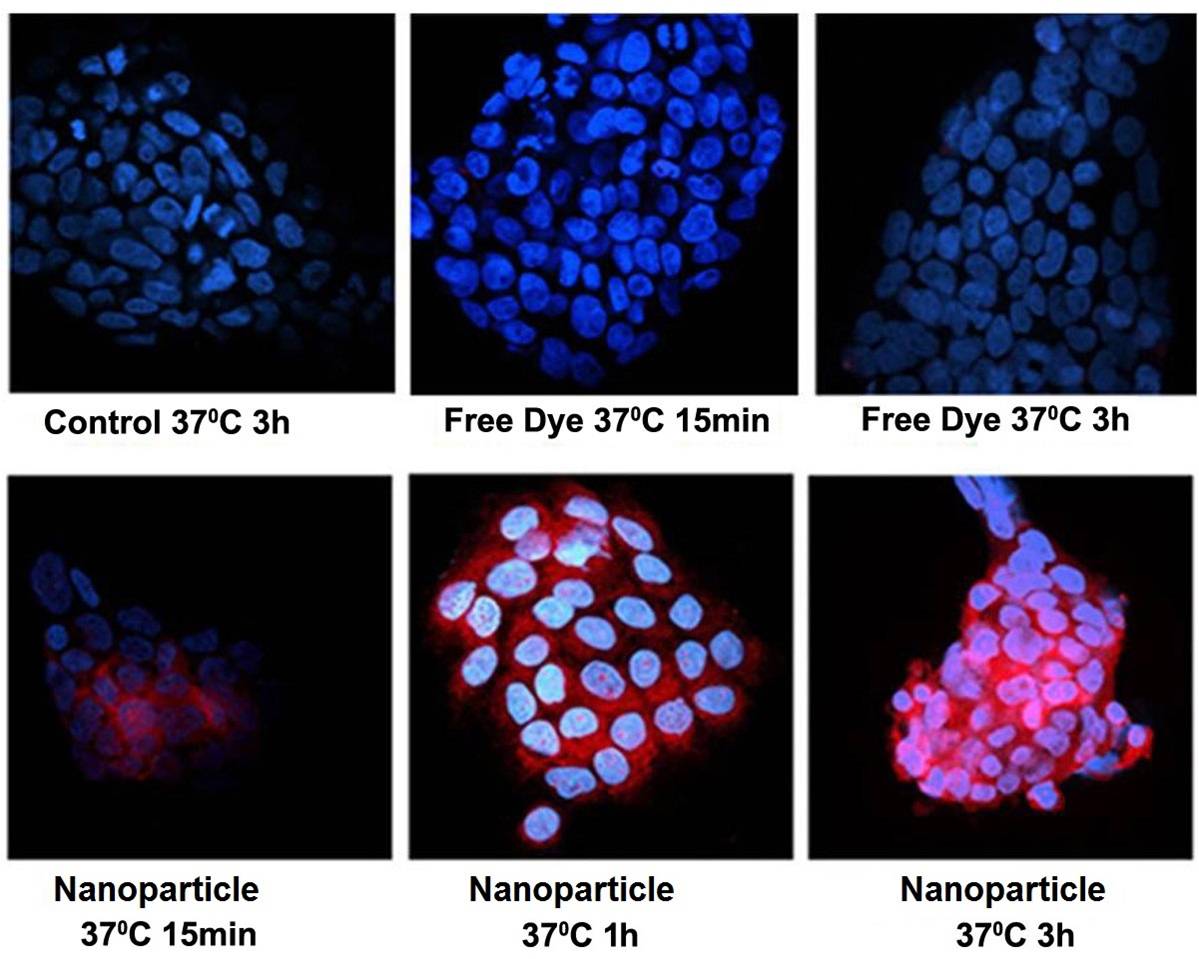
As researchers continue to seek more effective delivery systems, the approaches are becoming much more sophisticated. In a 2014 article from PLoS ONE, researchers are directly targeting the mitochondria as a delivery method {3}.
Presented below are some recent studies (all from 2014) on the therapeutic uses of curcumin, primarily as a cancer treatment or chemoprotective.Mitochondrial-Targeted Curcuminoids: A Strategy to Enhance Bioavailability and Anticancer Efficacy of Curcumin
Abstract
Although the anti-cancer effects of curcumin has been shown in various cancer cell types, in vitro, pre-clinical and clinical studies showed only a limited efficacy, even at high doses. This is presumably due to low bioavailability in both plasma and tissues, particularly due to poor intracellular accumulation. A variety of methods have been developed to achieve the selective targeting of drugs to cells and mitochondrion. We used a novel approach by conjugation of curcumin to lipophilic triphenylphosphonium (TPP) cation to facilitate delivery of curcumin to mitochondria. TPP is selectively taken up by mitochondria driven by the membrane potential by several hundred folds. In this study, three mitocurcuminoids (mitocurcuminoids-1, 2, and 3) were successfully synthesized by tagging TPP to curcumin at different positions. ESI-MS analysis showed significantly higher uptake of the mitocurcuminoids in mitochondria as compared to curcumin in MCF-7 breast cancer cells. All three mitocurcuminoids exhibited significant cytotoxicity to MCF-7, MDA-MB-231, SKNSH, DU-145, and HeLa cancer cells with minimal effect on normal mammary epithelial cells (MCF-10A). The IC50 was much lower for mitocurcuminoids when compared to curcumin. The mitocurcuminoids induced significant ROS generation, a drop in ΔØm, cell-cycle arrest and apoptosis. They inhibited Akt and STAT3 phosphorylation and increased ERK phosphorylation. Mitocurcuminoids also showed upregulation of pro-apoptotic BNIP3 expression. In conclusion, the results of this study indicated that mitocurcuminoids show substantial promise for further development as a potential agent for the treatment of various cancers.
Citations for the section above
1. Shoba G, Joy D, Joseph T, Majeed M, Rajendran R, Srinivas PS (1998, May). Influence of piperine on the pharmacokinetics of curcumin in animals and human volunteers. Planta Med.; 64 (4): 353–6. doi:10.1055/s-2006-957450. PMID 9619120.
2. Johnson, J. J.; Nihal, M; Siddiqui, I. A.; Scarlett, C. O.; Bailey, H. H.; Mukhtar, H; Ahmad, N (2011). Enhancing the bioavailability of resveratrol by combining it with piperine. Molecular Nutrition & Food Research; 55 (8): 1169–76. doi:10.1002/mnfr.201100117. PMC 3295233. PMID 21714124
3. Reddy, CA, Somepalli, V, Golakoti, T, Koteswara, A, Kanugula, R, Karnewar, S, Rajendiran, K, Vasagiri, N, Prabhakar, S, Kuppusamy, P, Kotamraju, P, Kutala, VK. (2014, Mar 12). Mitochondrial-Targeted Curcuminoids: A Strategy to Enhance Bioavailability and Anticancer Efficacy of Curcumin. PLoS ONE; 9(3): e89351. DOI: 10.1371/journal.pone.0089351
2014 Research on Curcumin Presented in PLoS ONE
For each article I am sharing the citation and the abstract - these are all open access articles.
Citation:
Seo BR, Min K-j, Cho IJ, Kim SC, Kwon TK. (2014, Apr 17). Curcumin Significantly Enhances Dual PI3K/Akt and mTOR Inhibitor NVP-BEZ235-Induced Apoptosis in Human Renal Carcinoma Caki Cells through Down-Regulation of p53-Dependent Bcl-2 Expression and Inhibition of Mcl-1 Protein Stability. PLoS ONE 9(4): e95588. doi: 10.1371/journal.pone.0095588
AbstractThe PI3K/Akt and mTOR signaling pathways are important for cell survival and growth, and they are highly activated in cancer cells compared with normal cells. Therefore, these signaling pathways are targets for inducing cancer cell death. The dual PI3K/Akt and mTOR inhibitor NVP-BEZ235 completely inhibited both signaling pathways. However, NVP-BEZ235 had no effect on cell death in human renal carcinoma Caki cells. We tested whether combined treatment with natural compounds and NVP-BEZ235 could induce cell death. Among several chemopreventive agents, curcumin, a natural biologically active compound that is extracted from the rhizomes of Curcuma species, markedly induced apoptosis in NVP-BEZ235-treated cells. Co-treatment with curcumin and NVP-BEZ235 led to the down-regulation of Mcl-1 protein expression but not mRNA expression. Ectopic expression of Mcl-1 completely inhibited curcumin plus NVP-NEZ235-induced apoptosis. Furthermore, the down-regulation of Bcl-2 was involved in curcumin plus NVP-BEZ235-induced apoptosis. Curcumin or NVP-BEZ235 alone did not change Bcl-2 mRNA or protein expression, but co-treatment reduced Bcl-2 mRNA and protein expression. Combined treatment with NVP-BEZ235 and curcumin reduced Bcl-2 expression in wild-type p53 HCT116 human colon carcinoma cells but not p53-null HCT116 cells. Moreover, Bcl-2 expression was completely reversed by treatment with pifithrin-α, a p53-specific inhibitor. Ectopic expression of Bcl-2 also inhibited apoptosis in NVP-BE235 plus curcumin-treated cells. In contrast, NVP-BEZ235 combined with curcumin did not have a synergistic effect on normal human skin fibroblasts and normal human mesangial cells. Taken together, combined treatment with NVP-BEZ235 and curcumin induces apoptosis through p53-dependent Bcl-2 mRNA down-regulation at the transcriptional level and Mcl-1 protein down-regulation at the post-transcriptional level.
* * * * *
Citation:
Das L, Vinayak M. (2014, Jun 16). Long Term Effect of Curcumin in Regulation of Glycolytic Pathway and Angiogenesis via Modulation of Stress Activated Genes in Prevention of Cancer. PLoS ONE 9(6): e99583. doi: 10.1371/journal.pone.0099583
AbstractOxidative stress, an important factor in modulation of glycolytic pathway and induction of stress activated genes, is further augmented due to reduced antioxidant defense system, which promotes cancer progression via inducing angiogenesis. Curcumin, a naturally occurring chemopreventive phytochemical, is reported to inhibit carcinogenesis in various experimental animal models. However, the underlying mechanism involved in anticarcinogenic action of curcumin due to its long term effect is still to be reported because of its rapid metabolism, although metabolites are accumulated in tissues and remain for a longer time. Therefore, the long term effect of curcumin needs thorough investigation. The present study aimed to analyze the anticarcinogenic action of curcumin in liver, even after withdrawal of treatment in Dalton's lymphoma bearing mice. Oxidative stress observed during lymphoma progression reduced antioxidant enzyme activities, and induced angiogenesis as well as activation of early stress activated genes and glycolytic pathway. Curcumin treatment resulted in activation of antioxidant enzyme super oxide dismutase and down regulation of ROS level as well as activity of ROS producing enzyme NADPH:oxidase, expression of stress activated genes HIF-1α, cMyc and LDH activity towards normal level. Further, it lead to significant inhibition of angiogenesis, observed via MMPs activity, PKCα and VEGF level, as well as by matrigel plug assay. Thus findings of this study conclude that the long term effect of curcumin shows anticarcinogenic potential via induction of antioxidant defense system and inhibition of angiogenesis via down regulation of stress activated genes and glycolytic pathway in liver of lymphoma bearing mice.
* * * * *
Citation:
Shakibaei M, Buhrmann C, Kraehe P, Shayan P, Lueders C, et al. (2014, Jan 3). Curcumin Chemosensitizes 5-Fluorouracil Resistant MMR-Deficient Human Colon Cancer Cells in High Density Cultures. PLoS ONE 9(1): e85397. doi: 10.1371/journal.pone.0085397
Abstract
Objective
Treatment of colorectal cancer (CRC) remains a clinical challenge, as more than 15% of patients are resistant to 5-Fluorouracil (5-FU)-based chemotherapeutic regimens, and tumor recurrence rates can be as high as 50–60%. Cancer stem cells (CSC) are capable of surviving conventional chemotherapies that permits regeneration of original tumors. Therefore, we investigated the effectiveness of 5-FU and plant polyphenol (curcumin) in context of DNA mismatch repair (MMR) status and CSC activity in 3D cultures of CRC cells.
Methods
High density 3D cultures of CRC cell lines HCT116, HCT116+ch3 (complemented with chromosome 3) and their corresponding isogenic 5-FU-chemo-resistant derivative clones (HCT116R, HCT116+ch3R) were treated with 5-FU either without or with curcumin in time- and dose-dependent assays.
Results
Pre-treatment with curcumin significantly enhanced the effect of 5-FU on HCT116R and HCR116+ch3R cells, in contrast to 5-FU alone as evidenced by increased disintegration of colonospheres, enhanced apoptosis and by inhibiting their growth. Curcumin and/or 5-FU strongly affected MMR-deficient CRC cells in high density cultures, however MMR-proficient CRC cells were more sensitive. These effects of curcumin in enhancing chemosensitivity to 5-FU were further supported by its ability to effectively suppress CSC pools as evidenced by decreased number of CSC marker positive cells, highlighting the suitability of this 3D culture model for evaluating CSC marker expression in a close to vivo setting.
Conclusion
Our results illustrate novel and previously unrecognized effects of curcumin in enhancing chemosensitization to 5-FU-based chemotherapy on DNA MMR-deficient and their chemo-resistant counterparts by targeting the CSC sub-population.
* * * * *
Citation:
Meng J, Li Y, Camarillo C, Yao Y, Zhang Y, et al. (2014, Jan 7). The Anti-Tumor Histone Deacetylase Inhibitor SAHA and the Natural Flavonoid Curcumin Exhibit Synergistic Neuroprotection against Amyloid-Beta Toxicity. PLoS ONE 9(1): e85570. doi: 10.1371/journal.pone.0085570
AbstractWith the trend of an increasing aged population worldwide, Alzheimer's disease (AD), an age-related neurodegenerative disorder, as one of the major causes of dementia in elderly people is of growing concern. Despite the many hard efforts attempted during the past several decades in trying to elucidate the pathological mechanisms underlying AD and putting forward potential therapeutic strategies, there is still a lack of effective treatments for AD. The efficacy of many potential therapeutic drugs for AD is of main concern in clinical practice. For example, large bodies of evidence show that the anti-tumor histone deacetylase (HDAC) inhibitor, suberoylanilidehydroxamic acid (SAHA), may be of benefit for the treatment of AD; however, its extensive inhibition of HDACs makes it a poor therapeutic. Moreover, the natural flavonoid, curcumin, may also have a potential therapeutic benefit against AD; however, it is plagued by low bioavailability. Therefore, the integrative effects of SAHA and curcumin were investigated as a protection against amyloid-beta neurotoxicity in vitro. We hypothesized that at low doses their synergistic effect would improve therapeutic selectivity, based on experiments that showed that at low concentrations SAHA and curcumin could provide comprehensive protection against Aβ25–35-induced neuronal damage in PC12 cells, strongly implying potent synergism. Furthermore, network analysis suggested that the possible mechanism underlying their synergistic action might be derived from restoration of the damaged functional link between Akt and the CBP/p300 pathway, which plays a crucial role in the pathological development of AD. Thus, our findings provided a feasible avenue for the application of a synergistic drug combination, SAHA and curcumin, in the treatment of AD.
* * * * *
Citation:
Radhakrishnan VM, Kojs P, Young G, Ramalingam R, Jagadish B, et al. (2014, Jan 22). pTyr421 Cortactin Is Overexpressed in Colon Cancer and Is Dephosphorylated by Curcumin: Involvement of Non-Receptor Type 1 Protein Tyrosine Phosphatase (PTPN1). PLoS ONE 9(1): e85796. doi: 10.1371/journal.pone.0085796
AbstractCortactin (CTTN), first identified as a major substrate of the Src tyrosine kinase, actively participates in branching F-actin assembly and in cell motility and invasion. CTTN gene is amplified and its protein is overexpressed in several types of cancer. The phosphorylated form of cortactin (pTyr421) is required for cancer cell motility and invasion. In this study, we demonstrate that a majority of the tested primary colorectal tumor specimens show greatly enhanced expression of pTyr421-CTTN, but no change at the mRNA level as compared to healthy subjects, thus suggesting post-translational activation rather than gene amplification in these tumors. Curcumin (diferulolylmethane), a natural compound with promising chemopreventive and chemosensitizing effects, reduced the indirect association of cortactin with the plasma membrane protein fraction in colon adenocarcinoma cells as measured by surface biotinylation, mass spectrometry, and Western blotting. Curcumin significantly decreased the pTyr421-CTTN in HCT116 cells and SW480 cells, but was ineffective in HT-29 cells. Curcumin physically interacted with PTPN1 tyrosine phosphatases to increase its activity and lead to dephosphorylation of pTyr421-CTTN. PTPN1 inhibition eliminated the effects of curcumin on pTyr421-CTTN. Transduction with adenovirally-encoded CTTN increased migration of HCT116, SW480, and HT-29. Curcumin decreased migration of HCT116 and SW480 cells which highly express PTPN1, but not of HT-29 cells with significantly reduced endogenous expression of PTPN1. Curcumin significantly reduced the physical interaction of CTTN and pTyr421-CTTN with p120 catenin (CTNND1). Collectively, these data suggest that curcumin is an activator of PTPN1 and can reduce cell motility in colon cancer via dephosphorylation of pTyr421-CTTN which could be exploited for novel therapeutic approaches in colon cancer therapy based on tumor pTyr421-CTTN expression.
* * * * *
Citation:
Zhu W, Cromie MM, Cai Q, Lv T, Singh K, et al. (2014, Mar 24). Curcumin and Vitamin E Protect against Adverse Effects of Benzo[a]pyrene in Lung Epithelial Cells. PLoS ONE 9(3): e92992. doi: 10.1371/journal.pone.0092992
AbstractBenzo[a]pyrene (BaP), a well-known environmental carcinogen, promotes oxidative stress and DNA damage. Curcumin and vitamin E (VE) have potent antioxidative activity that protects cells from oxidative stress and cellular damage. The objectives of the present study were to investigate the adverse effects of BaP on normal human lung epithelial cells (BEAS-2B), the potential protective effects of curcumin and VE against BaP-induced cellular damage, and the molecular mechanisms of action. MTT assay, flow cytometry, fluorescence microplate assay, HPLC, qRT-PCR, and western blot were performed to analyze cytotoxicity, cell cycle, reactive oxygen species (ROS), BaP diol-epoxidation (BPDE)-DNA adducts, gene expression, and protein expression, respectively. Curcumin or VE prevented cells from BaP-induced cell cycle arrest and growth inhibition, significantly suppressed BaP-induced ROS levels, and decreased BPDE-DNA adducts. While CYP1A1 and 1B1 were induced by BaP, these inductions were not significantly reduced by curcumin or VE. Moreover, the level of activated p53 and PARP-1 were significantly induced by BaP, whereas this induction was markedly reduced after curcumin and VE co-treatment. Survivin was significantly down-regulated by BaP, and curcumin significantly restored survivin expression in BaP-exposed cells. The ratio of Bax/Bcl-2 was also significantly increased in cells exposed to BaP and this increase was reversed by VE co-treatment. Taken together, BaP-induced cytotoxicity occurs through DNA damage, cell cycle arrest, ROS production, modulation of metabolizing enzymes, and the expression/activation of p53, PARP-1, survivin, and Bax/Bcl-2. Curcumin and VE could reverse some of these BaP-mediated alterations and therefore be effective natural compounds against the adverse effects of BaP in lung cells.
* * * * *
Citation:
Zheng L, Sun X, Zhu X, Lv F, Zhong Z, et al. (2014, Mar 27). Apoptosis of THP-1 Derived Macrophages Induced by Sonodynamic Therapy Using a New Sonosensitizer Hydroxyl Acetylated Curcumin. PLoS ONE 9(3): e93133. doi: 10.1371/journal.pone.0093133
AbstractCurcumin is extracted from the rhizomes of the traditional Chinese herb Curcuma longa. Our previous study indicated curcumin was able to function as a sonosensitizer. Hydroxyl acylated curcumin was synthesized from curcumin to eliminate the unstable hydroxy perssad in our group. The potential use of Hydroxyl acylated curcumin as a sonosensitizer for sonodynamic therapy (SDT) requires further exploration. This study investigated the sonodynamic effect of Hydroxyl acylated curcumin on THP-1 macrophage. THP-1 macrophages were cultured with Hydroxyl acylated curcumin at a concentration of 5.0 μg/mL for 4 hours and then exposed to pulse ultrasound irradiation (0.5 W/cm2 with 1.0 MHz ) for 5 min, 10 min and 15 min. Six hours later, cell viability decreased significantly by CCK-8 assay. After ultrasound irradiation, the ratio of apoptosis and necrosis in SDT group was higher than that in control, Hydroxyl acylated curcumin alone and ultrasound alone. Moreover, the apoptotic rate was higher than necrotic rate with the flow cytometry analysis. Furthermore, Hydroxyl acylated curcumin-SDT induced reactive oxygen species (ROS) generation in THP-1 macrophages immediately after the ultrasound treatment while ROS generation was reduced significantly with the scavenger of singlet oxygen Sodium azide (NaN3). Hydroxyl acylated curcumin-SDT led to a conspicuous loss of mitochondrial membrane potential (MMP) compared with other groups, while MMP was increased significantly with the scavenger of singlet oxygen Sodium azide (NaN3), ROS inhibitor N-acetyl cysteine (NAC) and Mitochondrial Permeability Transition Pore (MPTP) inhibitor Cyclosporin A (CsA). The cytochrome C, cleaved-Caspase-9, cleaved-Caspase-3 and cleaved-PARP upregulated after SDT through Western blotting. These findings suggested that Hydroxyl acylated curcumin under low-intensity ultrasound had sonodynamic effect on THP-1 macrophages via generation of intracellular singlet oxygen and mitochondria-caspase signaling pathway, indicating that Hydroxyl acylated curcumin could be used as a novel sonosensitizer in SDT for atherosclerosis.
* * * * *
Citation:
Kumar B, Yadav A, Hideg K, Kuppusamy P, Teknos TN, et al. (2014, Mar 27). A Novel Curcumin Analog (H-4073) Enhances the Therapeutic Efficacy of Cisplatin Treatment in Head and Neck Cancer. PLoS ONE 9(3): e93208. doi: 10.1371/journal.pone.0093208
AbstractChemotherapy constitutes the standard modality of treatment for localized head and neck squamous cell carcinomas (HNSCC). However, many patients fail to respond and relapse after this treatments due to the acquisition of chemo-resistance. Therefore, there is an urgent need to develop novel drugs that could reverse the resistant phenotype. Curcumin, the constituent of the spice turmeric has been shown to have anti-inflammatory, anti-oxidant and anti-proliferative properties in several tumor types. However, use of curcumin has been limited due to its poor bio-absorption. Recently, a novel class of curcumin analogs, based on diarylidenylpiperidones (DAP), has been developed by incorporating a piperidone link to the beta-diketone structure and fluoro substitutions on the phenyl groups. In this study, we evaluated the effectiveness of H-4073, a parafluorinated variant of DAP, using both in vitro and in vivo head and neck cancer models. Our results demonstrate that H-4073 is a potent anti-tumor agent and it significantly inhibited cell proliferation in all the HNSCC cell lines tested in a dose-dependent manner. In addition, pretreatment of cisplatin-resistant HNSCC cell lines with H-4073 significantly reversed the chemo-resistance as observed by cell viability assay (MTT), apoptosis assay (Annexin V binding) and cleaved caspase-3 (Western blot). H-4073 mediated its anti-tumor effects by inhibiting JAK/STAT3, FAK, Akt and VEGF signaling pathways that play important roles in cell proliferation, migration, survival and angiogenesis. In the SCID mouse xenograft model, H-4073 significantly enhanced the anti-tumor and anti-angiogenesis effects of cisplatin, with no added systemic toxicity. Interestingly, H-4073 inhibited tumor angiogenesis by blocking VEGF production by tumor cells as well as directly inhibiting endothelial cell function. Taken together, our results suggest that H-4073 is a potent anti-tumor agent and it can be used to overcome chemotherapy resistance in HNSCC.
* * * * *
Citation:
Malhotra A, Nair P, Dhawan DK (2014, Apr 4). Study to Evaluate Molecular Mechanics behind Synergistic Chemo-Preventive Effects of Curcumin and Resveratrol during Lung Carcinogenesis. PLoS ONE 9(4): e93820. doi: 10.1371/journal.pone.0093820
Abstract
Background
The combination approach is the future of the war against cancer and the present study evaluated molecular mechanics behind the synergistic effects of curcumin and resveratrol during lung carcinogenesis.
MethodsThe mice were segregated into five groups which included normal control, Benzo[a]pyrene[BP] treated, BP+curcumin treated, BP+resveratrol treated and BP+curcumin+resveratrol treated.
ResultsThe morphological analyses of tumor nodules confirmed lung carcinogenesis in mice after 22 weeks of single intra-peritoneal[i.p] injection of BP at a dose of 100 mg/Kg body weight. The BP treatment resulted in a significant increase in the protein expressions of p53 in the BP treated mice. Also, a significant increase in the protein expression of phosphorylated p53[ser15] confirmed p53 hyper-phosphorylation in BP treated mice. On the other hand, enzyme activities of caspase 3 and caspase 9 were noticed to be significantly decreased following BP treatment. Further, radiorespirometric studies showed a significant increase in the 14C-glucose turnover as well as 14C-gulcose uptake in the lung slices of BP treated mice. Moreover, a significant rise in the cell proliferation was confirmed indirectly by enhanced uptake of 3H-thymidine in the lung slices of BP treated mice. Interestingly, combined treatment of curcumin and resveratrol to BP treated animals resulted in a significant decrease in p53 hyper-phosphorylation, 14C glucose uptakes/turnover and 3H-thymidine uptake in the BP treated mice. However, the enzyme activities of caspase 3 and caspase 9 showed a significant increase upon treatment with curcumin and resveratrol.
ConclusionThe study, therefore, concludes that molecular mechanics behind chemo-preventive synergism involved modulation of p53 hyper-phosphorylation, regulation of caspases and cellular metabolism enzymes.
* * * * *
Citation:
Kalinski T, Sel S, Hütten H, Röpke M, Roessner A, et al. (2014, Jun 5). Curcumin Blocks Interleukin-1 Signaling in Chondrosarcoma Cells. PLoS ONE 9(6): e99296. doi: 10.1371/journal.pone.0099296
AbstractInterleukin (IL)-1 signaling plays an important role in inflammatory processes, but also in malignant processes. The essential downstream event in IL-1 signaling is the activation of nuclear factor (NF)-κB, which leads to the expression of several genes that are involved in cell proliferation, invasion, angiogenesis and metastasis, among them VEGF-A. As microenvironment-derived IL-1β is required for invasion and angiogenesis in malignant tumors, also in chondrosarcomas, we investigated IL-1β-induced signal transduction and VEGF-A expression in C3842 and SW1353 chondrosarcoma cells. We additionally performed in vitro angiogenesis assays and NF-κB-related gene expression analyses. Curcumin is a substance which inhibits IL-1 signaling very early by preventing the recruitment of IL-1 receptor associated kinase (IRAK) to the IL-1 receptor. We demonstrate that IL-1 signaling and VEGF-A expression are blocked by Curcumin in chondrosarcoma cells. We further show that Curcumin blocks IL-1β-induced angiogenesis and NF-κB-related gene expression. We suppose that IL-1 blockade is an additional treatment option in chondrosarcoma, either by Curcumin, its derivatives or other IL-1 blocking agents.
* * * * *
These last two studies are not cancer-related - one looks at pain and the other looks at spinal cord injury.
Citation:
Zhu X, Li Q, Chang R, Yang D, Song Z, et al. (2014, Mar 6). Curcumin Alleviates Neuropathic Pain by Inhibiting p300/CBP Histone Acetyltransferase Activity-Regulated Expression of BDNF and Cox-2 in a Rat Model. PLoS ONE 9(3): e91303. doi: 10.1371/journal.pone.0091303
AbstractThe management of neuropathic pain is still a major challenge because of its unresponsiveness to most common treatments. Curcumin has been reported to play an active role in the treatment of various neurological disorders, such as neuropathic pain. Curcumin has long been recognized as a p300/CREB-binding protein (CBP) inhibitor of histone acetyltransferase (HAT) activity. However, this mechanism has never been investigated for the treatment of neuropathic pain with curcumin. The aim of the present study was to investigate the anti-nociceptive role of curcumin in the chronic constriction injury (CCI) rat model of neuropathic pain. Furthermore, with this model we investigated the effect of curcumin on P300/CBP HAT activity-regulated release of the pro-nociceptive molecules, brain-derived neurotrophic factor (BDNF) and cyclooxygenase-2 (Cox-2). Treatment with 40 and 60 mg/kg body weight curcumin for 7 consecutive days significantly attenuated CCI-induced thermal hyperalgesia and mechanical allodynia, whereas 20 mg/kg curcumin showed no significant analgesic effect. Chromatin immunoprecipitation analysis revealed that curcumin dose-dependently reduced the recruitment of p300/CBP and acetyl-Histone H3/acetyl-Histone H4 to the promoter of BDNF and Cox-2 genes. A similar dose-dependent decrease of BDNF and Cox-2 in the spinal cord was also observed after curcumin treatment. These results indicated that curcumin exerted a therapeutic role in neuropathic pain by down-regulating p300/CBP HAT activity-mediated gene expression of BDNF and Cox-2.
* * * * *
Citation:
Ormond DR, Shannon C, Oppenheim J, Zeman R, Das K, et al. (2014, Feb 18). Stem Cell Therapy and Curcumin Synergistically Enhance Recovery from Spinal Cord Injury. PLoS ONE 9(2): e88916. doi: 10.1371/journal.pone.0088916
AbstractAcute traumatic spinal cord injury (SCI) is marked by the enhanced production of local cytokines and pro-inflammatory substances that induce gliosis and prevent reinnervation. The transplantation of stem cells is a promising treatment strategy for SCI. In order to facilitate functional recovery, we employed stem cell therapy alone or in combination with curcumin, a naturally-occurring anti-inflammatory component of turmeric (Curcuma longa), which potently inhibits NF-κB. Spinal cord contusion following laminectomy (T9–10) was performed using a weight drop apparatus (10 g over a 12.5 or 25 mm distance, representing moderate or severe SCI, respectively) in Sprague-Dawley rats. Neural stem cells (NSC) were isolated from subventricular zone (SVZ) and transplanted at the site of injury with or without curcumin treatment. Functional recovery was assessed by BBB score and body weight gain measured up to 6 weeks following SCI. At the conclusion of the study, the mass of soleus muscle was correlated with BBB score and body weight. Stem cell therapy improved recovery from moderate SCI, however, it had a limited effect on recovery after severe SCI. Curcumin stimulated NSC proliferation in vitro, and in combination with stem cell therapy, induced profound recovery from severe SCI as evidenced by improved functional locomotor recovery, increased body weight, and soleus muscle mass. These findings demonstrate that curcumin in conjunction with stem cell therapy synergistically improves recovery from severe SCI. Furthermore, our results indicate that the effect of curcumin extends beyond its known anti-inflammatory properties to the regulation of stem cell proliferation.